
Embracing Nature: Sustainable Resort Architecture at Spark Lodges, YDD Resort by EERI
Explore Spark Lodges at YDD Resort, where EERI combines sustainable architecture with modern design to enhance the natural landscape.

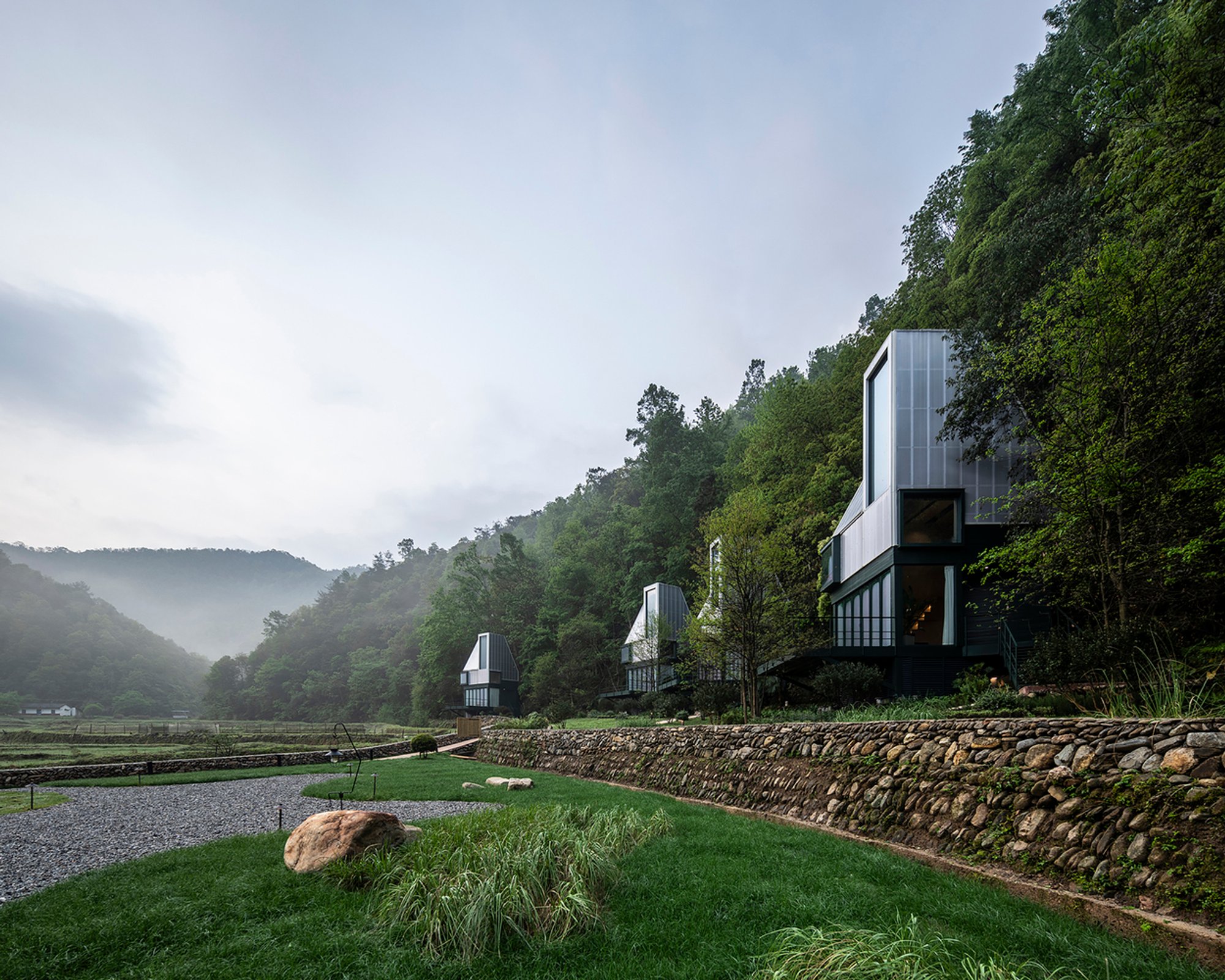
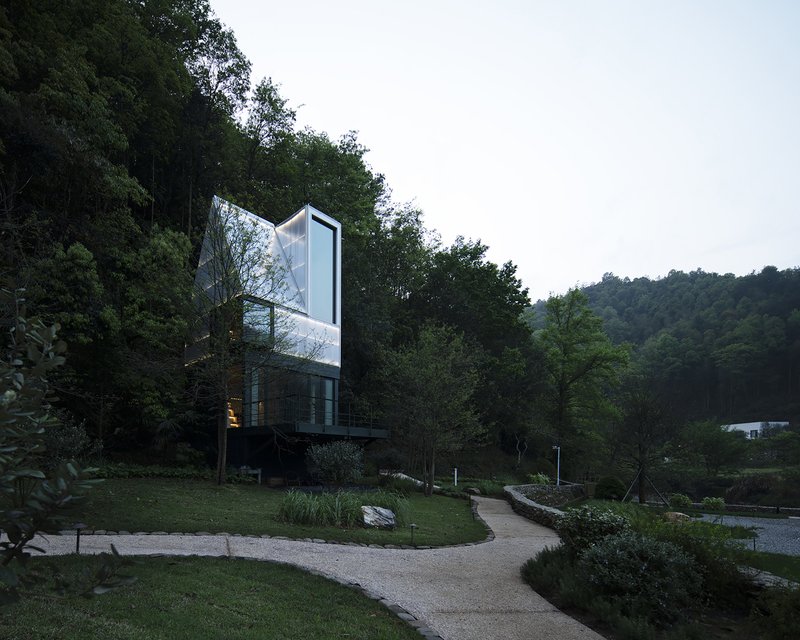
Sustainable resort architecture focuses on creating structures that not only respect the natural landscape but also enhance guest experiences through environmental integration. The Spark Lodges at YDD Resort in Changsha, China, designed by EERI, exemplify this approach, showcasing innovative design solutions that respond to both the physical and cultural context of the area.
Design Philosophy and Contextual Integration
Location and Environmental Context
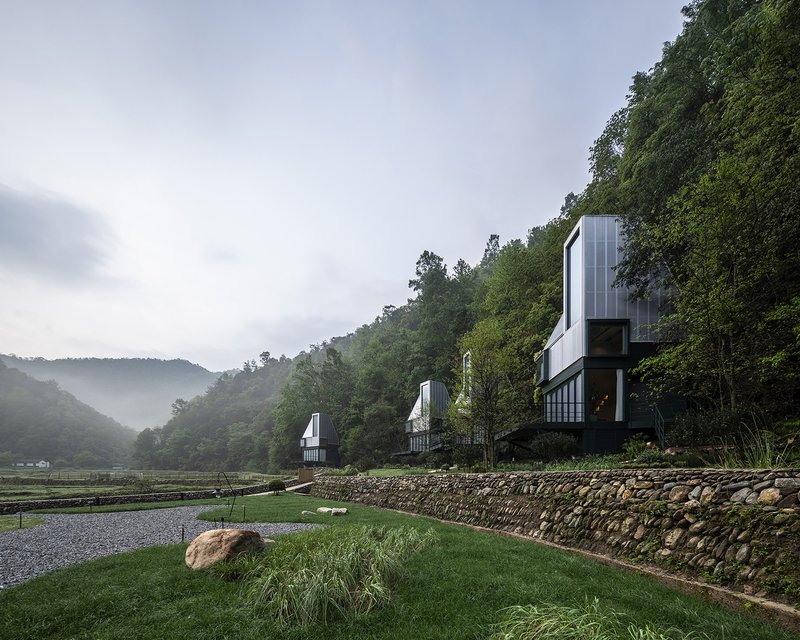
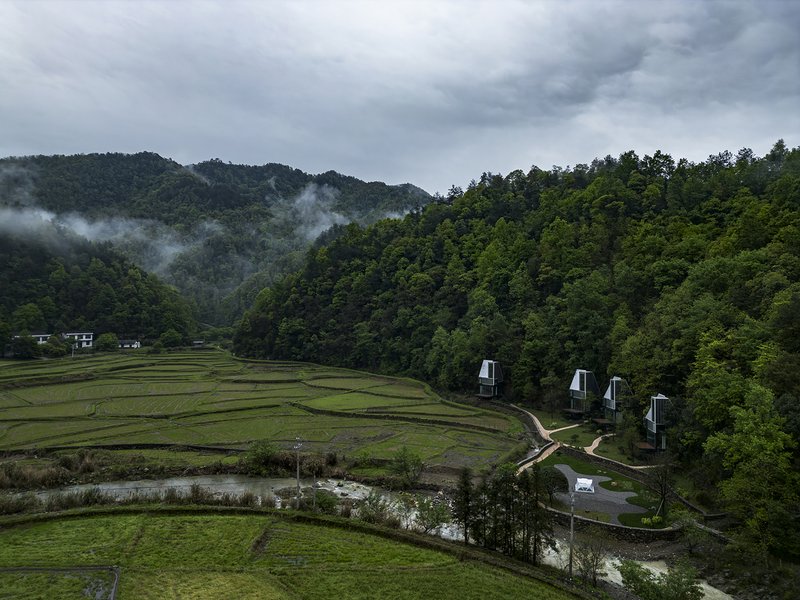
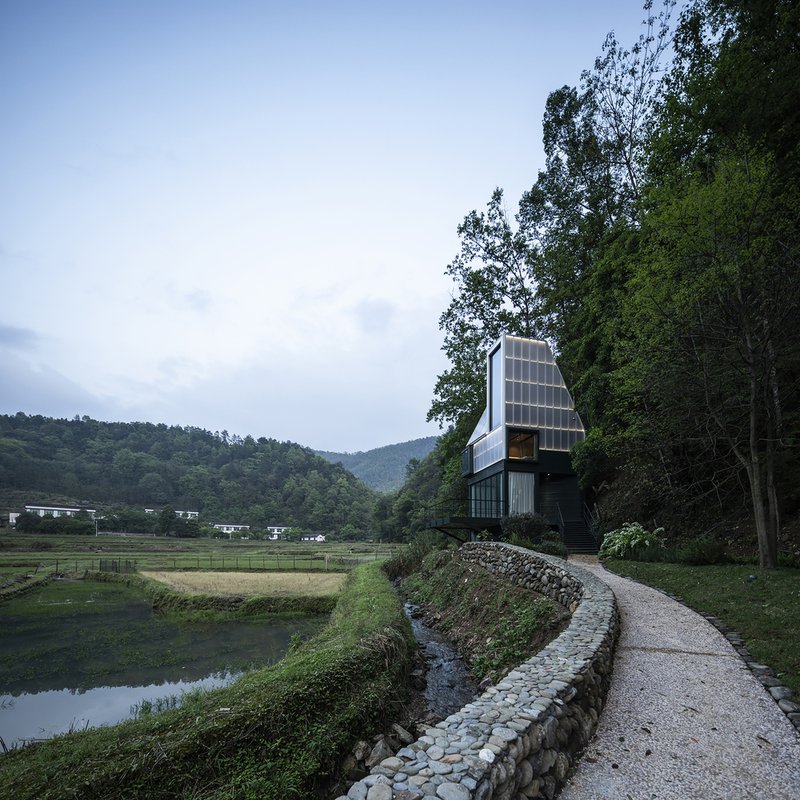
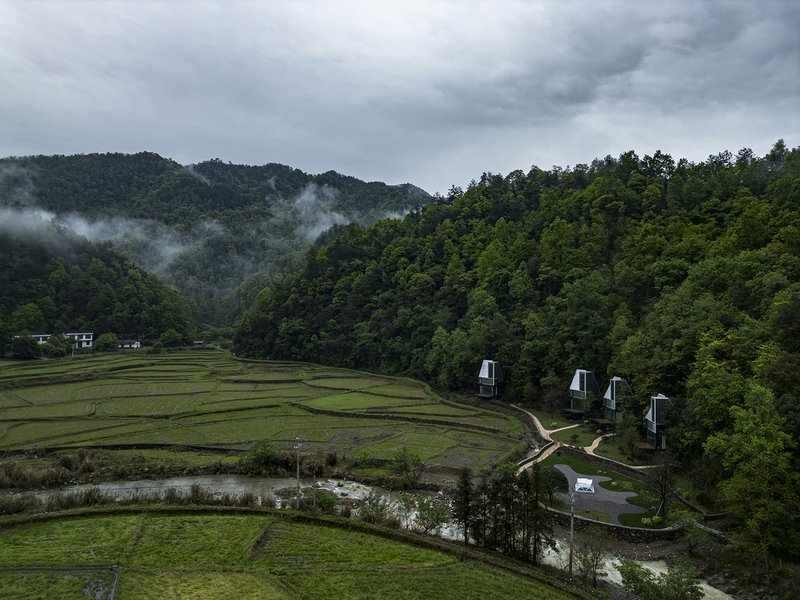
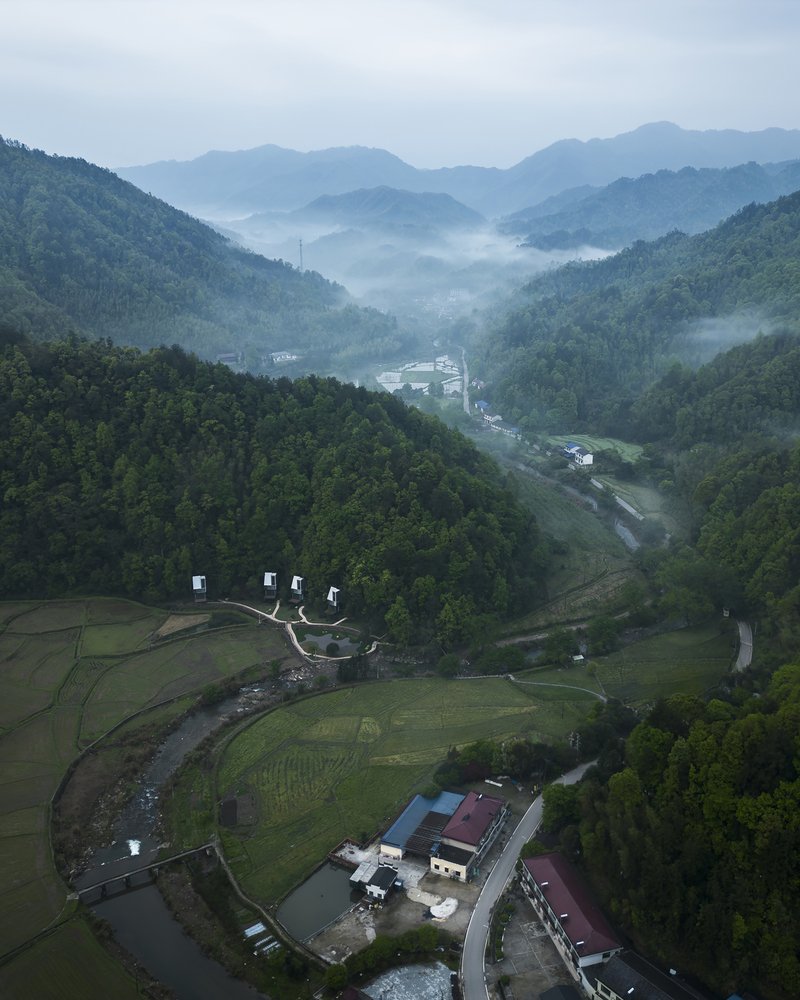
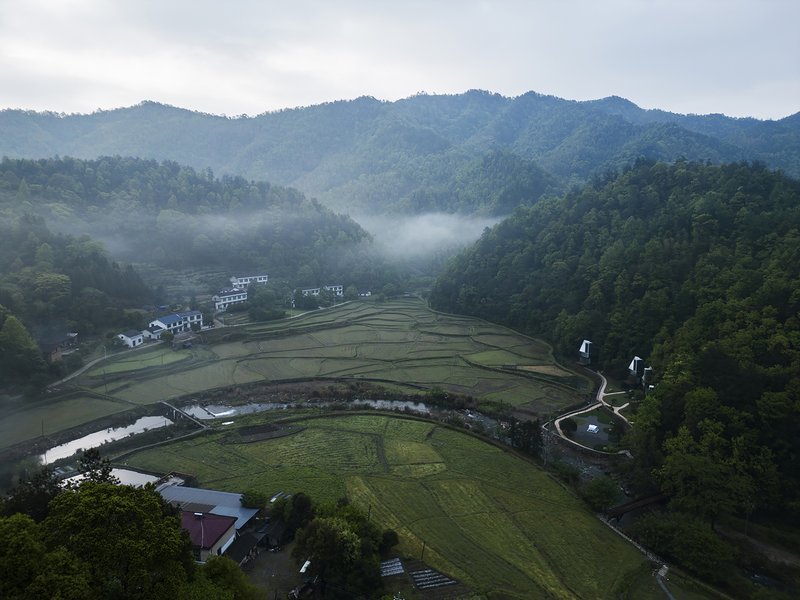
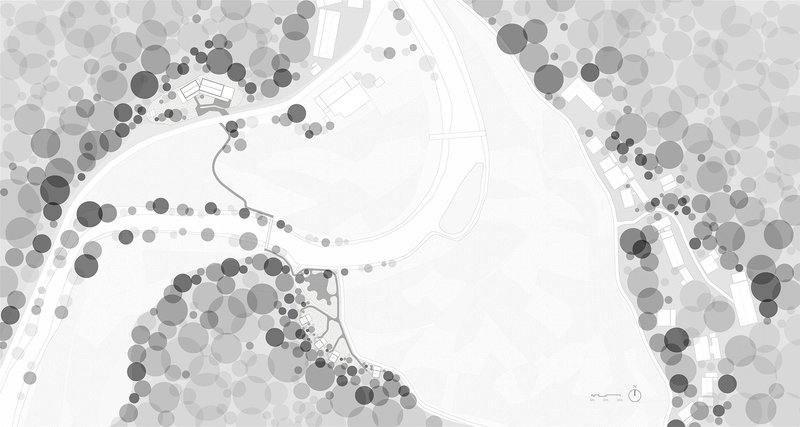
Set in the scenic valley carved by the Lianyun Mountains' streams, the Spark Lodges are situated on a plot that embodies the convergence of agriculture, tourism, and heritage in Jinkeng Village. This location presents unique challenges and opportunities for architectural design, demanding a thoughtful approach to privacy, views, and integration with the natural and human-made environment.
Cultural and Visual Integration
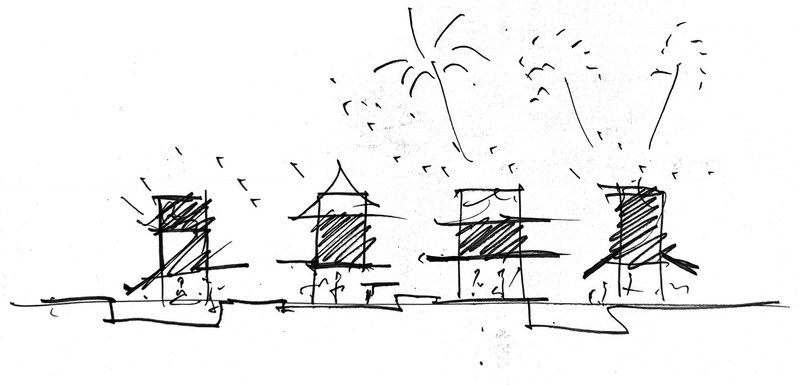
Unlike traditional designs typical of the region, the Spark Lodges do not conform to conventional rural architecture. Instead, they make a deliberate statement with their modern aesthetic, designed to coexist with the changing dynamics of Jinkeng Village, which has evolved from a secluded community to a vibrant tourist hub due to popular river trekking activities.
Architectural Features and Innovations
Innovative Facade and Privacy Solutions
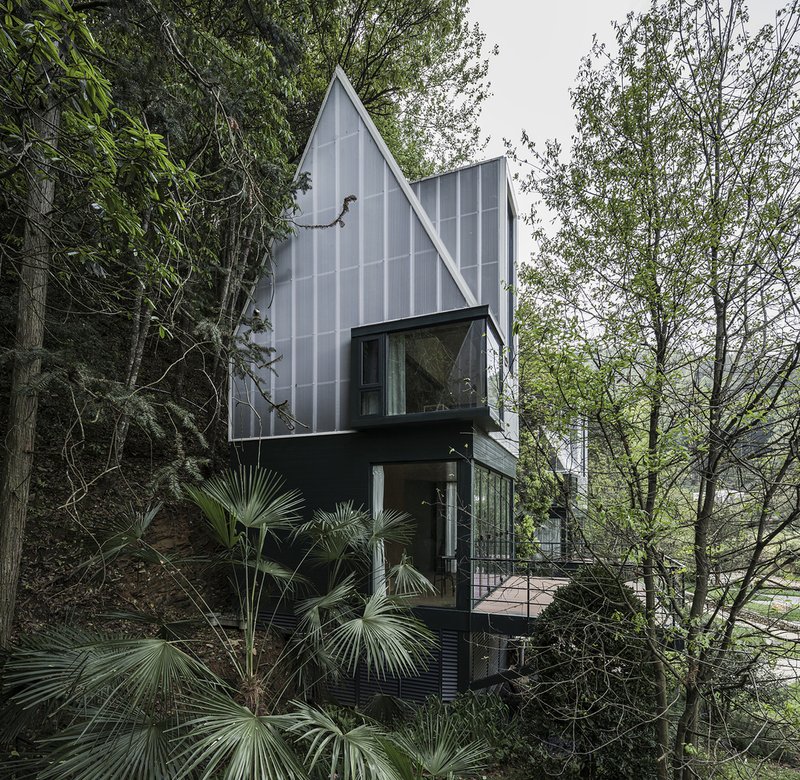
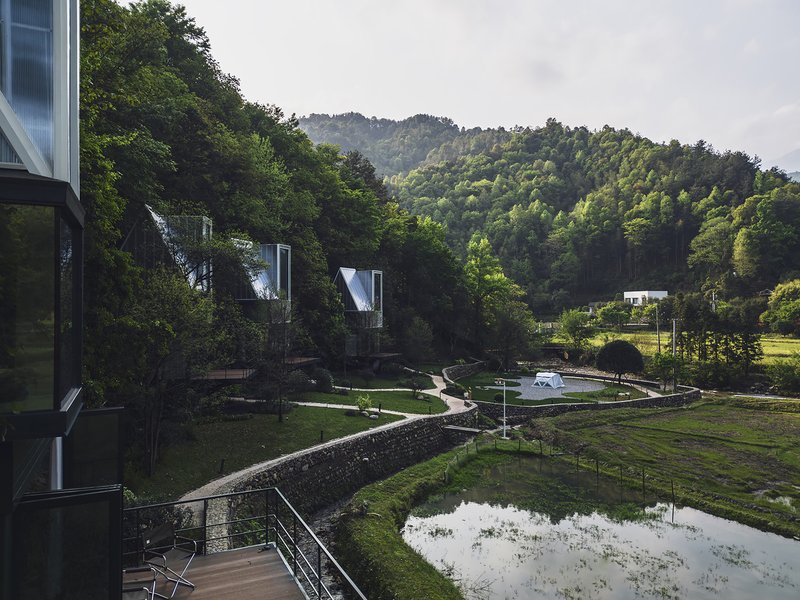
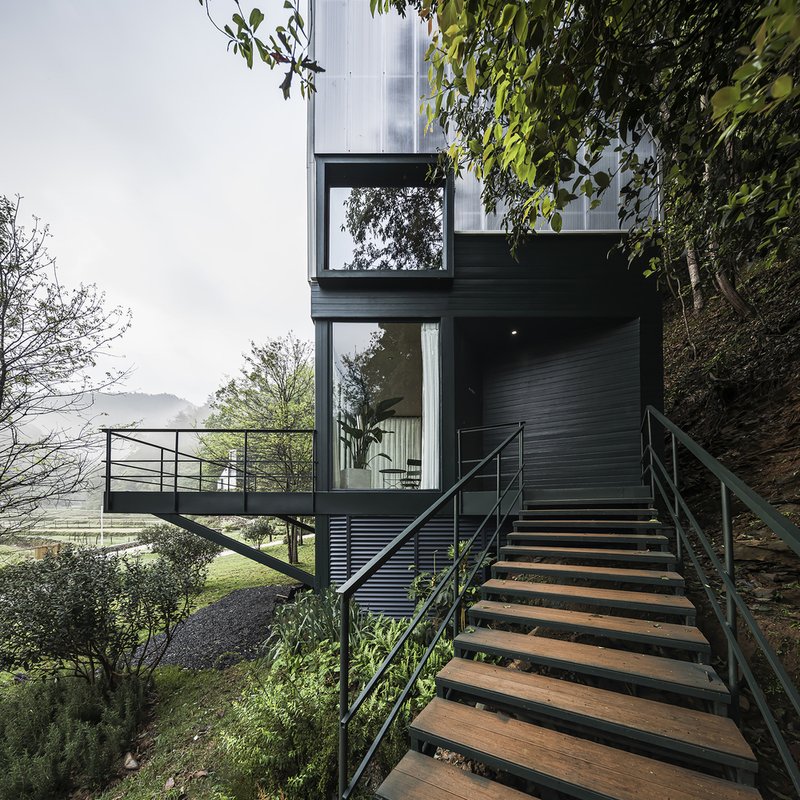
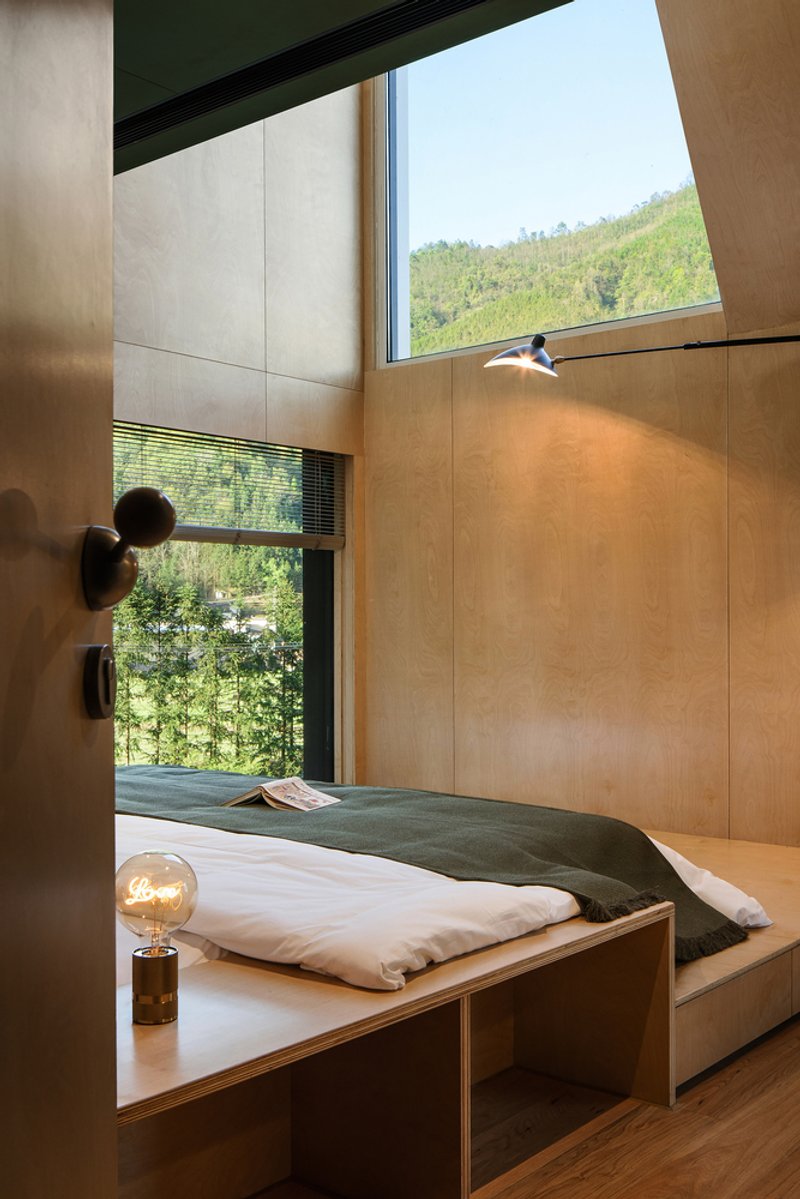
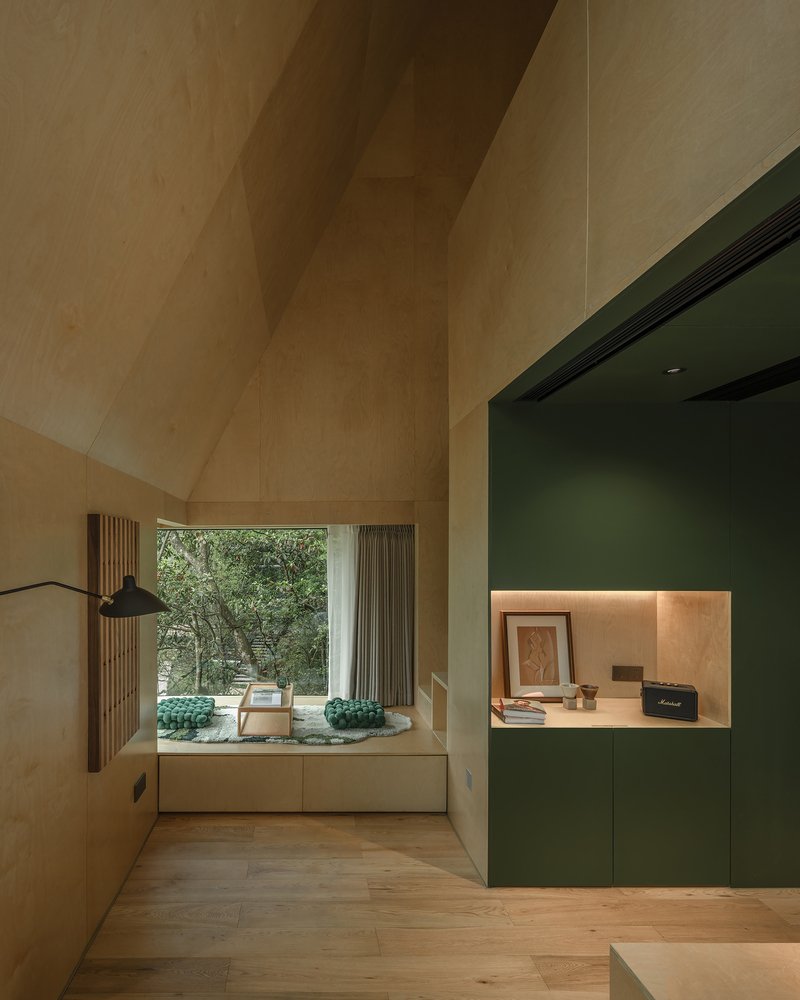
The facade of the Spark Lodges is characterized by a checkerboard pattern of "picture windows" that offer controlled views and maintain privacy. This design allows each unit to connect with the surroundings without sacrificing the comfort of the occupants. The strategic use of polycarbonate panels and wooden accents not only enhances the aesthetic appeal but also contributes to the sustainability of the building by utilizing cost-effective materials in innovative ways.
Structural Design and Material Usage
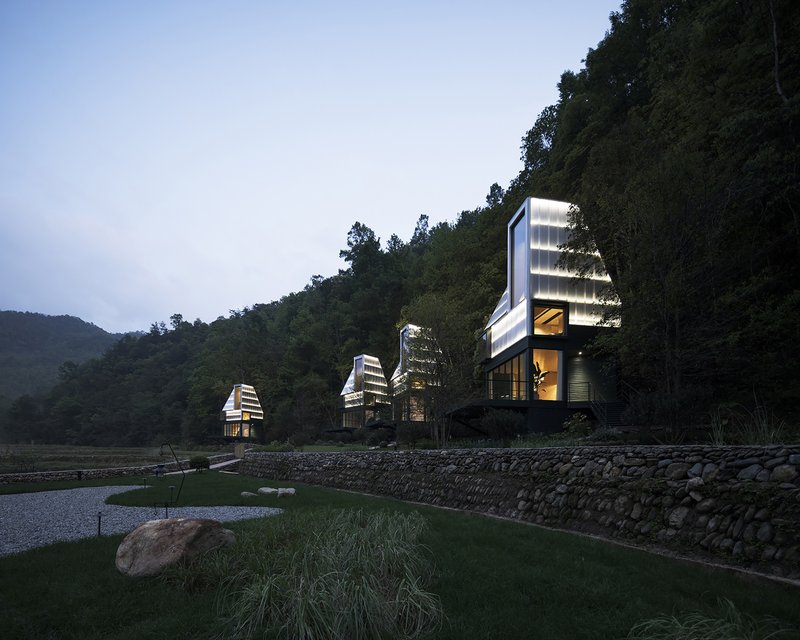
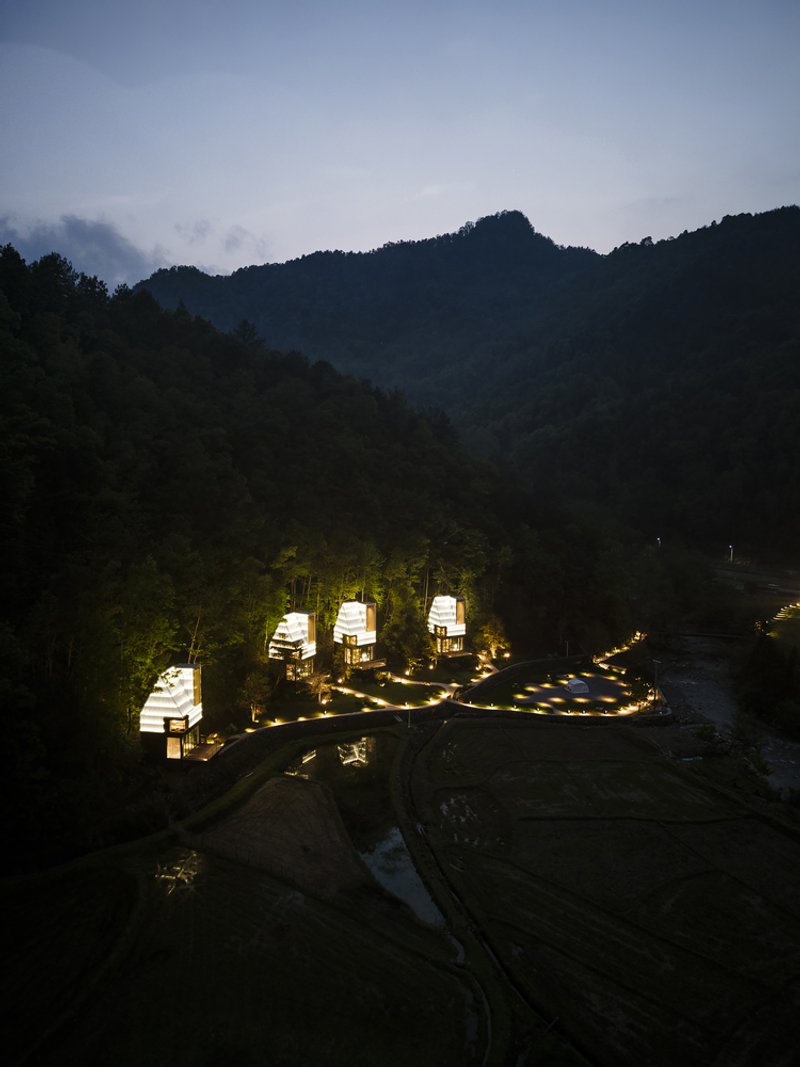
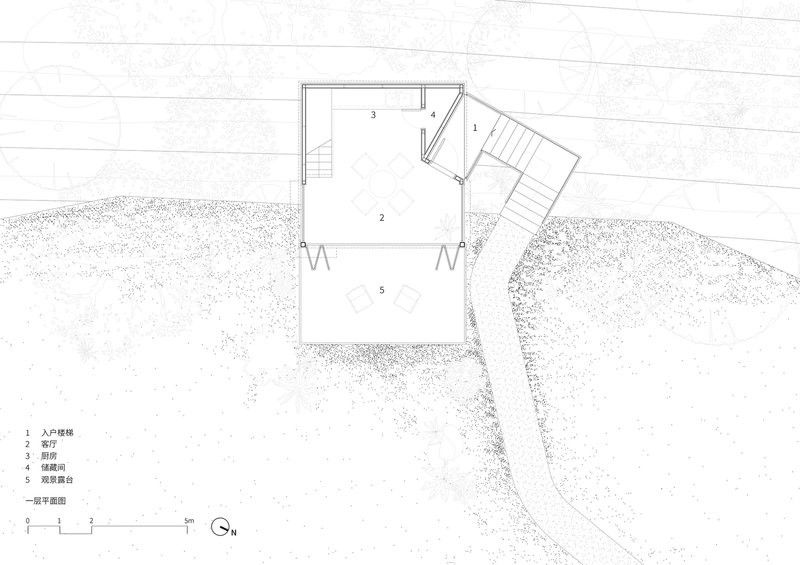
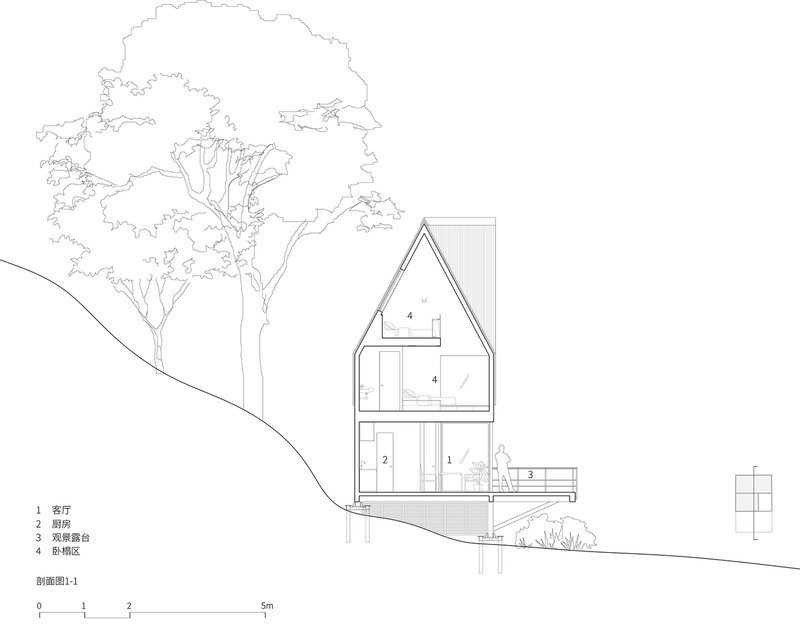
Employing an inverse beam structure, the lodges achieve a seamless continuity between indoor and outdoor spaces, with floor-to-ceiling windows that extend the visual connection to the landscape. This integration is further emphasized by the translucent polycarbonate roofing, which transforms the lodges into lantern-like beacons at night, creating a glowing presence that blends beautifully with the natural surroundings.
Interior Design and Spatial Experience
Maximizing Views and Interaction with Nature
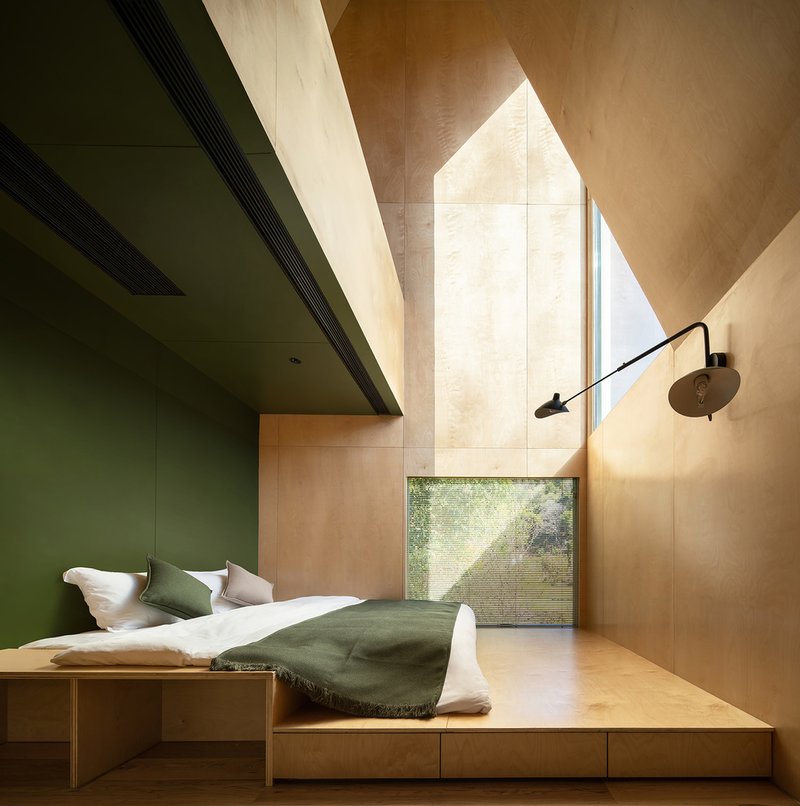
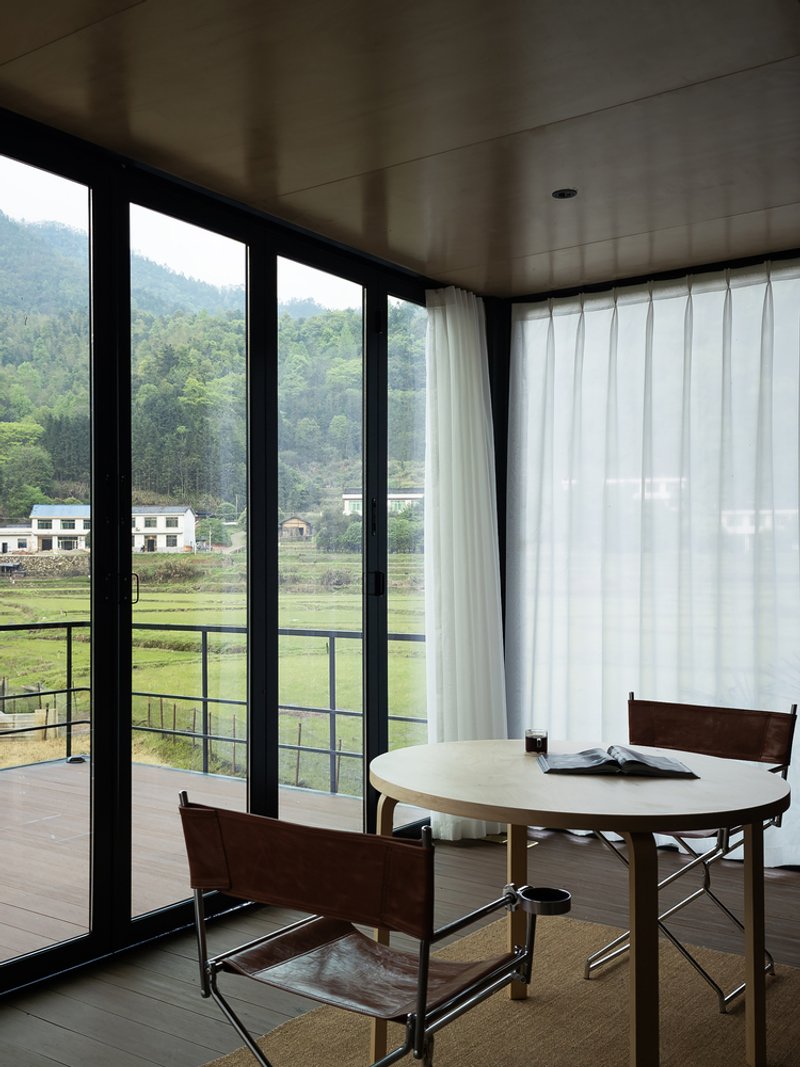
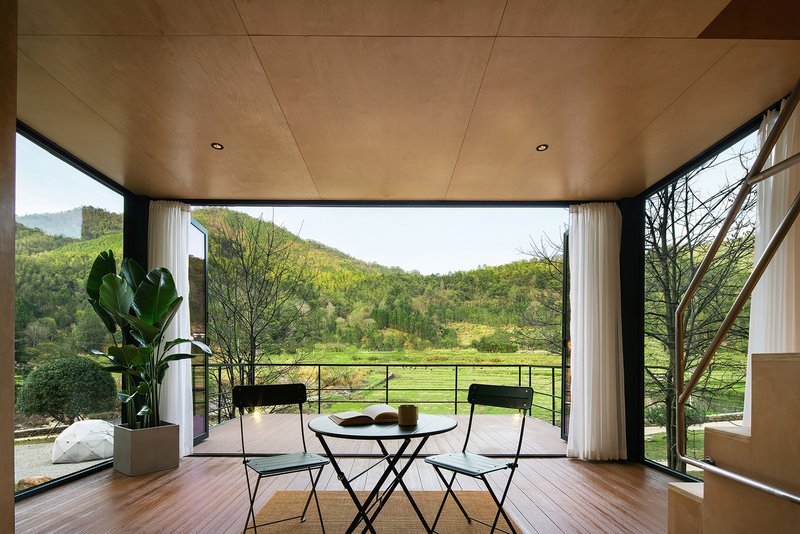
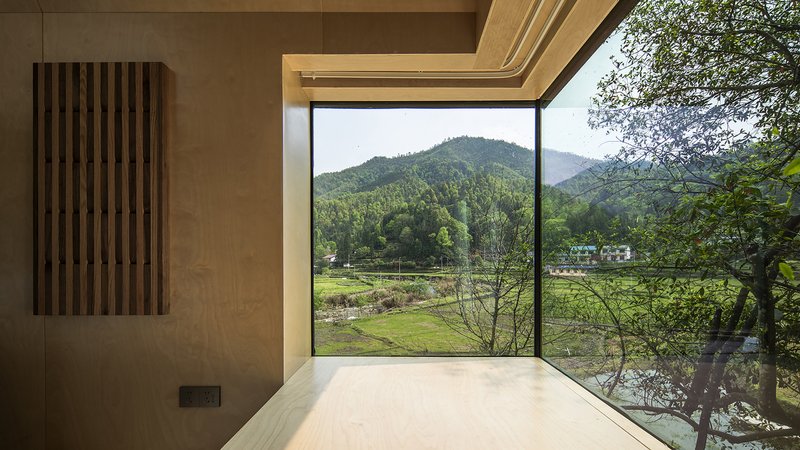
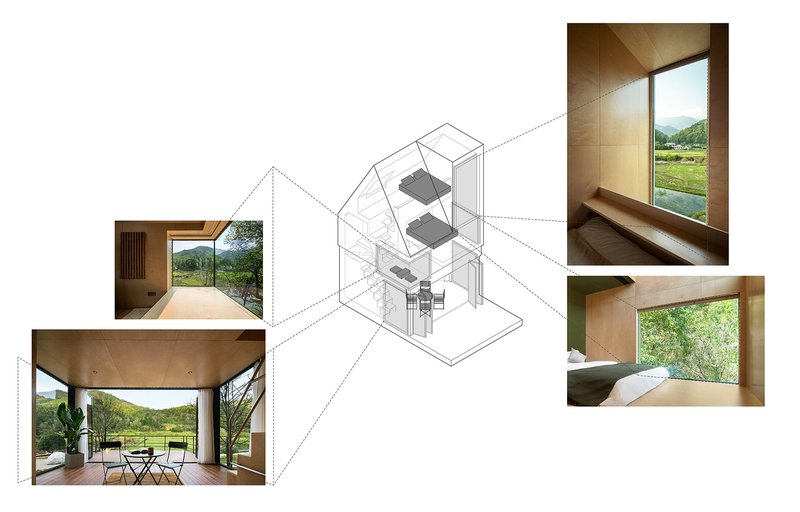
The ground-floor design features three-sided floor-to-ceiling windows that stretch the visual perspective across the horizontal plane, offering panoramic views reminiscent of a Chinese scroll painting. This design not only brings the outdoors in but also enhances the spatial quality by extending the perceived boundaries of the interior.
Privacy and Framed Vistas
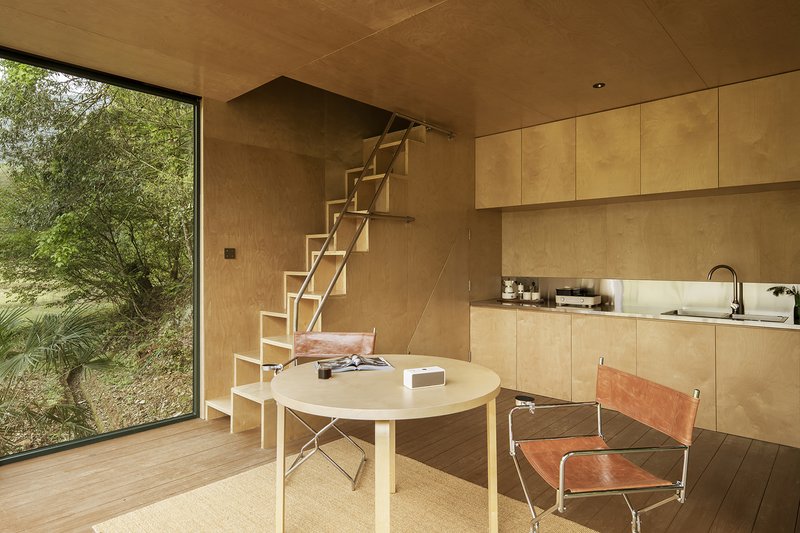
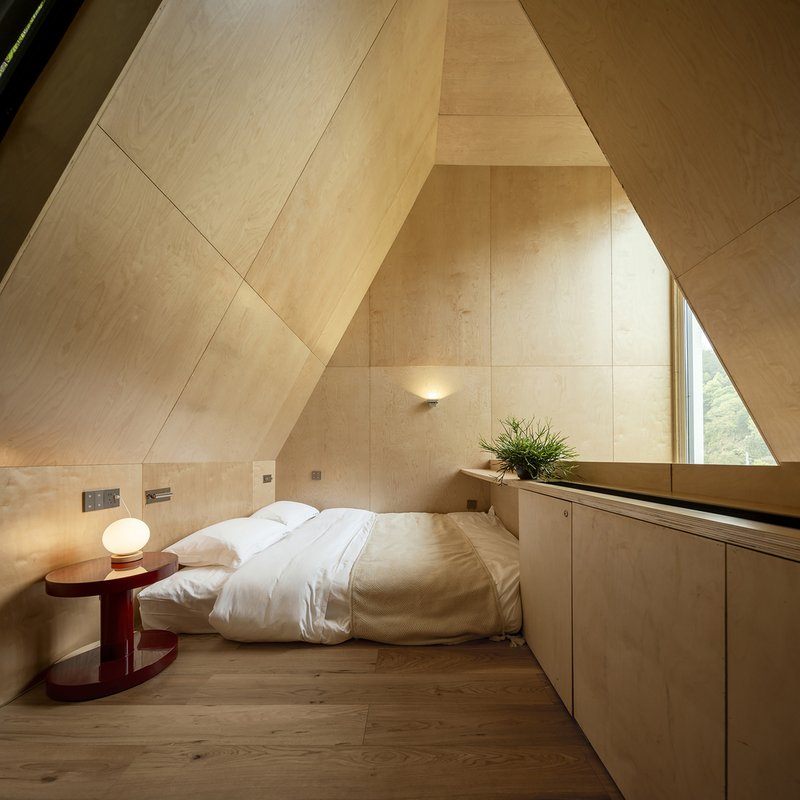
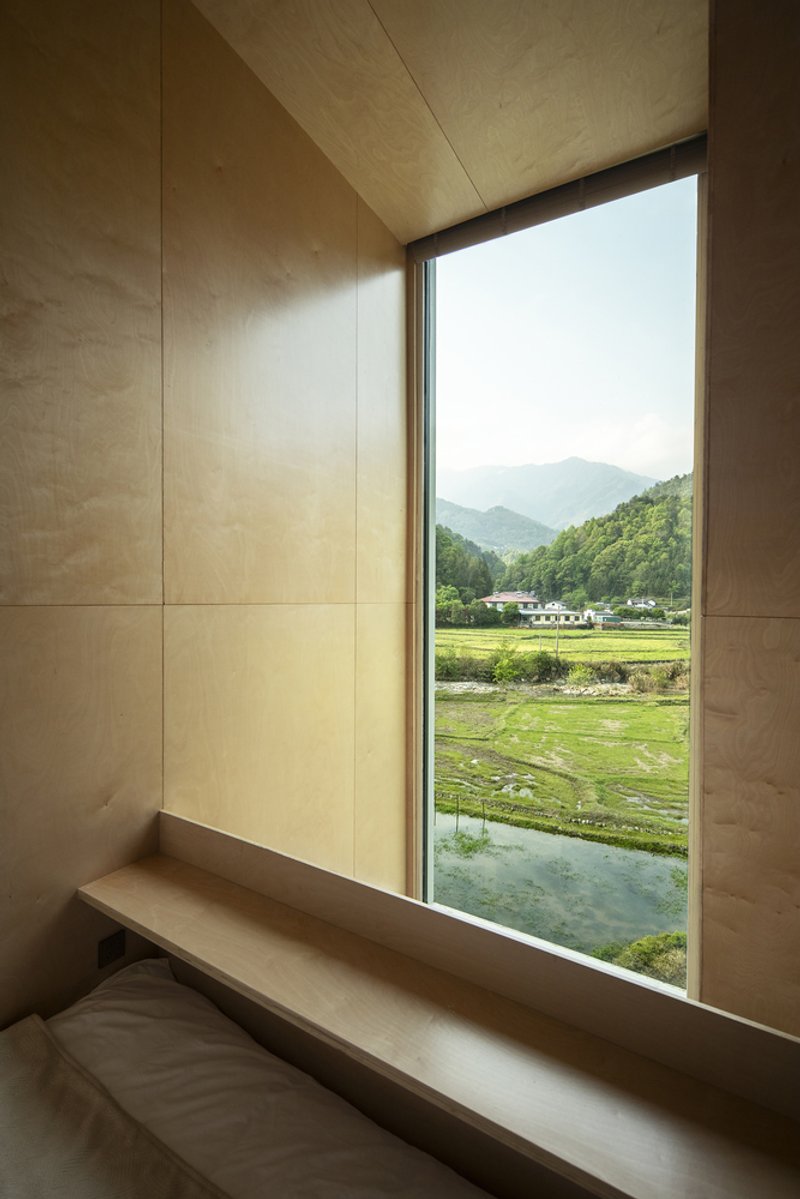
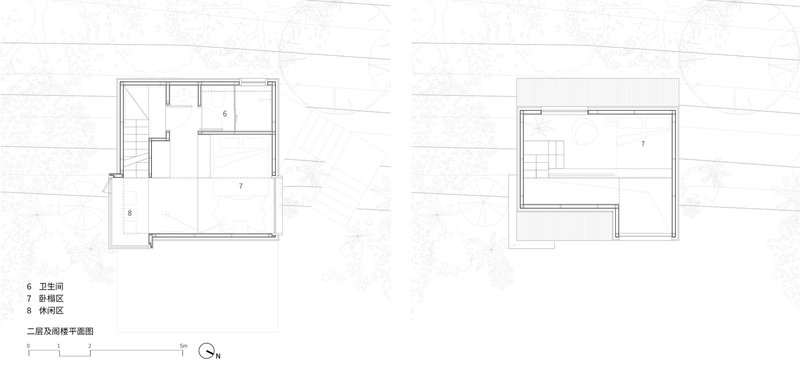
The upper floors provide more privacy and frame the views through strategically placed windows, creating intimate vignettes of the external environment. These openings are designed to focus attention on specific landscapes, turning natural scenes into living artworks within the lodge's interior.
A New Paradigm in Resort Architecture
The Spark Lodges at YDD Resort represent a shift in sustainable resort architecture, where design is deeply informed by its context and aimed at enhancing the ecological and visual harmony between built and natural environments. EERI has set a new standard for resort design, where sustainability goes beyond material choices and becomes intrinsic to the architectural narrative and guest experience.
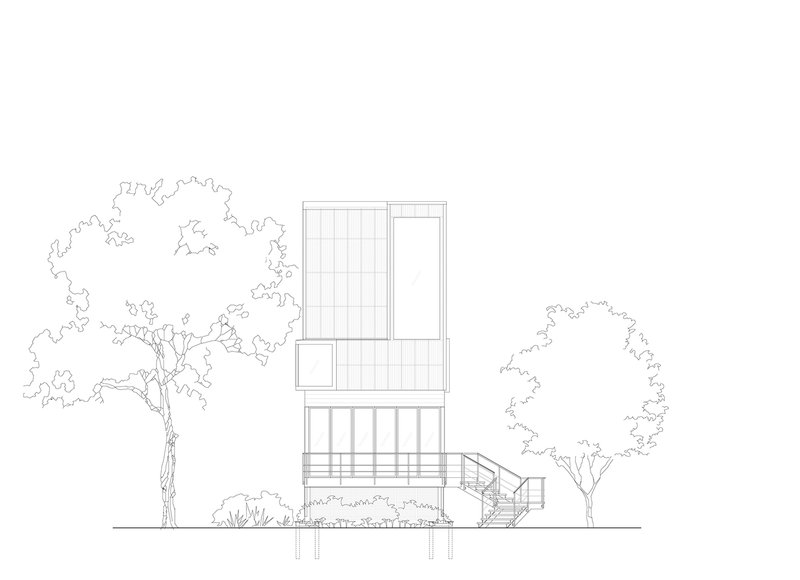
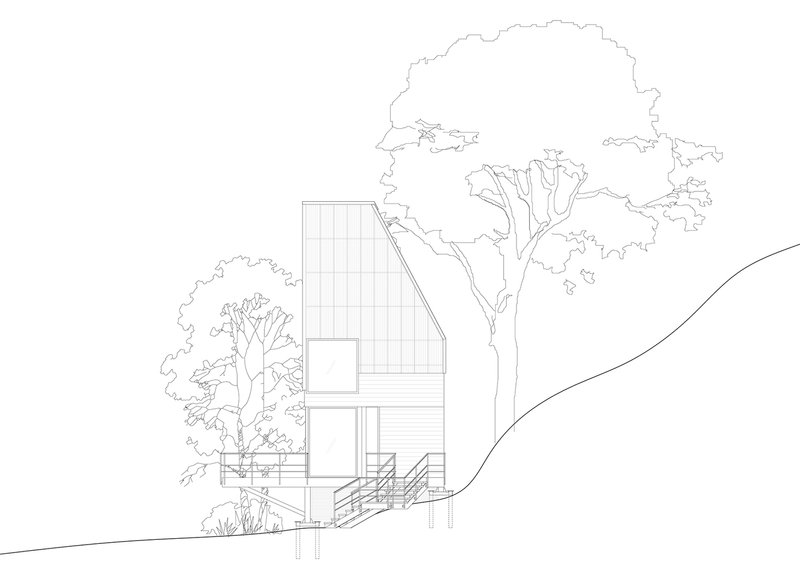
All photographs are work of NANTU, EERI



Popular Articles
Popular articles from the community

A Contemporary Take on Iranian Residential Architecture
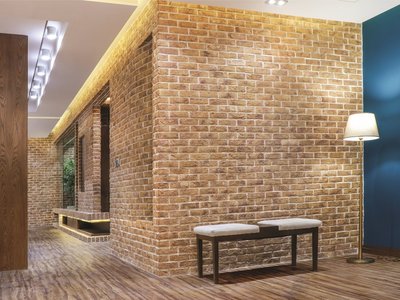
A modern interior design in Mashhad that reinterprets brick, light, and spatial flow to create a warm, contemporary residential architecture.
Flamboyant House by Juliana Camargo + Prumo Projetos
Modern Brazilian house integrating existing tree, pool, and volumes with glass, wood, and transitional spaces blending interior, exterior, and landscape seamlessly.
An Miên Lumière Cafe by xưởng xép, Ho Chi Minh City, Vietnam
An industrial-inspired café where layered steel and warm light create a dynamic, immersive environment shaped by reflection, depth, and perception.
On the Brooks House by Monsoon Collective – A Contemporary Kerala Home Rooted in Tradition
Kerala home blending tradition and modernity with water-inspired design, brick architecture, courtyard planning, and sustainable rainwater harvesting strategies.

Similar Reads
You might also enjoy these articles


The Ken Roberts Memorial Delineation Competition (Krob)
As the most senior architectural drawing competition currently in operation anywhere in the world, it draws hundreds of entries each year, awarding the very best submissions in a series of medium-based categories.


Waterfront Redevelopment and Urban Revitalization in Mumbai: Forging a New Dawn for Darukhana
A transformative waterfront redevelopment project reimagining Darukhana’s shipbreaking heritage into an inclusive urban future.

OUT-OF-MAP: A Call for Postcards on Feminist Narratives of Public Space
Rhizoma Design and Research Lab invites artists, designers, architects, researchers, and students to reflect on how feminist perspectives can reshape public space. Selected works will be exhibited in Barcelona, October 2026. Submissions open until 15 April 2026.


Documentation Work on Buddhist Wooden Temple
Architectural syncretism and cultural hybridity: A comparative study of the Buddhist temples in Chattogram Hill tracks

Explore Architecture Competitions
Discover active competitions in this discipline




The International Standard for Design Portfolios


The Global Benchmark for Architecture Dissertation Awards


The Global Benchmark for Graduation Excellence


Challenge to reimagine the Iron Throne
Comments (0)
Please login or sign up to add comments
No comments yet. Be the first to comment!