
Flexible Family Home Design: House U by Shinta Hamada Architects
House U by Shinta Hamada Architects exemplifies flexible family home design, integrating natural surroundings with adaptable living spaces for a multigenerational family.

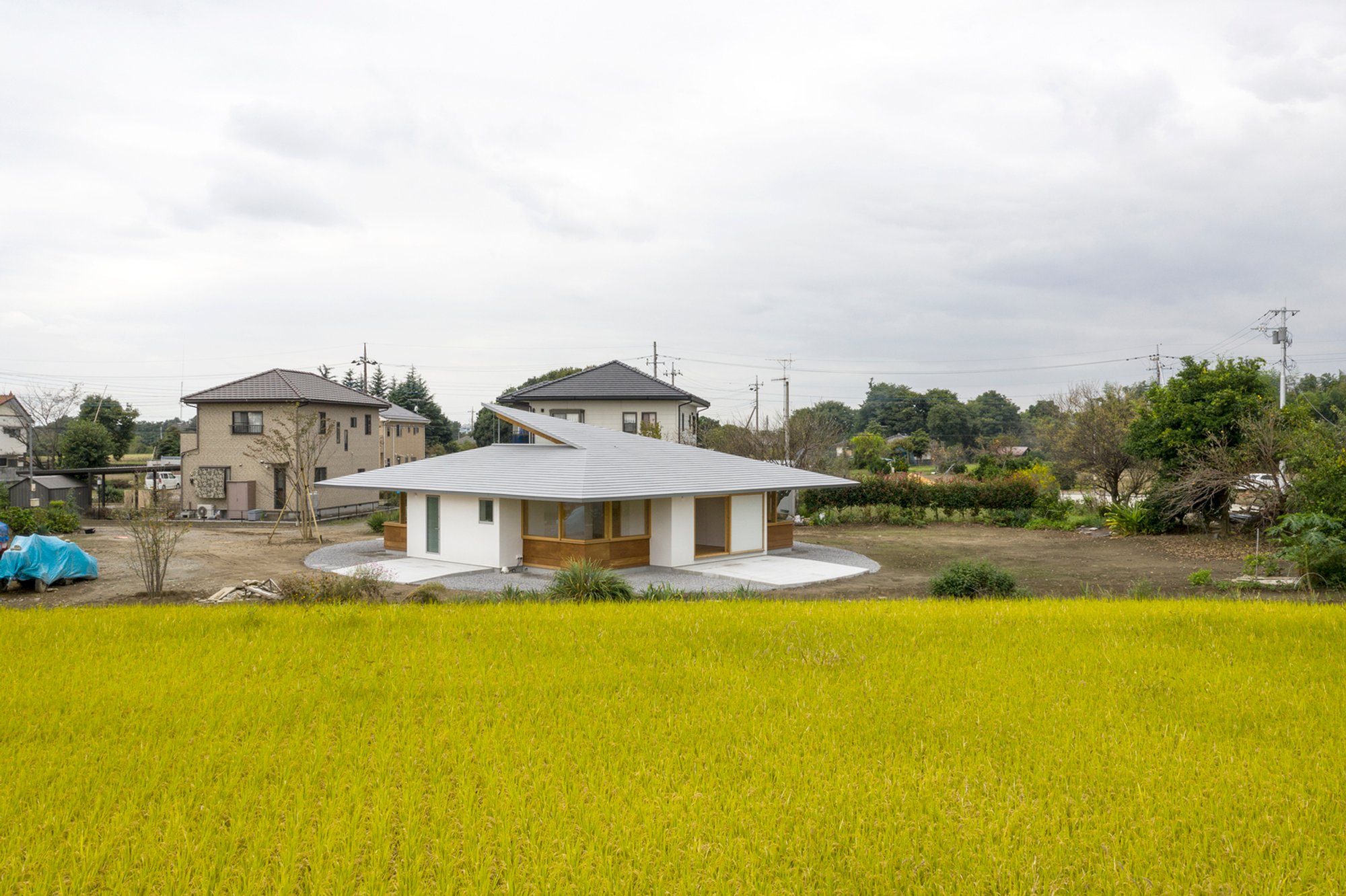
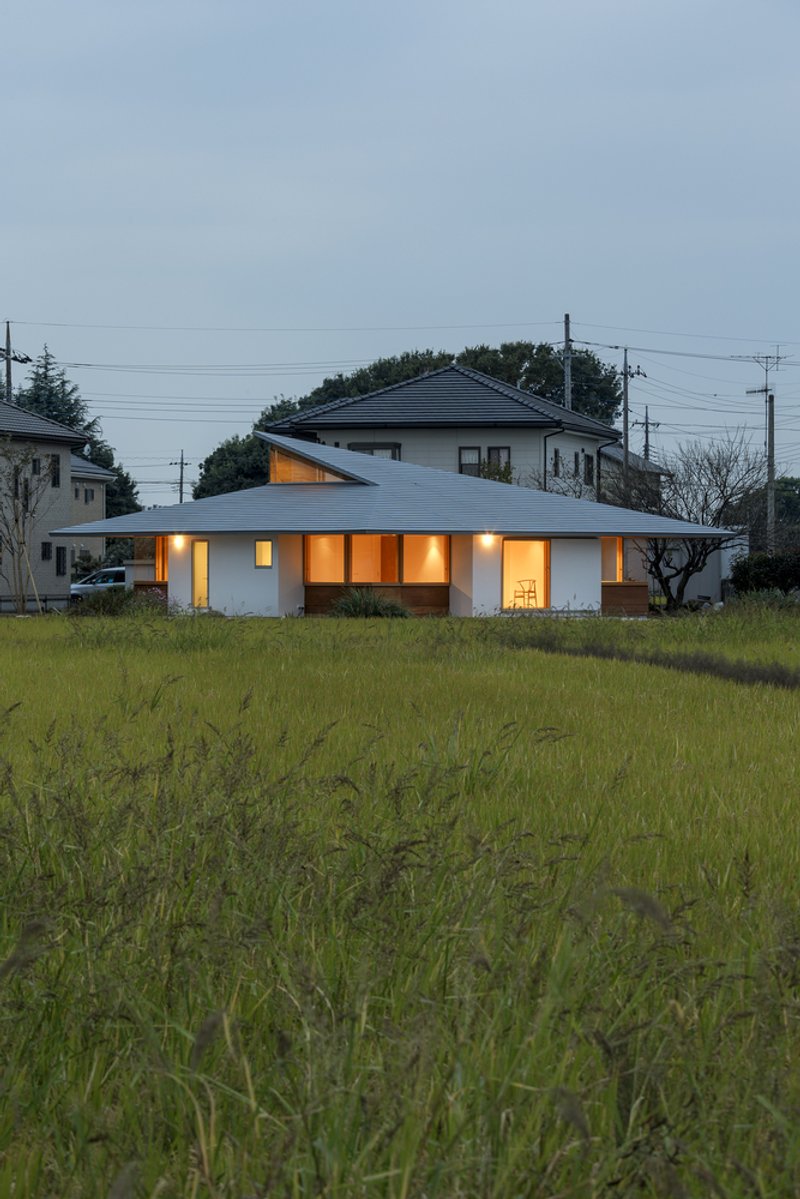
House U, designed by Shinta Hamada Architects, is an innovative family home located in a suburban agricultural area in Japan. The design of the house reflects the diverse lifestyles and hobbies of three families, each consisting of different needs, while promoting flexibility for future changes. With a compact footprint, clever spatial organization, and thoughtful connection to its surroundings, House U serves as an ideal example of flexible family home design.
The Site and Design Concept
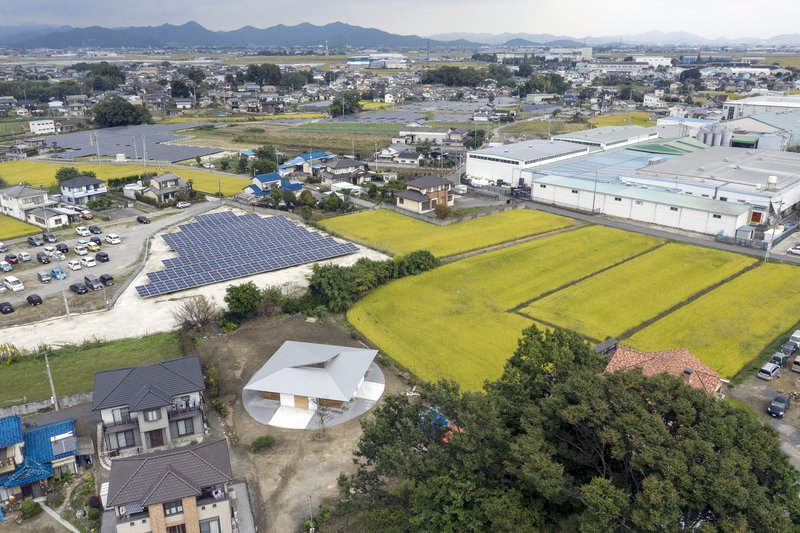
Located in a tranquil suburban area surrounded by rice fields, forests, and residential spaces, the site of House U offers a natural environment that greatly influenced the design approach. The project was driven by the challenge of accommodating three families—eight members in total—with diverse needs under one roof, without sacrificing personal space or connectivity.
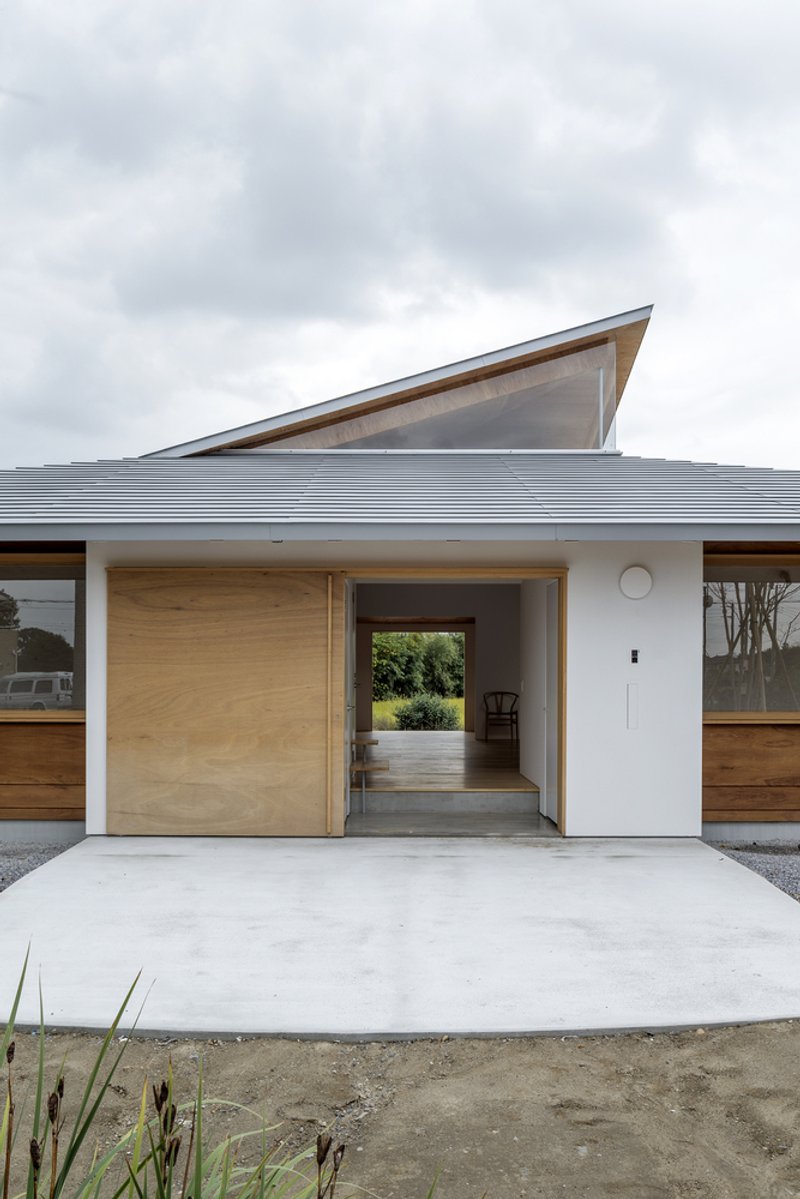
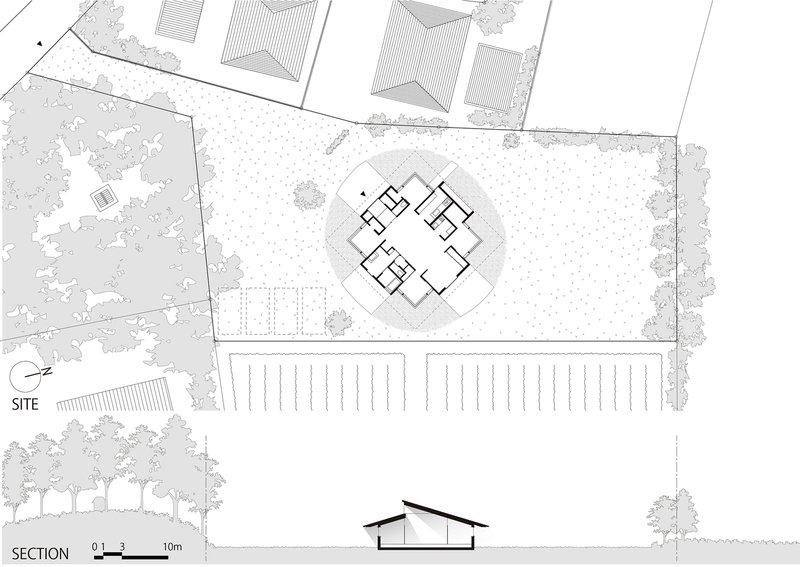
The design is based on the concept of simplicity and adaptability. Shinta Hamada Architects aimed to create a home that would accommodate future changes in the family’s structure and activities. The layout is centered around a compact square building, placed in the middle of a long and narrow site, optimizing the use of available space.
Centralized Space and Garden Integration
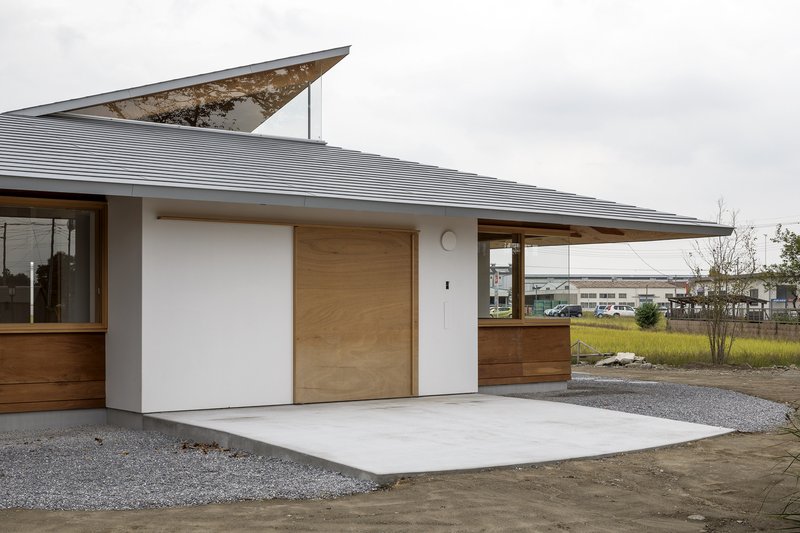
The house is thoughtfully organized into two distinct gardens. To the north, there is a private garden, offering a retreat-like atmosphere, while to the south lies an open garden that doubles as a parking space. These gardens not only connect the interior spaces but also enhance the relationship between the house and its surroundings, making the most of the natural environment.
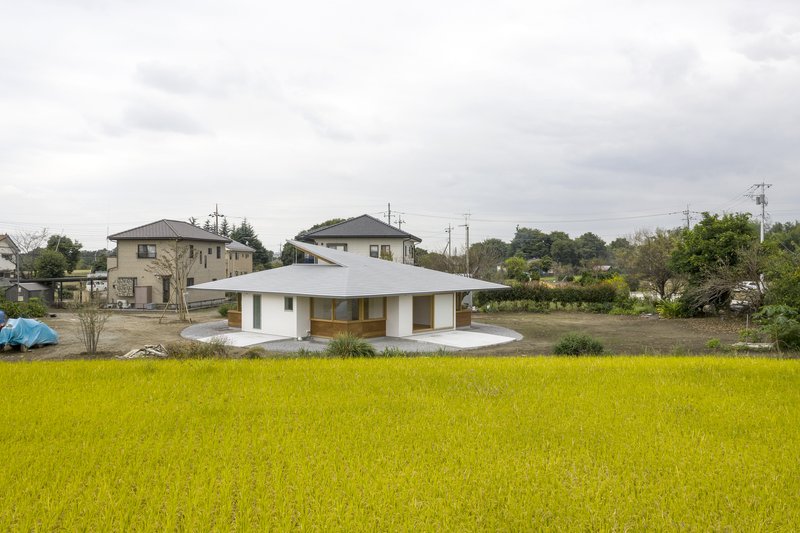
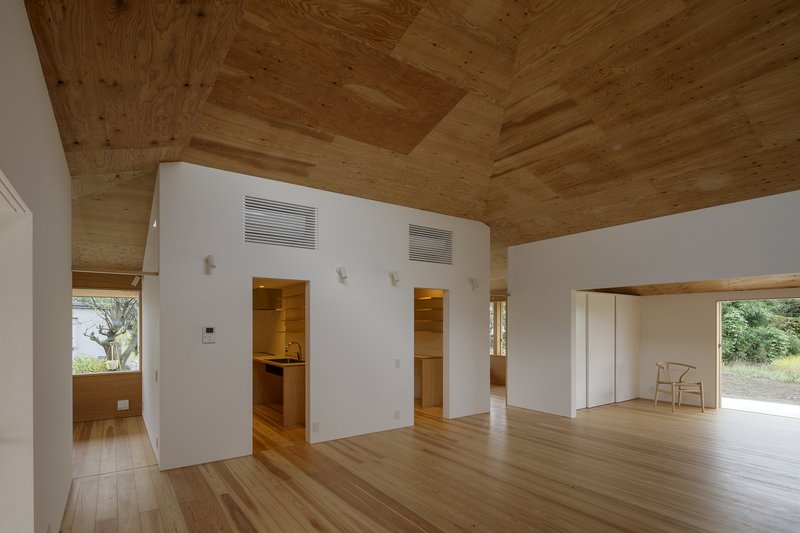
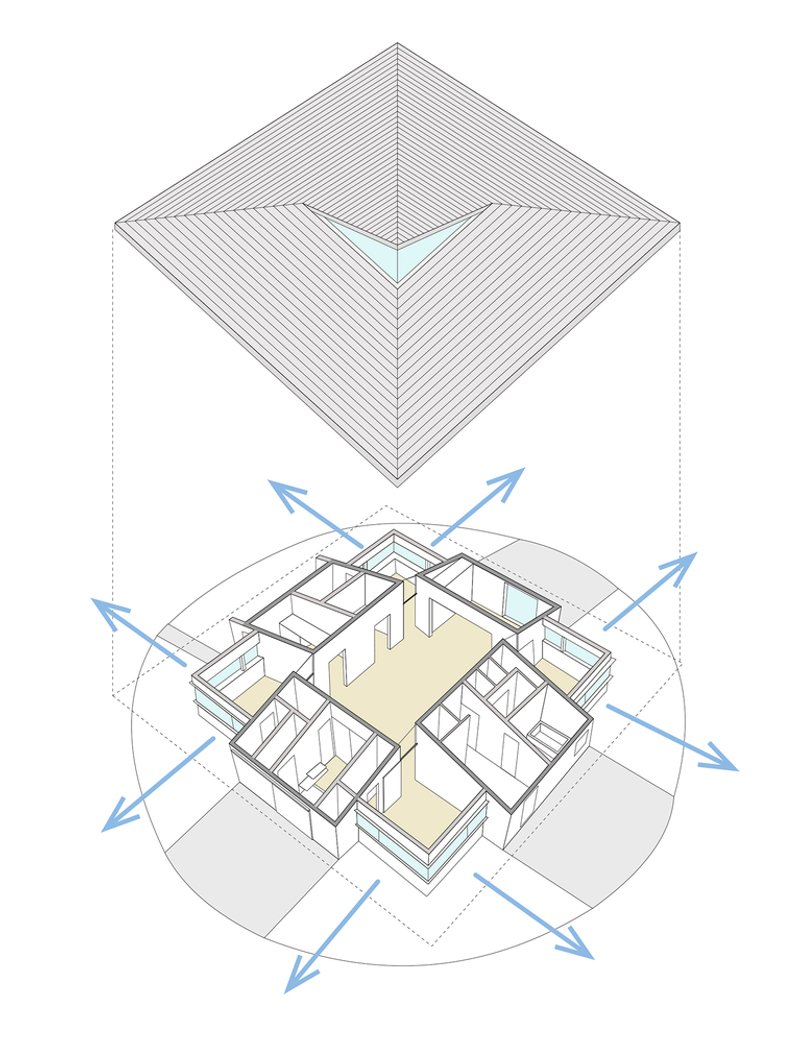
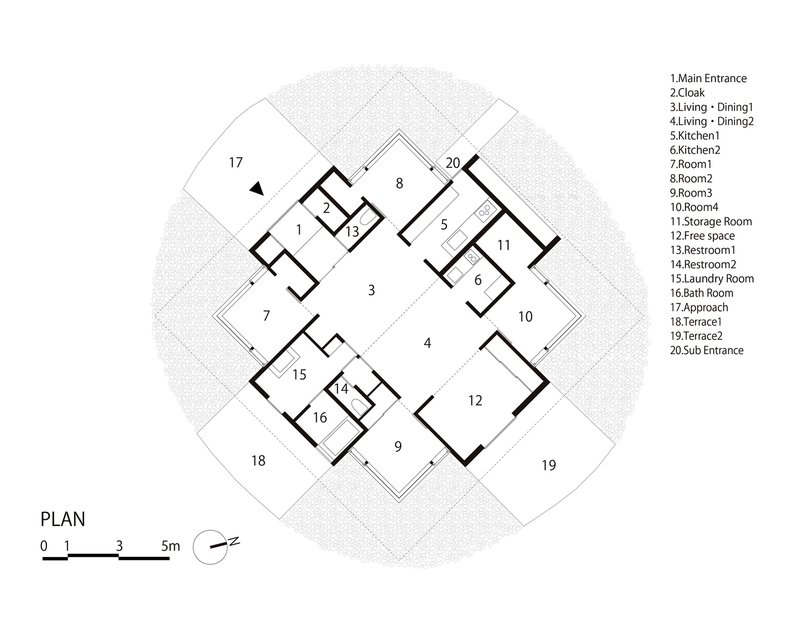
The architectural layout consists of four core elements: the kitchen, bathroom, toilet, and entrance. These form the heart of the building, around which four private rooms of equal size are positioned. The centralized layout fosters connectivity between the family members while maintaining privacy in the individual rooms.
Adaptable and Open Layout
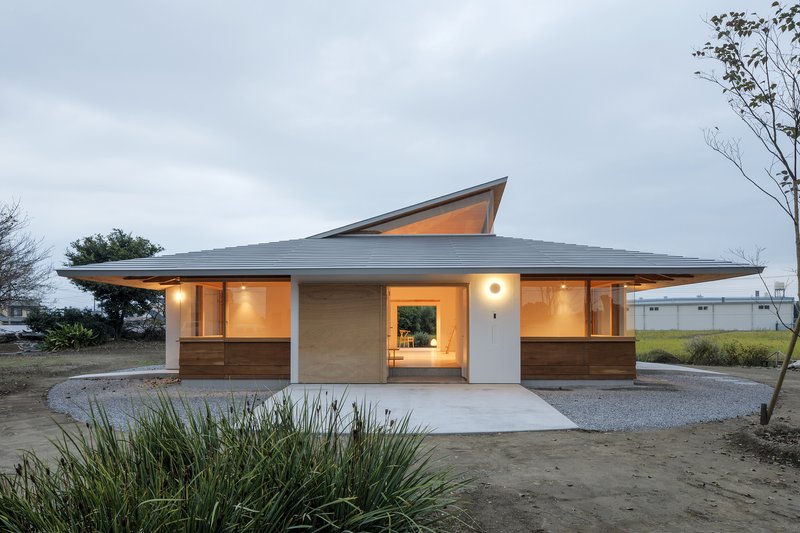
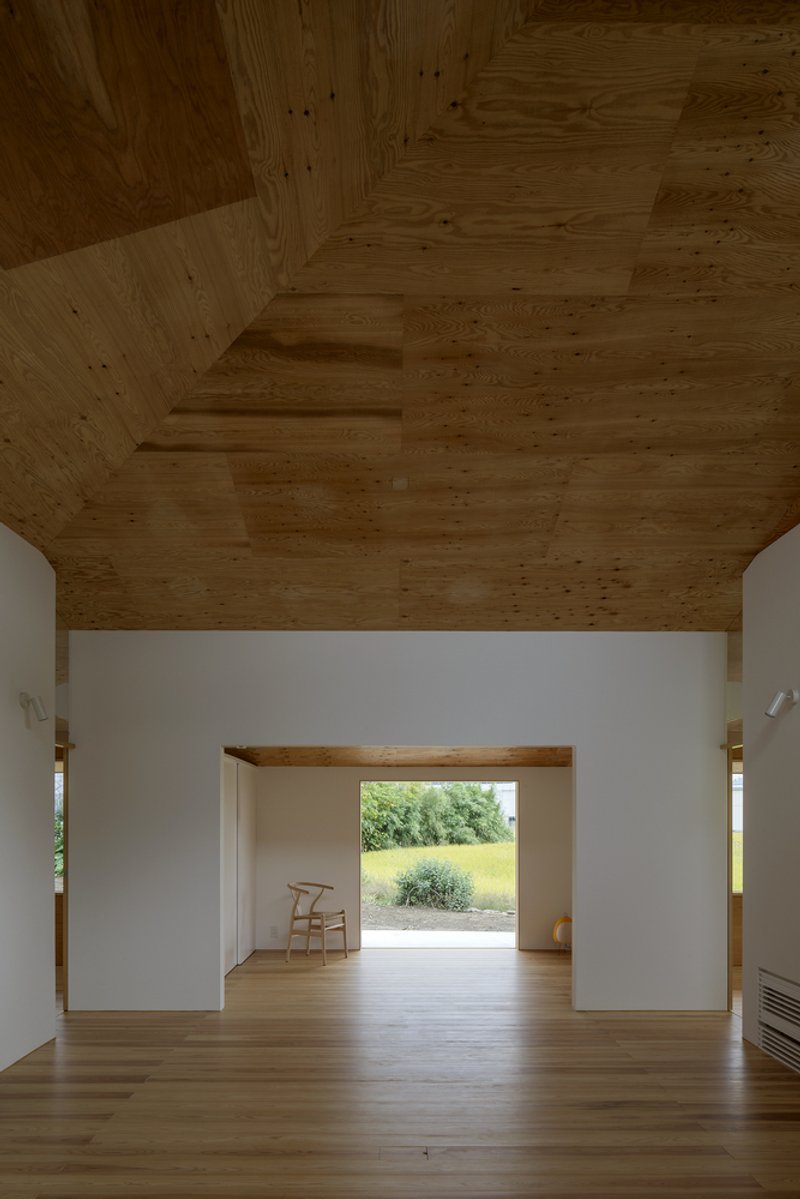
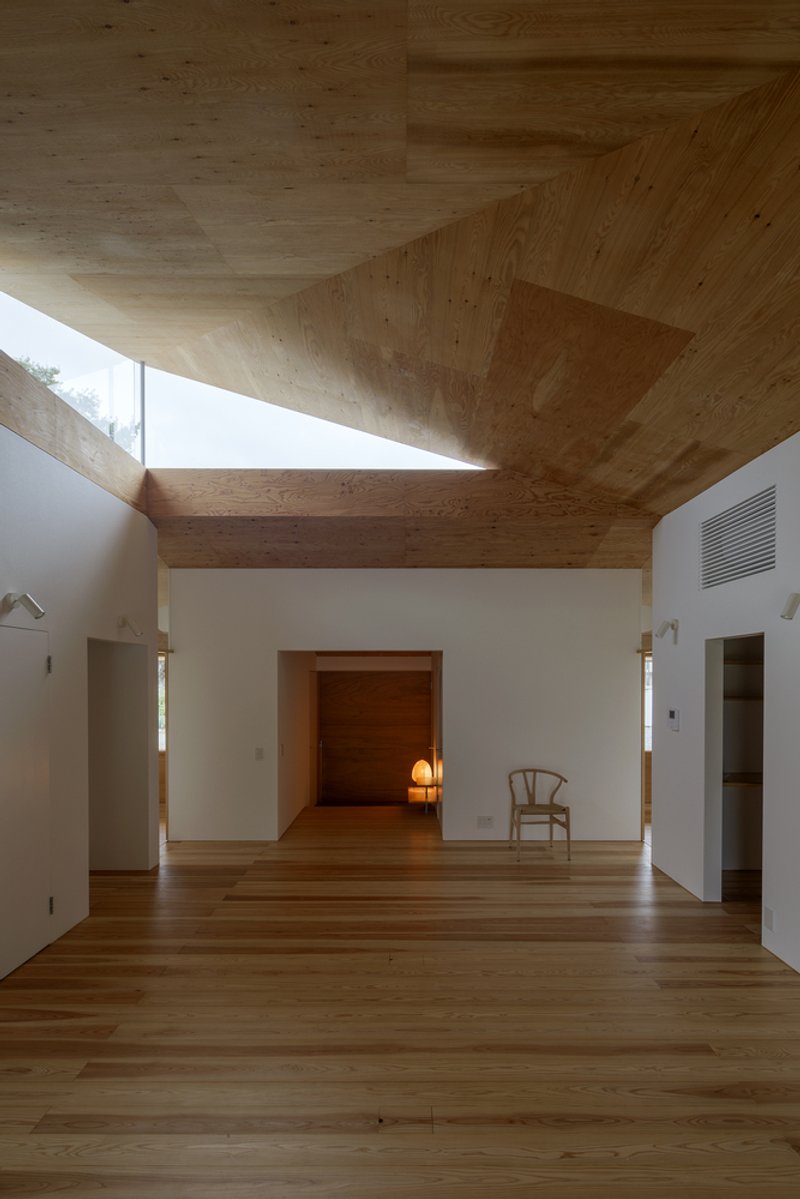
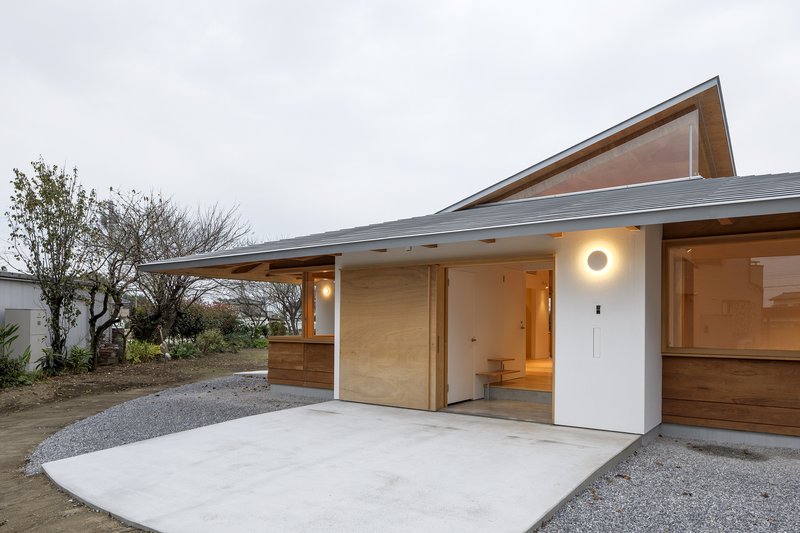
The key to the flexibility of House U lies in its open, adaptable layout. The central space acts as the core hub of the home, linking the various rooms and serving as a multifunctional common area. The large roof is a defining feature of the design, providing protection from the elements—especially the strong sunlight, wind, and rain characteristic of the region.
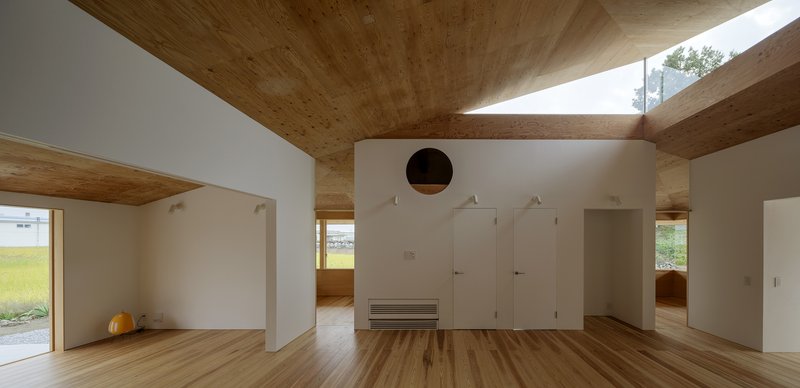
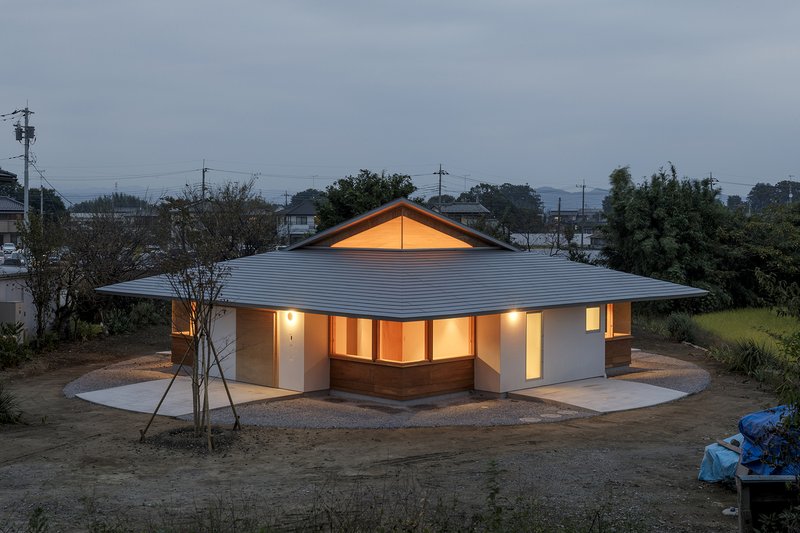
An important aspect of the roof design is its ability to allow natural light into the central space through a large opening, which creates a connection to the outdoors while protecting the interior from harsh weather conditions. This clever use of natural light transforms the space into a more comfortable and inviting environment, despite the lack of windows in the central area.
Expanding the Sense of Space
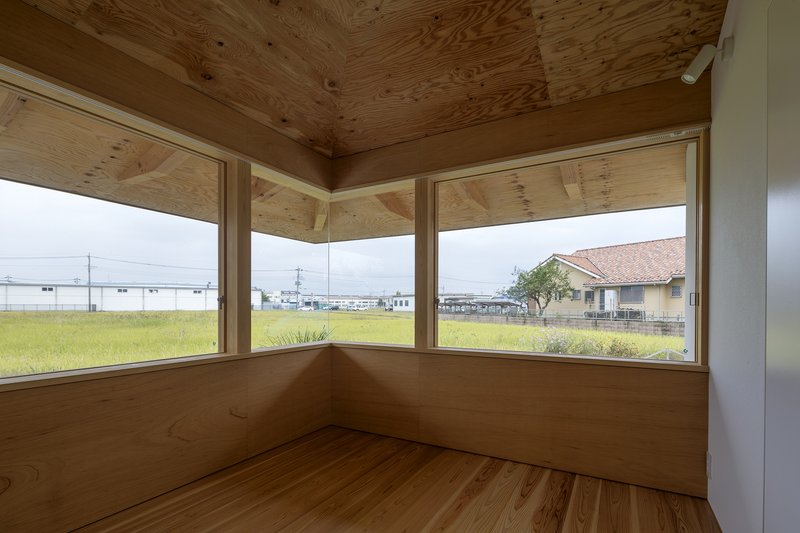
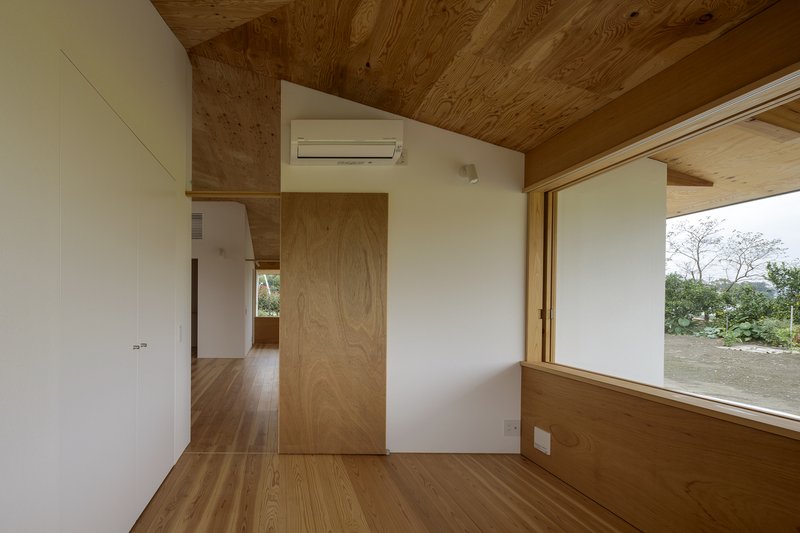
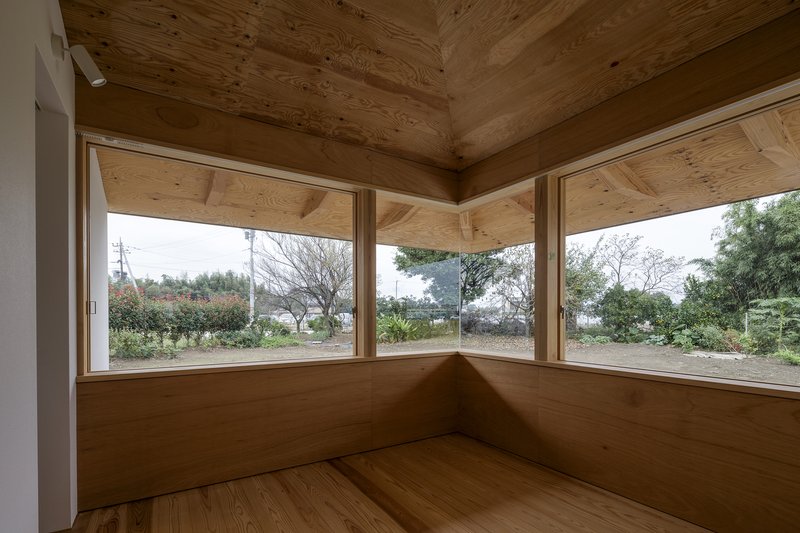
Each of the private rooms is strategically placed at the four corners of the building. This positioning allows for unique and varying views from each room, offering different perspectives of the surrounding landscape. In addition, the design of the deep under-roof space, constructed from the same material as the interior, enhances the perception of space, making it feel larger than it actually is.
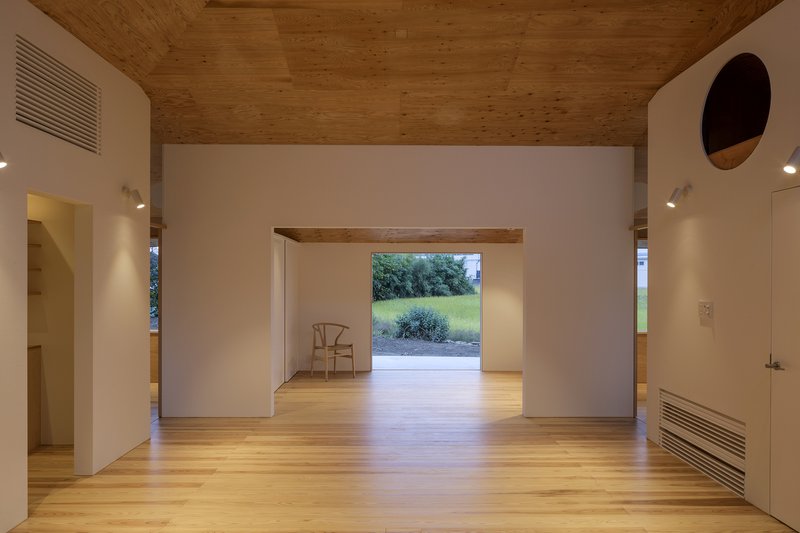
When doors to the private rooms are opened, they seamlessly connect to the central common area, reinforcing the connection between the family members. This flow between the individual and collective spaces ensures that the family remains connected while enjoying their own private moments, truly exemplifying the principles of flexible family home design.
A Home for the Future
House U is more than just a place to live—it is a home that evolves with its occupants. The design’s flexibility, thoughtful integration with the environment, and emphasis on family connectivity make it a model for modern family homes. As family dynamics change over time, this adaptable space will continue to serve as a comfortable, functional, and harmonious living environment.
All Photographs are works of Ken'ichi Suzuki




Popular Articles
Popular articles from the community

Treehouse Apartment: A Warm Timber Interior Blending Craft, Play, and Contemporary Living
Warm timber apartment with integrated treehouse, combining natural materials, craftsmanship, and playful design to create a flexible, family-oriented living environment.
An Miên Lumière Cafe by xưởng xép, Ho Chi Minh City, Vietnam
An industrial-inspired café where layered steel and warm light create a dynamic, immersive environment shaped by reflection, depth, and perception.
Louis Malle Cinema: A Limestone Cultural Landmark Revitalizing Community Life in Prayssac
Limestone cinema extension with public forecourt, blending heritage and modern design to create flexible cultural spaces and strengthen community interaction.

Solar Steam: A Climate-Responsive Architecture That Redefines the Monument
A climate-responsive memorial architecture that transforms heat, decay, and time into a living system reflecting humanity’s ecological impact.

Similar Reads
You might also enjoy these articles


The Ken Roberts Memorial Delineation Competition (Krob)
As the most senior architectural drawing competition currently in operation anywhere in the world, it draws hundreds of entries each year, awarding the very best submissions in a series of medium-based categories.

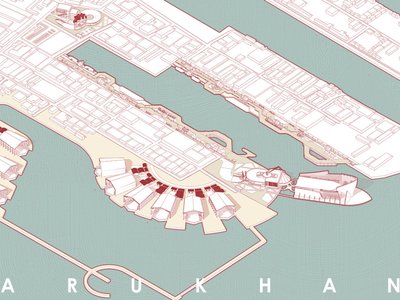
Waterfront Redevelopment and Urban Revitalization in Mumbai: Forging a New Dawn for Darukhana
A transformative waterfront redevelopment project reimagining Darukhana’s shipbreaking heritage into an inclusive urban future.

OUT-OF-MAP: A Call for Postcards on Feminist Narratives of Public Space
Rhizoma Design and Research Lab invites artists, designers, architects, researchers, and students to reflect on how feminist perspectives can reshape public space. Selected works will be exhibited in Barcelona, October 2026. Submissions open until 15 April 2026.

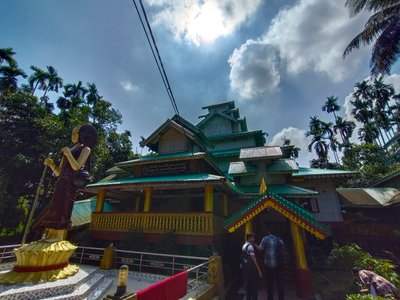
Documentation Work on Buddhist Wooden Temple
Architectural syncretism and cultural hybridity: A comparative study of the Buddhist temples in Chattogram Hill tracks

Explore Architecture Competitions
Discover active competitions in this discipline




The International Standard for Design Portfolios


The Global Benchmark for Architecture Dissertation Awards


The Global Benchmark for Graduation Excellence


Challenge to reimagine the Iron Throne
Comments (0)
Please login or sign up to add comments
No comments yet. Be the first to comment!