
Ghibli Park Architecture: Bringing Studio Ghibli's Magical World to Life
Ghibli Park’s Valley of Witches blends traditional architecture and modern technology, creating an immersive world inspired by Studio Ghibli films.

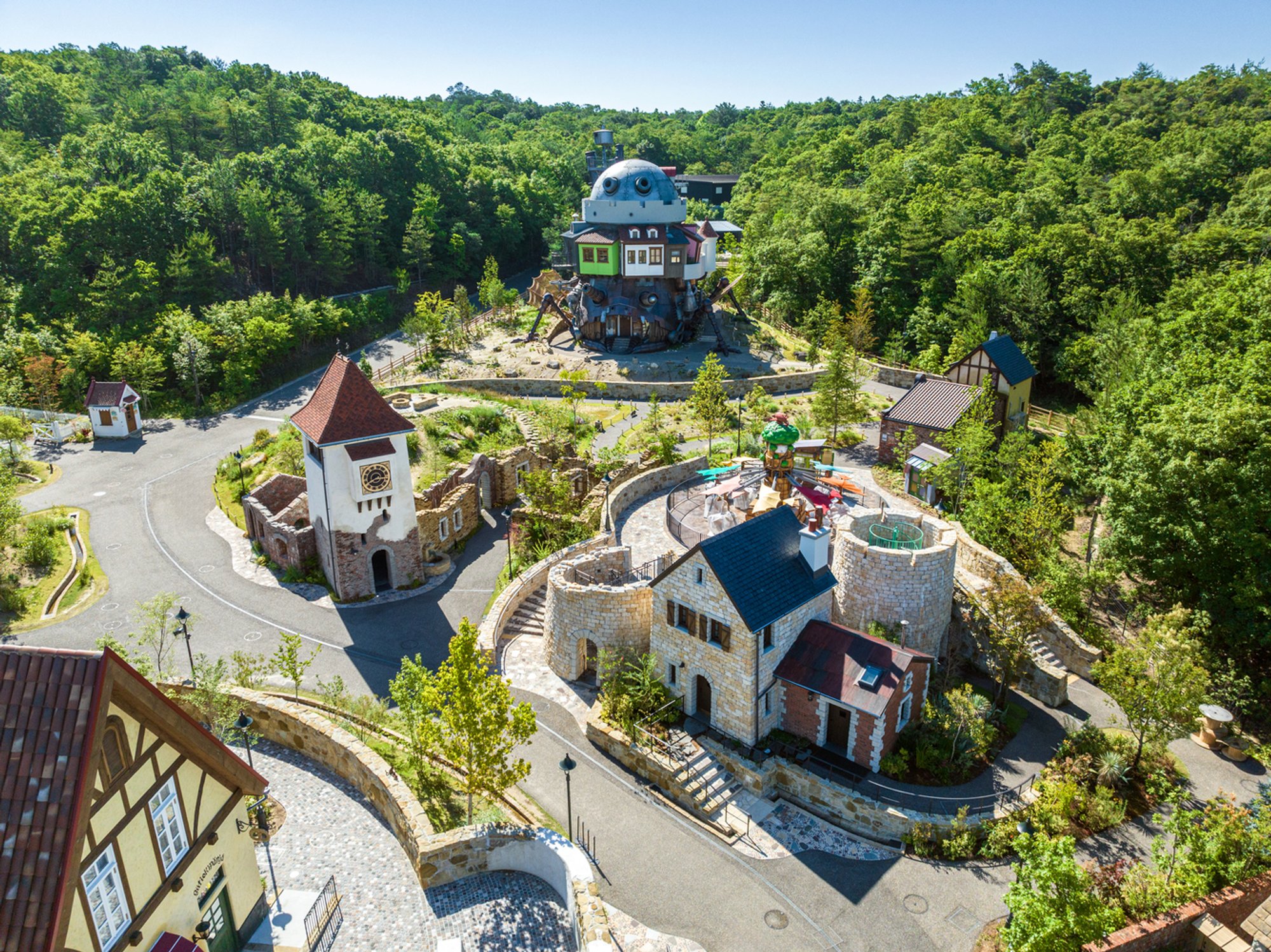
Ghibli Park, a unique cultural and architectural marvel, embodies the imaginative worlds of Studio Ghibli. Located in Aichi, Japan, the "Valley of Witches" section of the park blends traditional Japanese construction techniques with modern technology to create an immersive experience that transports visitors into the iconic film universes. The collaboration between Studio Ghibli and architects NIHON SEKKEI has resulted in a harmonious fusion of reality and fantasy, creating a space that celebrates nature, sustainability, and architectural beauty.
Design Philosophy of Ghibli Park
At the core of Ghibli Park’s design philosophy is the pursuit of environmental harmony and the promotion of sustainability. The project, which is rooted in the spirit of EXPO 2005 Aichi, Japan, reflects Studio Ghibli’s vision of fostering a sustainable society by learning from nature and solving global challenges. Under the supervision of Goro Miyazaki, the creative director behind several Studio Ghibli films, the design team worked tirelessly to ensure that the park would not only reflect the themes of the films but also integrate with the surrounding environment.
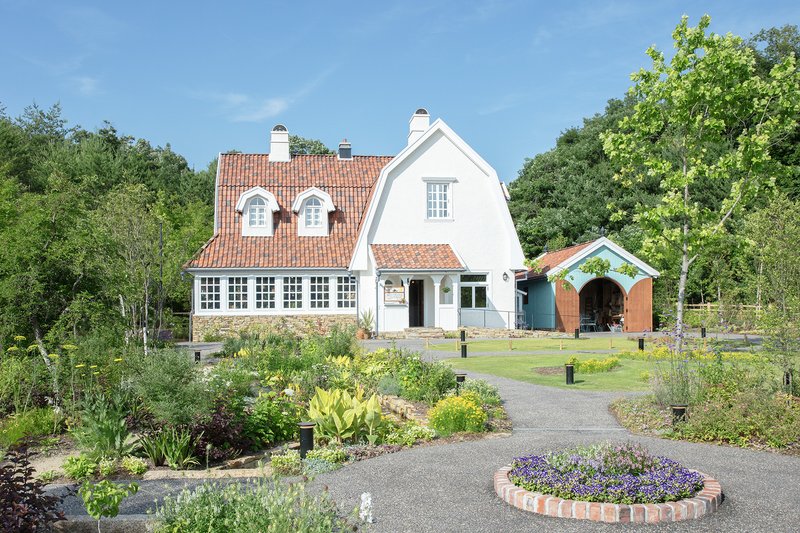
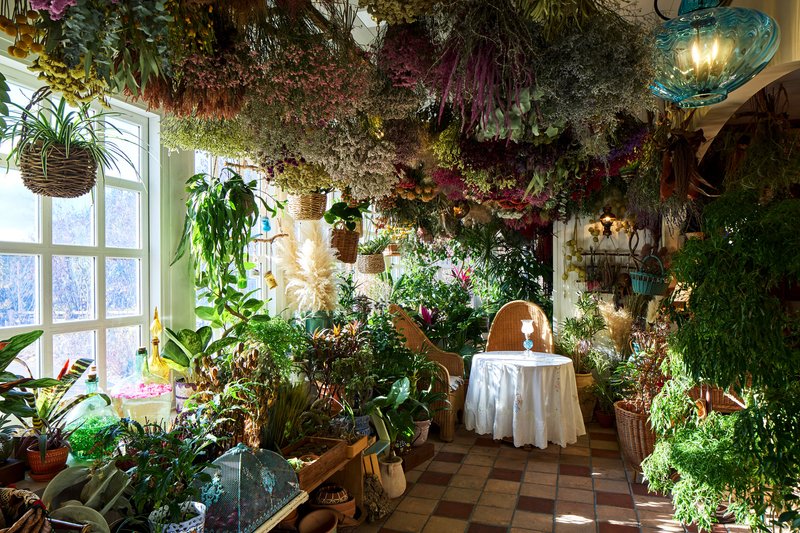
The architectural concept for the Valley of Witches was guided by three fundamental principles: "Learning from Time," "Thinking of People," and "Nurturing the Environment." These guiding concepts ensure that the park is a space that encourages reflection on the natural world while stimulating visitors' imaginations through its architecture.
Traditional Construction Meets Modern Technology
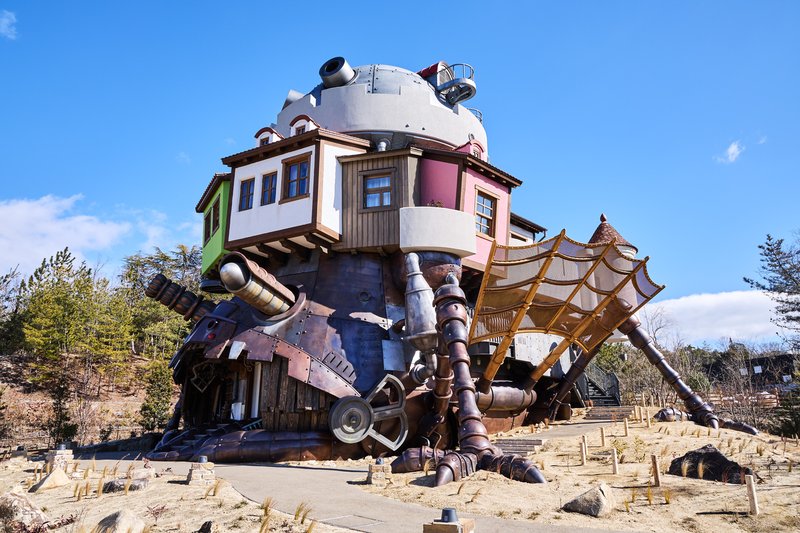
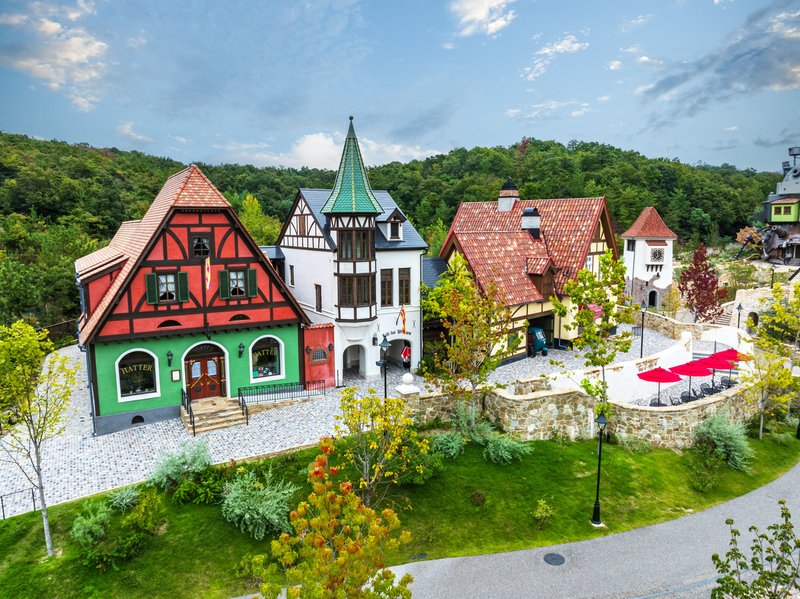
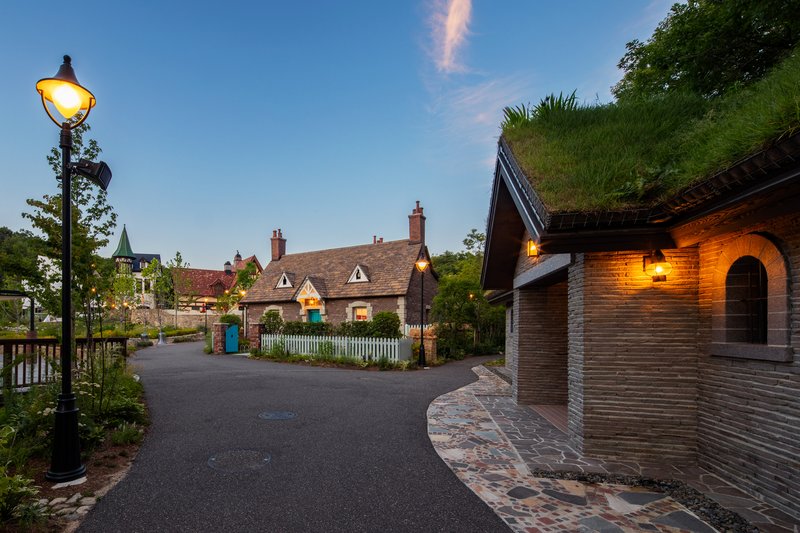
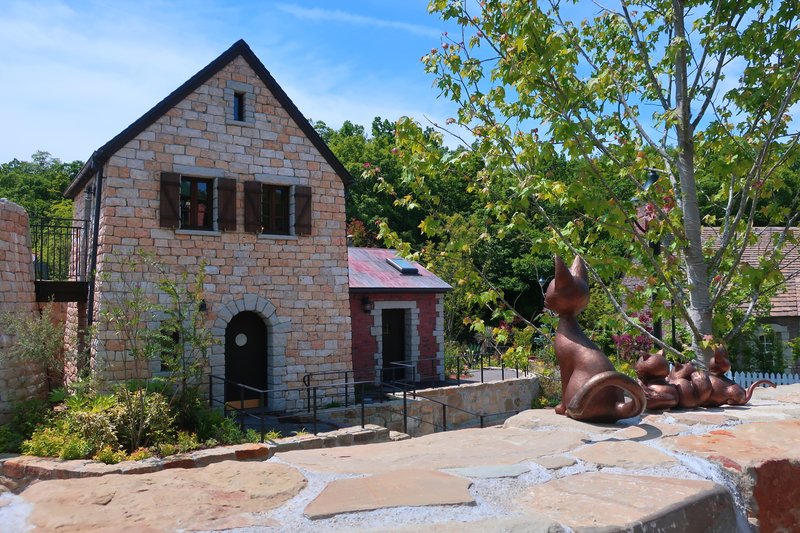
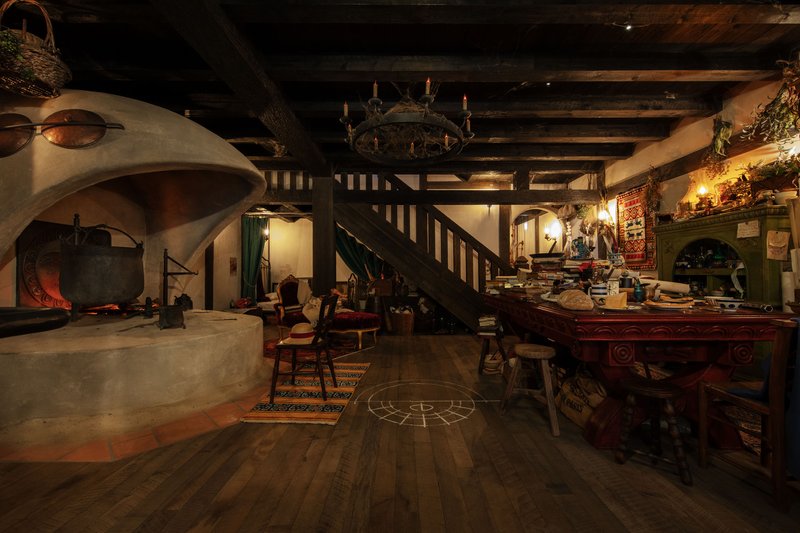
The Valley of Witches employs a variety of traditional Japanese construction techniques, combined with modern advancements, to bring the whimsical world of Ghibli to life. Some of the key methods used include hollow-core stacking for brick masonry, complete dry-stone masonry, and half-timber framing, ensuring that the architecture is both sturdy and visually striking. The use of natural materials such as stone, brick, wood, iron, copper, plaster, and tiles blends harmoniously with the aesthetic of Ghibli’s films, which often feature magical, rustic settings.
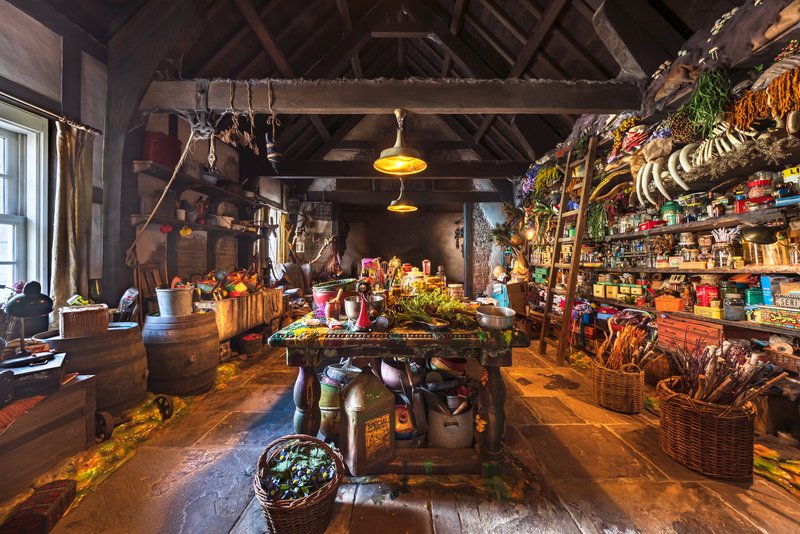
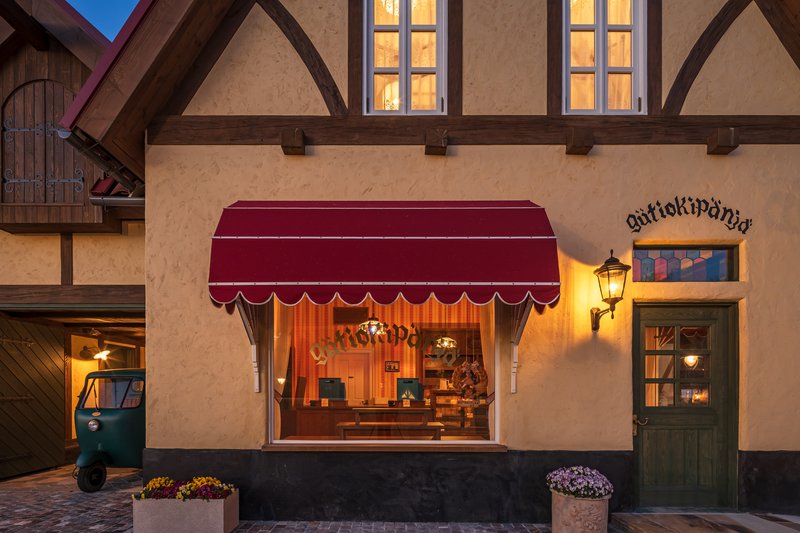
The combination of these historical techniques with contemporary construction technologies ensures that the architecture is both timeless and functional, while still maintaining the magical charm that fans of Studio Ghibli have come to expect. The designs also reflect the studio’s deep respect for nature, with every element of the park thoughtfully integrated into the surrounding landscape.
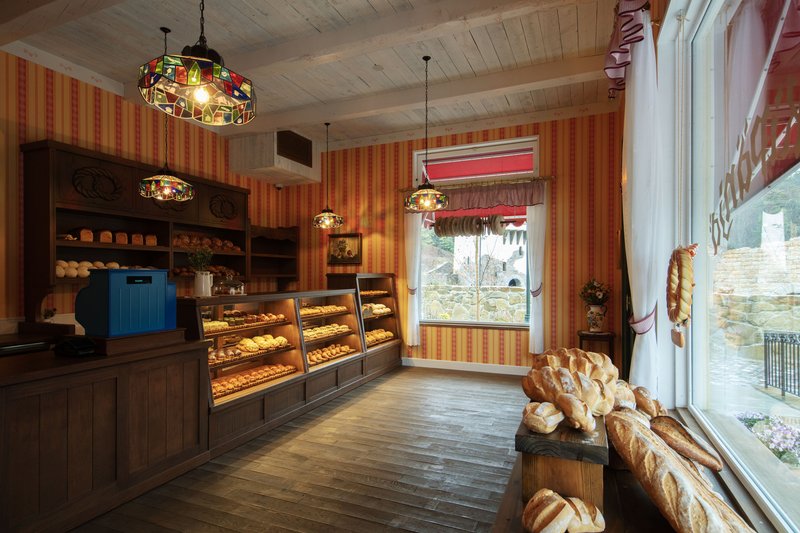
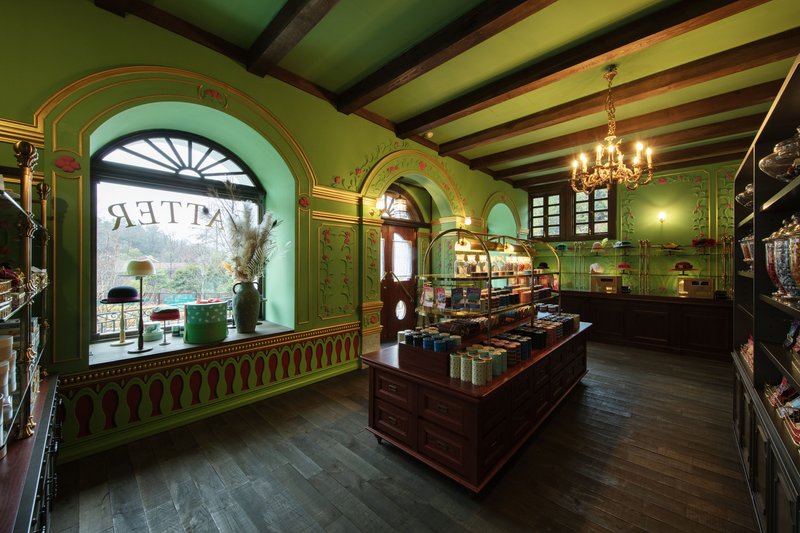
Immersive Spaces Inspired by Studio Ghibli Films
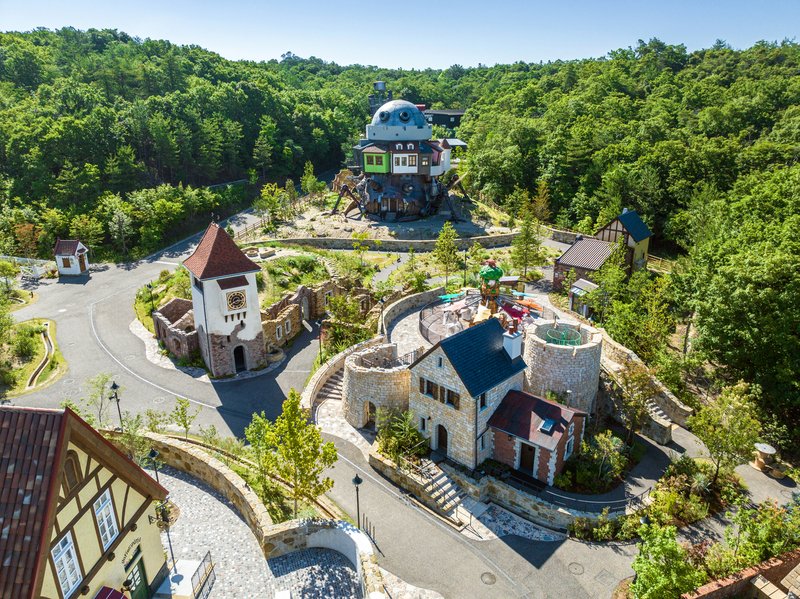
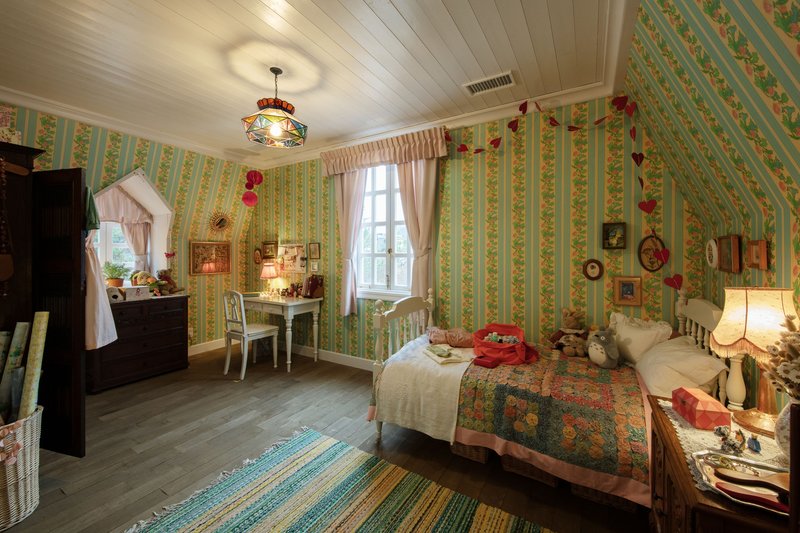
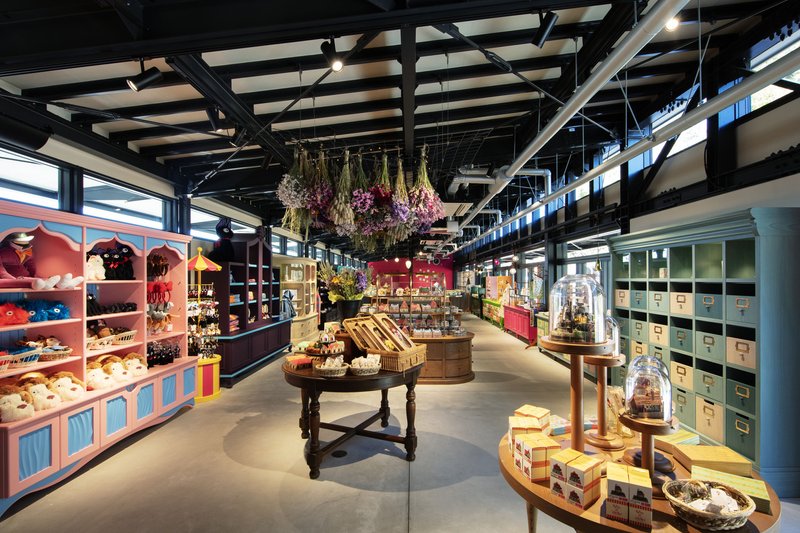
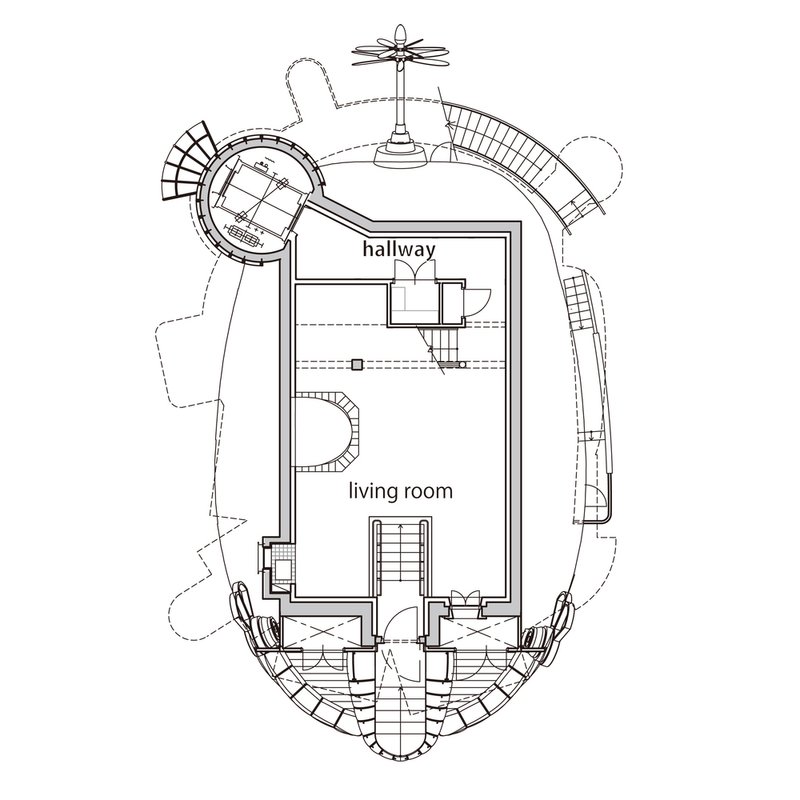
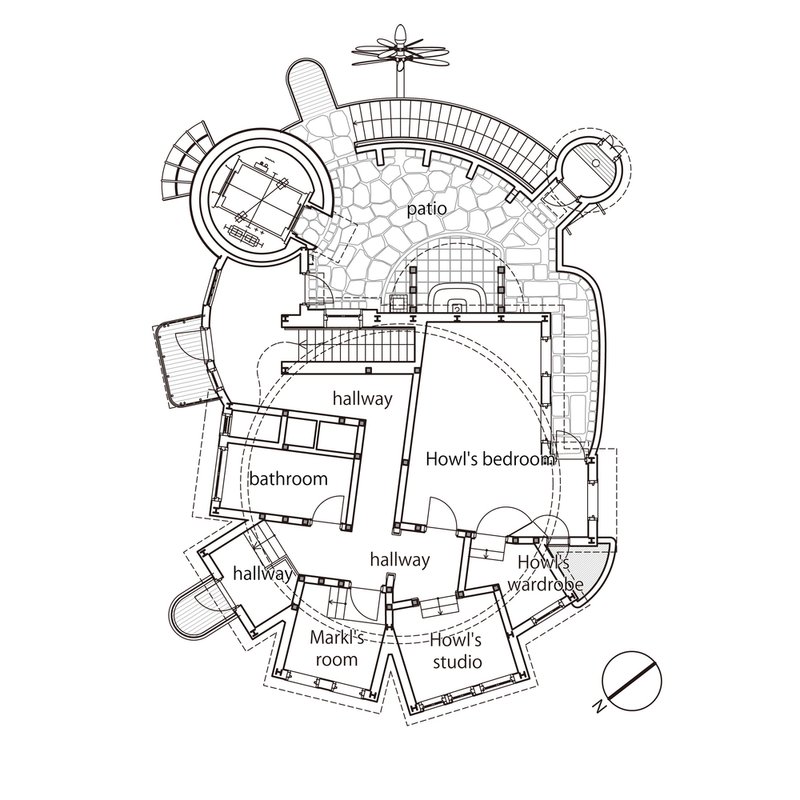
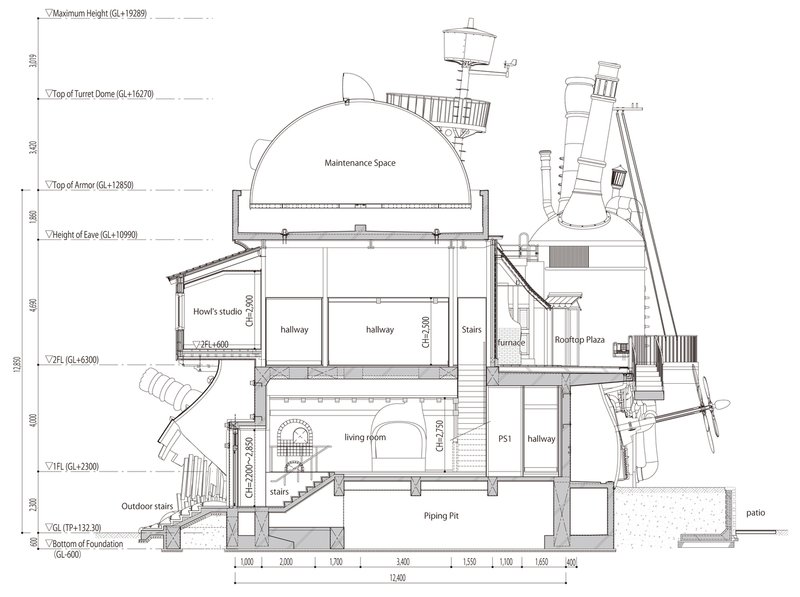
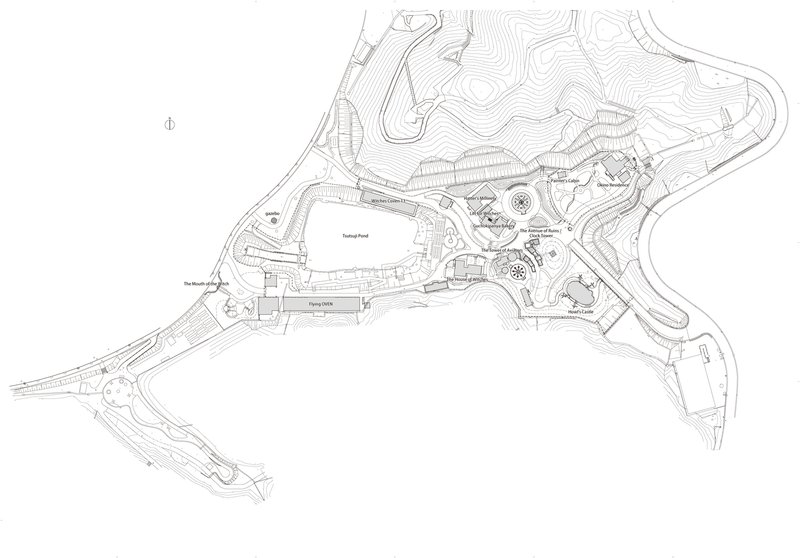
The Valley of Witches is designed as a cohesive townscape, with buildings and spaces inspired by various Studio Ghibli films. From the towering Howl’s Castle to the whimsical Witch’s Shop in the Okino Residence, each structure is designed with meticulous attention to detail to faithfully recreate the magical worlds from the films.
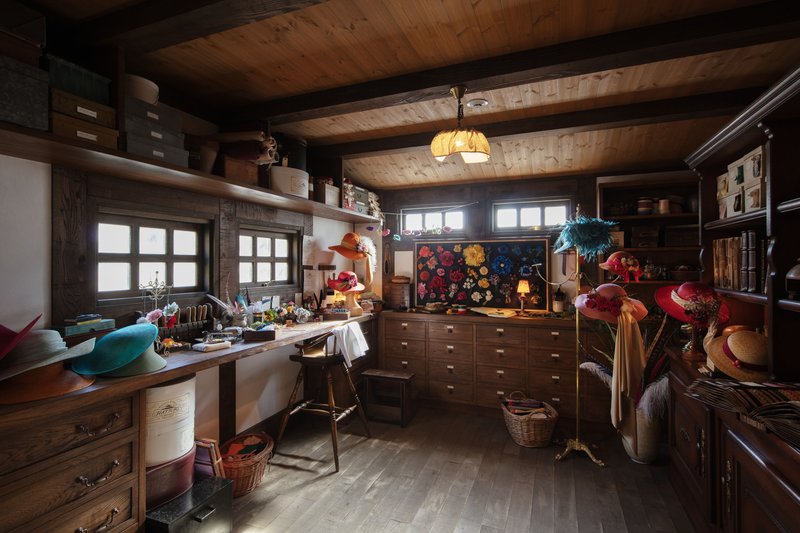
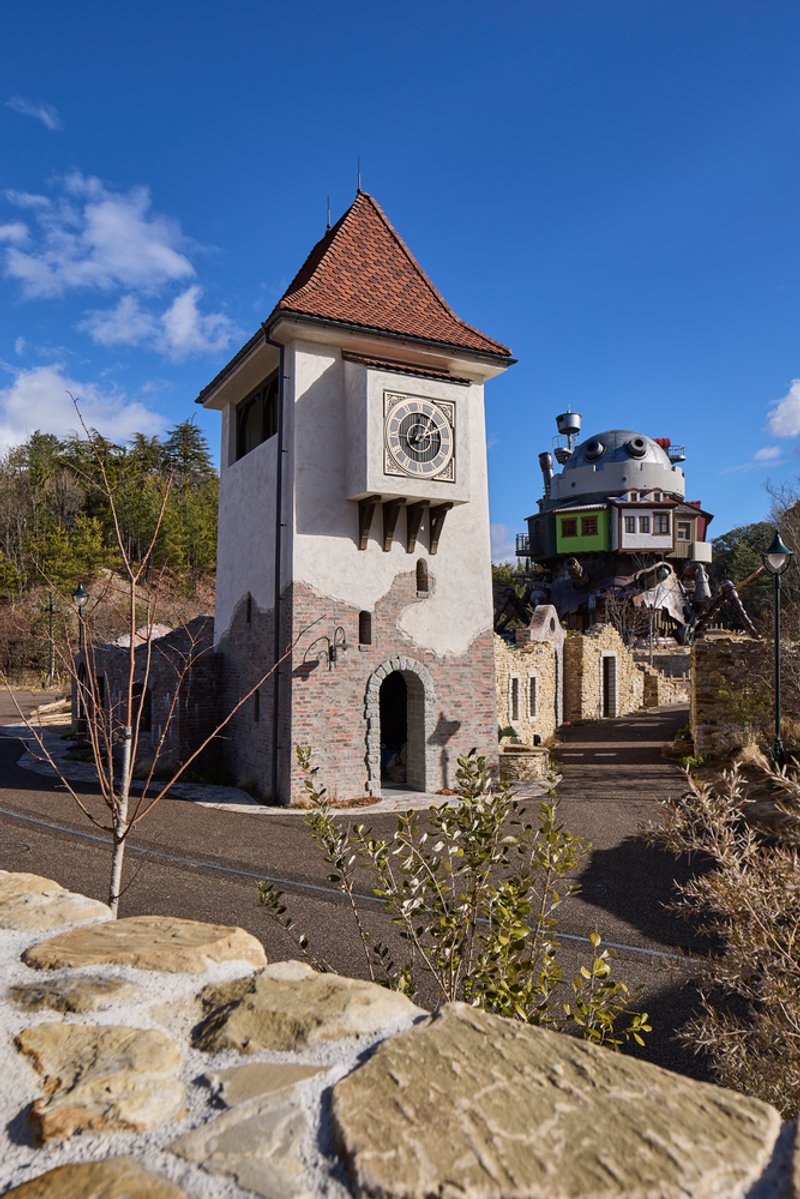
Visitors can walk through various themed areas, feeling as though they have stepped into Ghibli’s imaginative universe. These areas are seamlessly integrated into the park’s landscape, where each building feels like an extension of the environment itself, creating a dreamlike atmosphere that blurs the lines between fantasy and reality. The architectural design, with its incorporation of Ghibli’s aesthetic, invites visitors to engage all their senses and immerse themselves fully in the experience.
Sustainable Design and Environmental Harmony
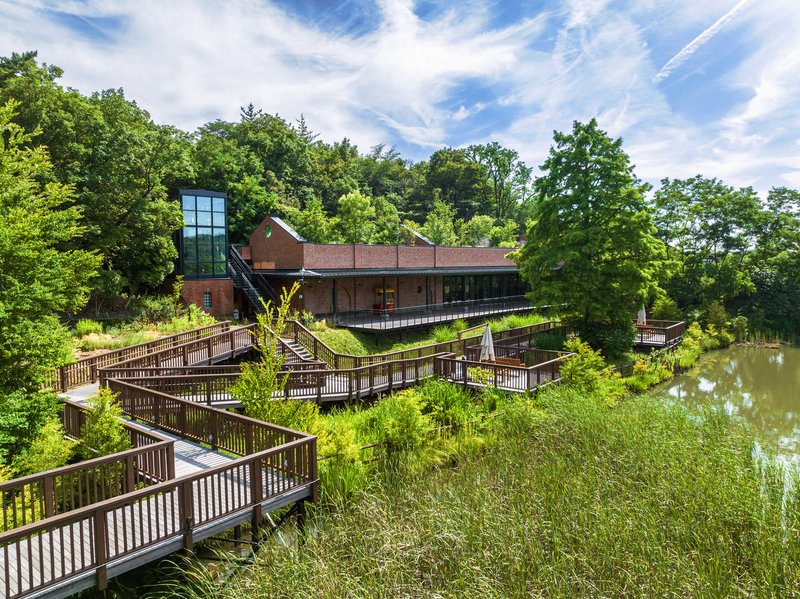
Ghibli Park’s design is deeply connected to the natural environment. The park’s landscape was carefully planned to enhance the existing topography, preserving the natural surroundings while complementing the fantastical structures. The integration of the park into the natural world allows visitors to experience the entire park as part of a unified space, where the landscape and architecture exist in perfect harmony.
Through its careful environmental integration, the park promotes sustainability and ecological awareness, aligning with the values of Studio Ghibli. It encourages visitors to reflect on the importance of nature and the role of architecture in supporting a sustainable future.

Ghibli Park's Impact and Recognition
The architectural achievement of Ghibli Park’s Valley of Witches has not gone unnoticed. The project was awarded a Special Prize at the 2025 Japan Architecture Award, recognizing its contribution to broadening interest in architecture among new audiences. The design’s success lies in its ability to engage visitors of all ages, making architectural excellence accessible and appealing to a wider audience while fostering an appreciation for both creativity and environmental responsibility.
Ghibli Park’s Valley of Witches is more than just an architectural feat; it is a testament to the power of design in bridging the gap between fantasy and reality. The park’s unique blend of traditional craftsmanship, modern technology, and Studio Ghibli’s cinematic magic makes it a truly one-of-a-kind cultural experience. It is a space that inspires visitors to connect with both nature and the imaginative worlds that have captivated audiences for decades. Ghibli Park is a perfect example of how architecture can bring stories to life, creating a lasting legacy for generations to come.
All Photographs are works of
J-LIGHTS / Koichiro Itamura, Kawasumi・Kobayashi Kenji Photograph Office




Popular Articles
Popular articles from the community

The Faith: Modular Architecture for Play, Learning, and Hope in Kutupalong Refugee Camp
A modular playground architecture project in Bangladesh where play, learning, safety, and hope rebuild childhood inside a refugee camp anew.
CRACK: Winery Architecture Carved Into the Landscape
CRACK reimagines winery architecture as a buried path through vineyard terrain, linking production, tasting, lodging, landscape and culture.
Shinkō Komyuniti: Public Space Architecture Reimagining Sport, Culture and Community in Tokyo
Shinkō Komyuniti transforms sports spectatorship into public space architecture that reconnects play, culture, community and Tokyo life now.

Eco Chapel: A Green Architecture Pavilion Designed in Symbiosis with the Forest
Eco Chapel uses green architecture to weave prayer, learning and reuse into a forest pavilion shaped by modular hexagonal canopies for life.


Similar Reads
You might also enjoy these articles

Olio Towers: A Mid-Rise for Performers That Fuses Housing, Rehearsal, and Stage
Located blocks from Houston's Theater District, this modular tower stacks living units around a central performance atrium.
Oasis: Modular Green Housing Carved into Dhaka's Urban Fabric
A shortlisted Plugin Housing entry reclaims unauthorized settlements in Dhaka with stepped concrete volumes, green roofs, and ventilation-driven design.

Black Hole: A Floating Megastructure for the Post-Physical Era
Emiliano Mazzarotto envisions a spherical, self-scaling arena where e-sports, digital hotels, and holographic stadiums replace traditional public space.
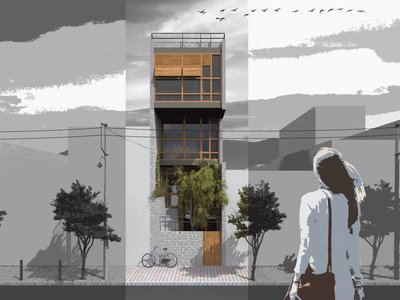
Compact & Sustainable Living in Piraeus: A Four-Level Family Home Built Around Light and Air
A narrow townhouse in one of Greece's densest port cities uses a central atrium and passive strategies to house three generations under one roof.


Explore Architecture Competitions
Discover active competitions in this discipline




The International Standard for Design Portfolios


The Global Benchmark for Architecture Dissertation Awards


The Global Benchmark for Graduation Excellence


Challenge to reimagine the Iron Throne
Comments (0)
Please login or sign up to add comments
No comments yet. Be the first to comment!