
Green Haven: Pioneering Sustainable Urban Living in Semarang
Green Haven's innovative, sustainable urban living solutions and cultural integration in Semarang.

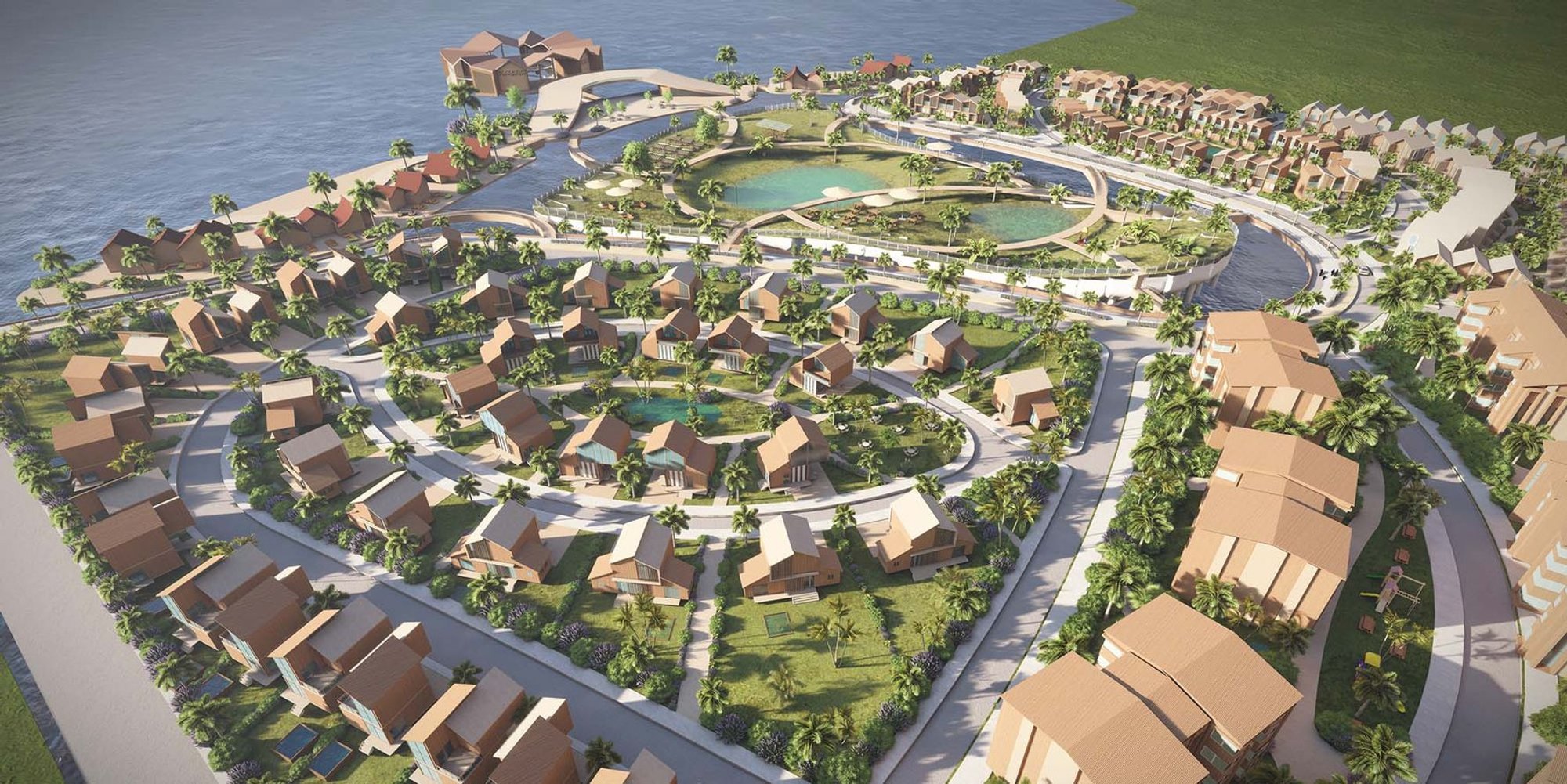
In the bustling city of Semarang, Indonesia, a groundbreaking urban project named Green Haven is setting new standards for sustainable living. Designed by AYAH ALHAJI, Boushra Abdulwahed, Sarah Abdulwahed, and Hanan Hamwieh, Green Haven was shortlisted entry in the Afloat 2.0 competition. This visionary initiative aims to combat urban flooding while providing a vibrant, culturally rich environment for both residents and visitors.
The Vision
Green Haven’s vision is clear and ambitious: to create vibrant and accessible neighborhoods that foster sustainability and resilience, celebrate culture and street life, and leave a lasting impression through innovative design. This project aims to reflect Indonesia’s rich cultural heritage while incorporating modern, eco-friendly solutions.
Why Green Haven?
Green Haven addresses several key issues in contemporary urban development:
Vibrant and Accessible Neighborhoods: By creating lively, engaging spaces that encourage community interaction and cultural engagement, Green Haven aims to enhance the overall user experience.
Sustainable and Resilient Communities: The project employs a multi-layered approach to ensure resilience against environmental challenges, particularly flooding.
Cultural Celebration: The design integrates Indonesian cultural elements, ensuring that the architecture and spatial arrangements reflect the country's heritage.
How Green Haven Works
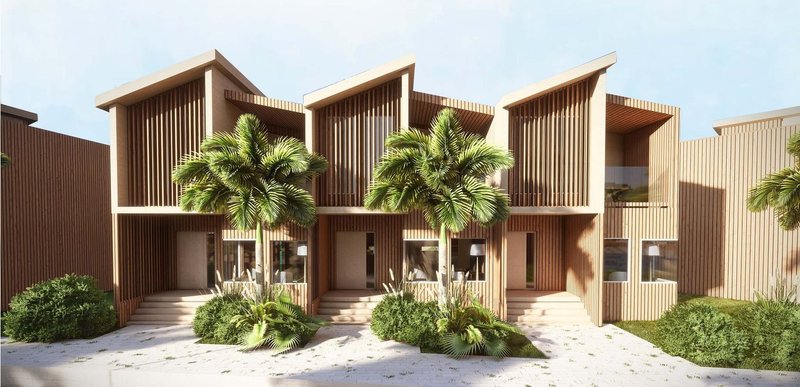
Green Haven’s design is deeply rooted in Indonesian identity, using traditional aesthetics and local materials to create a modern urban space that respects and reflects the country’s cultural heritage. The use of local construction techniques and natural materials reinforces this connection, while the modular architecture provides flexibility and adaptability to meet future needs.
Key Features of Green Haven
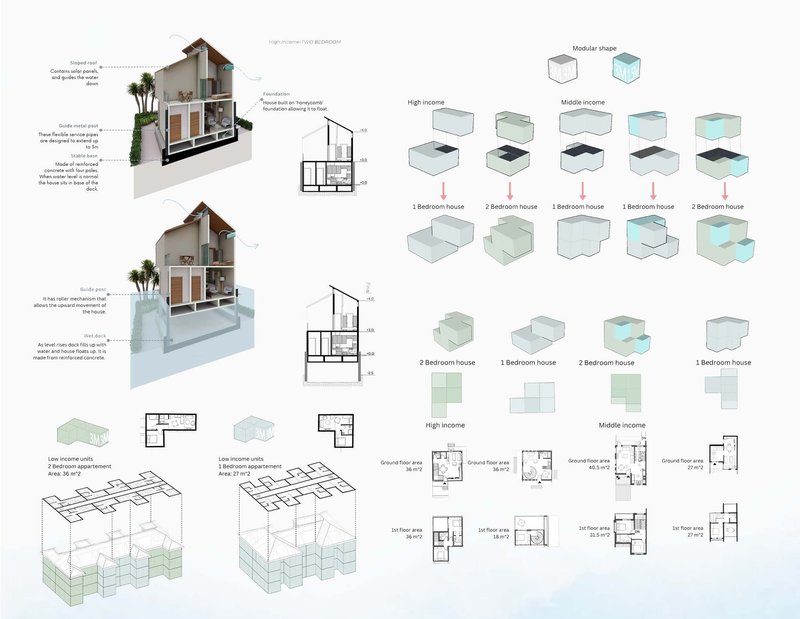
Modular Housing Solutions
Green Haven features a variety of housing options, designed to be both innovative and practical:
High-Income Units: These homes are equipped with solar panels and a foundation that allows them to float during floods, ensuring safety and sustainability.
Middle-Income Units: Available in various sizes, these homes offer flexibility and can be easily adapted or expanded as needed.
Low-Income Units: Affordable housing that is also designed to float, providing a secure living environment in flood-prone areas.
Sustainable Urban Spaces
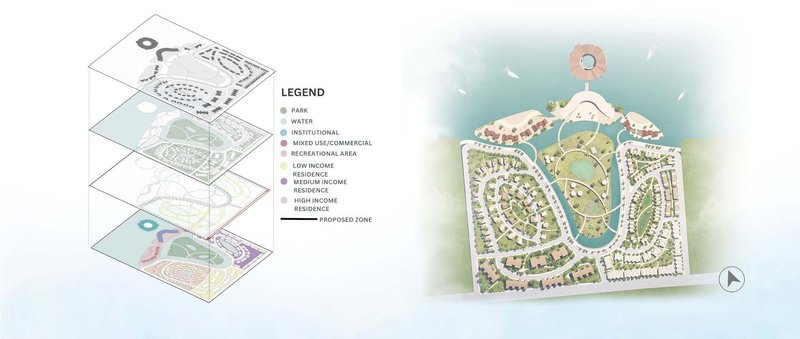
Green Haven is zoned into distinct areas, each serving a unique purpose:
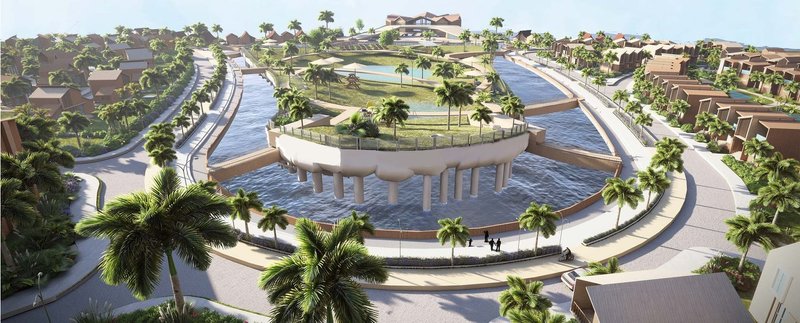
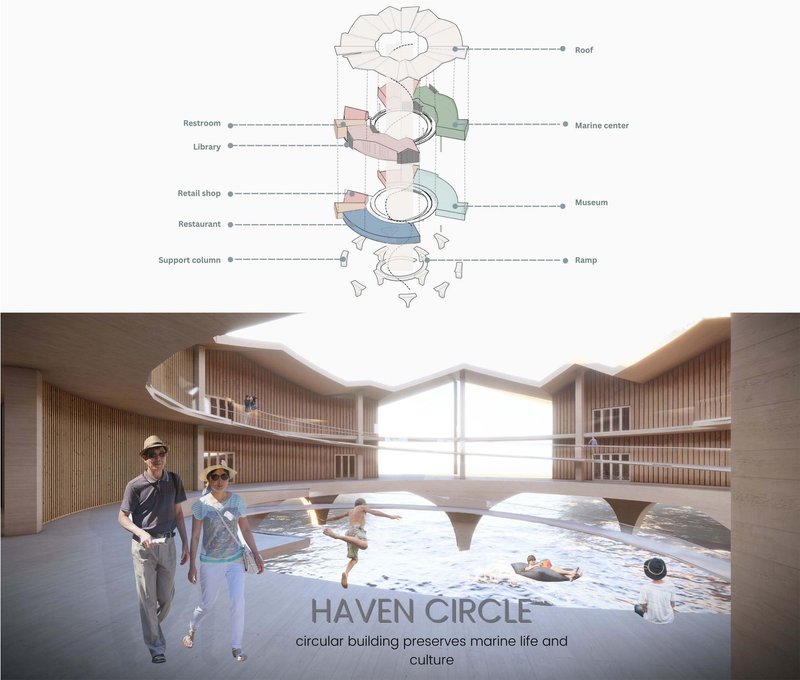
Green Haven Circle: A central hub featuring communal spaces, markets, and cultural centers, promoting community interaction.
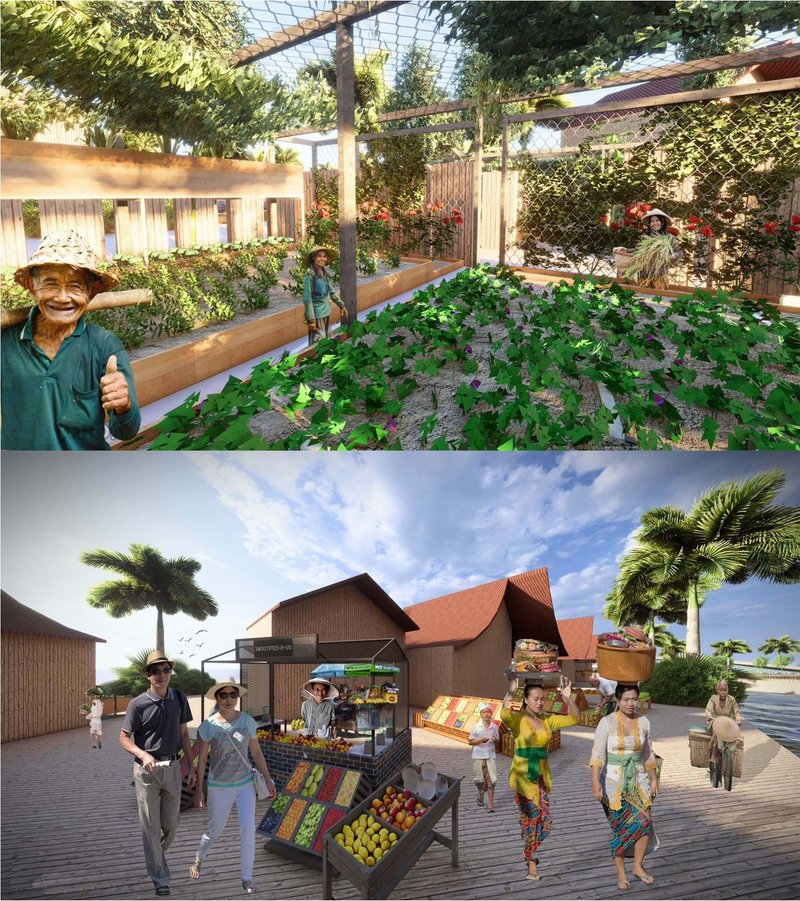
Gateway and Waterfront: These areas include pedestrian and cycling lanes, local markets, retail shops, and urban farms, enhancing both accessibility and sustainability.
Residential Zones: Featuring pocket parks and community engagement activities, these zones promote a sense of community and well-being.
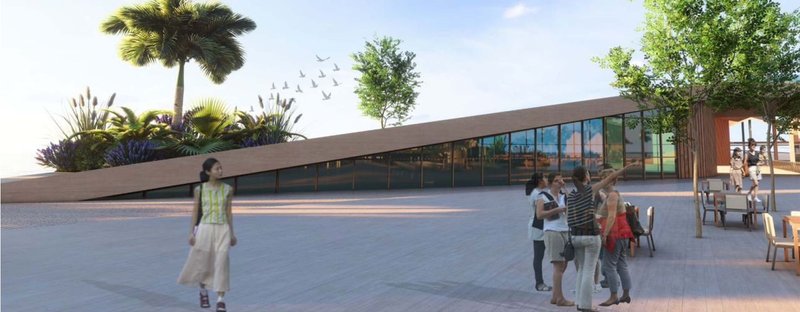
Floating Park: An innovative and environmentally sustainable space, featuring urban farms, playgrounds, and shaded seating areas.
Connectivity and Green Spaces
A key aspect of Green Haven’s design is its focus on connectivity and integration with the natural environment:
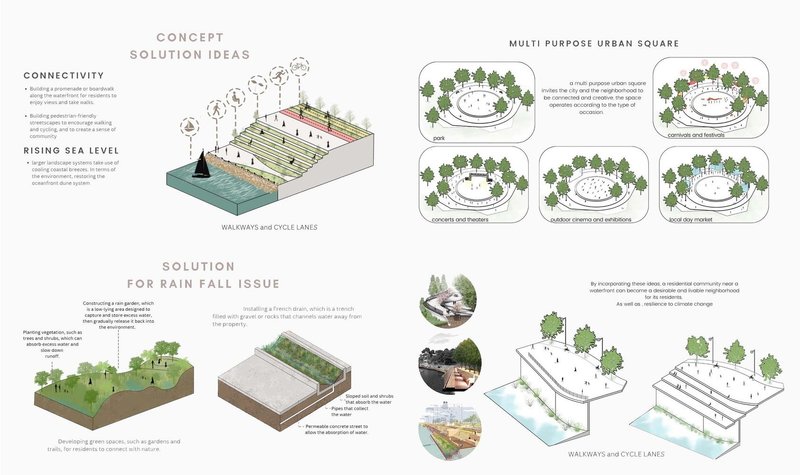
Promenades and Boardwalks: These areas along the waterfront provide recreational spaces and scenic views for residents.
Pedestrian-Friendly Streetscapes: Designed to encourage walking and cycling, these streetscapes help reduce carbon emissions and promote healthy living.
Rain Gardens and Green Spaces: These features capture and slowly release excess water, mitigating flood risks and enhancing the natural environment.
Resilience to Climate Change
Green Haven’s design incorporates several features to ensure resilience against climate change:
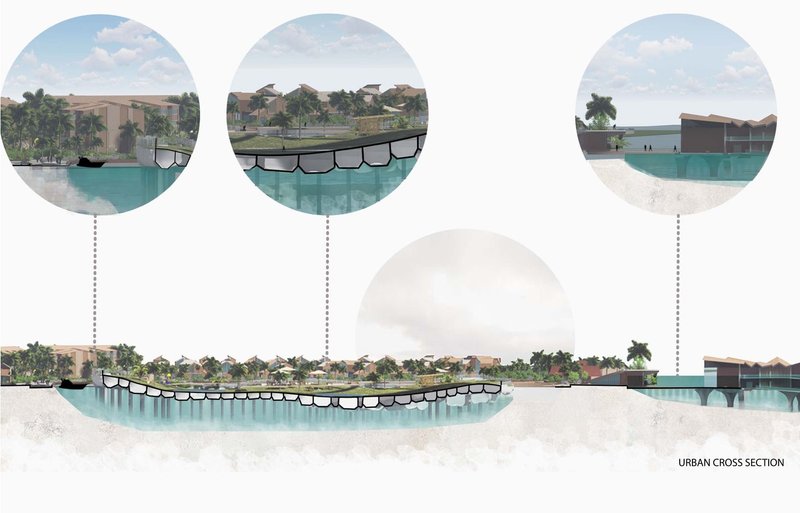
Floating Structures: The modular homes are designed to float, preventing flood damage and providing a safe living environment.
Rainwater Management Systems: These systems, including French drains and permeable concrete streets, effectively manage rainfall and reduce flood risks.
Energy and Water Autonomy: Green Haven aims to achieve net-zero energy consumption and water self-sufficiency, making it a truly sustainable community.
Reflecting Indonesian Identity
Green Haven not only addresses practical and environmental concerns but also celebrates Indonesian culture:
Traditional Aesthetics: The architecture incorporates Indonesian styles and materials, creating a unique and culturally rich environment.
Social Spaces: Communal areas encourage social interaction, reflecting the strong communal bonds characteristic of Indonesian society.
Cultural Heritage: Elements of local culture, such as markets and traditional crafts, are embedded into the urban fabric, promoting a sense of place and belonging.
Green Haven represents a pioneering approach to sustainable urban living. By combining innovative design with cultural celebration and environmental stewardship, it offers a blueprint for future urban developments. As cities around the world face increasing challenges from climate change and urbanization, Green Haven stands as a model for how to create resilient, vibrant, and culturally rich communities.



Popular Articles
Popular articles from the community


Solar Steam: A Climate-Responsive Architecture That Redefines the Monument
A climate-responsive memorial architecture that transforms heat, decay, and time into a living system reflecting humanity’s ecological impact.
Inverted Architecture Installation by Studio Link-Arc: Exploring the Intersection of Architecture and Living Organisms
Inverted Architecture Installation by Studio Link-Arc blends mycelium, sustainability, inverted design, ecological cycles, and urban adaptive architecture in Shenzhen.
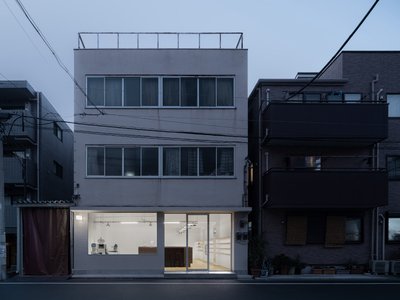
Atelier Macri Concept Store Interior Design by CASE-REAL
Atelier Macri store features a "ko" counter, walnut wood details, cork displays, blending retail, gallery, and seamless customer experiences.
On the Brooks House by Monsoon Collective – A Contemporary Kerala Home Rooted in Tradition
Kerala home blending tradition and modernity with water-inspired design, brick architecture, courtyard planning, and sustainable rainwater harvesting strategies.


Similar Reads
You might also enjoy these articles


The Ken Roberts Memorial Delineation Competition (Krob)
As the most senior architectural drawing competition currently in operation anywhere in the world, it draws hundreds of entries each year, awarding the very best submissions in a series of medium-based categories.
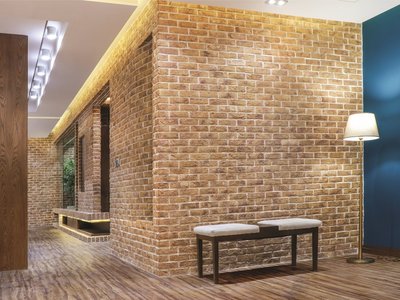
A Contemporary Take on Iranian Residential Architecture
A modern interior design in Mashhad that reinterprets brick, light, and spatial flow to create a warm, contemporary residential architecture.
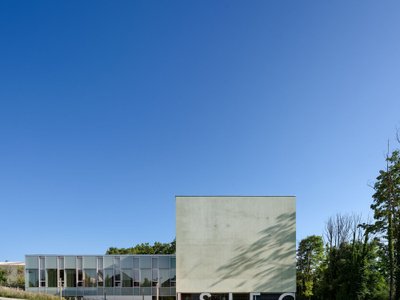
Franche-Comté Advanced School of Engineering by Dominique Coulon & associés, Besançon
A flexible engineering school immersed in woodland, combining concrete minimalism, adaptable spaces, and natural light to support evolving educational environments.

Documentation Work on Buddhist Wooden Temple
Architectural syncretism and cultural hybridity: A comparative study of the Buddhist temples in Chattogram Hill tracks

Explore Urban Design Competitions
Discover active competitions in this discipline





Comments (0)
Please login or sign up to add comments
No comments yet. Be the first to comment!