
Harmony in Concrete: Exploring the Essence of Architectural Conceptual Design
The Evolution of Architectural Conceptual Design
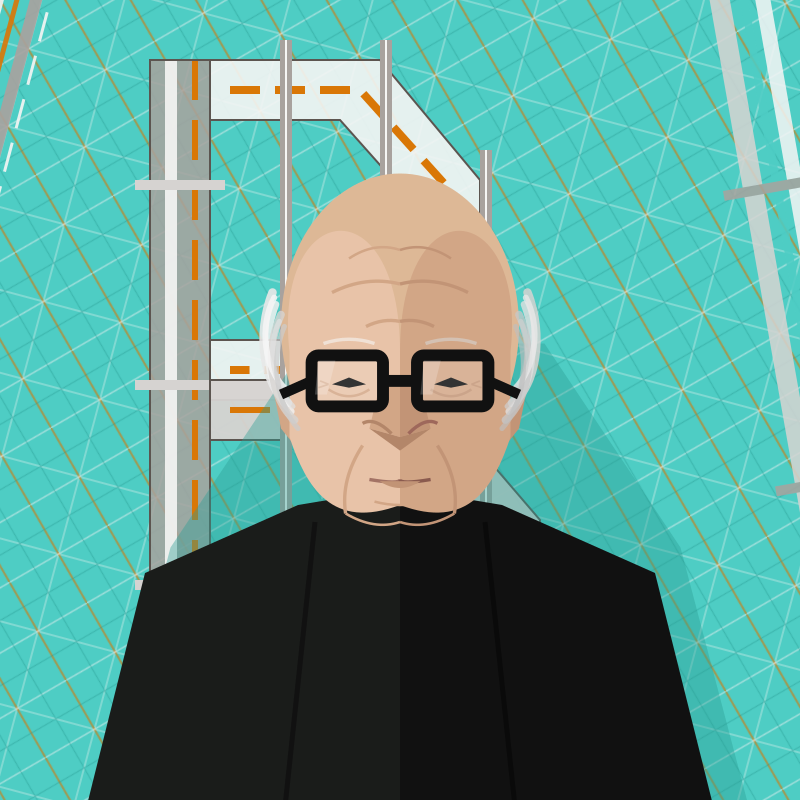
Bridging the Past and Present: In the heart of a bustling city, where the echoes of the past seamlessly blend with the aspirations of the future, stands a testament to the evolution of architectural conceptual design. In this narrative of innovation and creativity, architects strive to harmonize the rich history encapsulated in ancient structures with the demands of a contemporary world.
Contextualizing Heritage: In the pursuit of a harmonious balance between tradition and modernity, architects delve into the art of contextualizing heritage. The challenge lies in not merely preserving historical structures but also in redefining their significance in the present context. Through meticulous research and a keen understanding of cultural nuances, architects breathe new life into old edifices, ensuring they remain relevant in the ever-changing urban landscape.
The Language of Form and Function: Architectural conceptual design is a language – a fusion of form and function that speaks to both aesthetic sensibilities and practical needs. Every line, curve, and space is a brushstroke on the canvas of urban existence. As architects strive to create a visual poetry that resonates with the inhabitants, they must also address the functional aspects, ensuring that the design enhances the quality of life for those who interact with it daily.
Sustainable Futures: In the era of environmental consciousness, the architectural conceptual design extends its arms to embrace sustainability. The narrative shifts towards eco-friendly materials, energy-efficient technologies, and innovative green spaces. Architects become stewards of the environment, weaving sustainable practices into the very fabric of their designs. The challenge is not just in creating aesthetically pleasing structures but in fostering a symbiotic relationship between the built environment and nature.
Digital Frontier – Beyond Blueprints: The advent of technology propels architectural conceptual design into a digital frontier. Virtual reality, 3D modeling, and artificial intelligence become tools for architects to transcend the limitations of traditional blueprints. As the lines between the conceptual and the tangible blur, architects explore new realms of creativity and efficiency, giving rise to structures that were once confined to the realm of imagination.

Popular Articles
Popular articles from the community


Little Red Riding Hood: Architectural Design as a Journey Through Fear, Light, and Storytelling
Little Red Riding Hood reimagines the fairy tale through architectural design shaped by fear, light, scale, memory, uncertainty, and choice.

The Ocean Hive: Sustainable Architecture for a Self-Sufficient Civilization at Sea
The Ocean Hive imagines sustainable architecture at sea, where modular habitats, algae, wave power and ocean waste sustain a growing colony.

The Musturak Paradise: Senior Living Architecture for a Connected Future in Temara, Morocco
The Musturak Paradise reimagines senior living architecture in Temara via private homes, social spaces, culture, community, and shared care.

Co-Life: Senior Housing Design That Reconnects Older Adults With the City
Co-Life reimagines senior housing design through healing gardens, shared streets, workshops, and a sustainable community across generations.

Similar Reads
You might also enjoy these articles

Day and Night Park: A Time-Based Urban Newsstand in Beijing
A temporary urban newsstand in Beijing blending travel, light, and reading through poetic colors, compact form, and community-focused design.

Modernist Patio Renovation in El Masnou, Barcelona by Oliver Segura Arquitectura + Cebrià Arquitectura
Modernist patio renovation blending tradition and innovation with a movable pool, leveled floors, and Catalan materials in El Masnou.
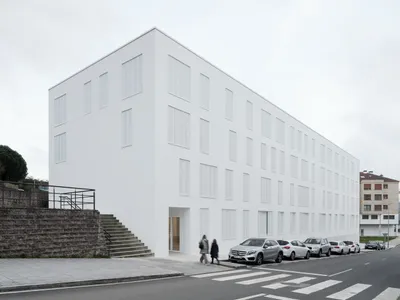
Alto Residencial Coop: Cooperative Housing Development in Santiago de Compostela by Carbajo Barrios Arquitectos
A linear cooperative housing complex blending white volumes and perforated metal façades, enhancing community living, natural light, privacy, and urban integration.
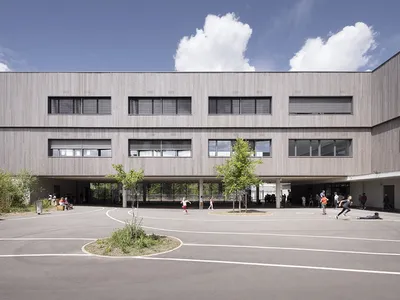
Vil Genis School by BPA ARCHITECTURE – Massy, France
Vil Genis School in Massy, France, features sustainable design, south-facing classrooms, community integration, accessible spaces, and modern educational architecture.

Explore Architectural Heritage Competitions
Discover active competitions in this discipline


Challenge to reimagine the Iron Throne

Photograph architecture without architects

Illustrate the lost glory of Angkor Wat - Render Challenge

Design challenge to reuse E-waste
Comments (0)
Please login or sign up to add comments
No comments yet. Be the first to comment!