
Healthcare Architecture Australia: Kangan Institute's Health and Community Centre of Excellence by Architectus
A transformative healthcare education facility, this project redefines healthcare architecture in Australia through innovation, sustainability, and community integration.

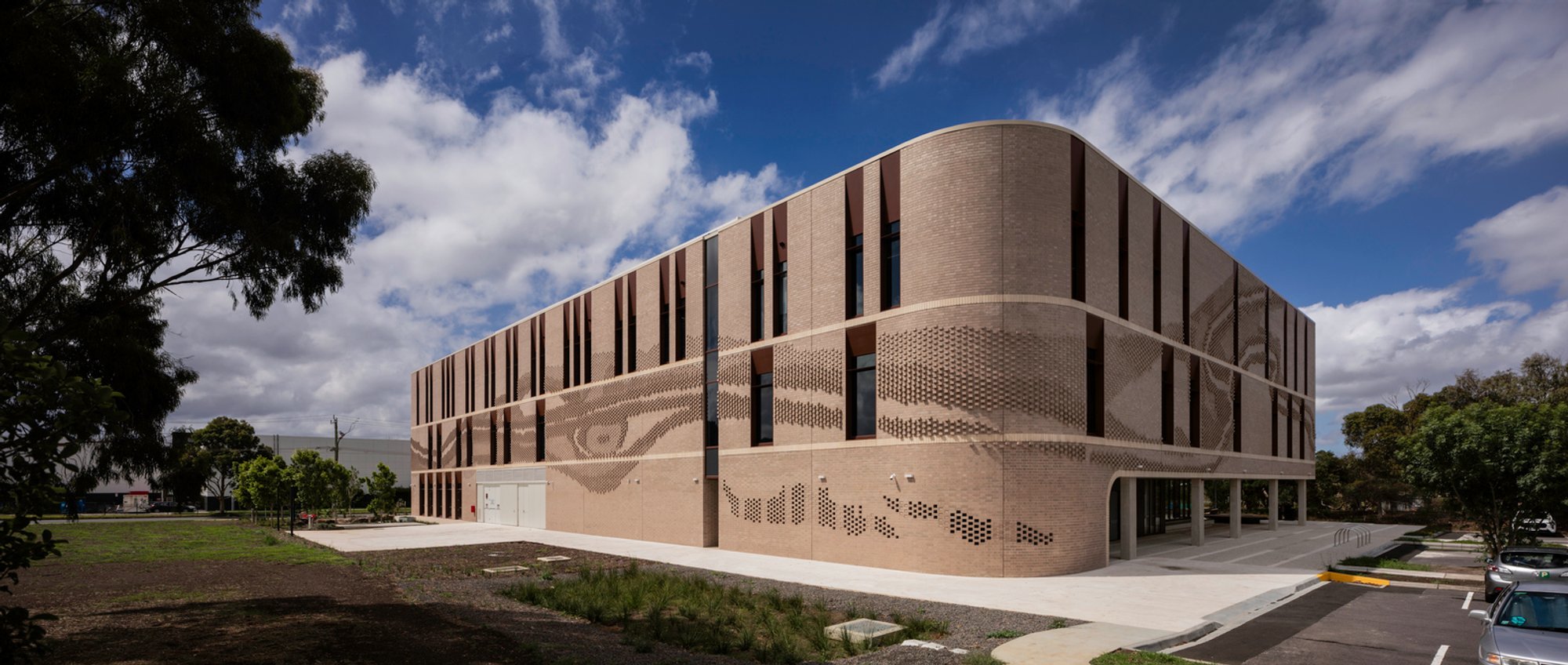
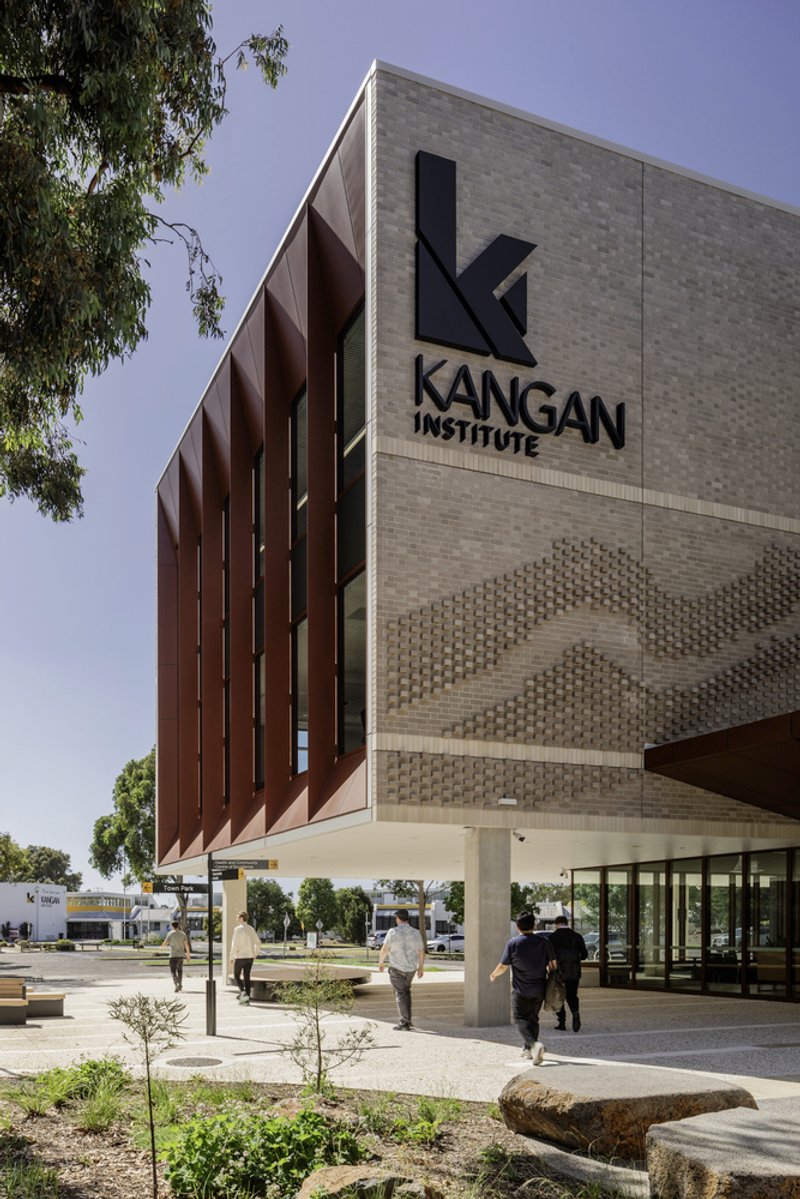
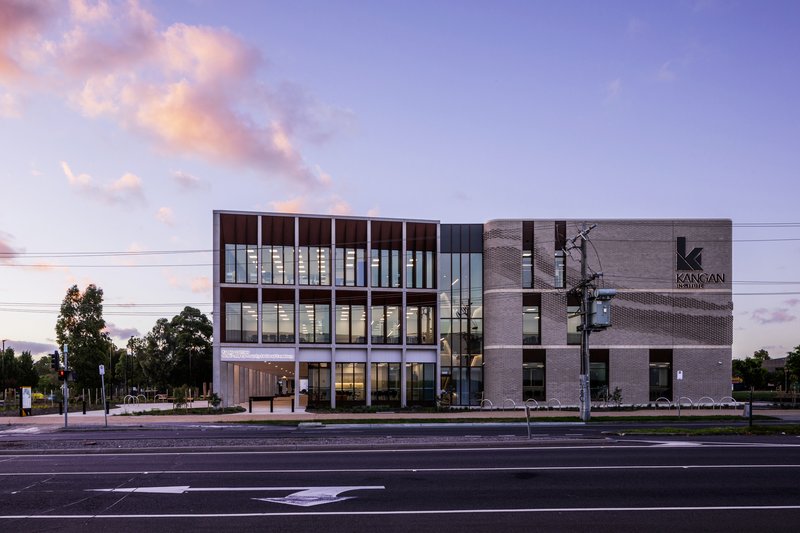
Kangan Institute’s Health and Community Centre of Excellence is a landmark project in healthcare architecture in Australia, designed by Architectus. Located in Broadmeadows, Melbourne, the 6,356 m² building is more than a learning facility—it is a bold, human-centered educational hub that redefines the relationship between architecture, health education, and community development.
Transforming Healthcare Education Through Architecture
This new centre marks the first major development in the revitalisation of Kangan Institute’s Broadmeadows campus. It sets the stage for a future-focused educational environment that embraces inclusivity, innovation, and interaction. Designed to train the next generation of healthcare professionals, the building embodies the values of care, connection, and forward-thinking education.
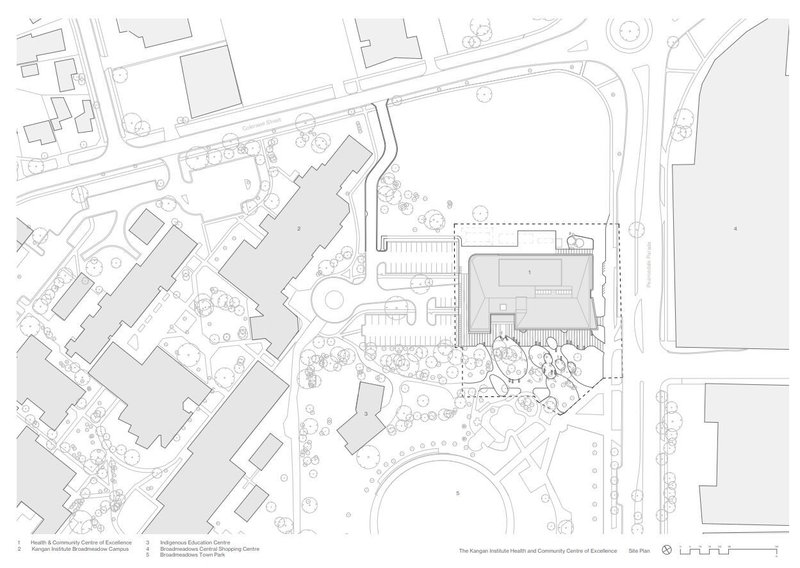
Architecturally, the structure is driven by function and contextual sensitivity. The form responds to the scale and presence of Broadmeadows Central and the nearby civic core, ensuring that the new facility integrates seamlessly with its surroundings while serving as a visual and experiential landmark.
A Welcoming Campus Gateway
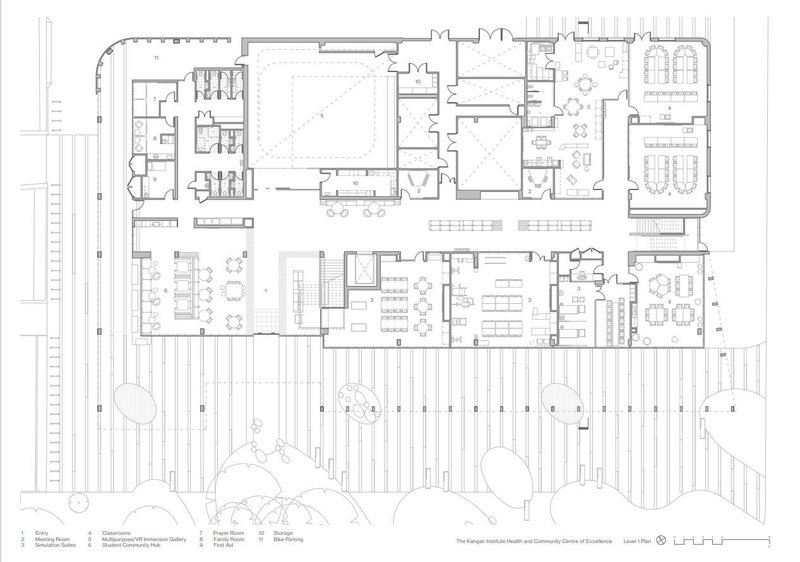
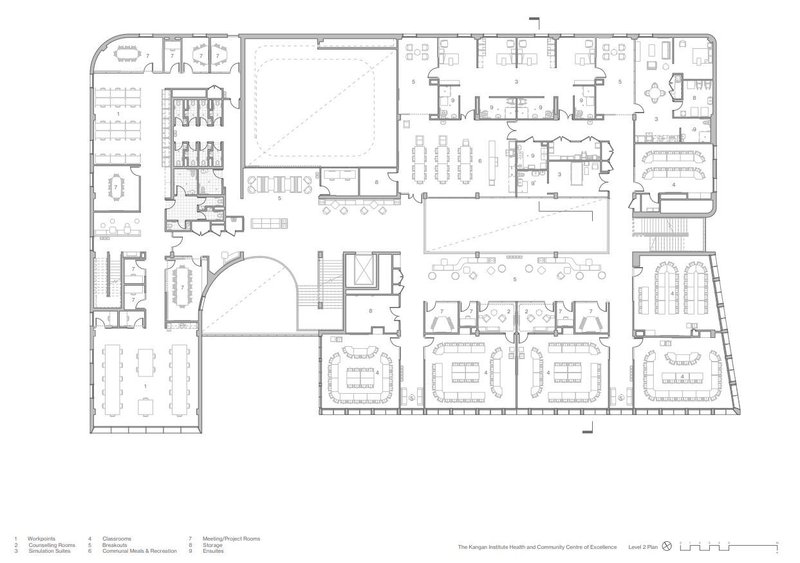
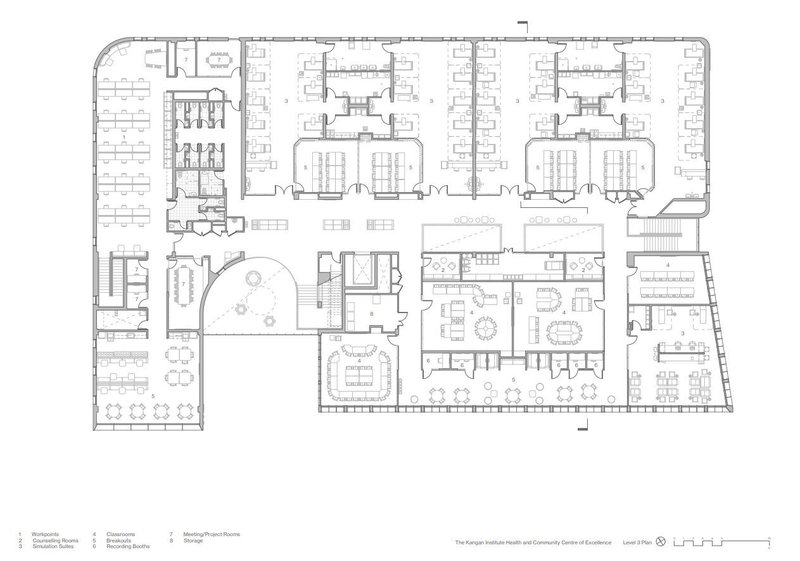
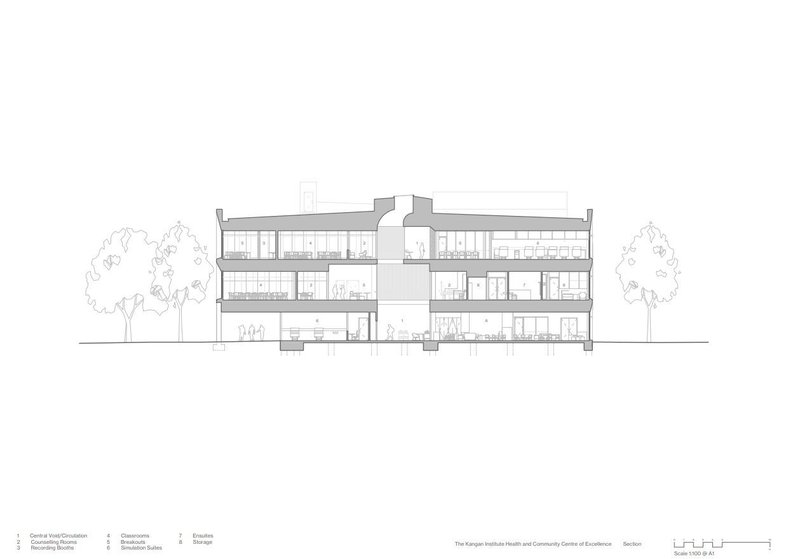
The building opens toward the adjacent Town Park with a landscaped entry sequence that establishes a safe, welcoming atmosphere. From the park-facing atrium, the central circulation spine runs through the entire building, flanked by flexible learning environments on either side. This central axis promotes intuitive navigation while reinforcing a strong visual and spatial connection to the outdoors.
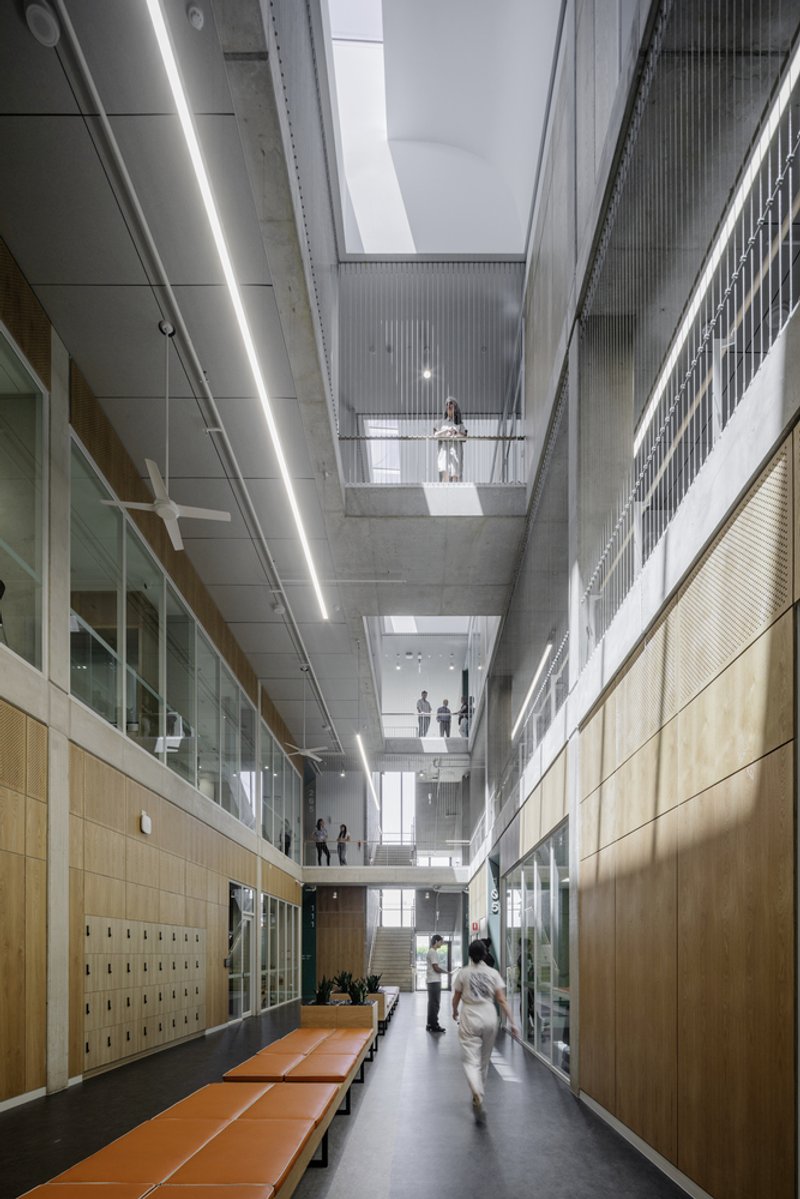
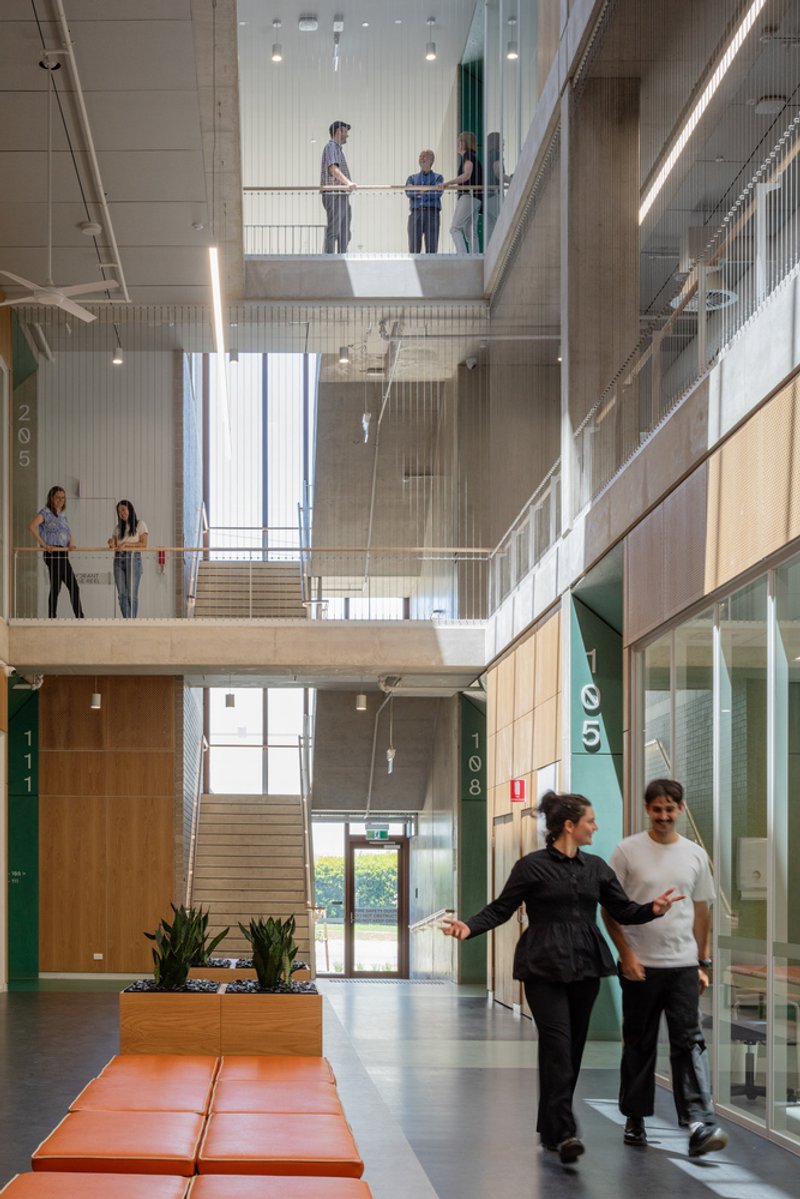
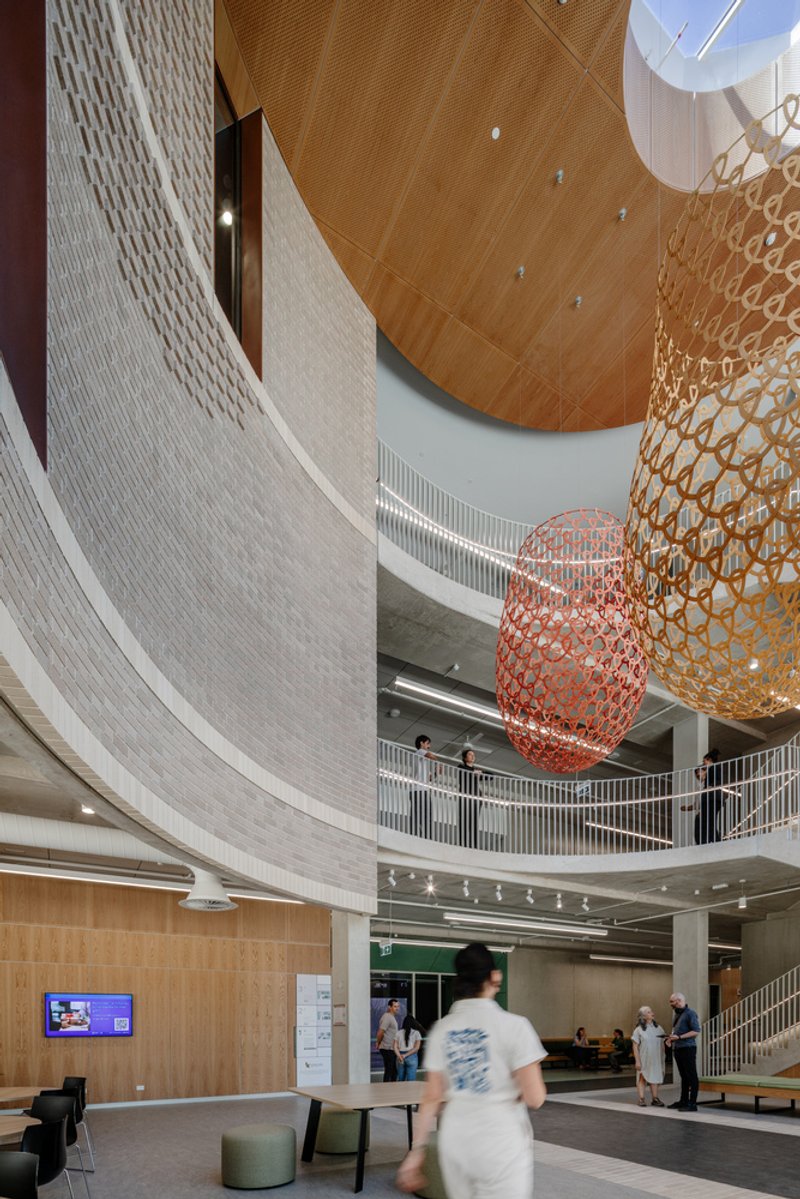
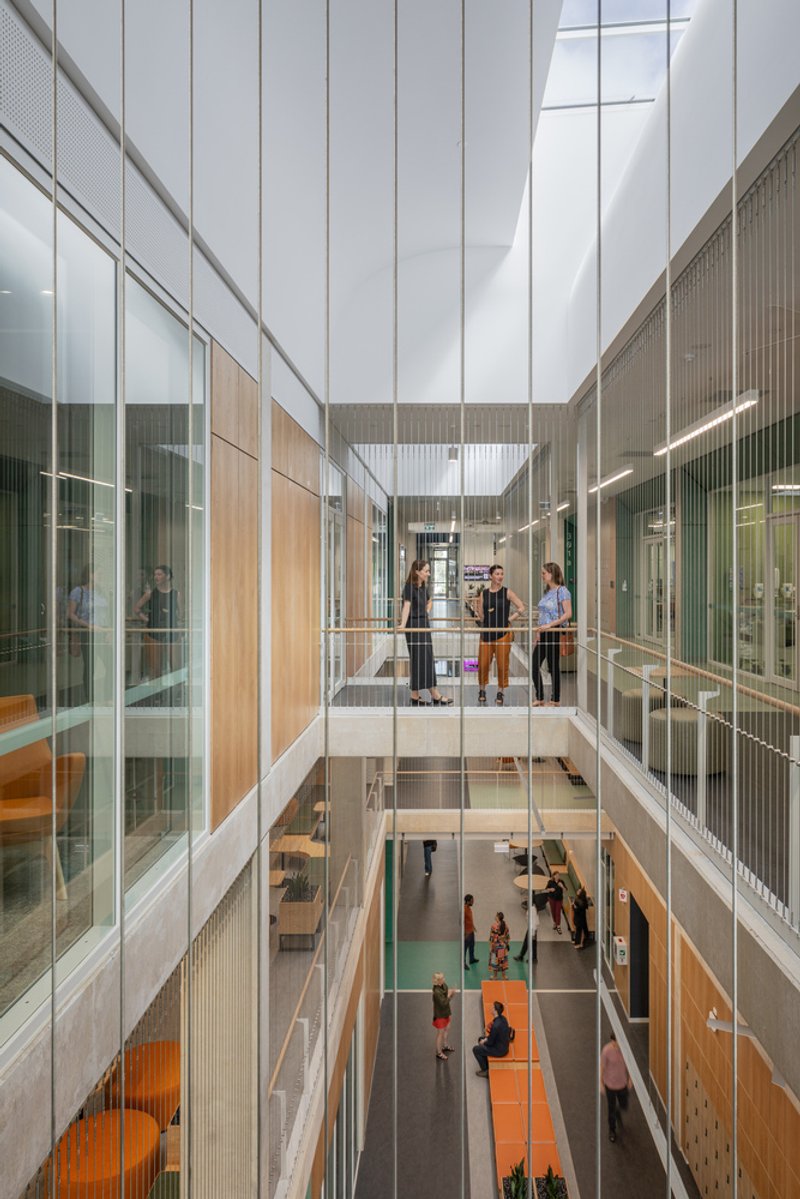
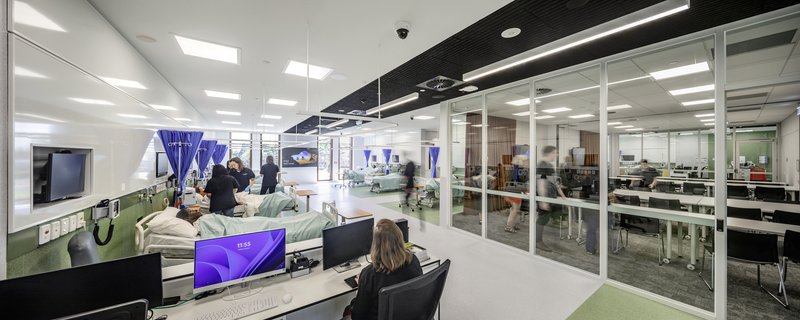
Inside, the layout emphasizes openness, transparency, and interactivity. Triple-height volumes invite natural light deep into the building, encouraging vertical circulation and social interaction. These internal voids not only bring brightness and clarity but also visually connect simulation spaces and learning environments across levels.
Flexible Learning Spaces for Future-Ready Training
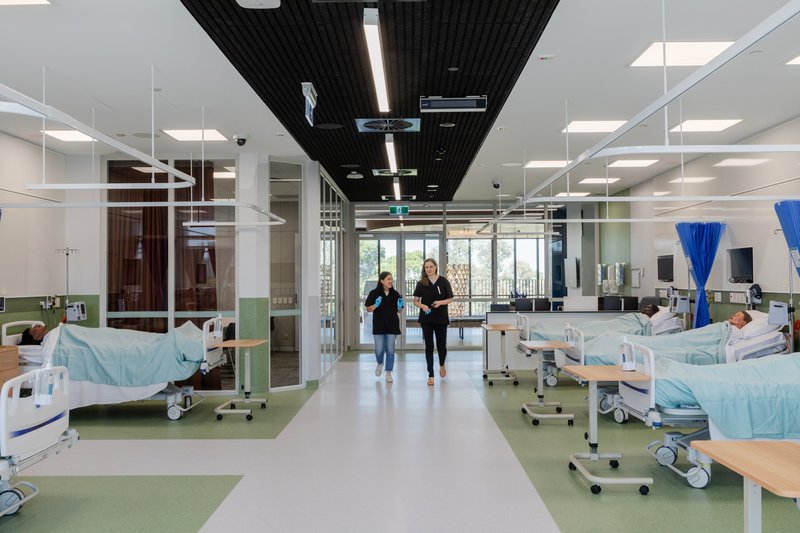
The centre is organized around a rational, cost-effective structural grid that supports adaptability and longevity. It houses a diverse array of spaces tailored for industry simulation, digital learning, and hands-on training. Facilities include environments for nursing, pathology, early childhood education, residential care, and disability support.
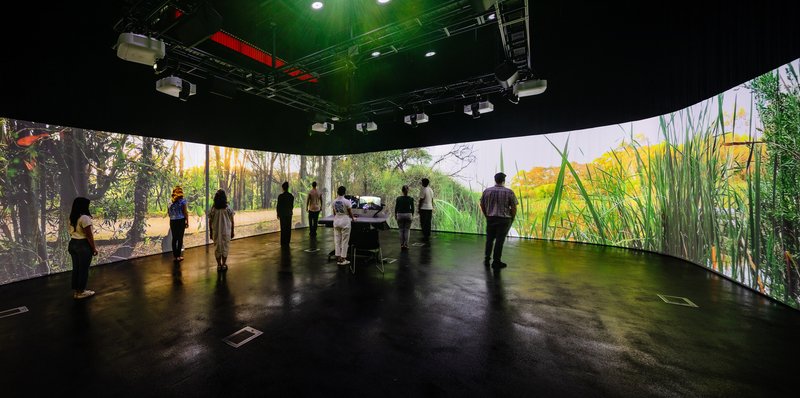
Cutting-edge technologies are embedded throughout, allowing for realistic simulations of complex healthcare scenarios. These immersive spaces help prepare students for real-world challenges, enhancing their confidence and competence in practical care settings. The building also provides informal gathering areas and breakout zones, supporting collaboration and peer learning in a relaxed atmosphere.
Expressive Façade Design Reflecting Purpose and Place
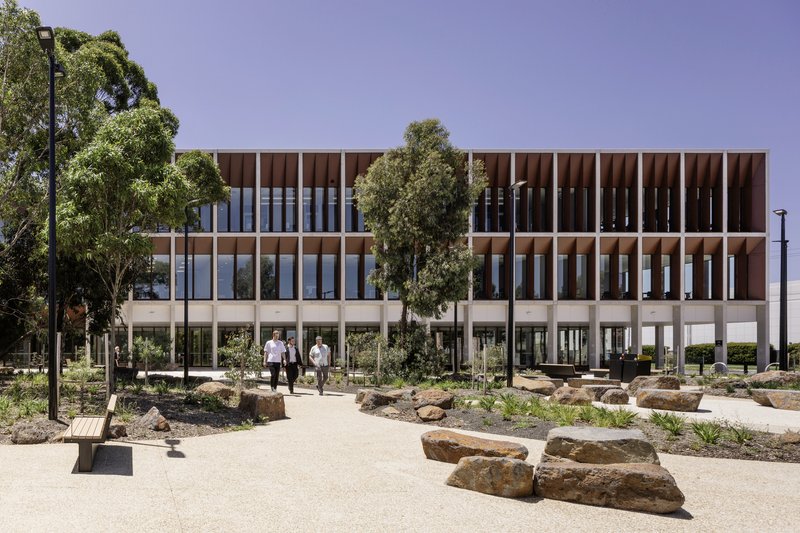
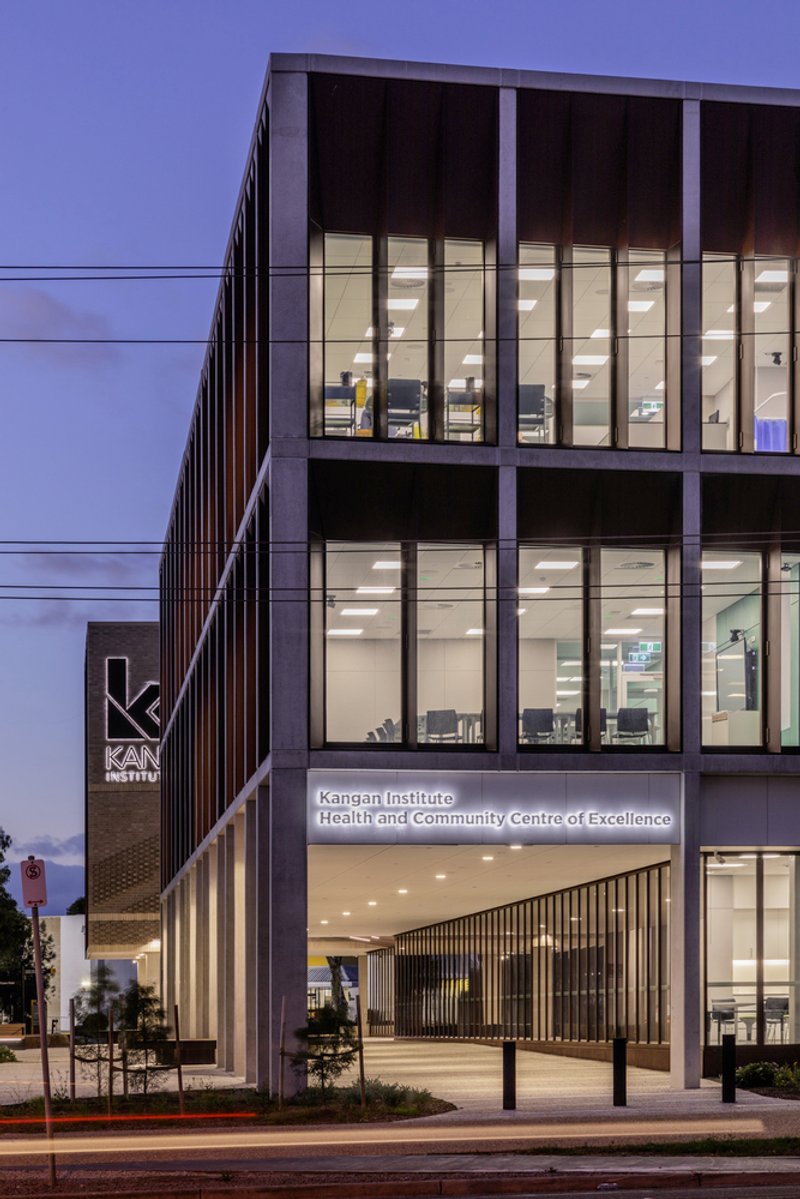
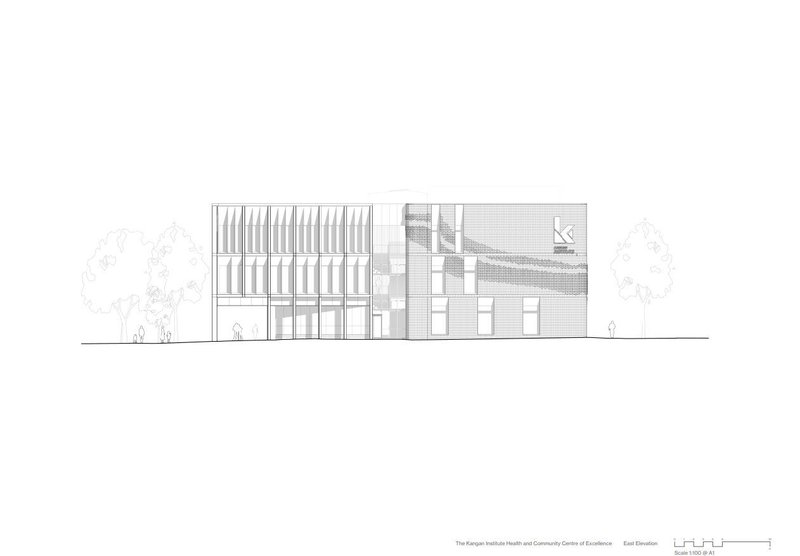
The building's façades offer a nuanced response to orientation and programmatic needs. The south façade is a transparent ribbon of floor-to-ceiling glazing, welcoming light and views over the Town Park. This face of the building presents the internal activities—particularly the healthcare training simulations—to the public, offering a window into the life of the institute.
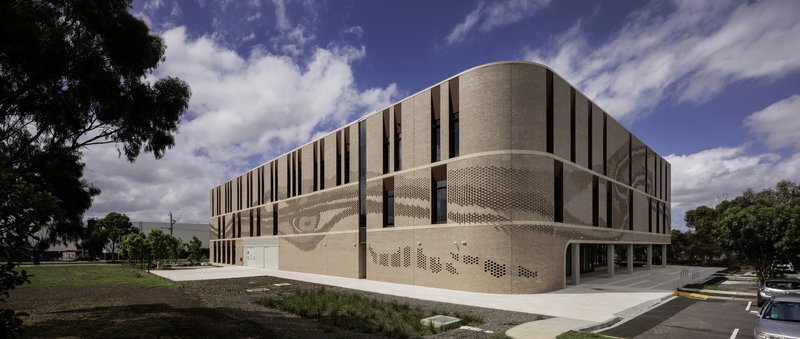
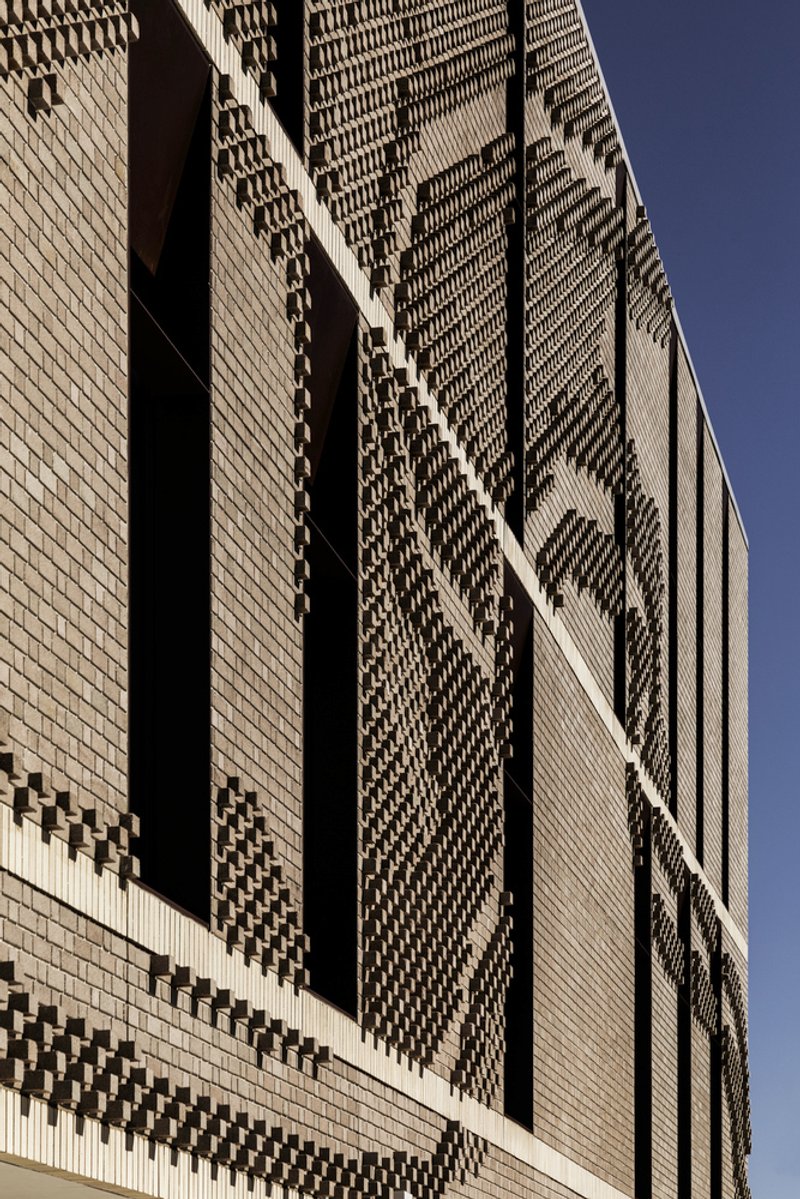
In contrast, the north and west façades adopt a more enclosed masonry language. Deep-set vertical windows within a robust brick envelope provide solar protection and support specialist learning spaces that require diffused light. The soft curvature of the brickwork evokes the natural topography of nearby Yuroke and Moonee Ponds Creek, anchoring the architecture in its broader geographic and cultural landscape.
An Embodiment of Community and Sustainability
The Health and Community Centre of Excellence is not just a place of learning—it is a space that embodies the values of sustainability, civic identity, and community engagement. The building's colonnade transitions seamlessly into a series of island gardens, blurring the boundary between architecture and landscape. These green interventions enrich the learning environment, encourage outdoor engagement, and underscore the importance of wellness and ecology in contemporary education design.
All photographs are works of Trevor Mein




Popular Articles
Popular articles from the community

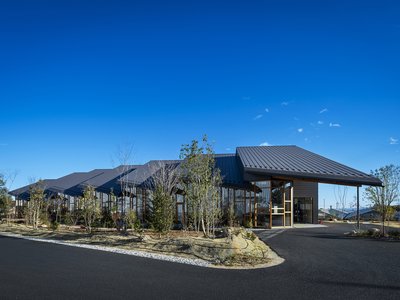
20 Most Popular Office Building Projects of 2025
From biophilic workspaces in India to net-positive energy offices in New Delhi, 20 office building projects that defined architecture in 2025.

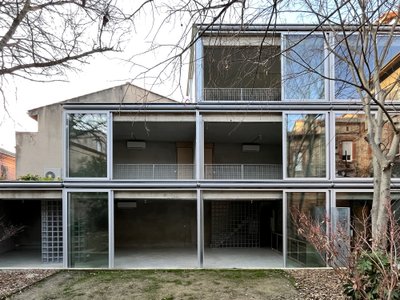
BAST Slots a Four-Story Glass House into a Narrow Gap Between Toulouse Townhouses
In the dense Bonnefoy district, a stepped infill building merges home and office while preserving a majestic hackberry tree.
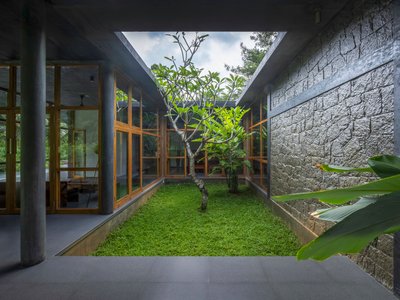
3dor Concepts Wraps a Kerala Home in Mirrored Concrete Arcs Around a Courtyard Tree
In the Western Ghats foothills of Thamarassery, a 270 m² single-story house uses two curved volumes to frame nature as its center.
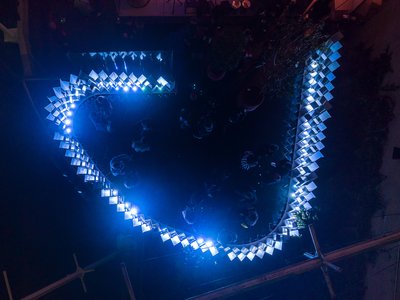
Rojkind Arquitectos and Think Parametric Build a Glueless Pavilion from 67 Interlocking Panels
A serpentine fiber-cement installation in Chapultepec Park celebrates a decade of architectural media in Mexico City.
Similar Reads
You might also enjoy these articles
CSADI Carves a Jade Blade into the Qinling Mountains for China's First Ecology Museum
A 43,788 square meter terraced museum in Shangluo draws its form from a Xia Dynasty artifact and steps down toward the valley below.
Ippolito Fleitz Group Identity Architects Turn Eight Floors in Shanghai into a Vertical Creative City
Publicis Groupe's new headquarters in Xintiandi reimagines the office as a courtyard-driven urban landscape stacked across eight floors.
Díaz Webster Arquitectura Carves Light and Air into a Compact Zapopan House
A 237-square-meter residence in western Zapopan uses courtyards and double-height voids to dissolve the boundary between interior and garden.
BAST Slots a Four-Story Glass House into a Narrow Gap Between Toulouse Townhouses
In the dense Bonnefoy district, a stepped infill building merges home and office while preserving a majestic hackberry tree.


Explore Architecture Competitions
Discover active competitions in this discipline




The International Standard for Design Portfolios


The Global Benchmark for Architecture Dissertation Awards


The Global Benchmark for Graduation Excellence


Challenge to reimagine the Iron Throne
Comments (0)
Please login or sign up to add comments
No comments yet. Be the first to comment!