
House in Lameira by João Pedro Pedrosa: A Modern L-Shaped Rural Retreat in Portugal
A contemporary rural residence in Fátima, Portugal, blending local materials, natural light, and flexible family spaces.


A Harmonious Rural Home in Fátima
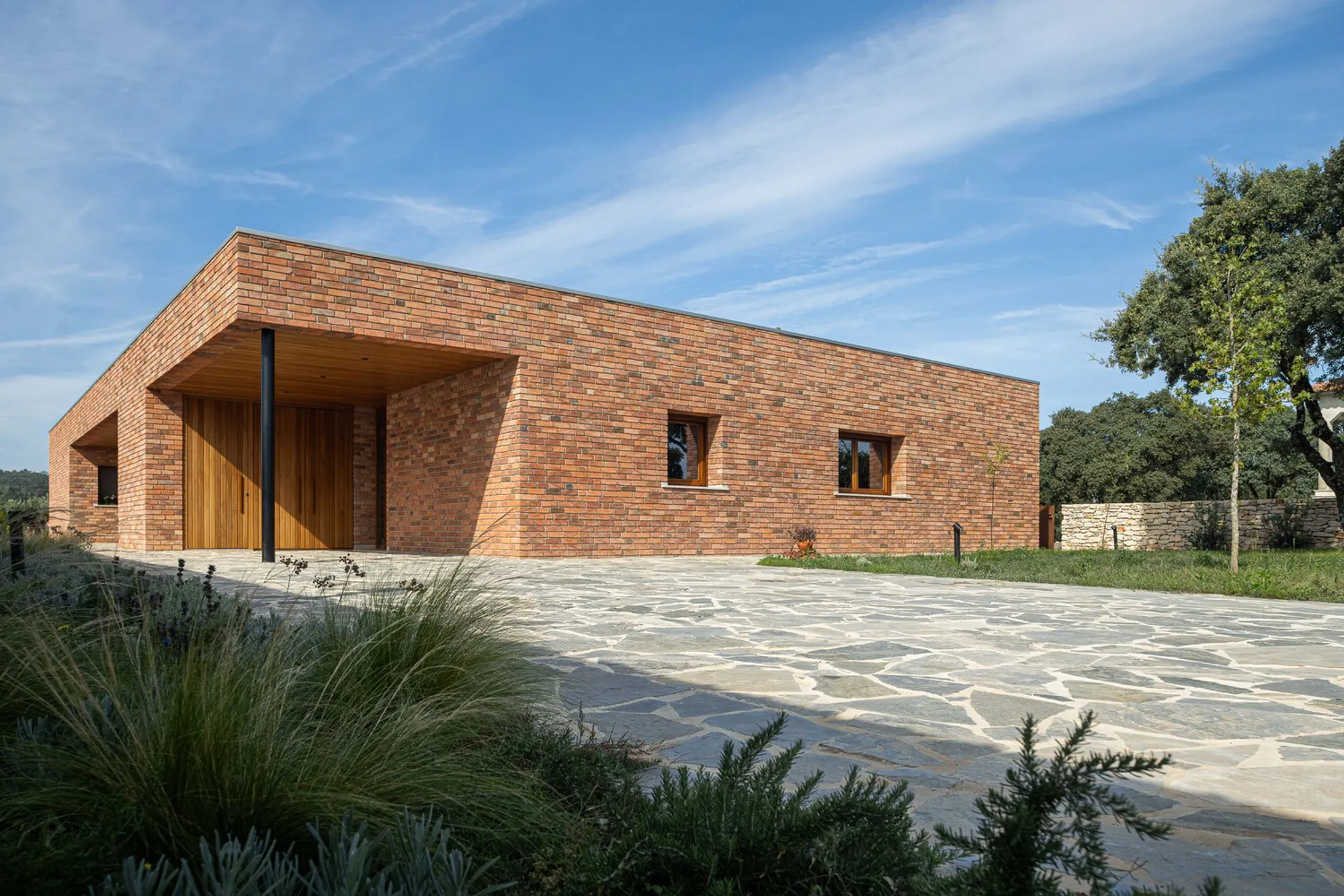
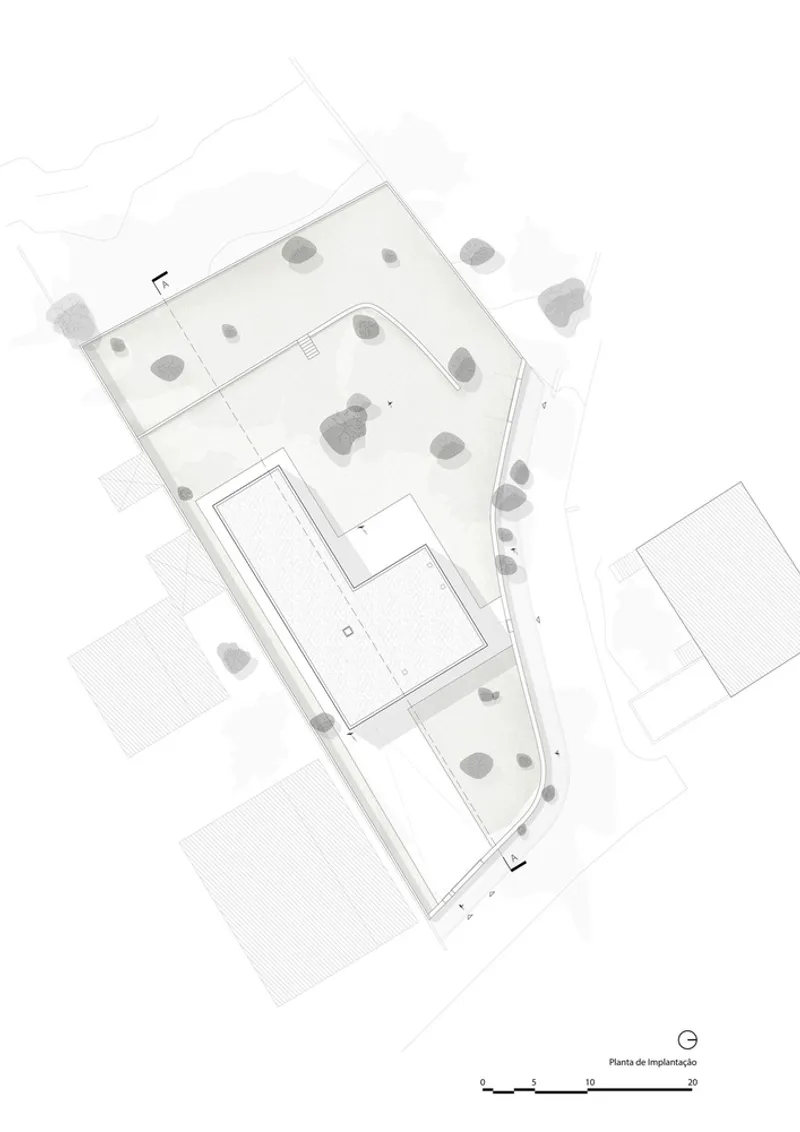
Located just outside the urban center of Fátima, Portugal, the House in Lameira by João Pedro Pedrosa is a single-family residence that seamlessly bridges contemporary architectural design with rural tradition. The project stands on a 345 m² plot surrounded by olive trees, holm oaks, and pine trees, offering both privacy and integration with nature. Developed in close collaboration with one of the homeowners—an architect—the design draws direct inspiration from the Lemke House by Ludwig Mies van der Rohe, merging minimalism with local sensibilities.
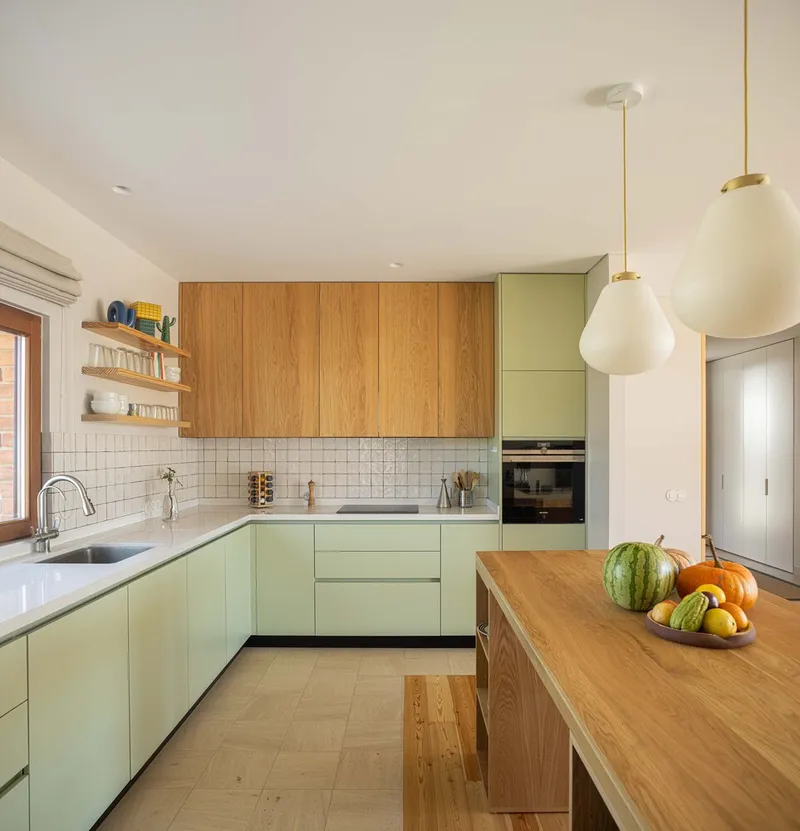
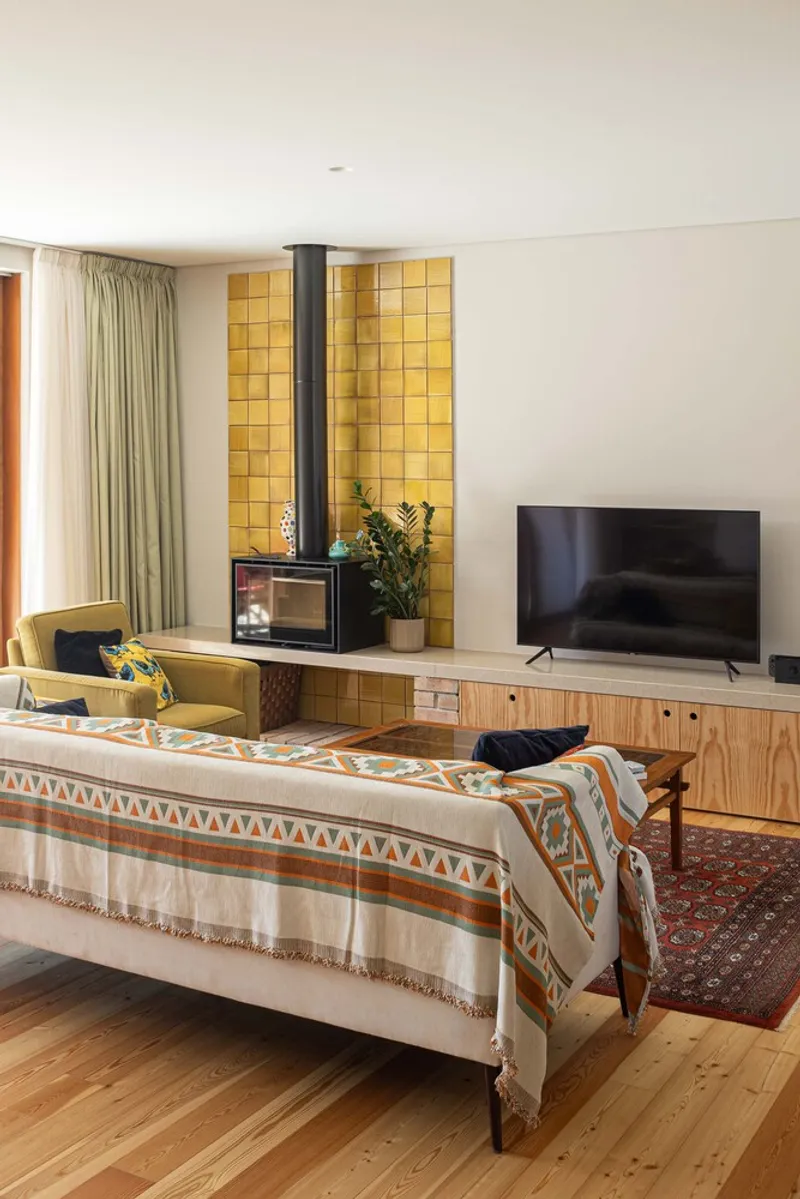
A Design Rooted in Context and Nature
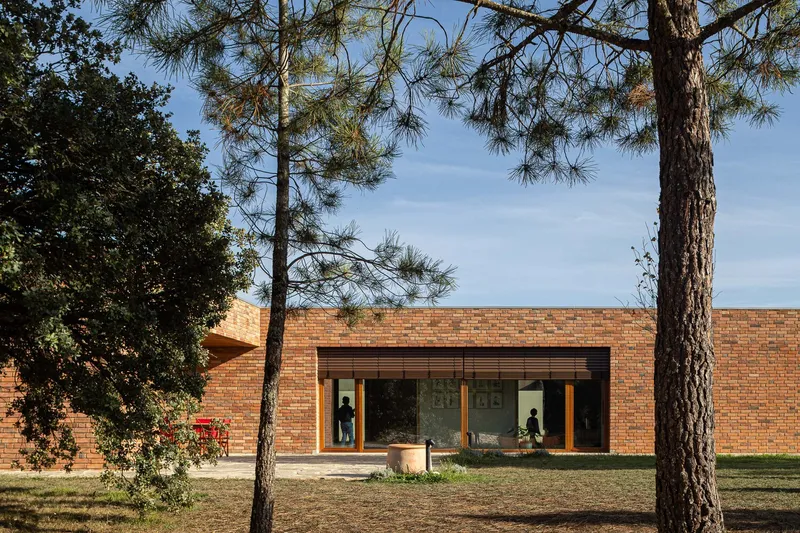
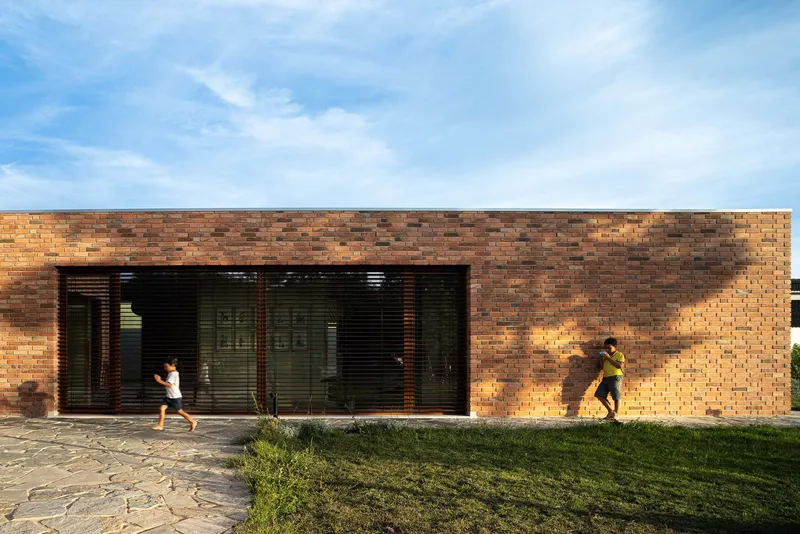
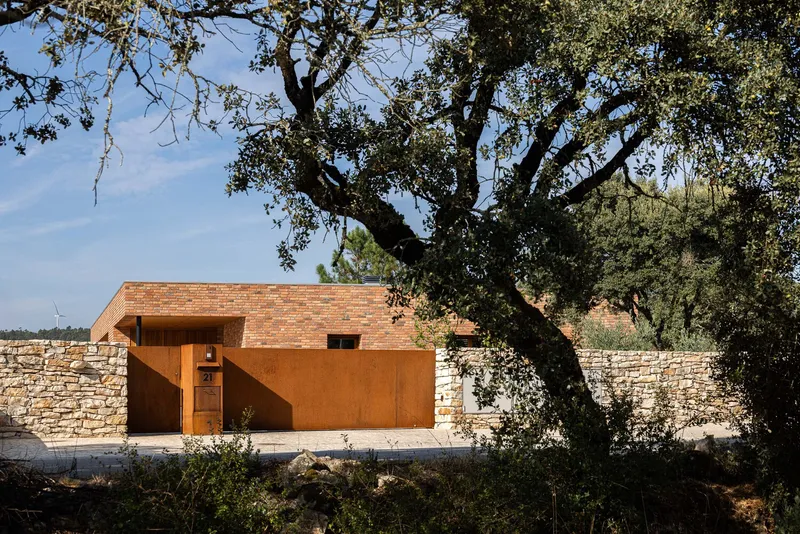
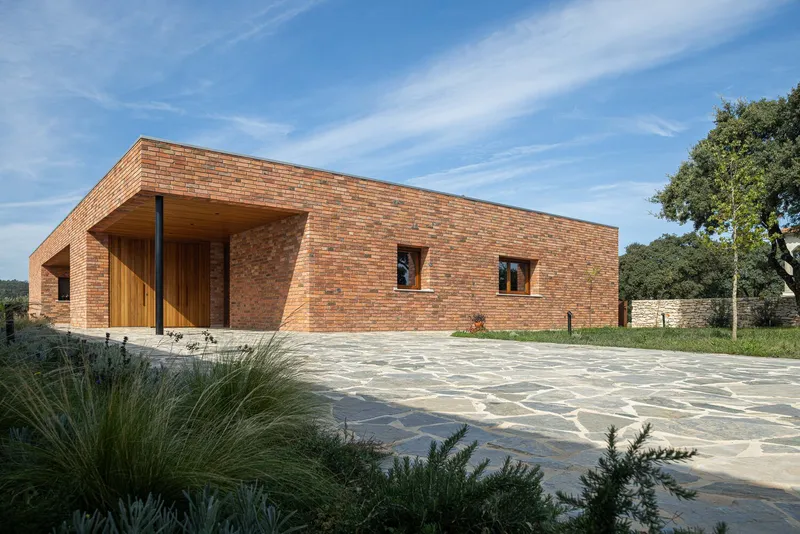
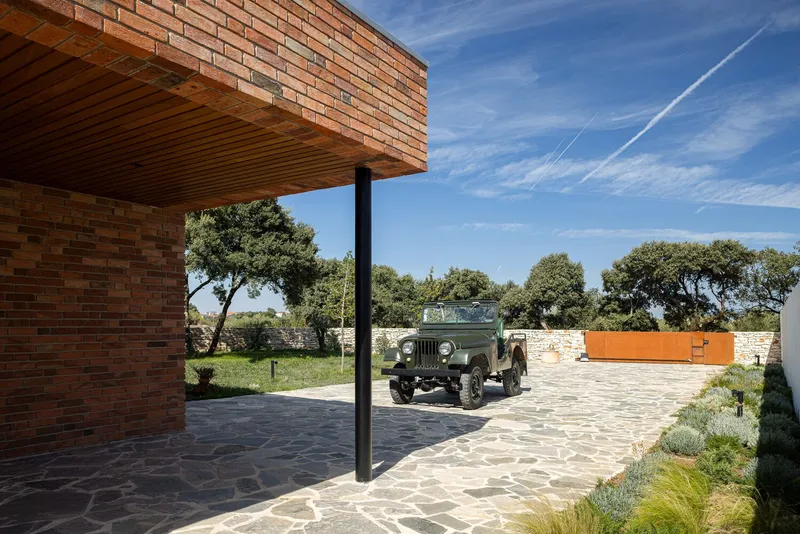
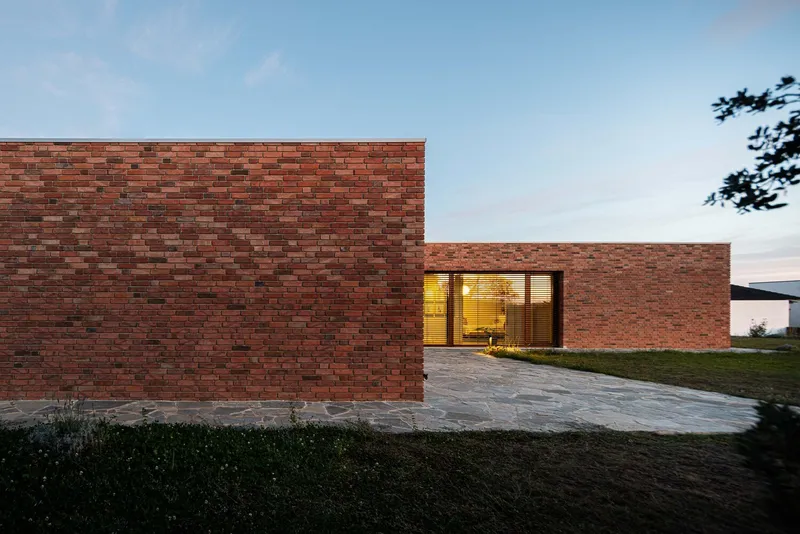
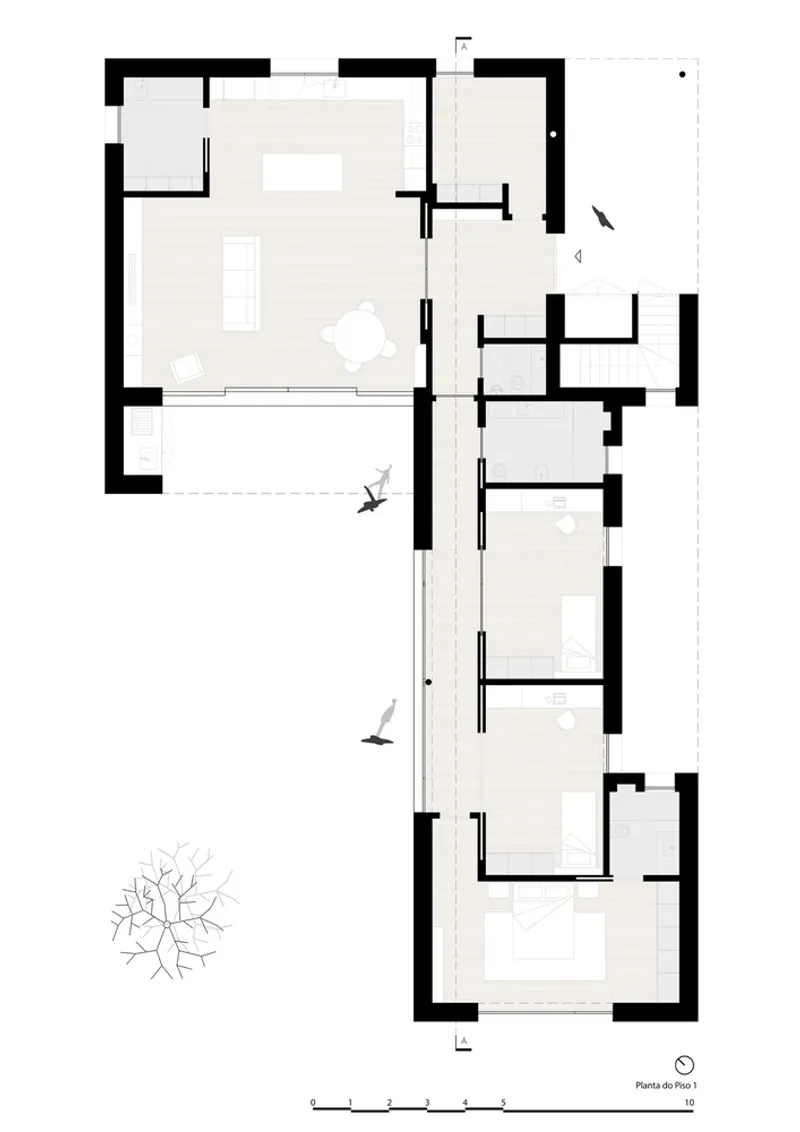
The house is thoughtfully sited on the highest level of the land, close to the public road to the east. This orientation ensures a sense of privacy upon approach while opening westward with expansive glazing that connects the interiors to the lush garden and natural surroundings. The architectural form takes on an L-shaped volume, from which voids are carved to create outdoor living areas protected from the elements. This massing strategy harmonizes with the existing afforestation and enhances the visual and spatial relationship between the built and natural environments.
Natural Light and Spatial Flexibility
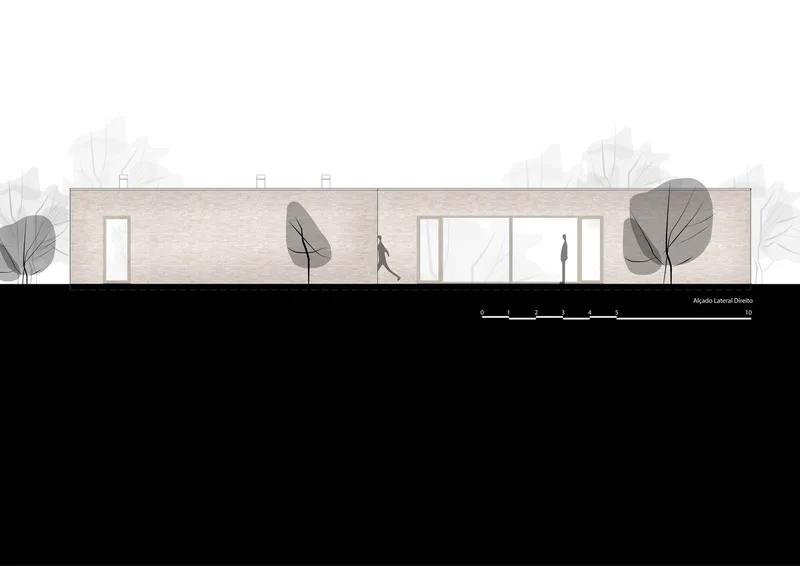
One of the primary design goals was to create bright, flexible spaces that adapt to family life while maintaining a strong indoor-outdoor relationship. Natural light filters generously through the home’s west-facing elevations, where large windows frame views and encourage interaction with the garden. Inside, spaces are fluid, with open-plan living, dining, and kitchen areas organized along one wing of the L, while the private bedrooms occupy the other.
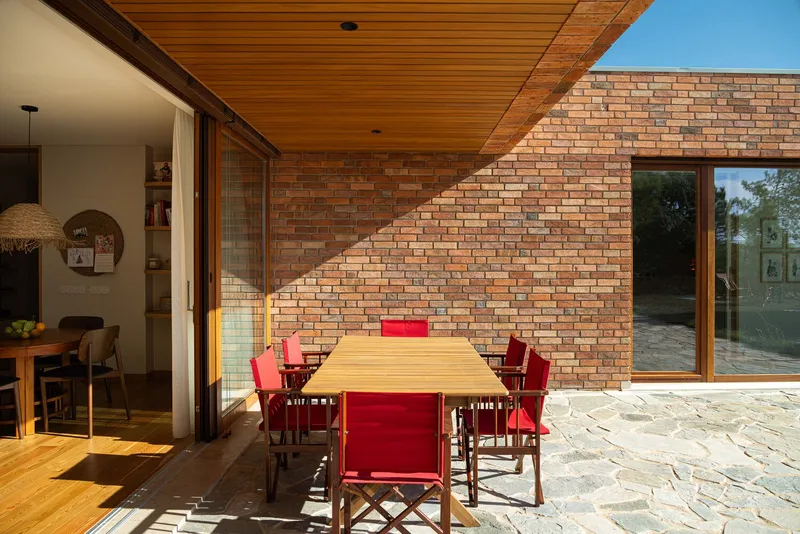
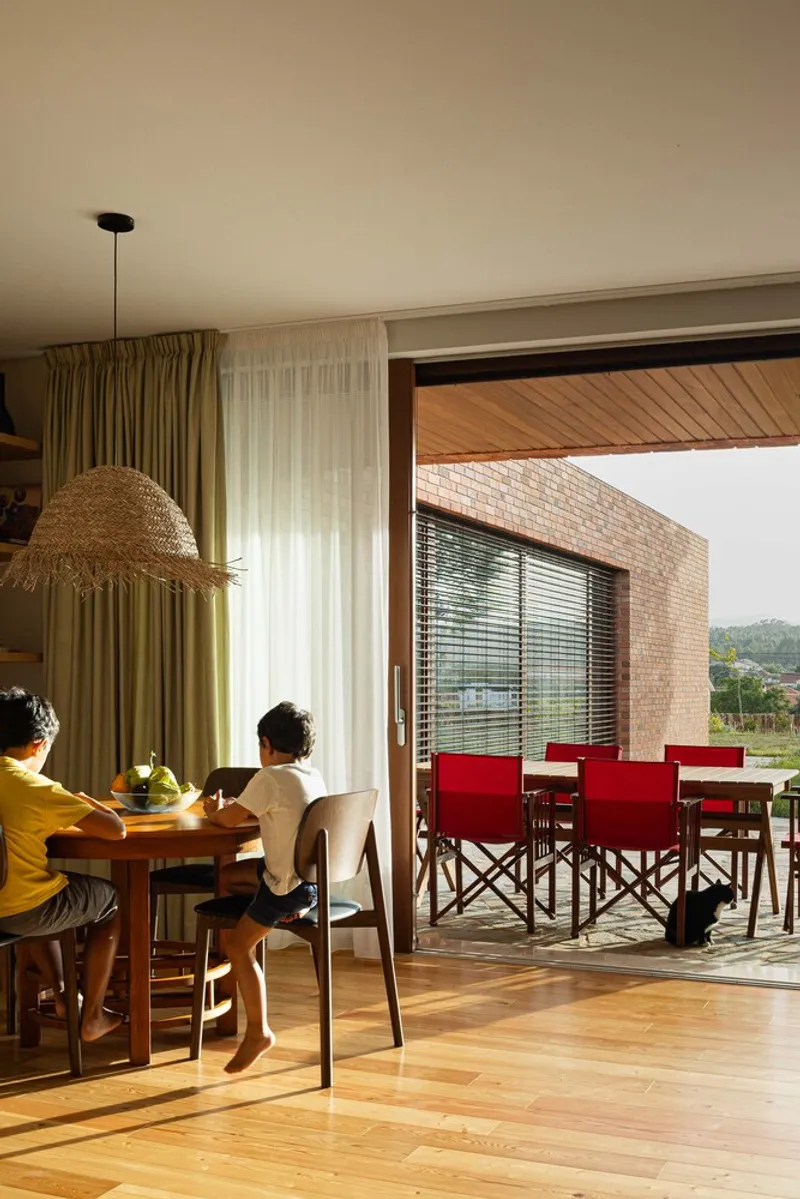
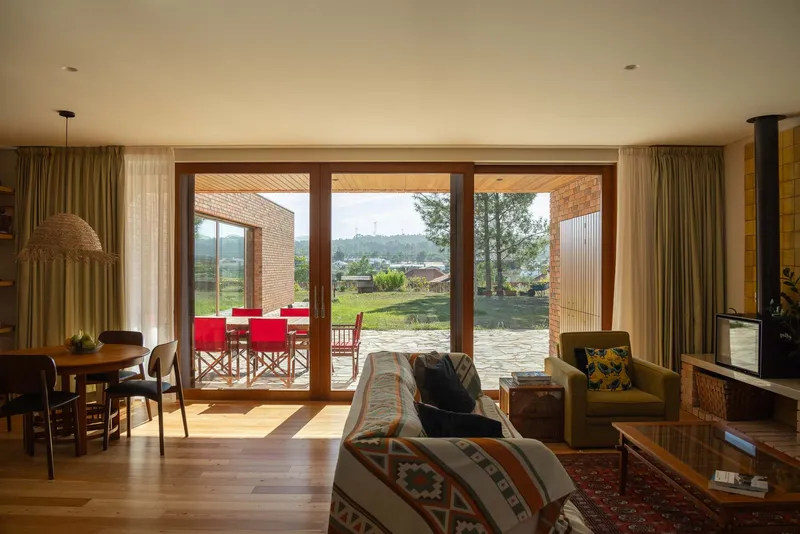
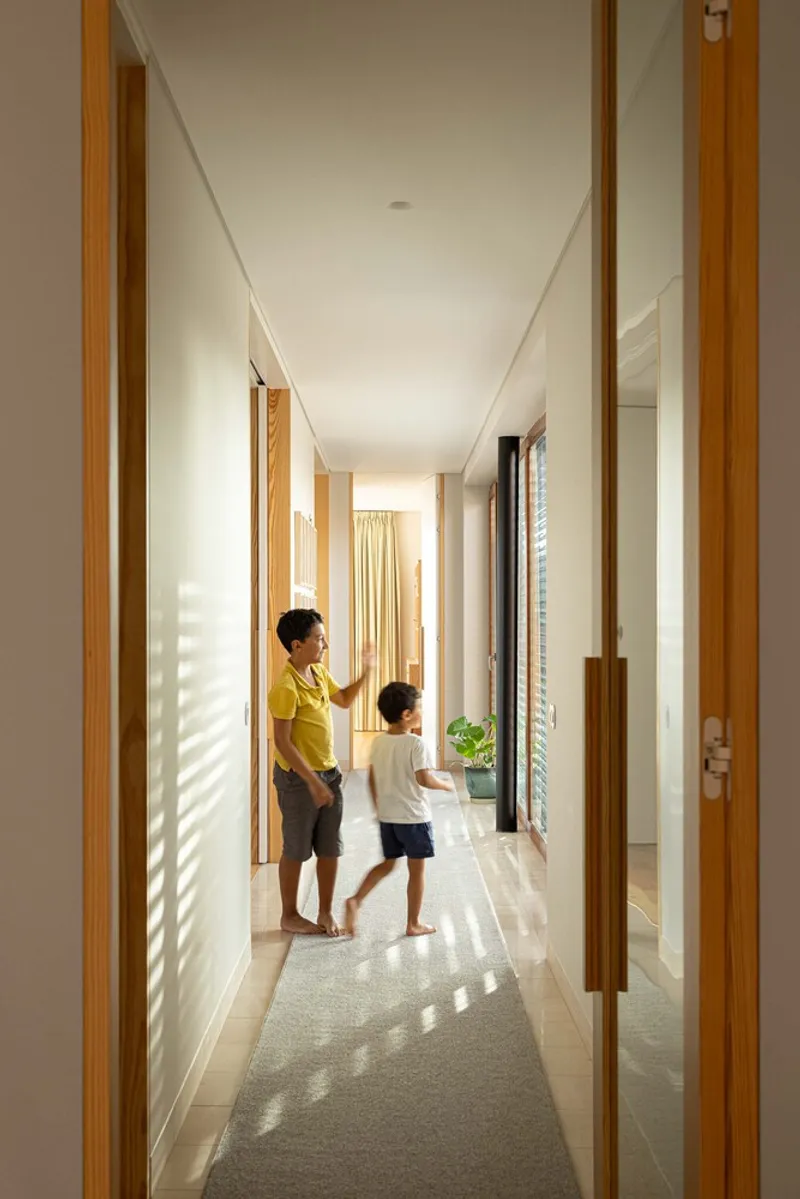
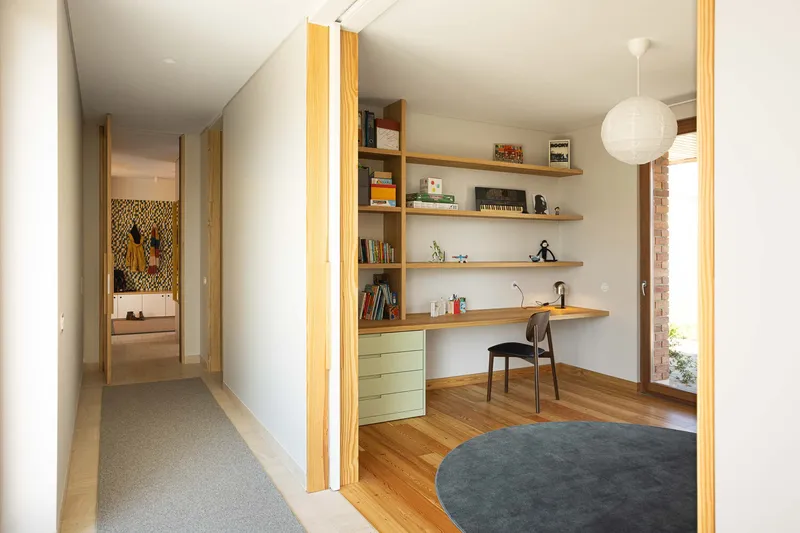
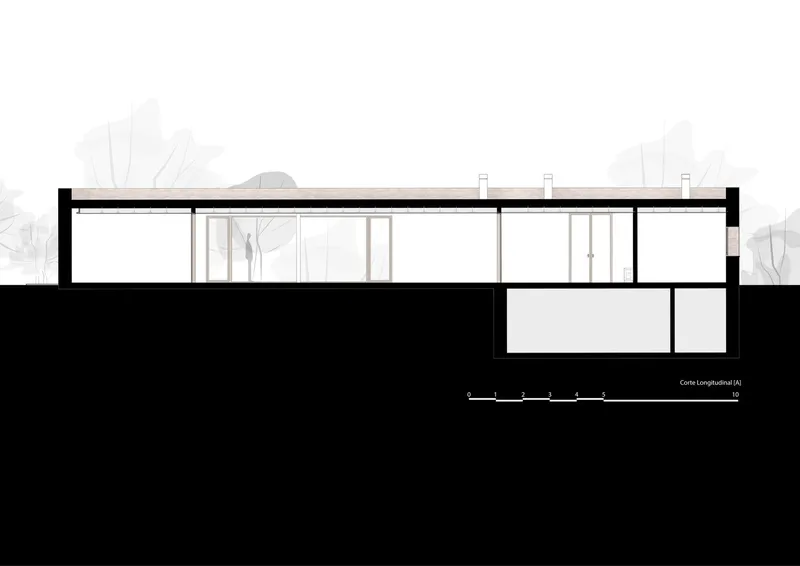
Children’s bedrooms were designed as transformable spaces—sliding panels allow the rooms to either close off for quiet time or open up fully to the corridor, inviting interaction and connection. This corridor itself acts as an extension of the garden, thanks to a large glazed surface that brings nature deep into the interior.
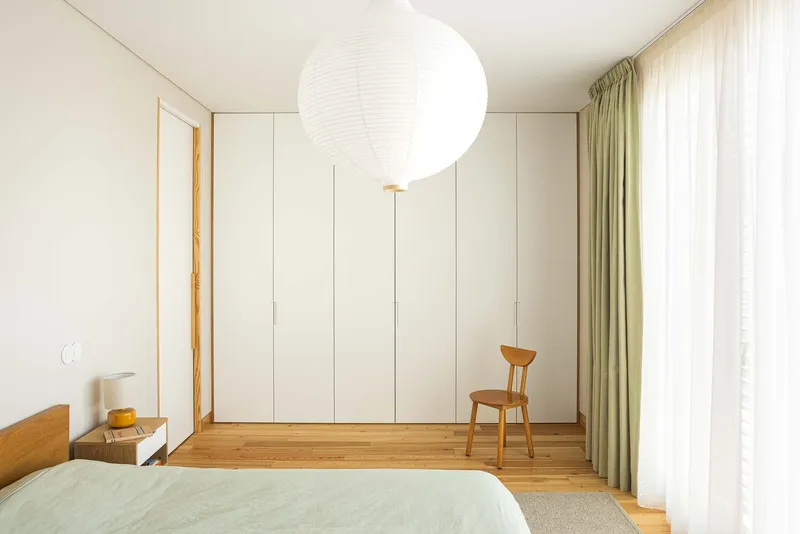
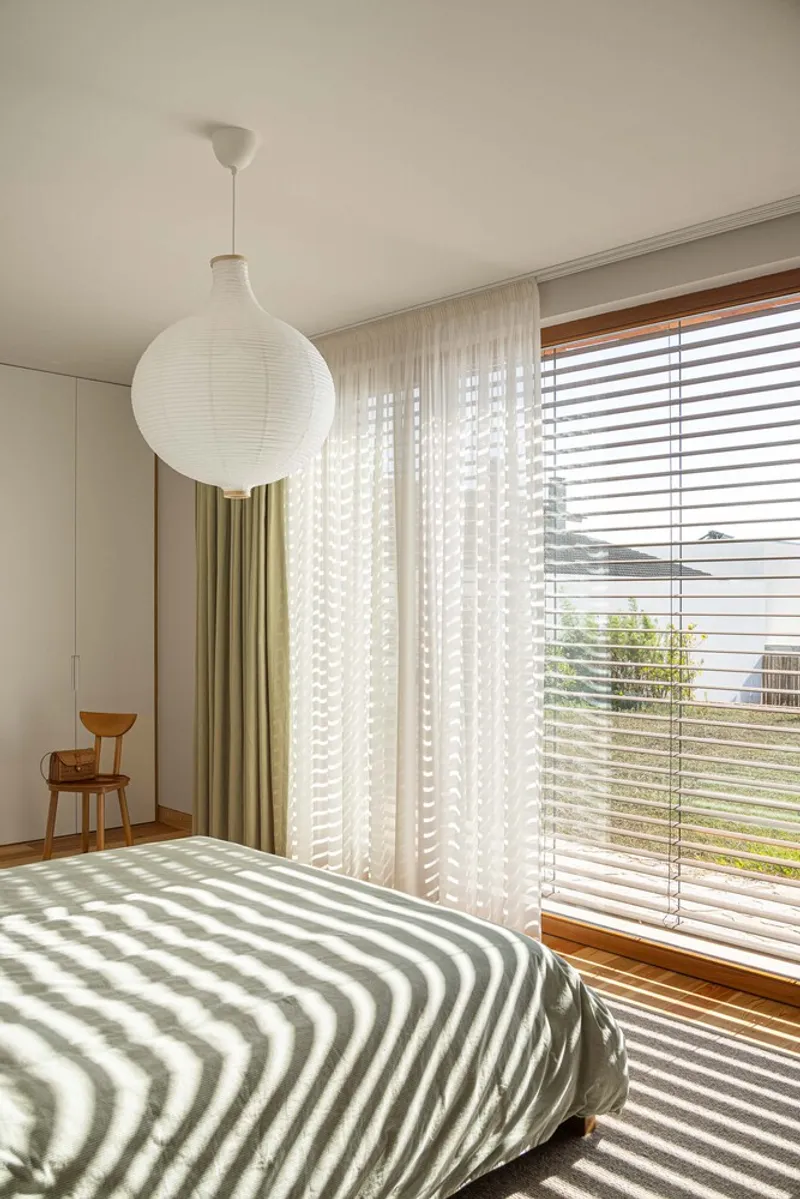
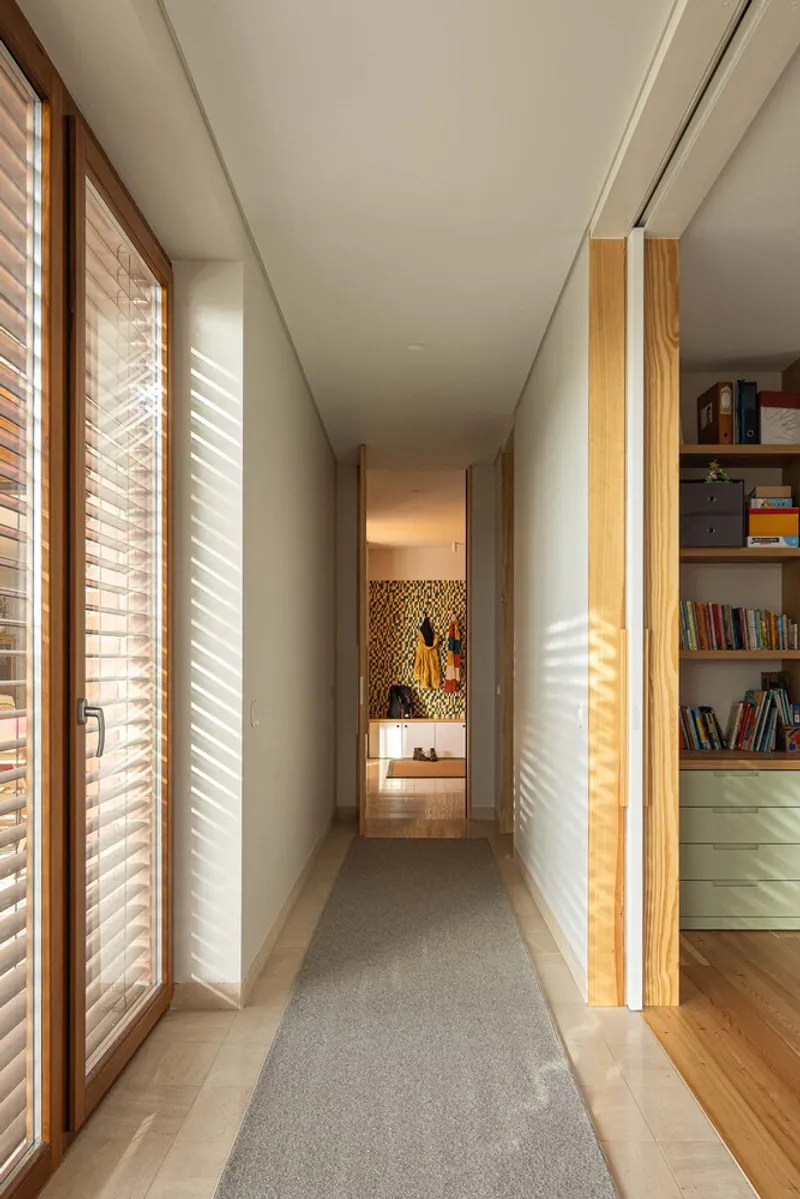
Traditional Craftsmanship and Local Materials
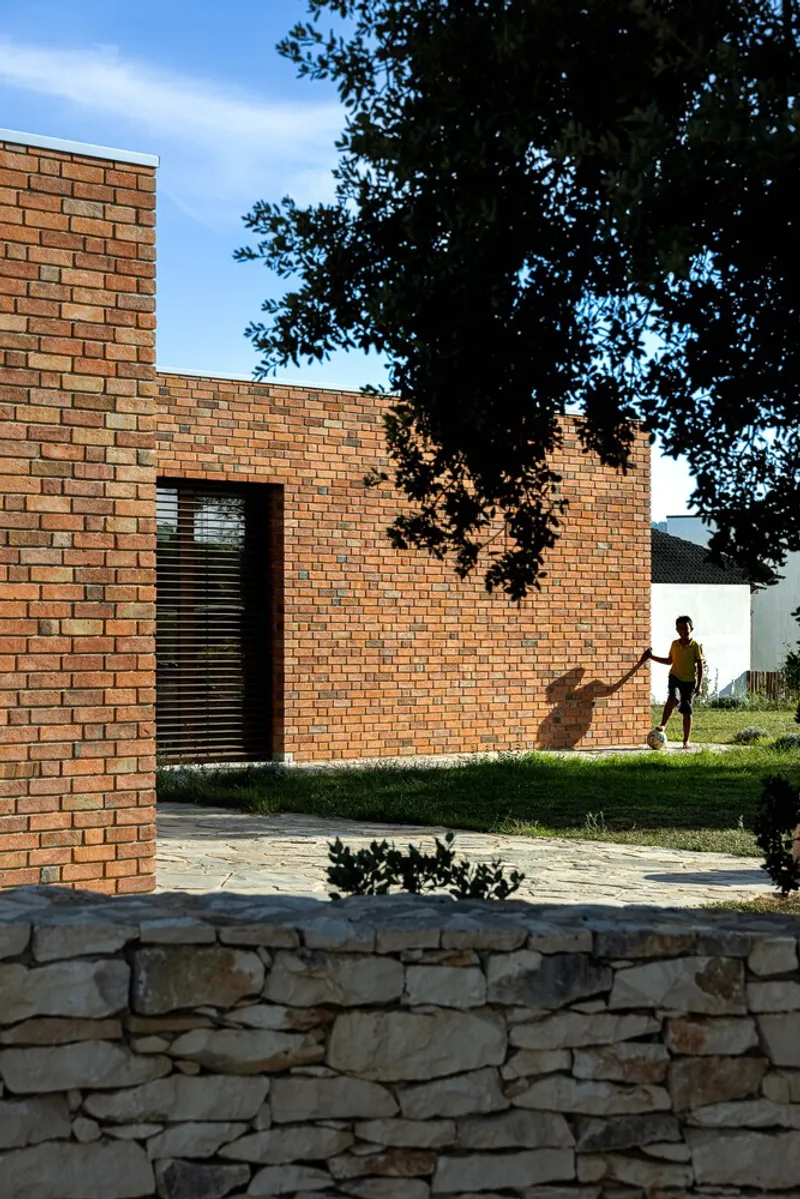
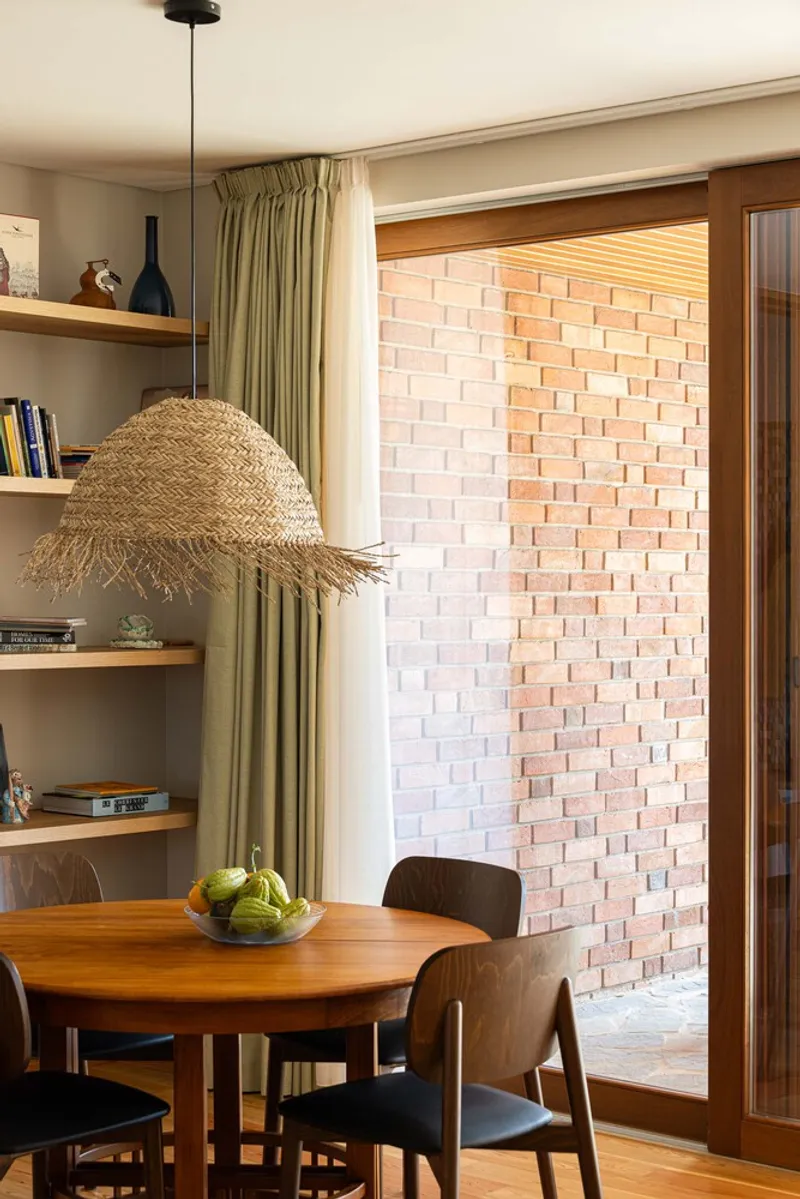
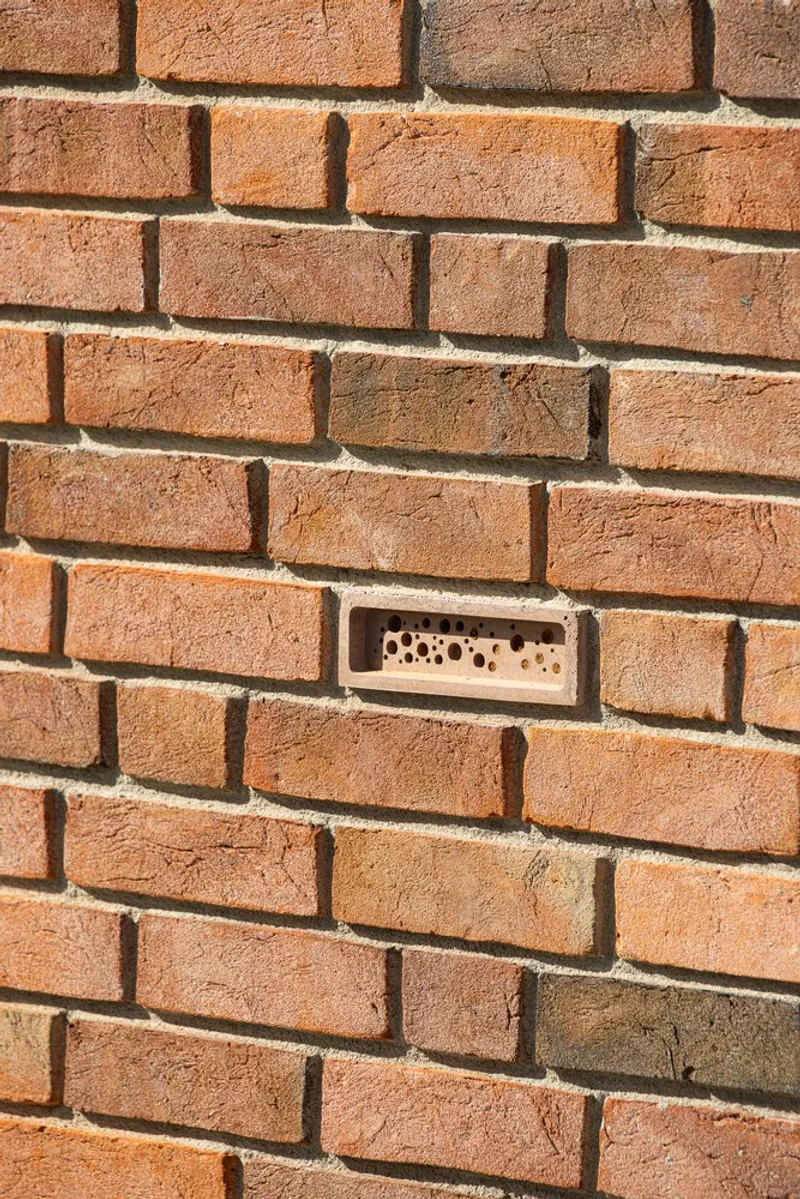
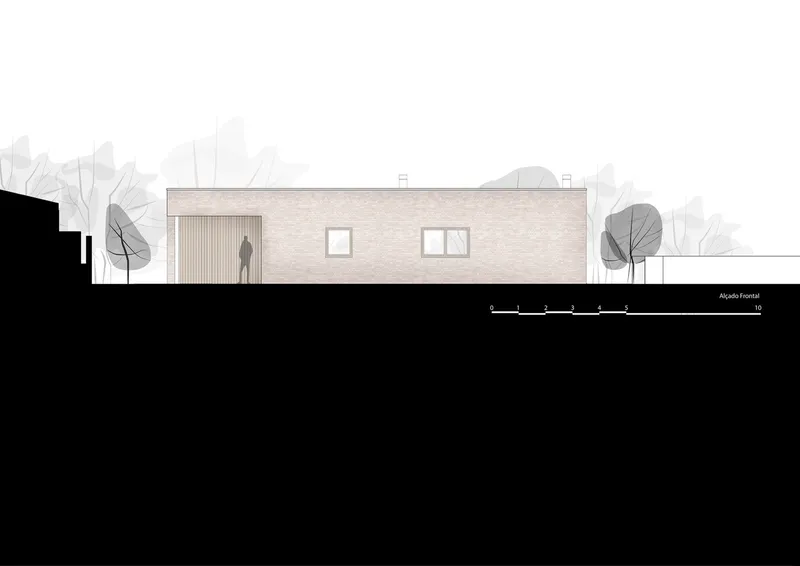
Materiality is central to the identity of the House in Lameira by João Pedro Pedrosa. The standout element is the handcrafted solid brick cladding that wraps the entire façade. Each brick is unique, produced by a local artisan whose final contribution to the craft was for this very home. When production fell short, the homeowner and his son actively joined the process to ensure the project’s completion, reinforcing the home’s narrative of craftsmanship and family.
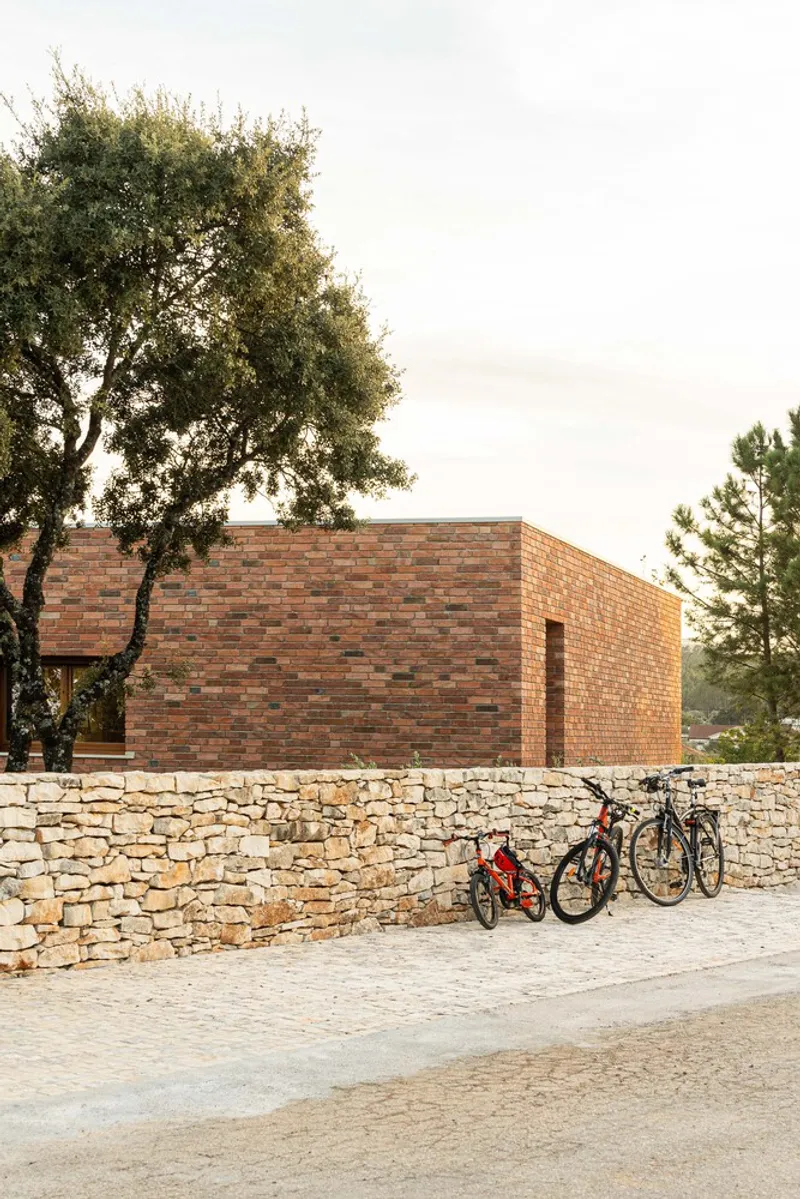
The commitment to local materials extends beyond the brickwork. Stone walls were rebuilt from salvaged stone gathered from nearby ruins, transported and assembled by hand. Natural wooden window frames and ceiling panels were made by regional carpenters, and all stone finishes were sourced from Fátima’s local quarries. These choices contribute to a deeply tactile architecture that resonates with its surroundings.
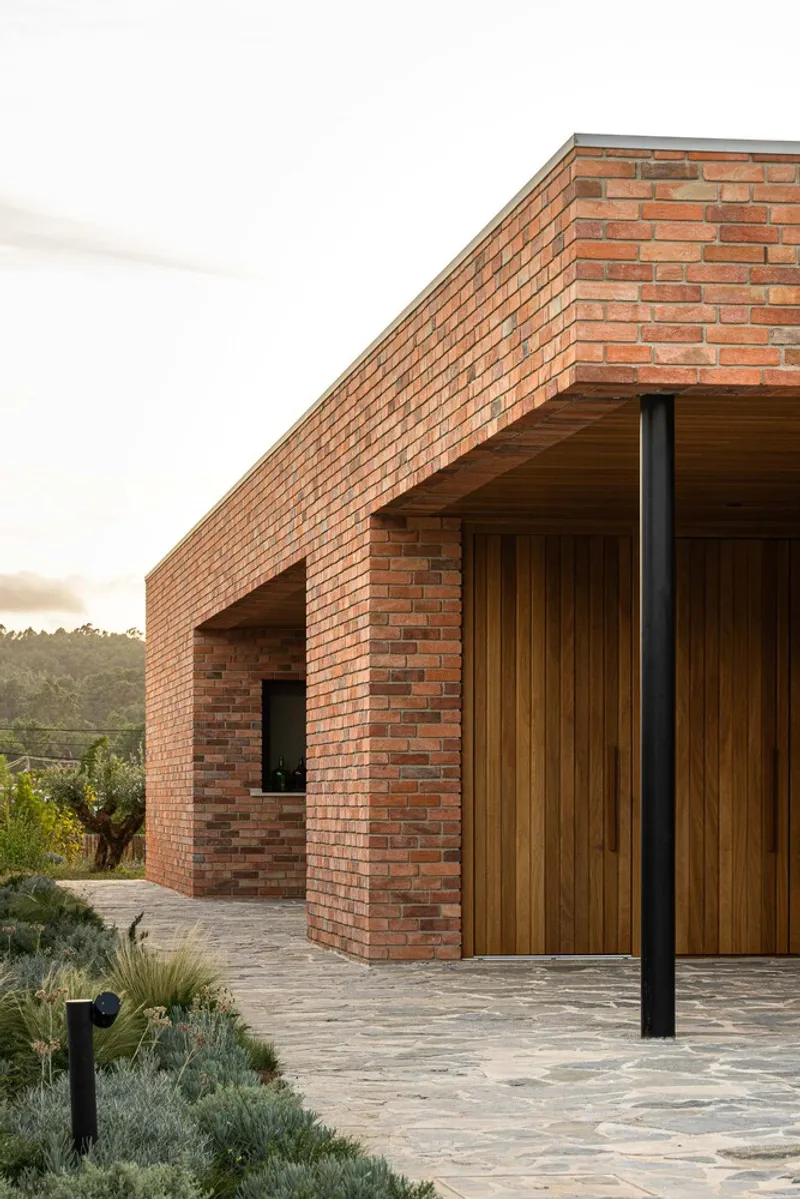
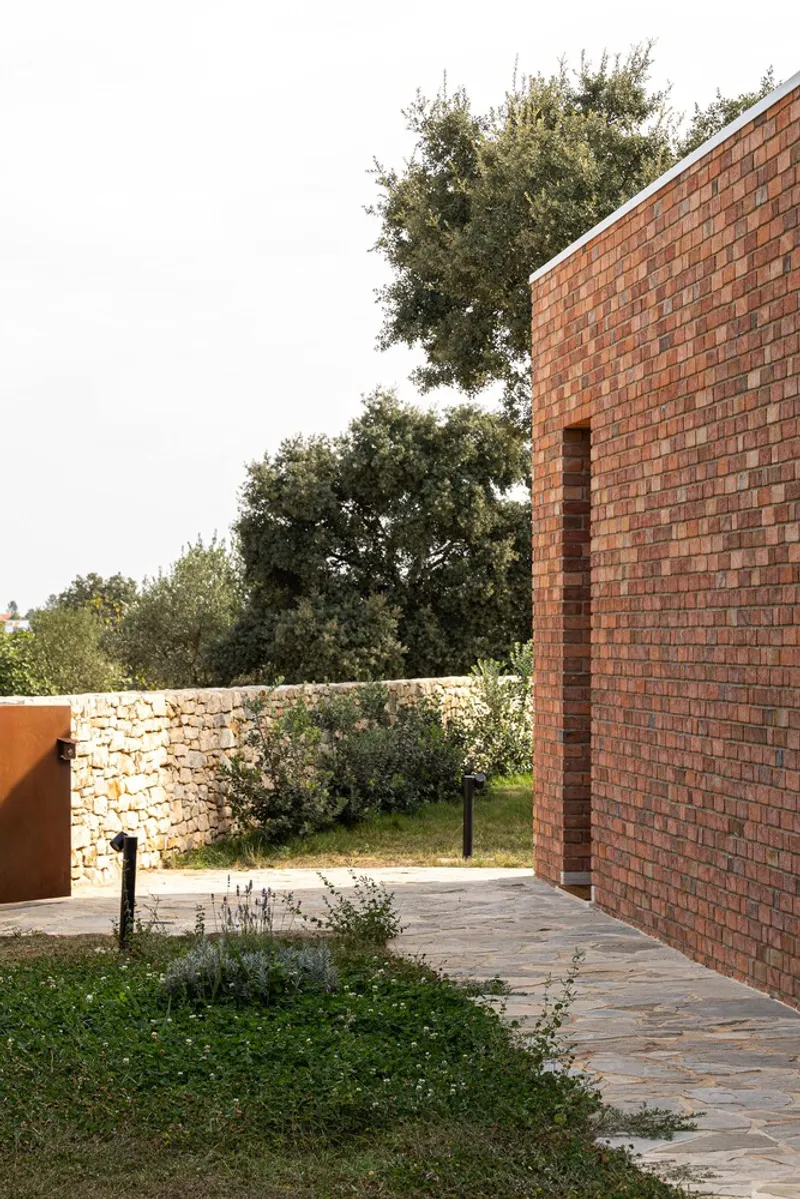
A Subtle Balance of Privacy and Openness
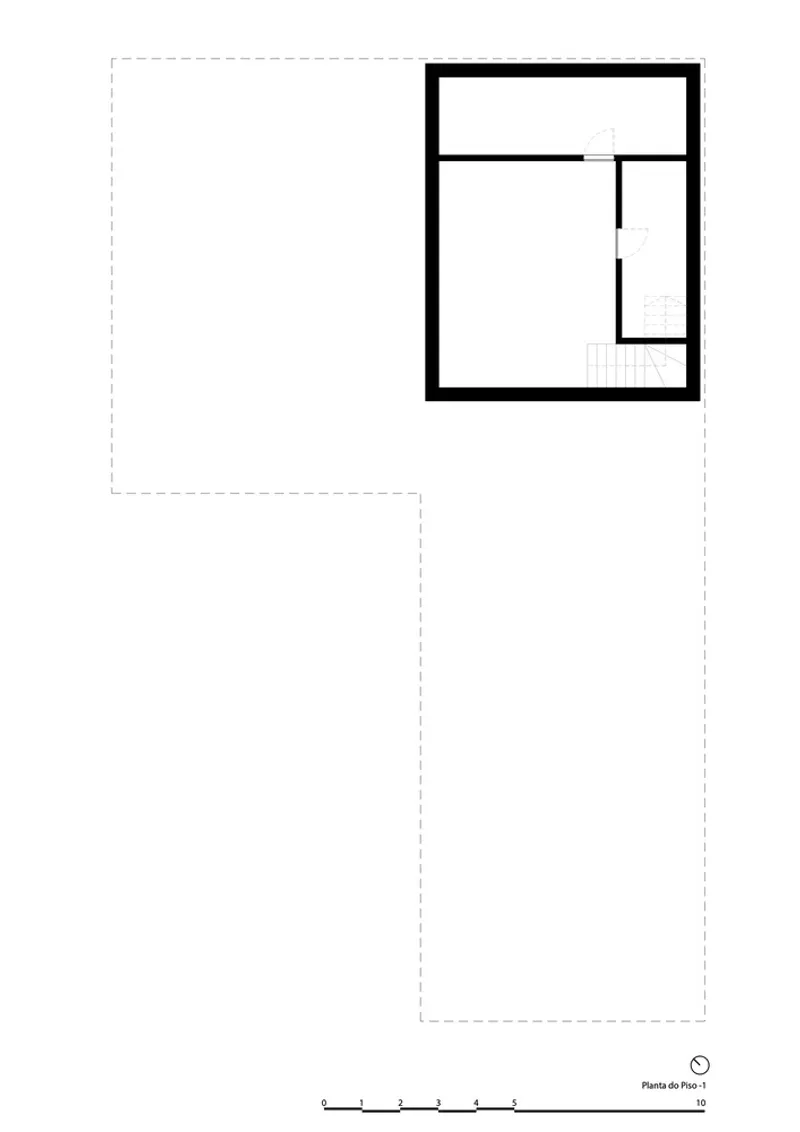
The spatial organization divides the house into two main wings, marked by a central entrance atrium. The common areas—living room, kitchen, office, and outdoor spaces—occupy one side, while bedrooms and bathrooms are located on the other. This functional zoning ensures privacy while preserving a sense of unity across the house. A small basement, accessible externally, accommodates storage and technical needs.
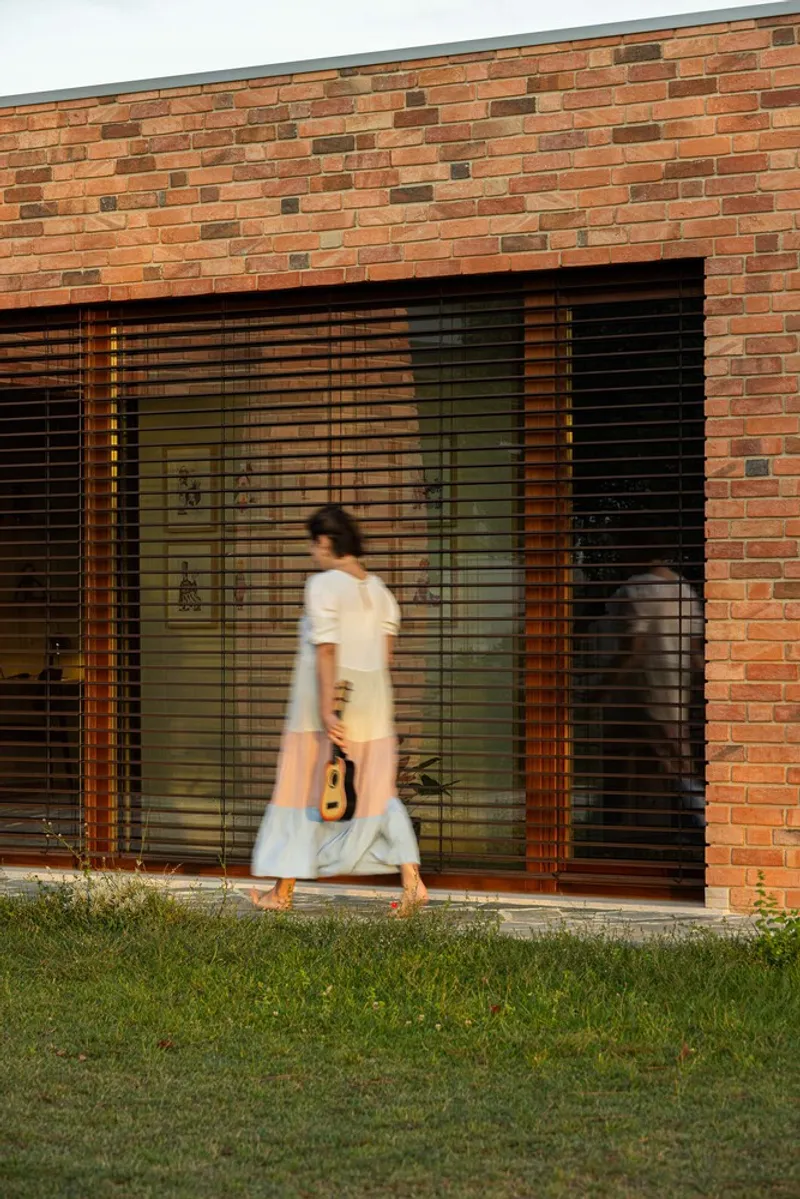
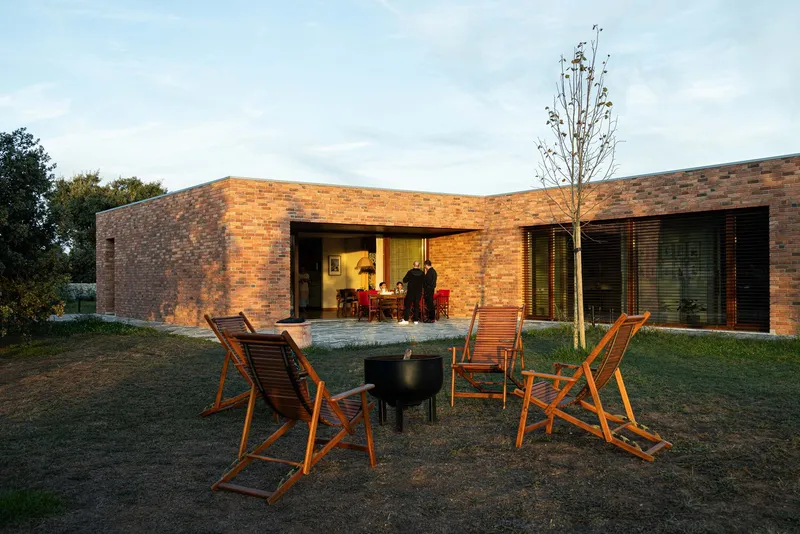
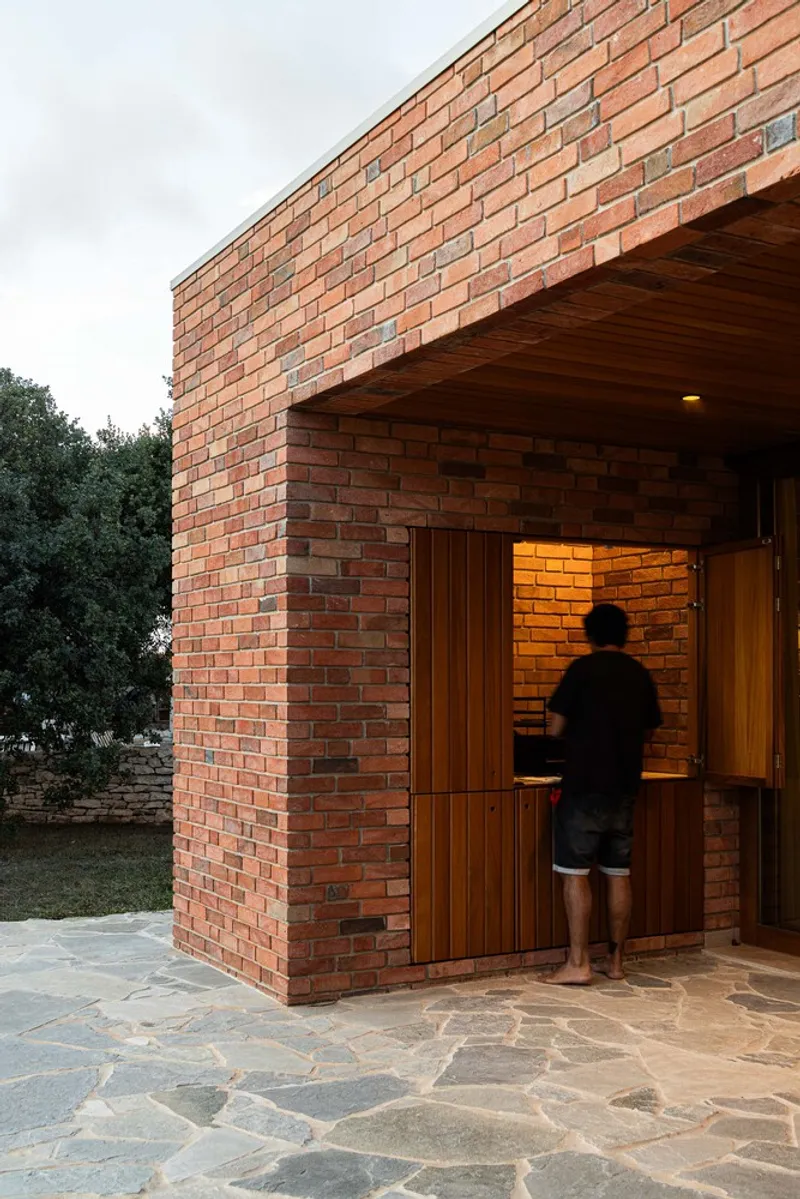
Notably, sustainability and biodiversity are subtly integrated. One portion of the east-facing façade incorporates a “Bee Brick”—a nesting shelter made of recycled materials that supports solitary bee populations, illustrating the architect's quiet but firm commitment to ecological awareness.
A Rural House That Celebrates Place
The House in Lameira by João Pedro Pedrosa is more than a residence; it is a dialogue between contemporary architectural ideals and vernacular traditions. With its L-shaped plan, handcrafted materiality, and sensitive site placement, the home offers a blueprint for sustainable, human-centered living in a rural setting. It respects the rhythms of its landscape, embraces artisanal practices, and creates meaningful spaces for family life, light, and nature to thrive together.
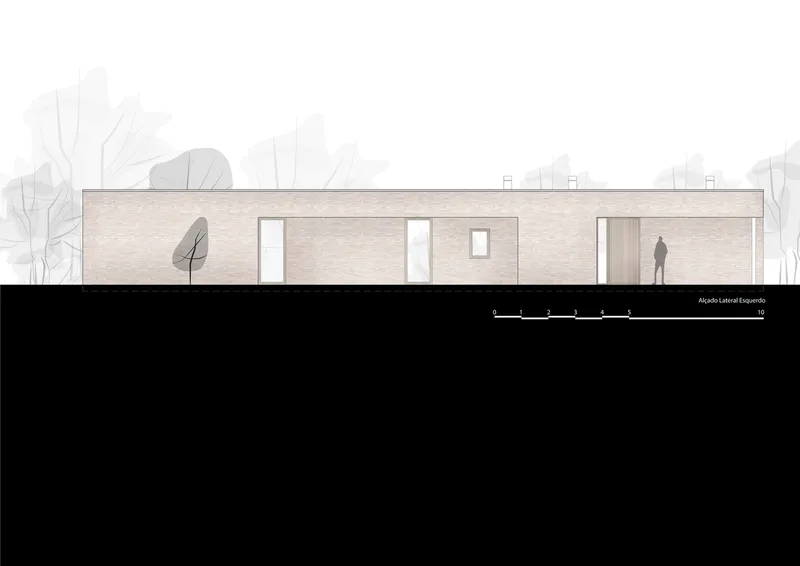
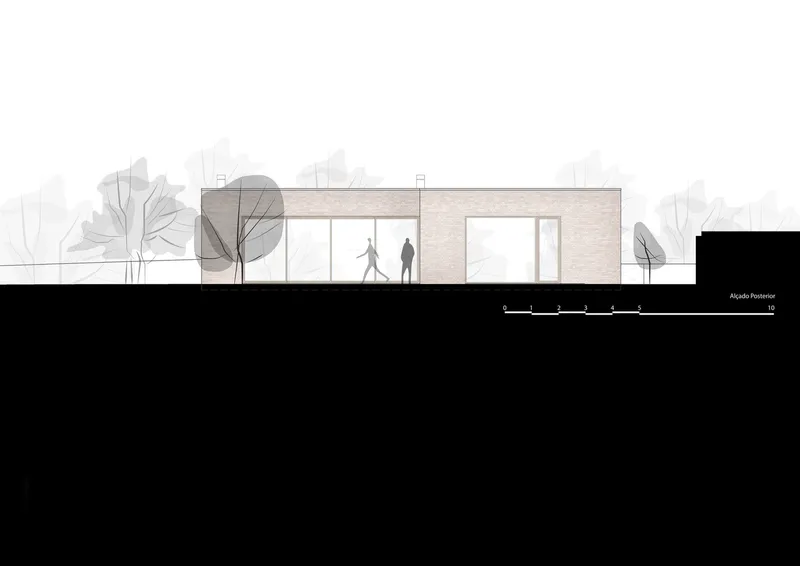
All the photographs are works of Ivo Tavares Studio



Popular Articles
Popular articles from the community


Conexión: Biophilic Design Reimagines High-Rise Living in Hong Kong
Conexión reimagines high-rise living in Hong Kong through biophilic design, green facades, shared spaces, daylight, water and nature within.

Play: Fragments of Their World
Familiar architecture becomes modular playground design, creating safe spaces where displaced children can learn, connect, imagine and play.

Riyadh For All: Intergenerational Urban Design for Active Aging in Rabat
Riyadh For All reimagines urban design in Rabat with intergenerational co-living, adaptive courtyards, and Moroccan cultural exchange today.

The Musturak Paradise: Senior Living Architecture for a Connected Future in Temara, Morocco
The Musturak Paradise reimagines senior living architecture in Temara via private homes, social spaces, culture, community, and shared care.


Similar Reads
You might also enjoy these articles

FAMM Arquitectura Organizes Ten Villas Around Courtyards and Jungle in Nosara, Costa Rica
El Molino pairs two elongated volumes with deep overhangs and timber louvers to build a compact coastal community five minutes from the beach.
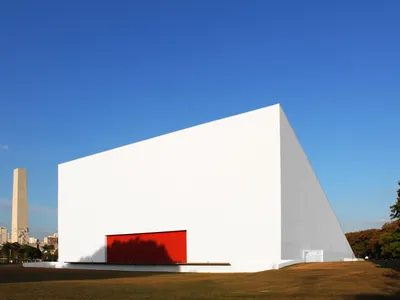
Oscar Niemeyer's Ibirapuera Park Pavilions Define São Paulo's Cultural Identity in Concrete and Curve
A constellation of modernist volumes set within São Paulo's most important urban park, conceived for the city's 400th anniversary in 1954.
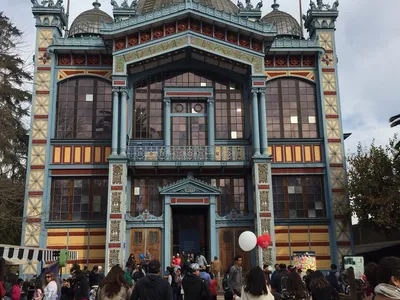
How Henri Picq's 1889 Paris Pavilion Traveled 11,000 Kilometers to Become Santiago's Artequín Museum
A prefabricated iron and glass pavilion built for the Paris Universal Exposition found a second life as a children's art museum in Chile.
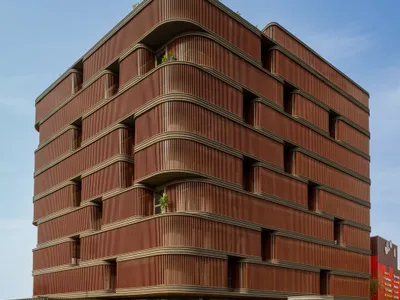
Sanjay Puri Architects Wraps a Jaipur Office Tower in Capsule-Shaped Green Buffers
A nine-level climate-responsive workplace near Jaipur Airport uses stacked planter terraces and aluminium screens to fight 40°C heat.
Explore Architecture Competitions
Discover active competitions in this discipline



Challenge to reimagine the Iron Throne


Photograph architecture without architects


Illustrate the lost glory of Angkor Wat - Render Challenge


Design challenge to reuse E-waste
Comments (0)
Please login or sign up to add comments
No comments yet. Be the first to comment!