

Innovative Architectural Design in Japan: The Matsumoto Sannomaru Square Project
The article details the innovative design of Matsumoto Sannomaru Square in Japan, blending modern and traditional elements in architecture and landscaping.


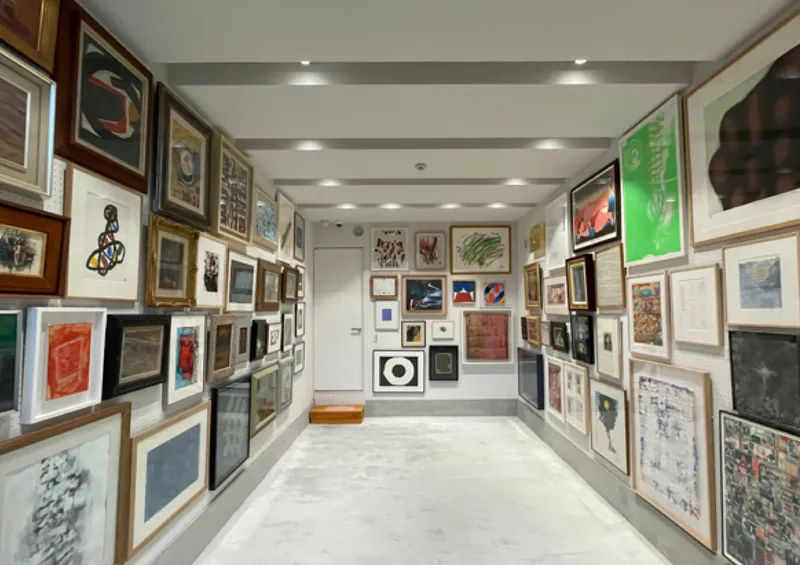
In the heart of Matsumoto, Japan, lies a remarkable example of innovative architectural design: the Matsumoto Sannomaru Square. This project, a collaborative effort by MORIIS Atelier, Ouvi, Atelier and | Tatsuo WAOKA Laboratory, showcases a unique blend of tradition and modernity, functionality, and aesthetics. Completed in 2023, the Square spans an area of 495 m² and serves as a multifunctional space including a clinic, residences, and a storage facility for a prestigious collection of art and books.
Architectural Vision and Design
Exposed and Concealed: A Dialogue with the Environment
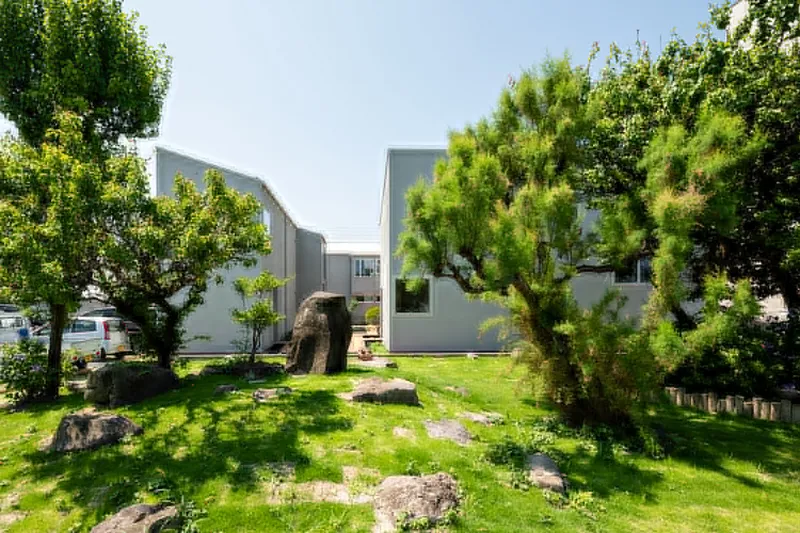
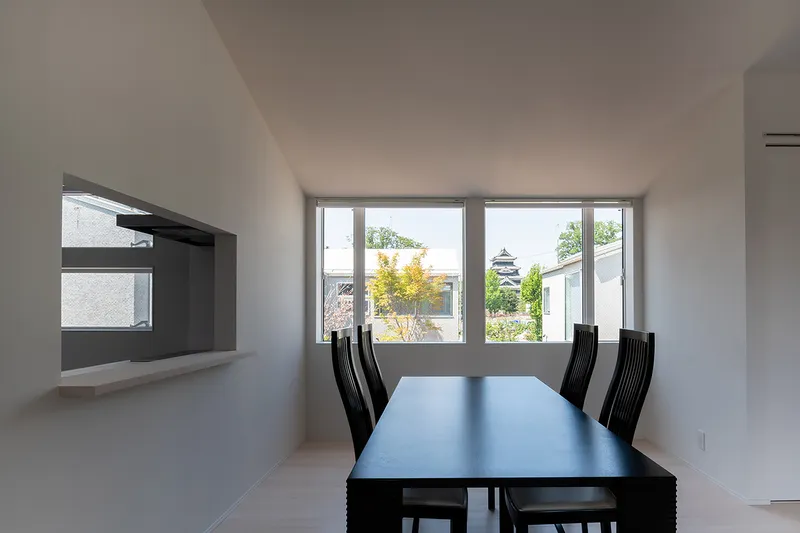
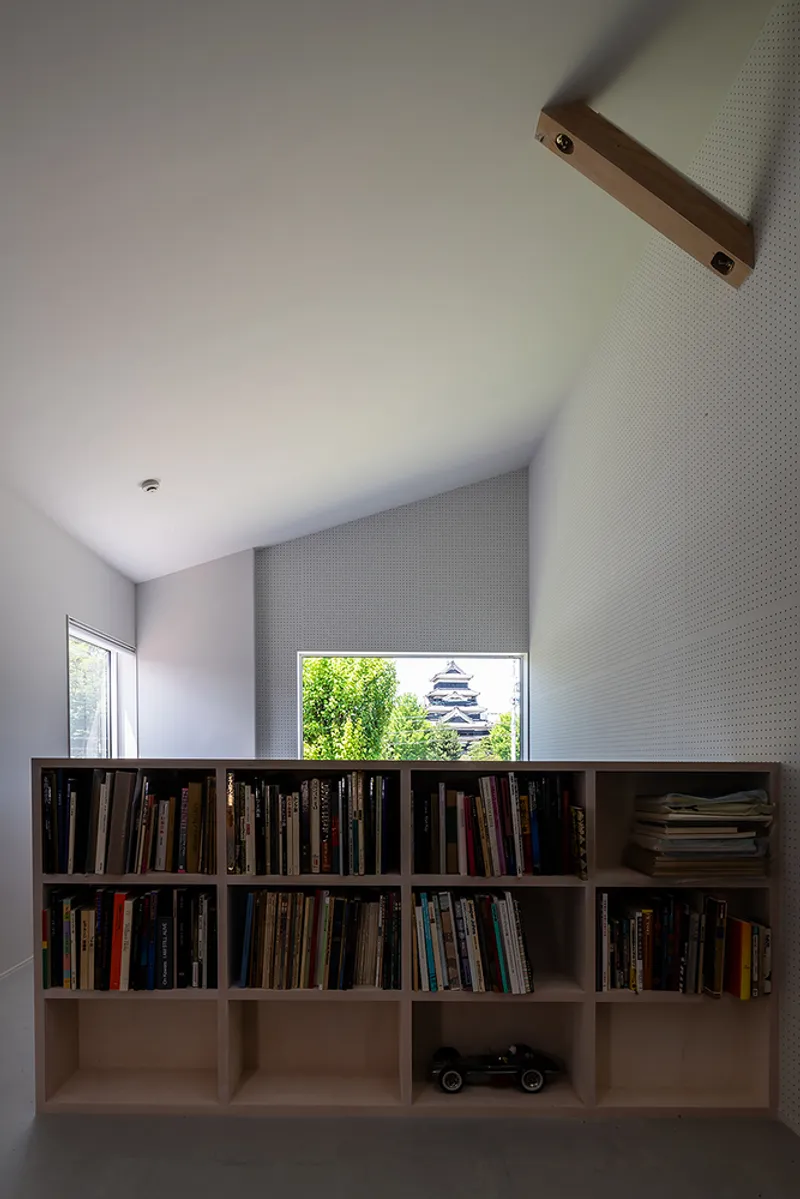
The Matsumoto Sannomaru Square stands as a testament to the architects' vision of creating spaces that simultaneously expose and conceal, fostering a new kind of interaction with the surrounding environment. This approach is particularly significant given the project's proximity to Matsumoto Castle Park and its alignment with the picturesque views of the castle and an old house's garden.
A Composition of Spaces
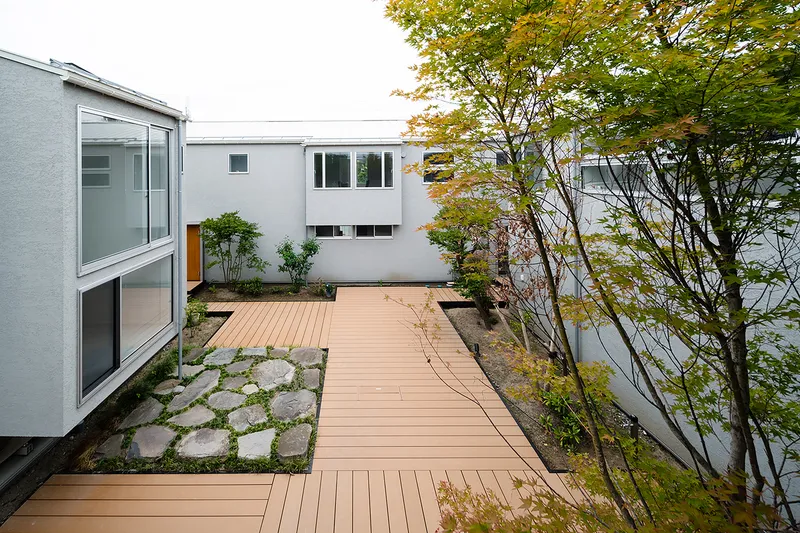
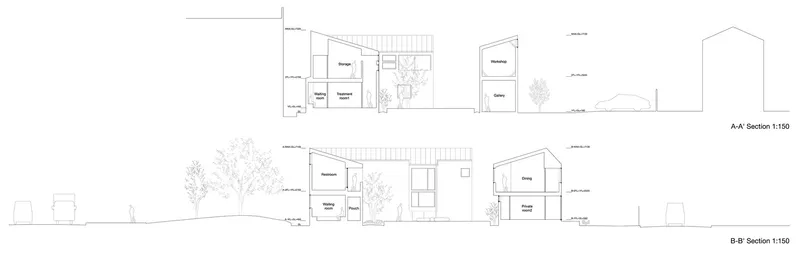
The project comprises three main buildings — a clinic, a residential unit, and a storage building — alongside four outer spaces including a courtyard, a front garden, a south garden, and parking. Each building features two stories with elongated, wall-like profiles, situated closely to foster a sense of community and enclosure. This strategic layout not only enhances privacy but also invites engagement with the designed outdoor spaces.
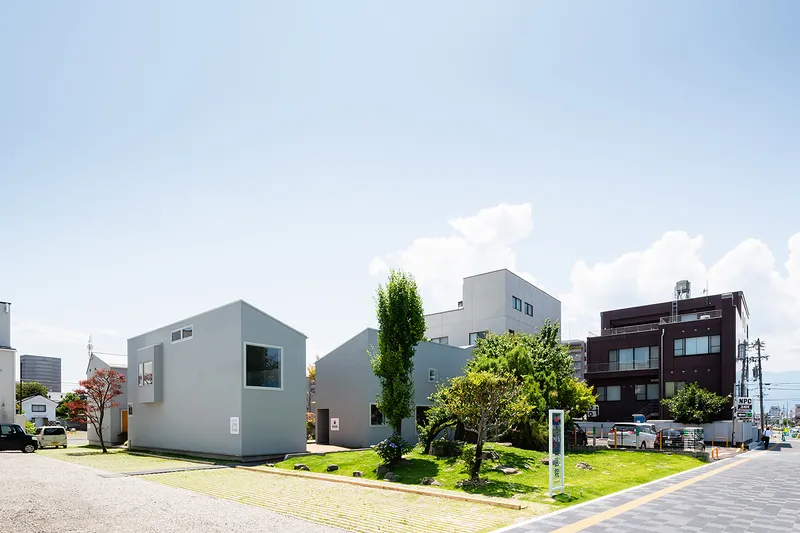
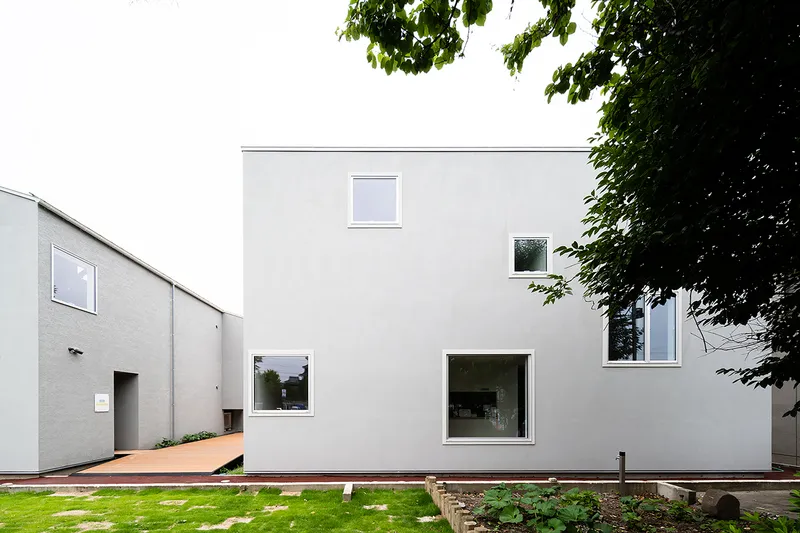
Courtyard: The Heart of Activity
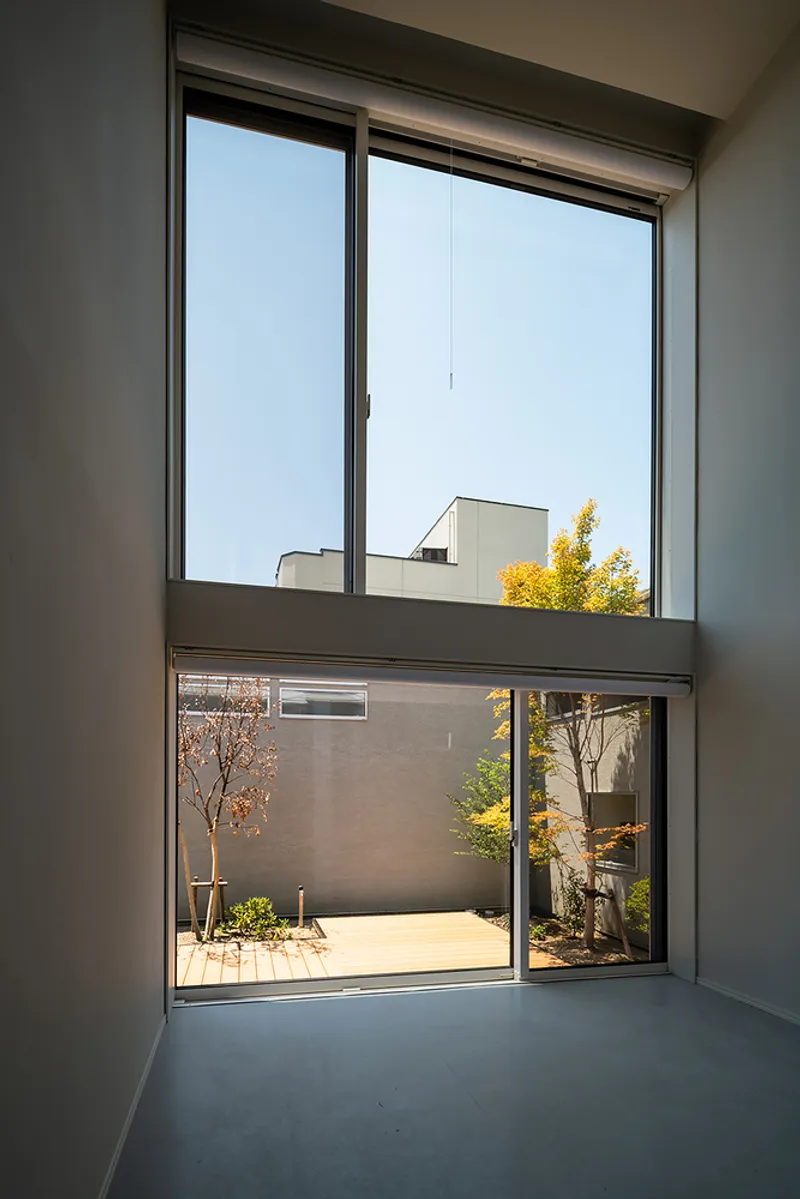
Central to the design is the courtyard, a space conceived as a modern "Masugata," a traditional square within a Japanese castle designed to trap enemies. Here, it serves as a small core of activity, accessible yet secluded, enabling various events and interactions to unfold in privacy.
Innovative Use of Materials and Structure
Adaptive Design and Material Efficiency
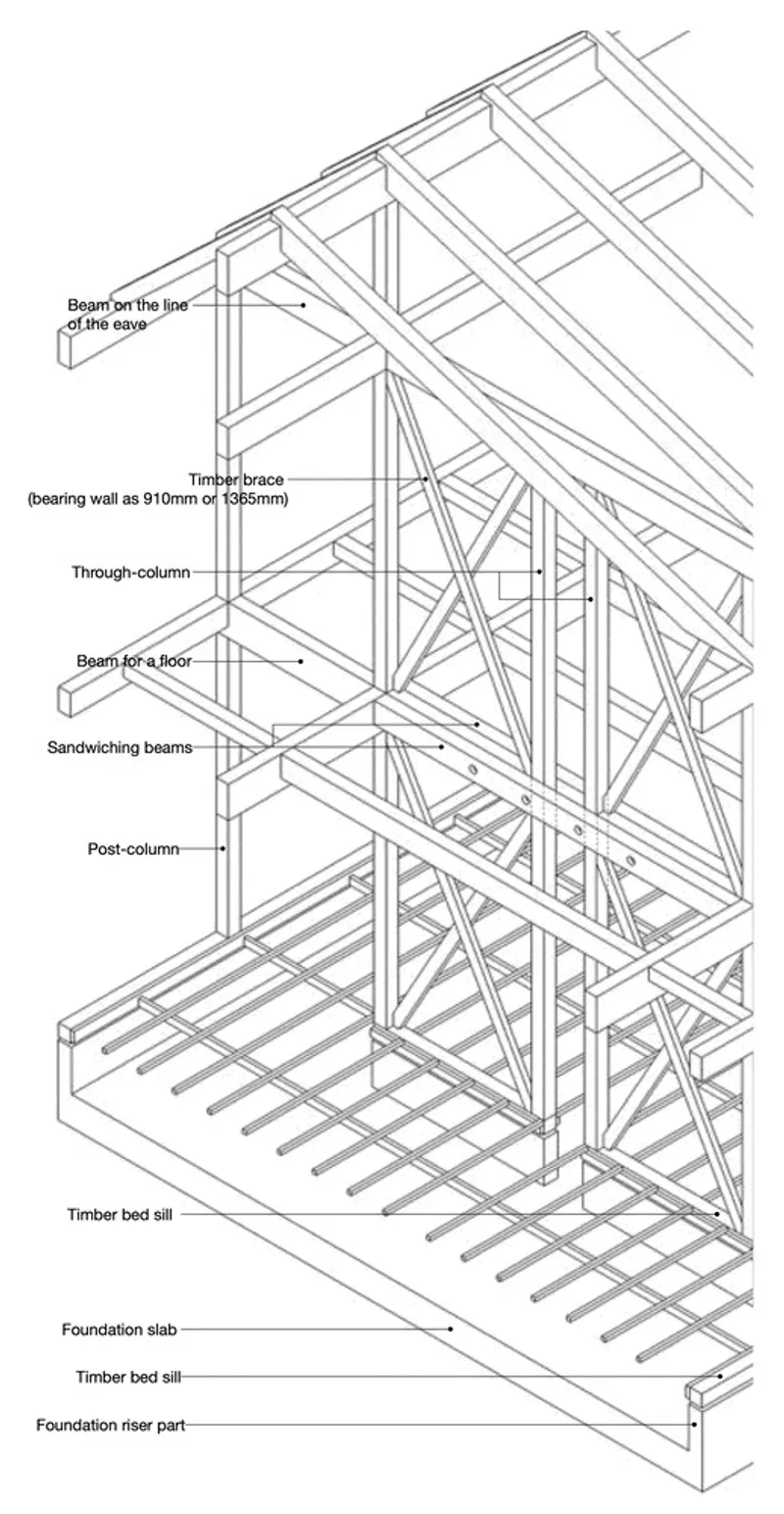
In response to the challenges posed by the COVID-19 pandemic, which affected the availability and cost of wood, the architects developed a standard structural rule known as the "obi sequence." This approach allowed for efficient use of timber materials and flexibility in design adjustments. The project thus stands as an exemplar of resourceful architectural planning amid unforeseen global challenges.
Acoustic and Environmental Considerations
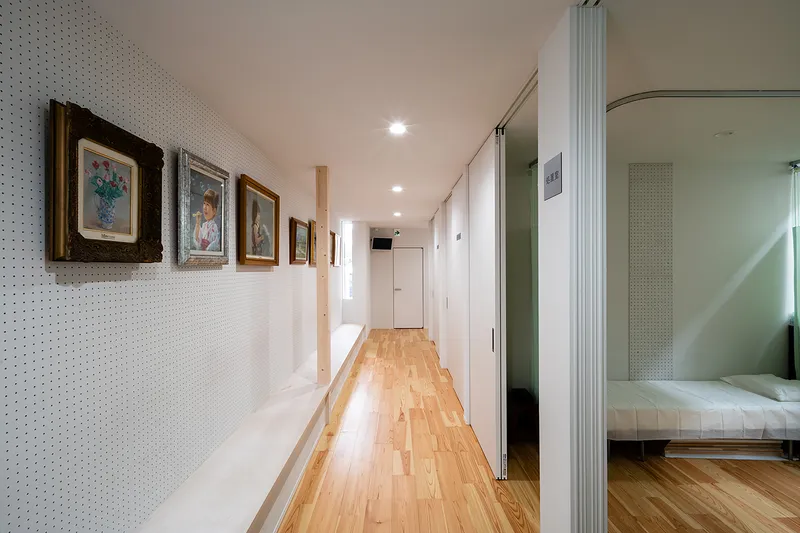
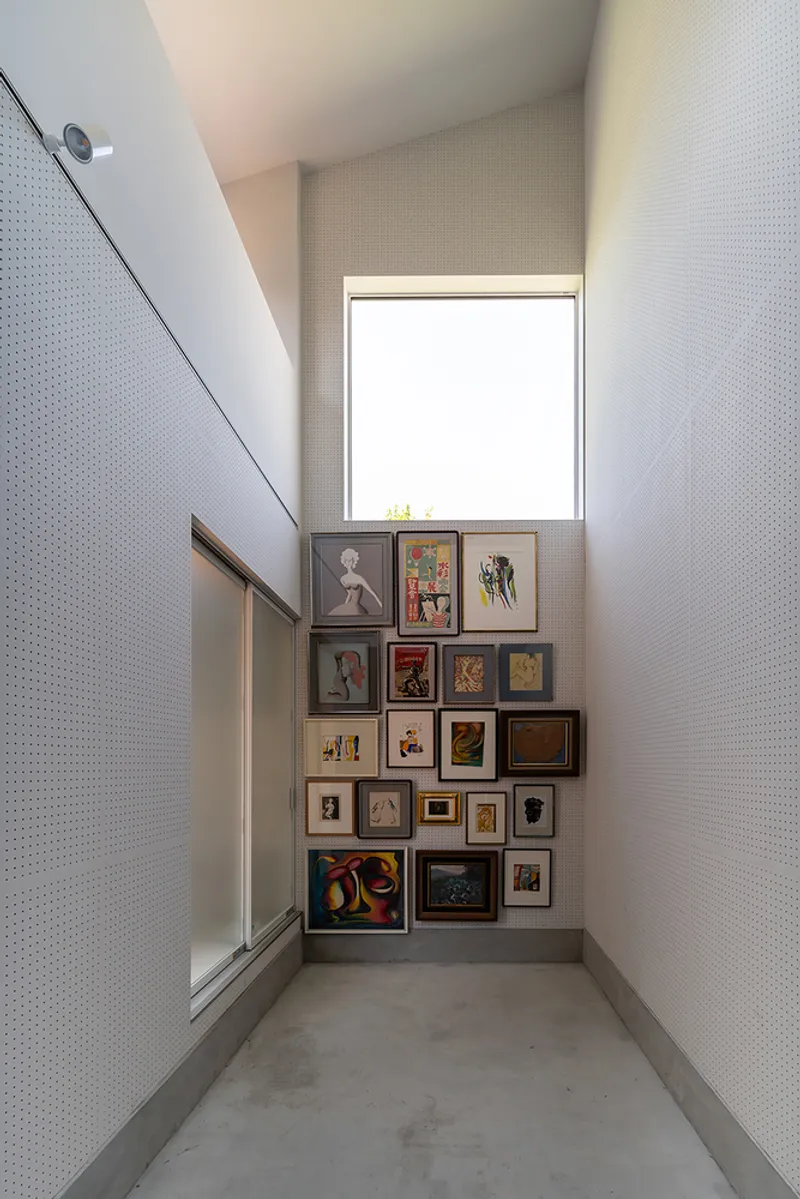
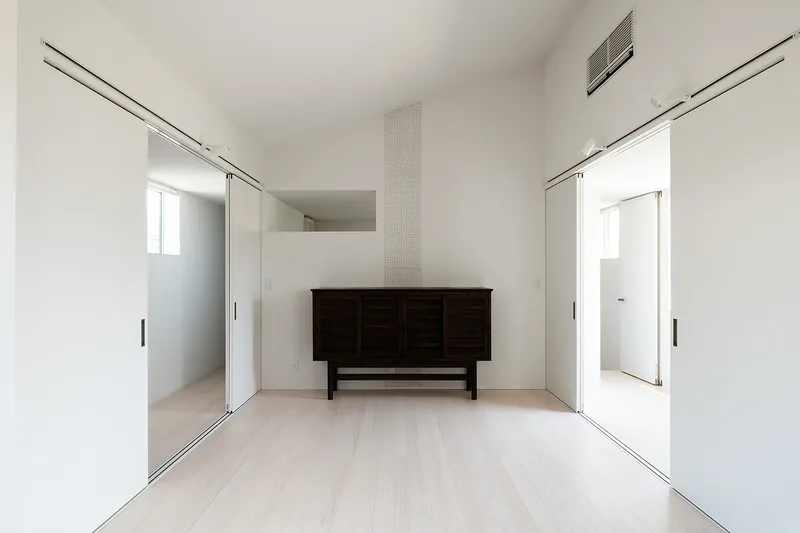
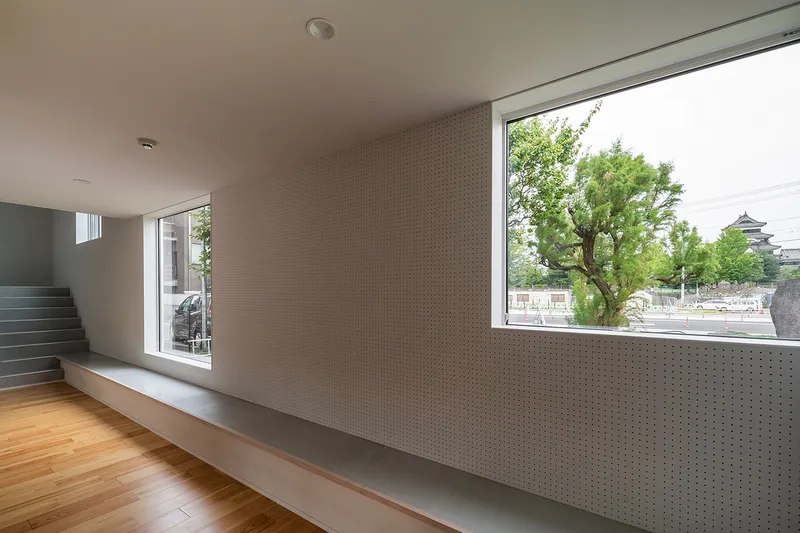
The buildings within the Matsumoto Sannomaru Square incorporate perforated panels and walls designed to optimize the acoustic environment, akin to an exhibition space. These elements also facilitate the distribution of warm air, enhancing the environmental performance of the spaces.
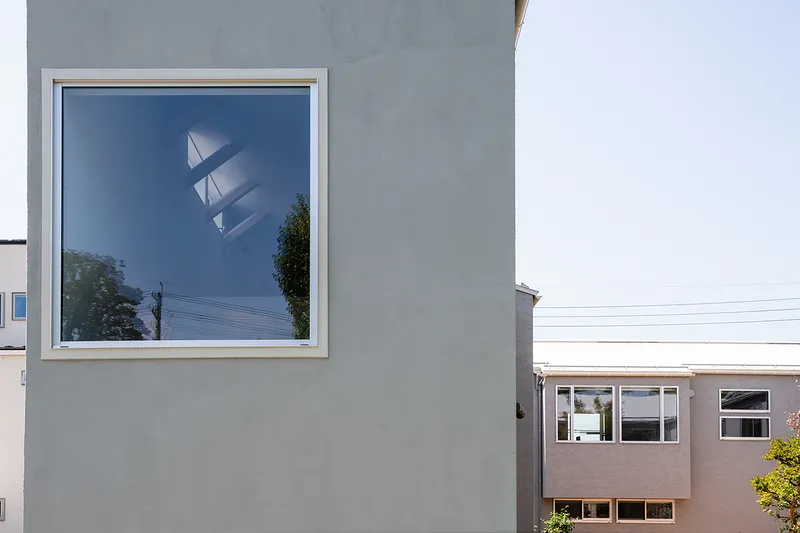
The Matsumoto Sannomaru Square project exemplifies innovative architectural design in Japan, merging traditional elements with modern design principles. It reflects a deep understanding of the interplay between built spaces and their natural surroundings, achieving a harmonious balance that is both aesthetically pleasing and functionally sound. This project not only serves its immediate community but also stands as a beacon of architectural innovation on the global stage.
Through its thoughtful design and adaptive use of materials, the Matsumoto Sannomaru Square enriches the architectural landscape of Japan, offering insights into the future of sustainable and innovative architectural practices worldwide.
All photographs are work of Shinjiro Yamada


Popular Articles
Popular articles from the community


Singing Woman: An Opera House That Performs Before the Curtain Rises
Ovidiu Cristian Pavel's conceptual opera house translates Estonia's choral identity into a sculpted waterfront landmark facing the Baltic Sea.


David Ortega Stacks a Two-Story Mexico City Penthouse Around a Steel Stair and a Pergola-Shaded Roof Terrace
In Colonia Roma, a 300 m² penthouse uses oak joinery, a planted steel stair and a slatted roof pergola to make a new-build apartment feel like a house.

The Amber Palace Opera: A Geological Fiction Surfaces on Tallinn's Baltic Waterfront
Pierre Brillard reimagines a Baltic legend as a public landscape, opera house, and waterfront promenade rooted in Tallinn's coastal identity.

Juan García Correa, John González and Claudia Rueda Sink a Circular Amphitheater into a Manizales Engineering Building
On the La Nubia campus in Manizales, Colombia, the S1 Building folds labs and offices into a hillside of ramped lawns that double as a campus route.

Similar Reads
You might also enjoy these articles


Hodi-Mandai Geram
Project Function: Preservation and revitalization of the Intangible heritage and socio-spatial identity of the Hodi by Housing, Cultural Memory Center, Sacred Grove, landscape, local tourism economy


Olio Towers: A Mid-Rise for Performers That Fuses Housing, Rehearsal, and Stage
Located blocks from Houston's Theater District, this modular tower stacks living units around a central performance atrium.

Oasis: Modular Green Housing Carved into Dhaka's Urban Fabric
A shortlisted Plugin Housing entry reclaims unauthorized settlements in Dhaka with stepped concrete volumes, green roofs, and ventilation-driven design.

Black Hole: A Floating Megastructure for the Post-Physical Era
Emiliano Mazzarotto envisions a spherical, self-scaling arena where e-sports, digital hotels, and holographic stadiums replace traditional public space.

Explore M Square Architectural Design Competitions
Discover active competitions in this discipline

Challenge to reimagine the Iron Throne

Photograph architecture without architects

Illustrate the lost glory of Angkor Wat - Render Challenge

Design challenge to reuse E-waste
Comments (0)
Please login or sign up to add comments
No comments yet. Be the first to comment!