
Innovative Office Architecture: Exploring MONOSPINAL Headquarters by Makoto Yamaguchi Design
Explore the MONOSPINAL Headquarters by Makoto Yamaguchi Design, a pinnacle of innovative office architecture blending technology with environmental adaptability.


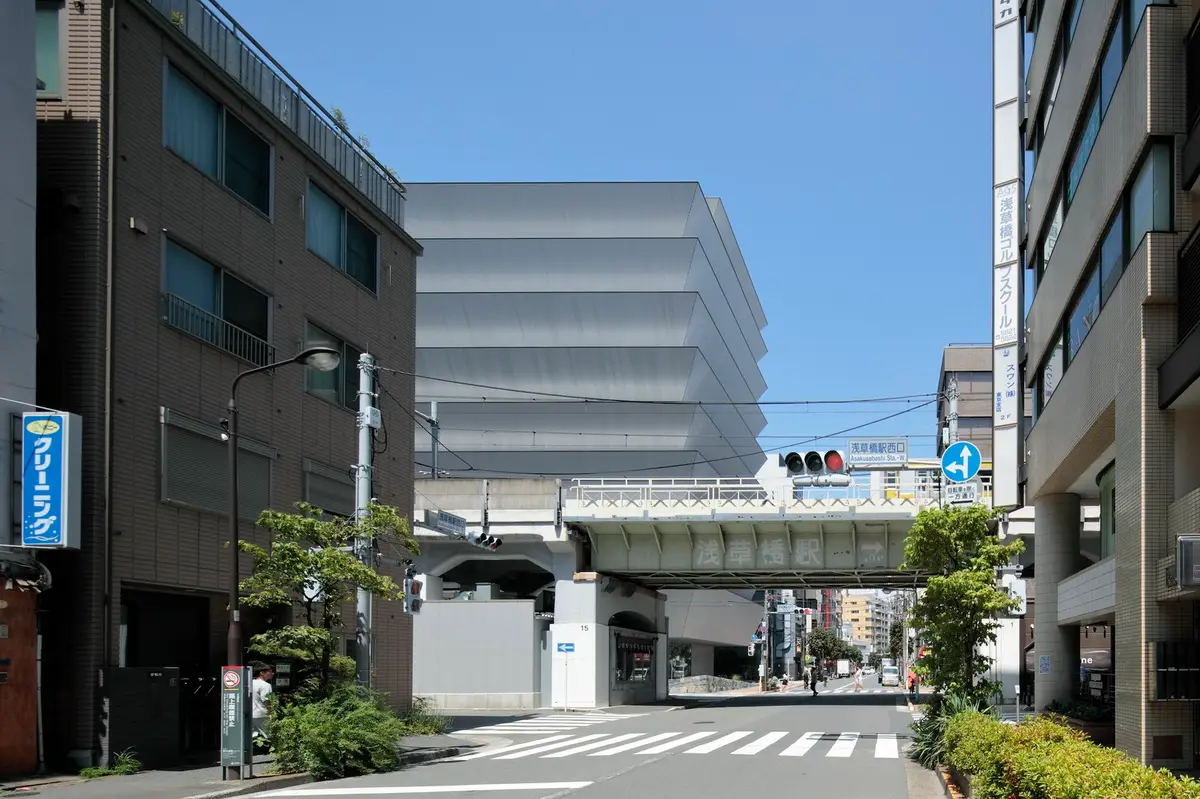
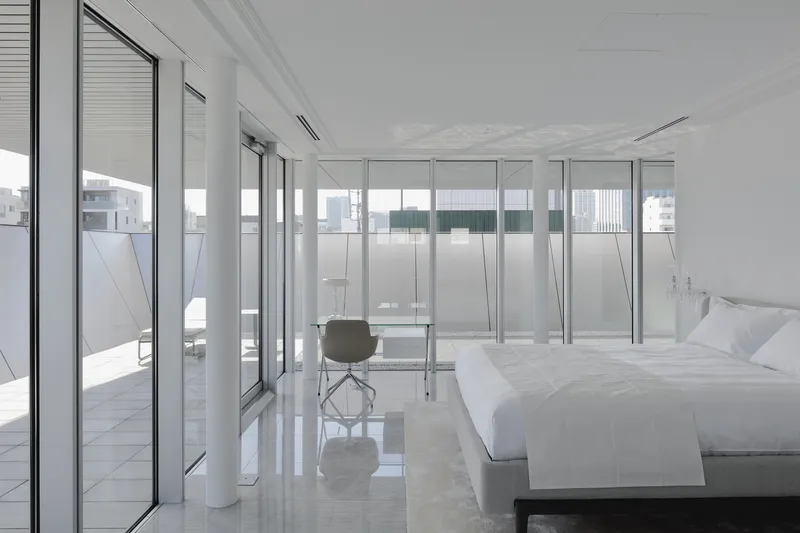
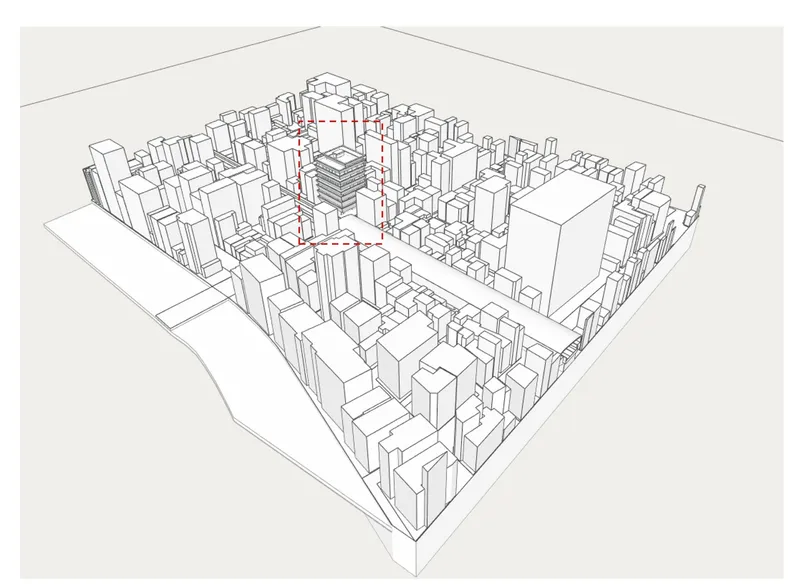
The MONOSPINAL Headquarters Office Building in Taito City, Japan, stands as a paragon of innovative office architecture. Designed by Makoto Yamaguchi Design, this structure redefines workplace environments by merging aesthetic innovation with advanced technological integration.
The Concept of Innovative Office Architecture
Defining Innovative Architecture in Office Buildings
Innovative office architecture goes beyond aesthetic design to incorporate elements that enhance functionality, employee well-being, and environmental sustainability. This approach often includes adaptive designs that cater to dynamic work requirements while promoting creativity and interaction.
Importance in Modern Workspaces
Such designs are crucial in today’s fast-paced business world as they foster an environment conducive to innovation, collaboration, and flexibility. They also help companies attract and retain top talent by offering a workplace that enhances productivity and satisfaction.
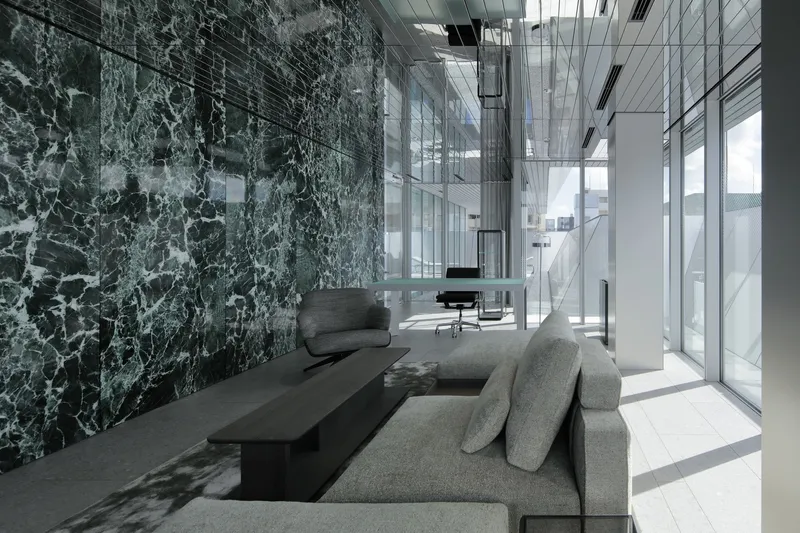
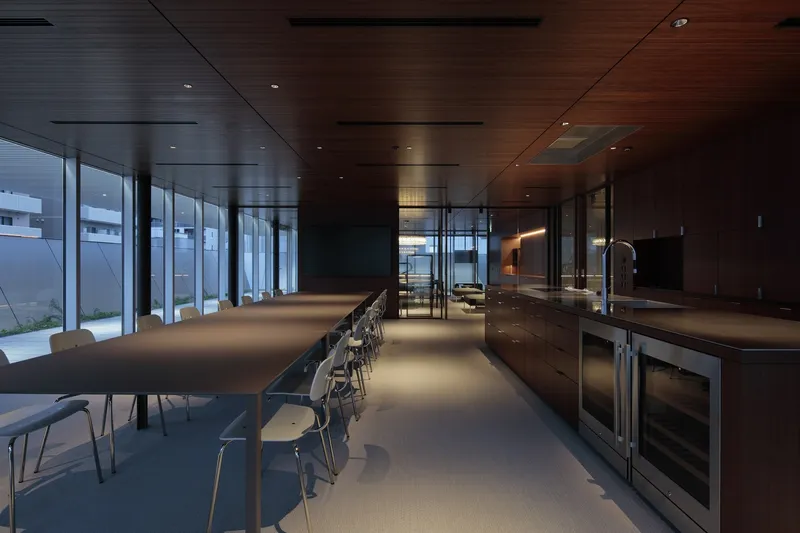
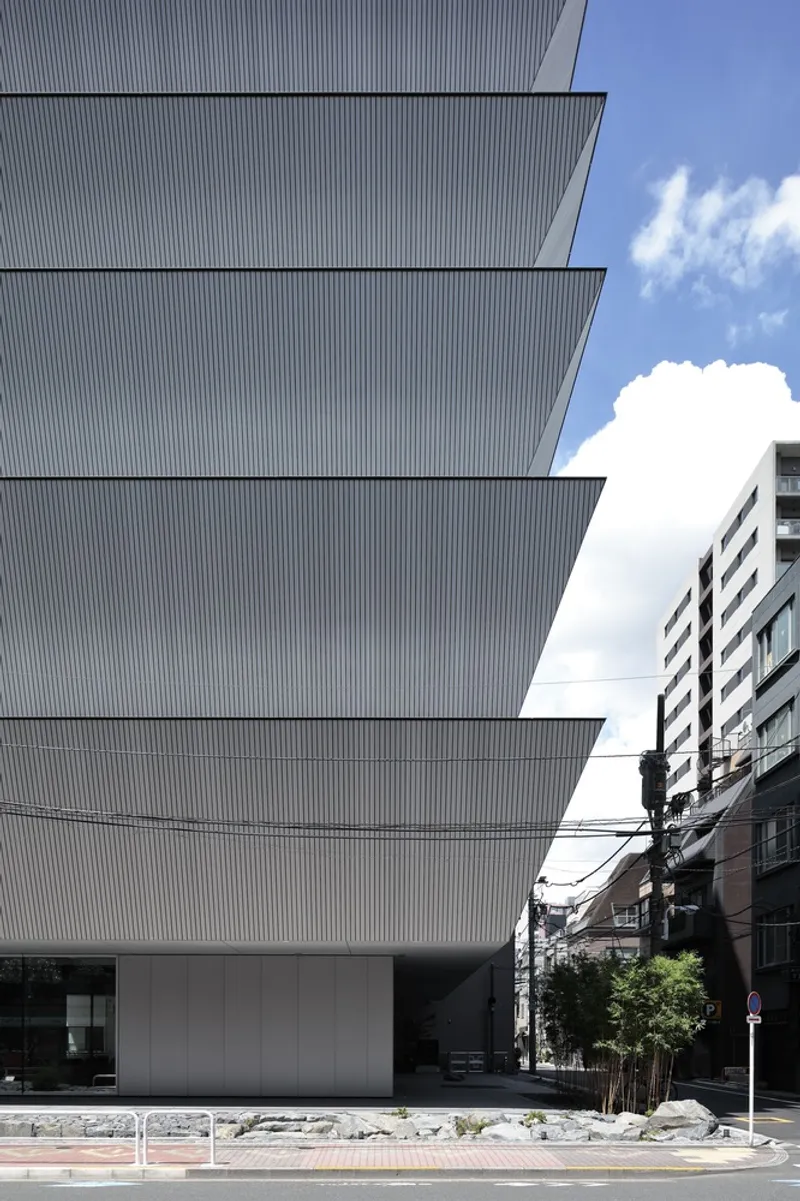
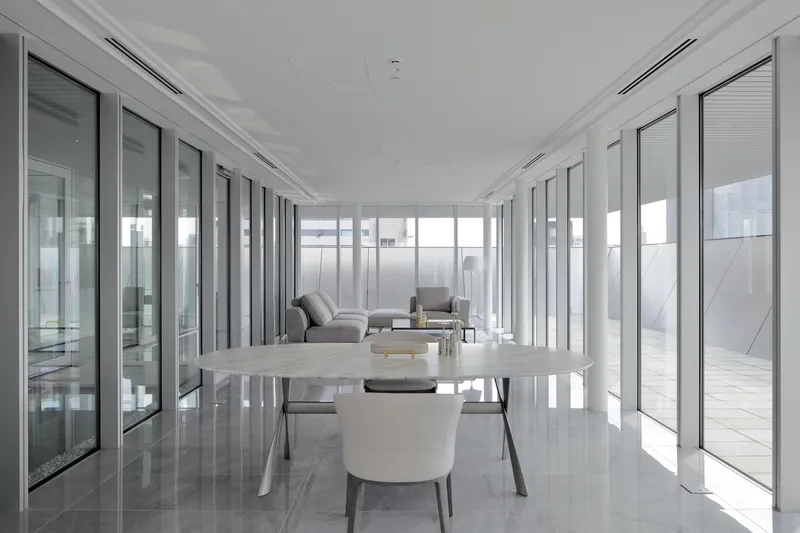
Design Analysis of MONOSPINAL Headquarters
Architectural Design and Aesthetics
Unique Structural Features
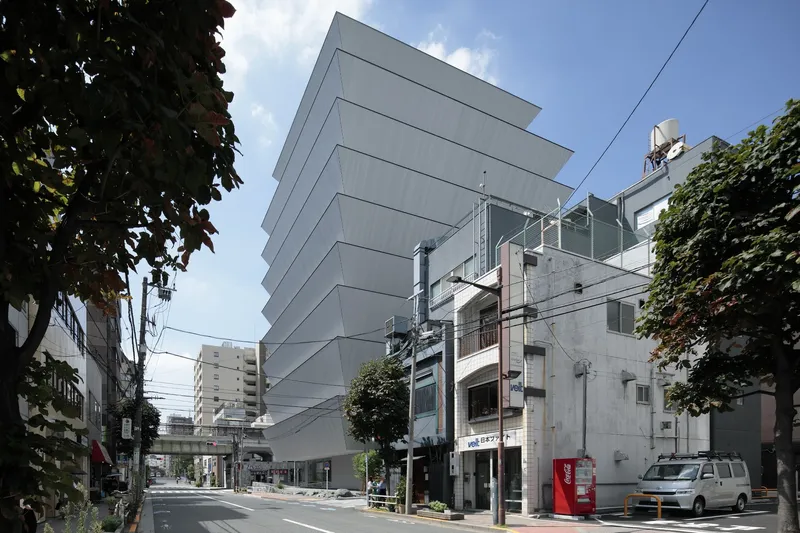
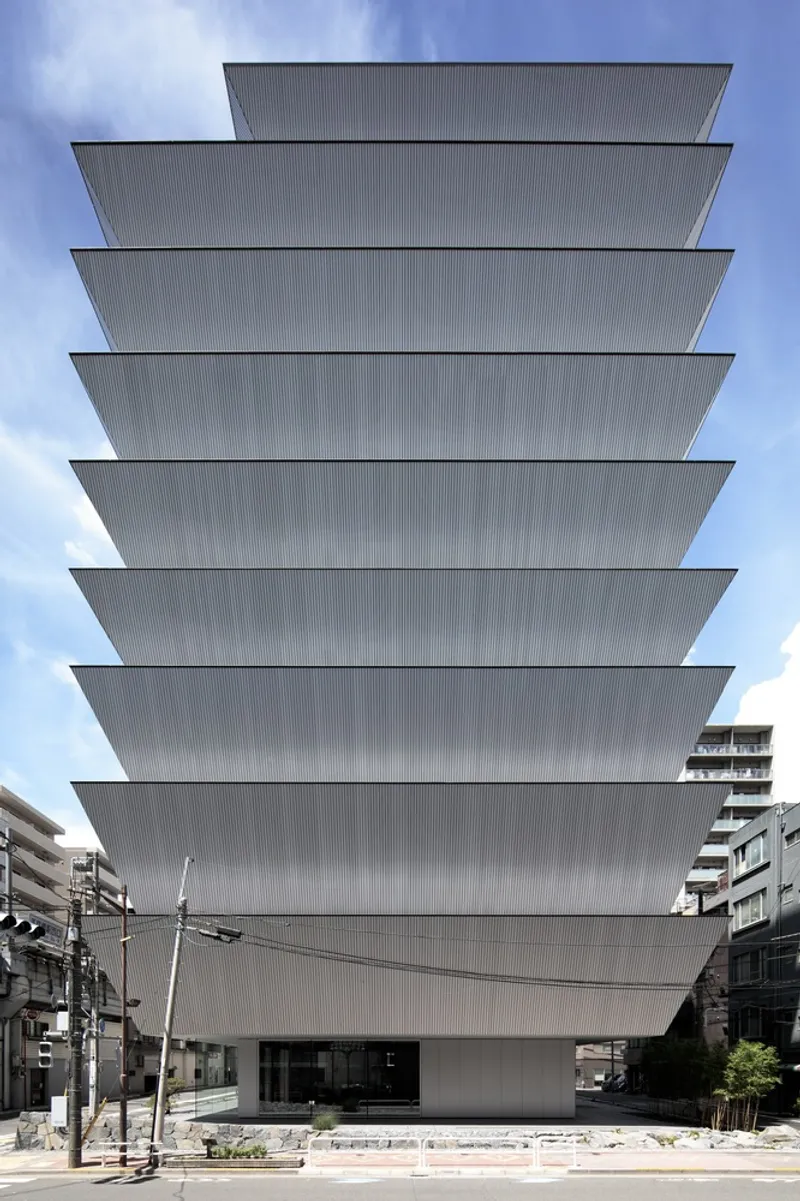
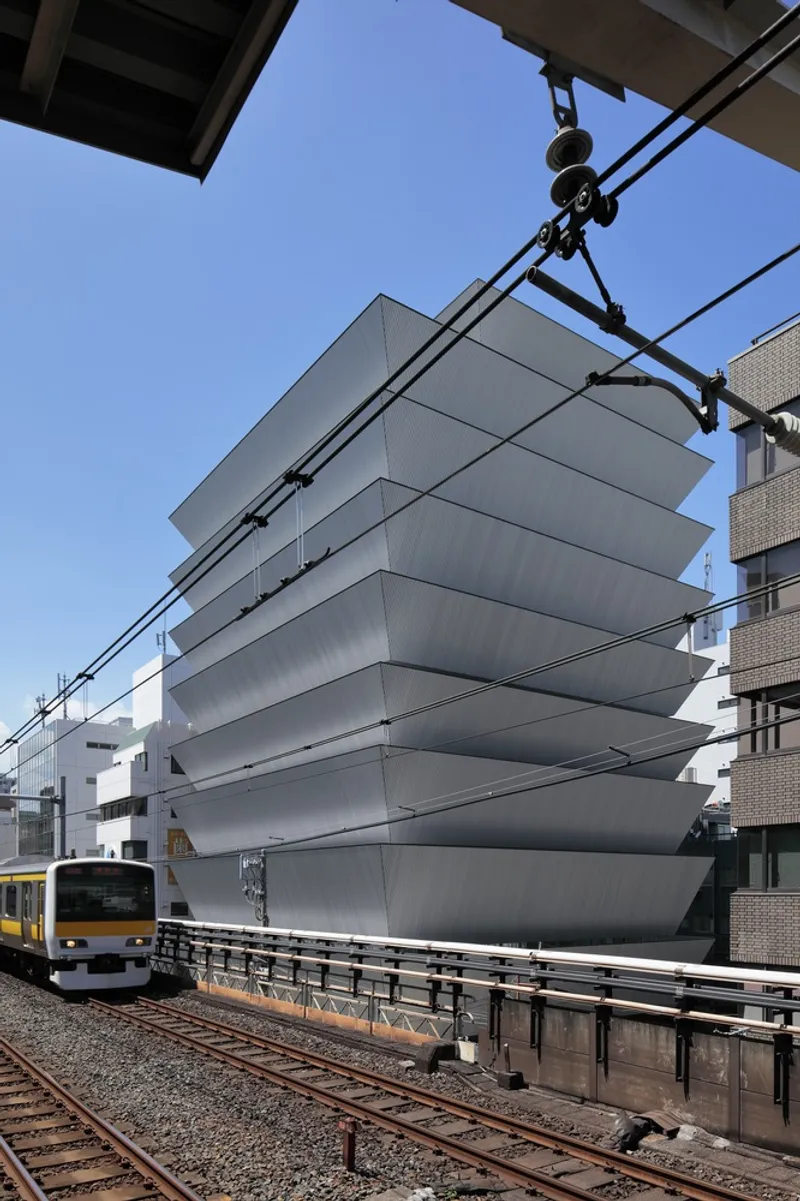
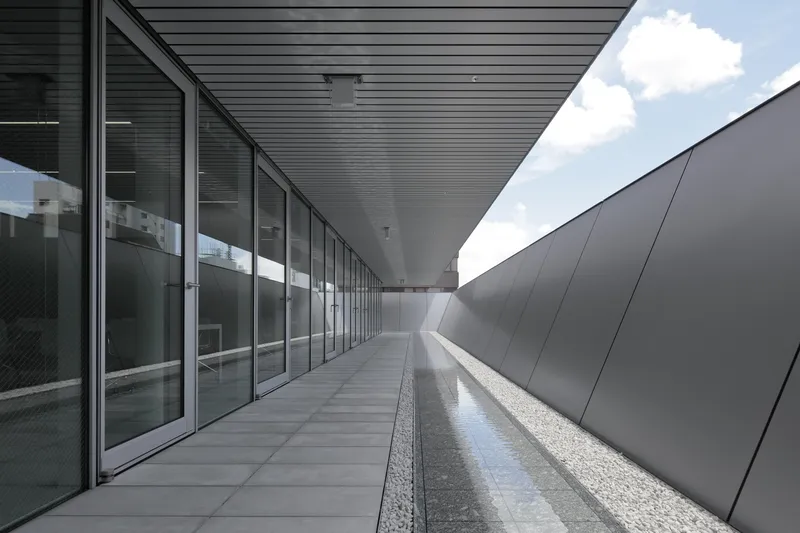
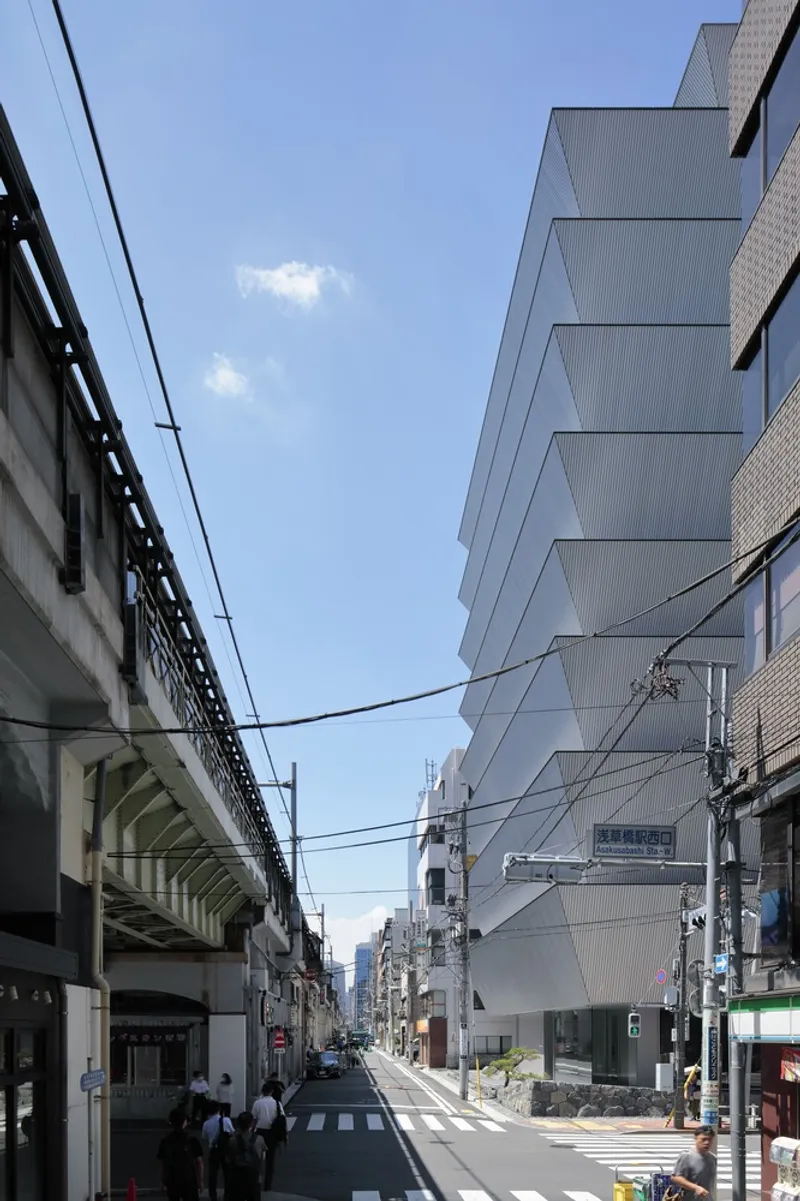
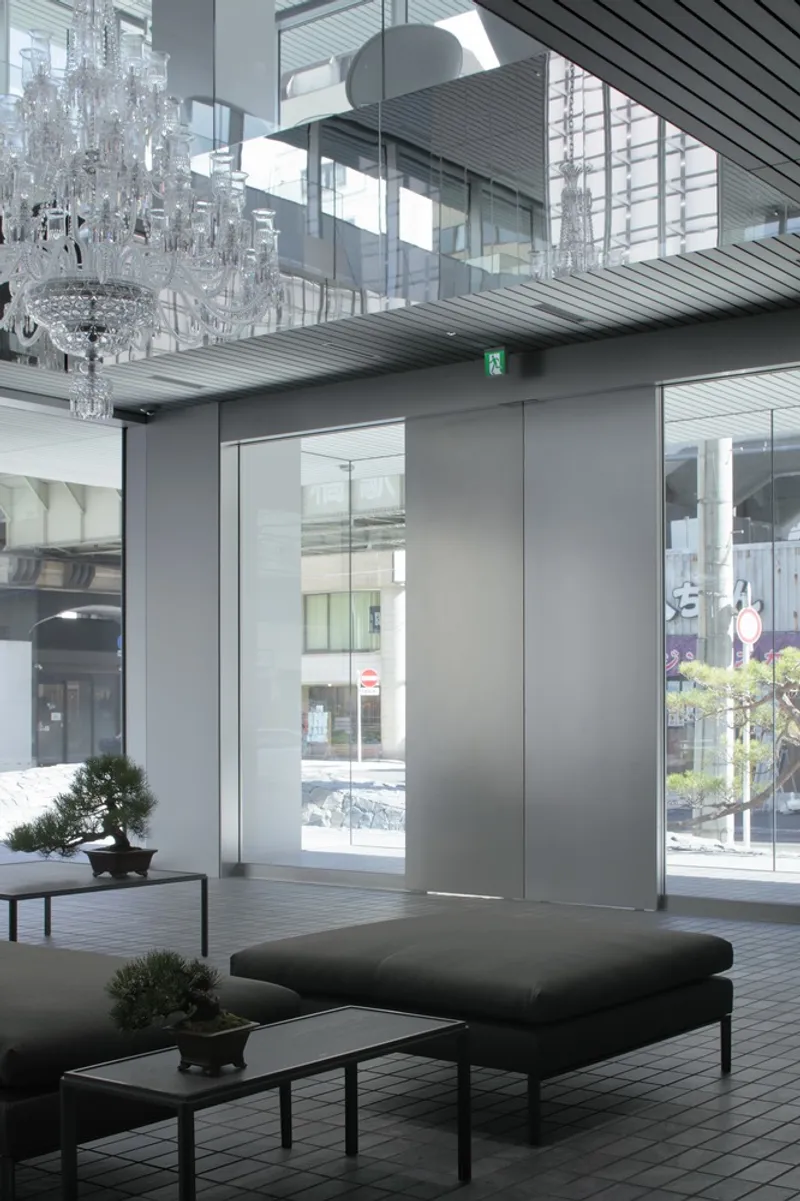
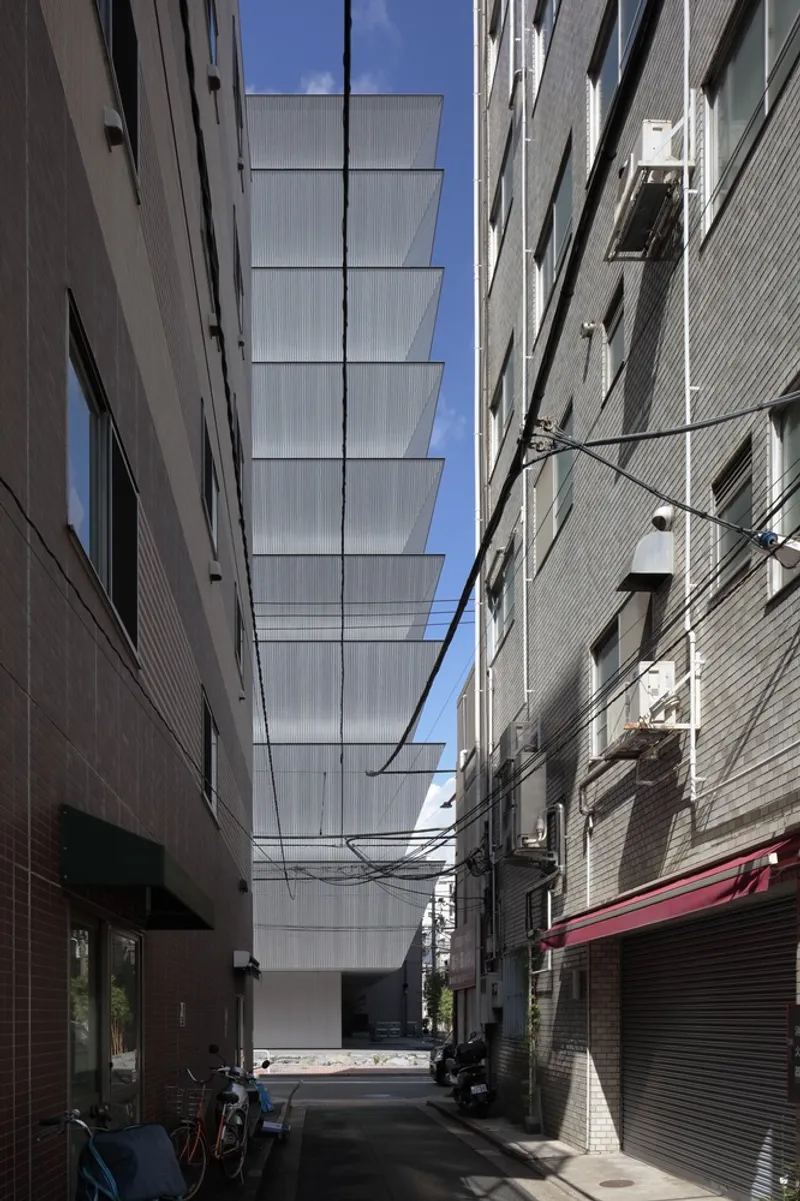
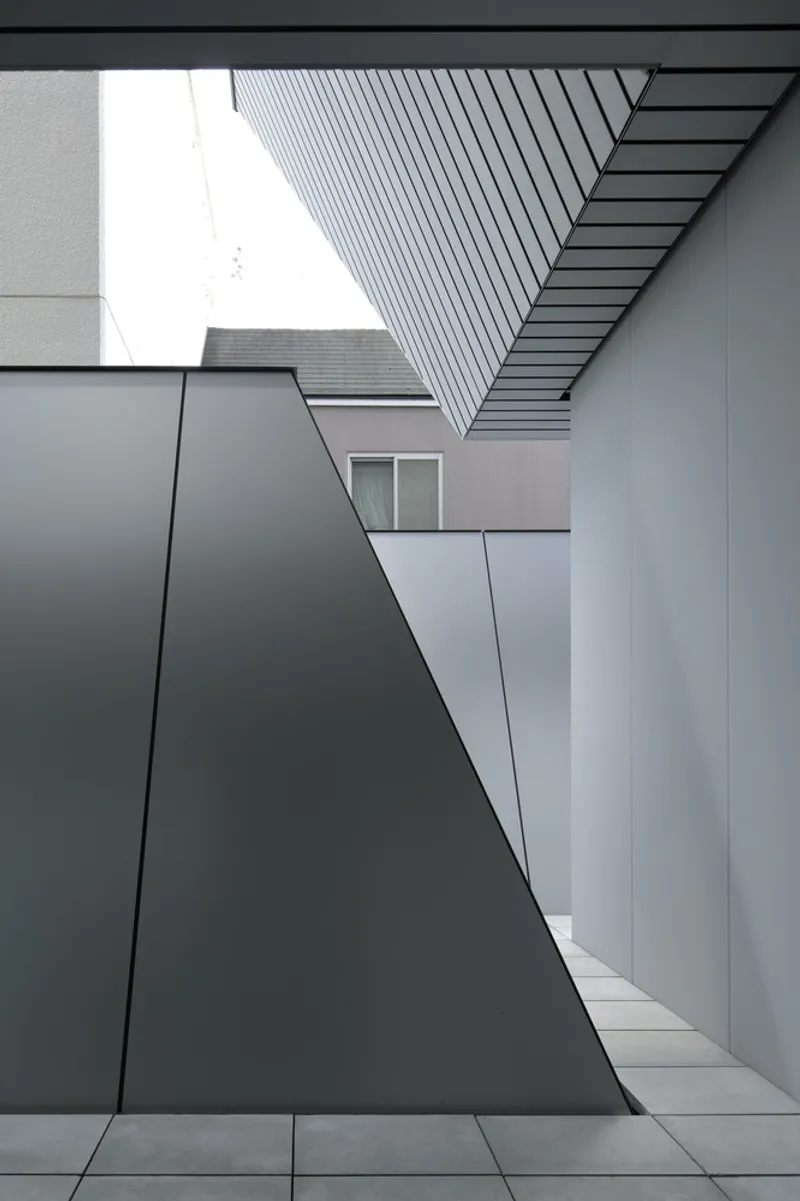
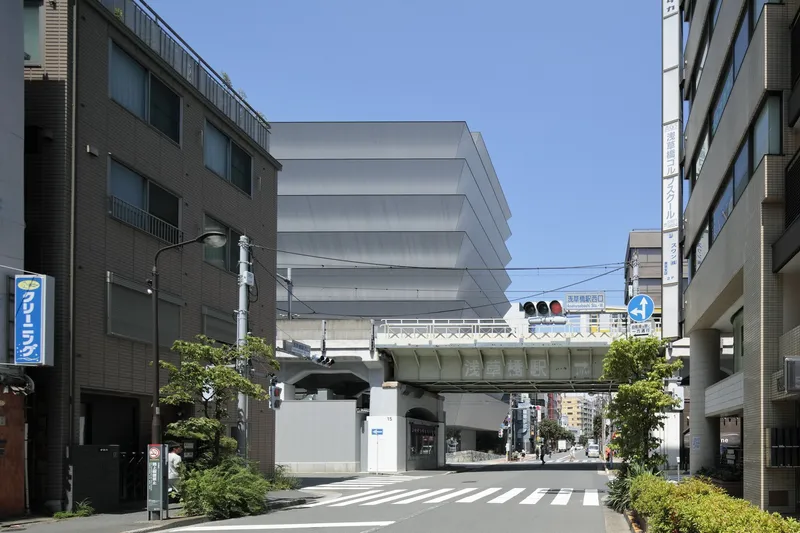
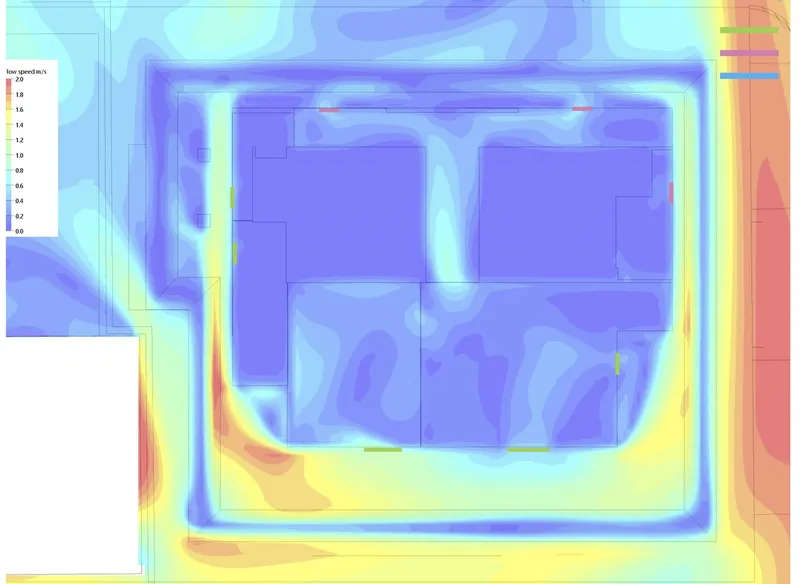
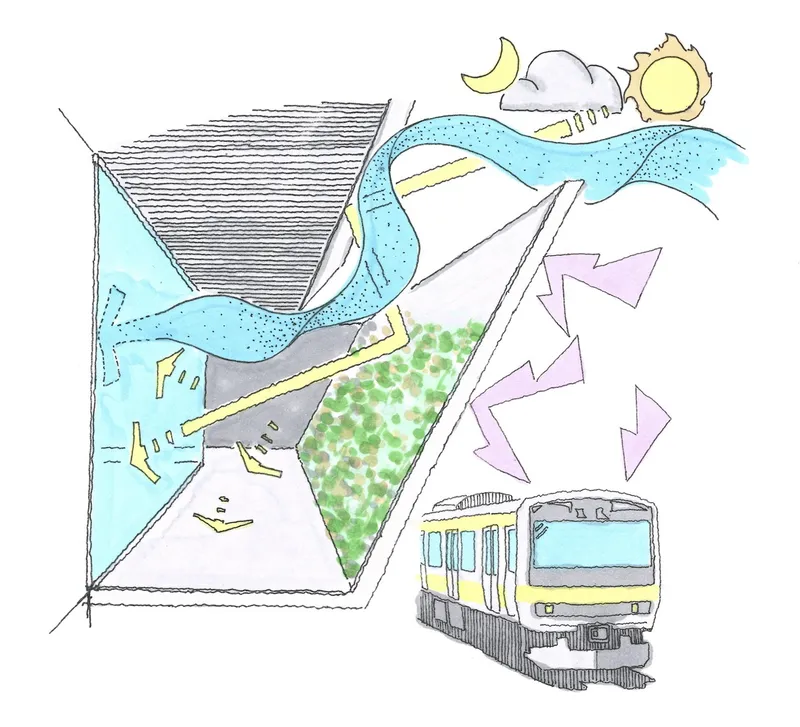
MONOSPINAL Headquarters is characterized by its distinctive slanted walls that not only provide an architectural statement but also enhance the building's environmental adaptability. These walls are designed to optimize light, wind, and sound, supporting a comfortable and energy-efficient workspace.
Spatial Organization
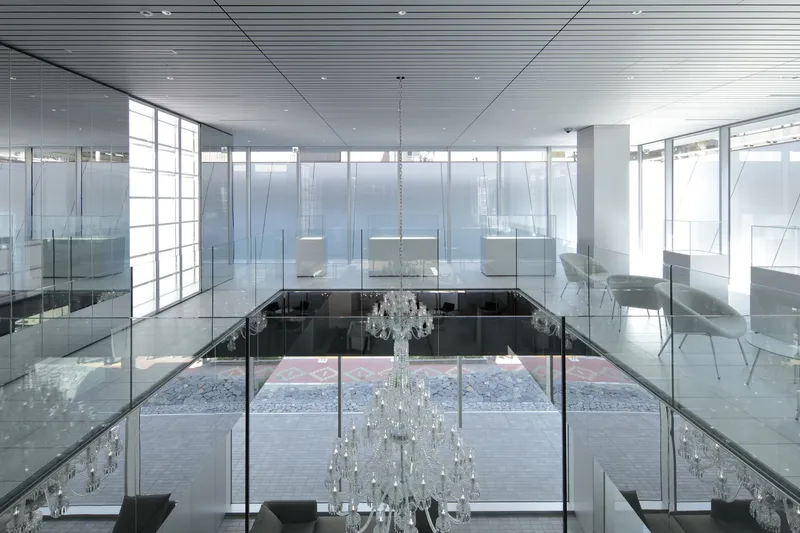
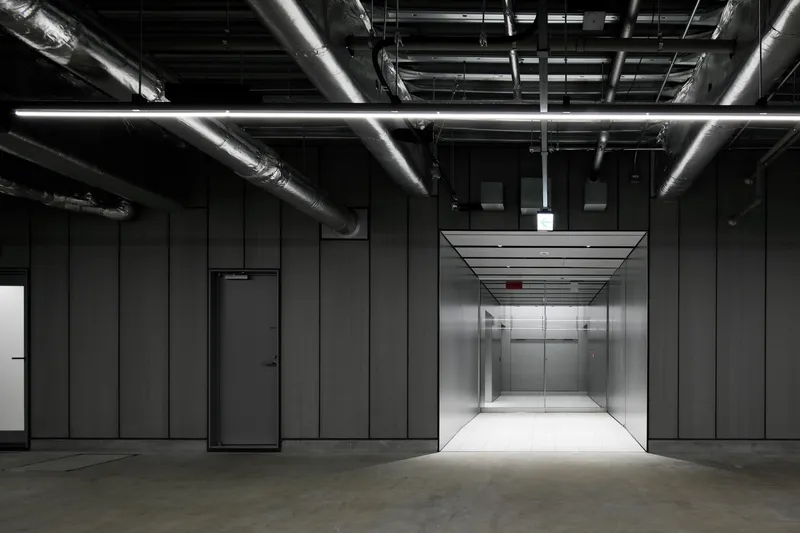
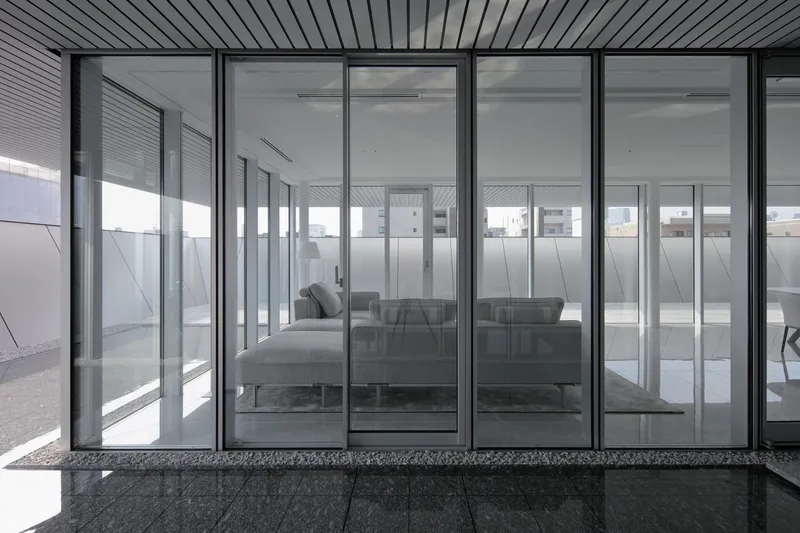
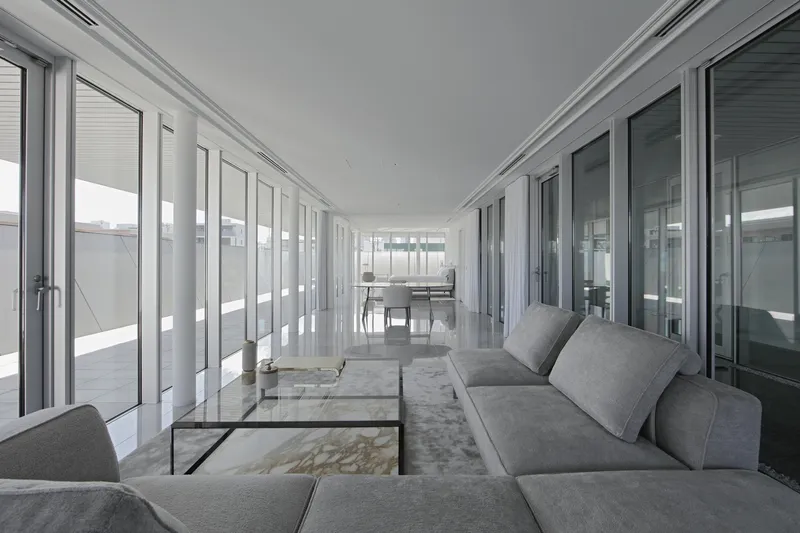
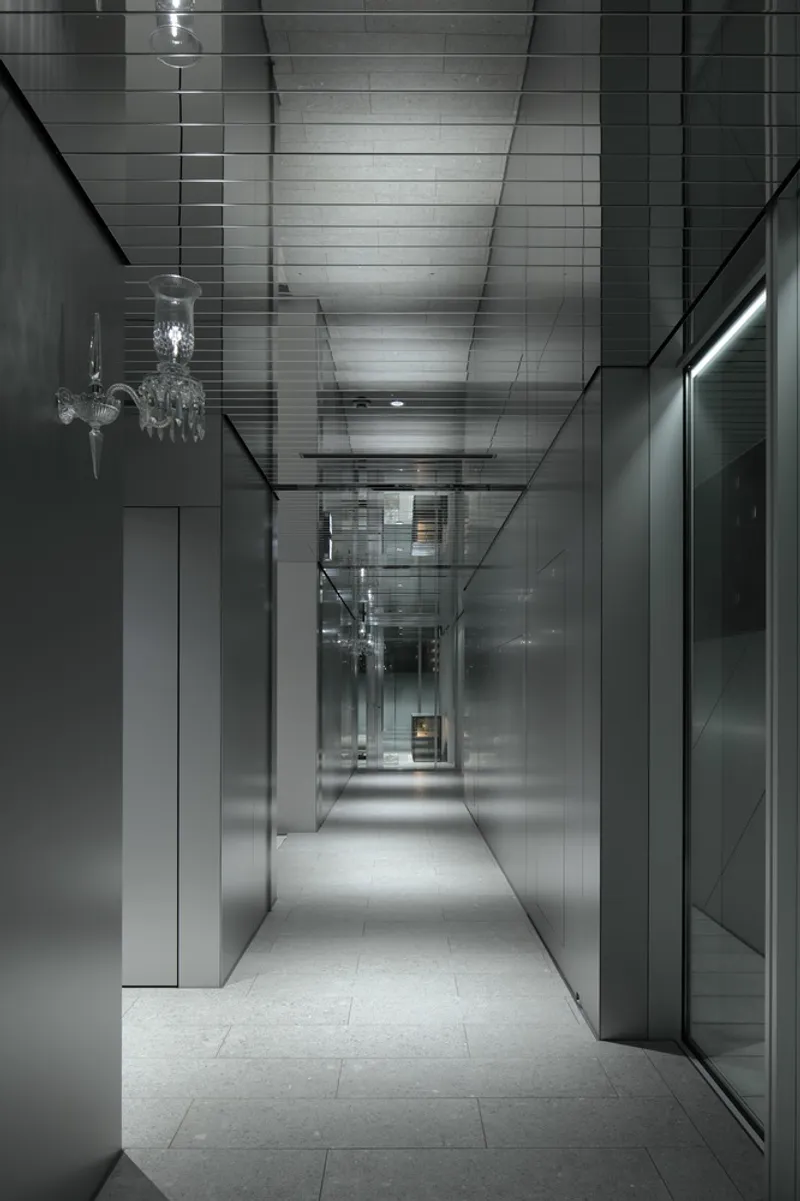
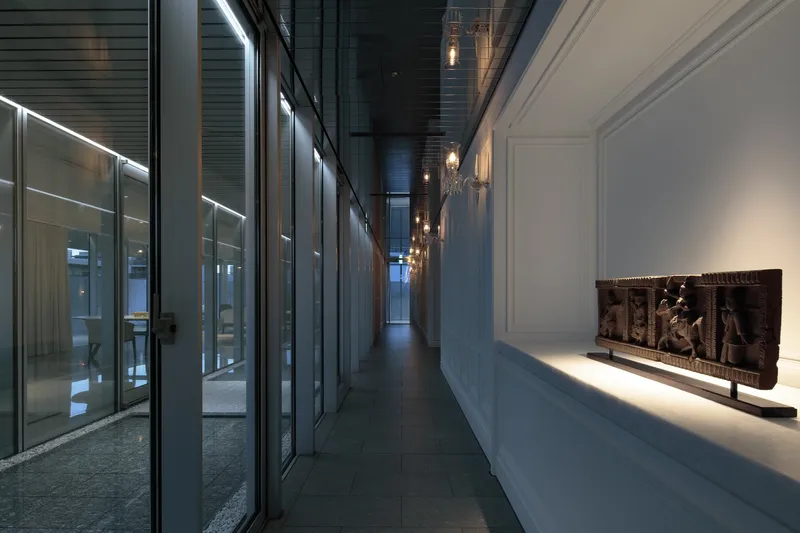
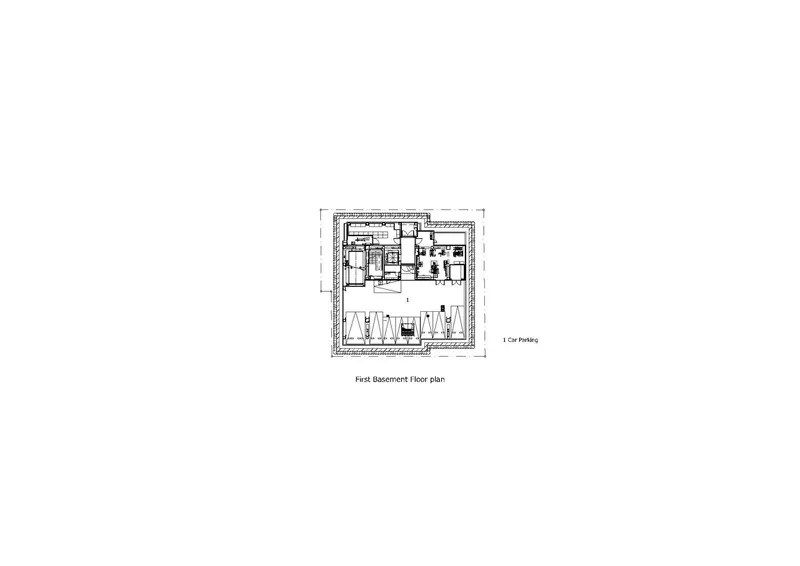
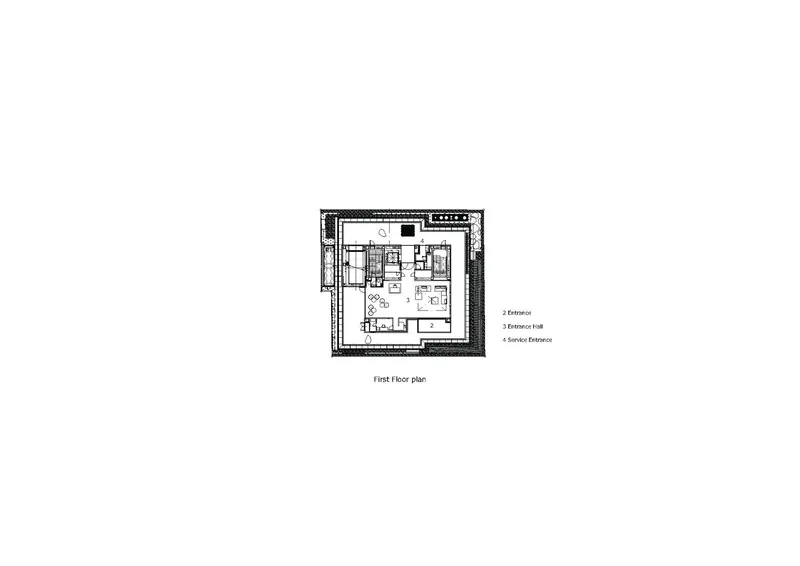
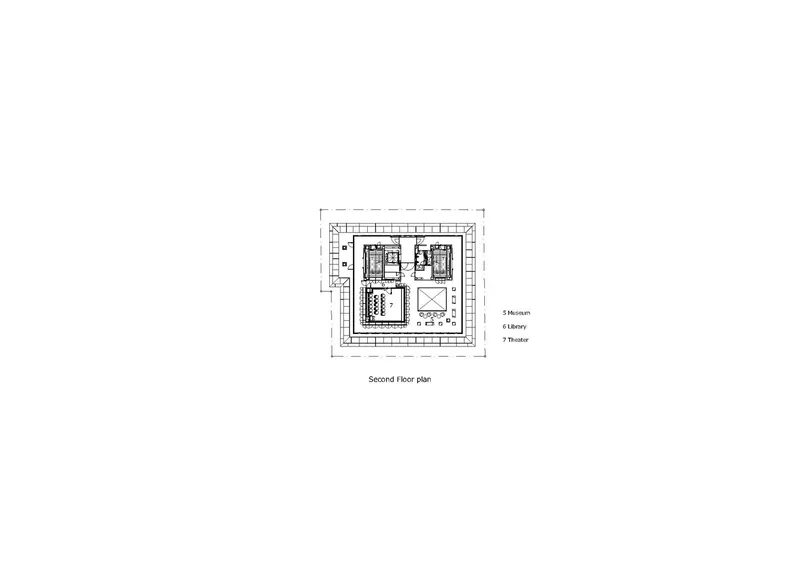
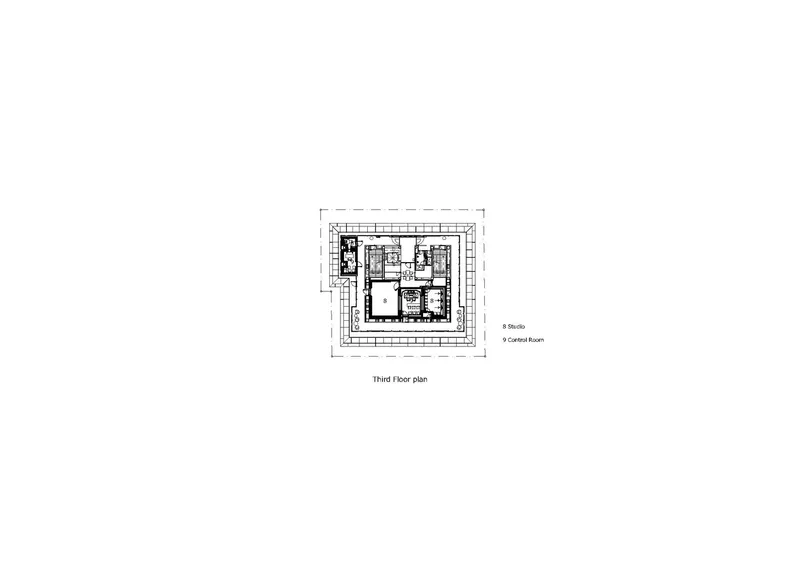
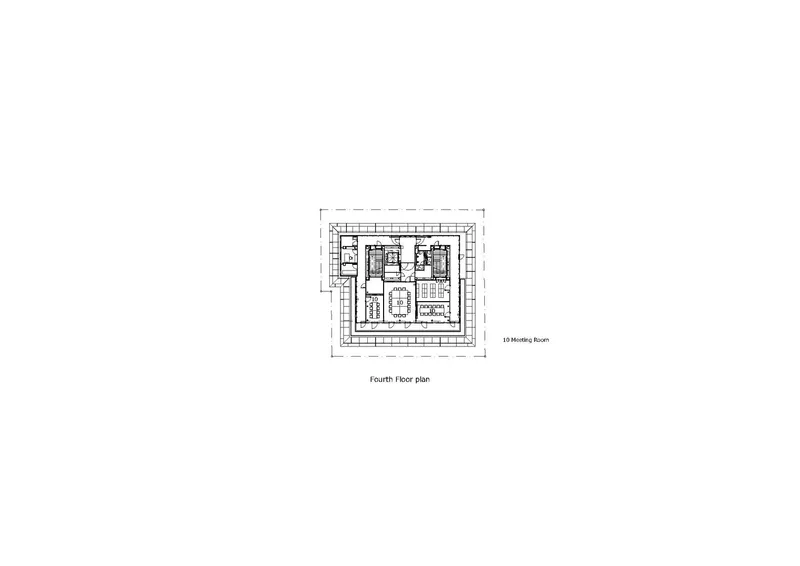
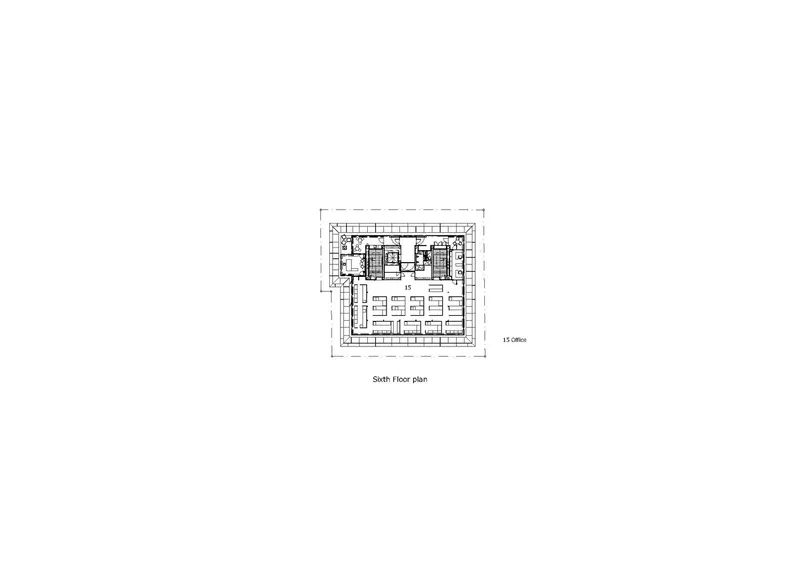
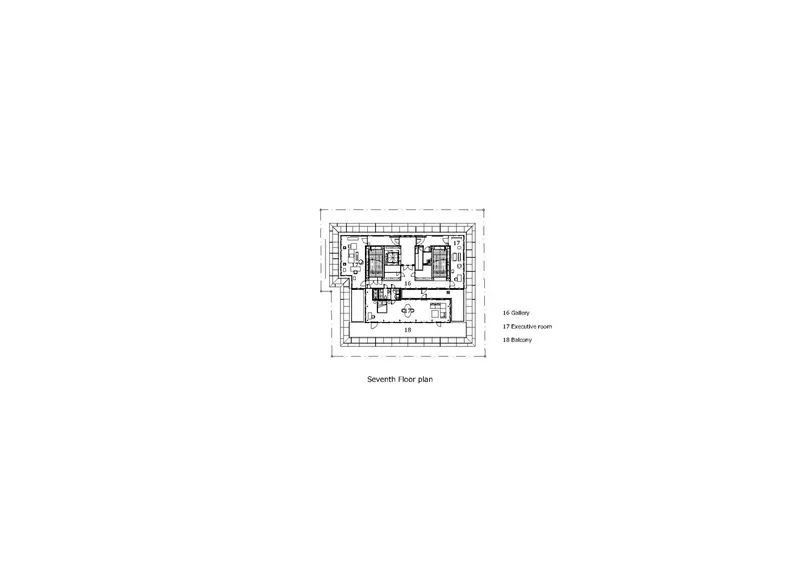
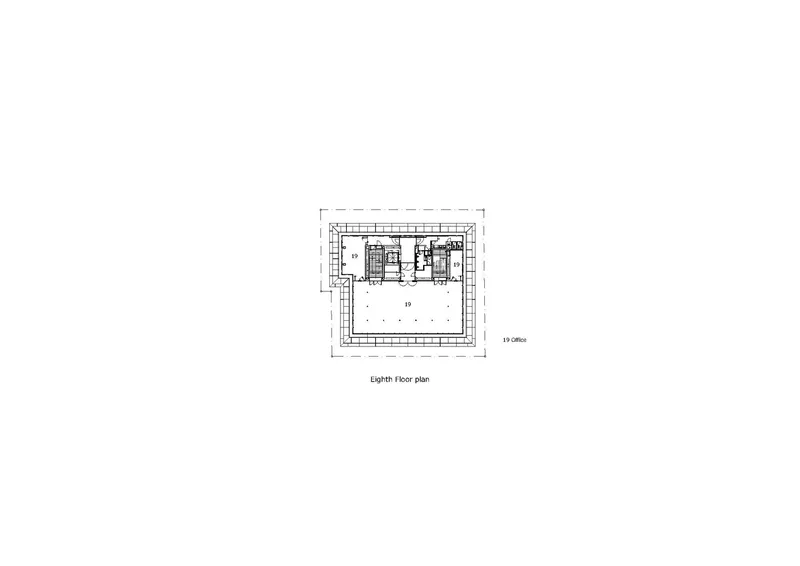
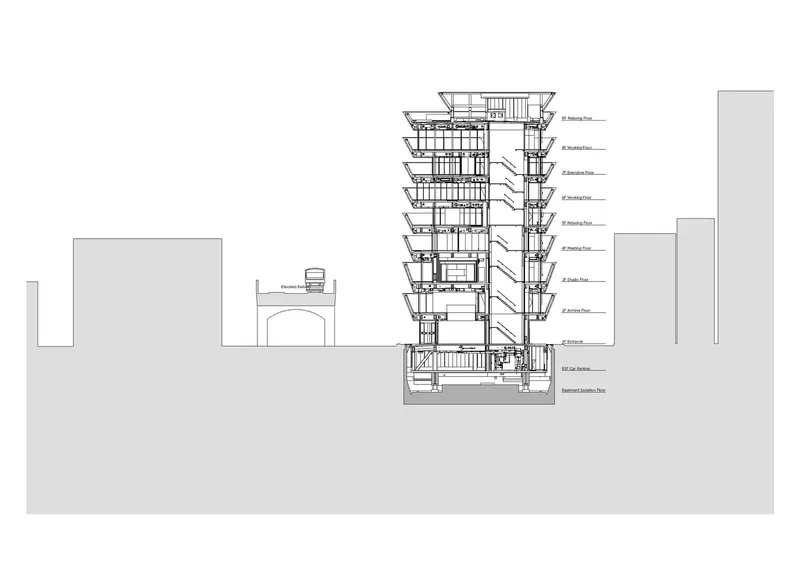
The building’s layout segregates public access areas on the lower floors from more private and confidential spaces above, facilitating both security and functional efficiency. This vertical stratification ensures that operational areas such as studios and executive suites maintain privacy and tranquility.

Integration with Technology
Advanced Control Systems
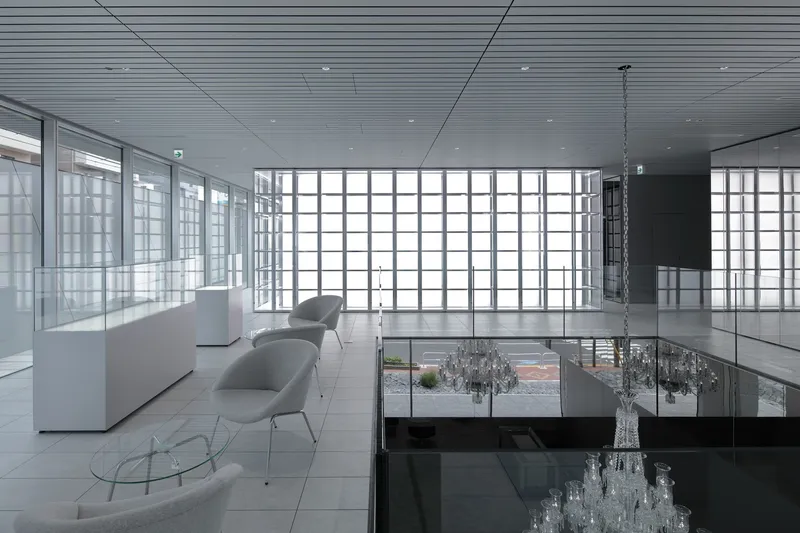
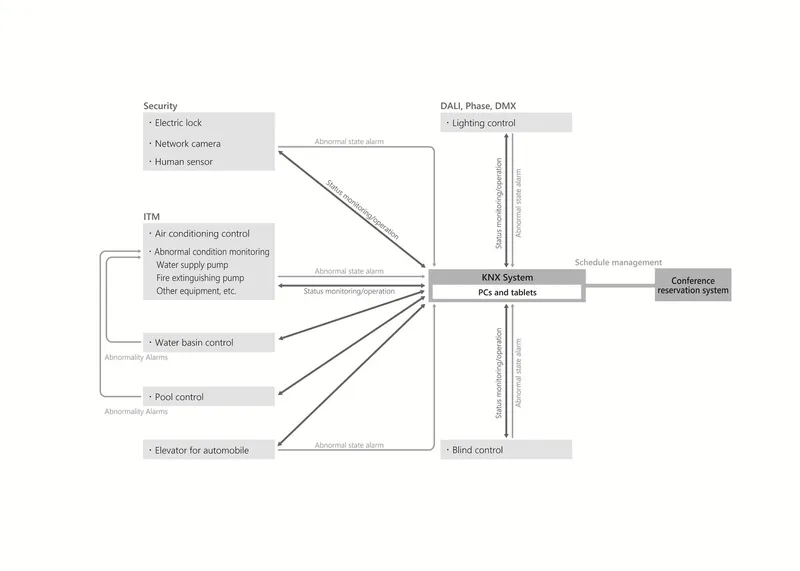
The headquarters is equipped with a state-of-the-art control system accessible via tablets, allowing for intuitive management of security, lighting, and climate. This system integrates seamlessly with a scheduling platform, improving operational efficiency and energy use.

Environmental Optimization
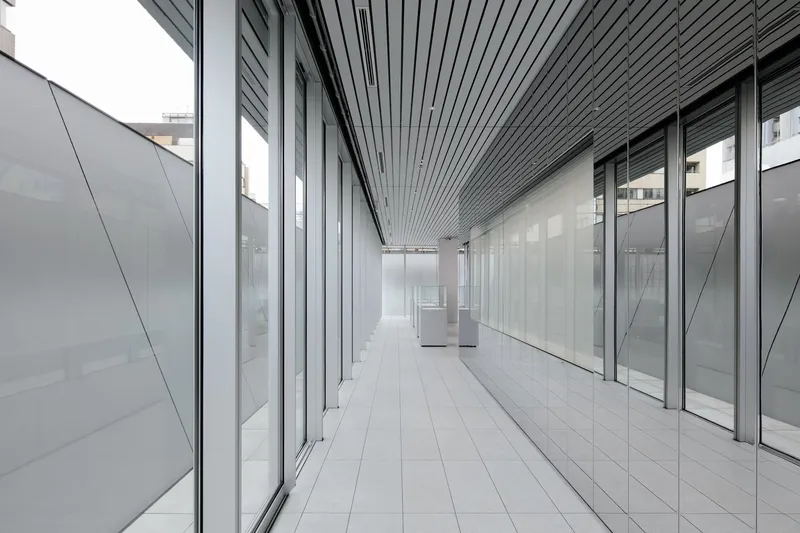
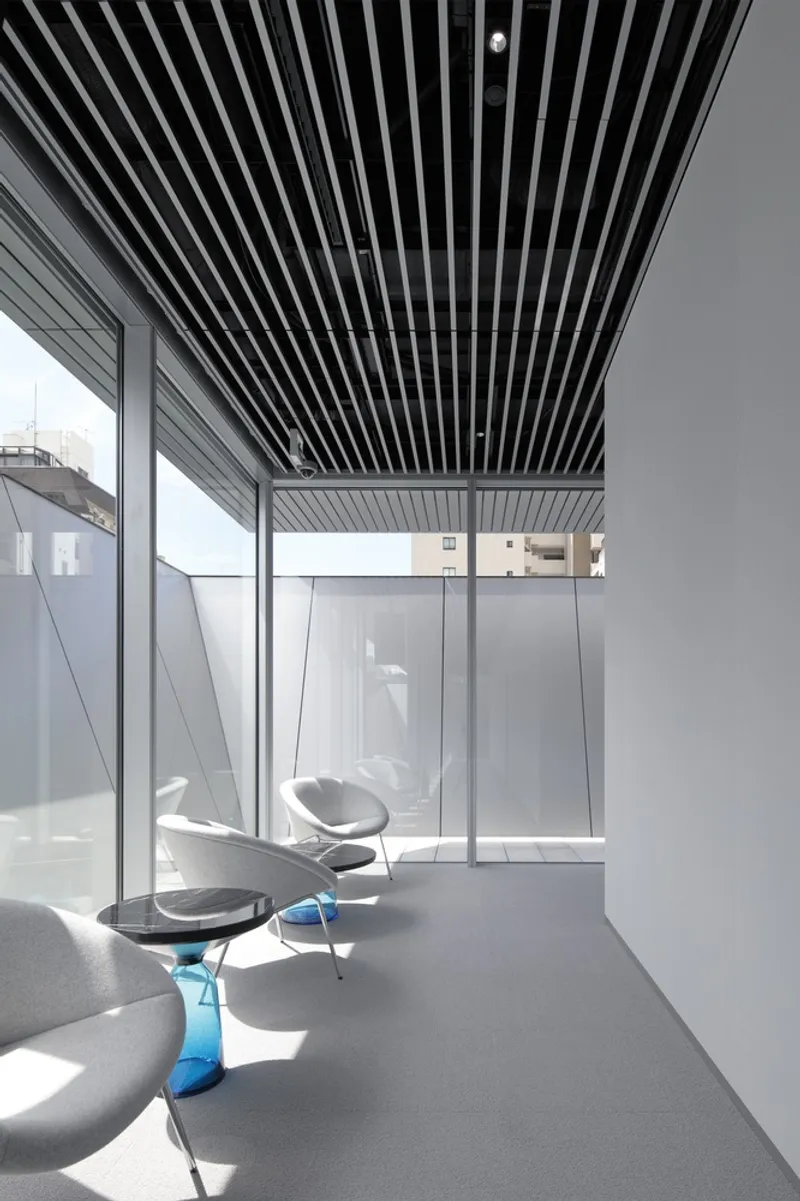
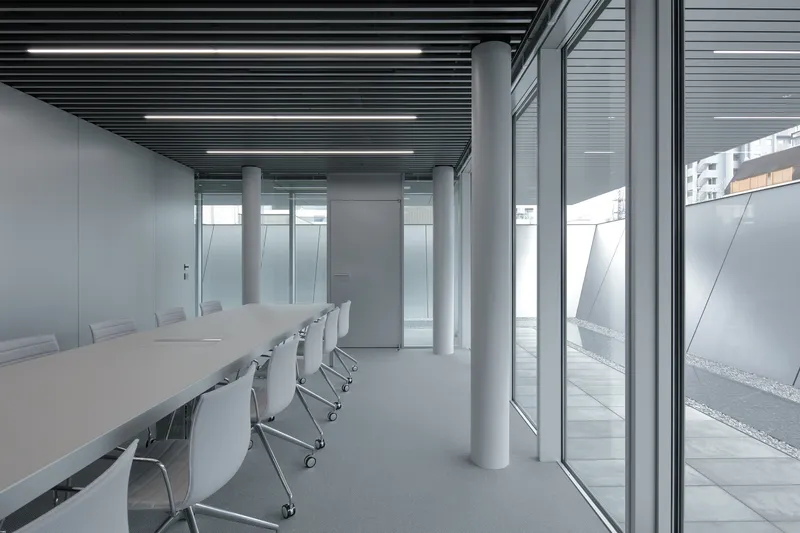
Design elements like the parametrically designed balcony optimize environmental factors—managing light exposure and enhancing acoustics while providing natural ventilation. This thoughtful design reduces the building's reliance on mechanical systems, promoting sustainability.
Impact on Workplace Efficiency and Creativity
Enhancing Employee Experience
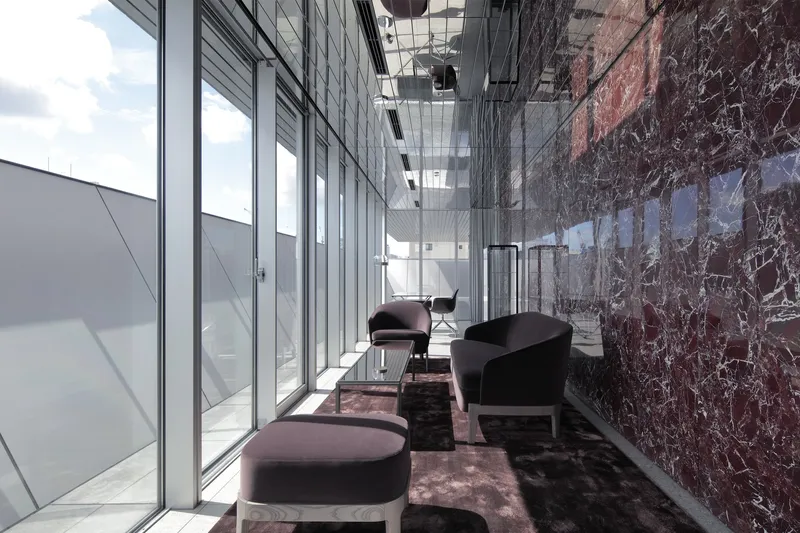
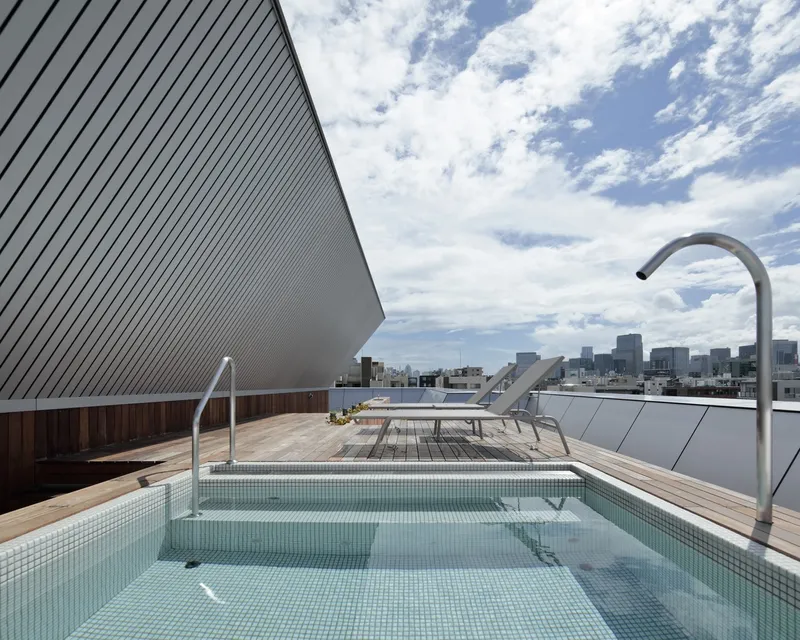
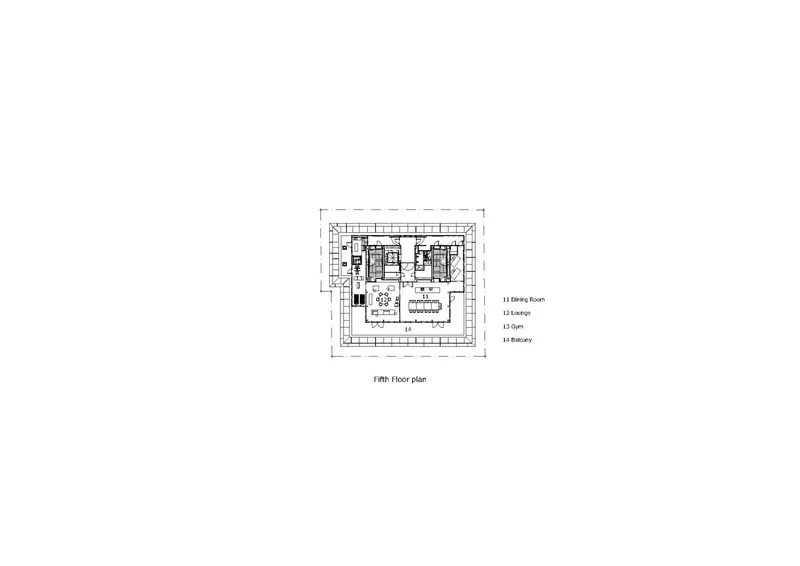
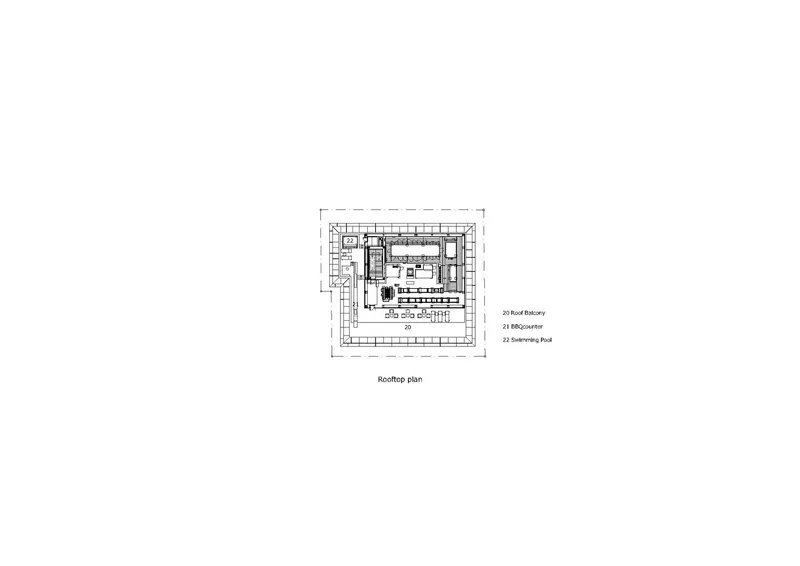
The design of MONOSPINAL Headquarters prioritizes employee comfort and creativity. Features like the communal dining area, gym, and rooftop relaxation spaces encourage workers to recharge and collaborate, fostering a vibrant company culture.
Architectural Influence on Productivity
The strategic use of space and technology in MONOSPINAL Headquarters has a direct impact on productivity. By creating an environment that is both aesthetically pleasing and functionally superior, the design promotes an efficient workflow and stimulates creative thinking.
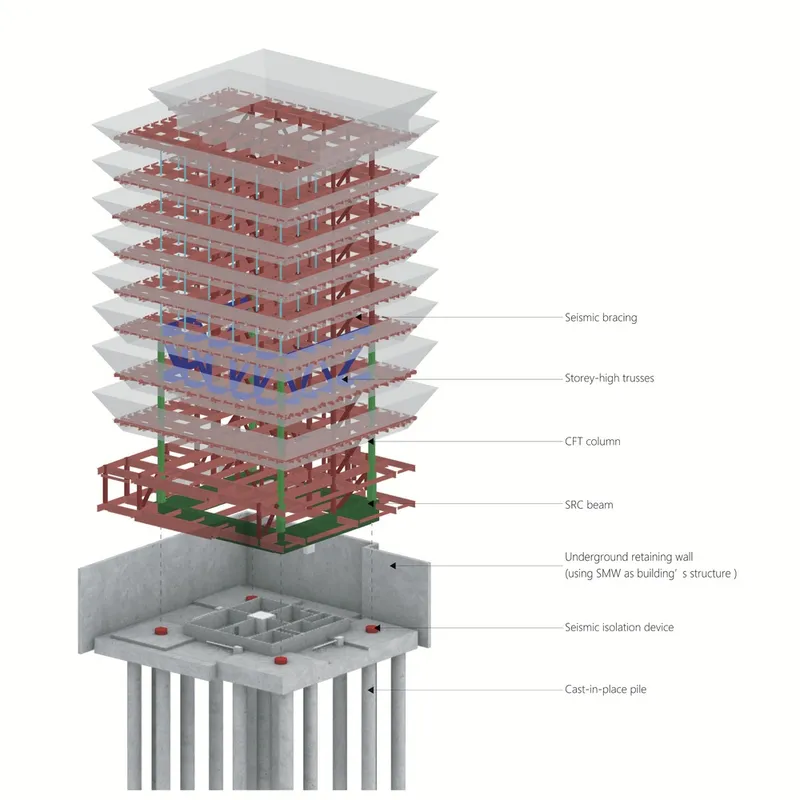
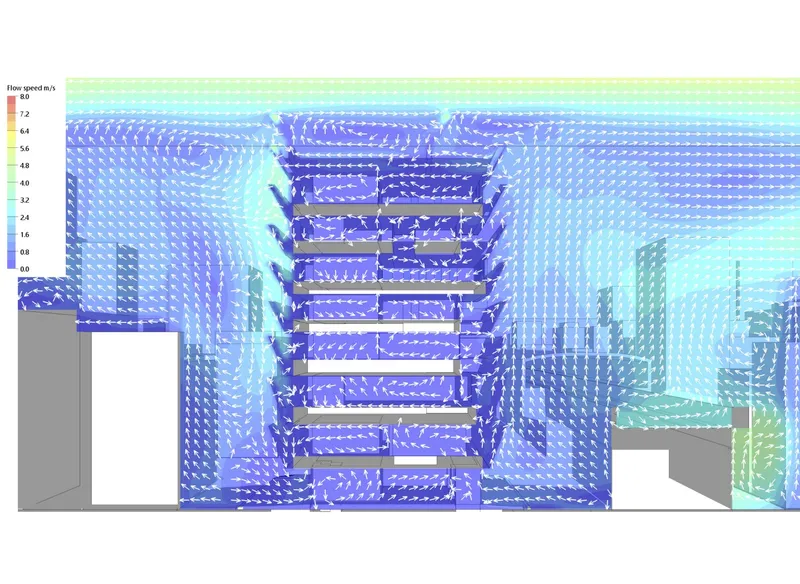
MONOSPINAL Headquarters by Makoto Yamaguchi Design exemplifies innovative office architecture at its finest. With its unique use of form, integration of advanced technologies, and commitment to sustainability, the building sets new standards for workplace design. It not only serves the functional needs of its occupants but also stands as a beacon of architectural innovation in the modern urban landscape. This project demonstrates how thoughtful design can transform a conventional office into a source of inspiration and efficiency.
All photographs are work of Koichi Torimura


Popular Articles
Popular articles from the community


Conexión: Biophilic Design Reimagines High-Rise Living in Hong Kong
Conexión reimagines high-rise living in Hong Kong through biophilic design, green facades, shared spaces, daylight, water and nature within.

Play: Fragments of Their World
Familiar architecture becomes modular playground design, creating safe spaces where displaced children can learn, connect, imagine and play.

ALGAL REALM: A Bio-Integrated Lunar Habitat Design for Life Beyond Earth
ALGAL REALM reimagines lunar habitat design with algae-powered life support, 3D-printed regolith, and vertical living for a lunar future.

Co-life: Sustainable Architecture for Age-Friendly Community Living
Co-life reimagines sustainable architecture for seniors through courtyards, rammed earth, shared gardens, and spaces designed for belonging.

Similar Reads
You might also enjoy these articles


Hodi-Mandai Geram
Project Function: Preservation and revitalization of the Intangible heritage and socio-spatial identity of the Hodi by Housing, Cultural Memory Center, Sacred Grove, landscape, local tourism economy


Olio Towers: A Mid-Rise for Performers That Fuses Housing, Rehearsal, and Stage
Located blocks from Houston's Theater District, this modular tower stacks living units around a central performance atrium.

Oasis: Modular Green Housing Carved into Dhaka's Urban Fabric
A shortlisted Plugin Housing entry reclaims unauthorized settlements in Dhaka with stepped concrete volumes, green roofs, and ventilation-driven design.

Black Hole: A Floating Megastructure for the Post-Physical Era
Emiliano Mazzarotto envisions a spherical, self-scaling arena where e-sports, digital hotels, and holographic stadiums replace traditional public space.

Explore Aotu Architecture Office Competitions
Discover active competitions in this discipline

Challenge to reimagine the Iron Throne

Photograph architecture without architects

Illustrate the lost glory of Angkor Wat - Render Challenge

Design challenge to reuse E-waste
Comments (0)
Please login or sign up to add comments
No comments yet. Be the first to comment!