
Innovative Stadium Design: Bridging Architecture and Public Spaces
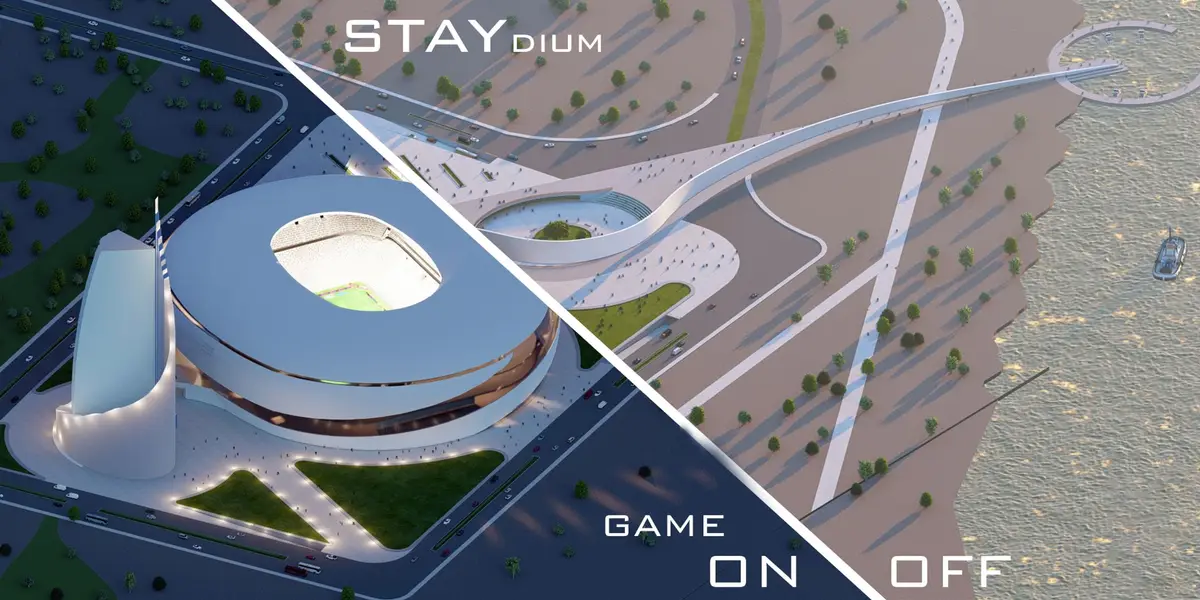
The article discusses the STAYdıum, a sustainable stadium design that melds community spaces with eco-architecture to remain vibrant post-events.


Sustainable Stadium Architecture: A Paradigm Shift
In the ever-evolving landscape of architectural design, the concept of sustainability has become a cornerstone. Particularly within the realm of stadium design, it marks a transition from transient structures to enduring, interactive spaces. Sustainable Stadium Architecture is more than a buzzword; it's an ethos that underpins the 'STAYdıum' project Winner of Staydium by Diyar Cevirel, an epitome of how modern arenas can serve communities long after the final whistle.

The Concept of STAYdıum
The 'STAYdıum' is not just an architectural marvel; it's a living, breathing entity that harmonizes with the Mississippi River's natural grandeur. Inspired by the river's resemblance to a vast tree with sprawling branches, the stadium serves as the central trunk, with surrounding facilities as the branches that support its life.

A Design Inspired by Nature
The Mississippi River, with its tributaries — the Red River, Missouri, and Arkansas — inspired the design of the STAYdıum, mirroring the river's significance in shaping the ecological and cultural fabric of the region. This design philosophy extends beyond aesthetics, integrating the stadium into the city's lifeblood, making it an indispensable hub for communal convergence.

Keeping the Stadium Alive
The key to Sustainable Stadium Architecture is the utility beyond the main events. The STAYdıum addresses the often-observed decline of stadium relevance post-events by embedding public spaces within its structure, ensuring its vibrancy and utility persist.
Public Spaces: The Heart of Urban Development
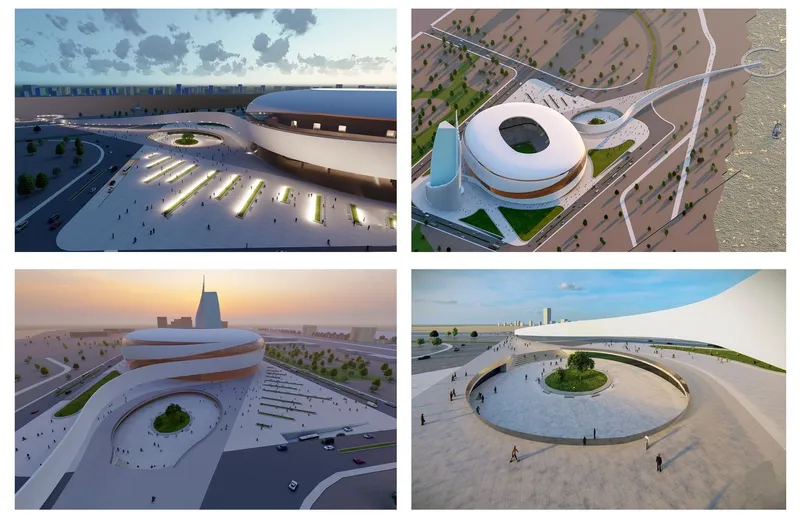
At the core of the STAYdıum's design is the emphasis on public spaces. These areas are not just voids between structures but interactive zones where societal bonds are forged. By infusing the coastal city's essence into the design, the STAYdıum becomes a catalyst for social interaction and cultural enrichment.

The Integration of Public Oriented Design
A "living coast" concept is adopted, integrating the coast with the city, fostering collective social life. It's a design that not only respects the existing urban tapestry but also weaves new patterns of community and connectivity.

Architectural Features of STAYdıum
The STAYdıum's design is a testament to the potential of Sustainable Stadium Architecture. It demonstrates that stadiums can be more than venues; they can be community landmarks.
Eco-Friendly Infrastructure
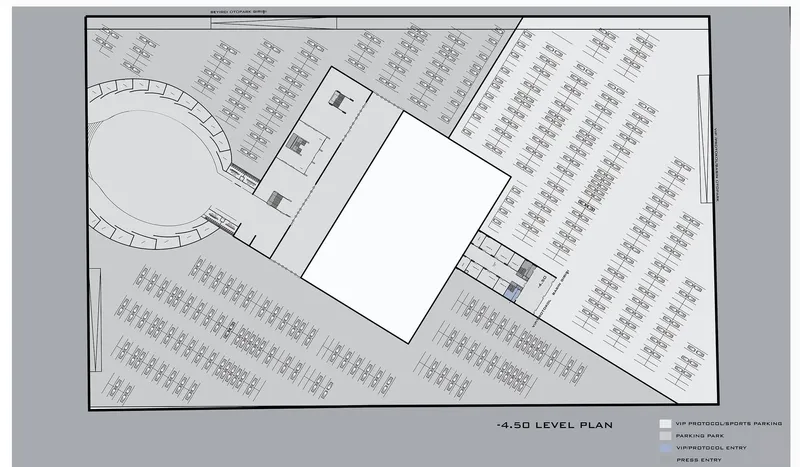
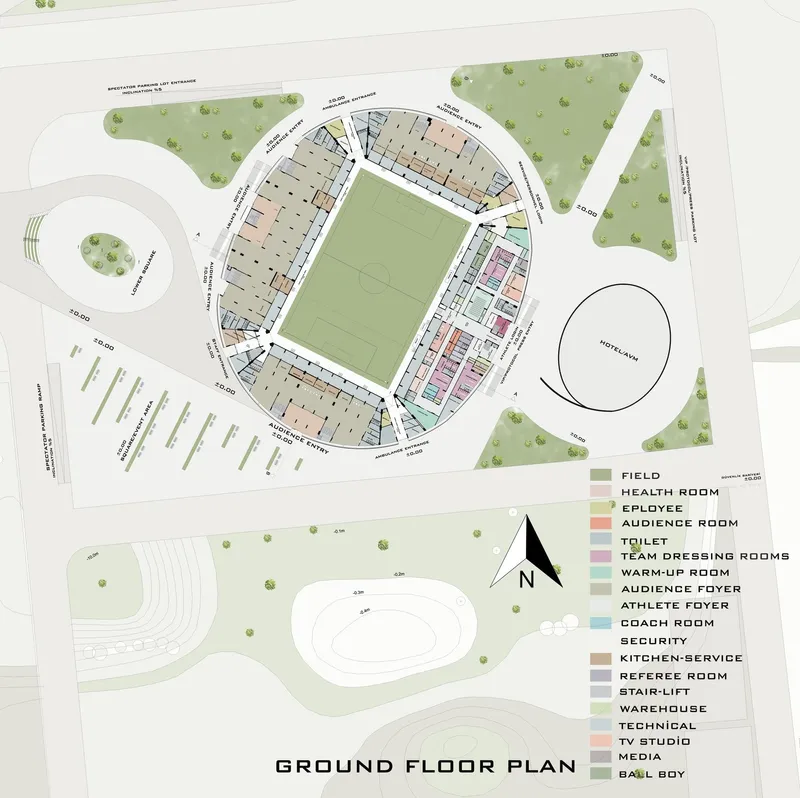
The design incorporates eco-friendly materials and green spaces, reducing the environmental footprint and promoting sustainability. The surrounding areas of the stadium offer a mix of commercial, leisure, and green spaces, ensuring a balanced ecosystem within the urban fabric.

Inclusive and Accessible Design
Accessibility is at the forefront of the STAYdıum's design. It is fashioned to be a welcoming space for all demographics, celebrating diversity and inclusivity.
Technology-Integrated Architecture
Advanced technologies are integrated into the stadium's design, enhancing the visitor experience and streamlining operations. From energy-efficient solutions to state-of-the-art amenities, the STAYdıum is poised to redefine the standards of modern architecture.
The STAYdıum project exemplifies the transformative power of Sustainable Stadium Architecture. It's a visionary approach that reimagines the role of sports venues in urban landscapes. By fostering an inclusive, vibrant, and sustainable environment, the STAYdıum sets a new benchmark for future architectural endeavors.
As cities continue to grow and evolve, the principles of Sustainable Stadium Architecture will guide the creation of spaces that not only celebrate sports but also nurture the community, environment, and the very essence of urban living. The STAYdıum isn't just a design; it's a legacy that will inspire generations to come.


Popular Articles
Popular articles from the community


The Ocean Hive: Sustainable Architecture for a Self-Sufficient Civilization at Sea
The Ocean Hive imagines sustainable architecture at sea, where modular habitats, algae, wave power and ocean waste sustain a growing colony.

Co-Life: Senior Housing Design That Reconnects Older Adults With the City
Co-Life reimagines senior housing design through healing gardens, shared streets, workshops, and a sustainable community across generations.

Hill & Cross Opera: Sculptural Opera House Architecture Shaped by Tallinn’s Landscape and Identity
Hill & Cross Opera reimagines opera house architecture in Tallinn through its sculptural hill, civic plaza, glass wave and a luminous cross.

Little Red Riding Hood: Architectural Design as a Journey Through Fear, Light, and Storytelling
Little Red Riding Hood reimagines the fairy tale through architectural design shaped by fear, light, scale, memory, uncertainty, and choice.

Similar Reads
You might also enjoy these articles

Day and Night Park: A Time-Based Urban Newsstand in Beijing
A temporary urban newsstand in Beijing blending travel, light, and reading through poetic colors, compact form, and community-focused design.

Modernist Patio Renovation in El Masnou, Barcelona by Oliver Segura Arquitectura + Cebrià Arquitectura
Modernist patio renovation blending tradition and innovation with a movable pool, leveled floors, and Catalan materials in El Masnou.

Alto Residencial Coop: Cooperative Housing Development in Santiago de Compostela by Carbajo Barrios Arquitectos
A linear cooperative housing complex blending white volumes and perforated metal façades, enhancing community living, natural light, privacy, and urban integration.
Vil Genis School by BPA ARCHITECTURE – Massy, France
Vil Genis School in Massy, France, features sustainable design, south-facing classrooms, community integration, accessible spaces, and modern educational architecture.

Comments (0)
Please login or sign up to add comments
No comments yet. Be the first to comment!