
J.I.G.S.A.W
jigsaw puzzle story

Can architecture solve a problem? This question always made me think about the power of an architect. The way an architect thinks and the way he acts has always influenced thousands of people and life. That’s how this story begins. The elderly house and orphanage always remind me of a doomed future or a place one has to be lonely, feel the depression, and fight to survive. I thought that these two groups of society have similar needs and care. The feeling of attention or having a family can tackle many mental and physical problems that they may face in their life. Many research has been shown that these interactions can help both groups and make their life better. So I decided to design an institution where these two groups can interact with each other and forget about the family that they have lost.
I can not forget this question that ones asked an orphan. He asked when is your birthday young boy and he respond what is birthday.
elderlies have learned many skills, knowledge, and life experiences. They can share these with the next generation and interacting with young orphans can change their life. They can learn new experiences and use them to earn money which is another issue for the orphans. once they become 18 they have to live by themself. That's why I created workshop spaces so they can learn these skills and sell their Art crafts and products to society in the exhibition located in the building.
Deciding a proper site was very hard. I wanted a site that has many activities around it so the people in the institution can find new friends and shape new bonding with people in the society. Also, I wanted A separate entrance for both the elderly and orphans in my building. After searching and visiting many sites In Tehran I finally found a proper one. The context of the site is full of trees and activities and schools and hospitals are close to the institution
The main issue in designing this institution was the interaction between these two groups. How I should manage them to have their privacy and their time together. So the first and hardest part was to manage the plan and create the interaction spaces called Jigsaw. Many sketches have been done through the designing process. These spaces have changed a lot in shape from activities around them and their size to achieve a good result that can connect people with activities in them.
I decided to move the residential layer to the upper floor and devote the First floor to the activities and connection spaces. The way that ones have to pass through these Jigsaw spaces to go to a certain place for doing a certain activity. This can enhance the level of interaction and turn passive engagement into active engagement. By placing some activities in these connection spaces these spaces can be alive and full of life. I placed these spaces in the corridor that connects two entrances of the building.
After creating these spaces another issue was the residential units themselves. Each age group has its own needs in a space so by sketching and thinking about an ideal way to solve their residential needs I designed each age group his/her own residential units that can work properly with their ages.
The dominant material choice of the elderly house was brick and the orphanage was concrete and the Jigsaw space was the combination of these two. I wanted to convey the feeling of the old and new generations and the mixture of these two in the connection spaces. Also in Jigsaw spaces, the height of the ceiling is higher for emphasising these spaces in the main corridor that connects elderlies entrance and orphans' entrance
Can architecture solve a problem? This question always made me think about the power of an architect. The way an architect thinks and the way he acts has always influenced thousands of people and life. That’s how this story begins. The elderly house and orphanage always remind me of a doomed future or a place one has to be lonely, feel the depression, and fight to survive. I thought that these two groups of society have similar needs and care. The feeling of attention or having a family can tackle many mental and physical problems that they may face in their life. Many research has been shown that these interactions can help both groups and make their life better. So I decided to design an institution where these two groups can interact with each other and forget about the family that they have lost.
I can not forget this question that ones asked an orphan. He asked when is your birthday young boy and he respond what is birthday.
elderlies have learned many skills, knowledge, and life experiences. They can share these with the next generation and interacting with young orphans can change their life. They can learn new experiences and use them to earn money which is another issue for the orphans. once they become 18 they have to live by themself. That's why I created workshop spaces so they can learn these skills and sell their Art crafts and products to society in the exhibition located in the building.
Deciding a proper site was very hard. I wanted a site that has many activities around it so the people in the institution can find new friends and shape new bonding with people in the society. Also, I wanted A separate entrance for both the elderly and orphans in my building. After searching and visiting many sites In Tehran I finally found a proper one. The context of the site is full of trees and activities and schools and hospitals are close to the institution
The main issue in designing this institution was the interaction between these two groups. How I should manage them to have their privacy and their time together. So the first and hardest part was to manage the plan and create the interaction spaces called Jigsaw. Many sketches have been done through the designing process. These spaces have changed a lot in shape from activities around them and their size to achieve a good result that can connect people with activities in them.
I decided to move the residential layer to the upper floor and devote the First floor to the activities and connection spaces. The way that ones have to pass through these Jigsaw spaces to go to a certain place for doing a certain activity. This can enhance the level of interaction and turn passive engagement into active engagement. By placing some activities in these connection spaces these spaces can be alive and full of life. I placed these spaces in the corridor that connects two entrances of the building.
After creating these spaces another issue was the residential units themselves. Each age group has its own needs in a space so by sketching and thinking about an ideal way to solve their residential needs I designed each age group his/her own residential units that can work properly with their ages.
The dominant material choice of the elderly house was brick and the orphanage was concrete and the Jigsaw space was the combination of these two. I wanted to convey the feeling of the old and new generations and the mixture of these two in the connection spaces. Also in Jigsaw spaces, the height of the ceiling is higher for emphasising these spaces in the main corridor that connects elderlies entrance and orphans' entrance


Popular Articles
Popular articles from the community


Juan García Correa, John González and Claudia Rueda Sink a Circular Amphitheater into a Manizales Engineering Building
On the La Nubia campus in Manizales, Colombia, the S1 Building folds labs and offices into a hillside of ramped lawns that double as a campus route.

graciastudio Turns a Viewless Tijuana Lot Inward Around a Courtyard of Concrete, Timber and Trees
In Tijuana, Jorge Gracia's GA2 House stacks a timber-clad private floor over exposed concrete and replaces a missing view with a planted interior patio.

Cube Design Draws an Ecological Corridor Between Two Shenzhen Hills with the Nankai Building
Beside Shenzhen's container docks, the Nankai Building pairs stacked balconies with a climbing green screen to connect two hillsides across its height.

ETEH Reworks the Shared Spaces of São Domingos School in Brazil Around Timber, Color and Hanging Plants
At São Domingos School in Brazil, 436 m² of hall, refectory and library are recast with timber joinery, a yellow and blue code and trailing greenery.

Similar Reads
You might also enjoy these articles

The Rhythm of Seasons
A Farmers' Market Connecting Nature and the City

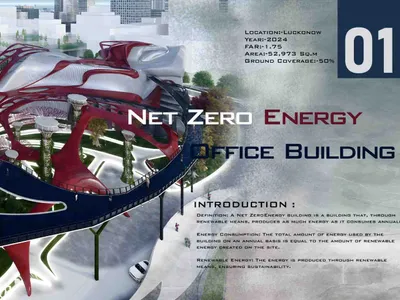
More Than a Building-Designing a Living System
More Than a Building-Designing a Living System
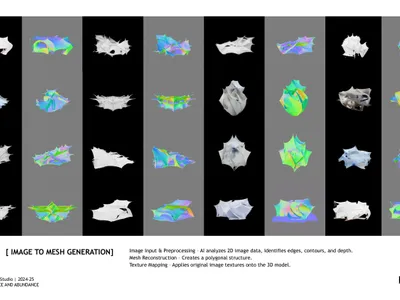
Base Beyond
DESERT COMPOUND ARID: TOURISM OF ABSENCE AND ABUNDANCE

Comments (0)
Please login or sign up to add comments
No comments yet. Be the first to comment!