
Kempegowda International Airport Bengaluru: A Sustainable and Culturally Inspired Terminal Design for the Future
This article highlights Bengaluru's Kempegowda Airport Terminal 2, an eco-friendly, nature-inspired design blending sustainability, local culture, and future-focused airport infrastructure.


Redefining Sustainable Travel
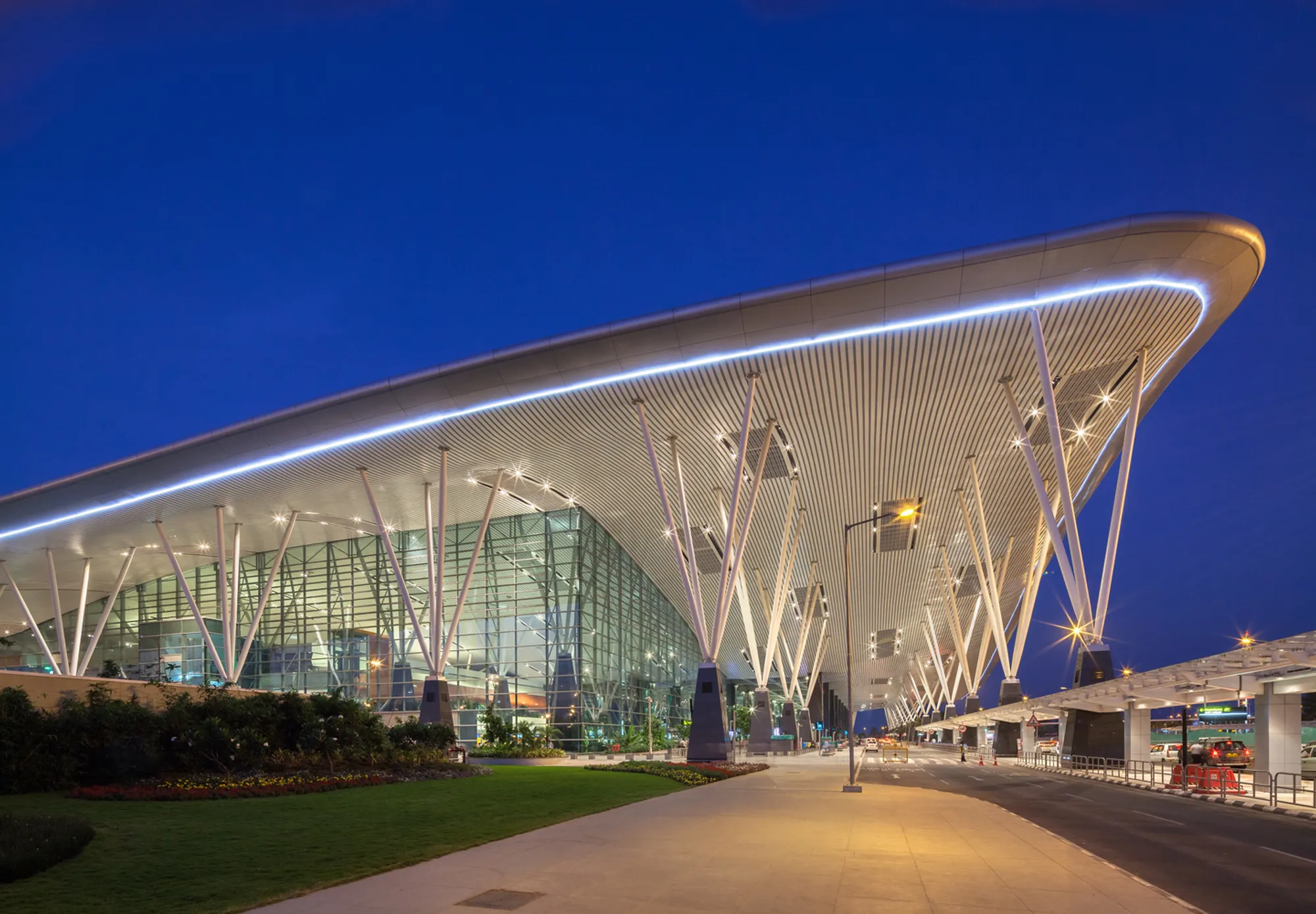
New Terminal 2 at Kempegowda International Airport (BLR) in Bengaluru is a groundbreaking blend of sustainability, architectural innovation, and nature-inspired design. Designed by Skidmore, Owings & Merrill (SOM) and Enter Projects Asia, this LEED Platinum-certified terminal enhances Bengaluru's reputation as India’s "garden city" while addressing the future of global air travel.
A Green Gateway to Bengaluru: The Terminal 2 Concept
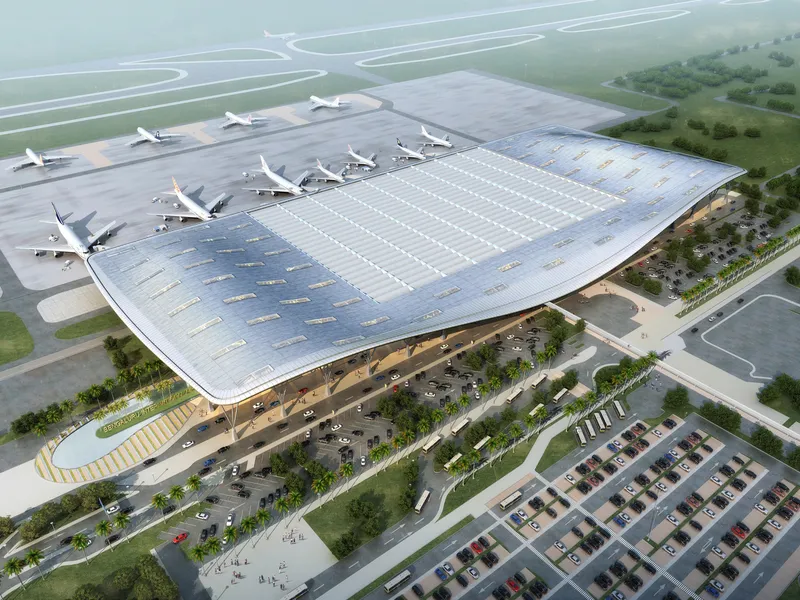
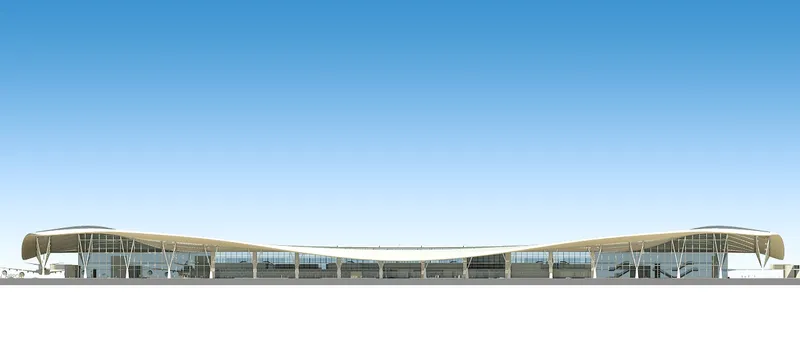
Terminal 2 expands Kempegowda International Airport with an additional 255,000 square meters, increasing its passenger capacity by 25 million per year. By incorporating local materials like bamboo, brick, and glass, the design reflects Bengaluru's green identity. The integration of gardens, indigenous flora, and outdoor landscaped spaces transforms Terminal 2 into a "terminal in a garden," a unique feature inspired by Bengaluru’s rich history as a green city.
Architectural Design and Structure
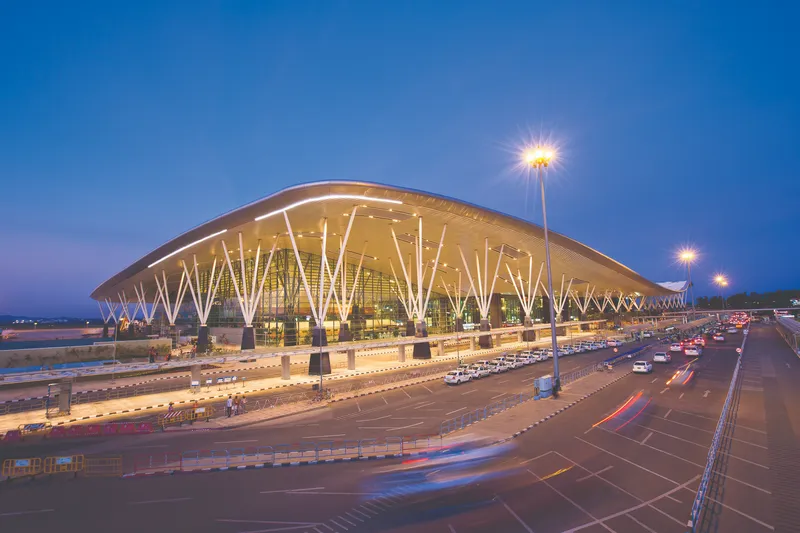
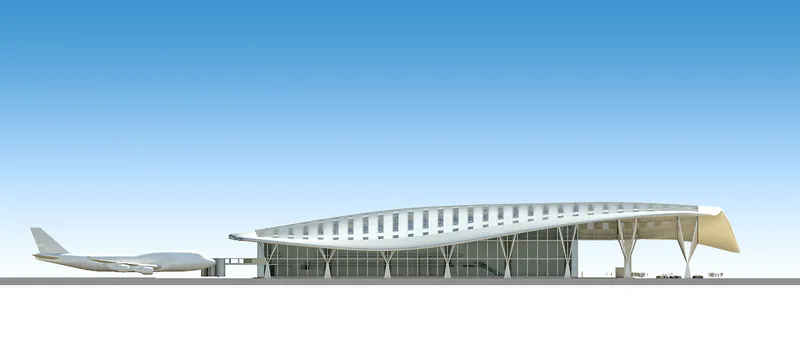
Terminal 2 combines modern design with traditional Indian aesthetics. Its orthogonal layout is reinforced with bamboo-clad steel columns, while latticed skylights allow natural light to permeate, enhancing the terminal’s spaciousness and inviting ambiance.
Key Features of the Terminal 2 Structure
- Bamboo and Brick Exterior: The terminal's exterior materials resonate with Indian heritage, providing thermal insulation and a warm aesthetic.
- Lush Gardens and Plantings: Throughout the terminal, indoor and outdoor green spaces bring the experience of nature to every part of the traveler’s journey.
- Flexible and Adaptable Gates: Terminal 2's swing gates can serve both wide-body international flights and narrow-body domestic flights, ensuring efficiency and adaptability.
Sustainability at the Core: LEED and IGBC Platinum Certifications
Sustainability was central to Terminal 2's design. Awarded LEED Platinum by the US Green Building Council and IGBC Platinum by the Indian Green Building Council, Terminal 2 is a model of environmentally responsible infrastructure.
Sustainable Design Features
- Renewable Energy: The terminal runs entirely on renewable energy.
- Water Harvesting and Reuse: Stormwater is collected and treated for reuse, while indoor plantings and gardens require minimal additional water.
- Energy-Efficient Building Systems: Solar shading and intelligent systems regulate energy use, minimizing the terminal’s environmental footprint.
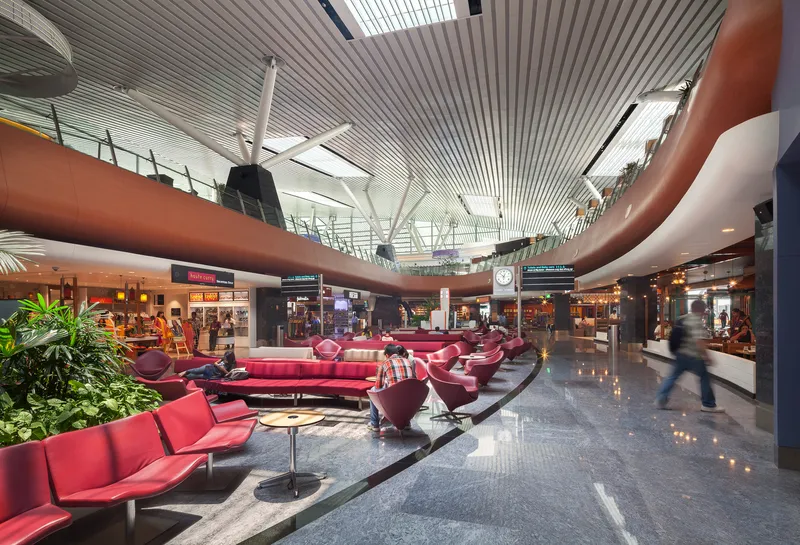
Multimodal Transit Hub: Enhancing Connectivity and Civic Space
The multimodal transit hub adjacent to Terminal 2 redefines how airports can connect to their cities. Designed as a civic square, this two-level hub features retail, entertainment, and dining spaces for both travelers and locals.
Transit Hub Highlights
- Walkability and Accessibility: Elevated pedestrian bridges provide seamless connectivity between terminals, hotels, and parking areas.
- Public Gathering Spaces: An outdoor plaza with landscaped gardens, lagoons, and cascading plantings extends Terminal 2’s green theme, creating a vibrant community space.
- Integrated Metro and Bus Access: The transit hub’s central location within the airport makes BLR Airport fully accessible by metro, bus, and taxi services.
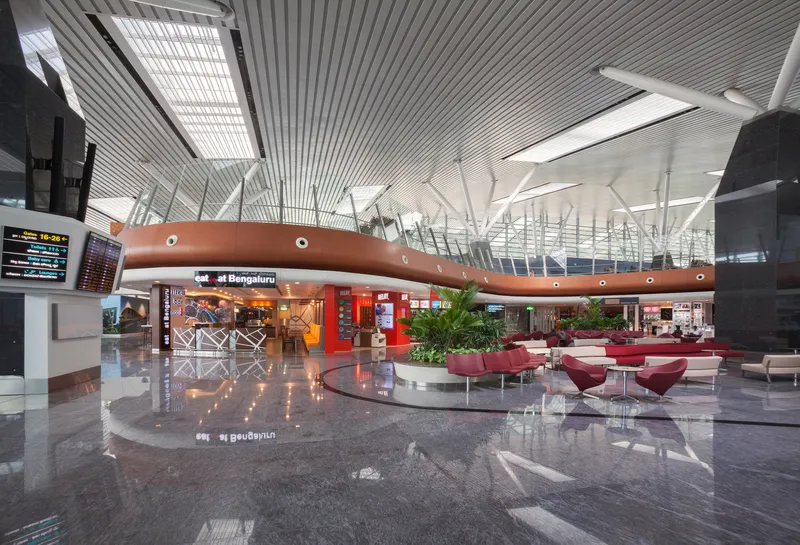
Nature-Inspired Interiors and Unique Passenger Experience
Inside Terminal 2, travelers encounter nature-inspired interiors that echo the “terminal in a garden” concept.
- Bamboo-Clad Columns and Rattan Furnishings: Clusters of bamboo-clad columns and traditional woven rattan furniture create a warm, inviting atmosphere.
- Forest Belt and Meandering Paths: Passengers move through a “forest belt” that bridges the terminal's different sections, featuring indigenous flora, bamboo structures, and two-story pavilions inspired by Indian cane weaving.
- Indoor Waterfalls: Inspired by Karnataka's natural landscapes, indoor waterfalls cool the terminal and act as focal points for the retail areas.
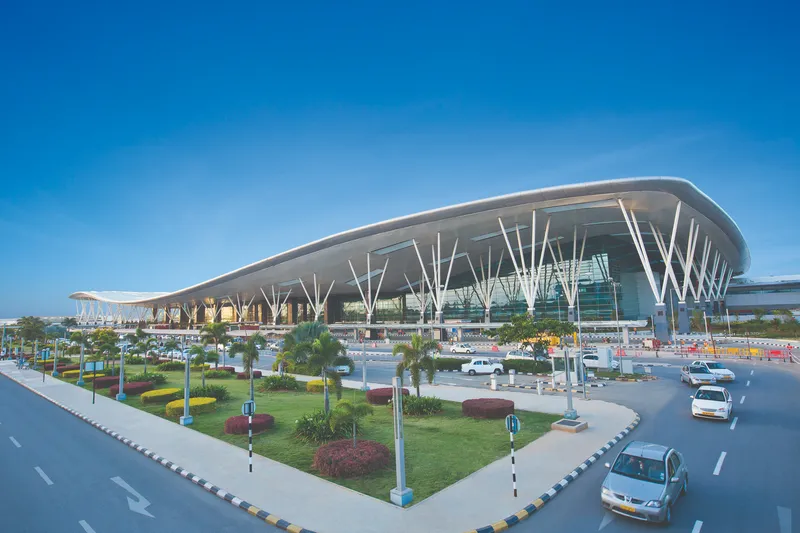
Future-Proofing Kempegowda International Airport
The modular design of Kempegowda International Airport Terminal 2 ensures flexibility, supporting evolving air travel demands while maintaining sustainability. The adaptable swing gates, bamboo structures, and LEED Platinum certification make Terminal 2 a global example of environmentally conscious airport design.
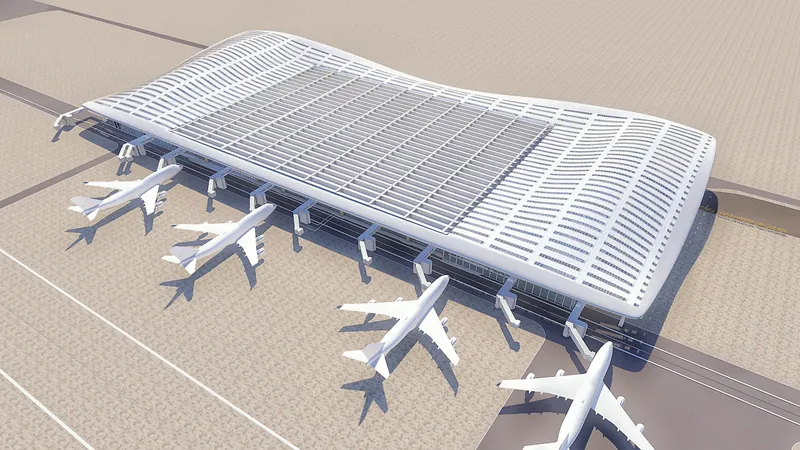
Terminal 2: Setting a New Standard in Airport Design
Terminal 2 at Kempegowda International Airport Bengaluru stands as a testament to Bengaluru’s green legacy and a beacon for sustainable airport infrastructure worldwide. Through its blend of nature, local culture, and future-focused design, Terminal 2 transforms the airport experience, creating an enduring connection to the rich history and natural beauty of Karnataka.
All Photographs are work of Sam Fentress




Popular Articles
Popular articles from the community


The Ocean Hive: Sustainable Architecture for a Self-Sufficient Civilization at Sea
The Ocean Hive imagines sustainable architecture at sea, where modular habitats, algae, wave power and ocean waste sustain a growing colony.

Play: Fragments of Their World
Familiar architecture becomes modular playground design, creating safe spaces where displaced children can learn, connect, imagine and play.

Conexión: Biophilic Design Reimagines High-Rise Living in Hong Kong
Conexión reimagines high-rise living in Hong Kong through biophilic design, green facades, shared spaces, daylight, water and nature within.

Co-life: Sustainable Architecture for Age-Friendly Community Living
Co-life reimagines sustainable architecture for seniors through courtyards, rammed earth, shared gardens, and spaces designed for belonging.


Similar Reads
You might also enjoy these articles


Hodi-Mandai Geram
Project Function: Preservation and revitalization of the Intangible heritage and socio-spatial identity of the Hodi by Housing, Cultural Memory Center, Sacred Grove, landscape, local tourism economy


Olio Towers: A Mid-Rise for Performers That Fuses Housing, Rehearsal, and Stage
Located blocks from Houston's Theater District, this modular tower stacks living units around a central performance atrium.

Oasis: Modular Green Housing Carved into Dhaka's Urban Fabric
A shortlisted Plugin Housing entry reclaims unauthorized settlements in Dhaka with stepped concrete volumes, green roofs, and ventilation-driven design.

Black Hole: A Floating Megastructure for the Post-Physical Era
Emiliano Mazzarotto envisions a spherical, self-scaling arena where e-sports, digital hotels, and holographic stadiums replace traditional public space.


Explore Airport Design Competitions
Discover active competitions in this discipline


Challenge to design luxury tourism on rails


Challenge to reimagine the Iron Throne


Photograph architecture without architects


VR headsets Storefront design competition
Comments (0)
Please login or sign up to add comments
No comments yet. Be the first to comment!