
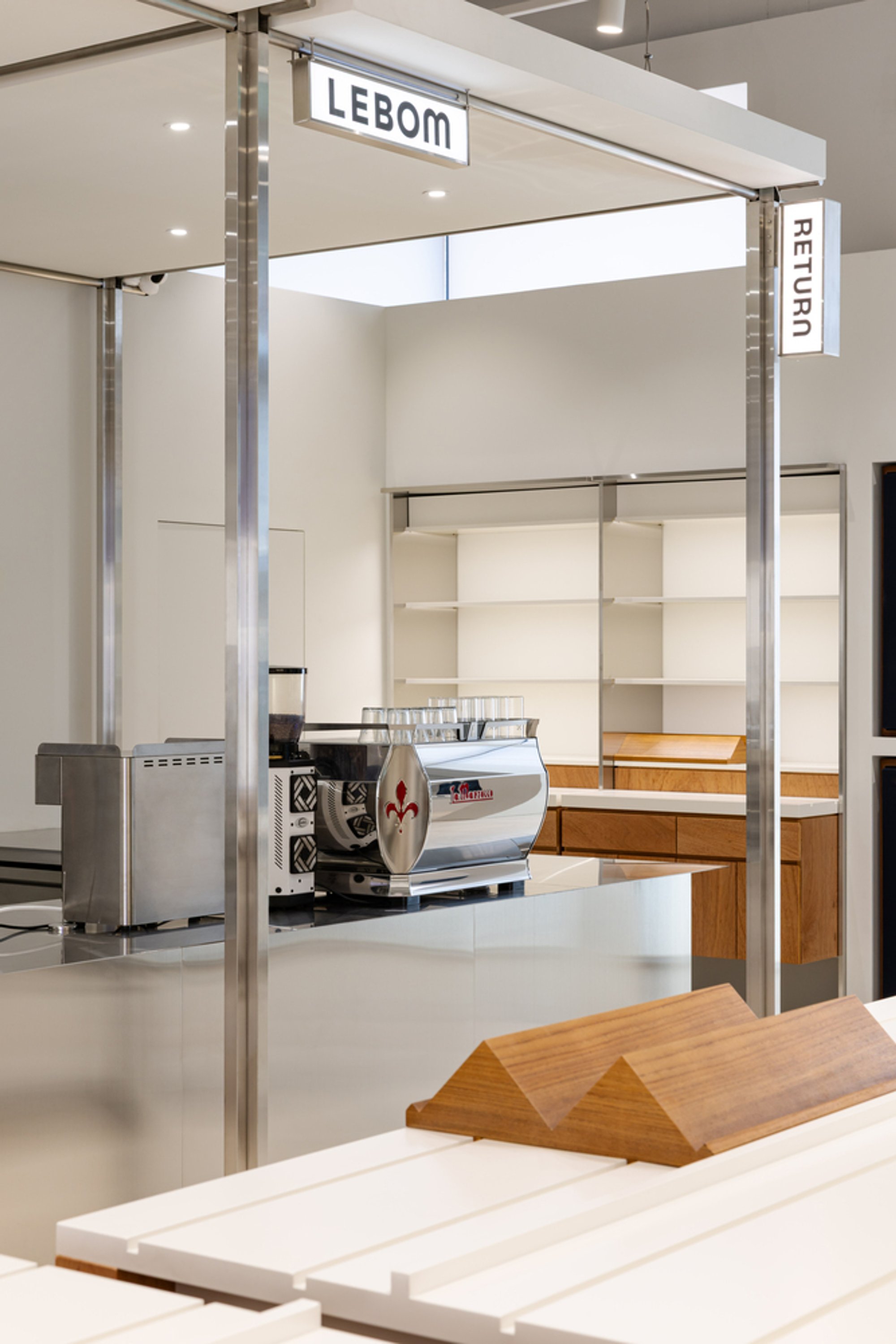
Lebom Cafe by unseenbird – A Comic-Inspired Interior Blending Reality and Virtuality
Lebom Cafe blends comic-inspired interiors, rotating panels, and modular displays to create an immersive, flexible pop-up space for dedicated fans.

Lebom Cafe by unseenbird in Seongdong-gu, Seoul, transforms the everyday café experience into an immersive environment where comics, culture, and contemporary design intersect. Led by architect Bioh Seon, the 225 m² interior reimagines how virtual influence, fandom culture, and graphic storytelling shape physical space in today’s rapidly evolving digital world.
A Space Where Daily Life Becomes a Scene
The design concept begins with the shifting boundaries between reality and virtuality. As technologies like AI, avatars, and AR-based entertainment become part of everyday routines, the architects interpret the café as a place where these virtual influences materialize. Lebom Cafe is envisioned as a space where ordinary moments feel staged—almost like stepping into a visual scene from a comic narrative.
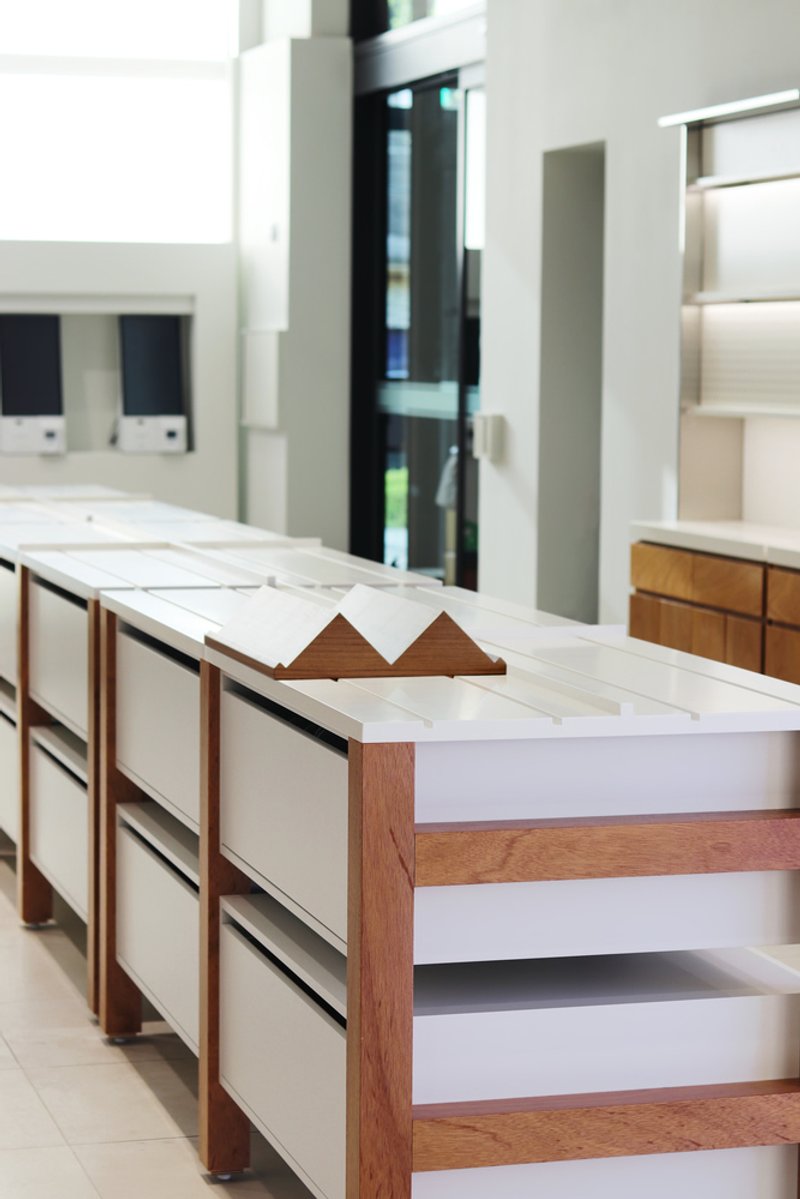
A Dedicated Hub for Comic Culture
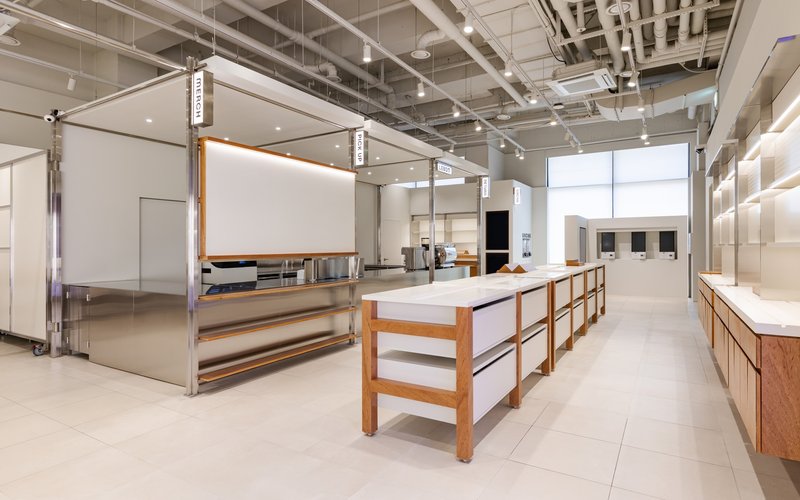
Designed for comic fans, Lebom Cafe serves as both a café and a flexible pop-up venue that regularly hosts comic-themed installations and fan events. The architects explored how deep enthusiasts carry comic worlds into real life, acknowledging that for many, these stories live far beyond screens or printed pages. The café becomes a physical extension of this emotional connection, offering a venue where fans can gather, interact, and immerse themselves within their favorite worlds.
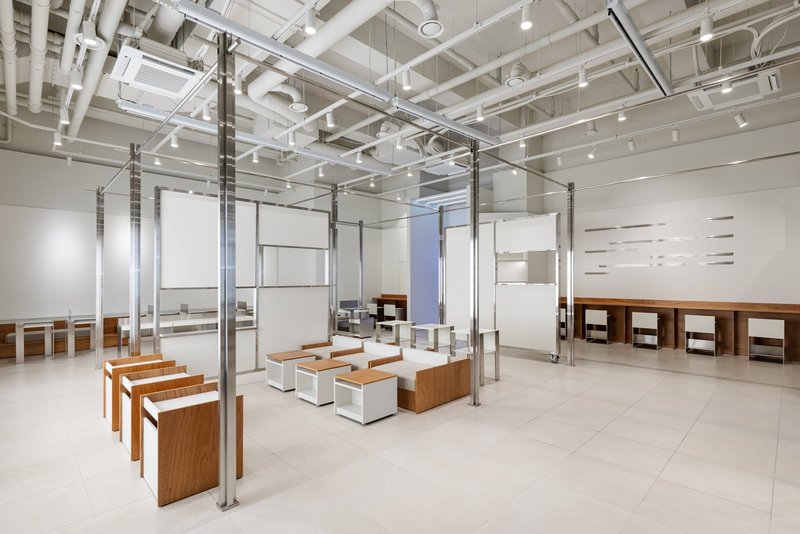
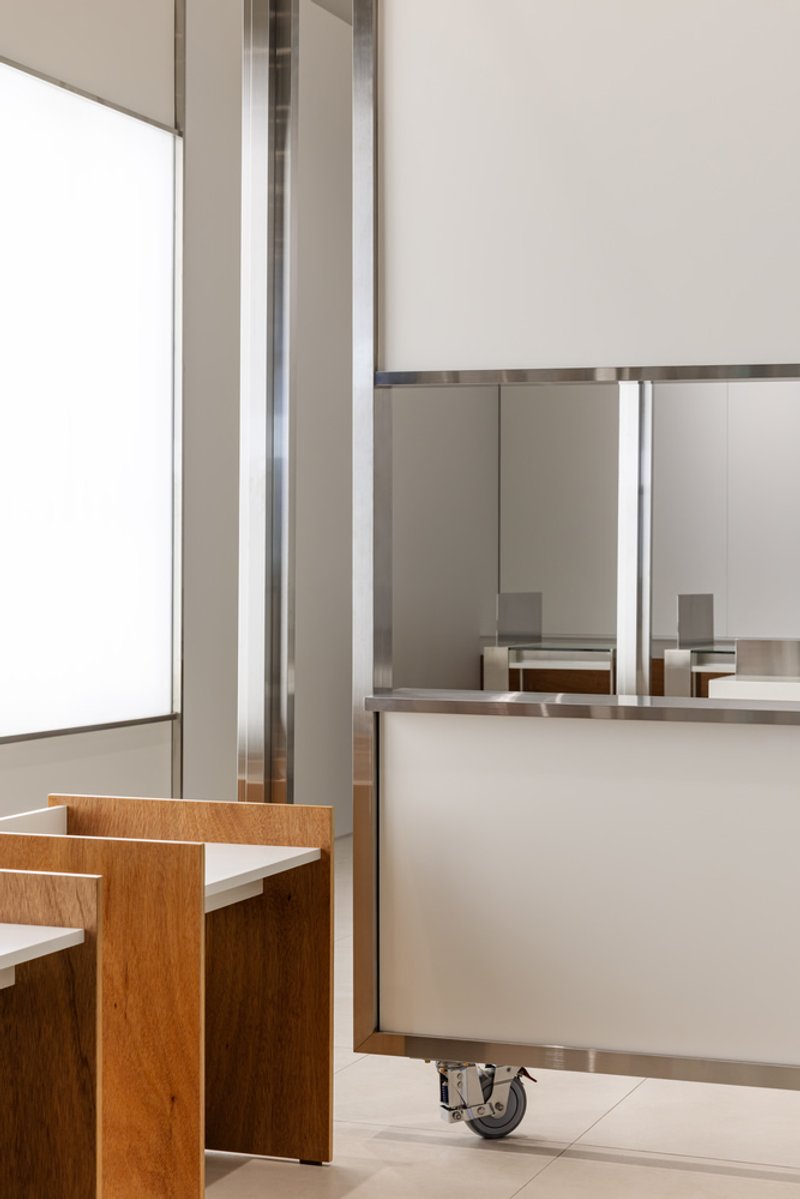
Comic Manuscript Paper as Spatial Identity
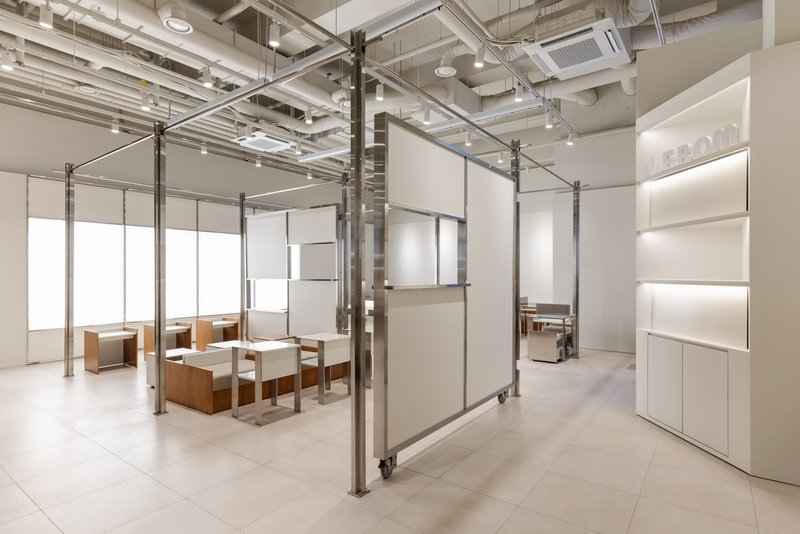
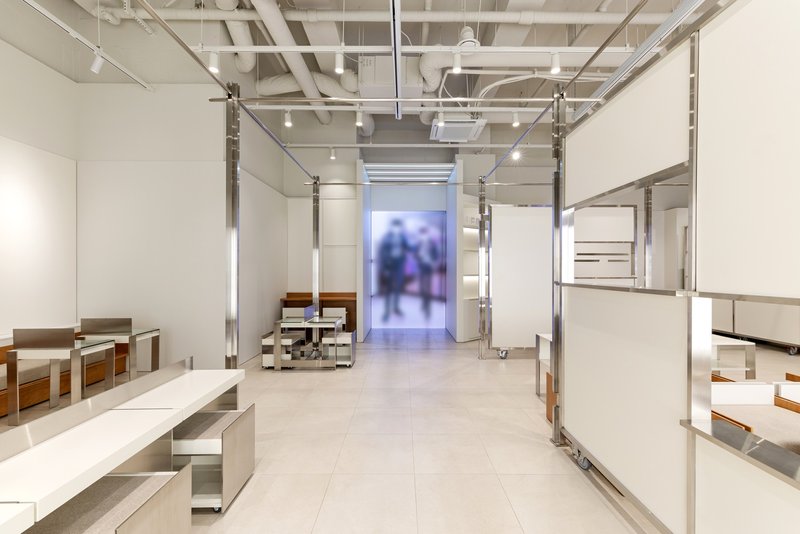
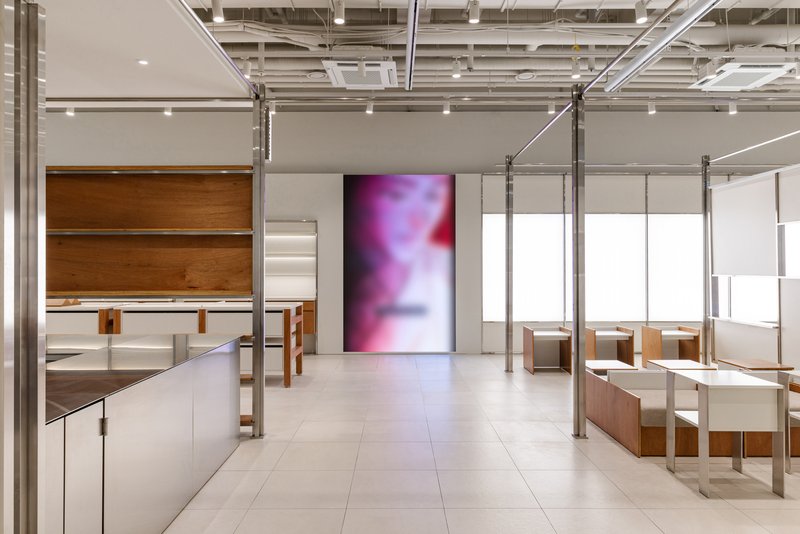
To support rotating comic displays and fan-driven pop-up events, unseenbird conceived the entire interior as a large-scale reinterpretation of comic manuscript paper. Walls, partitions, and structural elements evoke the graphic grid of traditional comic layouts, merging characters and visitors into a seamless visual narrative. In this environment, everyday actions—sitting, waiting, conversing—momentarily feel like scenes from a story.
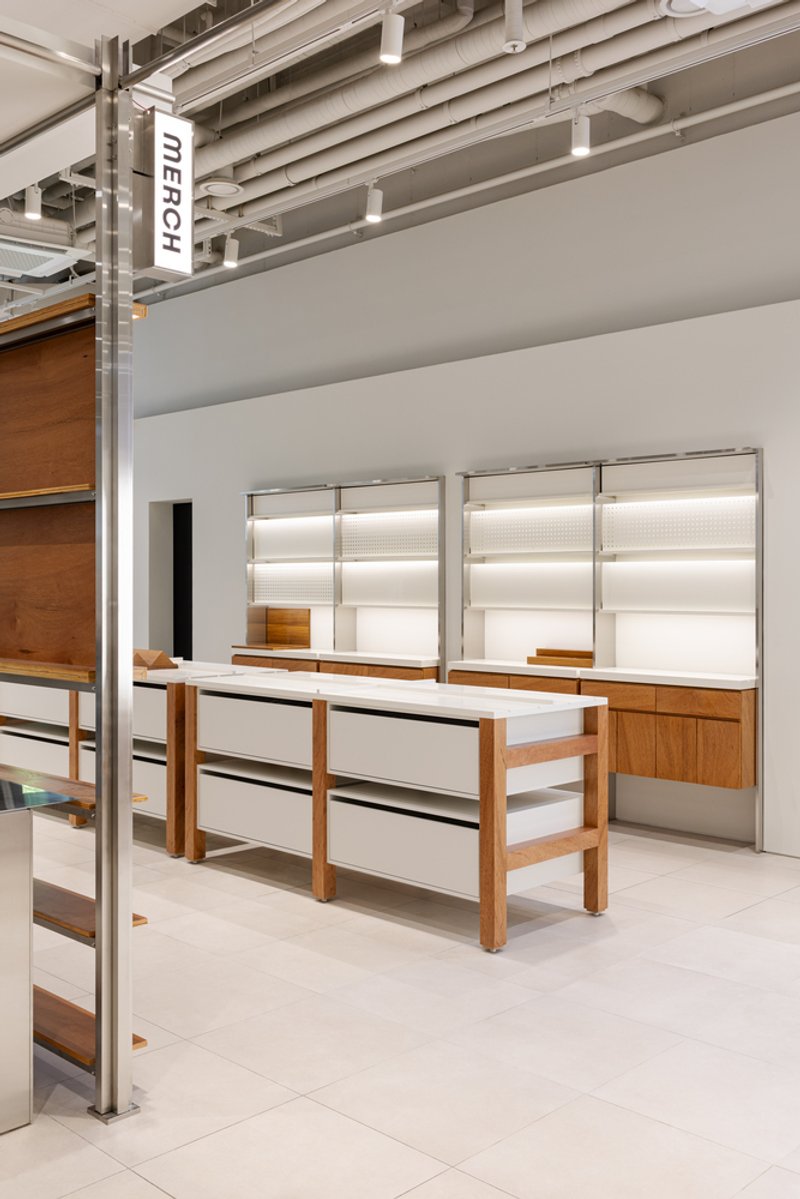
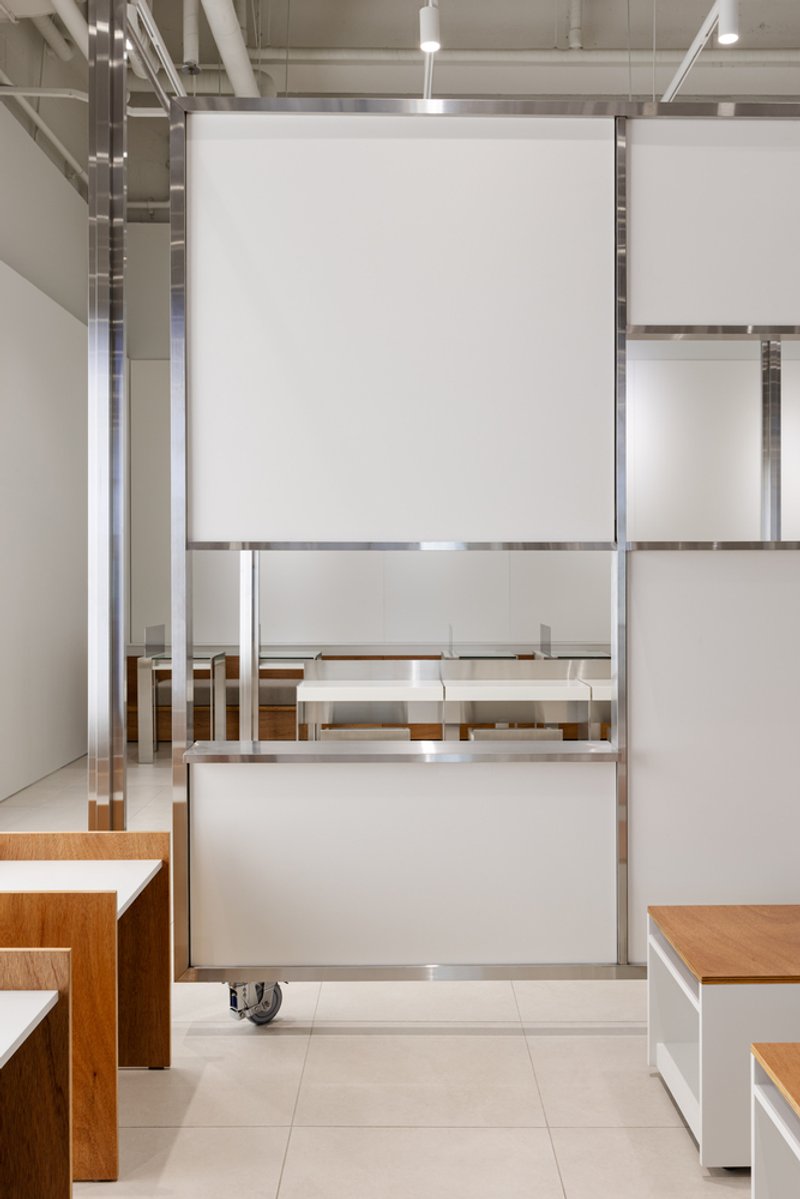
Flexible Rotating Panels for Pop-Up Events
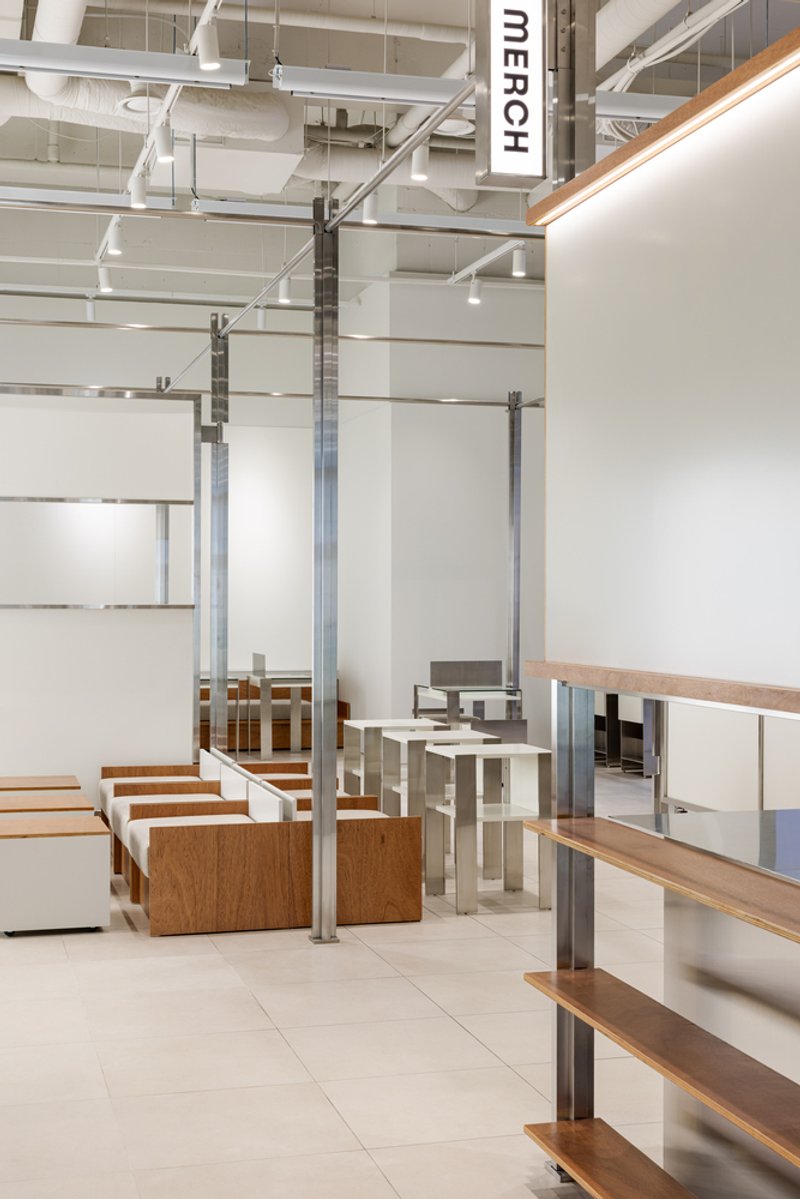
A central design feature is the rotating manuscript-paper-inspired panels. Much like flipping a comic page, these panels pivot to create new layouts depending on the event. During signing sessions, exhibitions, or fandom gatherings, the movable panels function as partitions or backdrops. The mechanism evolved into a cross-shaped structural pillar and upper frame system capable of supporting banners, signs, and decorative elements, making it a signature architectural component of the café.
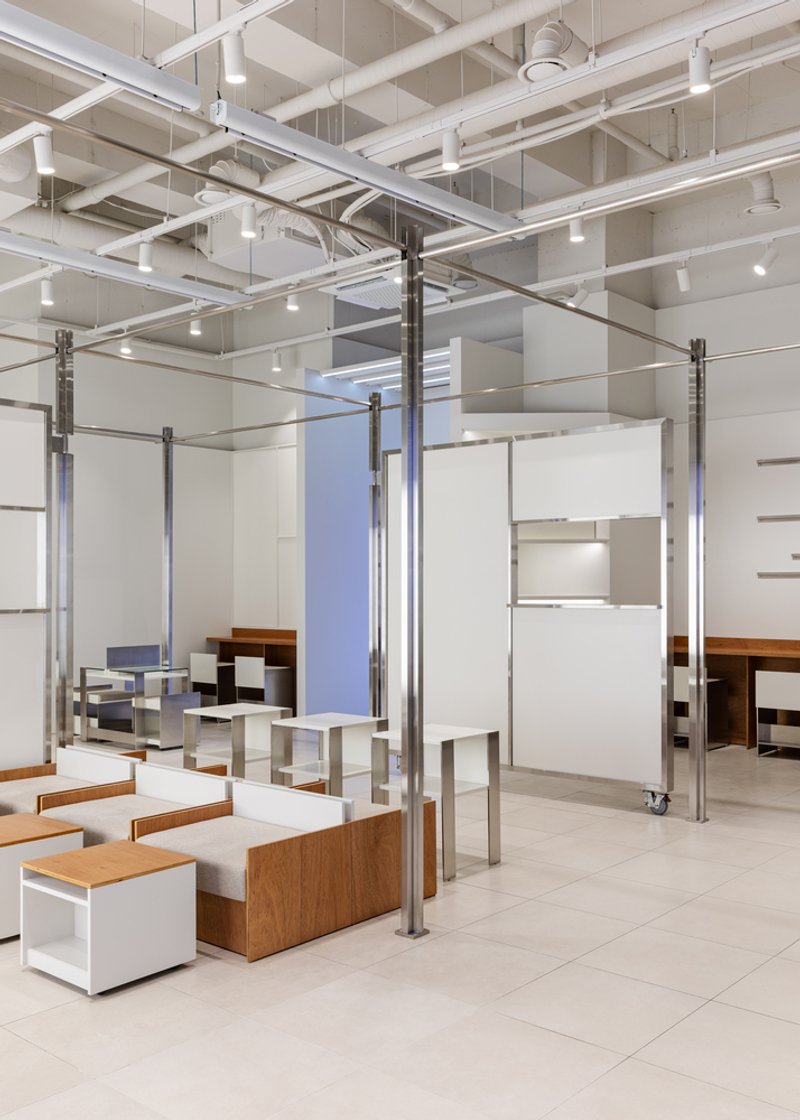
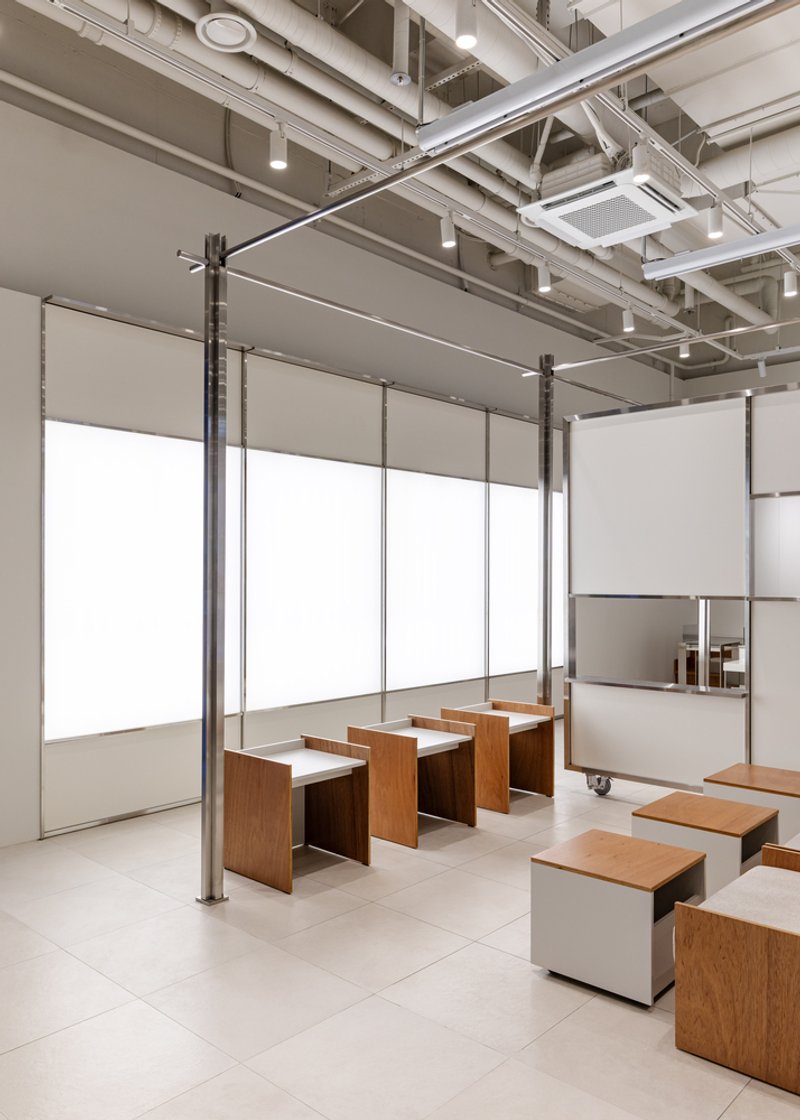
Modular Furniture Supporting Ever-Changing Displays
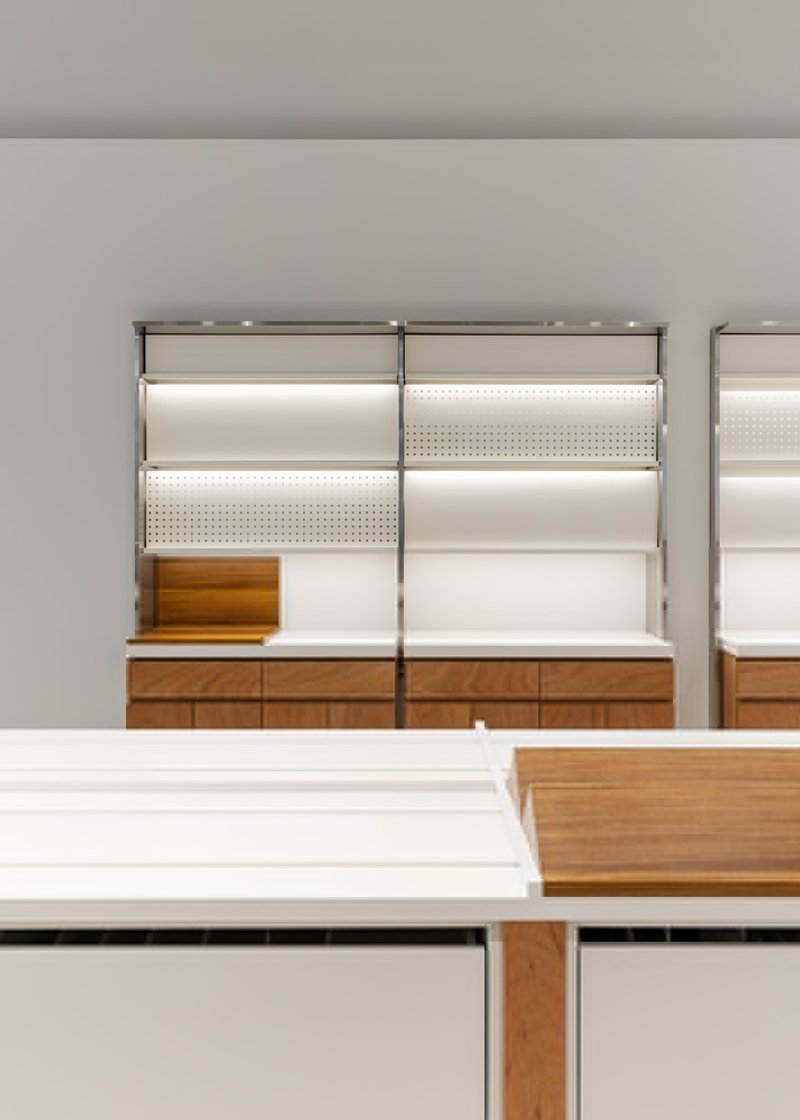
Since each pop-up event introduces unique merchandise and visual content, the furniture system is designed as modular units. Tables, stands, and shelving morph to accommodate goods of different sizes and formats. Lightweight stands sit atop cabinets and display areas, enhancing flexibility and ensuring the interior always adapts to the thematic identity of the current comic installation.
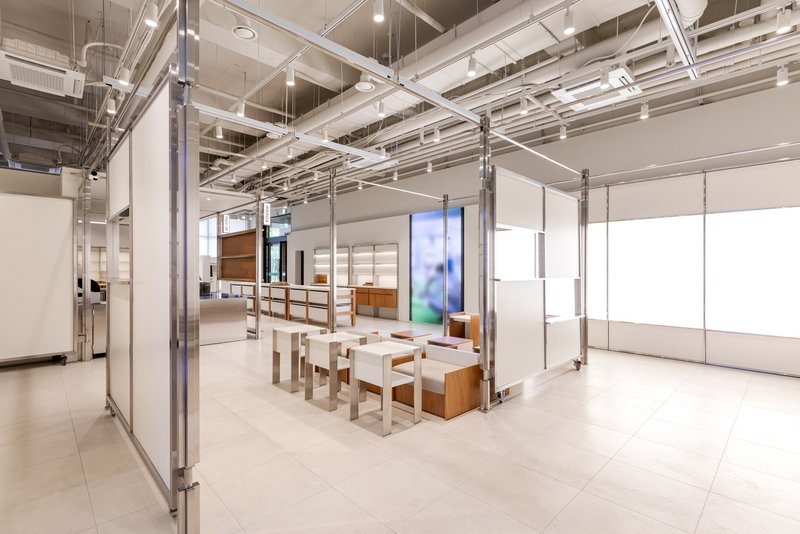
A Space for Individual Expression and Community Culture
Lebom Cafe reflects the growing cultural value placed on personal taste and niche fandoms. As individual expression becomes more celebrated, the architects envision the café as a supportive platform that nurtures community-driven engagement. The adaptable comic-themed environment encourages fans, artists, and creators to come together, contributing to a dynamic cultural space rooted in storytelling and visual identity.
All photographs are works of Sunghoon Han



Popular Articles
Popular articles from the community

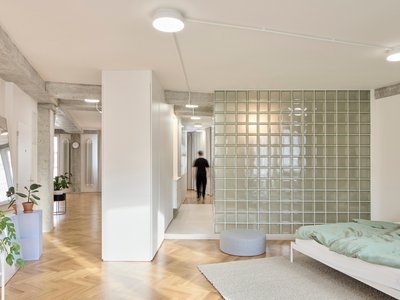
RDTH architekti Rips Out Nearly Every Wall in a Prague Apartment and Replaces Them with Furniture
A 101-square-meter post-war flat in Prague trades rigid partitions for a single rotated furniture block, curtains, and glass concrete.
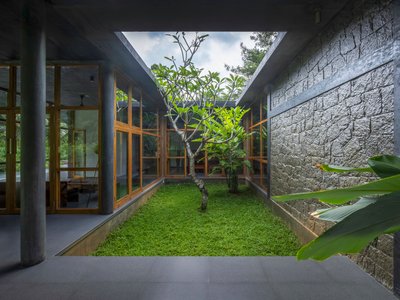
3dor Concepts Wraps a Kerala Home in Mirrored Concrete Arcs Around a Courtyard Tree
In the Western Ghats foothills of Thamarassery, a 270 m² single-story house uses two curved volumes to frame nature as its center.
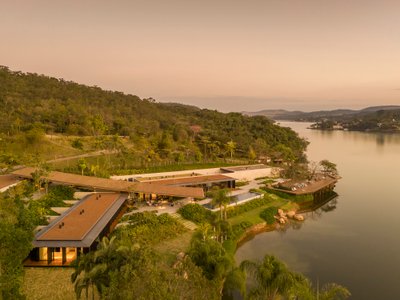
Bernardes Arquitetura Stretches a Timber Roof Along a Reservoir's Edge in Minas Gerais
Dam House in Itaúna lets a sweeping wooden canopy dissolve the boundary between hillside terrain and open water.
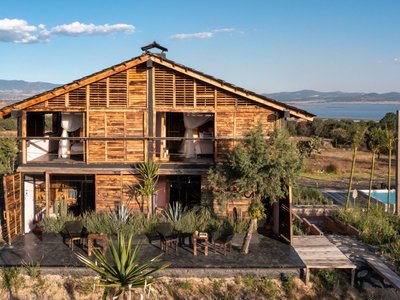
Fausto Terán and Toro Fuse Japanese Craft with Mexican Tradition in a Lakeside Retreat
Nakamura House pairs Shou-Sugi-Ban charred pine with handmade clay tile at the foot of Atlangatepec Lagoon in Mexico.

Similar Reads
You might also enjoy these articles

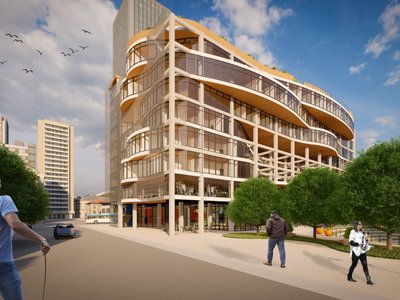
Olio Towers: A Mid-Rise for Performers That Fuses Housing, Rehearsal, and Stage
Located blocks from Houston's Theater District, this modular tower stacks living units around a central performance atrium.
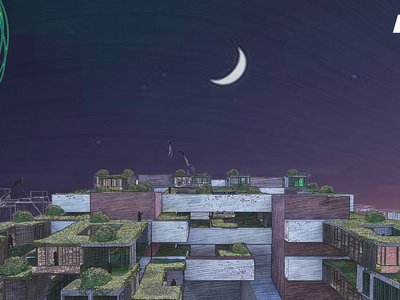
Oasis: Modular Green Housing Carved into Dhaka's Urban Fabric
A shortlisted Plugin Housing entry reclaims unauthorized settlements in Dhaka with stepped concrete volumes, green roofs, and ventilation-driven design.

Black Hole: A Floating Megastructure for the Post-Physical Era
Emiliano Mazzarotto envisions a spherical, self-scaling arena where e-sports, digital hotels, and holographic stadiums replace traditional public space.
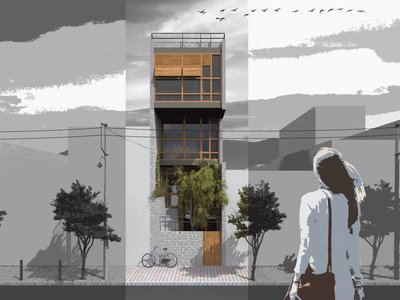
Compact & Sustainable Living in Piraeus: A Four-Level Family Home Built Around Light and Air
A narrow townhouse in one of Greece's densest port cities uses a central atrium and passive strategies to house three generations under one roof.

Explore Architecture Competitions
Discover active competitions in this discipline




The International Standard for Design Portfolios


The Global Benchmark for Architecture Dissertation Awards


The Global Benchmark for Graduation Excellence


Challenge to reimagine the Iron Throne
Comments (0)
Please login or sign up to add comments
No comments yet. Be the first to comment!