
Mangrove Village: A Sustainable Solution to Semarang’s Rising Sea Levels
Exploring Mangrove Village's sustainable floating islands addressing Semarang’s flooding and sea level rise challenges.

Mangrove Village, a groundbreaking project envisioned by Michaela Clinger and a shortlisted entry in Afloat 2.0, aims to preserve Semarang's unique cultural and natural heritage. This innovative initiative focuses on creating sustainable floating islands that address economic, cultural, and ecotourism needs while combating the challenges posed by rising sea levels. In this article, we explore the intricate details of Mangrove Village, its context within Semarang, and the potential benefits it brings to the region and Indonesia as a whole.
Understanding Semarang’s Context
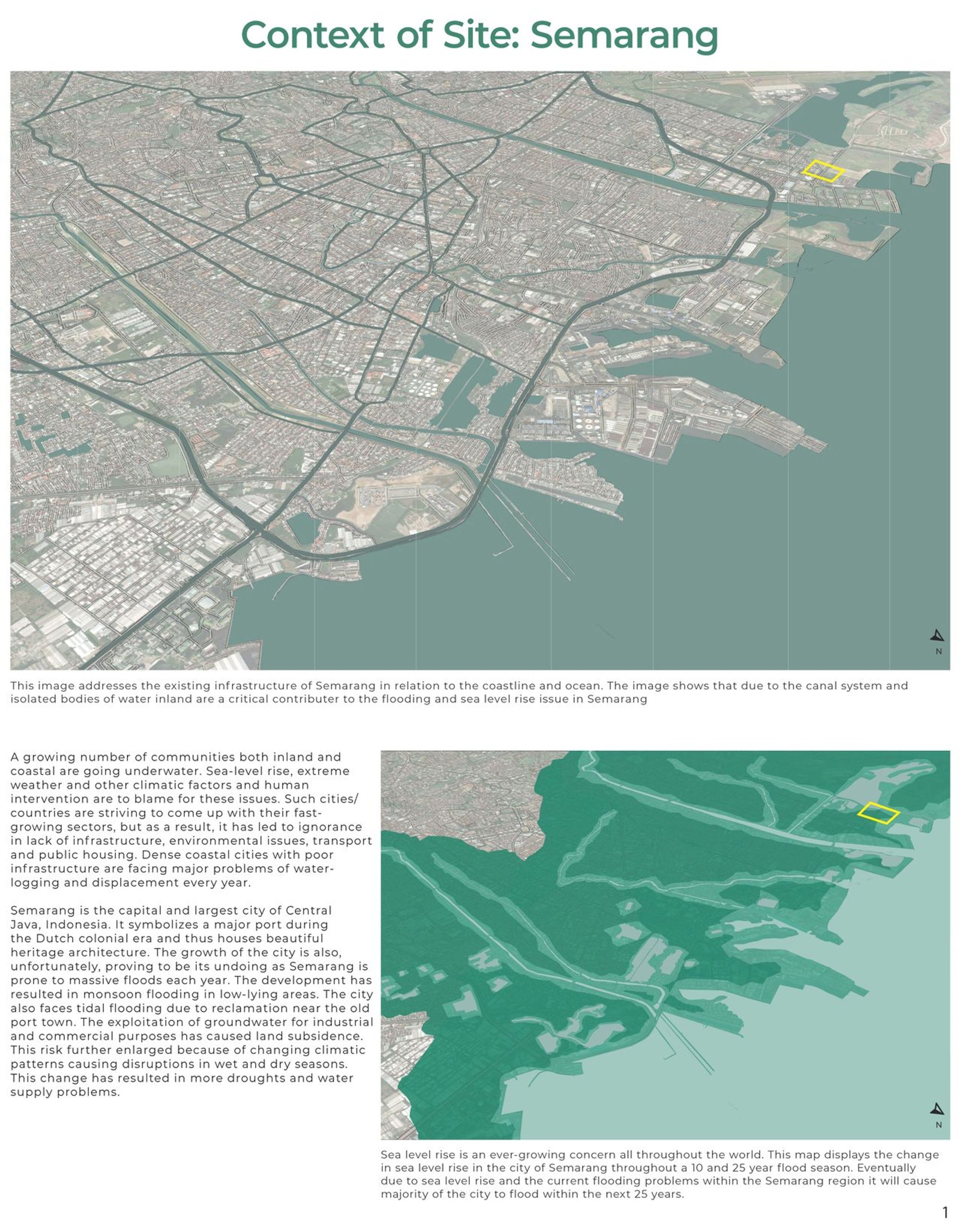
Semarang, the bustling capital of Central Java, Indonesia, boasts a rich history as a major port during the Dutch colonial era, evident in its stunning heritage architecture. However, the city’s rapid growth has led to severe flooding issues, exacerbated by a complex canal system and isolated inland water bodies. These factors contribute significantly to the city's vulnerability to sea-level rise, affecting both inland and coastal communities.
Semarang's geographical and climatic challenges are compounded by human activities. The city faces recurrent monsoon floods in low-lying areas and tidal flooding due to reclamation near the old port town. Industrial and commercial groundwater exploitation has caused land subsidence, further intensifying flooding risks. Changing climatic patterns disrupt wet and dry seasons, leading to more frequent droughts and water supply issues.
Sea level rise is a global concern, and projections for Semarang are alarming. Within the next 25 years, a significant portion of the city is expected to be submerged due to rising sea levels and current flooding problems. This dire situation underscores the urgency of sustainable solutions like Mangrove Village.
The Vision of Floating Islands
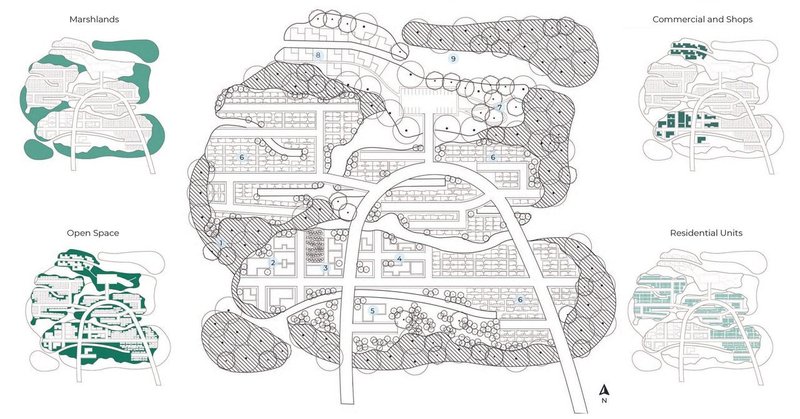
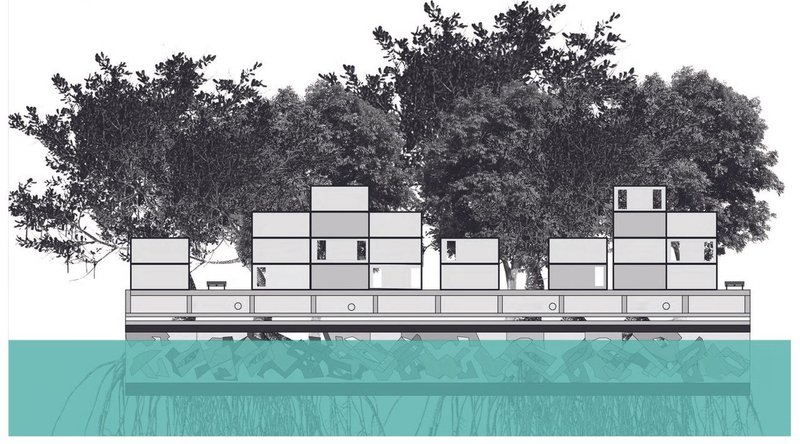
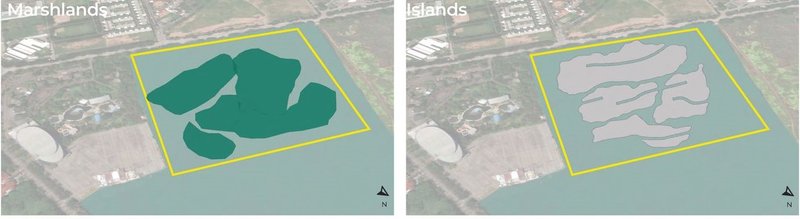
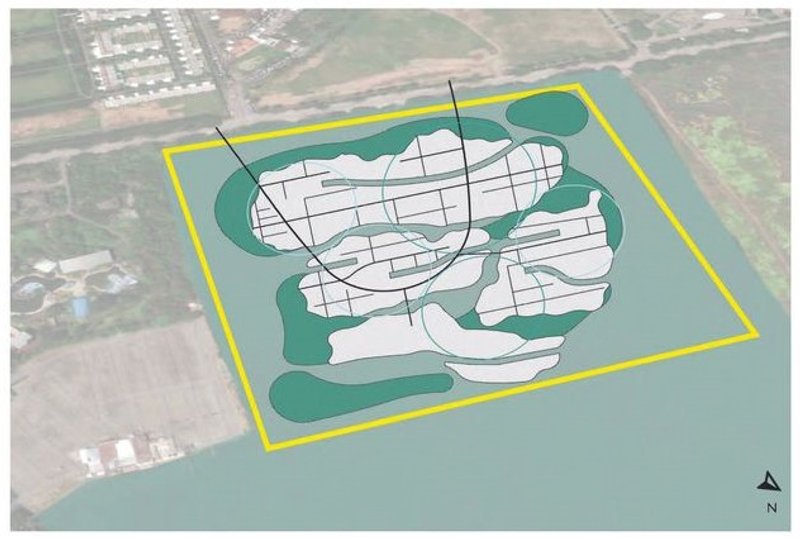
Mangrove Village integrates human and natural systems to create a resilient and harmonious environment. The project emphasizes the strategic placement of water inlets and the incorporation of marshlands and mangrove trees, which are essential for mitigating sea level rise and protecting the floating islands.
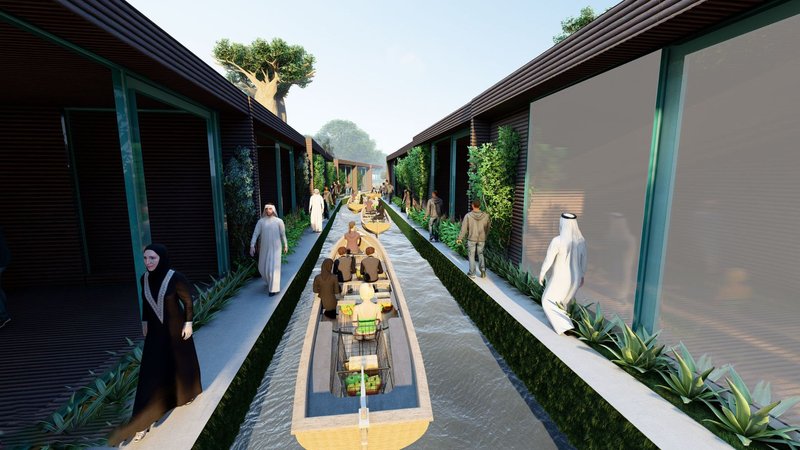
The design of the floating islands underscores the relationship between people and water. Water inlets, strategically placed throughout the site, play a critical role in Indonesian culture and survival. These inlets provide recreational and economic benefits, as well as transportation opportunities. By reducing the wave length and speed hitting the ocean, they help prevent water from spilling over onto the islands.
The road system within Mangrove Village is thoughtfully organized to ensure connectivity and accessibility. Main roads loop around the islands, serving as entry points that connect to smaller roads. These smaller roads facilitate east-west connections and include sidewalk links to commercial and residential areas, promoting seamless movement within the community.
Embracing Natural Systems
Mangrove trees, native to Indonesia, are pivotal to the ecological and economic stability of island countries facing sea level rise. These trees significantly reduce wave patterns and mitigate sea level rise by acting as natural barriers. The integration of marshlands with mangroves in Mangrove Village provides a protective shield against water intrusion, benefiting the islands and their inhabitants.
Master Plan and Community Spaces
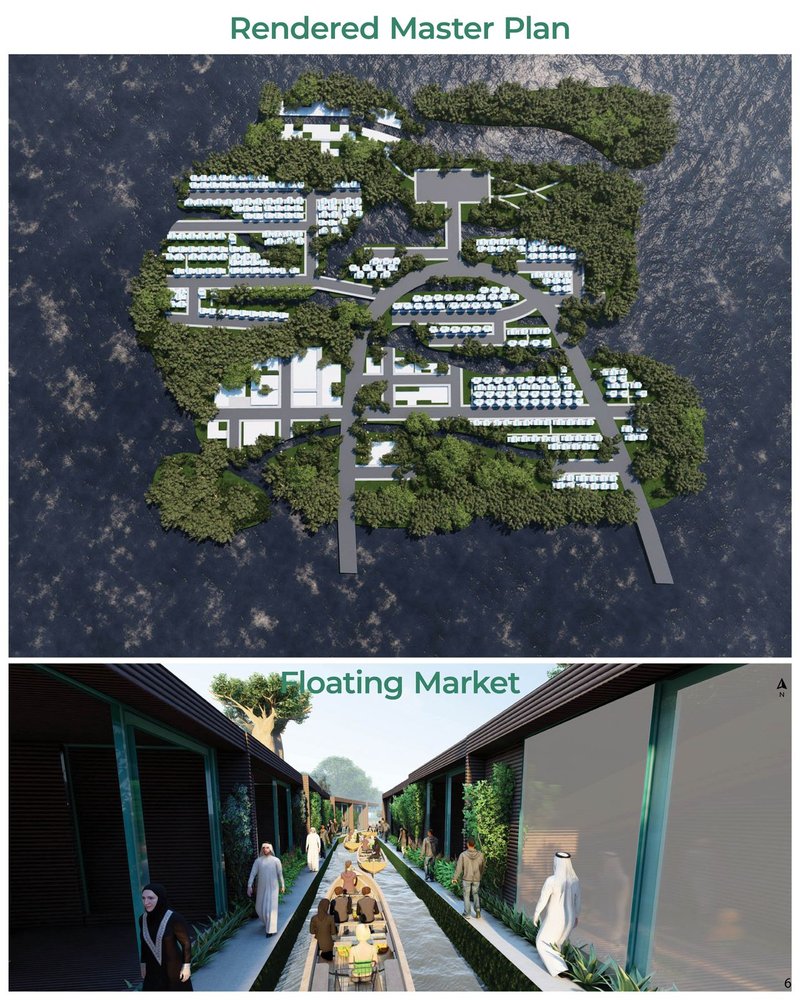
The master plan of Mangrove Village is a testament to thoughtful and sustainable design. It includes various functional areas that cater to the needs of the community, ensuring a balance between ecological, cultural, and economic elements. The floating dock enhances connectivity and accessibility, serving as a central feature of the village.
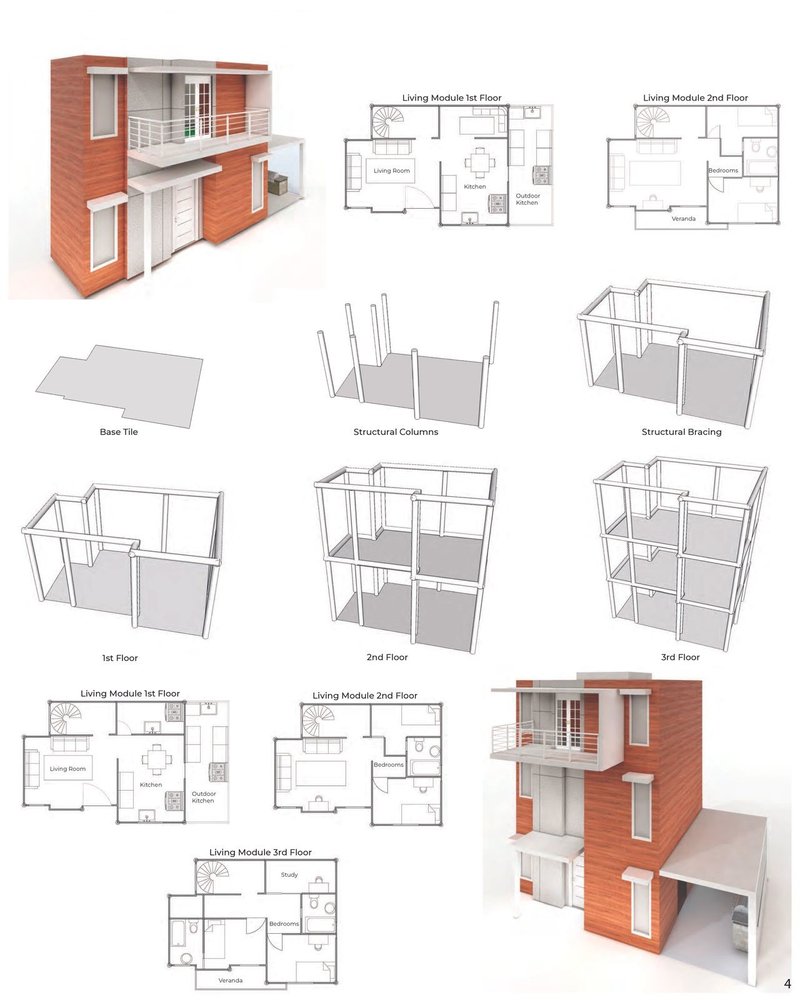
The housing designs cater to diverse income levels, promoting inclusivity and diversity within the community. Low and middle-income housing modules are designed with functionality and sustainability in mind. These modules include essential spaces such as living rooms, kitchens, outdoor kitchens, bedrooms, and verandas. The structural integrity of these houses is ensured through robust columns and bracing.
For high-income residents, the housing modules are more expansive and feature additional amenities like planting beds and rooftop seating areas. These houses reflect the cultural and historical aspects of Semarang and Indonesia, emphasizing natural lighting, outdoor kitchens, and open windows for ventilation and community gatherings.
Community and Green Spaces
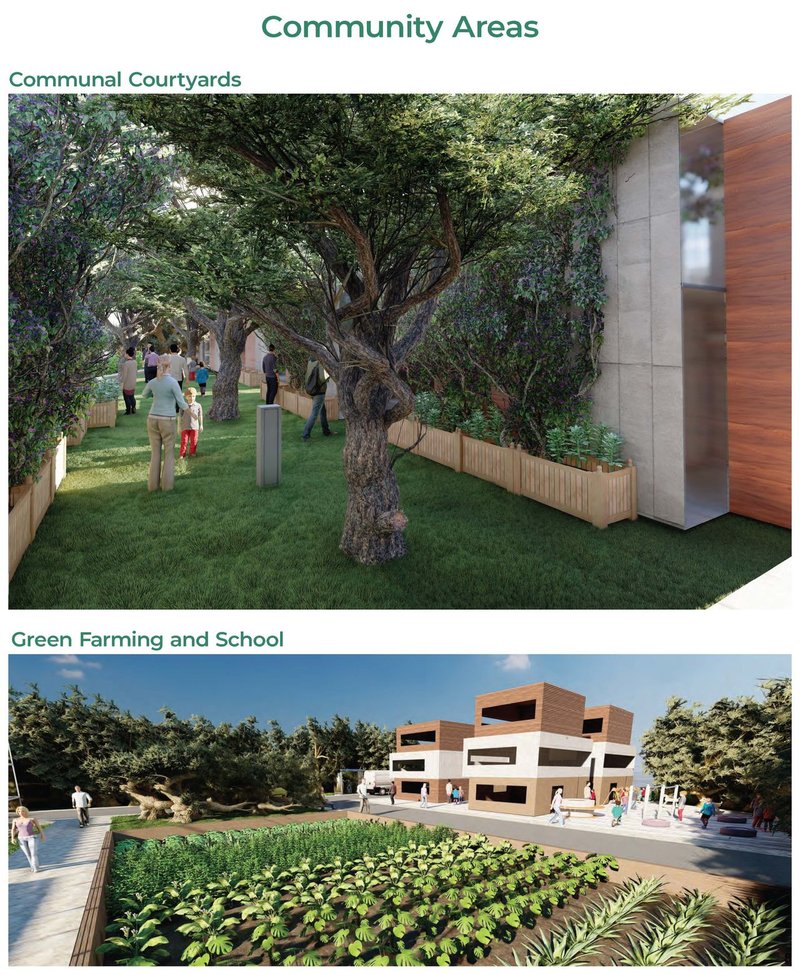
Mangrove Village is designed to foster a sense of community and promote sustainable practices through communal courtyards and green farming areas. The green farming and school area integrates education and agriculture, encouraging residents to engage in eco-friendly activities. These spaces provide opportunities for social interaction, learning, and community building.
Design Philosophy and Process
Michaela Clinger's design process for Mangrove Village was iterative, focusing on balancing ecological, cultural, and ecotourism elements. The intent was to prioritize urban sustainability while reflecting the historical and cultural heritage of Semarang. Mangrove trees, with their deep roots and ability to reduce wave retention, are central to the design, providing structural stability and ecological benefits.
The organization of elements across architectural, site, and urban levels emphasizes natural and significant features. The design incorporates local materials and sustainable practices, ensuring the longevity and resilience of the community. Programmatic elements were condensed to focus on ecological, cultural, and ecotourism aspects, enhancing the sustainability and cultural significance of the design.
Future Expansion
Mangrove Village's modular design allows for easy replication and expansion. The floating islands, though not interlocking, can be extended beyond the initial site boundaries to include additional programmatic elements as needed. This flexibility ensures the project can adapt to future challenges and opportunities, creating a sustainable and resilient community for generations to come.
Mangrove Village represents a bold and innovative approach to urban design and sustainability. By addressing the pressing issues of sea level rise and flooding, the project not only safeguards Semarang's unique culture and natural environment but also provides a model for other coastal cities facing similar challenges. Through the integration of ecological, cultural, and economic elements, Mangrove Village exemplifies how thoughtful design can create resilient and thriving communities.



Popular Articles
Popular articles from the community

Inverted Architecture Installation by Studio Link-Arc: Exploring the Intersection of Architecture and Living Organisms
Inverted Architecture Installation by Studio Link-Arc blends mycelium, sustainability, inverted design, ecological cycles, and urban adaptive architecture in Shenzhen.
Treehouse Apartment: A Warm Timber Interior Blending Craft, Play, and Contemporary Living
Warm timber apartment with integrated treehouse, combining natural materials, craftsmanship, and playful design to create a flexible, family-oriented living environment.
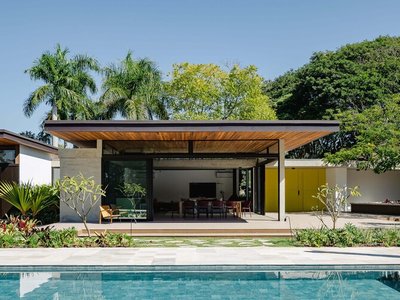
Flamboyant House by Juliana Camargo + Prumo Projetos
Modern Brazilian house integrating existing tree, pool, and volumes with glass, wood, and transitional spaces blending interior, exterior, and landscape seamlessly.
On the Brooks House by Monsoon Collective – A Contemporary Kerala Home Rooted in Tradition
Kerala home blending tradition and modernity with water-inspired design, brick architecture, courtyard planning, and sustainable rainwater harvesting strategies.


Similar Reads
You might also enjoy these articles


The Ken Roberts Memorial Delineation Competition (Krob)
As the most senior architectural drawing competition currently in operation anywhere in the world, it draws hundreds of entries each year, awarding the very best submissions in a series of medium-based categories.
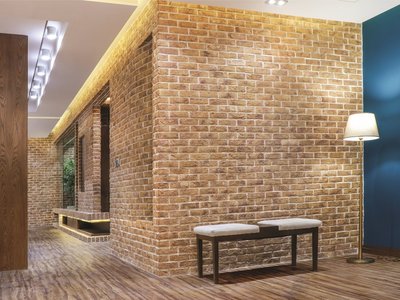
A Contemporary Take on Iranian Residential Architecture
A modern interior design in Mashhad that reinterprets brick, light, and spatial flow to create a warm, contemporary residential architecture.
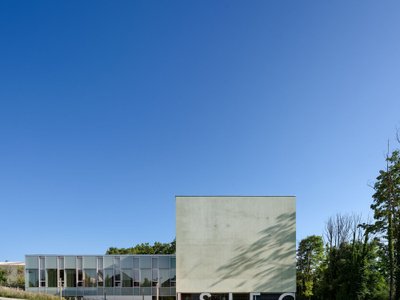
Franche-Comté Advanced School of Engineering by Dominique Coulon & associés, Besançon
A flexible engineering school immersed in woodland, combining concrete minimalism, adaptable spaces, and natural light to support evolving educational environments.

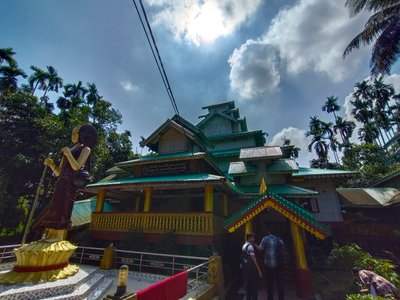
Documentation Work on Buddhist Wooden Temple
Architectural syncretism and cultural hybridity: A comparative study of the Buddhist temples in Chattogram Hill tracks


Explore Architecture Competitions
Discover active competitions in this discipline




The International Standard for Design Portfolios


The Global Benchmark for Architecture Dissertation Awards


The Global Benchmark for Graduation Excellence


Challenge to reimagine the Iron Throne
Comments (0)
Please login or sign up to add comments
No comments yet. Be the first to comment!