

Modern History of Christianity Museum: A Landmark in Modern Religious Architecture
The Modern History of Christianity Museum by Kode Architects redefines modern religious architecture through symbolism, minimalist aesthetics, and a spiritually immersive spatial experience.


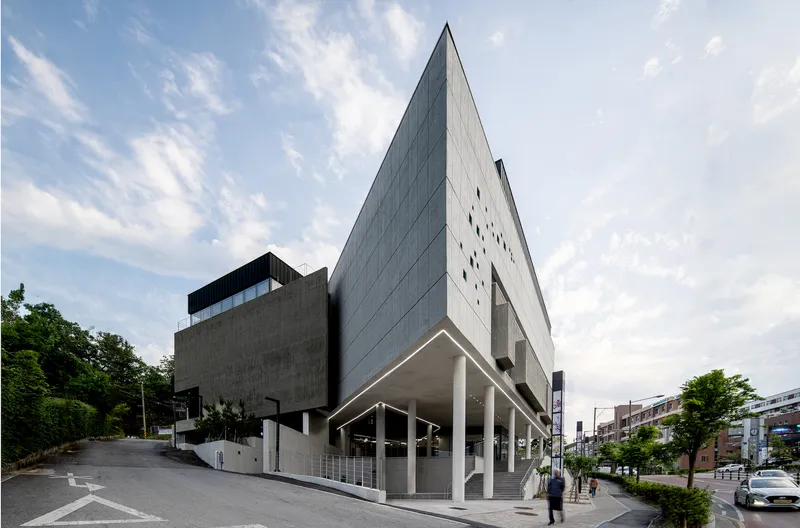
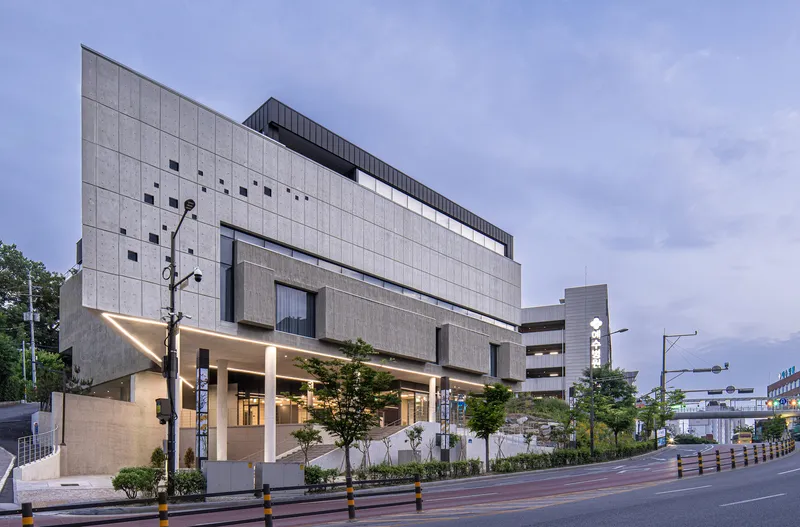
The Modern History of Christianity Museum, designed by Kode Architects, is a striking example of modern religious architecture that encapsulates spirituality, symbolism, and architectural innovation. Located in South Korea, this 620m² museum is a contemporary interpretation of Christian values, balancing abstraction and functionality to create a meaningful space for reflection and education.

A Design Rooted in Christian Symbolism
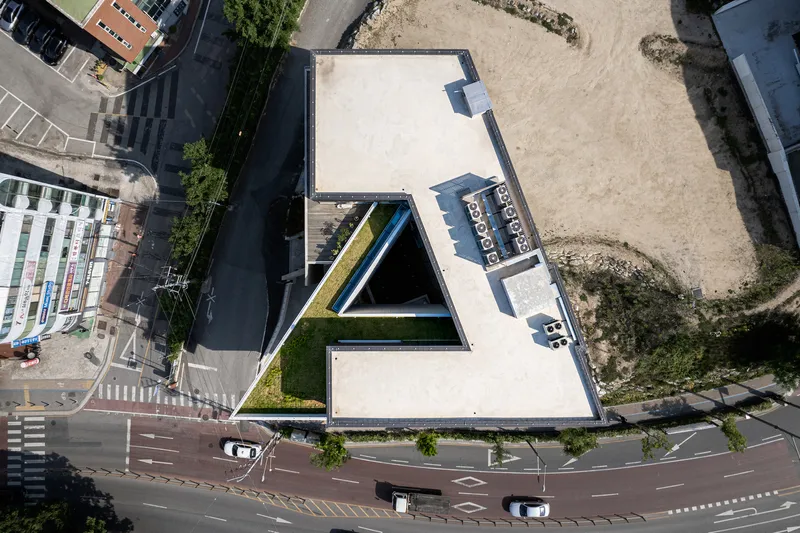
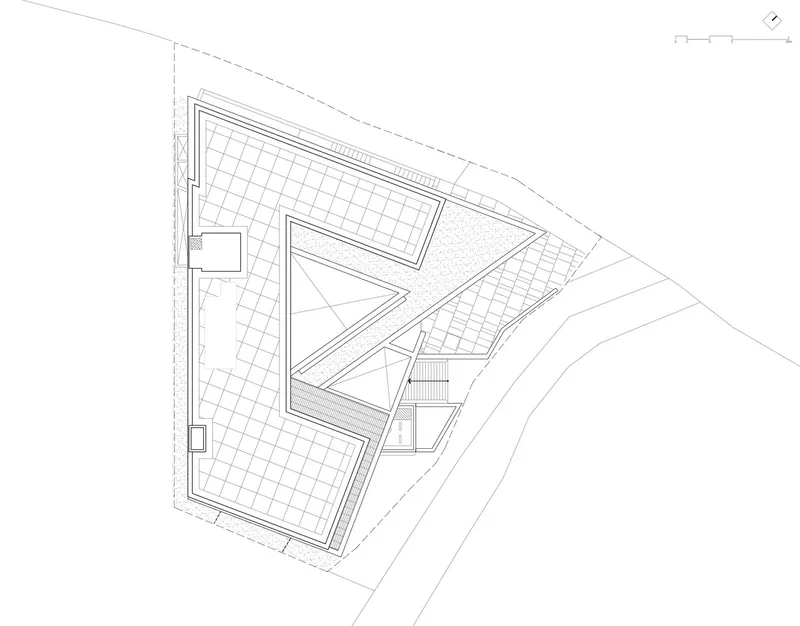
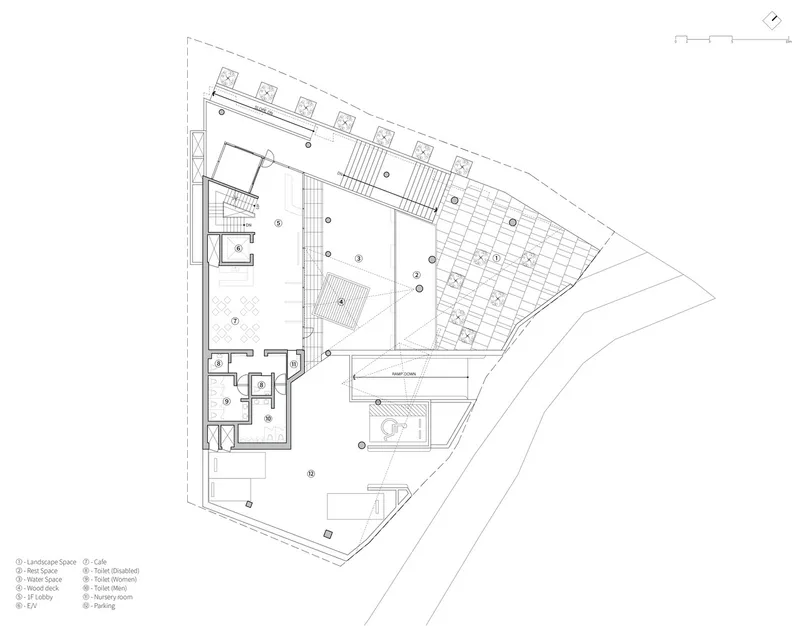
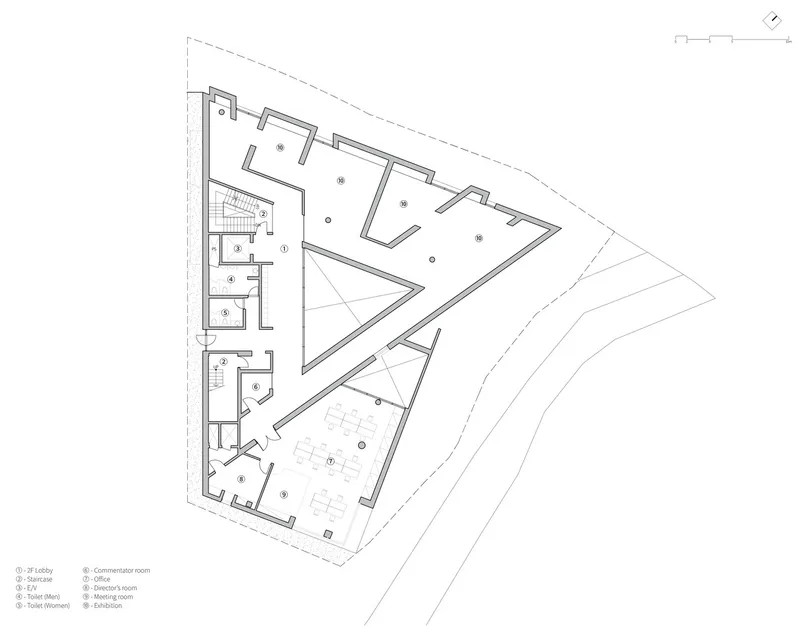
The design concept of the museum is deeply influenced by the core tenets of Christianity. The idea of the Trinity—Father, Son, and Holy Spirit—is reflected in the spatial relationships and geometric composition of the building. The triangular courtyard, a central element in the design, is a symbolic representation of the connection between humanity and divinity. Open to the sky, the courtyard embodies the aspiration toward heaven while maintaining a sense of seclusion that encourages contemplation.


The museum’s first floor, in contrast, is designed for interaction and engagement, representing the connection between people. This duality—between divine inspiration and earthly communication—is a key feature of the architectural narrative, making the museum not just a place to exhibit Christian history but also a spiritual experience in itself.

An Abstract and Minimalist Architectural Approach
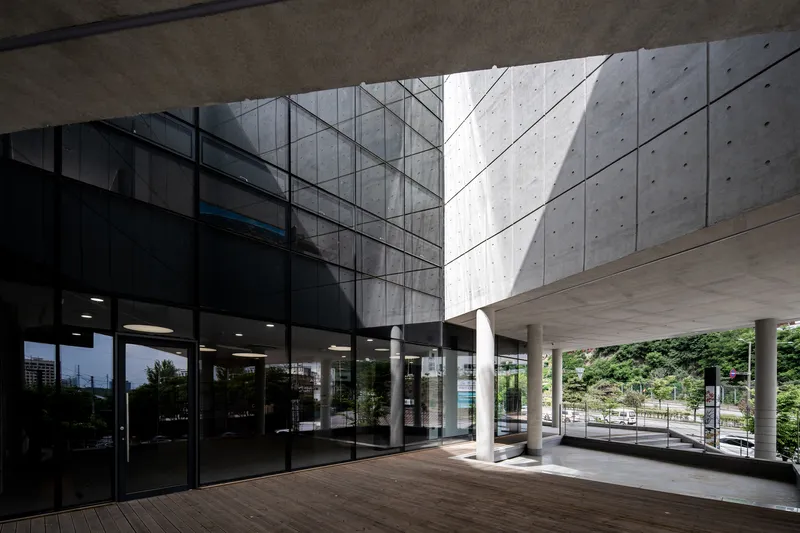
Kode Architects employs a minimalist design language to reinforce the museum’s spiritual essence. Concrete, a material often associated with strength and permanence, is used extensively throughout the building, lending it a timeless quality. The restrained material palette and absence of excessive ornamentation allow the space itself to speak, guiding visitors through an introspective journey.

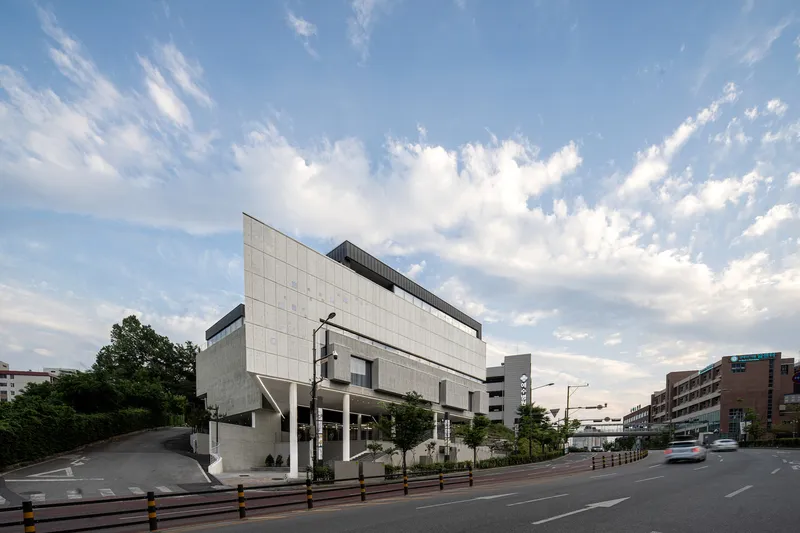
The courtyard acts as both a visual and spiritual anchor for the museum. Its simplicity enhances the feeling of transcendence, while the way light interacts with the enclosed space creates an ever-changing play of shadows that adds depth to the experience. The juxtaposition of enclosed walls and open sky establishes a connection between the finite and the infinite, a recurring theme in religious architecture.

Optimized Circulation for an Immersive Experience
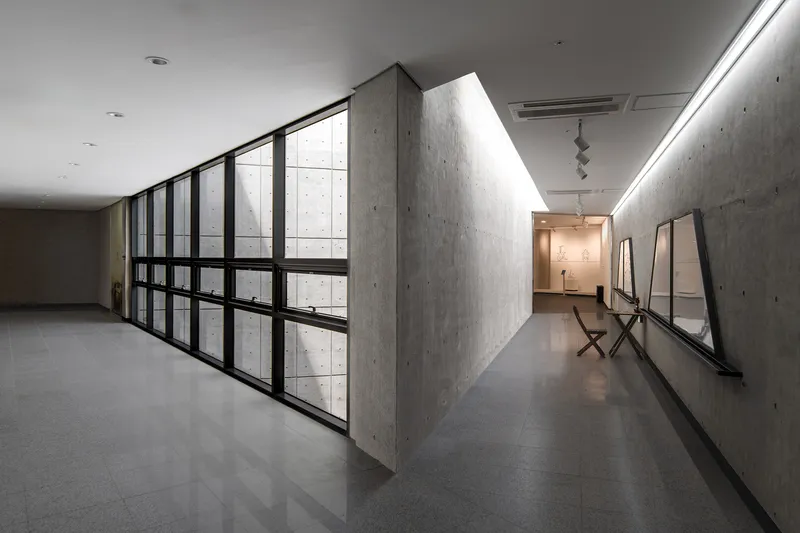
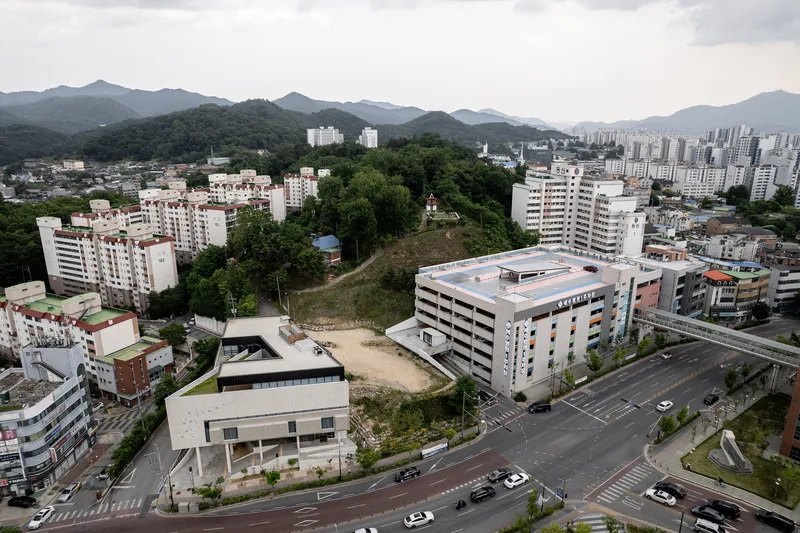
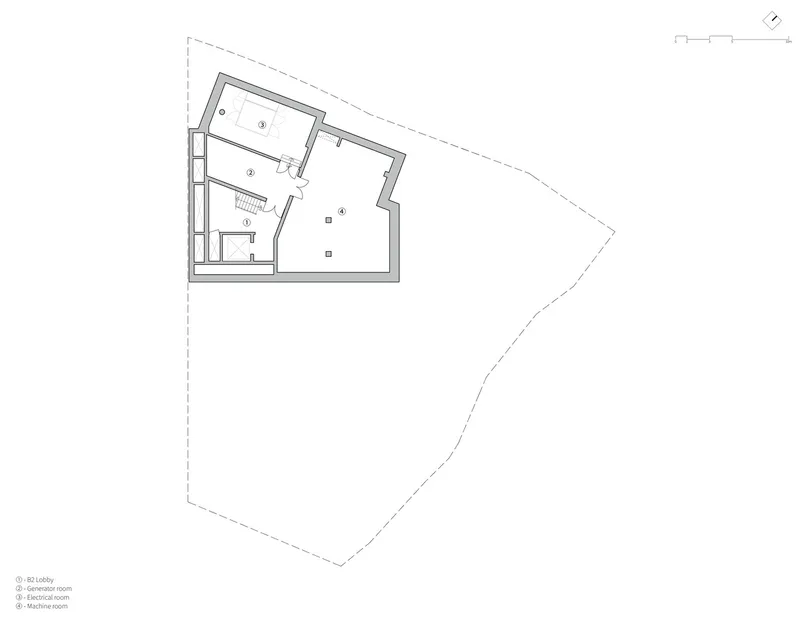
The museum’s layout is meticulously planned to enhance visitor experience and optimize circulation. The corridor-type hallway directs movement in a unidirectional flow, allowing visitors to journey through different exhibition spaces without disruption. This carefully structured path ensures that the narrative of Christian history unfolds seamlessly as visitors move through the museum.


Each floor is designed to offer a distinct experience. The lower floors include multipurpose spaces that foster community interaction and engagement. Large openings strategically placed within the structure visually connect the interior with the exterior, reinforcing the idea that faith and history are not confined within walls but extend beyond physical boundaries. The walls themselves function as frames, offering curated views of the surroundings, creating a dialogue between the building and its context.

A New Paradigm in Modern Religious Architecture
The Modern History of Christianity Museum redefines religious architecture by merging historical significance with contemporary design principles. It serves as a testament to how modern architecture can reinterpret traditional religious spaces without compromising their spiritual essence.


By integrating symbolism, minimalist aesthetics, and thoughtful spatial planning, the museum creates a profound environment where visitors can engage with history while experiencing moments of contemplation. It stands as a pioneering example of modern religious architecture, demonstrating that places of worship and reflection can evolve while staying true to their foundational beliefs.


All Photographs are works of Won-Jun Jang



Popular Articles
Popular articles from the community


Riyadh For All: Intergenerational Urban Design for Active Aging in Rabat
Riyadh For All reimagines urban design in Rabat with intergenerational co-living, adaptive courtyards, and Moroccan cultural exchange today.

The Ocean Hive: Sustainable Architecture for a Self-Sufficient Civilization at Sea
The Ocean Hive imagines sustainable architecture at sea, where modular habitats, algae, wave power and ocean waste sustain a growing colony.

Play: Fragments of Their World
Familiar architecture becomes modular playground design, creating safe spaces where displaced children can learn, connect, imagine and play.

Lunar Spiral: Space Architecture Shaped by the Mathematics of the Universe
Lunar Spiral reimagines space architecture through Fibonacci geometry, lunar regolith, levitating habitats, and self-sustaining Moon living.
Similar Reads
You might also enjoy these articles


Hodi-Mandai Geram
Project Function: Preservation and revitalization of the Intangible heritage and socio-spatial identity of the Hodi by Housing, Cultural Memory Center, Sacred Grove, landscape, local tourism economy


Olio Towers: A Mid-Rise for Performers That Fuses Housing, Rehearsal, and Stage
Located blocks from Houston's Theater District, this modular tower stacks living units around a central performance atrium.

Oasis: Modular Green Housing Carved into Dhaka's Urban Fabric
A shortlisted Plugin Housing entry reclaims unauthorized settlements in Dhaka with stepped concrete volumes, green roofs, and ventilation-driven design.

Black Hole: A Floating Megastructure for the Post-Physical Era
Emiliano Mazzarotto envisions a spherical, self-scaling arena where e-sports, digital hotels, and holographic stadiums replace traditional public space.

Explore Hypermodernism Competitions
Discover active competitions in this discipline



Challenge to reimagine the Iron Throne


Photograph architecture without architects


Illustrate the lost glory of Angkor Wat - Render Challenge


Design challenge to reuse E-waste
Comments (0)
Please login or sign up to add comments
No comments yet. Be the first to comment!