
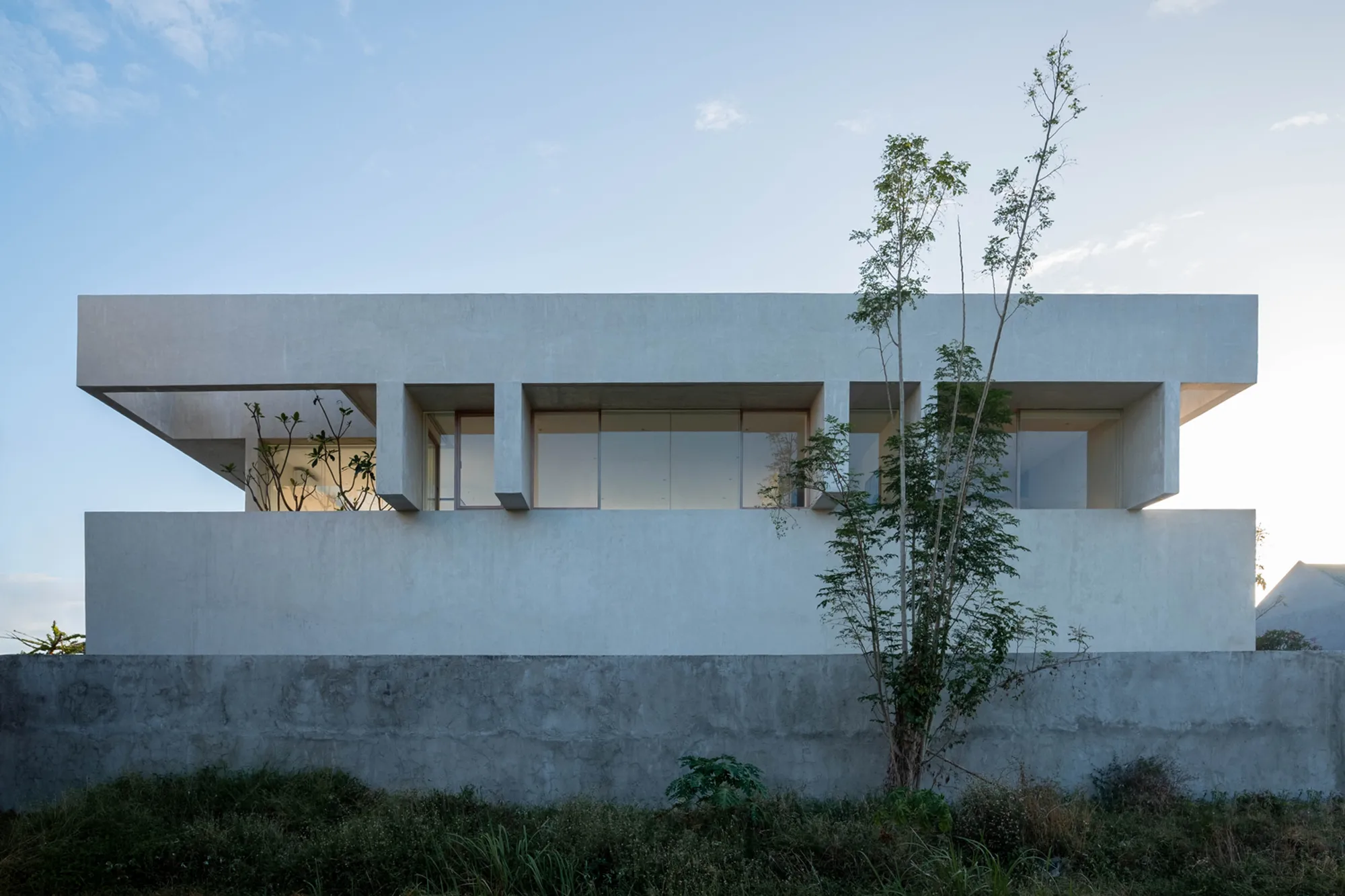
Open Concept Architecture: Unveiling the Through House by Jim Caumeron Design
This article explores the Through House by Jim Caumeron Design, exemplifying open concept architecture in a modern residential setting in the Philippines.


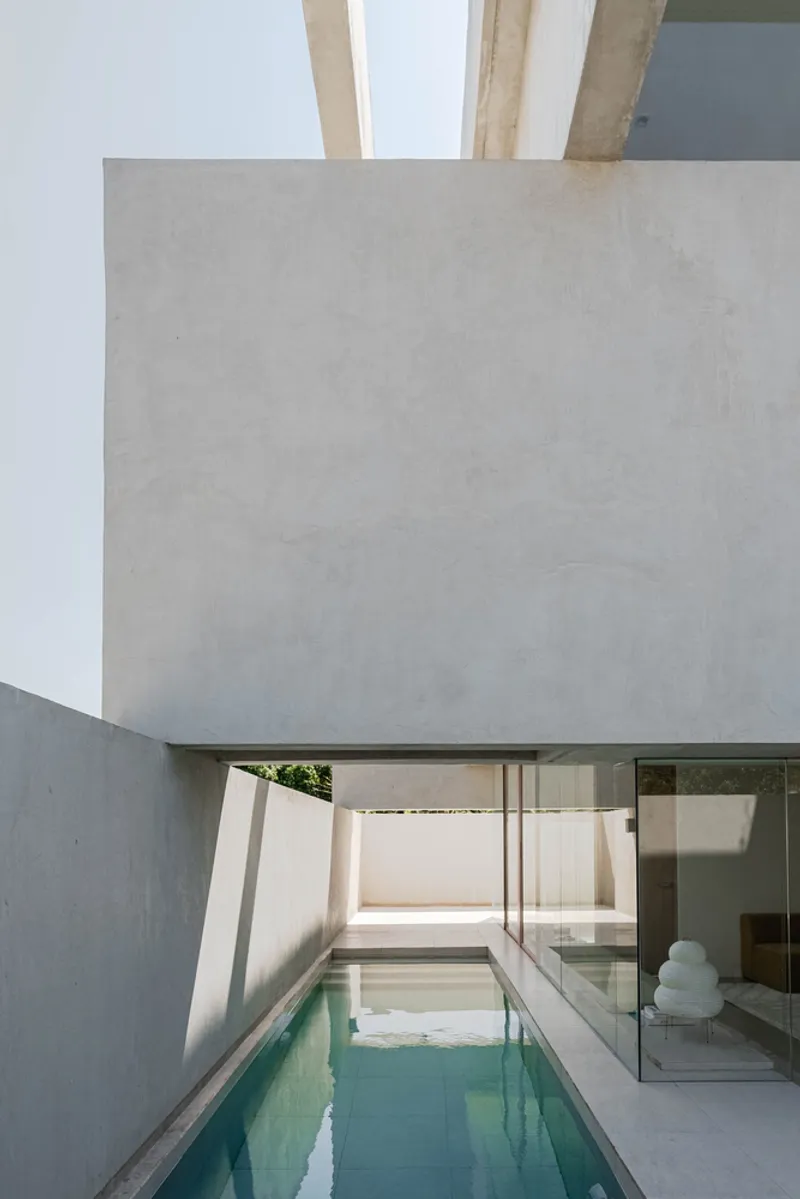
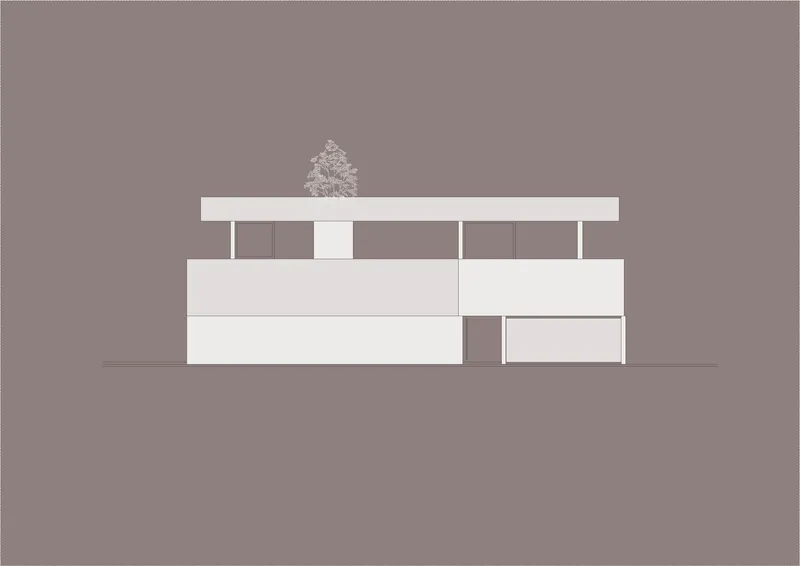
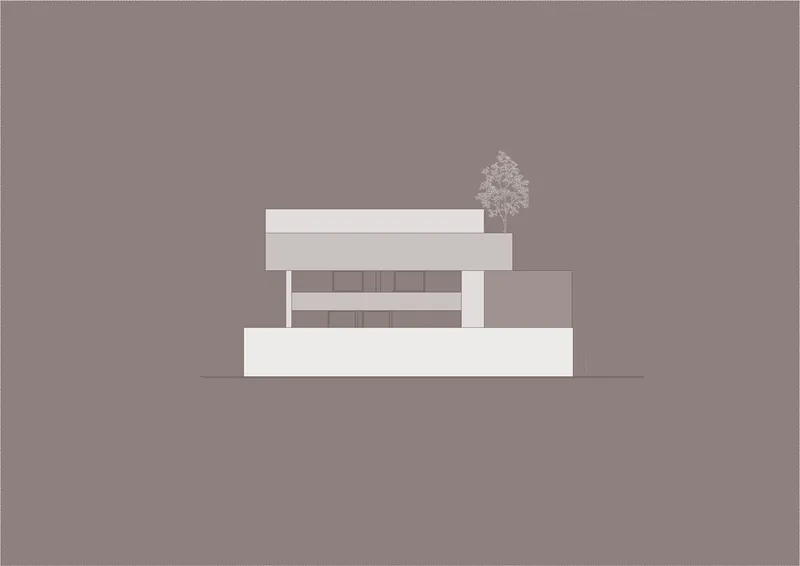
The Through House, designed by Jim Caumeron Design and located in San Fernando, Pampanga, Philippines, serves as a prime example of open concept architecture. This design strategy maximizes the use of a relatively modest plot within a gated community, transforming it into a spacious, light-filled dwelling that promotes a seamless flow between living spaces.


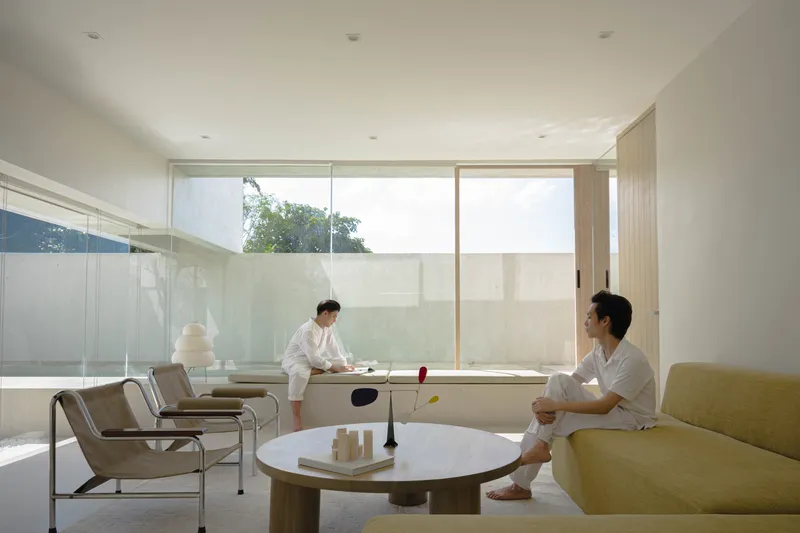

Design Philosophy Behind the Through House
Embracing Spatial Continuity
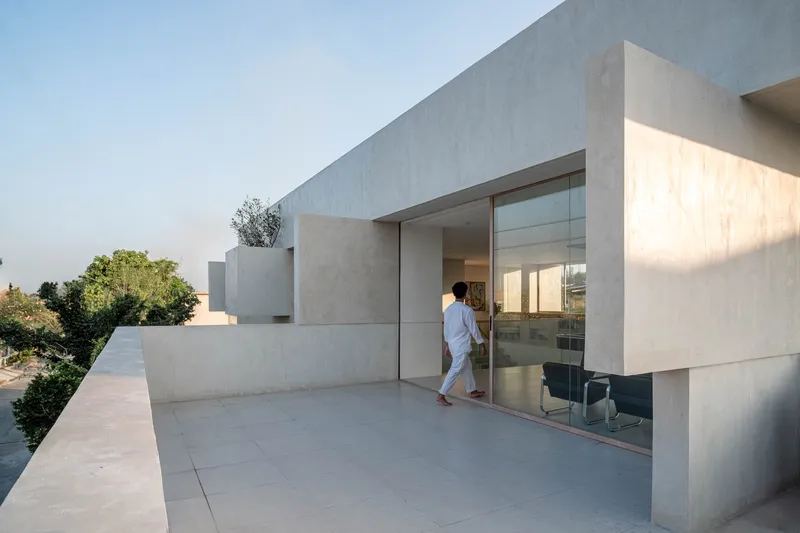
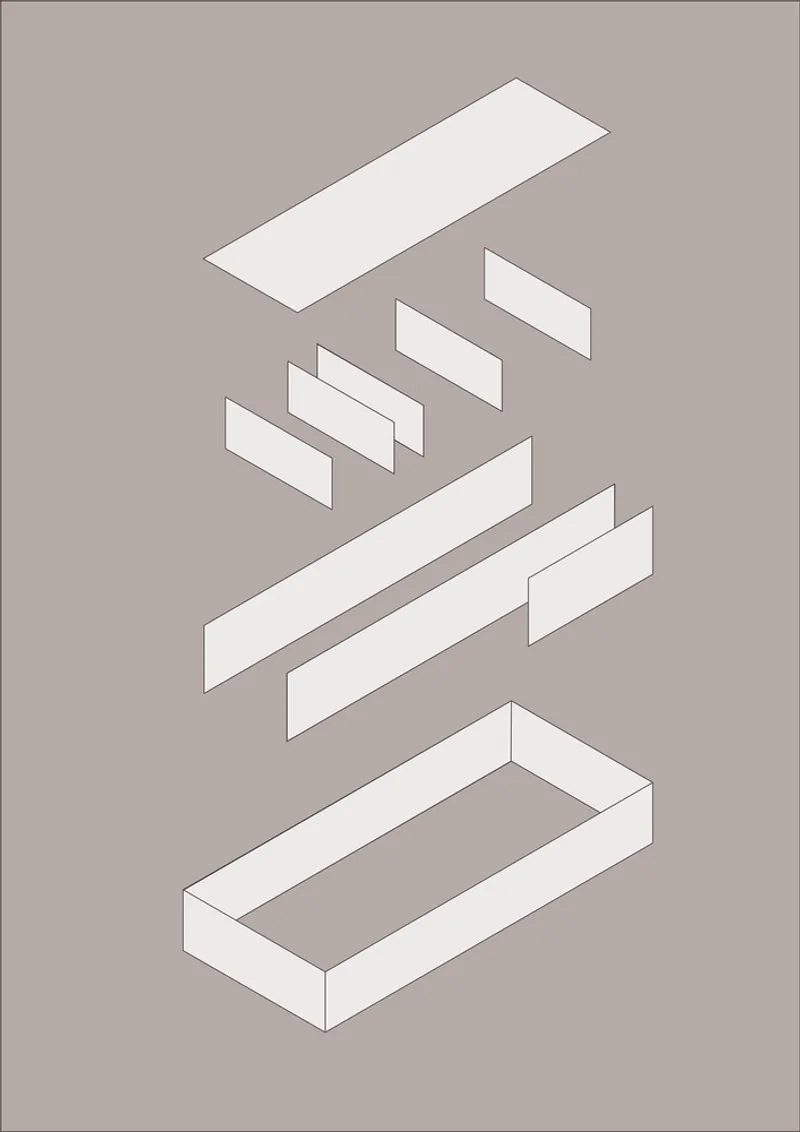
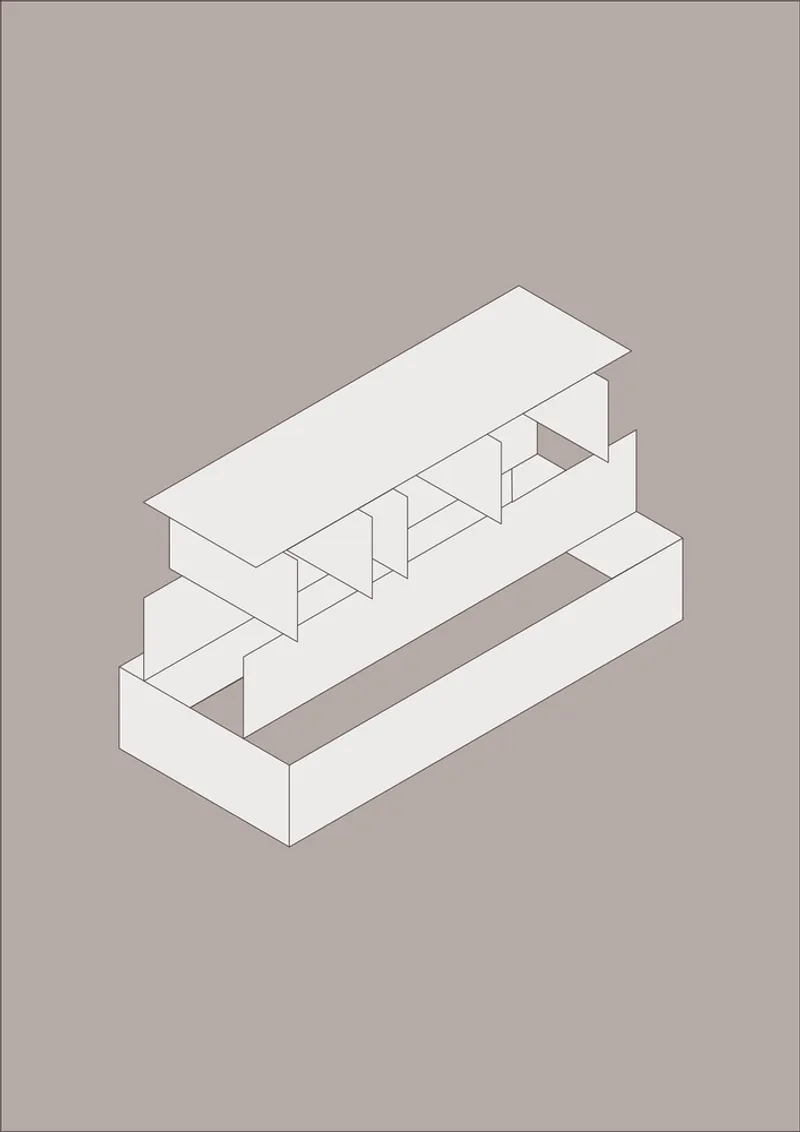
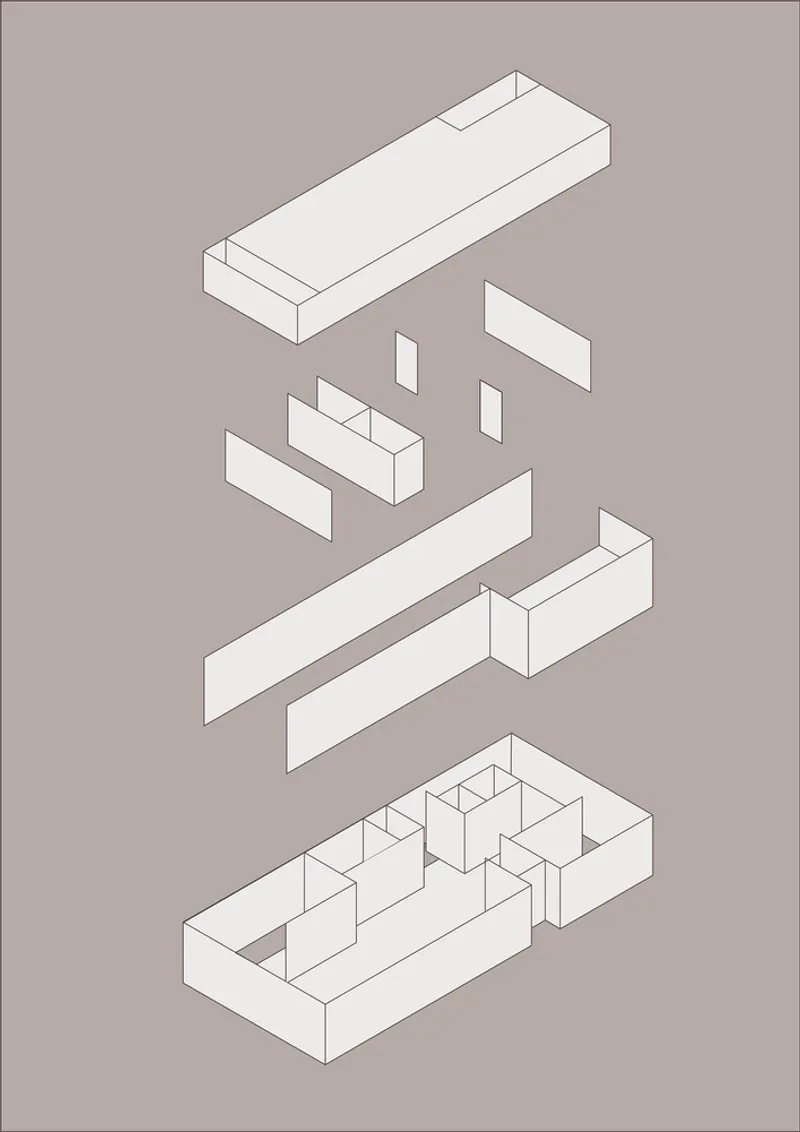
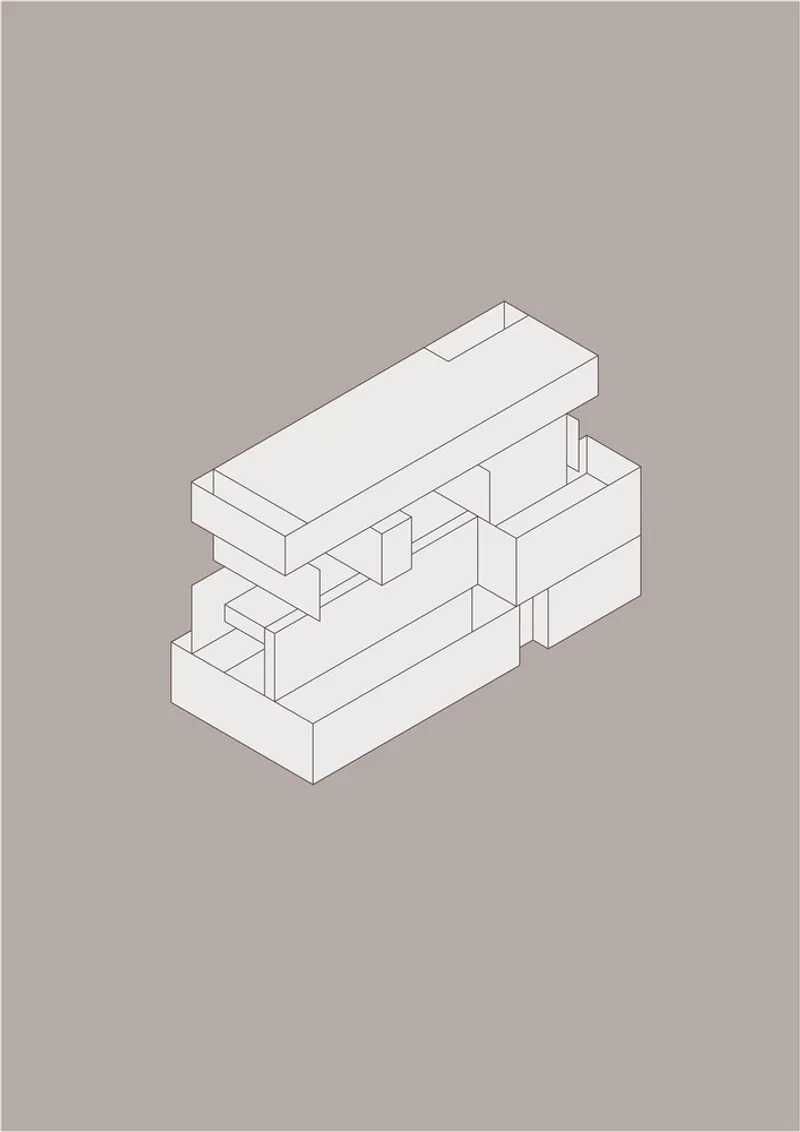
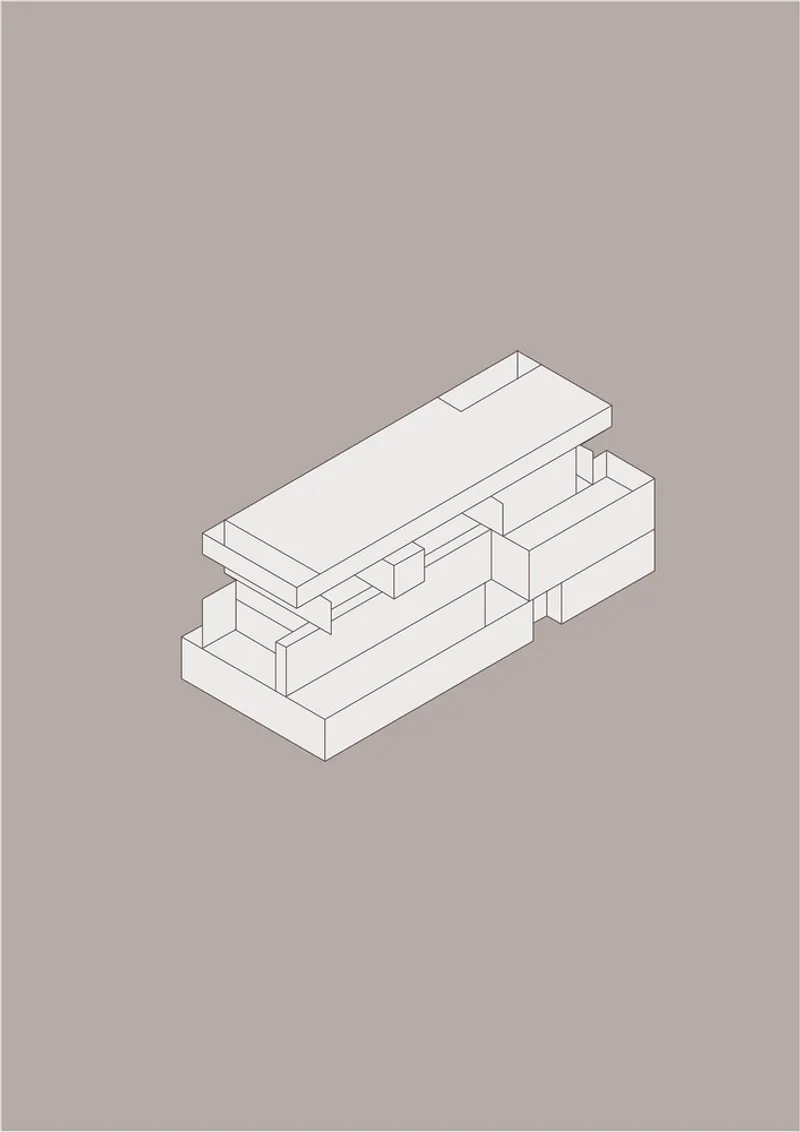
Jim Caumeron Design embarked on this project with the intention to expand spatial perception on a constrained site by employing open concept architecture principles. The home was designed for a billiards-loving doctor and his two daughters, providing a tranquil retreat from the bustling city life. By removing two opposite walls of the conventional enclosed structure, the architects created a flowing connection between the interior and exterior environments.


Maximizing Light and Ventilation
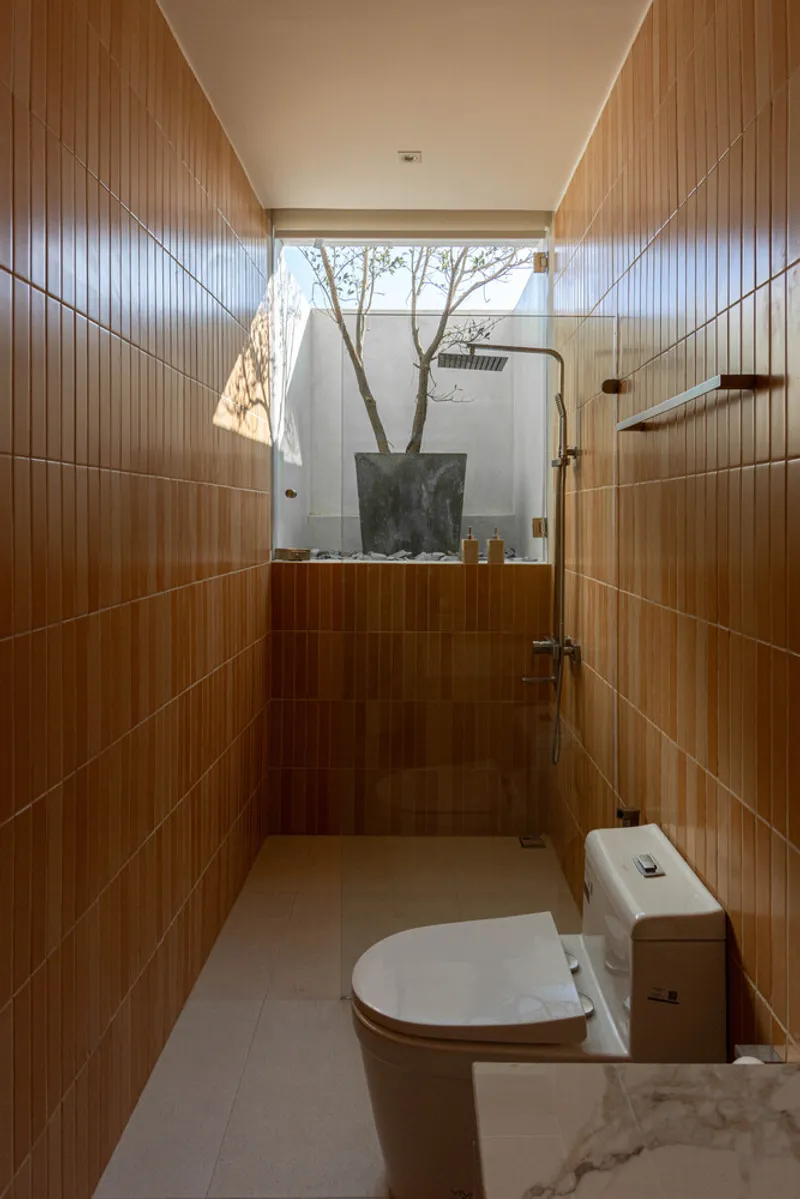
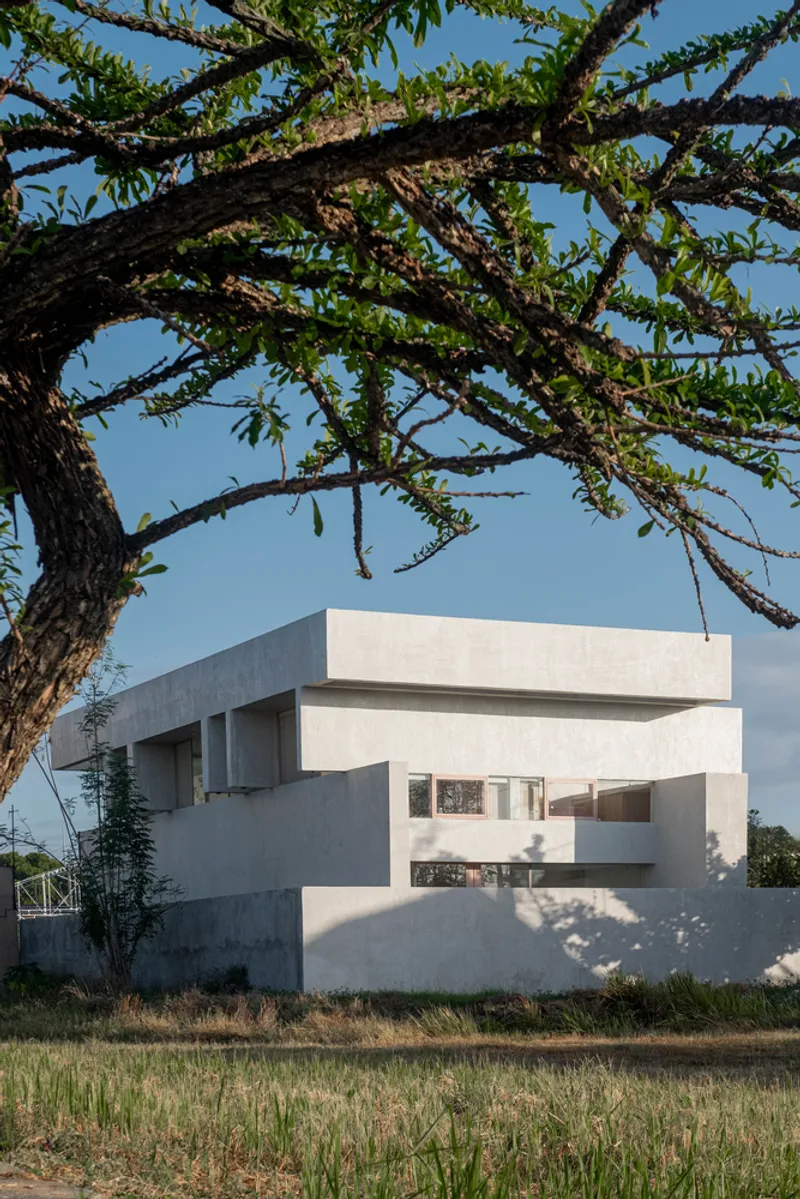
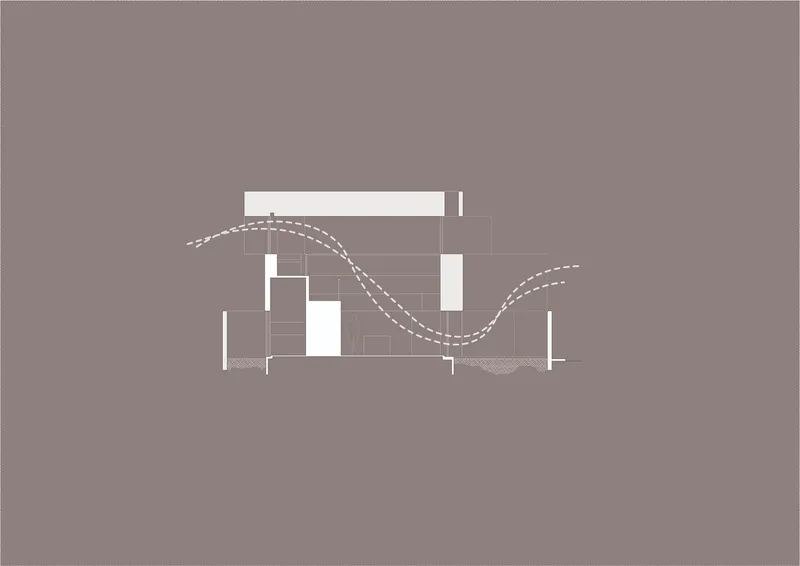
The Through House showcases how well-planned open concept architecture can enhance natural light and ventilation. The strategic placement of operable windows along with the removal of barriers facilitates a cross breeze throughout the property, ensuring that each living space is well-ventilated and bright.


Architectural Layout and Features
Ground Floor: Integrating Indoor and Outdoor Spaces
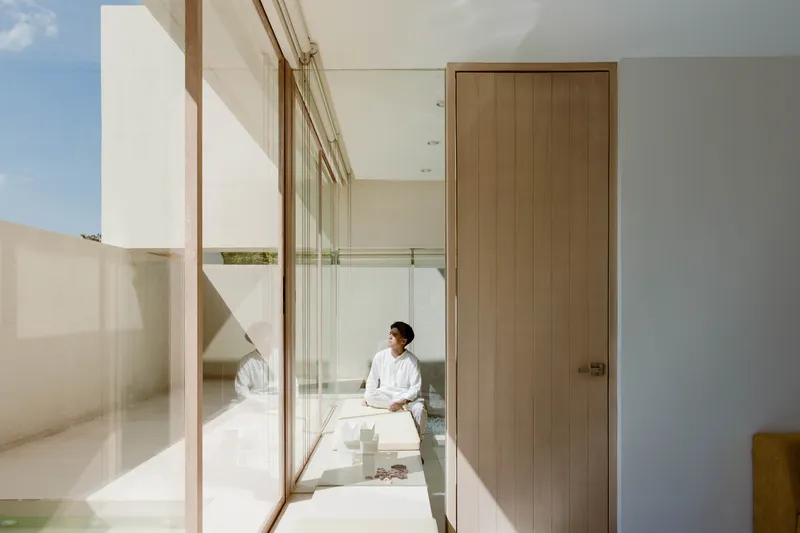
On the ground floor, the layout extends naturally to the outdoors. The front lawn and formal dining area are directly accessible, promoting an inclusive environment for family gatherings and social activities. A standout feature is the double-height dining hall which is pivotal in promoting vertical ventilation, drawing air through the operable windows from the second-floor hallway.




Upper Floors: Functional Elegance
Upstairs, the design continues to celebrate open concept architecture with rooms and spaces divided by partial planes rather than full walls, allowing for uninterrupted views and light flow. This level houses a billiard hall with a pocket garden and balcony, which not only offers leisure space but also scenic views of the front lawn.

Materiality and Aesthetic Choices
Merging the Indoors with the Outdoors
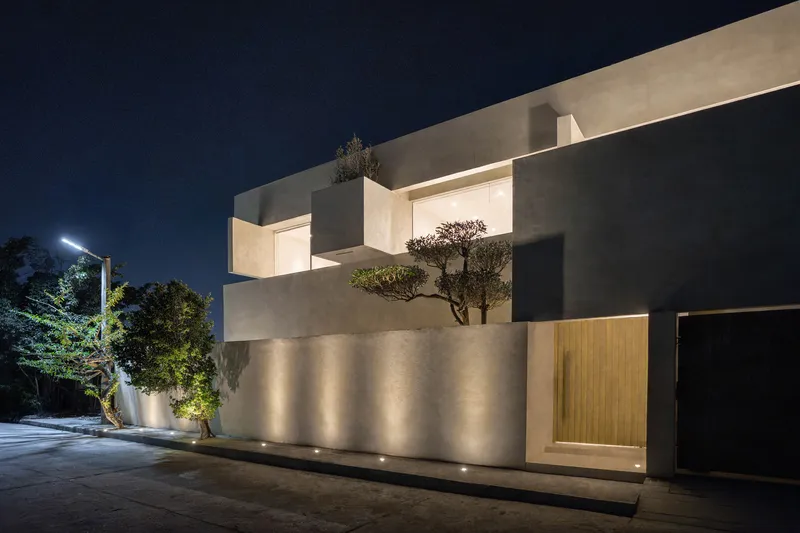
The material choices, such as lime-washed walls, play a crucial role in blurring the boundaries between the house’s interior and exterior, reinforcing the open concept architecture. These materials also contribute to the overall light and airy atmosphere, making the living spaces feel more expansive and connected to the natural surroundings.



The Impact of Open Concept Architecture
The Through House is a testament to the effectiveness of open concept architecture in creating functional, flexible, and visually appealing living spaces. Jim Caumeron Design’s approach not only meets the practical needs of its residents but also provides an aesthetic that speaks to modern architectural trends.
This project exemplifies how architecture can transform a standard living arrangement into an innovative and inspiring environment, proving that with thoughtful design, even the smallest spaces can be made to feel grand and open.


All photographs are work of r-vis : kevin nuñez, lance sy, julian patric semilla



Popular Articles
Popular articles from the community


Co-life: Sustainable Architecture for Age-Friendly Community Living
Co-life reimagines sustainable architecture for seniors through courtyards, rammed earth, shared gardens, and spaces designed for belonging.

Riyadh For All: Intergenerational Urban Design for Active Aging in Rabat
Riyadh For All reimagines urban design in Rabat with intergenerational co-living, adaptive courtyards, and Moroccan cultural exchange today.

The Musturak Paradise: Senior Living Architecture for a Connected Future in Temara, Morocco
The Musturak Paradise reimagines senior living architecture in Temara via private homes, social spaces, culture, community, and shared care.

The Ocean Hive: Sustainable Architecture for a Self-Sufficient Civilization at Sea
The Ocean Hive imagines sustainable architecture at sea, where modular habitats, algae, wave power and ocean waste sustain a growing colony.


Similar Reads
You might also enjoy these articles


Hodi-Mandai Geram
Project Function: Preservation and revitalization of the Intangible heritage and socio-spatial identity of the Hodi by Housing, Cultural Memory Center, Sacred Grove, landscape, local tourism economy


Olio Towers: A Mid-Rise for Performers That Fuses Housing, Rehearsal, and Stage
Located blocks from Houston's Theater District, this modular tower stacks living units around a central performance atrium.

Oasis: Modular Green Housing Carved into Dhaka's Urban Fabric
A shortlisted Plugin Housing entry reclaims unauthorized settlements in Dhaka with stepped concrete volumes, green roofs, and ventilation-driven design.

Black Hole: A Floating Megastructure for the Post-Physical Era
Emiliano Mazzarotto envisions a spherical, self-scaling arena where e-sports, digital hotels, and holographic stadiums replace traditional public space.
Explore Architecture Competitions
Discover active competitions in this discipline



Challenge to reimagine the Iron Throne


Photograph architecture without architects


Illustrate the lost glory of Angkor Wat - Render Challenge


Design challenge to reuse E-waste
Comments (0)
Please login or sign up to add comments
No comments yet. Be the first to comment!