
Roma Termini Station Renovation: Blending Modern Design with Historical Legacy
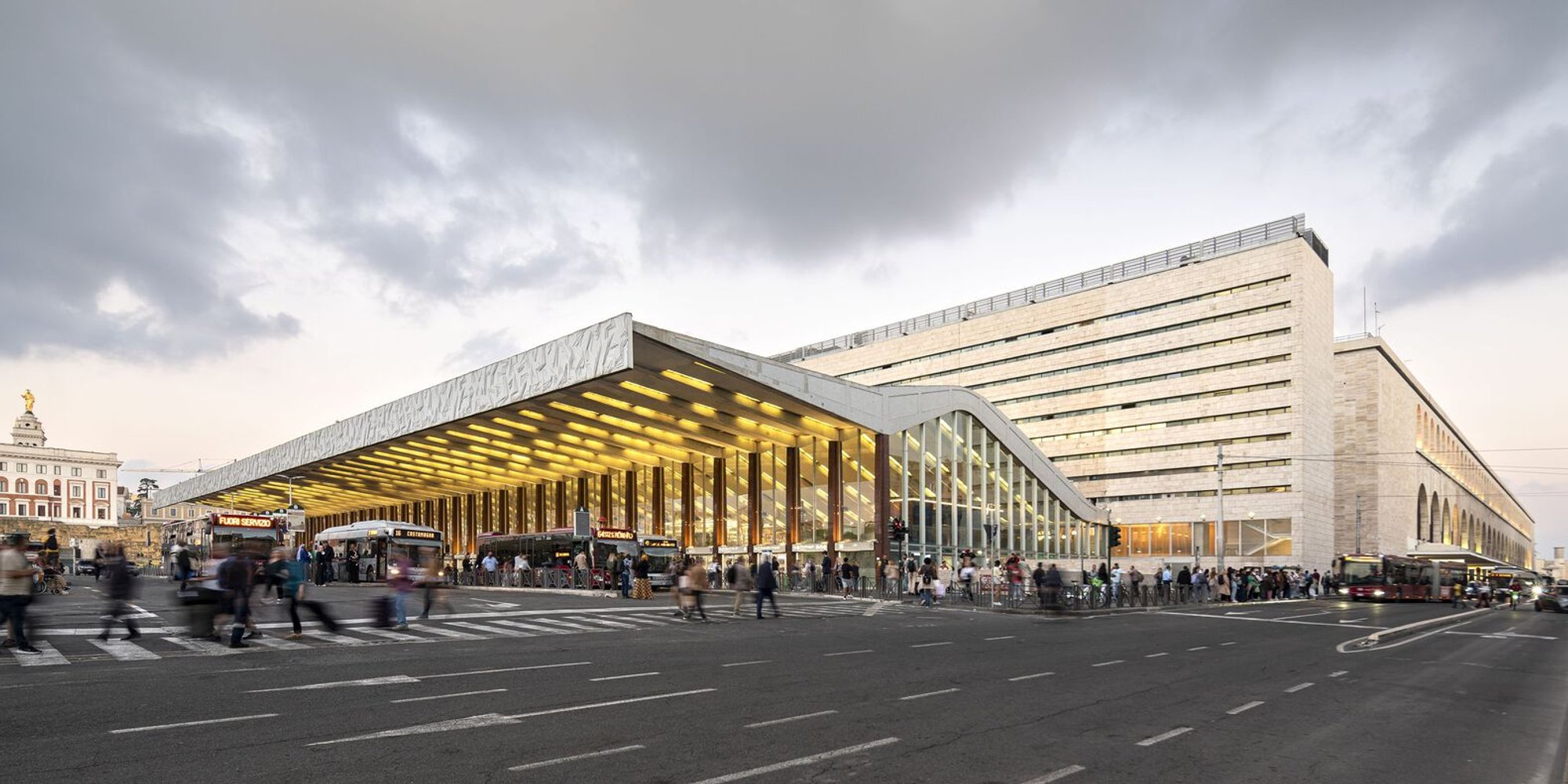
Roma Termini Station's renovation by L35 Architects blends historical preservation with modern design, redefining it as a cultural and urban hub.

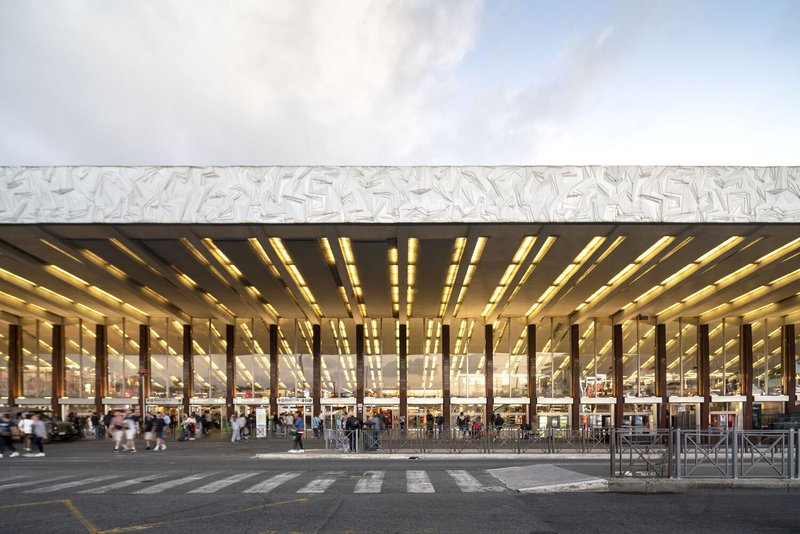
The Roma Termini Station renovation by L35 Architects is a landmark transformation of one of Europe's busiest transit hubs. This project combines modern design principles with the preservation of historic elements, creating a seamless connection between the station’s functionality and its architectural legacy.
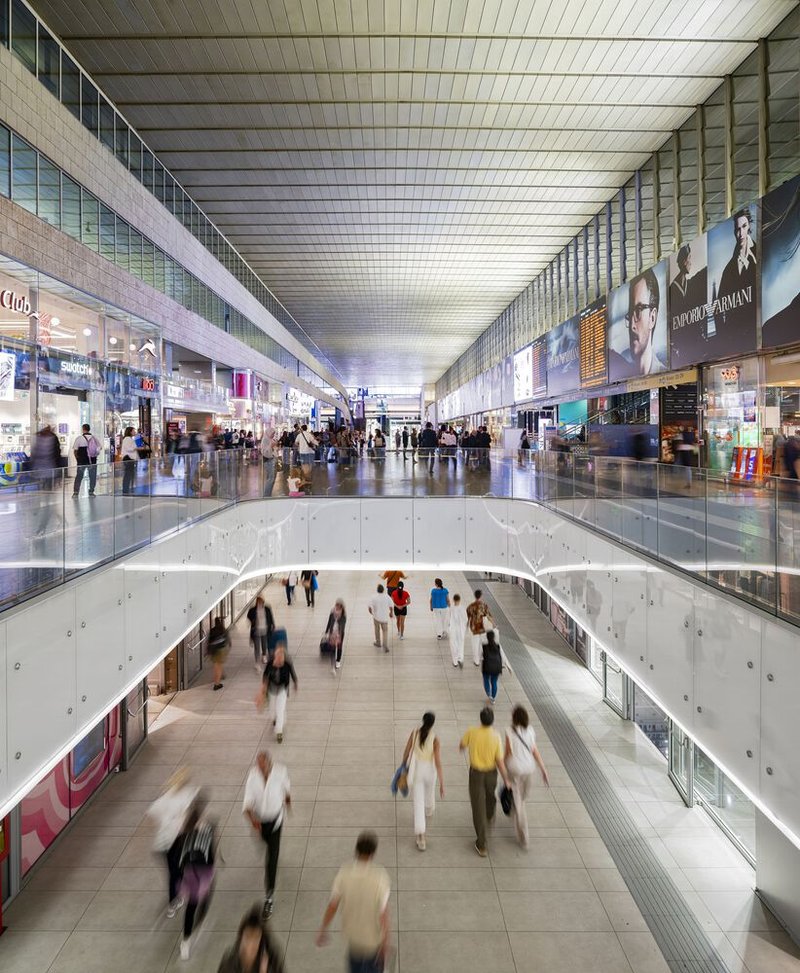
Introduction: A New Era for Roma Termini Station
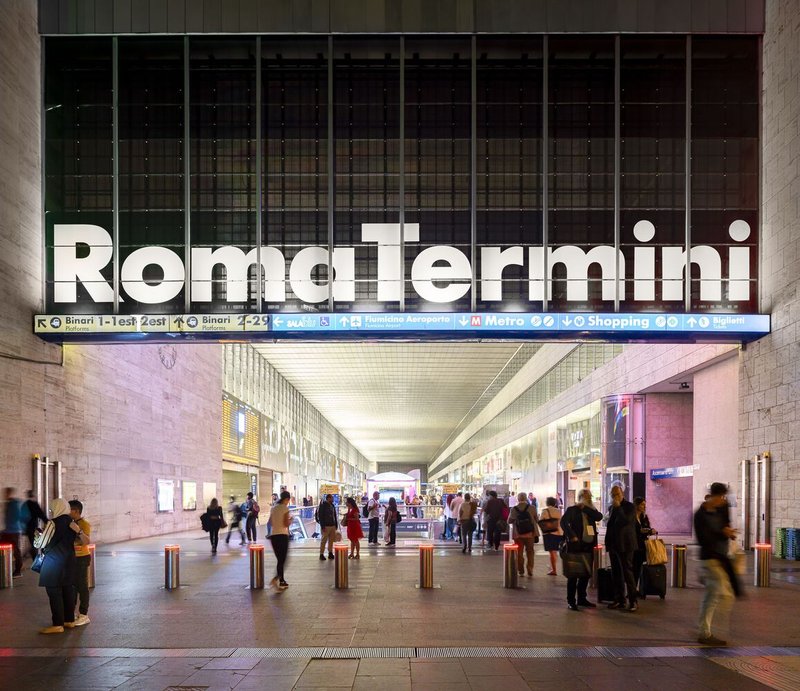
Roma Termini, an iconic symbol of Roman modernity, serves over 200 million annual visitors as Italy’s largest intermodal hub. L35 Architects undertook a comprehensive refurbishment, reimagining the station as a destination rather than just a transit point. The project restores its historical essence while addressing modern urban needs, from optimizing circulation flows to creating spaces that invite leisure and connection.
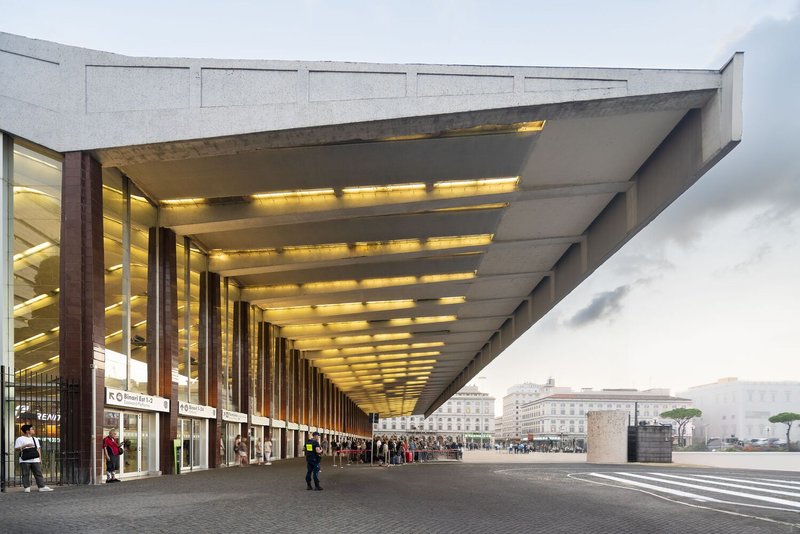
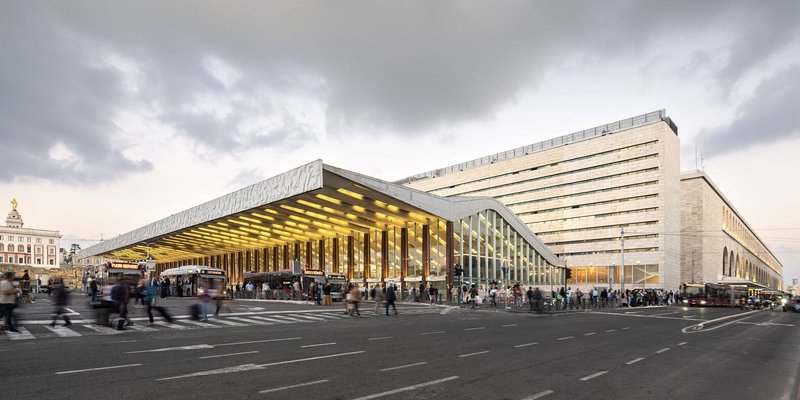
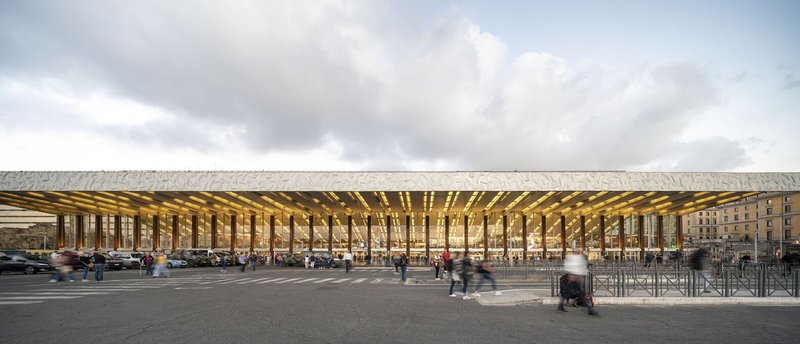
Architectural Vision: Integrating History and Modernity
Reconnecting with the Servian Walls
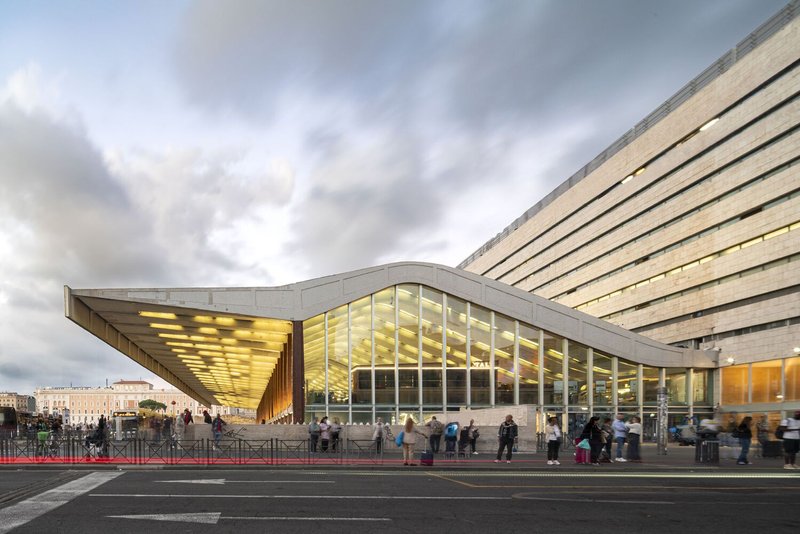
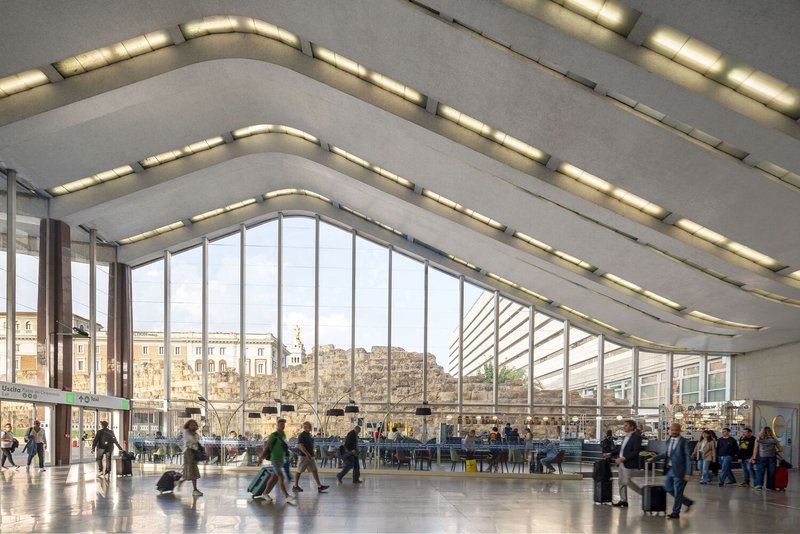
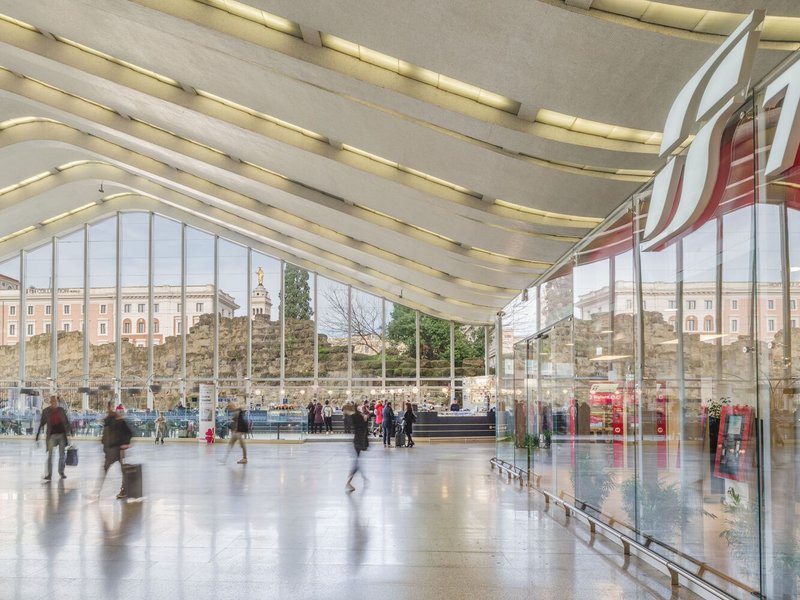
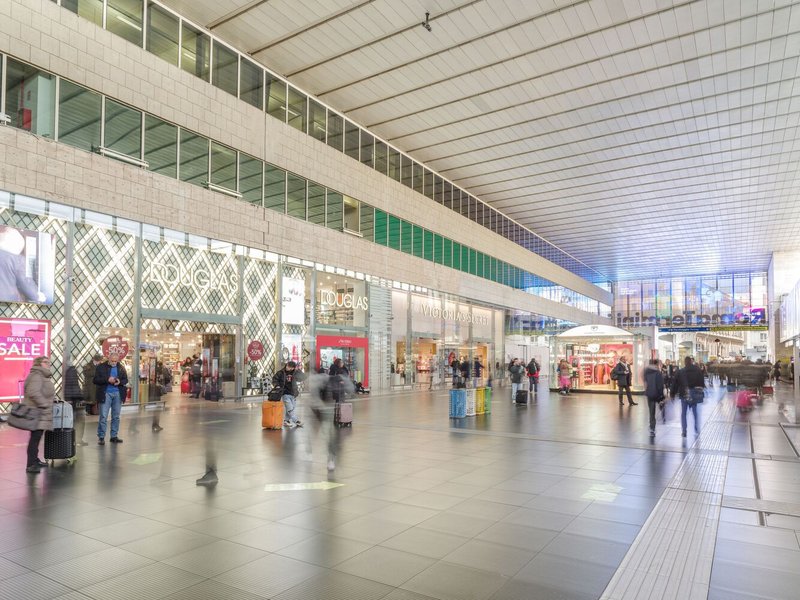
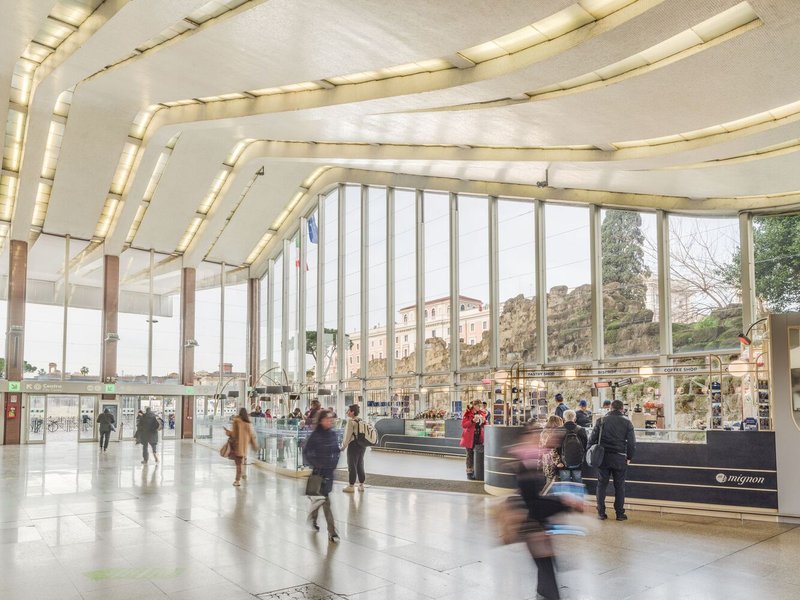
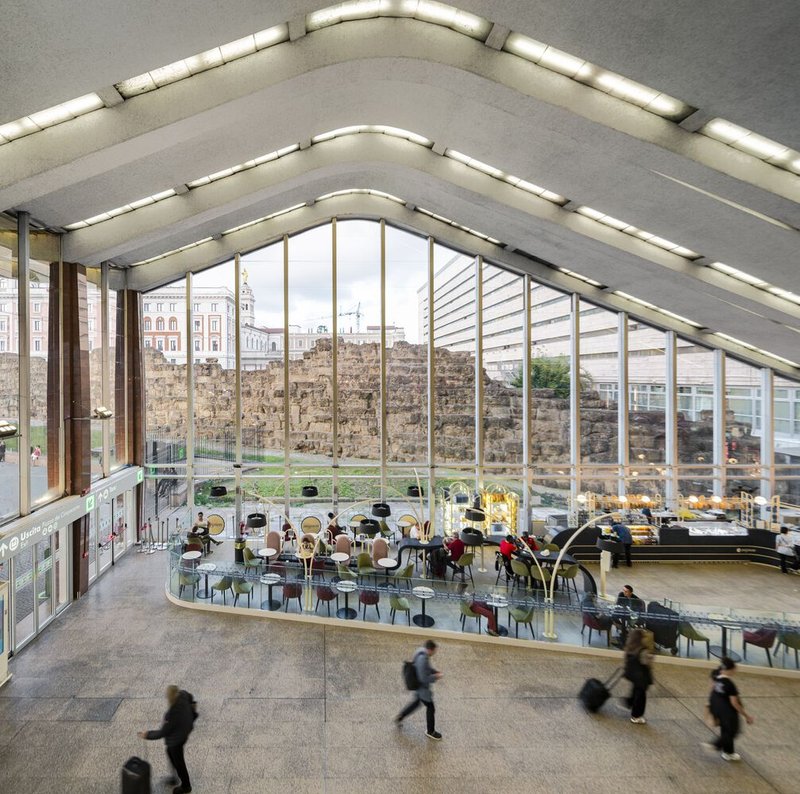
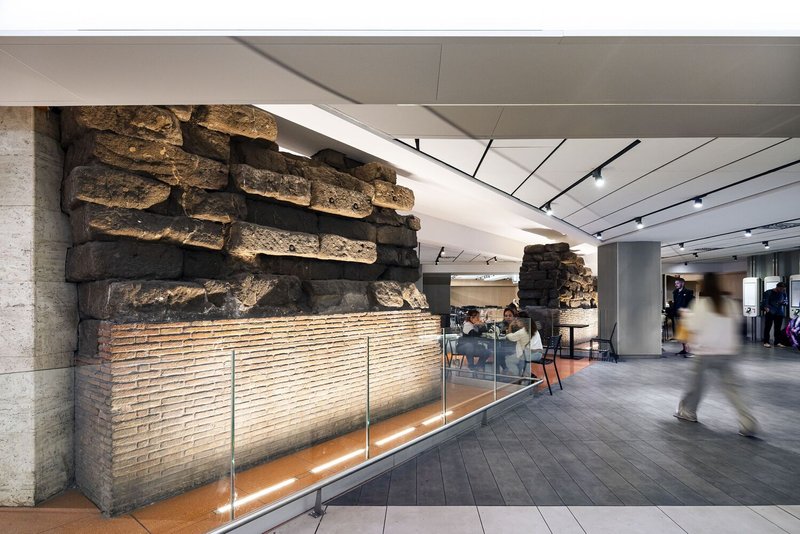
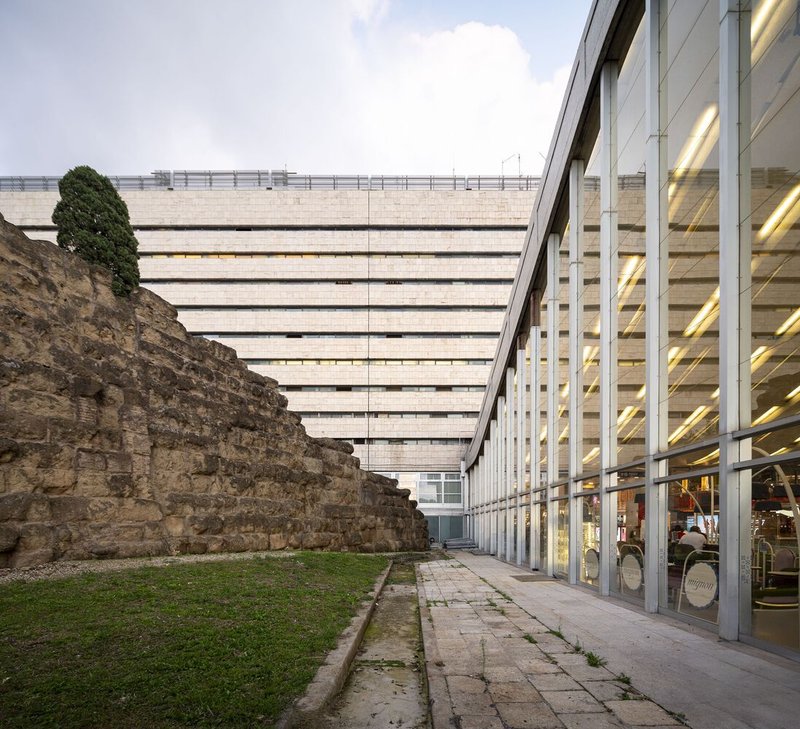
One of the renovation's central achievements is restoring visual access to the Servian Walls, Rome’s ancient fortifications. The station’s atrium now features a large glass facade, offering unobstructed views of this historical artifact. Commercial structures that previously obstructed the view have been removed, reinforcing the station’s cultural and historical narrative.
Modernizing While Preserving Legacy
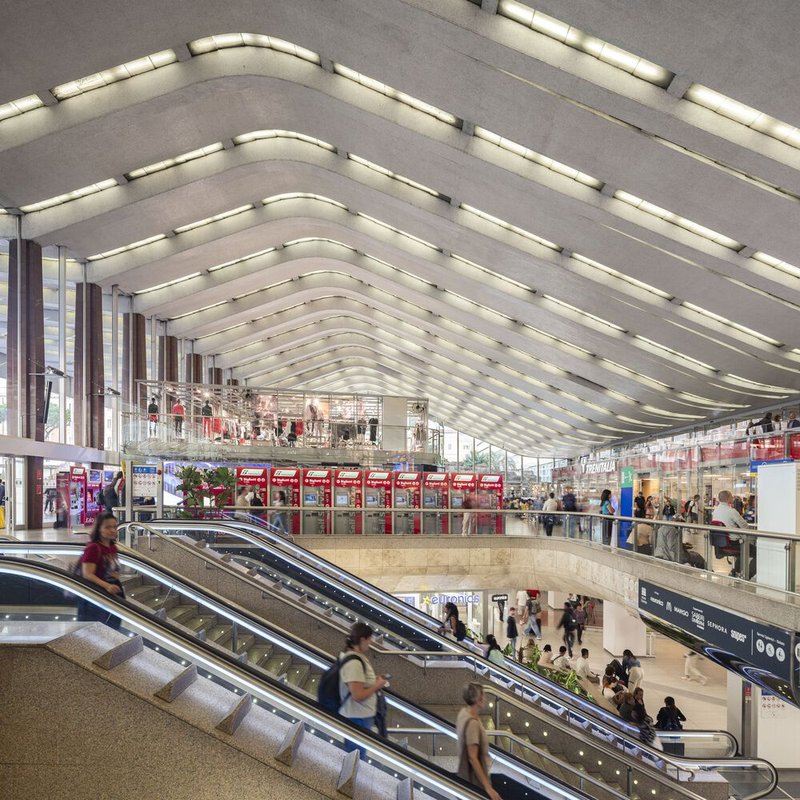
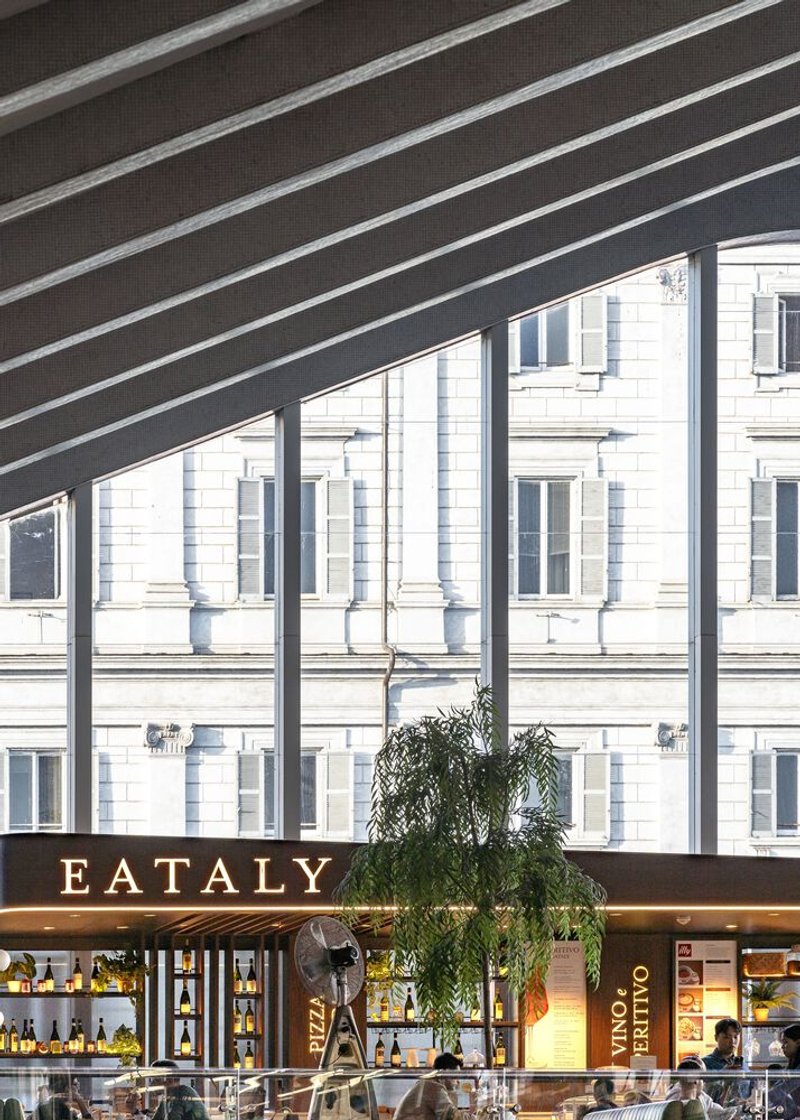
The station, initially designed in the mid-20th century by Eugenio Montuori, Leo Calini, and Annibale Vitellozzi, blends post-war modernism with 19th-century elements. The renovation carefully respects this heritage while incorporating modern materials like glass and metal, creating a harmonious dialogue between old and new.
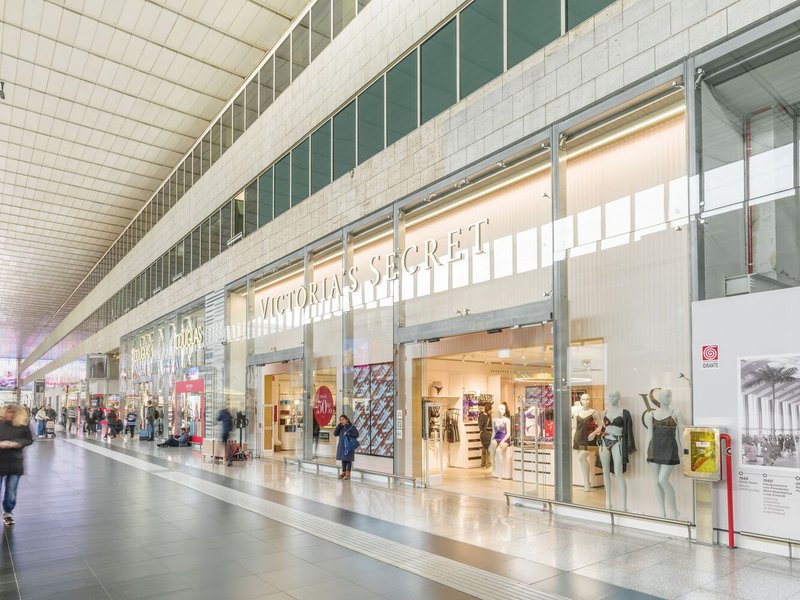
Functional Enhancements for Modern Travelers
Optimized Circulation and Accessibility
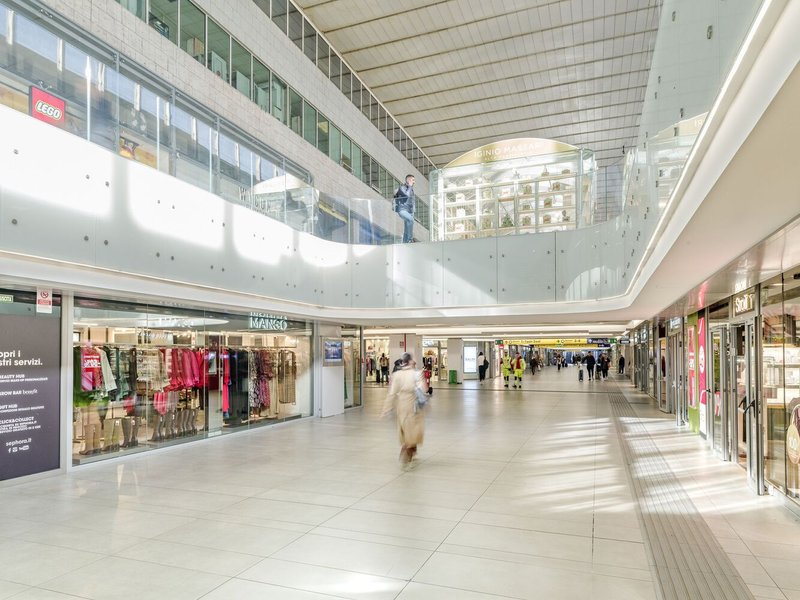
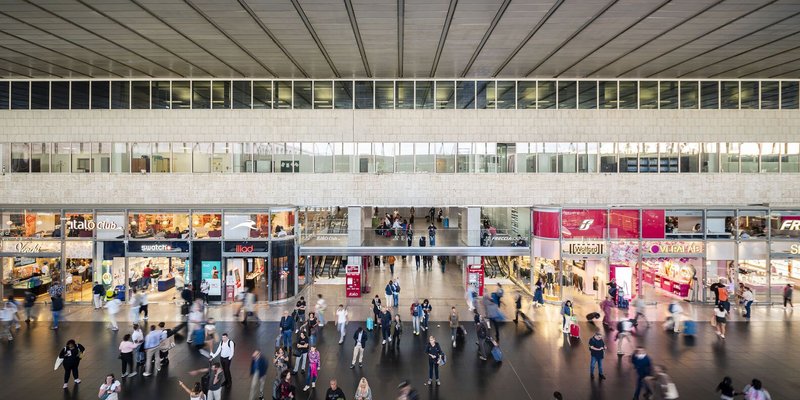
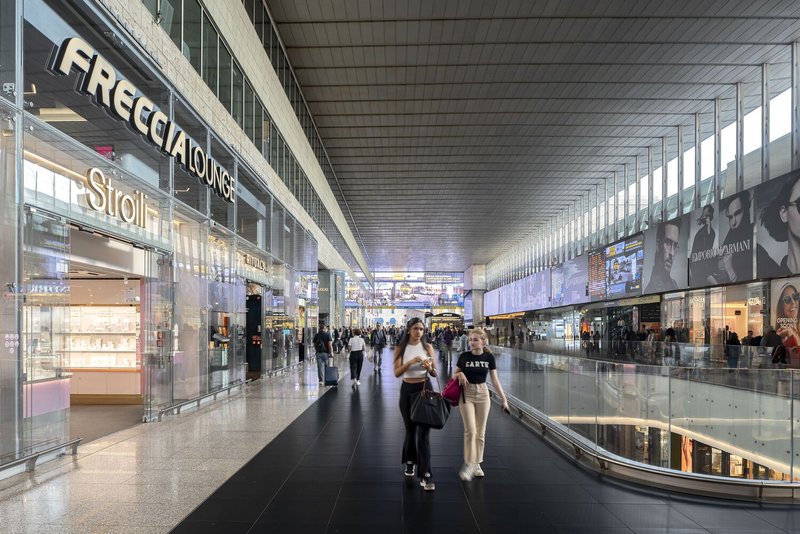
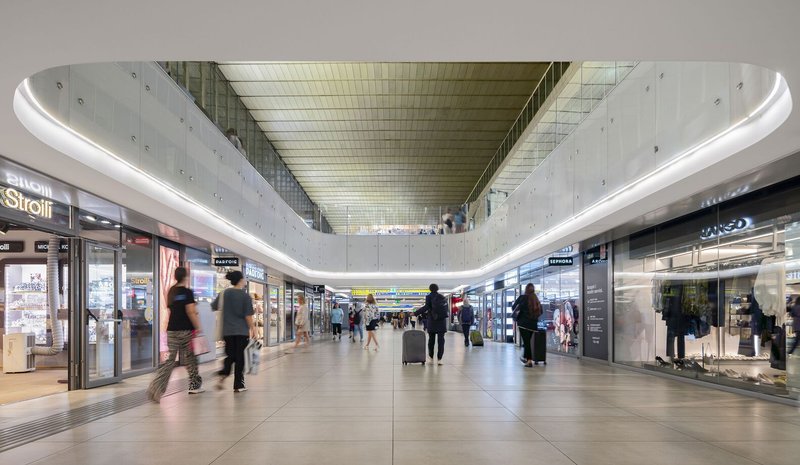
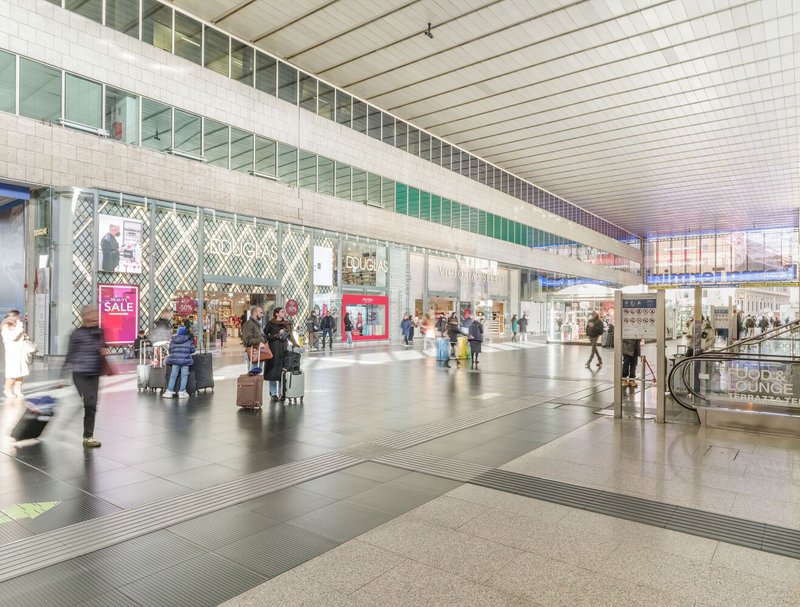
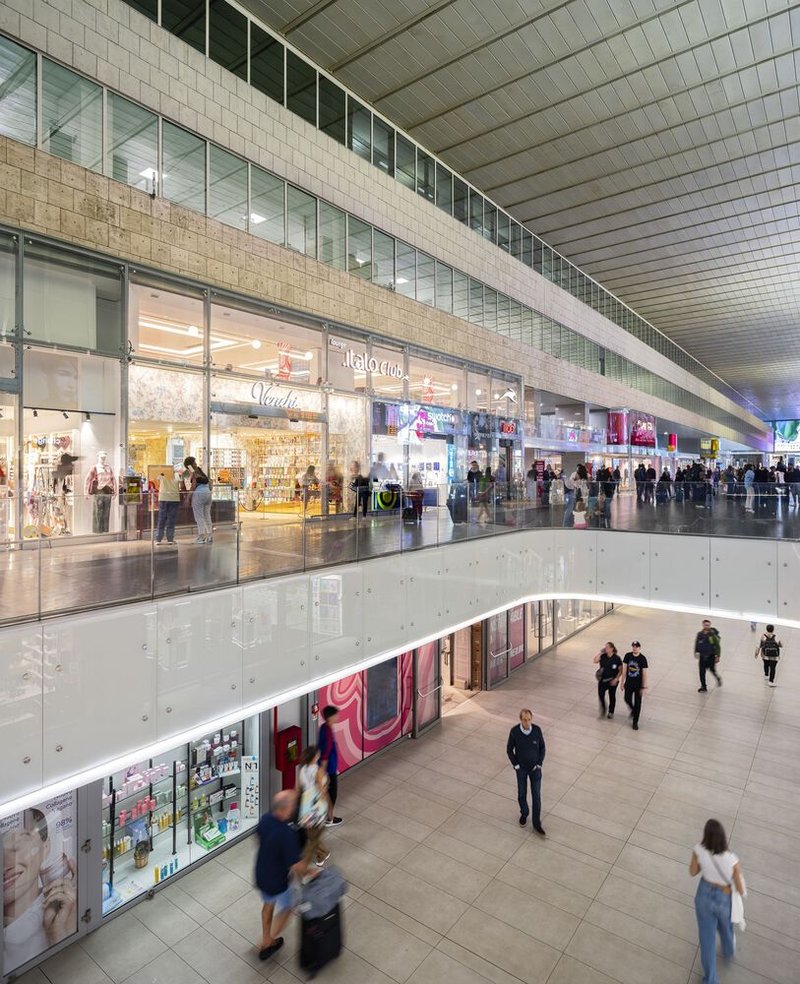
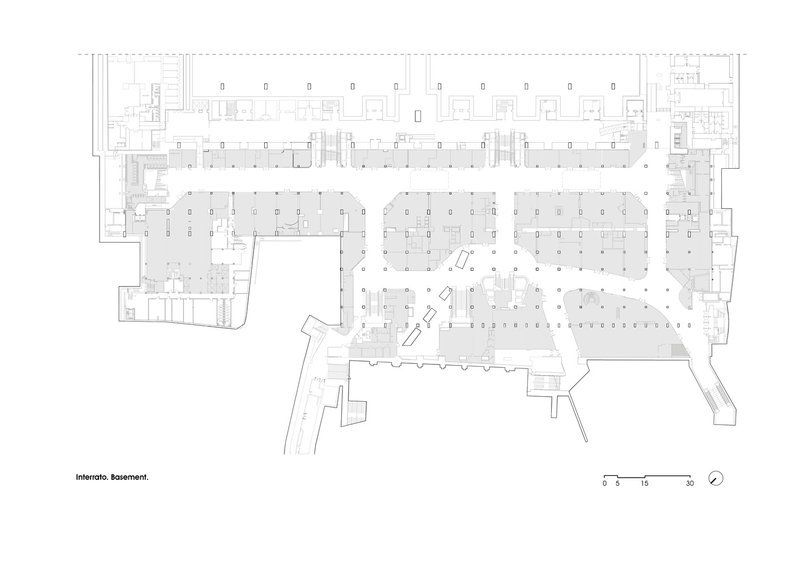
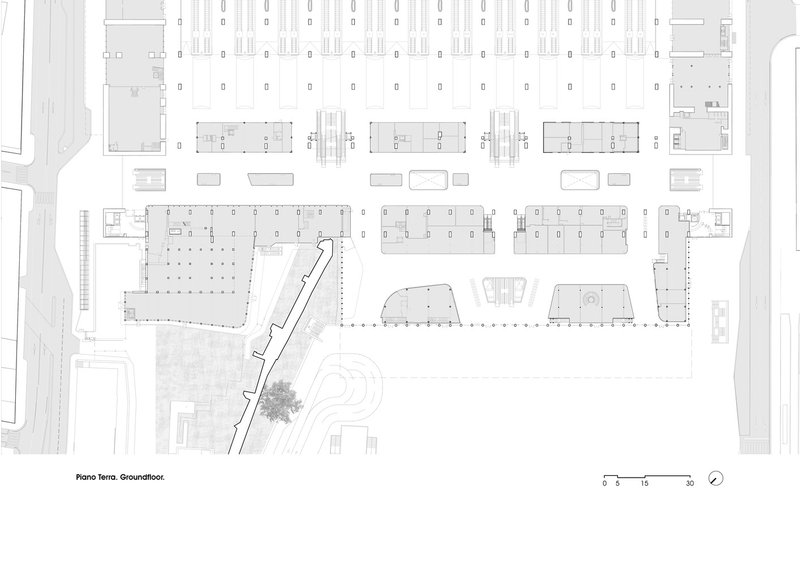
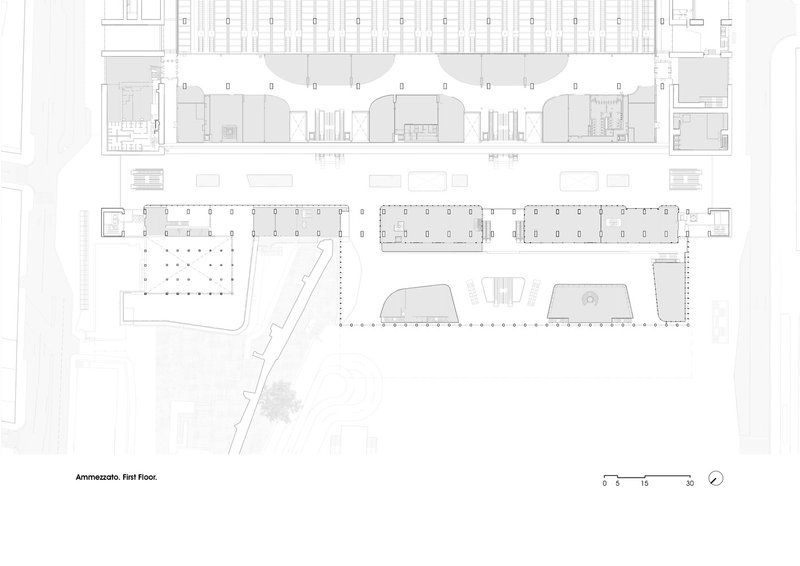
The refurbishment reorganized key spaces to streamline passenger flow. Rail services, ticketing, and lounges have been centralized in the main atrium, enhancing accessibility. Strategic openings in the floors allow natural light to penetrate lower levels, improving spatial awareness and visual continuity.
Revamped Commercial Spaces
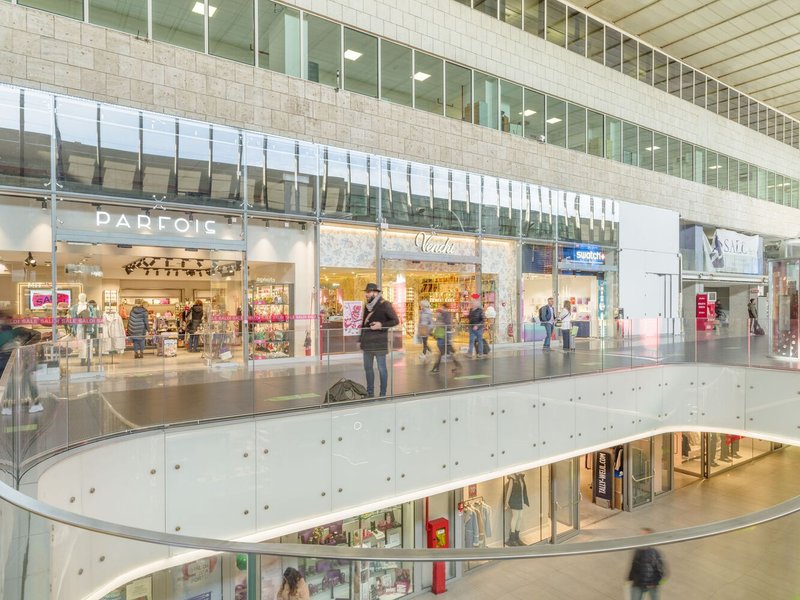
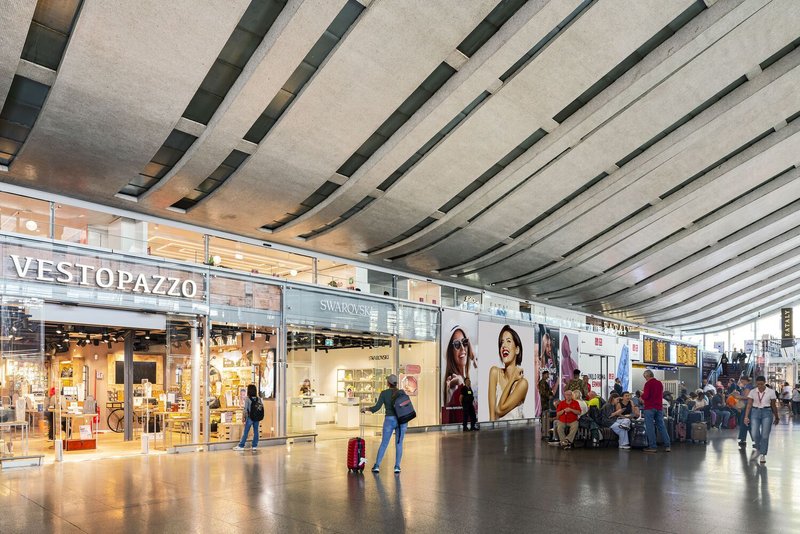
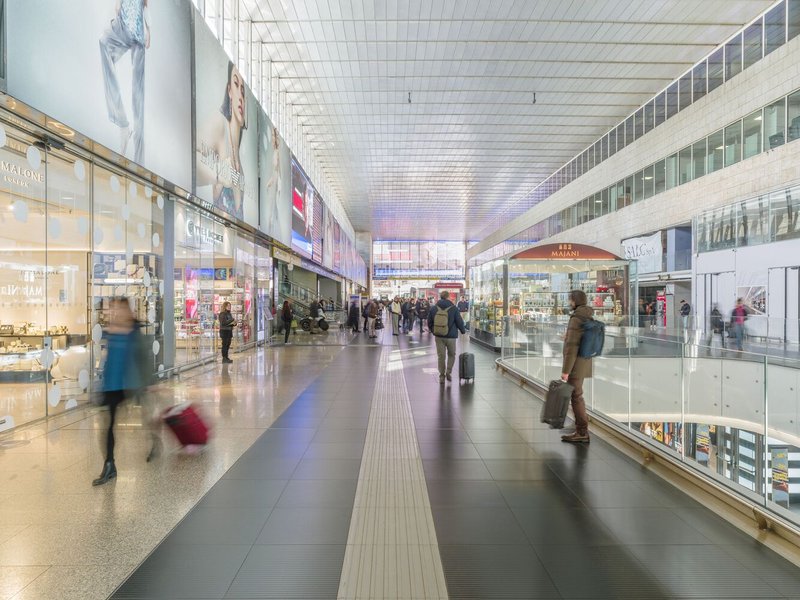
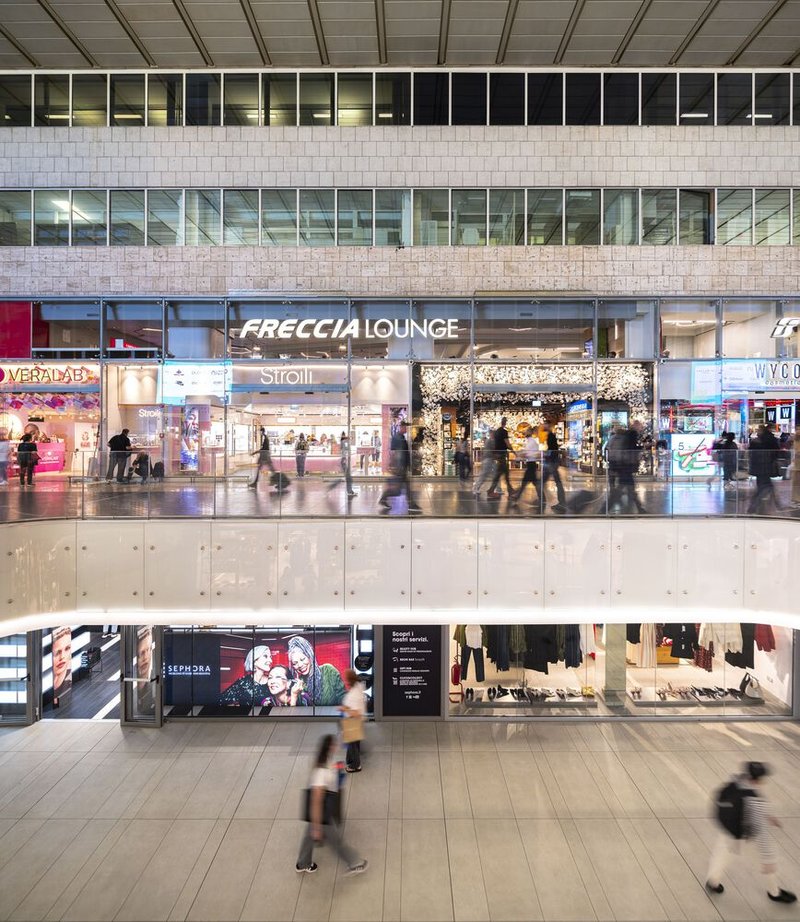
Commercial zones within the “Dinosaur” and Gommata Gallery have been restructured into cohesive units, ensuring a unified aesthetic. These areas now balance their retail function with the station's monumental value, making the space both practical and visually appealing.
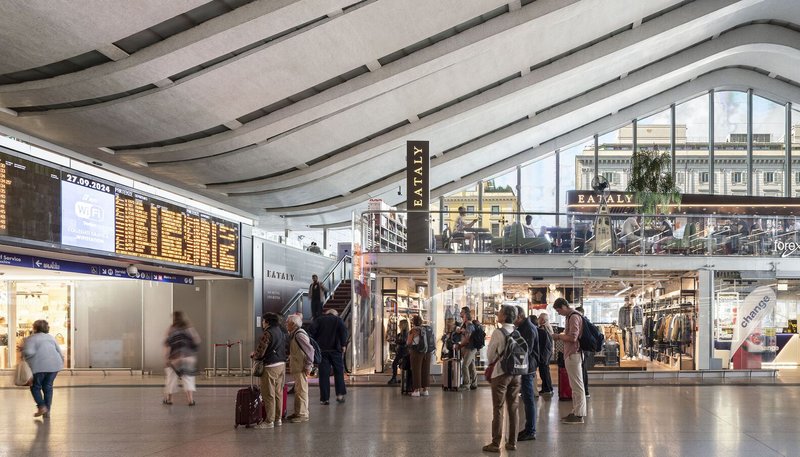
The Forum: A Highlight of the Renovation
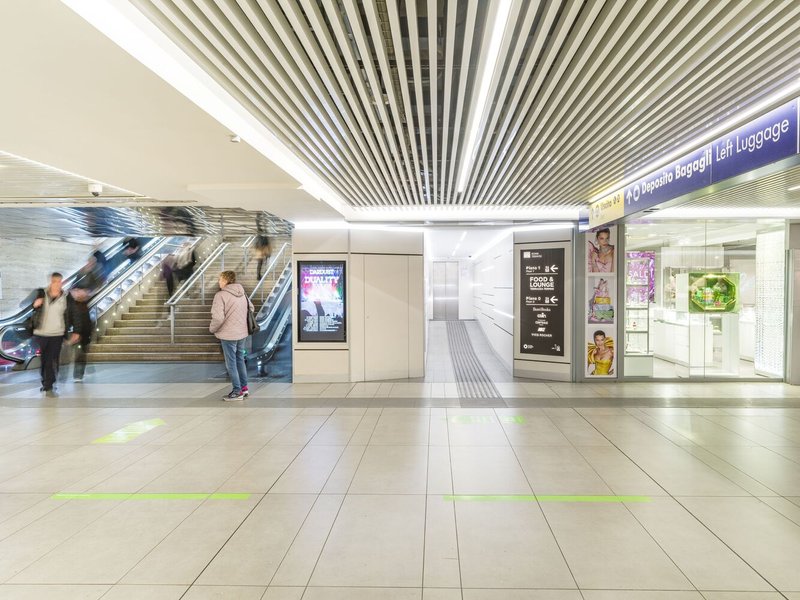
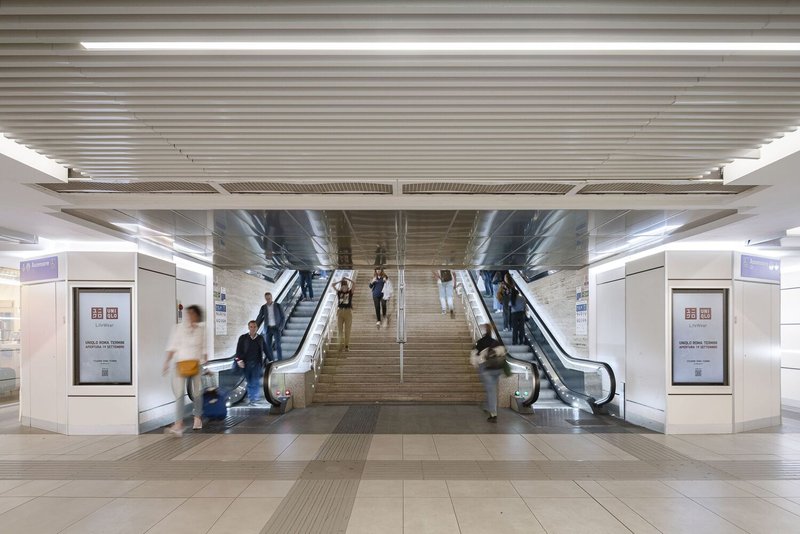
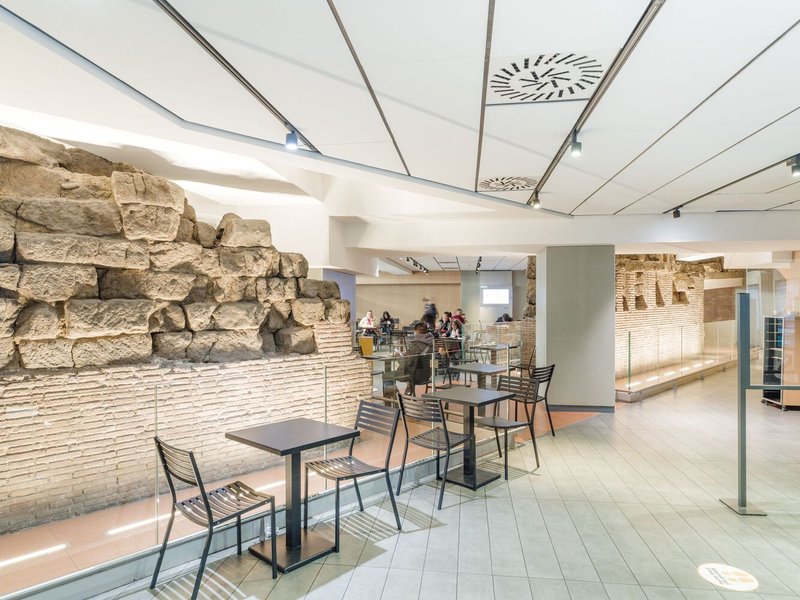
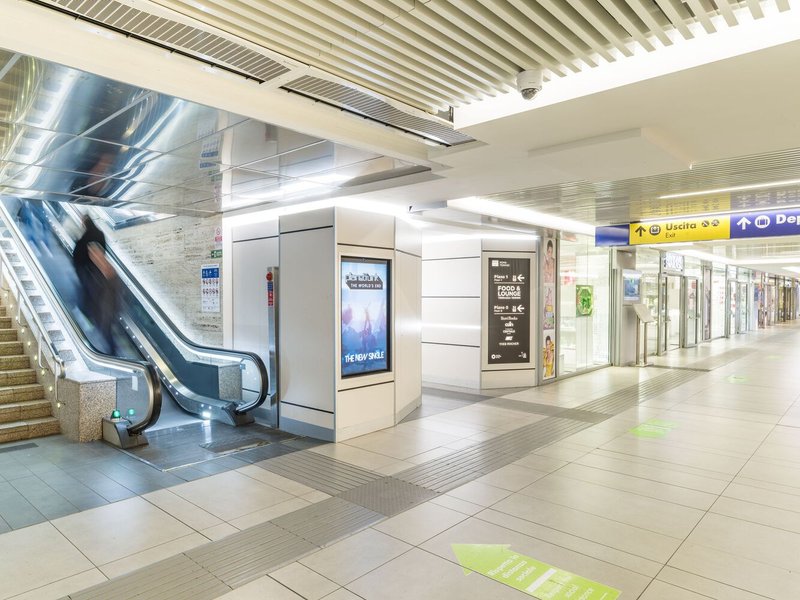
The Forum, located on the underground level, was a major focus of the renovation. Enhanced with metal slat ceilings for acoustic comfort and strategically designed openings for natural light, the Forum now feels connected to the rest of the station. The archaeological remains in this area are highlighted through thoughtful lighting and minimalist finishes.
Sustainability and Urban Integration
This project goes beyond aesthetics, addressing sustainability through efficient use of natural light and durable materials. The station is now a welcoming urban space where travelers and locals can work, shop, and socialize.
A Harmonious Future for Roma Termini
L35 Architects have successfully revitalized Roma Termini Station, preserving its historical essence while adapting it for modern use. The transformation redefines the station as a multifunctional space that bridges Rome’s past and future, offering a cohesive, user-centric experience.
All Photographs are work of Simón García, Nuvole




Popular Articles
Popular articles from the community

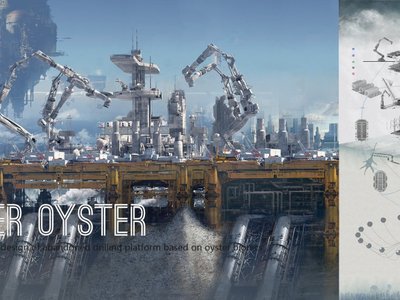
Cyber Oyster: A Visionary Adaptive Reuse Architecture Project Transforming Abandoned Oil Rigs Through Oyster Bionics
An adaptive reuse architecture concept transforming abandoned offshore oil platforms into self-healing marine ecosystems inspired by oyster bionics.

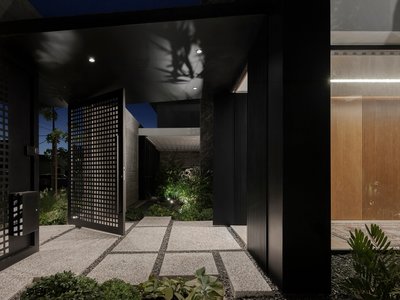
Constanti Architects Builds a Fortress of Privacy in Nicosia with House 345
A concrete and timber residence in Cyprus reinterprets the traditional introverted courtyard house for a new urban landscape.
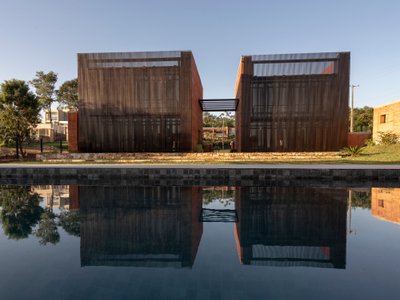
BAUEN Builds Two Rammed Earth Volumes in Paraguay Inspired by the Ovenbird's Nest
In San Bernardino, a house of compacted earth channels the instinct of a constructive bird to shelter life from the Paraguayan summer.
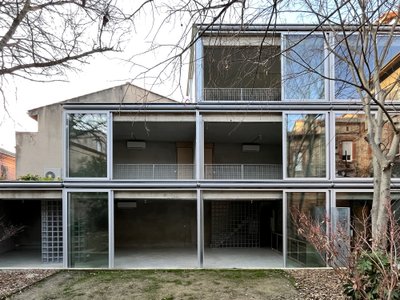
BAST Slots a Four-Story Glass House into a Narrow Gap Between Toulouse Townhouses
In the dense Bonnefoy district, a stepped infill building merges home and office while preserving a majestic hackberry tree.
Similar Reads
You might also enjoy these articles

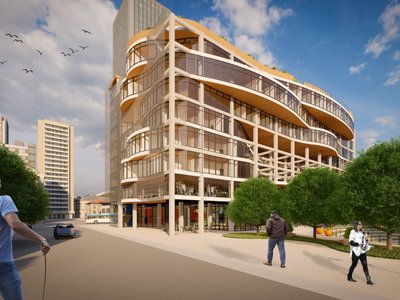
Olio Towers: A Mid-Rise for Performers That Fuses Housing, Rehearsal, and Stage
Located blocks from Houston's Theater District, this modular tower stacks living units around a central performance atrium.
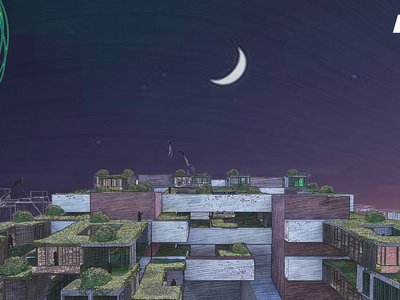
Oasis: Modular Green Housing Carved into Dhaka's Urban Fabric
A shortlisted Plugin Housing entry reclaims unauthorized settlements in Dhaka with stepped concrete volumes, green roofs, and ventilation-driven design.

Black Hole: A Floating Megastructure for the Post-Physical Era
Emiliano Mazzarotto envisions a spherical, self-scaling arena where e-sports, digital hotels, and holographic stadiums replace traditional public space.
Compact & Sustainable Living in Piraeus: A Four-Level Family Home Built Around Light and Air
A narrow townhouse in one of Greece's densest port cities uses a central atrium and passive strategies to house three generations under one roof.


Explore Architecture Competitions
Discover active competitions in this discipline




The International Standard for Design Portfolios


The Global Benchmark for Architecture Dissertation Awards


The Global Benchmark for Graduation Excellence


Challenge to reimagine the Iron Throne
Comments (0)
Please login or sign up to add comments
No comments yet. Be the first to comment!