
Small Footprint Architecture: Maximizing Space with Crest Guesthouse by Mork-Ulnes Architects
Explore the Crest Guesthouse by Mork-Ulnes Architects, a masterclass in small footprint architecture blending sustainability with innovative design in Marin County.


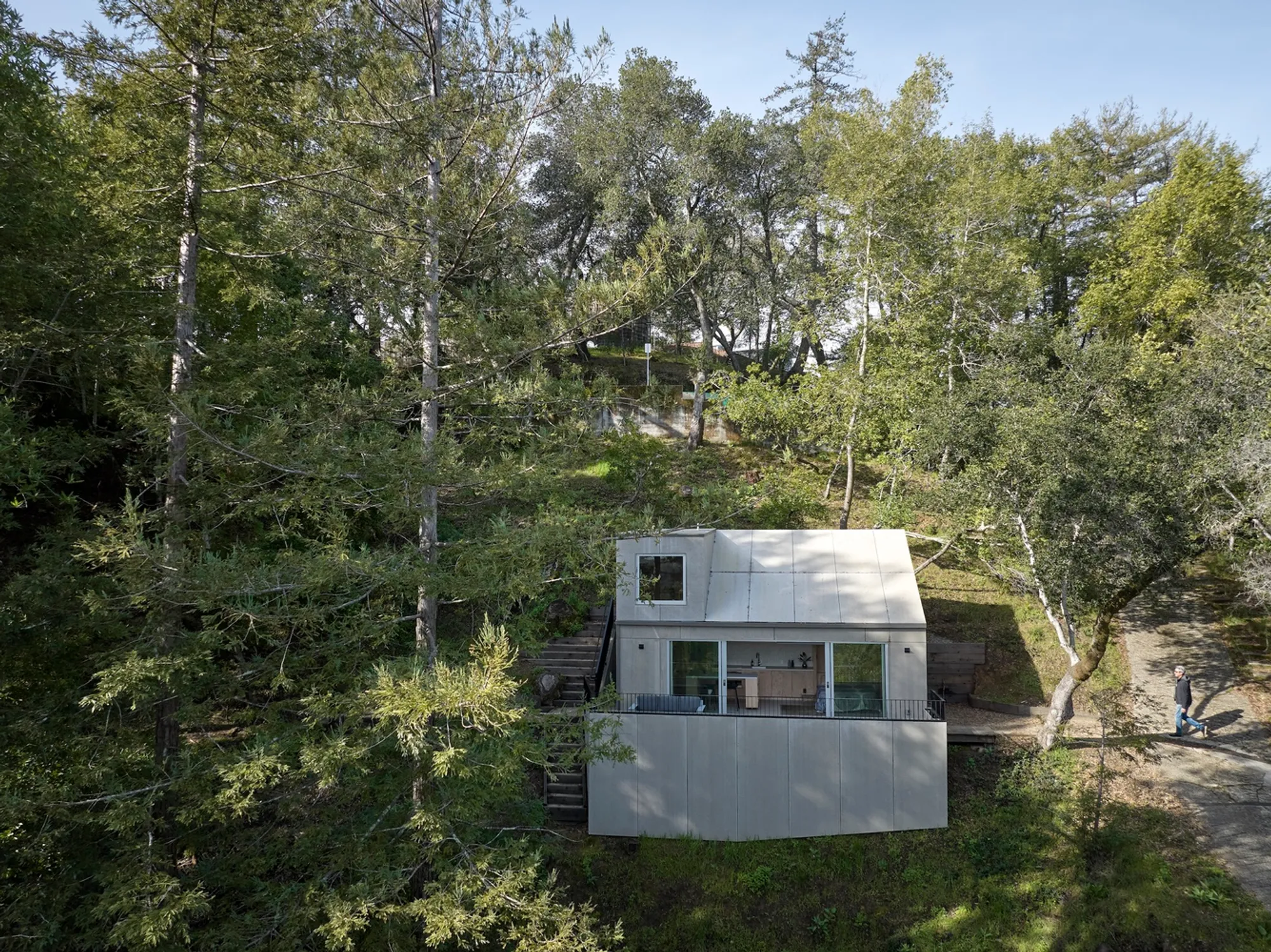
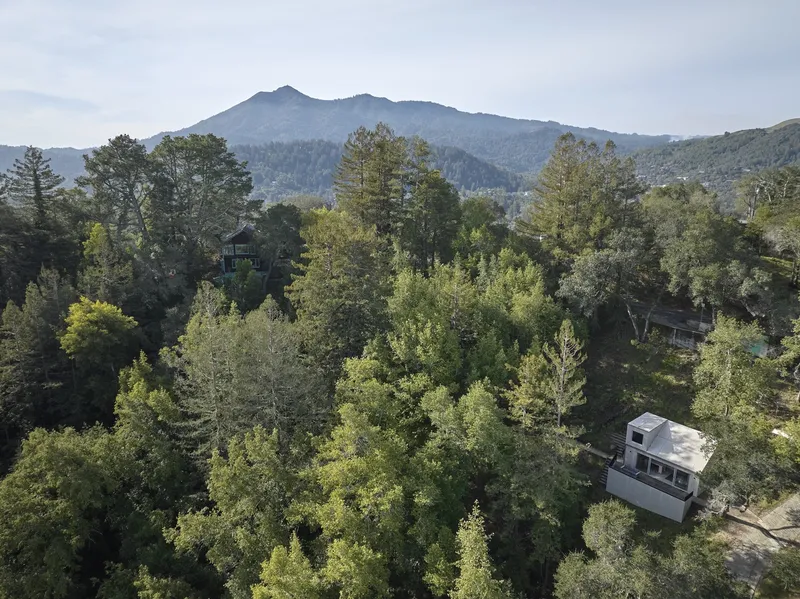
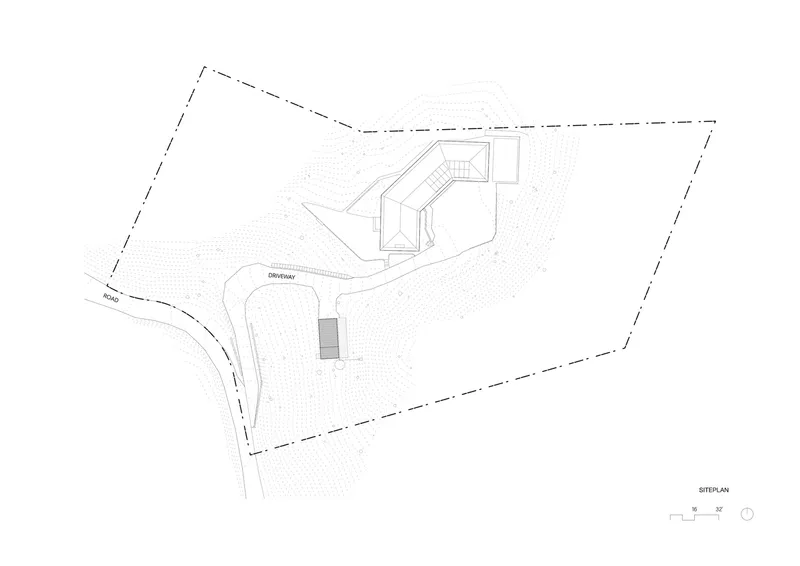
In the realm of modern architecture, "small footprint architecture" is gaining prominence as architects and homeowners alike seek to make the most out of limited spaces. The Crest Guesthouse in Marin County, California, exemplifies this trend, transforming the foundation of an old garage into a fully functional and stylish Accessory Dwelling Unit (ADU).
The Essentials of Small Footprint Architecture
What is Small Footprint Architecture?
Small footprint architecture focuses on designs that optimize limited space through smart planning, multipurpose features, and seamless integration with the environment. This approach not only addresses space constraints but also tends to have a smaller environmental impact.
Benefits of Small Footprint Designs
These structures are often more sustainable and cost-effective. They require fewer materials and energy to build and maintain, making them ideal for urban infills, vacation homes, and eco-conscious living.
Design and Features of the Crest Guesthouse
Architectural Design
Innovative Use of Space
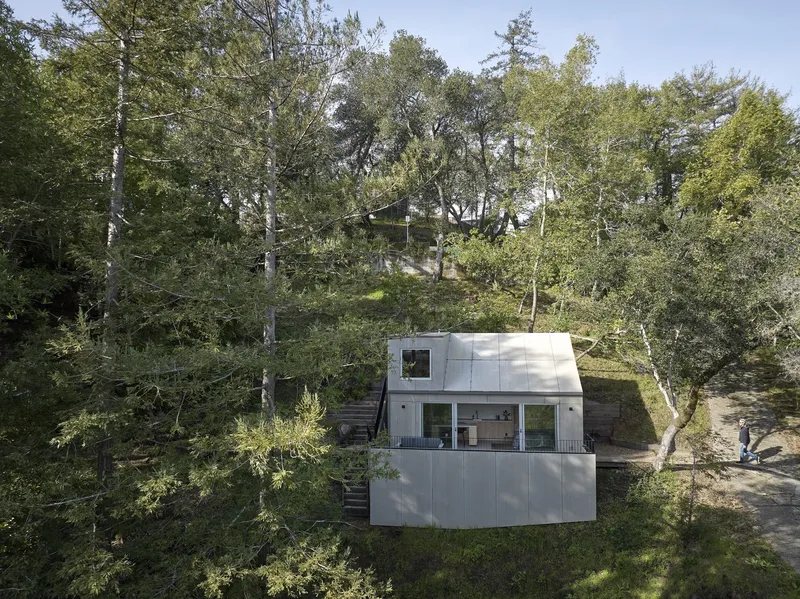
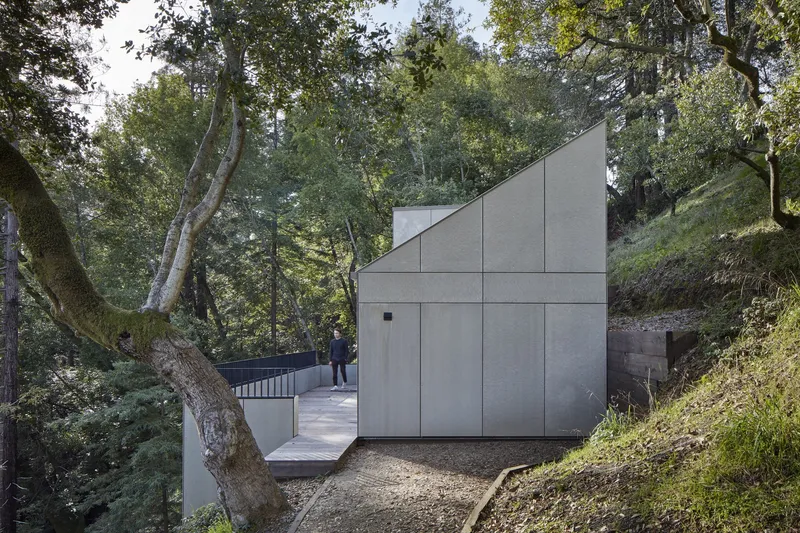
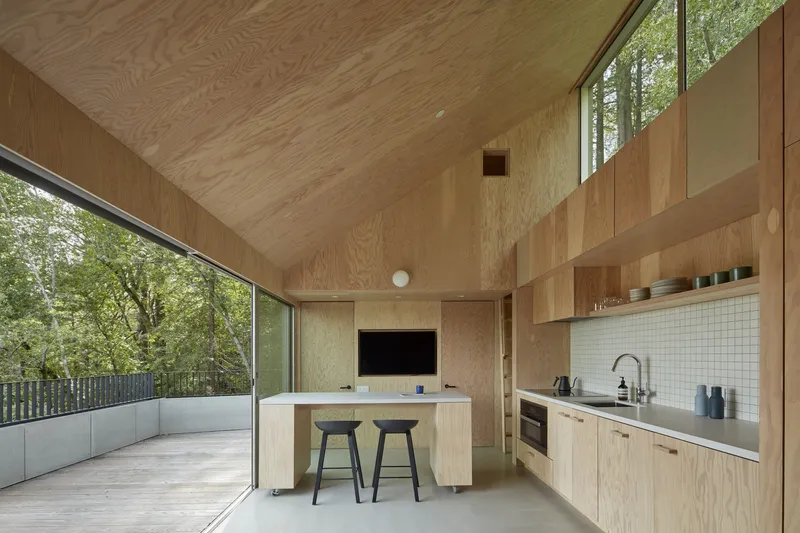
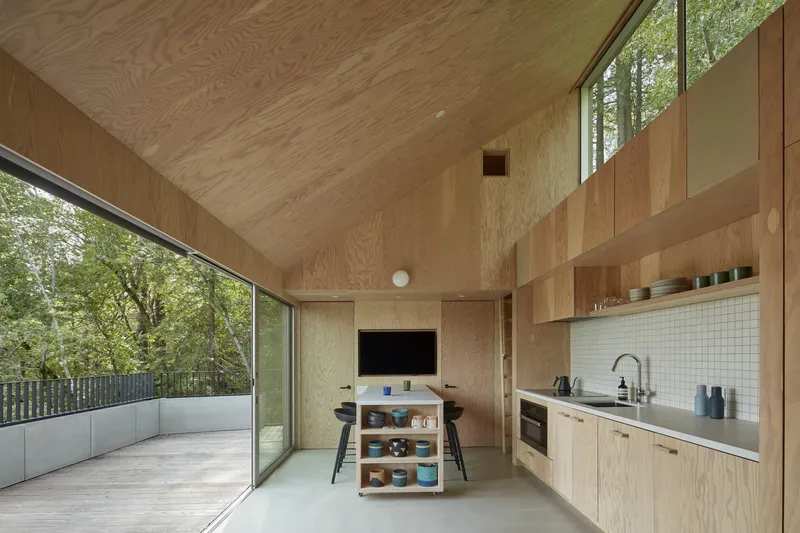
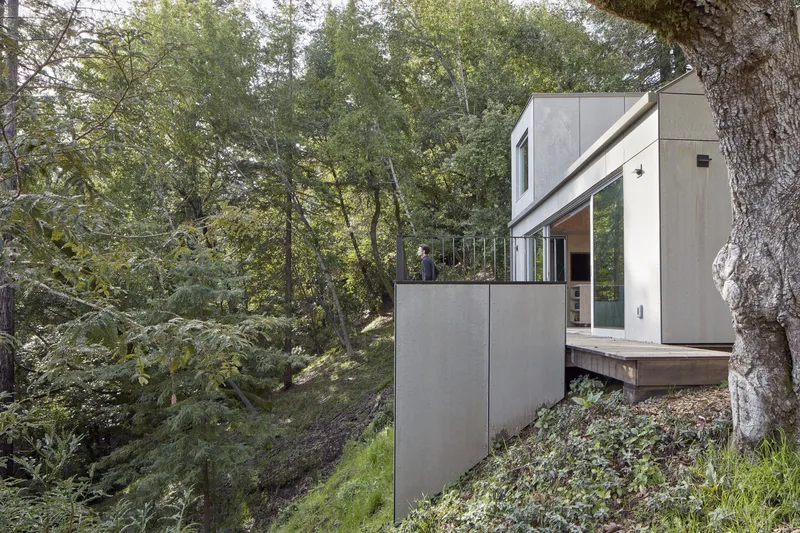
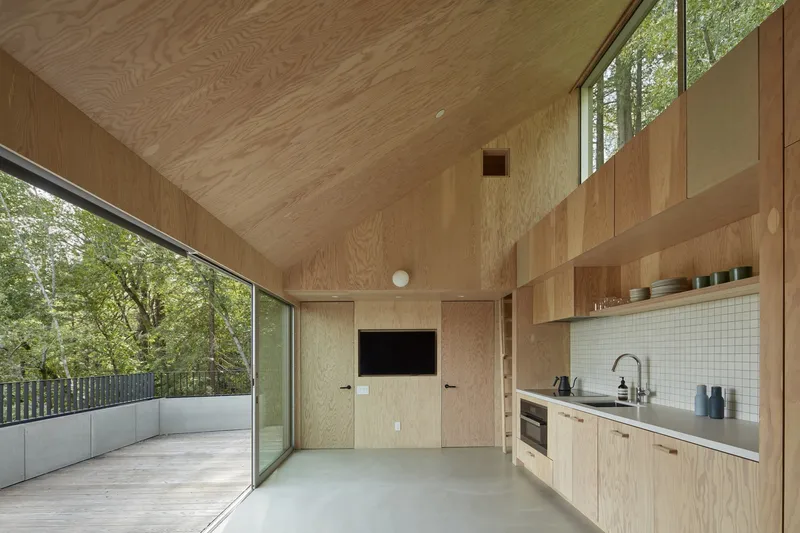
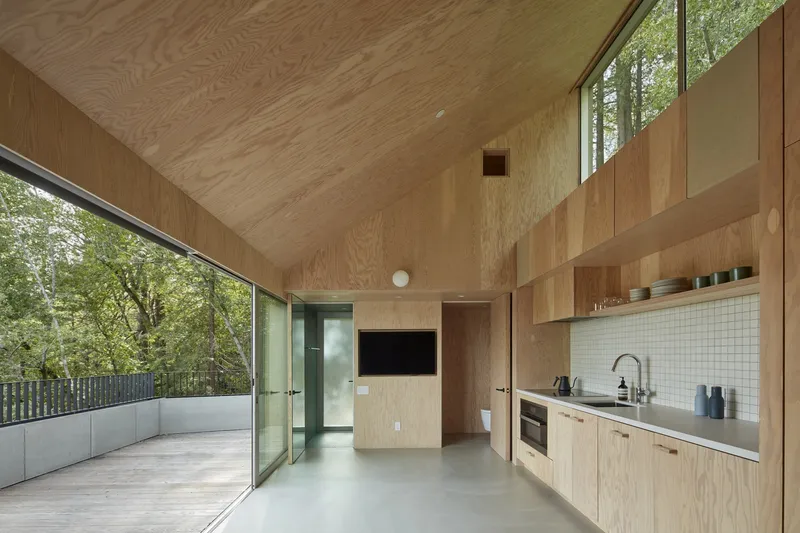
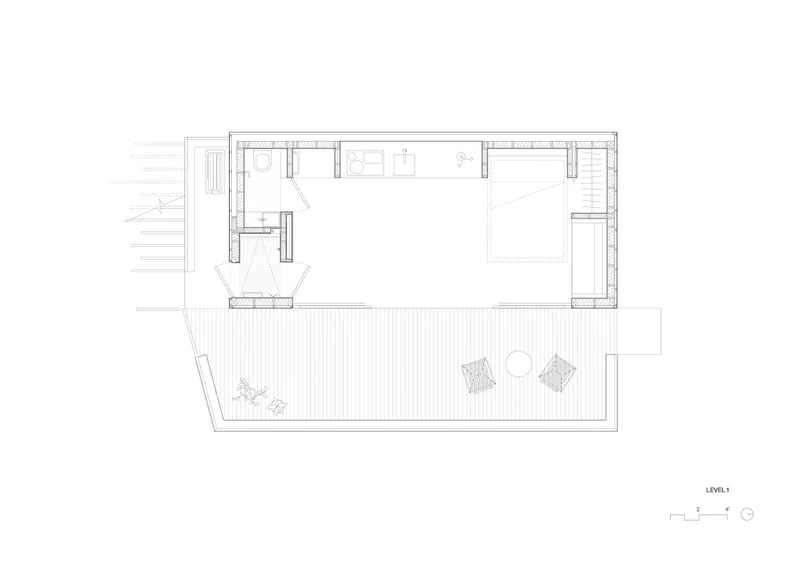
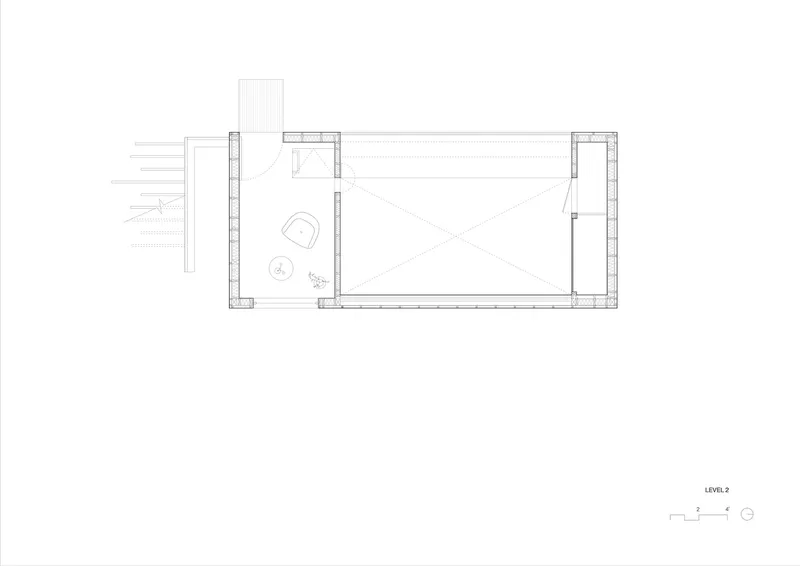
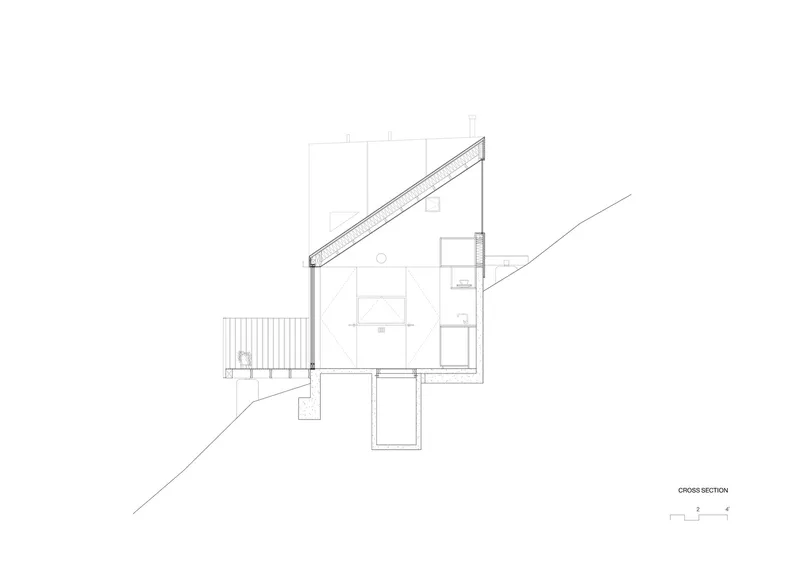
Mork-Ulnes Architects masterfully utilized the existing garage footprint to create the Crest Guesthouse. The structure’s sharply angled roofline not only complements the steep hillside but also maximizes the interior volume, allowing for high clerestory windows that flood the space with natural light.
Exterior and Interior Integration
A significant feature of the guesthouse is its front deck, which effectively doubles the usable area of the ADU. This outdoor space extends the living area into the mild California climate, enhancing both the functionality and aesthetic appeal of the building.
Interior Layout and Flexibility
Multifunctional Components
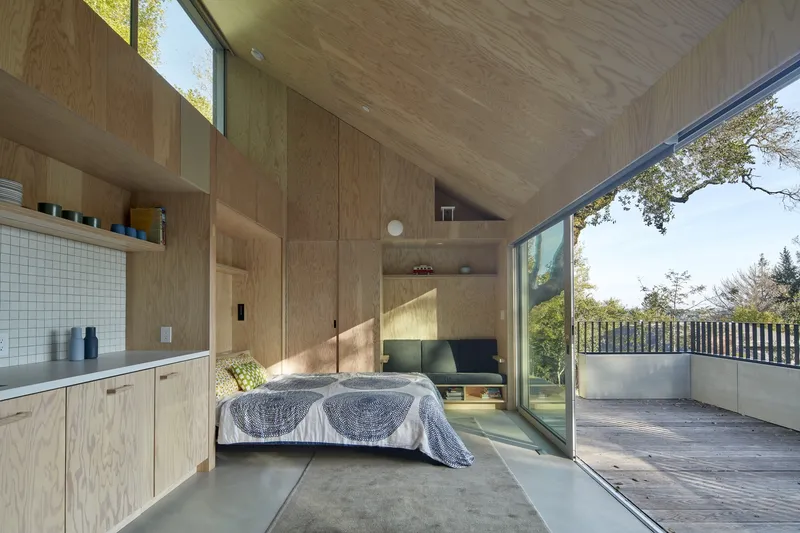
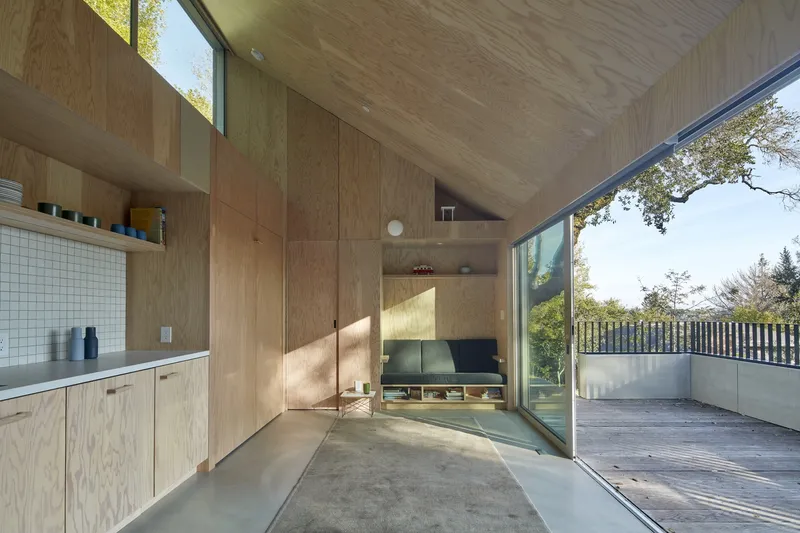
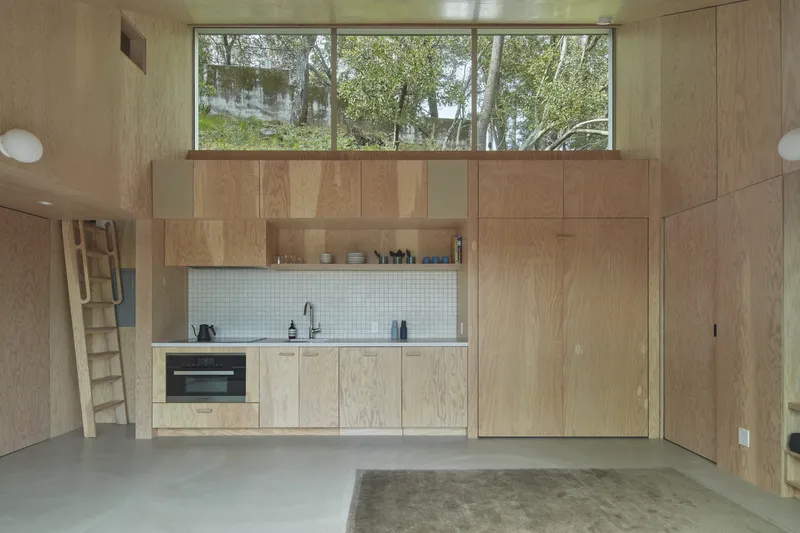
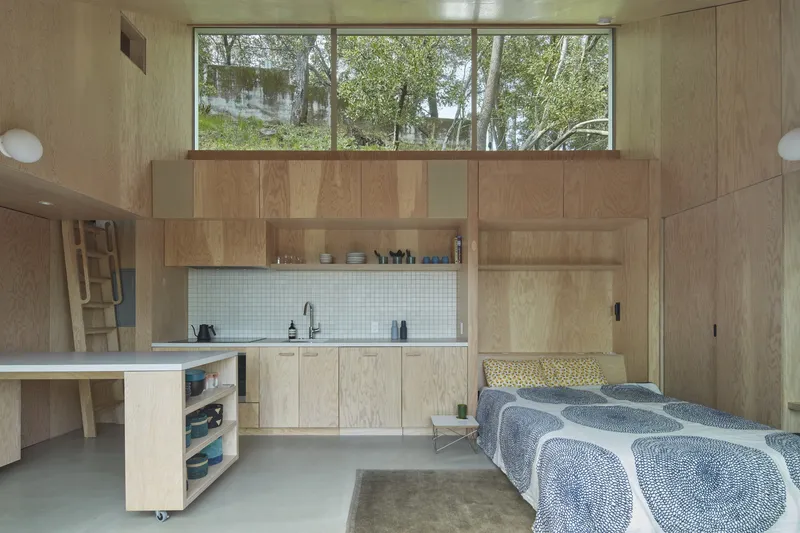
The guesthouse incorporates flexible design elements like a rolling kitchen island and a Murphy bed, which optimize the living space. These features allow the interior to be easily reconfigured based on immediate needs, showcasing the potential of small footprint architecture to adapt to various functions.
Smart Spatial Arrangement
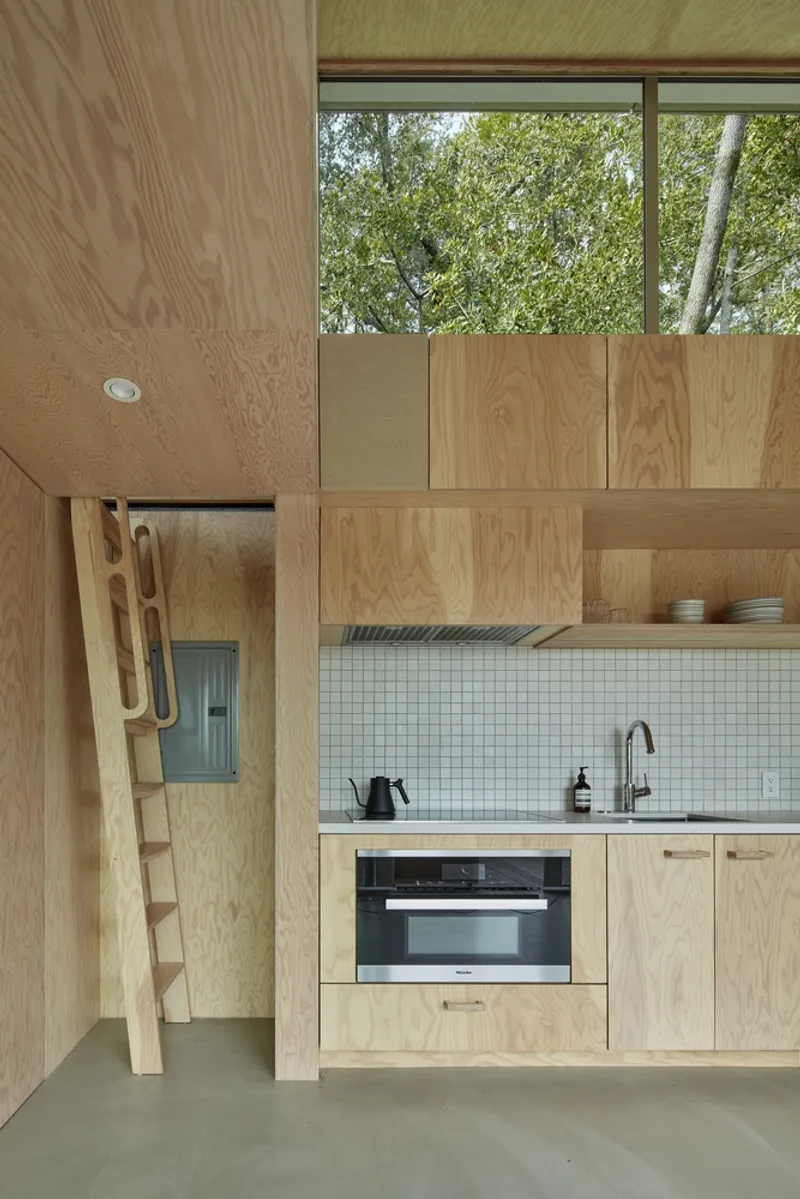
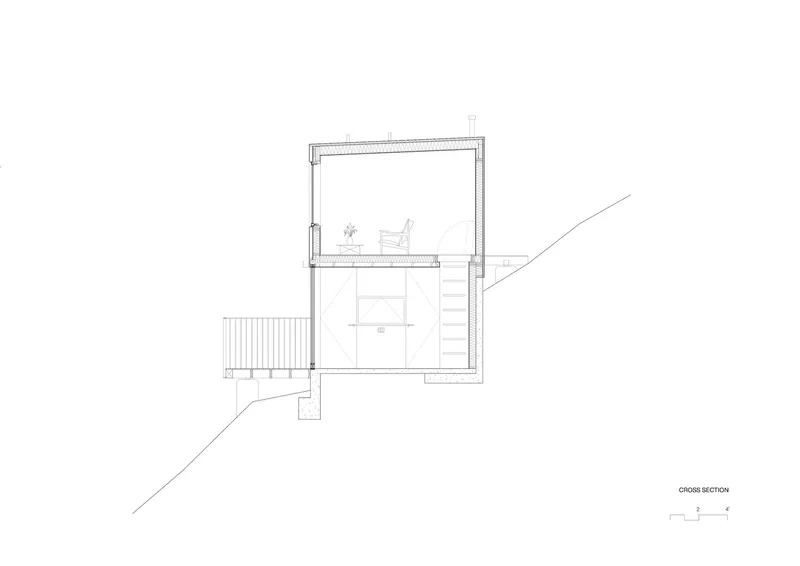
The loft space serves as an additional sleeping or relaxation area, accessible via a ladder that integrates smoothly into the wall when not in use. This efficient use of vertical space is crucial in small footprint designs, providing extra functionality without sacrificing floor area.
Sustainability and Materials
Eco-Friendly Materials
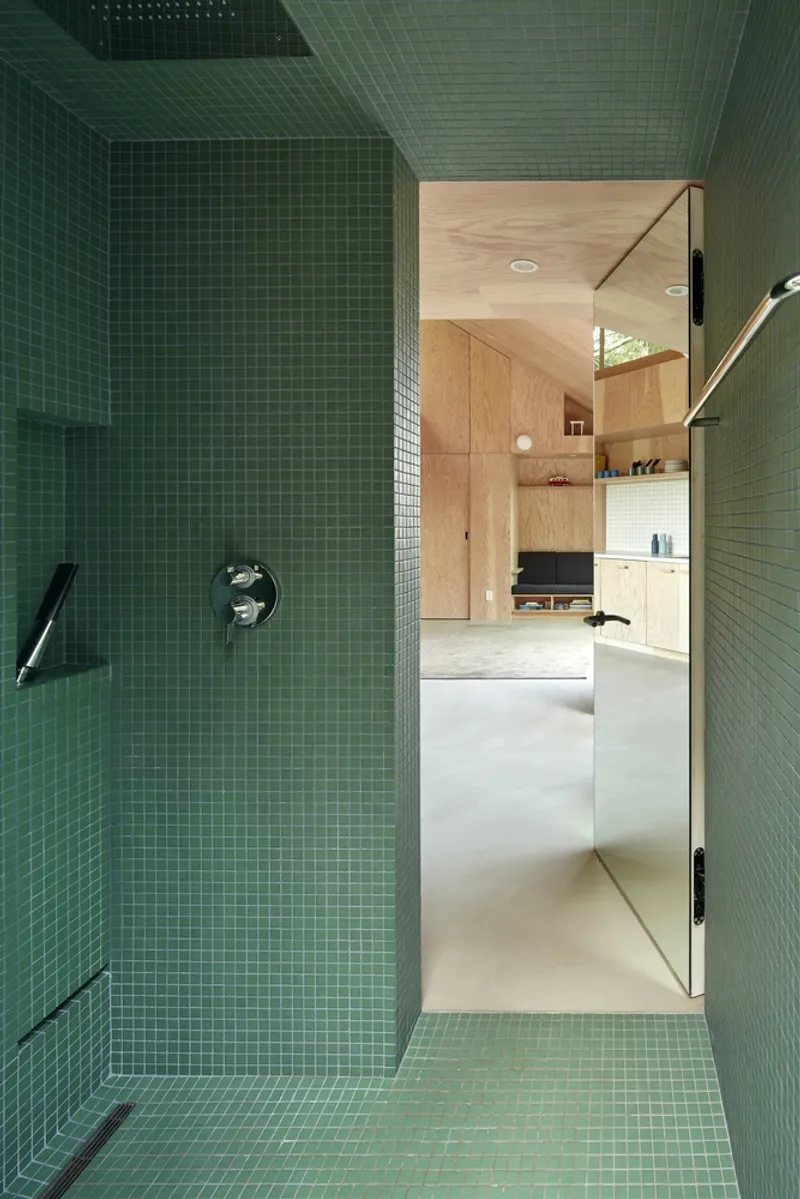
The use of cement board for cladding not only provides fire resistance in the wooded setting but also offers ease of maintenance. Such sustainable material choices reflect a commitment to environmentally responsible design, a key principle in small footprint architecture.
Energy Efficiency
The strategic placement of windows and the integration of indoor-outdoor spaces contribute to the building's energy efficiency. Natural lighting and ventilation reduce the need for artificial heating and cooling, lowering energy consumption and enhancing comfort.
Impact and Utilization
Versatility in Use
Originally intended as a rental unit and guesthouse, the ADU is currently used by the owners as a vacation cabin. This adaptability in use demonstrates the practicality of small footprint architecture in meeting diverse housing needs.
Inspiration for Future Projects
The Crest Guesthouse serves as a model for architects and developers looking to maximize small spaces creatively and sustainably. It illustrates how thoughtful design can turn limited square footage into comfortable, luxurious living environments.
The Crest Guesthouse by Mork-Ulnes Architects is a testament to the capabilities of small footprint architecture. Through clever design and sustainable practices, it achieves a balance of style, functionality, and environmental stewardship, making it a beacon for future developments in the field.
All photographs are work of Bruce Damonte




Popular Articles
Popular articles from the community


Conexión: Biophilic Design Reimagines High-Rise Living in Hong Kong
Conexión reimagines high-rise living in Hong Kong through biophilic design, green facades, shared spaces, daylight, water and nature within.

Play: Fragments of Their World
Familiar architecture becomes modular playground design, creating safe spaces where displaced children can learn, connect, imagine and play.

Hill & Cross Opera: Sculptural Opera House Architecture Shaped by Tallinn’s Landscape and Identity
Hill & Cross Opera reimagines opera house architecture in Tallinn through its sculptural hill, civic plaza, glass wave and a luminous cross.

Lunar Spiral: Space Architecture Shaped by the Mathematics of the Universe
Lunar Spiral reimagines space architecture through Fibonacci geometry, lunar regolith, levitating habitats, and self-sustaining Moon living.


Similar Reads
You might also enjoy these articles


Hodi-Mandai Geram
Project Function: Preservation and revitalization of the Intangible heritage and socio-spatial identity of the Hodi by Housing, Cultural Memory Center, Sacred Grove, landscape, local tourism economy


Olio Towers: A Mid-Rise for Performers That Fuses Housing, Rehearsal, and Stage
Located blocks from Houston's Theater District, this modular tower stacks living units around a central performance atrium.

Oasis: Modular Green Housing Carved into Dhaka's Urban Fabric
A shortlisted Plugin Housing entry reclaims unauthorized settlements in Dhaka with stepped concrete volumes, green roofs, and ventilation-driven design.

Black Hole: A Floating Megastructure for the Post-Physical Era
Emiliano Mazzarotto envisions a spherical, self-scaling arena where e-sports, digital hotels, and holographic stadiums replace traditional public space.

Explore Architecture Competitions
Discover active competitions in this discipline



Challenge to reimagine the Iron Throne


Photograph architecture without architects


Illustrate the lost glory of Angkor Wat - Render Challenge


Design challenge to reuse E-waste
Comments (0)
Please login or sign up to add comments
No comments yet. Be the first to comment!