
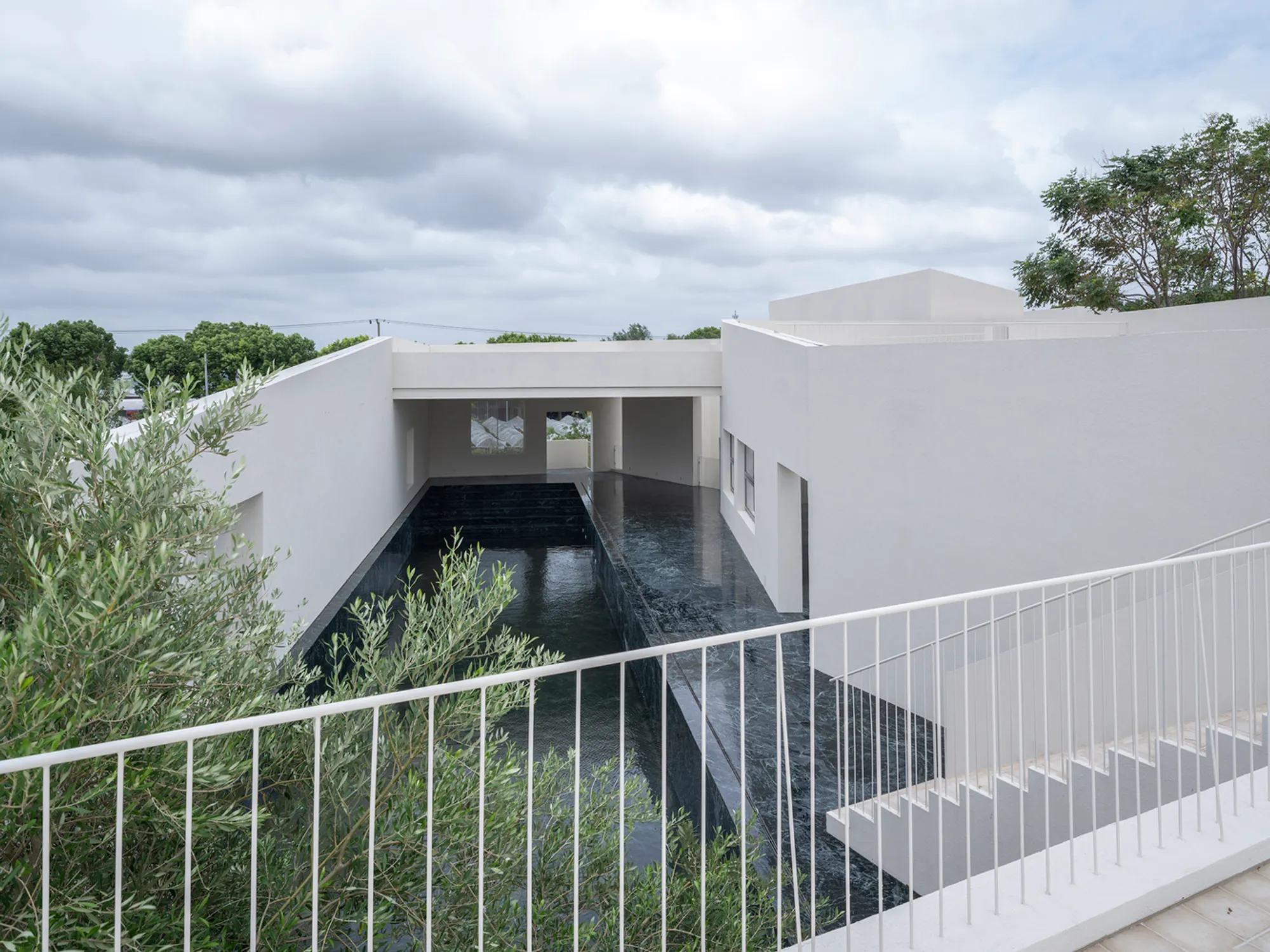
Su Yuan, House and Garden by Atelier Deshaus: A Contemporary Interpretation of Jiangnan Garden-Inspired Architecture
A poetic cultural center blending Jiangnan garden traditions with modern architectural design through spiraling paths and sculpted landscapes.


Reviving Industrial Land into a Cultural Landmark
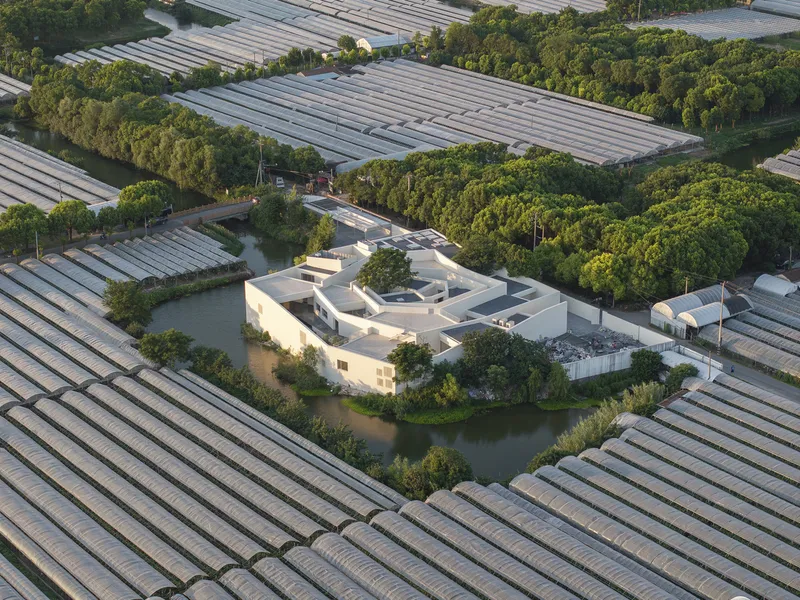
In Dayu Village of Shanghai’s Jiading District, where lush vineyards define the rural landscape, a defunct township-owned factory has been transformed into a poetic architectural narrative. Atelier Deshaus’s Su Yuan, House and Garden emerges from this formerly idle site, embodying the convergence of cultural memory, ecological renewal, and spatial experimentation. Originally conceived for renowned artist Yue Minjun and later revitalized by fashion brand Dazzle, the building serves today as a multifunctional cultural center, connecting the rhythms of Jiangnan traditions with contemporary architectural logic.


Architectural Concept Rooted in Jiangnan Aesthetics
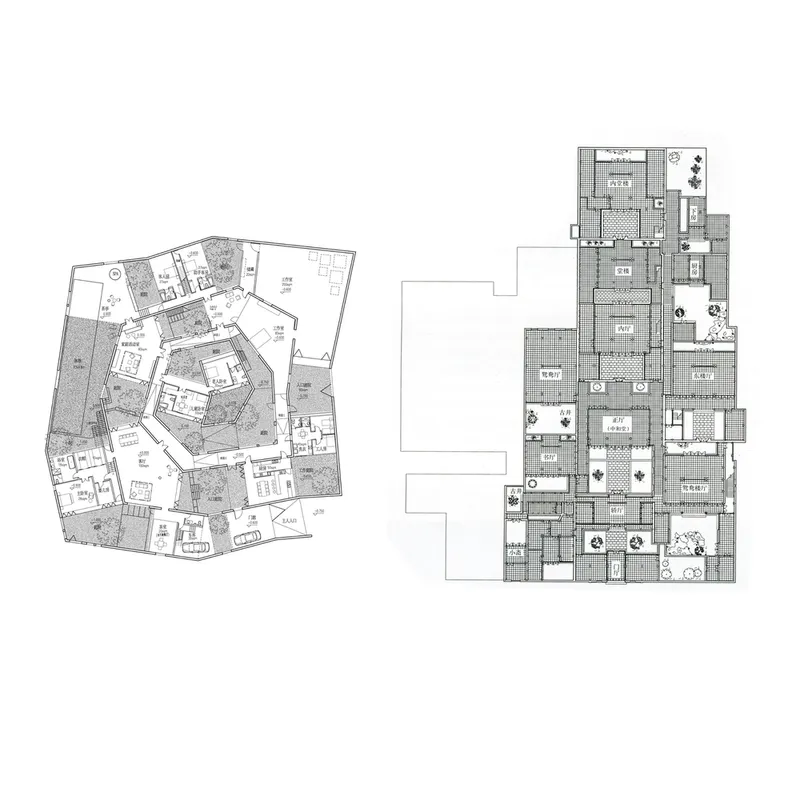
At the heart of the design is the ancient spatial wisdom of Jiangnan gardens—infused with a modern reinterpretation. Inspired by Yue Minjun’s Maze series, Atelier Deshaus envisioned a continuous spiral path that embodies the idea of Qujing Miyuan—a labyrinthine progression of winding paths and hidden vistas. This spatial logic draws from the jin movement found in traditional Jiangnan residences, where one navigates through layered courtyards, thresholds, and sectional depth to arrive at inner sanctuaries.
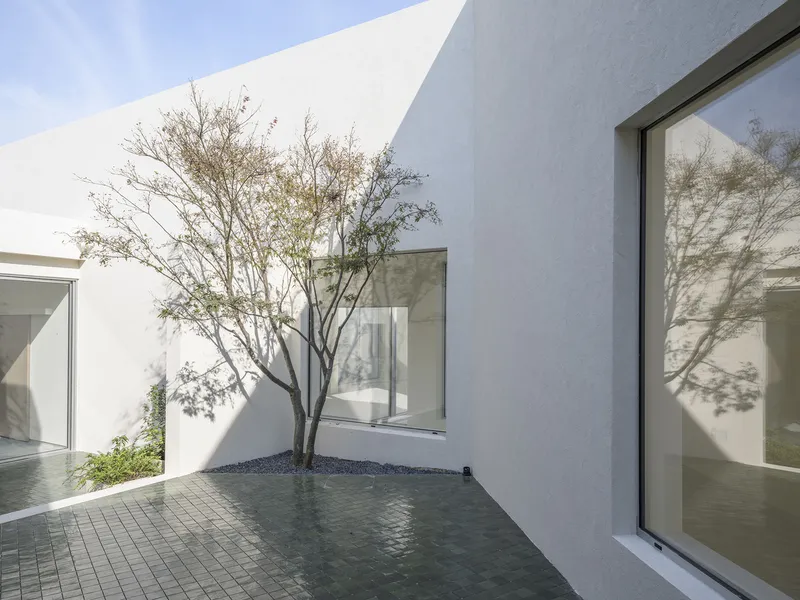
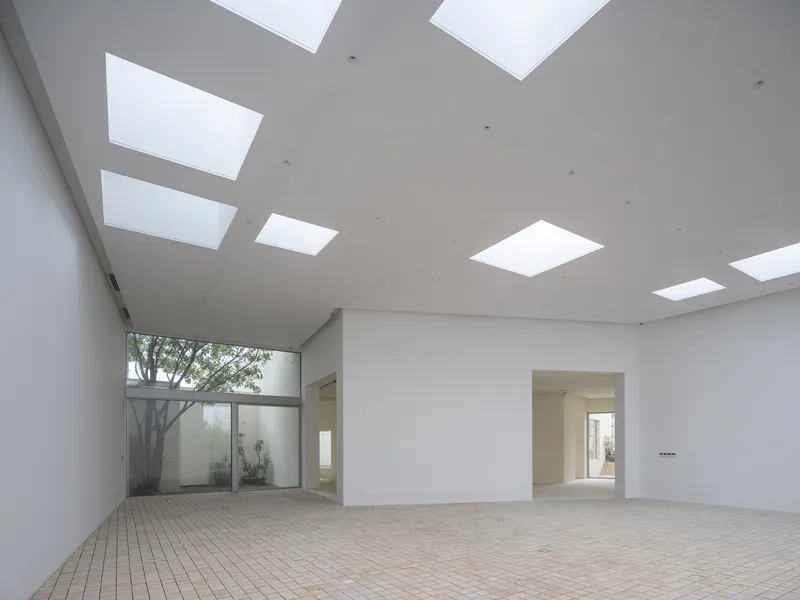
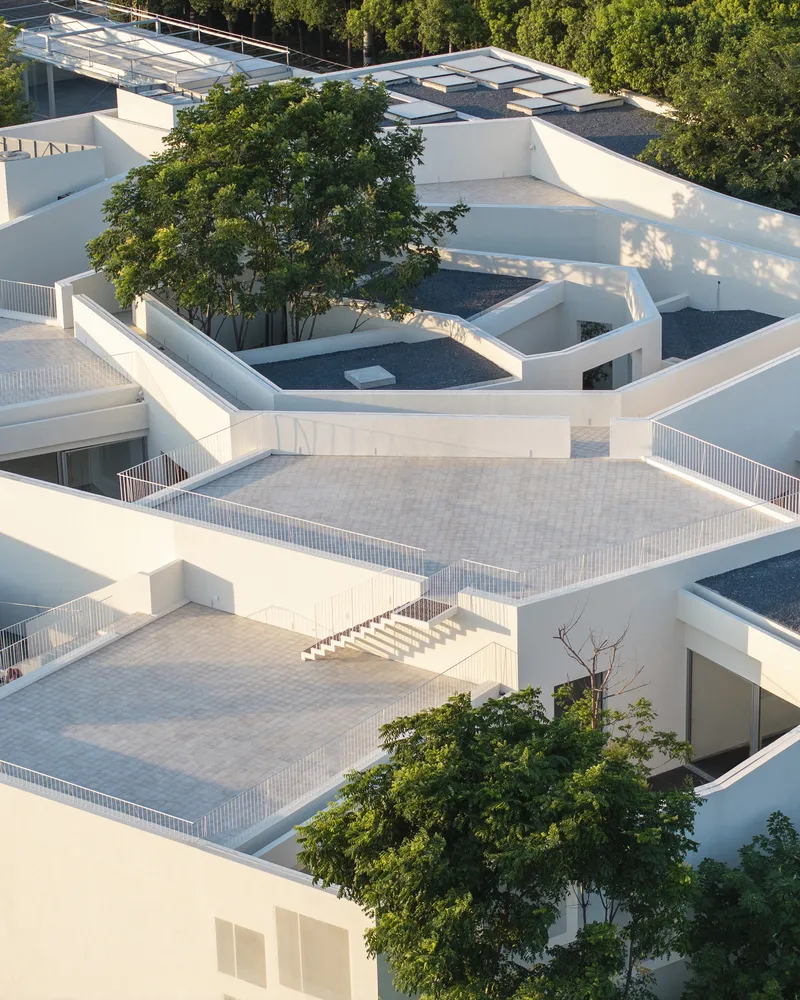
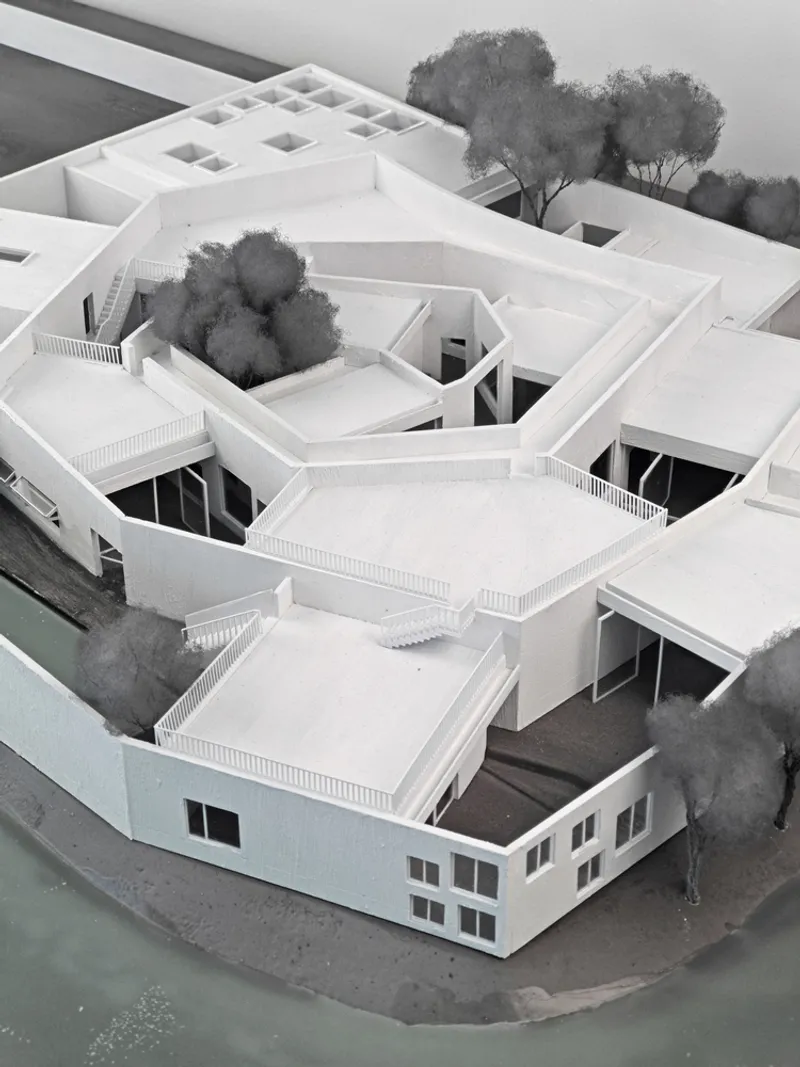
The transformation begins with the site’s square footprint, 50 meters on each side. Within this disciplined geometry, a broken spiral unfolds. It loops through spaces that oscillate between openness and enclosure, each turn revealing new alignments, visual connections, and shifting perspectives—echoing the classical principle of borrowed scenery and layered narrative in Chinese garden design.


A Sculpted Terrain: Architecture in Dialogue with the Earth
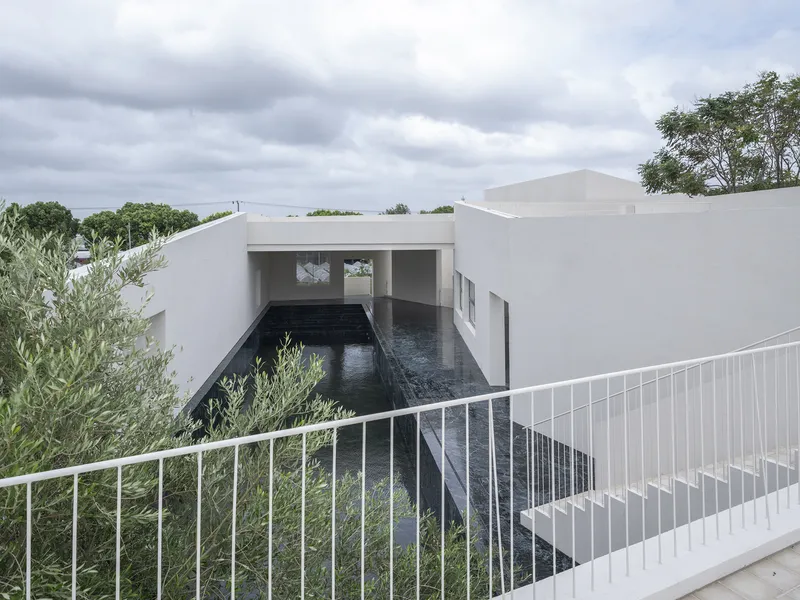
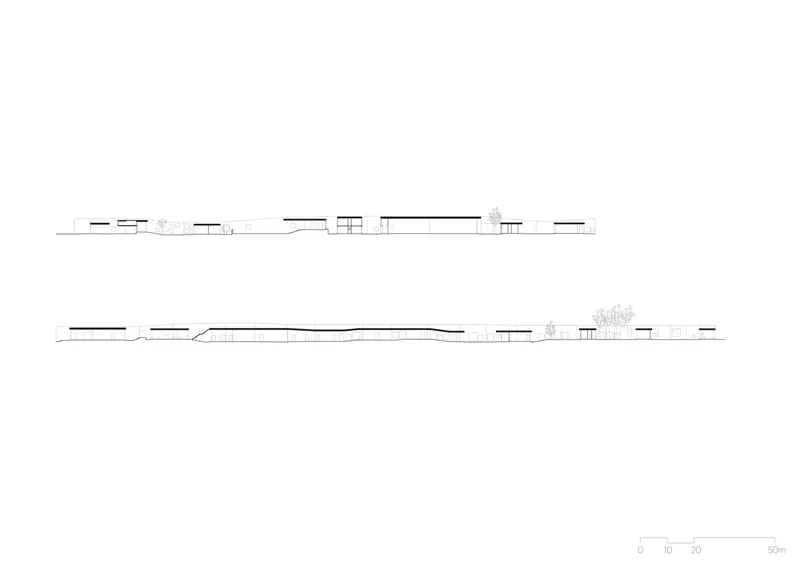
Rather than imposing form onto the land, the project works in tandem with it. Earth excavated from a swimming pool was repurposed to create a softly contoured hill that weaves through the built structure. This topographical intervention not only enhances the haptic experience of ascending and descending but also gives rise to a modern "rockery"—a motif central to traditional Chinese gardens. The seamless integration of architecture and terrain encourages a contemplative bodily journey, guiding visitors through spaces that feel both monumental and intimate.


Programmatic Adaptation with Traditional Roots
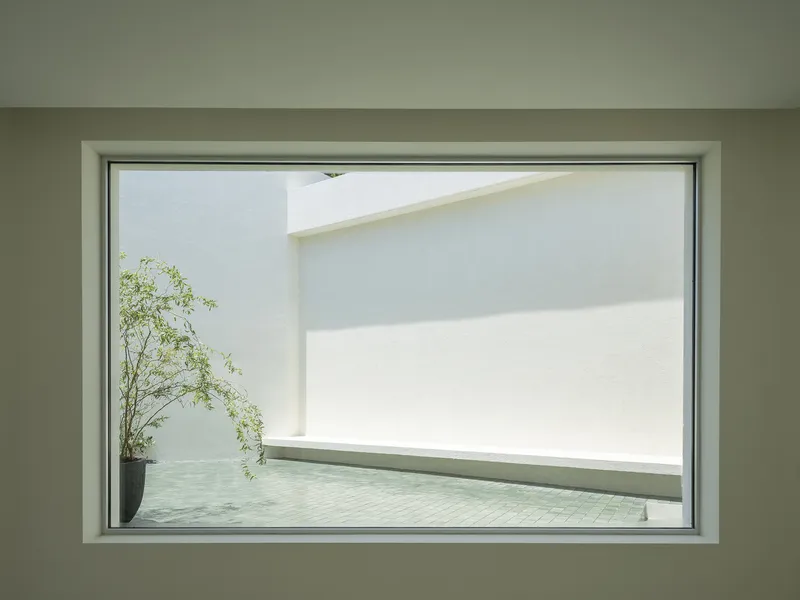
Although Su Yuan now houses a range of cultural functions—art exhibitions, a library, tea house, yoga rooms, and guest accommodations—its spatial logic remains anchored in vernacular domesticity. The original program included a living room, study, guest quarters, and a tea room, resembling the layout of Jiangnan-style homes. Atelier Deshaus leveraged this inherent adaptability, reinforcing the idea that traditional architectural typologies possess timeless flexibility when interpreted through thoughtful design.

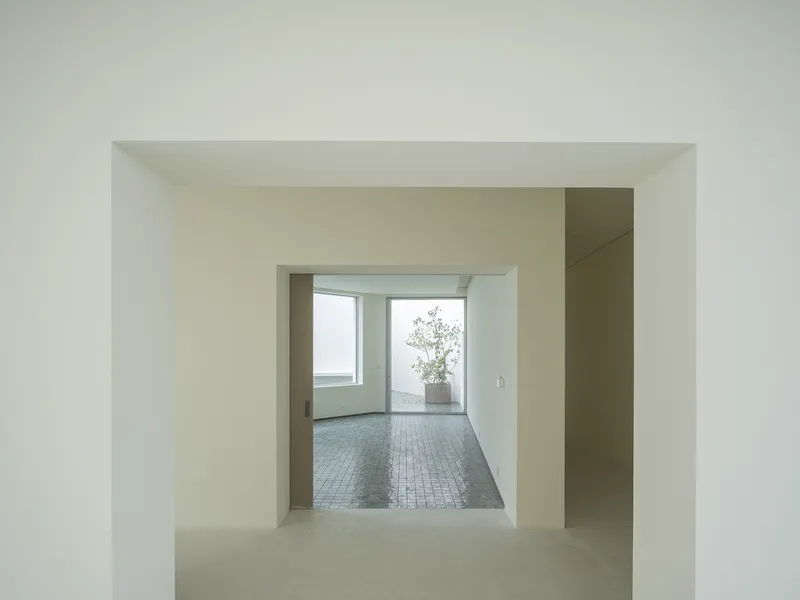
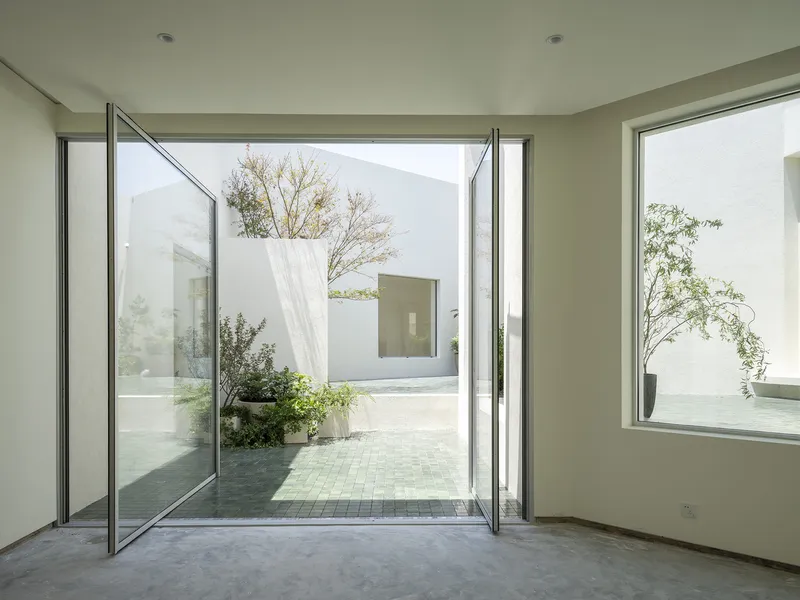
Unlike the rigid hierarchies often present in classical domestic architecture, the spiral circulation dissolves formal boundaries. One may find themselves drifting effortlessly from an interior gallery to a courtyard, then suddenly arriving at a rooftop terrace with sweeping vineyard views. This uninterrupted movement underscores a reimagined freedom of space—more aligned with the fluidity of contemporary life.

Living Landscape and Temporal Depth
Su Yuan’s central courtyard offers a vivid metaphor for continuity and growth. Thirteen trees, planted over fifteen years ago during the building’s initial construction phase, have matured alongside the architecture. Rising alongside the walls, they appear as one collective body—framing views, offering shade, and serving as silent witnesses to the site’s transformation. Their slow, organic development contrasts the built environment’s sharp lines, bringing forth a sense of permanence and temporality that defines the entire project.


On the rooftop, visitors are rewarded with panoramic vistas that extend across the rural horizon. At dusk, the sky blazes over the vineyards—transforming the house into a stage where nature performs, and the built space becomes a quiet observer.
Jiangnan Garden-Inspired Architecture Reimagined
Su Yuan, House and Garden is more than a spatial homage—it is a living, evolving experiment in translating Jiangnan's poetic garden ideals into the language of contemporary architecture. Through spiraling pathways, shifting ground planes, and adaptable programming, Atelier Deshaus crafts a building that honors tradition while inviting new narratives. In doing so, the project becomes not only a cultural center but a meditation on memory, form, and time.


All Photographs are works of Fangfang Tian




Popular Articles
Popular articles from the community


Co-Life: Senior Housing Design That Reconnects Older Adults With the City
Co-Life reimagines senior housing design through healing gardens, shared streets, workshops, and a sustainable community across generations.

The Earth Pod: 3D Printed Homes for Resilient Refugee Communities
The Earth Pod reimagines refugee housing through 3D printed homes made from clay, combining resilience, self-sufficiency, and rapid shelter.

Riyadh For All: Intergenerational Urban Design for Active Aging in Rabat
Riyadh For All reimagines urban design in Rabat with intergenerational co-living, adaptive courtyards, and Moroccan cultural exchange today.

Hill & Cross Opera: Sculptural Opera House Architecture Shaped by Tallinn’s Landscape and Identity
Hill & Cross Opera reimagines opera house architecture in Tallinn through its sculptural hill, civic plaza, glass wave and a luminous cross.

Similar Reads
You might also enjoy these articles


Hodi-Mandai Geram
Project Function: Preservation and revitalization of the Intangible heritage and socio-spatial identity of the Hodi by Housing, Cultural Memory Center, Sacred Grove, landscape, local tourism economy


Olio Towers: A Mid-Rise for Performers That Fuses Housing, Rehearsal, and Stage
Located blocks from Houston's Theater District, this modular tower stacks living units around a central performance atrium.

Oasis: Modular Green Housing Carved into Dhaka's Urban Fabric
A shortlisted Plugin Housing entry reclaims unauthorized settlements in Dhaka with stepped concrete volumes, green roofs, and ventilation-driven design.

Black Hole: A Floating Megastructure for the Post-Physical Era
Emiliano Mazzarotto envisions a spherical, self-scaling arena where e-sports, digital hotels, and holographic stadiums replace traditional public space.


Explore Chinese Small Scale Architecture Competitions
Discover active competitions in this discipline



Challenge to reimagine the Iron Throne


Photograph architecture without architects


Illustrate the lost glory of Angkor Wat - Render Challenge


Design challenge to reuse E-waste
Comments (0)
Please login or sign up to add comments
No comments yet. Be the first to comment!