
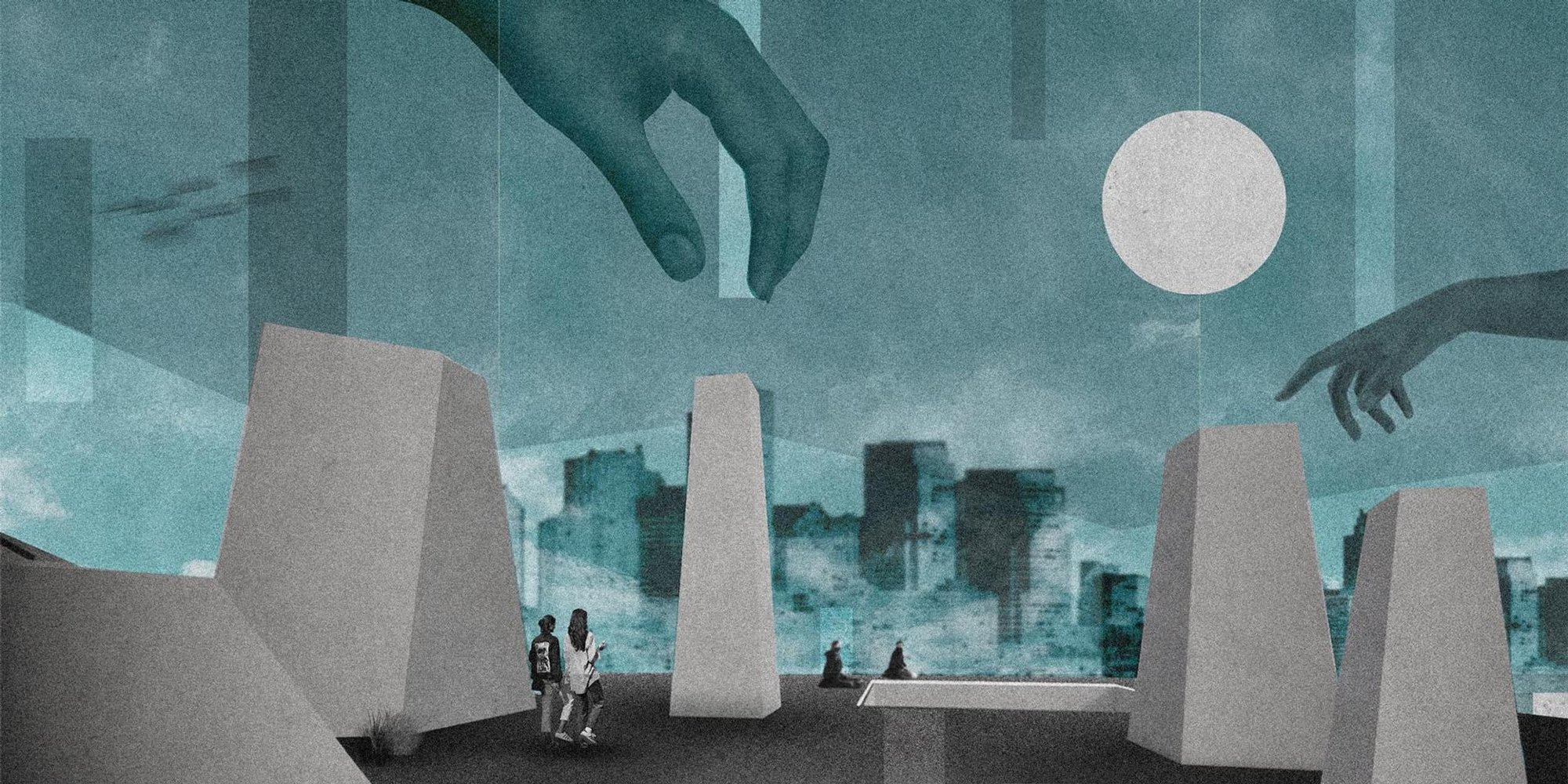
Subterranean museums: Tribute to the Turkish history of underground tunnels.
Results for ‘Underearth’ - cultural architecture competition

In the present-day context, underground structures have always solely been for functional purposes such as parking, subways, and bunkers. The safe atmosphere that comes with the concept of underground structures has always yielded to the misconceptions of their closeted and uninteresting designs. Some of these mundane concepts also come with features of a seamless transition between spaces and a cozy environment.
They also had the added advantage of insulation. But such eccentric projects come with the additional costs of ventilating the space, additional spending on circulation and lighting too.
The rise of underground structures is comparatively older than people assume it to be.
Current trends and radical designers globally are changing this trend from ‘ground up’ with various experiences built tailored for underground which brings new energies to this typology.
Underground tunnel systems have existed since ancient times. They served many purposes, some of them including refuge, storage, easy transportation, and protection from natural distresses.
Cappadocia is one such region in Turkey. It serves as one of the best examples of underground tunnels systems that were mainly used for transportation, which helped them avoid the difficult terrains above. The place has a vibe that would serve as a great set for an alternate reality, with volcanic ash stone structures on the surface and an extensive tunnel system below, that once served as home for over 20,000 people.
This is not the only or the oldest underground, but its popularity is accredited to how deep it is and its intricacies. A place so rich with culture and a work of wonders needs a testimony that narrates its story to the throngs of tourists that visit yearly.
Every city needs a statement, to stand the tests of time and narrate its stories. Underground structures today at cities like Cappadocia may exist but every building has an expiry.
Museums are one of the many ways that this can be made relatable to today’s world. There are over 200 underground cities in Turkey and the most prominent ones are Derinkuyu and Kaymakli.
Challenge was to design a gallery/museum whose structure stands as a testimony to Turkey’s underground tunnel systems.
Space is to represent the culture that existed in those cities and to show that to the visitors rather than them just focusing on its aesthetics. The gallery is to acts as an immersive experience for the users.
The underground city of Derinkuyu can be taken as a specific study if need be.
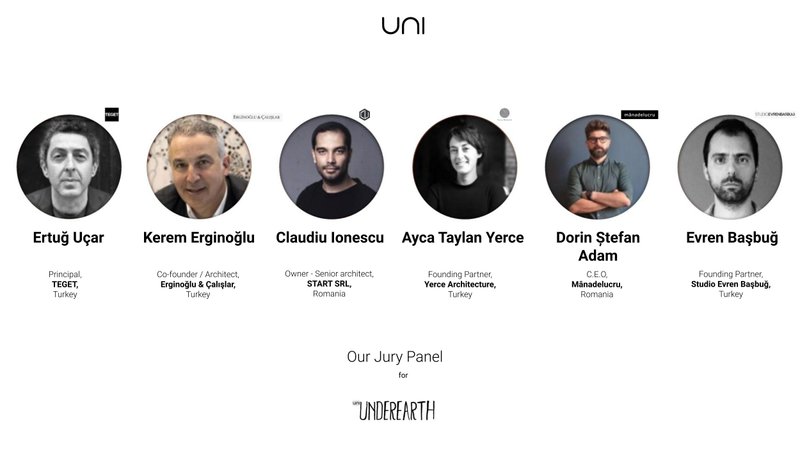
The jury for the competition consisted of esteemed designers, professionals, and academicians from around the world. The Lead Jurors for the competitions were as follows:
Ertuğ Uçar, Principal, TEGET, Turkey
Kerem Erginoğlu, Co-founder / Architect, Erginoğlu & Çalışlar, Turkey
Claudiu Ionescu, Owner - Senior architect, START SRL, Romania
Ayca Taylan Yerce, Founding Partner, Yerce Architecture, Turkey
Dorin Ștefan Adam, C.E.O, Mânadelucru, Romania
Evren Başbuğ, Founding Partner, Studio Evren Başbuğ, Turkey
Some of the Best of competition projects are:
Winning Project: Alt Museum
By: Kemal Tezcan
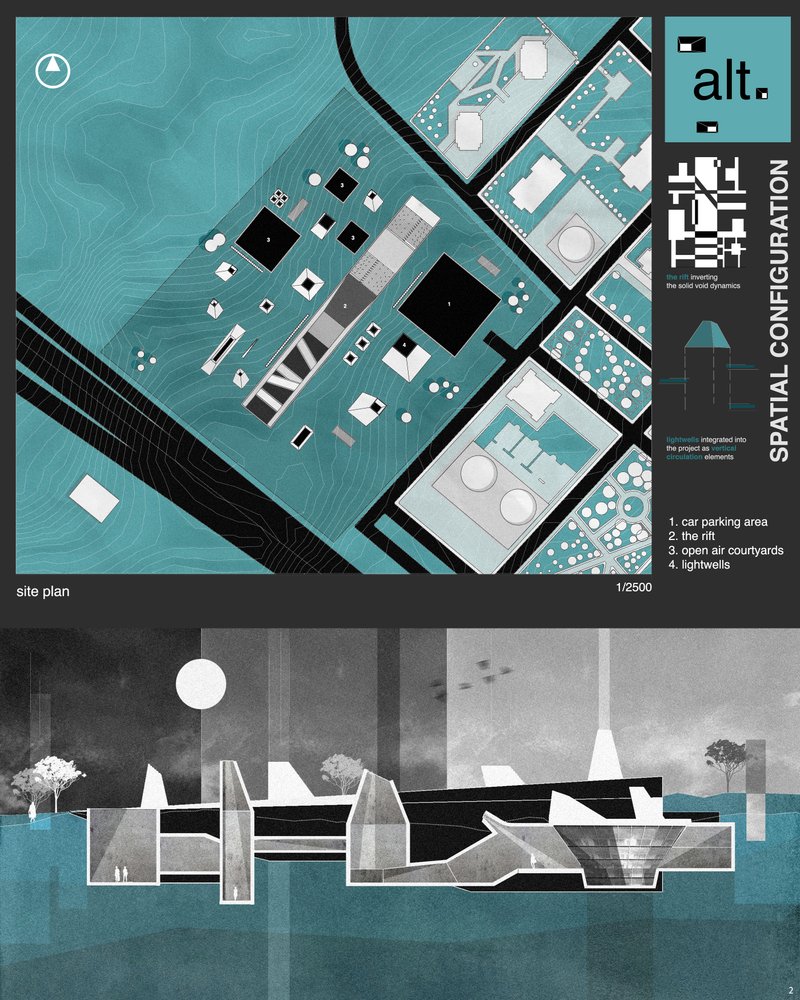
Fig: 1 Site plan
Description: Museum for the subterranean heritage of Anatolia.
--------------------
People’s Choice: SUBTERRANEAN MUSEUM
By: Ayda Aliasgarian, Mobina Mohseni & Mehdi Khakzand
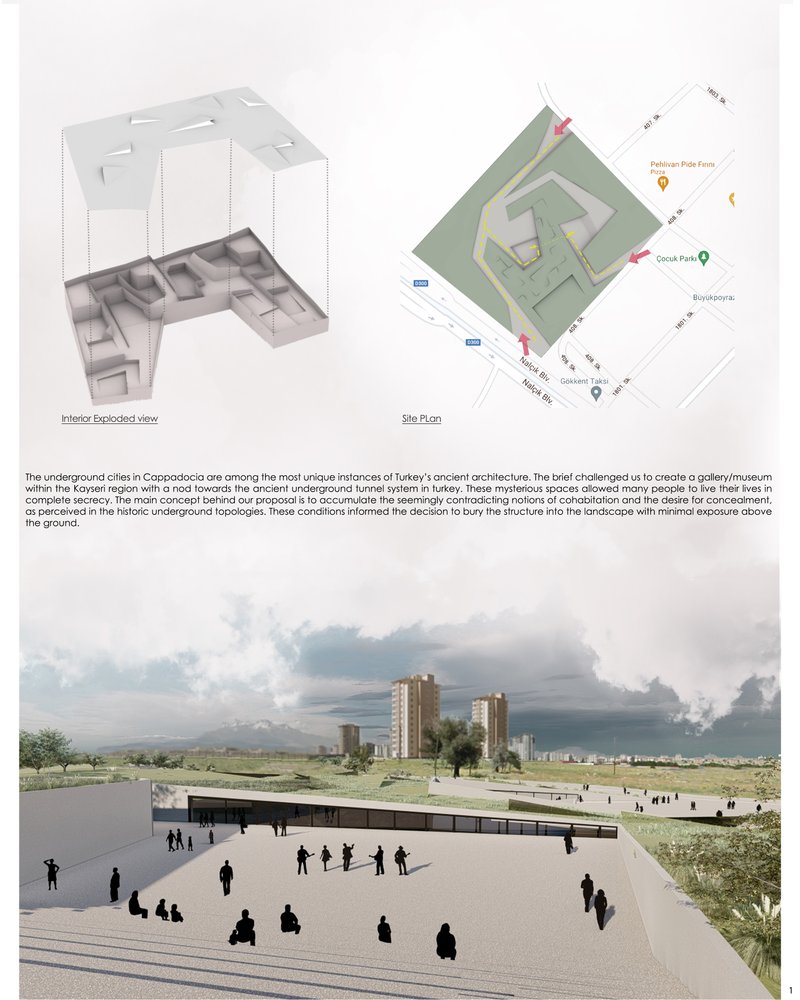
Fig: 2 Interior exploded view and site plan
Description: A hidden yet dynamic space is created that encourages the visitors’ interaction.
--------------------
Editor’s Choice: KAYSERI CULTURAL CENTER
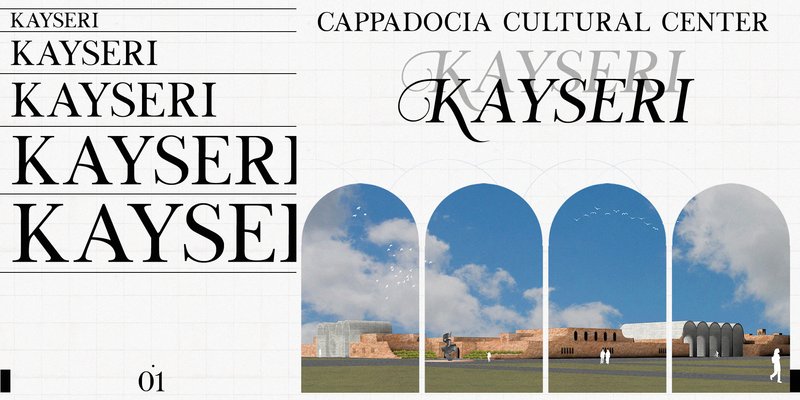
Fig: 3 Cover image
Description: Cappadocia is located in a historical region that, while an important area due to its historical background, there has yet to be an effort to create a space that celebrates the cultural value of both the Cappadocian people, but also the diverse cultural aspects that many tourists are interested in. This project is the potential answer to this.
--------------------
Editor’s Choice: One day in Medieval Underground Museum
By: YUZHI YAO & JIARU WANG
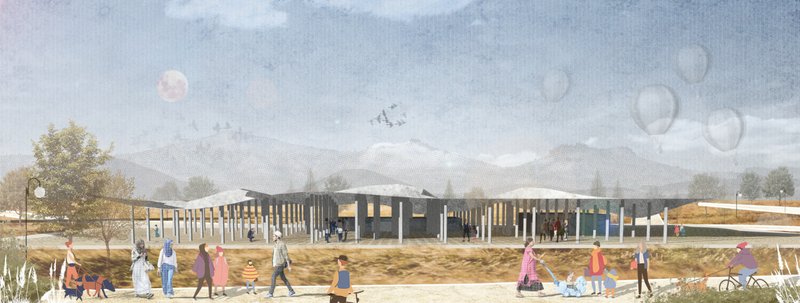
Fig: 4 Cover image
Description: This is a museum showing the history and culture of the medieval Turkish underground tunnel system. Visitors need to shuttle through the intricate ventilation pipes to find the entrance of the underground museum, and then dress up as people living underground in the Middle Ages in the form of cosplay for an immersive experience.
--------------------
Editor’s Choice: Underearth "Havada"
By: Chloe Chen, Angela Li & Keng Chi Mak
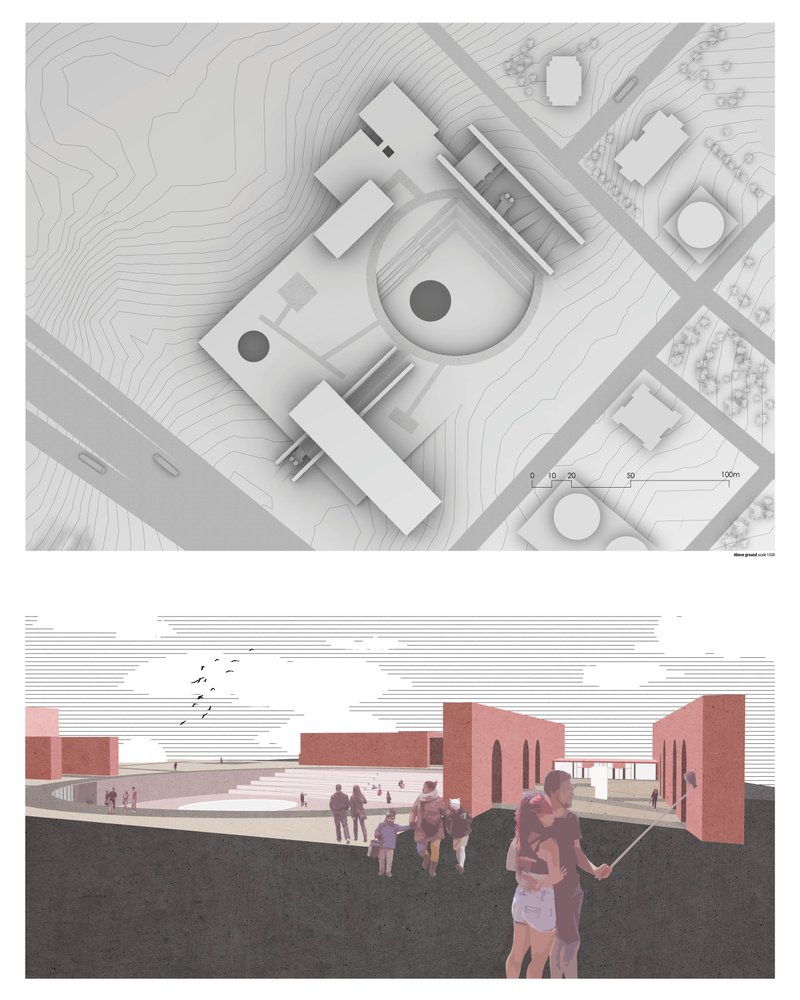
Fig: 5 Site plan and 3d view
Description: Burrowed away for centuries, the Cappadocians have taken to mastering the skies with their renascent vessels, naming all there is under the celestial dome as their own. They were underground but they were endowed with an unparalleled abundance of space. Havada turns this wealth into the reversed museum citadel. They are still underneath, still afloat.
--------------------
Editor’s Choice: CONTRASTONE SHELL
By: Emre Ozturk & Doğukan Güngör
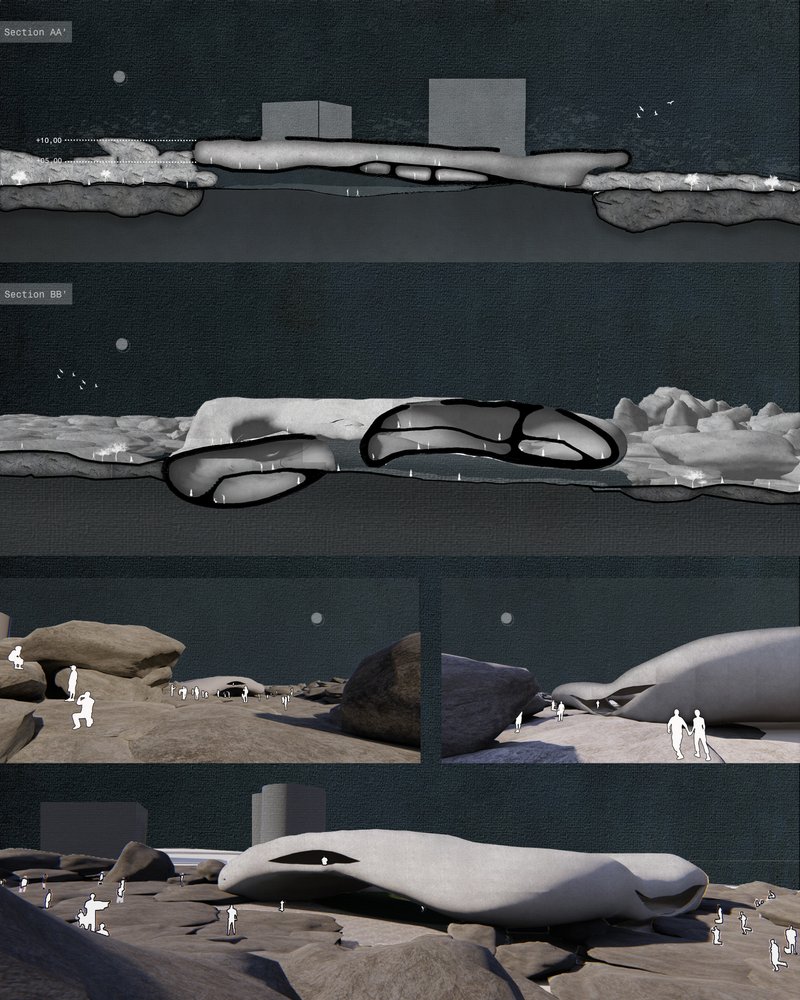
Fig: 6 Section plan
Description: The design establishes a museum in the city of Kayseri with what it learned from the underground cities. It emphasizes that underground life is tunnel-based. It adds meaning to the design, which will be located on the city periphery, by adding public qualities. It also draws attention to the natural stone mines, which are the true face of the city of Kayseri
--------------------
Editor’s Choice: Museum of Experiences
By: "Selin Demirel"
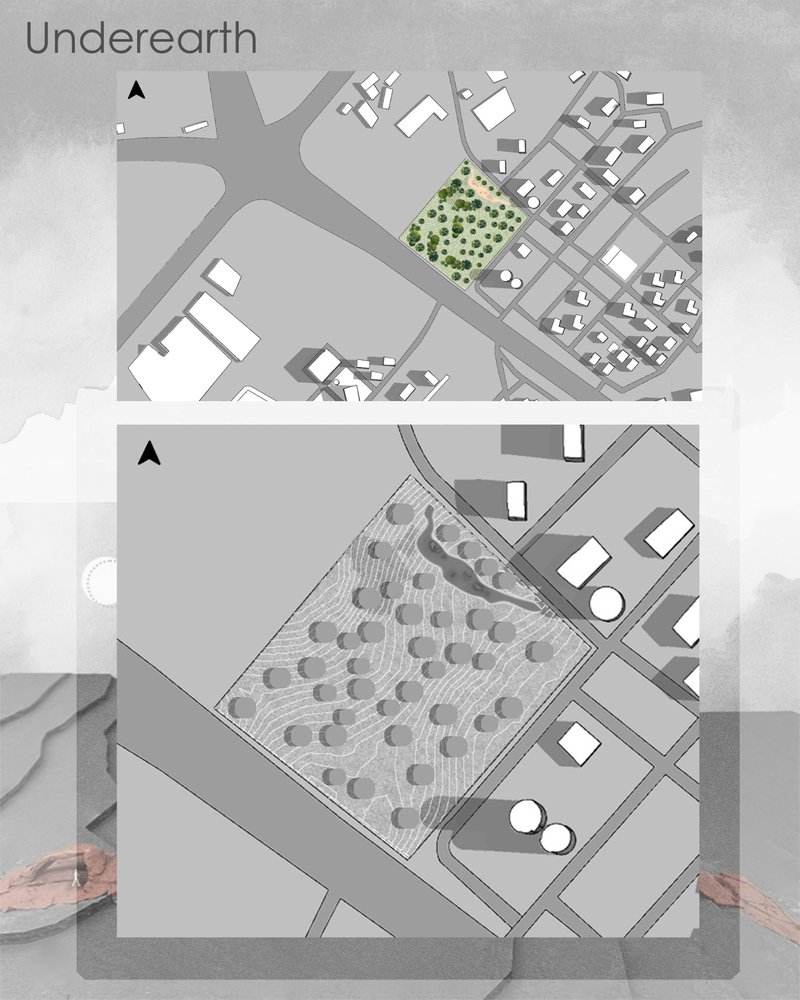
Fig: 7 Site plan
Description: This museum was designed for people to experience and empathize with how people used to live underground. With this motive the design uses two techniques to create a space, one being the traditional digging and the other being the covering with the movement of the ground. It builds an image inspired by the 'Peri Bacaları'.
--------------------
Editor’s Choice: VITRIOL(Museum of Stone)
By: Simge Ozkan & Bilge Nur Çalışkan
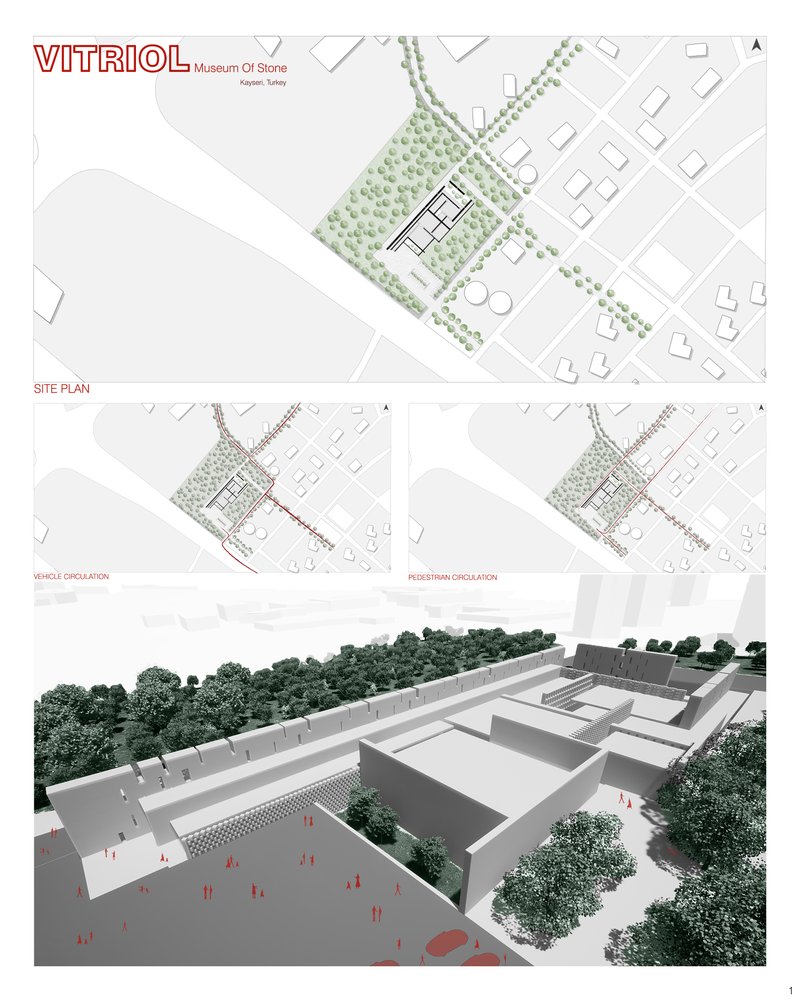
Fig: 8 Site Plan
Description: In the Vitriol museum, which we have designed with spaces with different publicities in different levels, we aimed to design walls that establish the spaces with local stones from the region. Walls of various formations played a role in the different levels of light of the spaces and the formation of spatial influence.

Follow us on social media: Facebook | Instagram | LinkedIn | Twitter | Youtube
References (3)



Popular Articles
Popular articles from the community

On the Brooks House by Monsoon Collective – A Contemporary Kerala Home Rooted in Tradition
Kerala home blending tradition and modernity with water-inspired design, brick architecture, courtyard planning, and sustainable rainwater harvesting strategies.


The Ken Roberts Memorial Delineation Competition (Krob)
As the most senior architectural drawing competition currently in operation anywhere in the world, it draws hundreds of entries each year, awarding the very best submissions in a series of medium-based categories.
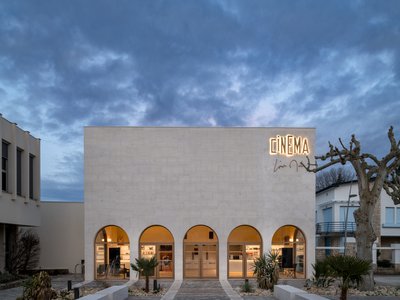
Louis Malle Cinema: A Limestone Cultural Landmark Revitalizing Community Life in Prayssac
Limestone cinema extension with public forecourt, blending heritage and modern design to create flexible cultural spaces and strengthen community interaction.
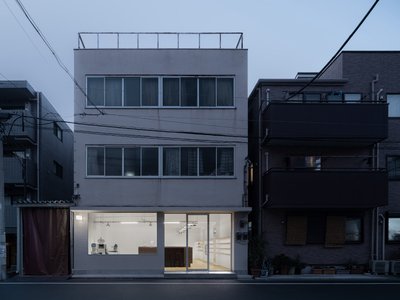
Atelier Macri Concept Store Interior Design by CASE-REAL
Atelier Macri store features a "ko" counter, walnut wood details, cork displays, blending retail, gallery, and seamless customer experiences.

Similar Reads
You might also enjoy these articles
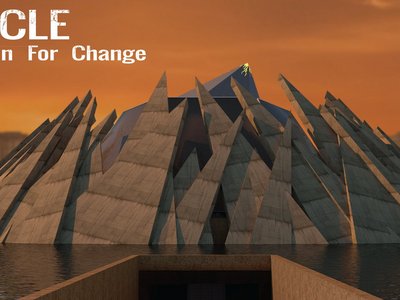
ORACLE: A Sustainable Memorial Architecture Responding to Climate Urgency
A sustainable memorial architecture in Cairo that transforms climate urgency into spatial experience, urging collective reflection and action
Suspended: Reimagining Paris Through Adaptive Reuse Architecture
A suspended intervention transforms abandoned Paris railways into inclusive, adaptive reuse architecture bridging heritage, mobility, and public life.
Solar Steam: A Climate-Responsive Architecture That Redefines the Monument
A climate-responsive memorial architecture that transforms heat, decay, and time into a living system reflecting humanity’s ecological impact.
Rolly: A Modular Approach to Urban Regeneration Architecture on Paris’ Petite Ceinture
A modular urban regeneration architecture project transforming Paris’ abandoned railway into a dynamic, movable and community-driven public space

Explore Cultural Architecture Competitions
Discover active competitions in this discipline




The Global Benchmark for Architecture Dissertation Awards


The Global Benchmark for Graduation Excellence


Challenge to design an urban locus of culture and heritage

Bring back Drive In's
Comments (0)
Please login or sign up to add comments
No comments yet. Be the first to comment!