
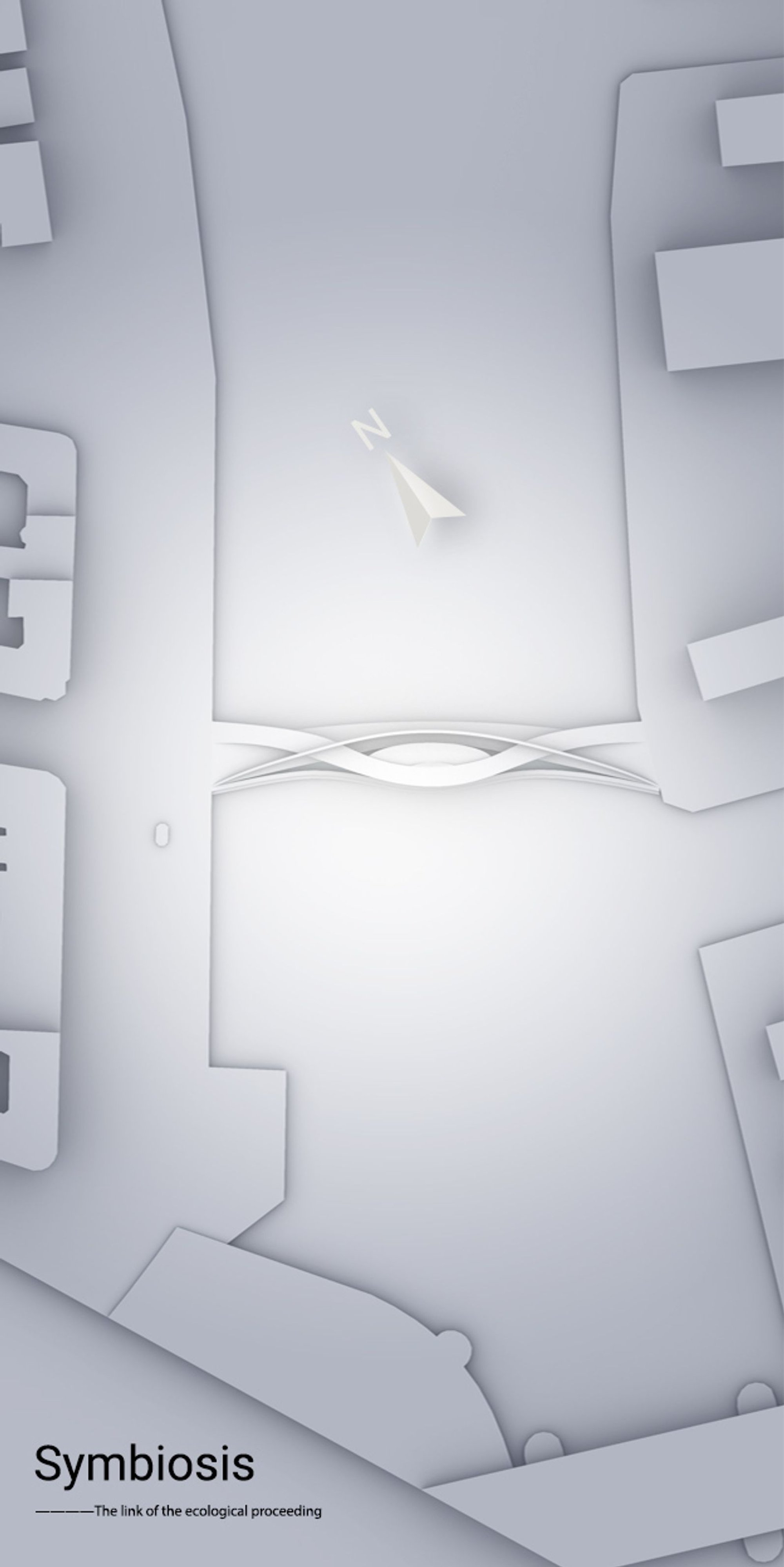
Symbiosis – The City Link
A sustainable urban bridge reimagining human–animal coexistence through ecological architecture in Copenhagen.

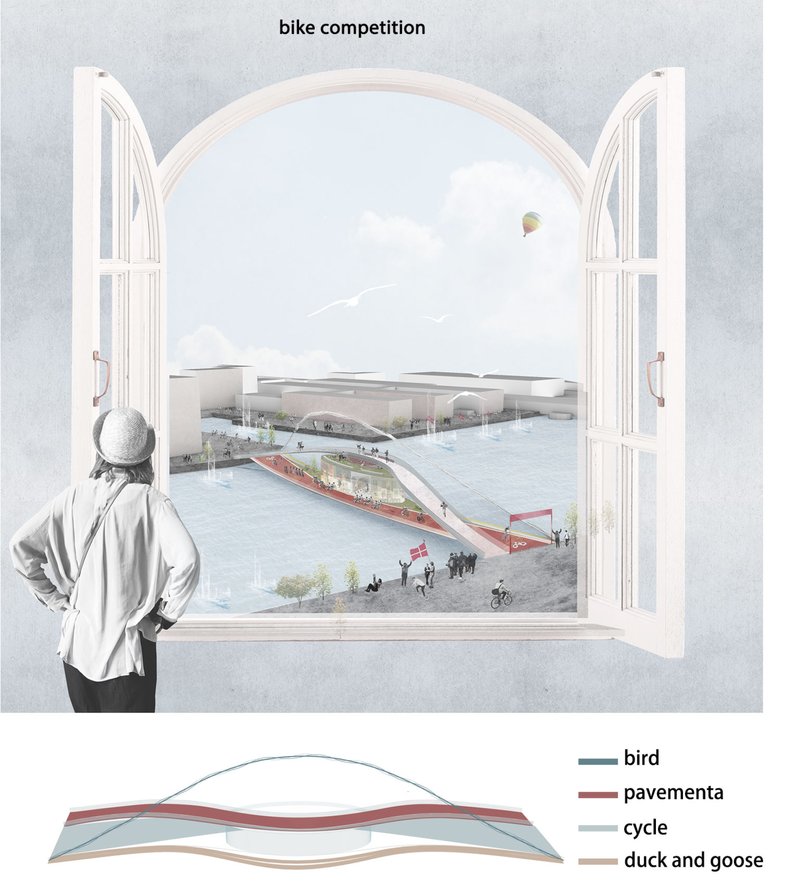
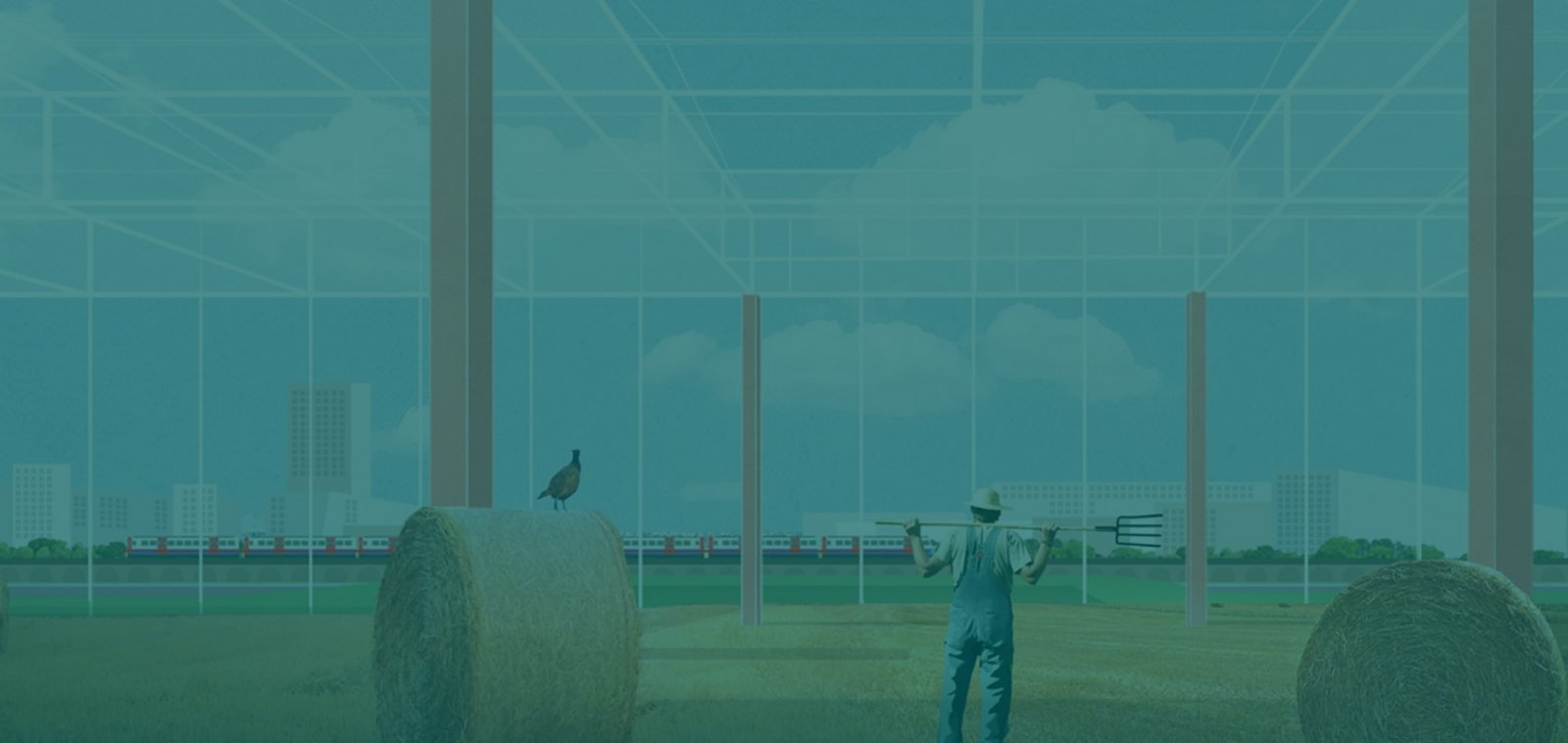
Symbiosis – The City Link is a visionary proposal for a new kind of urban bridge in Copenhagen—one that transcends the traditional role of infrastructure and becomes an ecological mediator between humans, animals, and the city. Conceived as a living link within Copenhagen’s urban fabric, the project explores how sustainable urban architecture can foster coexistence, equality, and shared habitats across species.
Designed as part of The City Link competition, the project was developed by Zhao Even and shortlisted for its innovative approach to ecological integration, urban mobility, and adaptive public space. Rather than functioning solely as a crossing, the bridge acts as a dynamic landscape—supporting cyclists, pedestrians, birds, and aquatic life while responding to daily and seasonal transformations.
Urban Ecology as Architectural Strategy
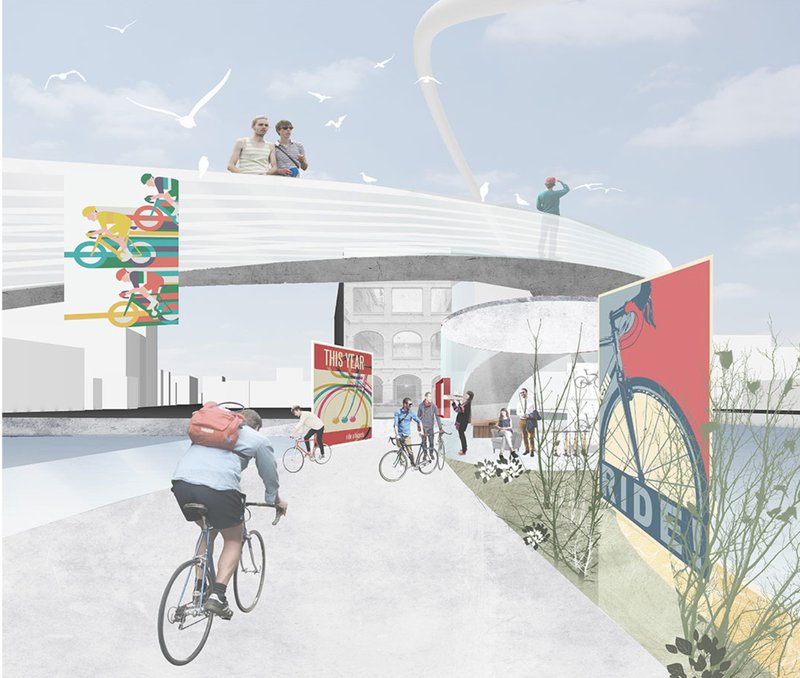
Copenhagen’s bicycle culture forms the conceptual foundation of the project. Cycling in the city represents not only mobility, but social equality and environmental responsibility. Symbiosis extends this philosophy beyond humans, proposing that true urban sustainability must also consider animals as legitimate city inhabitants.
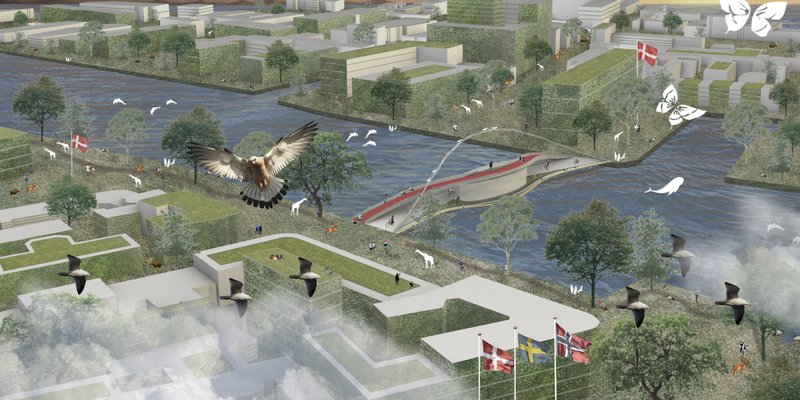
The bridge aligns with a broader network of ecological nodes—including nature reserves, parks, waterways, and animal habitats—creating a continuous ecological corridor through the city. By integrating paths for birds, ducks, and other species alongside human circulation, the project reframes infrastructure as an instrument of urban ecology and sustainable architecture.
A Dual‑Natured, Transformable Bridge
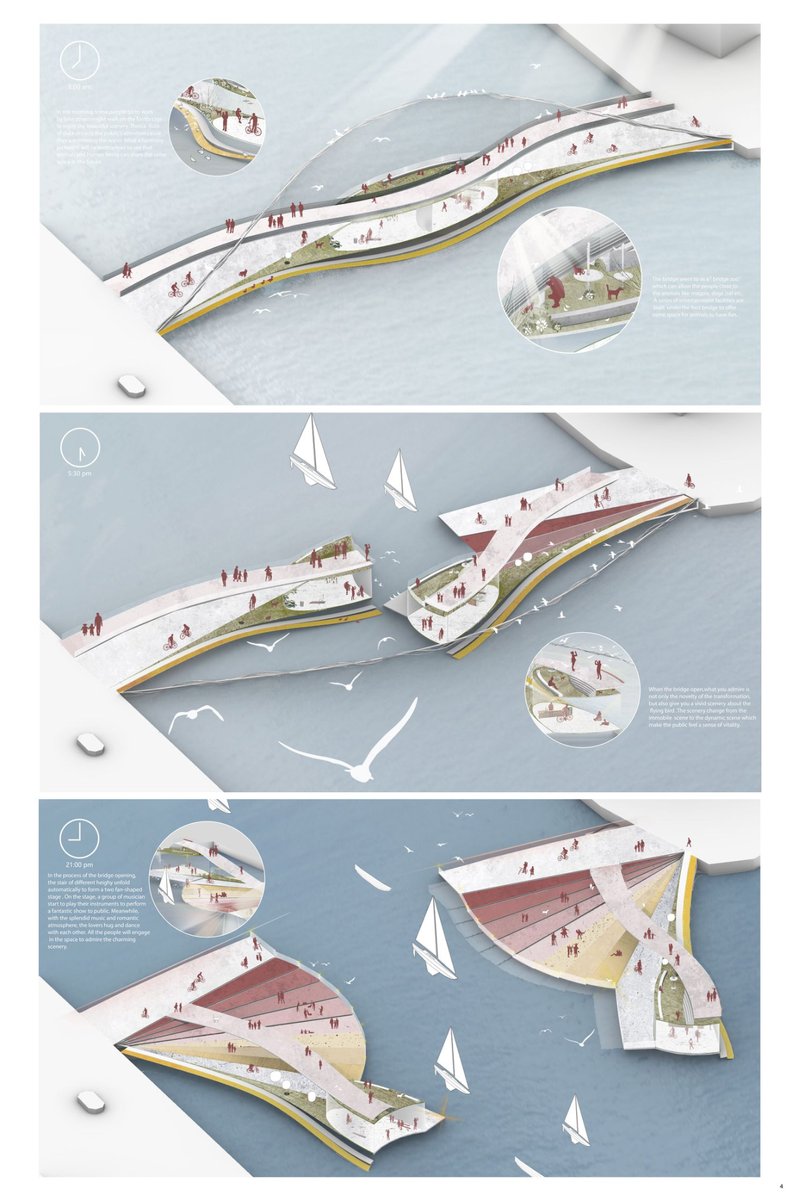
The defining feature of the City Link is its adaptive and kinetic architectural system. In its closed position, the bridge provides a seamless route for pedestrians and cyclists, supporting everyday urban movement. When opened, the structure transforms—creating a shortcut for water traffic while simultaneously reconfiguring its internal spaces.
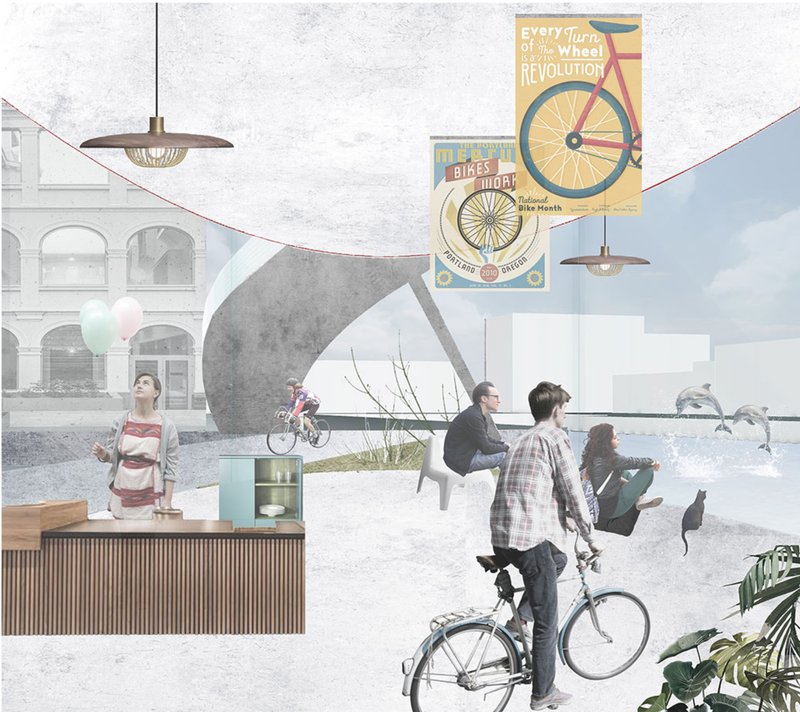
This movement is not merely functional. As the bridge opens, layered surfaces unfold into platforms, seating areas, and event spaces. At night or during special occasions, the opened bridge becomes a performative urban stage—blurring boundaries between infrastructure, public space, and cultural venue.
Human–Animal Coexistence by Design
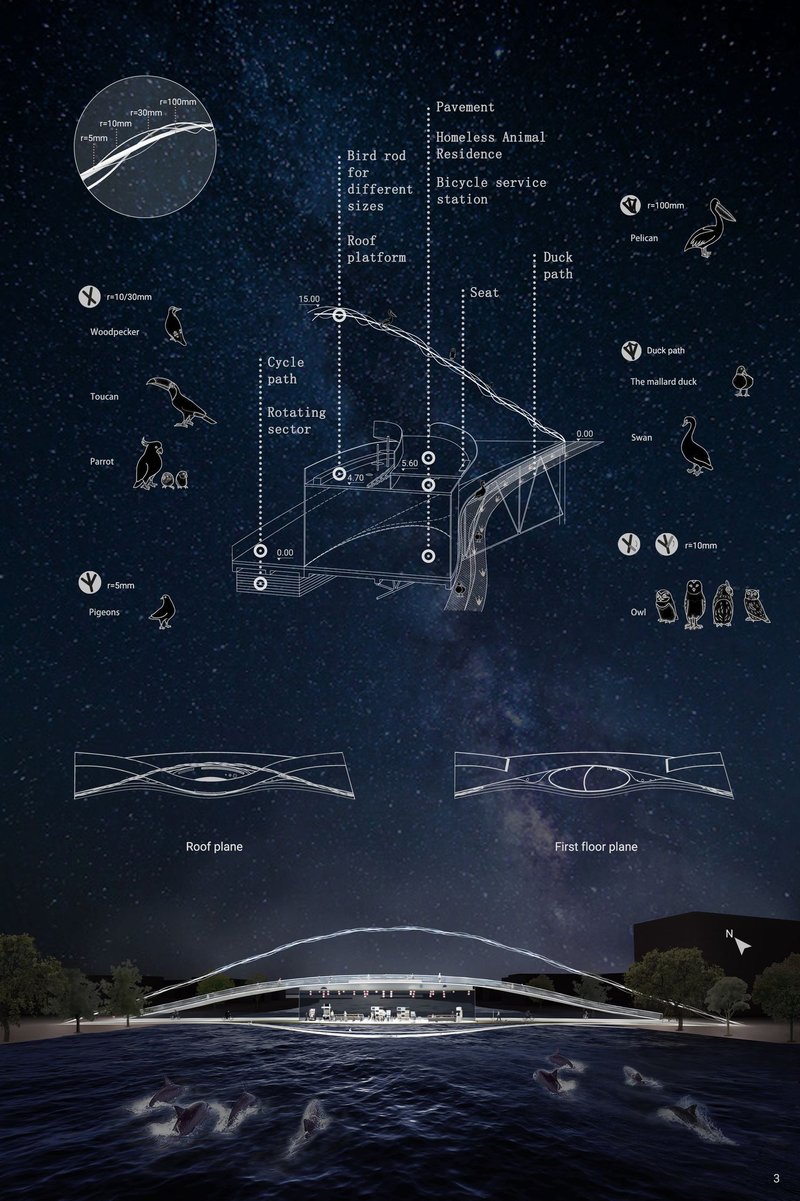
A core ambition of Symbiosis is to design architectural elements specifically scaled and adapted for different species. Bird perches, varied rod diameters, duck paths, and protected nesting zones are embedded directly into the structure. Below the deck, aquatic habitats are preserved and enhanced, ensuring continuity for marine life.
This multi‑layered section allows humans and animals to inhabit the same structure without conflict. Rather than separating nature from the city, the project demonstrates how sustainable urban architecture can choreograph interaction through thoughtful spatial design.
Form Generation and Material Logic
The bridge’s form emerges from a process of folding, rotation, and layering—derived from the concept of interaction between species and movement flows. Soft curves respond to water dynamics, while the upper deck maintains clear, legible paths for cyclists and pedestrians.
Materials are selected for durability, environmental performance, and tactile quality. The layered surfaces act as buffers—absorbing sound, filtering views, and creating microclimates suitable for both people and animals. Green zones integrated into the deck contribute to urban greening and biodiversity.
Time‑Based Urban Experience
The City Link is designed to change character throughout the day. In the morning, it functions as a calm commuter route. By evening, it becomes a social promenade. At night, when opened, the bridge transforms into an illuminated public platform overlooking the water—inviting pause, reflection, and collective experience.
This temporal adaptability reinforces the idea that contemporary infrastructure should be responsive, inclusive, and alive—key principles of sustainable urban architecture in dense cities.
Rethinking Infrastructure for the Future City
Symbiosis – The City Link challenges the conventional understanding of bridges as purely technical objects. Instead, it positions infrastructure as a civic, ecological, and cultural agent—capable of shaping behavior, improving biodiversity, and strengthening urban identity.
By integrating mobility, ecology, and public life into a single architectural gesture, the project offers a compelling vision for future cities—where humans and animals coexist harmoniously, and where sustainable urban architecture becomes a tool for ecological and social balance.
Project CreditsProject: Symbiosis – The City Link
Designer: Zhao Even
Competition: The City Link
Status: Shortlisted Entry



Popular Articles
Popular articles from the community

The Ken Roberts Memorial Delineation Competition (Krob)
As the most senior architectural drawing competition currently in operation anywhere in the world, it draws hundreds of entries each year, awarding the very best submissions in a series of medium-based categories.

Free Architecture Competitions You Can Enter Right Now
No entry fees, real prizes. Here are the best free architecture competitions open for submissions in 2026.

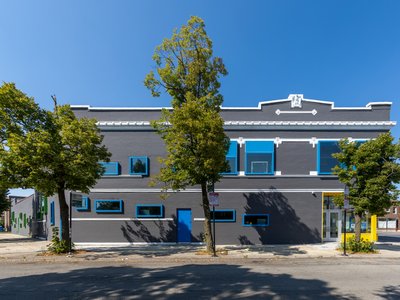
Gads Hill Early Learning Center by JGMA: Adaptive Reuse Shaping Community-Focused Educational Architecture
Adaptive reuse transforms fragmented structure into vibrant early learning center with playful façade, natural light, and community-focused sustainable design.
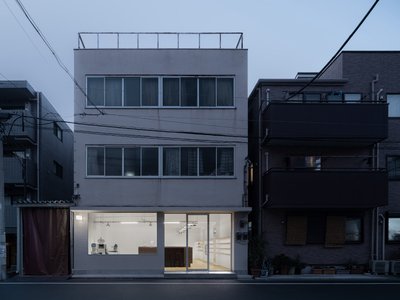
Atelier Macri Concept Store Interior Design by CASE-REAL
Atelier Macri store features a "ko" counter, walnut wood details, cork displays, blending retail, gallery, and seamless customer experiences.

Similar Reads
You might also enjoy these articles
Digital Façade Design for our cities’ urban fronts
Prima Facie - Result Story
Protecting avian biodiversity: Bird observatories to help spread awareness & save rare bird species.
Results for ‘Fly’ - Landscape design competition out now
Connecting with nature: Forest interpretation center in Australia's Wollemi National Park
‘Asatti’ - Landscape design competition - Result story

Explore Sustainable Design Competitions
Discover active competitions in this discipline




Comments (0)
Please login or sign up to add comments
No comments yet. Be the first to comment!