
The Digital Colosseum: A Deep Dive into Futuristic Esports Arena Design
Explore the groundbreaking design of the Mobile Arena by Maximasa Muramasa, blending esports functionality with futuristic architectural innovation.


The Vision of the Mobile Arena by Maximasa Muramasa
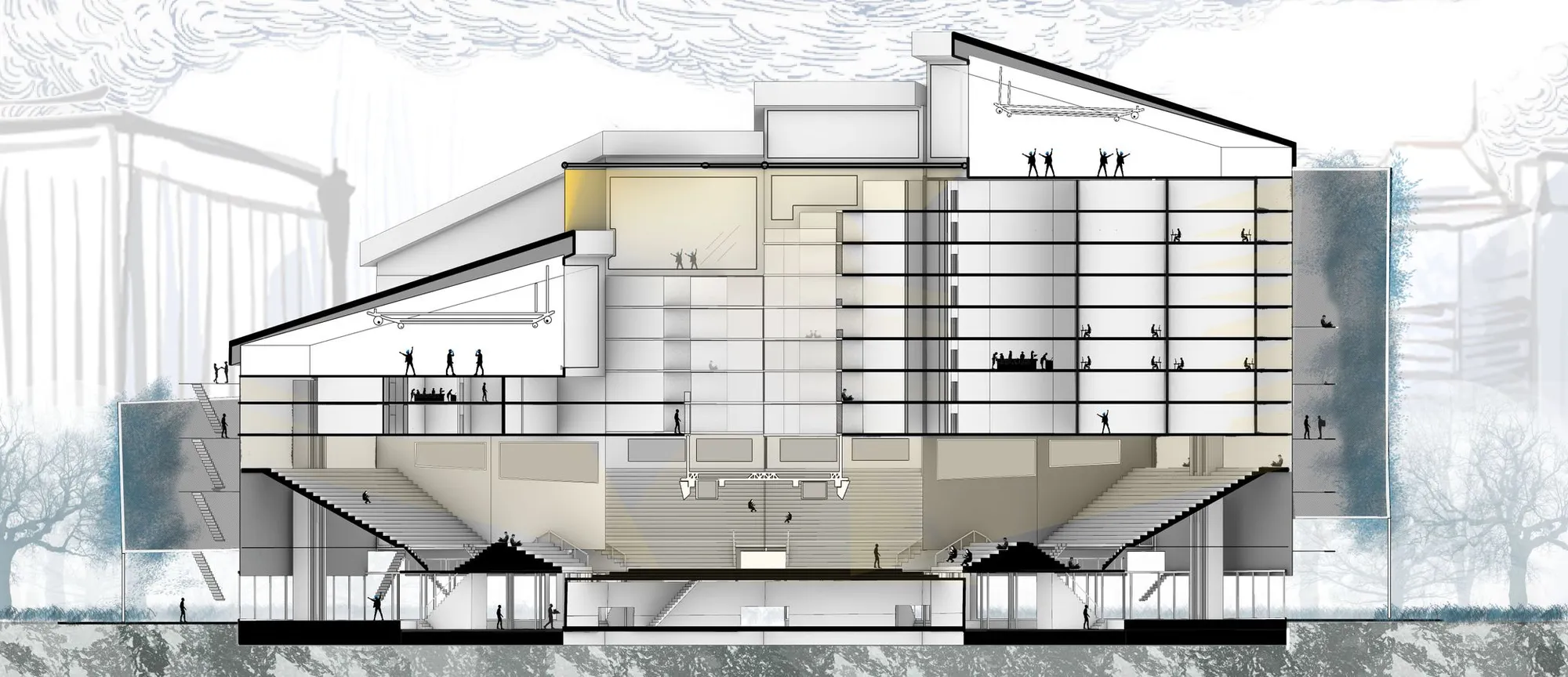
In the heart of innovation, where technology meets design, the concept of the Mobile Arena by Maximasa Muramasa stands as a testament to the future of esports architecture. As the winner entry of The Digital Colosseum, this revolutionary design has set a new benchmark for what we envision as a futuristic esports arena design.
A New Era for Esports Venues
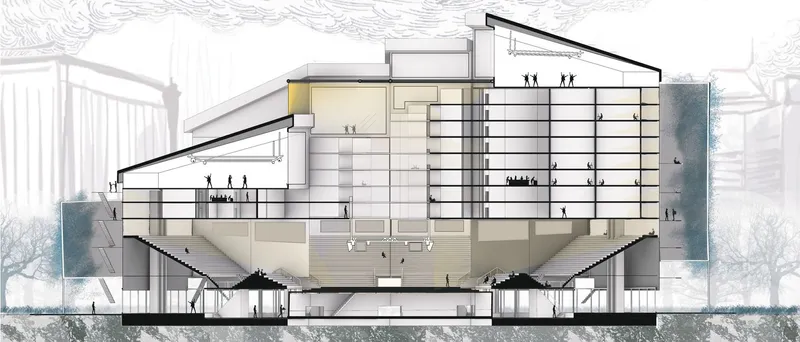
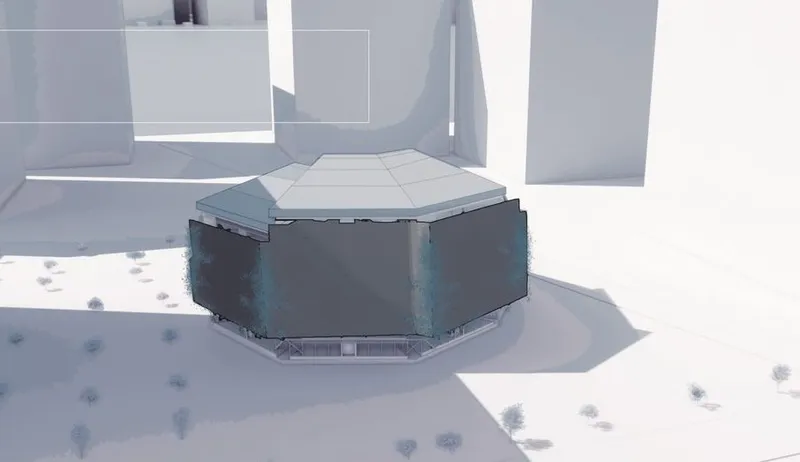
The Mobile Arena transcends traditional architectural concepts, presenting a versatile space that is adopted for all types of events. It is not just a physical space but a dynamic environment ready to host any game, existing or yet to be imagined. The arena serves as an answer to the pressing issues of esports infrastructure—a field that demands constant evolution with the rapidly changing landscape of gaming technology.
Integrating Advanced Technology with Architectural Finesse
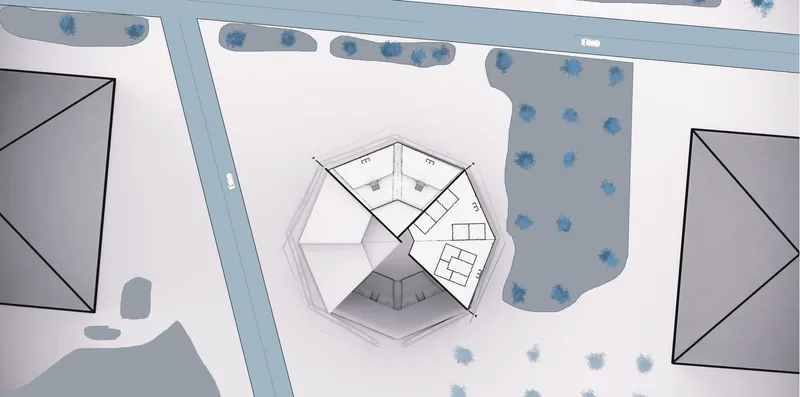
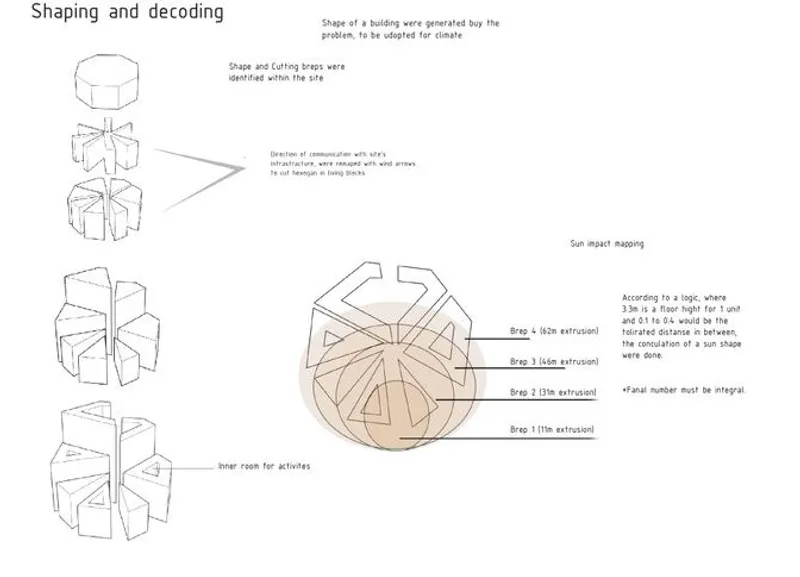
At the core of the arena's design is a blend of state-of-the-art technology and architectural innovation. The text describes an ambition to marry human cognitive processes with artificial intelligence, leveraging deep learning algorithms to create an adaptive and intelligent system. The arena's design takes into account the sun's impact, the decoding of neural connections, and the very flow of human interaction within its space.
One of the pivotal features of this futuristic esports arena design is the integration of neuro-connections that could potentially sync the human brain with computer systems. This not only anticipates future trends but also opens up new opportunities for inclusivity within the gaming community.
Spaces That Adapt and Serve
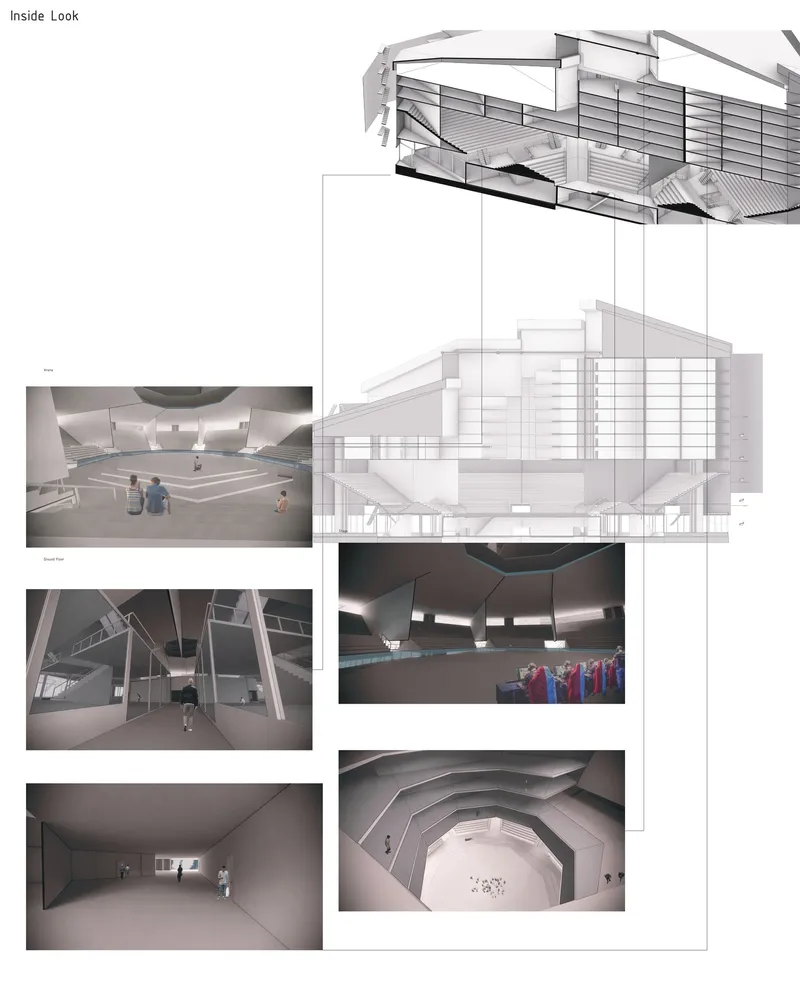
The Mobile Arena is segmented into various layers, each designed with a specific function in mind. The top floors host blocks of rooms designated for boot camps or office spaces for entire organizations. It reflects a keen understanding of the multifaceted nature of esports, catering to everything from tournament organization to team strategy development.
Shaping and decoding become tangible in the design with identified cutting shapes within the site, leading to extrusions that serve as a distinct, practical, and aesthetic element of the structure.
Sustainability and Legacy
A futuristic esports arena design is not only about cutting-edge technology but also sustainability. The Mobile Arena is designed with an understanding of its environmental impact, ensuring that the structure can evolve with time without leaving an indelible mark on the planet.
The Impact of Design on Performance
The article's text emphasizes the crucial role of environment in enhancing team performance. The strategic design of spaces within the arena can elevate the performance of teams by focusing on strengths and addressing weaknesses through its intricate design.
The Future is Now
Asking the question, "What will be the future if the brain and computer synchronize?" the Mobile Arena embodies the answer. It represents a future where feelings can be translated into code, where the human and the machine interface coalesce to create an unparalleled gaming experience.




Popular Articles
Popular articles from the community

AL-JANNAH: Sustainable Architecture and Permaculture for Afghan Widows
AL-JANNAH uses sustainable architecture and permaculture to create resilient oasis of housing, learning, work and renewal for Afghan widows.

Hill & Cross Opera: Sculptural Opera House Architecture Shaped by Tallinn’s Landscape and Identity
Hill & Cross Opera reimagines opera house architecture in Tallinn through its sculptural hill, civic plaza, glass wave and a luminous cross.

Co-life: Sustainable Architecture for Age-Friendly Community Living
Co-life reimagines sustainable architecture for seniors through courtyards, rammed earth, shared gardens, and spaces designed for belonging.
EW PARK: Sustainable Architecture Reimagines the Future of Urban Parking
EW PARK reimagines city parking as a modular wooden tower combining automation, solar energy, electric mobility, and adaptable urban design.

Similar Reads
You might also enjoy these articles

Day and Night Park: A Time-Based Urban Newsstand in Beijing
A temporary urban newsstand in Beijing blending travel, light, and reading through poetic colors, compact form, and community-focused design.

Modernist Patio Renovation in El Masnou, Barcelona by Oliver Segura Arquitectura + Cebrià Arquitectura
Modernist patio renovation blending tradition and innovation with a movable pool, leveled floors, and Catalan materials in El Masnou.
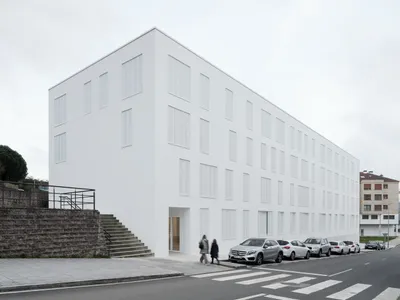
Alto Residencial Coop: Cooperative Housing Development in Santiago de Compostela by Carbajo Barrios Arquitectos
A linear cooperative housing complex blending white volumes and perforated metal façades, enhancing community living, natural light, privacy, and urban integration.
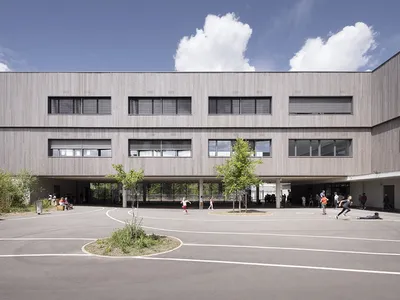
Vil Genis School by BPA ARCHITECTURE – Massy, France
Vil Genis School in Massy, France, features sustainable design, south-facing classrooms, community integration, accessible spaces, and modern educational architecture.





Comments (0)
Please login or sign up to add comments
No comments yet. Be the first to comment!