
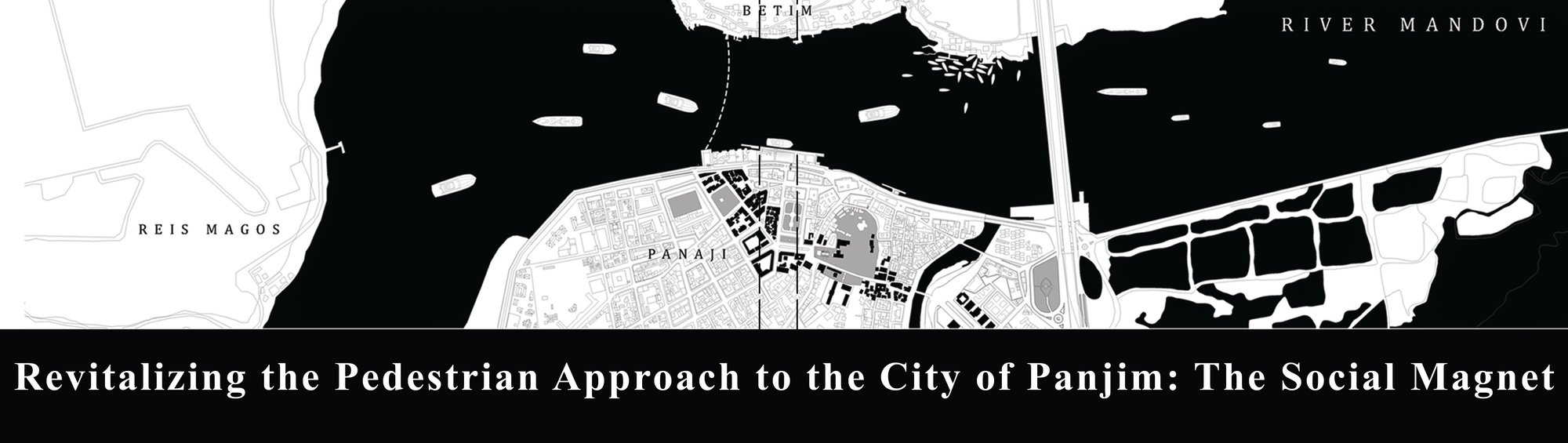
Revitalizing the Pedestrian Approach to the City of Panjim: The Social Magnet
Project type: Urban revitalization architectural thesis

Location : Panjim, Goa, India
The thesis worked around revitalizing a frequented pedestrian approach to the city of Panjim. It was focused on the T.B. Cunha stretch, with the area of intervention being the National Theatre. Through documentation, mapping and analysis, the main concern was neglected and abandoned areas. A large number of such areas were present in the city fabric, which were seen as ‘lost spaces’.
In order to tackle this issue of urban decay, various urban designs and architectural strategies were studied, to turn these neglected areas into assets of the city. Further analysis also revealed lack of identity and pause points for daily commuters along this stretch, with the common issue of unorganized street parking. Since this stretch had the potential of being more than mere circulation, the question: ‘What strategies can help activate this urban corridor?’ and ‘How can architecture activate and enhance the stretch and the public realm?’ arose.
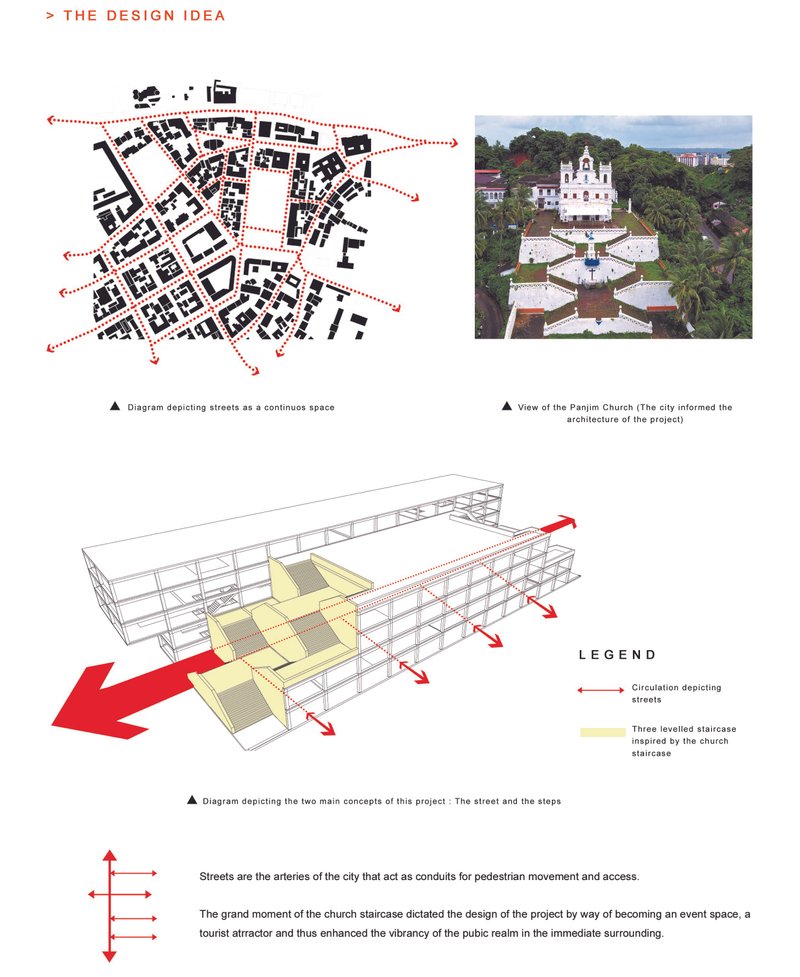
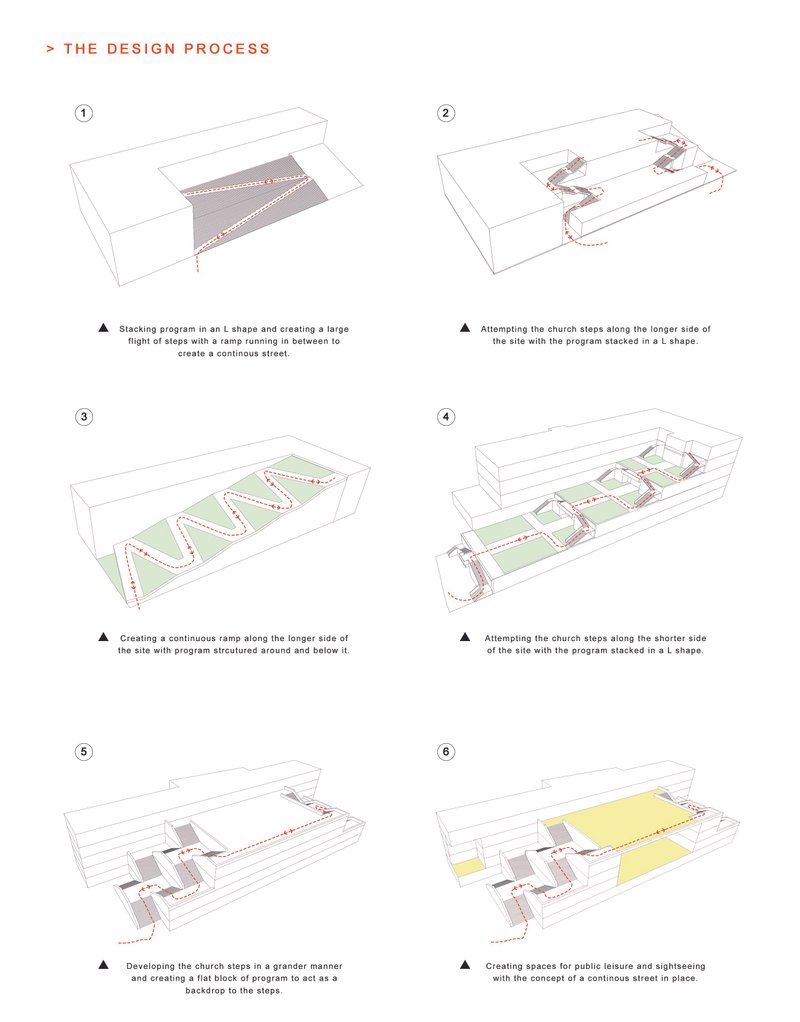
With the intention of giving the public realm more flexibility, the T.B. Cunha stretch was proposed to be pedestrianized, with spaces for exhibitions, church fests, art festivals, pop up stores, street food carts etc. Moving on the architectural intervention, the city itself informed the architecture of the project. The grandeur of the Panjim church dictated the design of the project by becoming an even space and an excellent tourist attractor. The project was also designed with the concept of a continuous street with many entry points for easy access. Every level was strategically planned to have a visual connect to the church. The project was also designed with many places for people to meet, interact and hang out. A number of energy efficient techniques and strategies to bring in natural light and ventilation were worked on. Various design details were also created, to give more clarity and understanding of the project.
This thesis can be carried forward by introducing many such interventions in the city fabric, either along this pedestrian conduit itself or other routes in Panjim. This will enhance the identity of the city of Panjim, so as to make it a city for people first, then buildings and lastly vehicles.




Popular Articles
Popular articles from the community

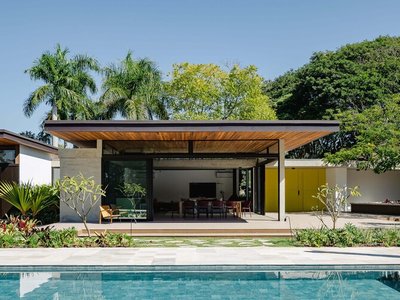
Flamboyant House by Juliana Camargo + Prumo Projetos
Modern Brazilian house integrating existing tree, pool, and volumes with glass, wood, and transitional spaces blending interior, exterior, and landscape seamlessly.
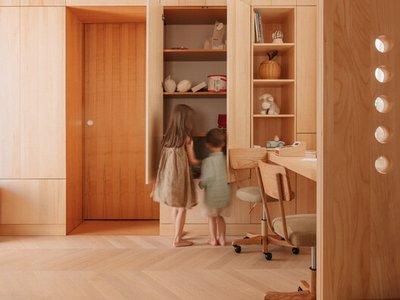
Treehouse Apartment: A Warm Timber Interior Blending Craft, Play, and Contemporary Living
Warm timber apartment with integrated treehouse, combining natural materials, craftsmanship, and playful design to create a flexible, family-oriented living environment.


The Ken Roberts Memorial Delineation Competition (Krob)
As the most senior architectural drawing competition currently in operation anywhere in the world, it draws hundreds of entries each year, awarding the very best submissions in a series of medium-based categories.
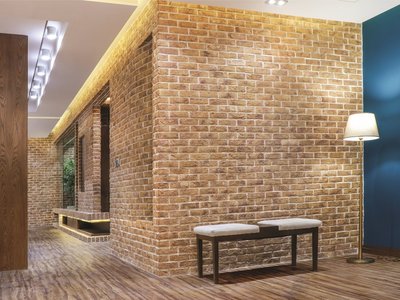
A Contemporary Take on Iranian Residential Architecture
A modern interior design in Mashhad that reinterprets brick, light, and spatial flow to create a warm, contemporary residential architecture.

Similar Reads
You might also enjoy these articles
Converge Hub – A Human-Centered and Sustainable Mobility Hub at the Urban Edge
Its open and permeable design promotes sustainable movement through walkable connections, green axes, and integrated public transport

51st Annual KRob - Ken Roberts Memorial Delineation Competition
Join us in celebrating 51 years in excellence in architectural representation! With $2,400 in prize money awarded across 8 categories, this prompt-less competition is accessible to all!






Comments (0)
Please login or sign up to add comments
No comments yet. Be the first to comment!