

THE CONNECTION BETWEEN CREATION AND ACTION IN SPACES
THE CONNECTION BETWEEN CREATION AND ACTION IN SPACES The Taj Mahal is a popular building in the world regarded as an architectural wonder by many. The building has become a place of global attention

The Taj Mahal is a popular building in the world regarded as an architectural wonder by many. The building has become a place of global attention used to identify India and a symbol of love. The building serves as a tourist destination in movies and also displays affection. The Godfather is one of the most popular movies ever to grace the film industry. The movie's exclusive homes are located in Beverly Hills, Staten Island, and the western shores of Lake Tahoe to portray the rich nature of mafia families. These two examples cited above shoes there is an existing relationship between architecture and movies with the former greatly affecting the perception of the latter while the latter popularises and also shapes the views and opinions of the former. Architecture has created certain atmospheres, moods, periods, cultures, and social classes in movies. For example, gothic architecture as used in "Wednesday" portrays a spooky and eerie atmosphere. Movies have also played a key role in the preservation of architectural heritage through the use of historical buildings. Movie sets bring attention to them and their historical significance. For example, "The Mummy" showed the architectural heritage of the pyramid of Eygpt.
Movies have a significant impact on the design of sets and locations in films. For example, "The Transformer" is a movie set in an urban metropolis to create the set design required for a movie with an abundance of vehicles. Architecture plays an important role in creating the atmosphere and mood of a movie and the set design can be a powerful tool in telling a story. Set designs have evolved radically due to changes in trends and technologies such as the invention of computer-generated imagery. In the earlier days of cinema, sets were often constructed in sound stages using simple painted backdrops and props. However, with the advent of colour film, set designers began to incorporate more vibrant hues and patterns in their work. Also, as film technology advanced, so did the techniques used to create set designs. For example, the 1960s and 1970s saw the rise of a more experimental approach to set design led by filmmaker Federico Fellini. "A Space Odyssey" produced by filmmaker Stanley Kubrick features elaborate sets and special effects that were years ahead at that time. In recent years, advances in digital technology have revolutionized the way set designs are created and portrayed on screen. Computer-generated imagery which has been a big game changer in the movie industry was first featured in a 1973 film called Westworld after it was used for 2D animation in Vertigo in 1958. With the use of computer-generated imagery, filmmakers are now able to create entirely new worlds and environments that were previously impossible to realize.
Architecture has defined the narrative by setting the time, establishing the setting and creating a visual language that communicates the story's themes and motifs. The architectural style in a movie can set the time for the story whether it is light and airy it is dark and foreboding. For example, a movie that is set in a Gothic castle might feel ominous and spooky while a movie set in a modern glass and steel skyscraper might feel sleek and futuristic. "Wednesday" and "What Happened to Monday" represent each respectively. The architecture of a building can give the audience a sense of the period and location where the story takes place. For example, a movie set in the Victorian era might feature Gothic architecture, while a movie set in the 1950s might feature Mid-Century Modern architecture. This created a sense of place, and time and immerses the audience in the world of the story. The architecture of a building also reflects the characters who inhabit it. For example, a character living in a sleek, minimalist apartment might be seen as modern and sophisticated, while a character in a sleek, old-fashioned house might be seen as nostalgic and sentimental. Also, story themes and motifs can be symbolized by the architectural style. For example, a movie about a character struggling to find their place in the world might feature architecture that is disorienting or confusing, while a movie about a character finding their true self might feature architecture that is open and inviting. Together, architectural styles can be a powerful tool for filmmakers to communicate their story, themes and motifs, establish a sense of time and place and create a visual language that immerses the audience in the world of the story.
Movies have been a source of inspiration for architecture in different aspects. Movies have the power to change our perception of spaces and the built environment. Movies create a sense of drama and atmosphere which can inspire architects to think outside the box and create buildings that are more dynamic and visually striking. Movies also inspire architects to think about how buildings can help to create a sense of place and identity. many films use architecture as a way to establish the setting of a story using various architectural styles from gothic architecture to modern architecture. Architects can use this idea of world-building to create buildings that reflect the values and culture of the people who will use them. Movies often feature futuristic technology that can inspire architects to think about how new technologies can be used in building design. For example, the film "Minority Report" features some advanced technologies that have inspired architects to design buildings that incorporate similar features such as smart materials. Movies can also inspire architects to think about sustainability and the environment. Movies such as "Interstellar" depict a dystopian future where the environment has been degraded, leading architects to consider how buildings can be designed to be more sustainable and environmentally friendly. Overall, movies inspire architects to think more creatively about how buildings can be designed to create a sense of place.
Movies transcend dimensions of real built environments through ways such as visual effects, alternate realities, time travel and visual reality. The use of CGI and special effects in movies allow filmmakers to create imagined environments that are impossible to create in real life. They can also create entire cities, landscapes and various creatures. Many movies use time travel as a plot device, allowing characters to visit different periods and locations. This allows filmmakers to explore different environments and dimensions beyond what currently exists. Some movies explore the concept of virtual reality, where characters can enter a computer-generated world that is completely different from the real world. This allows filmmakers to create completely new dimensions. Movies that explore alternate realities or parallel universes allow filmmakers to create completely different environments and dimensions that do not exist in our reality. For example "Flash" utilised time travel in the movie while "Captain Marvel" utilised alternate realities to create the image of different creatures in different universes.
Architecture and movies are both industries involved in creativity, design, and storytelling. They can be studied together through film set design, visual storytelling, historical context and technological advances. The architectural industry can provide insights into how to design and construct sets for films. Architects can share their knowledge on how to create realistic and functional environments that reflect the story and setting of the film. Film sets are designed to convey a specific mood and architects also often design buildings with a similar goal in mind. Both industries also rely on visual storytelling to convey a narrative. In architecture, the design elements, materials and layout all work together to create an experience. In movies, camera angles, lighting and set design all work together to tell a story. Architecture and movies also both reflect the culture and historical context of their time. Both industries also rely on new technology to create their products. While the architectural industry has benefitted from advancements in building materials and construction techniques, the movie industry has benefitted from advancements in special effects and cinematography. Many movies also use historical buildings as part of their setting. The architectural industry can provide information on the history and architecture of the buildings, which can enhance the authenticity of the film. Architecture and movies can be studied together for a holistic understanding of design, storytelling and visual representation.
The research will create inspiration for design and creativity, cultural appreciation, economic impaction, and historical preservation. Movies and architecture can inspire designers and architects to come up with new and innovative ideas. Movies and architecture are also reflective of cultural and historical contexts, creating an appreciation for different cultures. The film industry and architecture are both significant contributors to the economy. Researching and understanding these industries can he'll to identify growth, opportunities and potential job creation. Movies and architecture can also provide a window into the past, allowing us to understand and appreciate the history of our built environment.
References
1. Effiom, E. (2021, April 4). Architecture in film: modernism, futurism and beyond. Wallpaper.com; Wallpaper*. https://www.wallpaper.com/architecture/architecture-in-film-through-the-decades
2. 01. Introduction. (2018). In The Chameleon Effect (pp. 9–24). Birkhäuser.
3. Angne, U. (2021, February 20). The role of architecture in the representation of space on screen. RTF | Rethinking The Future. https://www.re-thinkingthefuture.com/designing-for-typologies/a3384-the-role-of-architecture-in-the-representation-of-space-on-screen/
4. Baratto, R. (2022, September 14). How architecture speaks through cinema. ArchDaily. https://www.archdaily.com/872754/how-architecture-speaks-through-cinema
5. Sawant, H. (2022, April 16). Architecture and cinema: The fascinating connection of 2 cultures. The Design Gesture. https://thedesigngesture.com/architecture-and-cinema/
6. The relationship between architecture and cinema. (n.d.). Find-my-architect.com. Retrieved March 7, 2023, from https://www.find-my-architect.com/uk/en/actualite/the-relationship-between-architecture-and-cinema



Popular Articles
Popular articles from the community

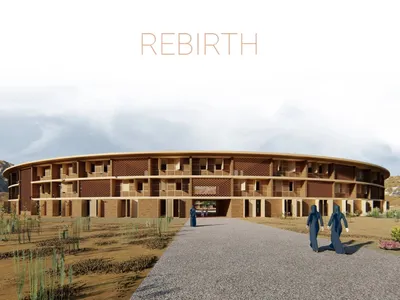
REBIRTH: Sustainable Architecture Shaped by Community, Resilience and Renewal
REBIRTH uses sustainable architecture, circular design, local materials and shared spaces to restore community, dignity and hope for widows.

Co-Life: Senior Housing Design That Reconnects Older Adults With the City
Co-Life reimagines senior housing design through healing gardens, shared streets, workshops, and a sustainable community across generations.

The Ocean Hive: Sustainable Architecture for a Self-Sufficient Civilization at Sea
The Ocean Hive imagines sustainable architecture at sea, where modular habitats, algae, wave power and ocean waste sustain a growing colony.

Riyadh For All: Intergenerational Urban Design for Active Aging in Rabat
Riyadh For All reimagines urban design in Rabat with intergenerational co-living, adaptive courtyards, and Moroccan cultural exchange today.


Similar Reads
You might also enjoy these articles

Day and Night Park: A Time-Based Urban Newsstand in Beijing
A temporary urban newsstand in Beijing blending travel, light, and reading through poetic colors, compact form, and community-focused design.

Modernist Patio Renovation in El Masnou, Barcelona by Oliver Segura Arquitectura + Cebrià Arquitectura
Modernist patio renovation blending tradition and innovation with a movable pool, leveled floors, and Catalan materials in El Masnou.

Alto Residencial Coop: Cooperative Housing Development in Santiago de Compostela by Carbajo Barrios Arquitectos
A linear cooperative housing complex blending white volumes and perforated metal façades, enhancing community living, natural light, privacy, and urban integration.
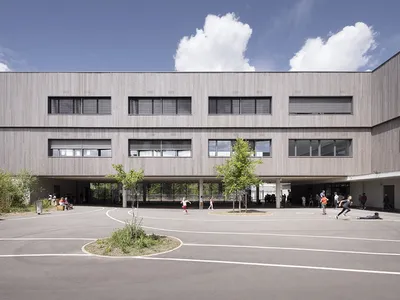
Vil Genis School by BPA ARCHITECTURE – Massy, France
Vil Genis School in Massy, France, features sustainable design, south-facing classrooms, community integration, accessible spaces, and modern educational architecture.


Explore World Capital of Architecture Competitions
Discover active competitions in this discipline




The International Standard for Design Portfolios


The Global Benchmark for Architecture Dissertation Awards


The Global Benchmark for Graduation Excellence


Challenge to reimagine the Iron Throne
Comments (0)
Please login or sign up to add comments
No comments yet. Be the first to comment!