
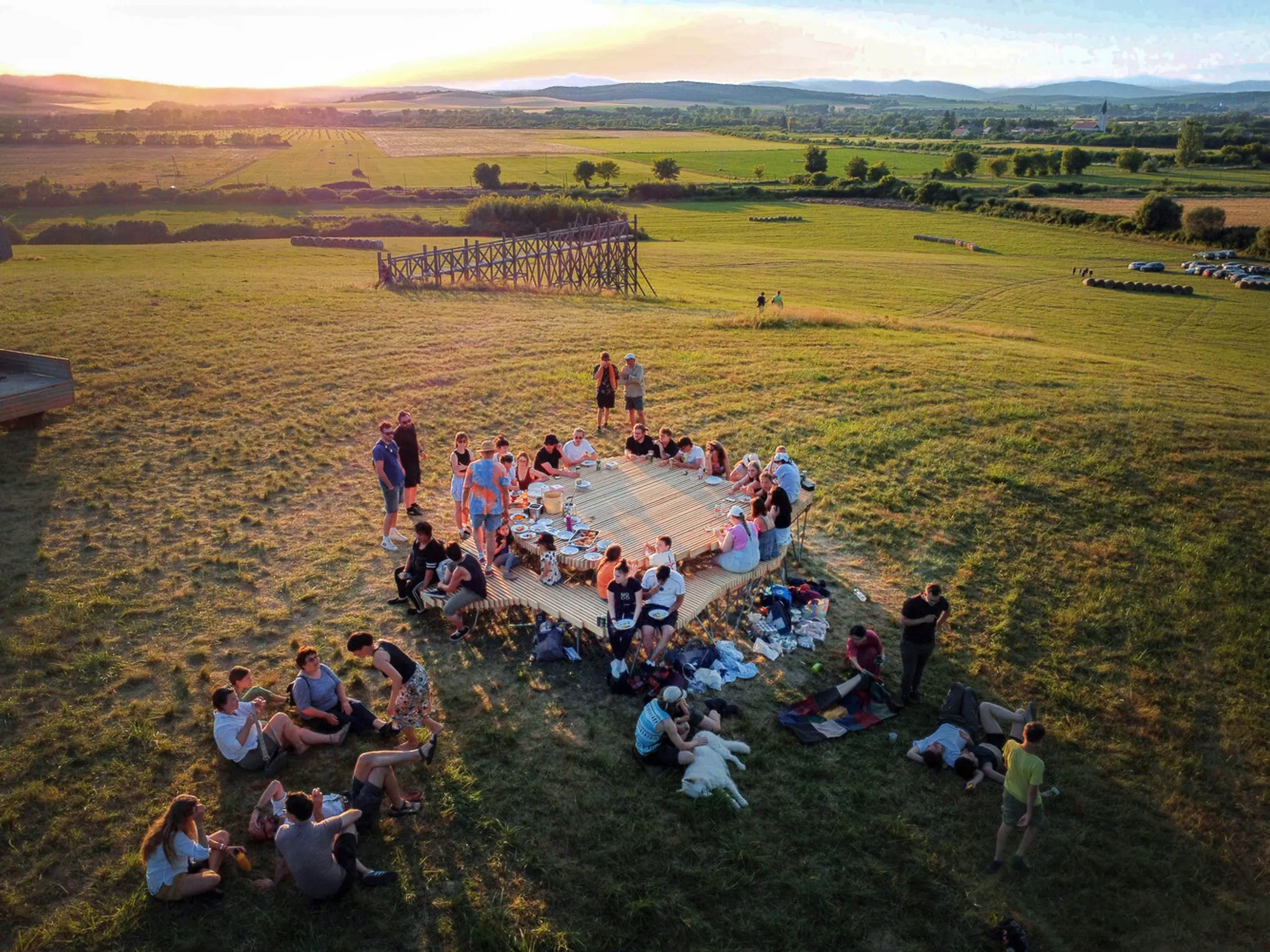
100x Round Table by Field of Sparks: A Site-Specific Experimental Architectural Installation in Ipolytarnóc
An experimental architectural installation in rural Hungary, the 100x Round Table fosters community, creativity, and cultural dialogue through design.


Reimagining Community Through Experimental Architecture
In the quiet hills of Northern Hungary, where the village of Ipolytarnóc meets expansive natural fields, a transformative design initiative is unfolding. The 100x Round Table by Field of Sparks is a striking example of how experimental architectural installations can reshape rural communities, foster dialogue, and merge artistic exploration with environmental sensitivity.
A Dialogue Between Place and Creation
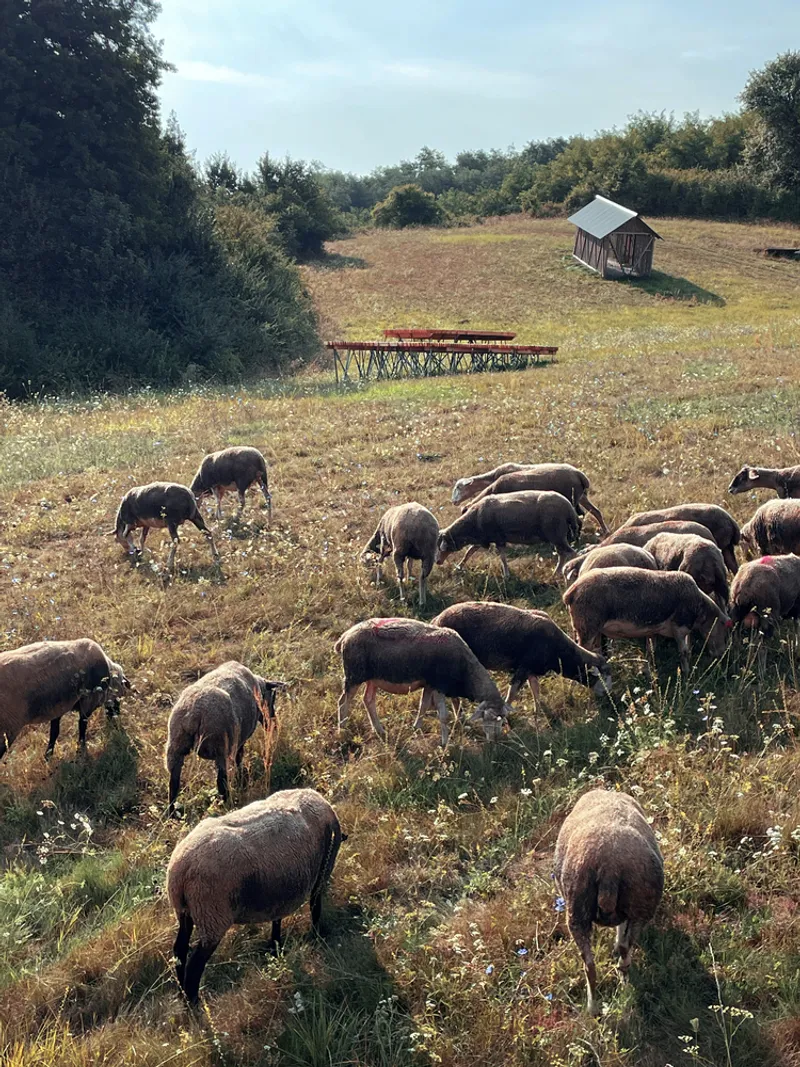
Located at the edge of Ipolytarnóc, a village nestled near the Slovak-Hungarian border, the Field of Sparks operates as more than just an open landscape. It is a stage where architecture students, artists, and local residents converge annually for Artweek, a workshop dedicated to experimental design. Since 2019, this initiative—curated under the artistic direction of Zsófi Fenyvesi—has turned the region into a vibrant laboratory for spatial experimentation and social awareness.
The project draws inspiration from its natural surroundings. The gently sloped terrain, rich with unspoiled vegetation and panoramic vistas, creates the perfect canvas for ephemeral yet impactful architectural interventions. These installations are not static monuments; rather, they are participatory elements that grow with the community.
The 100x Round Table: Design That Connects
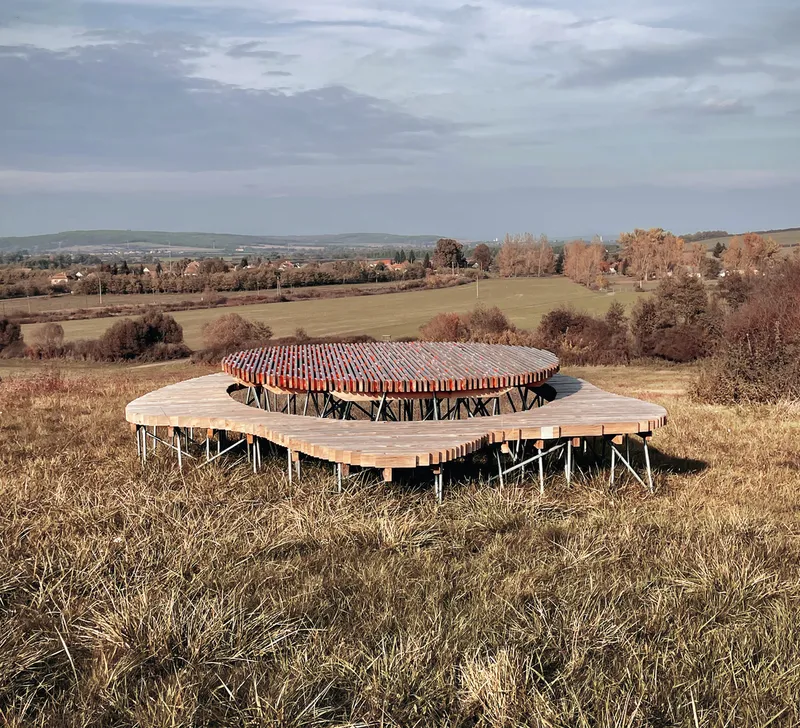
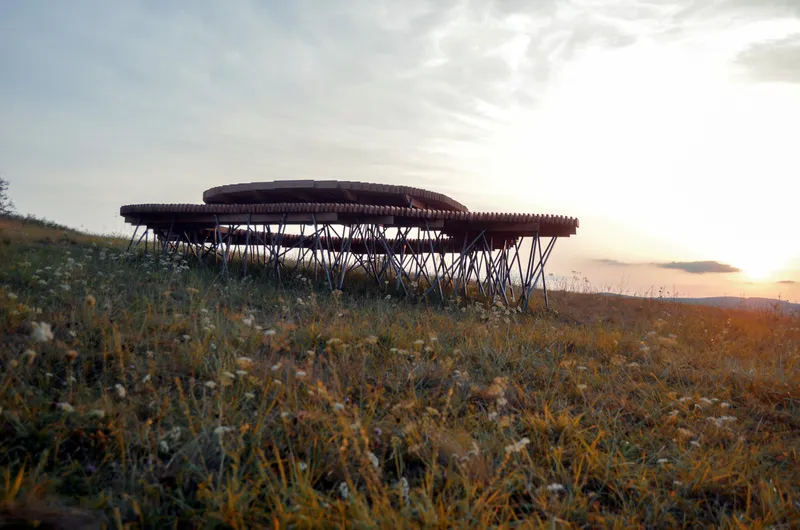
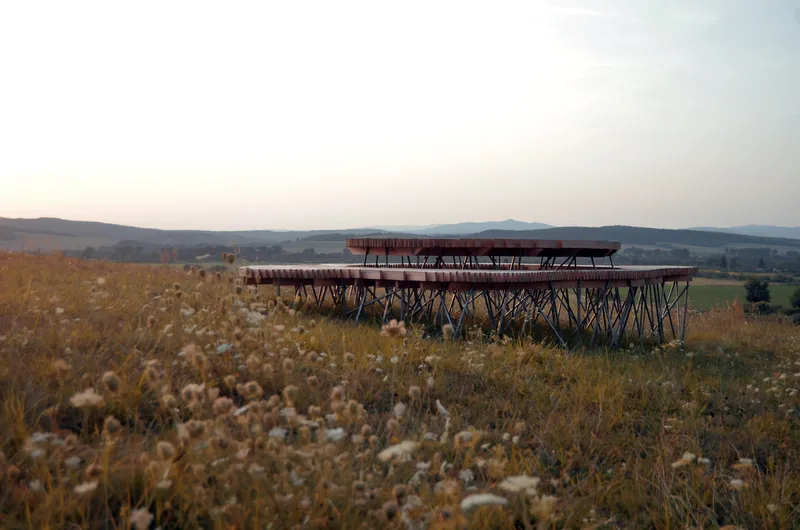
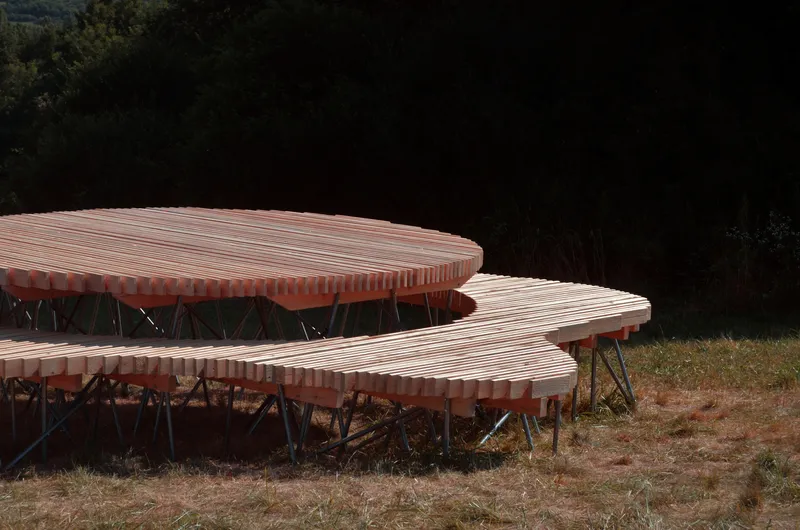
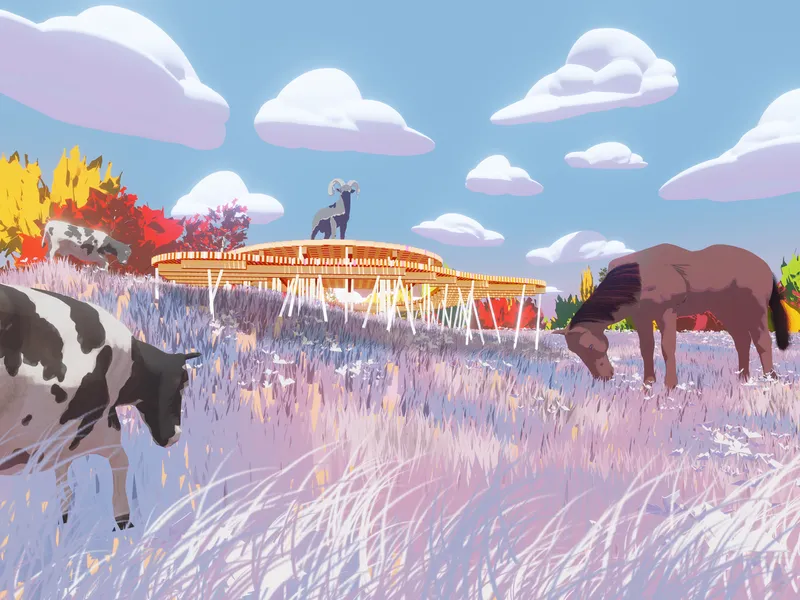
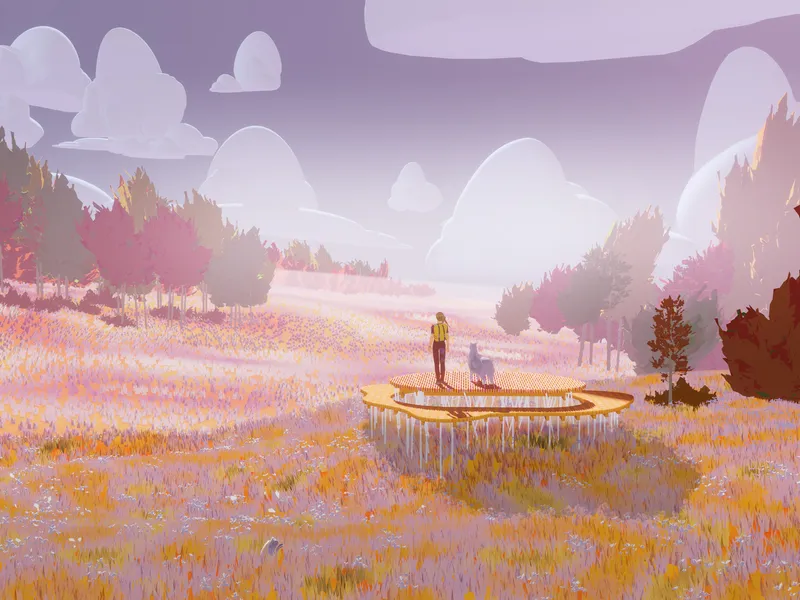
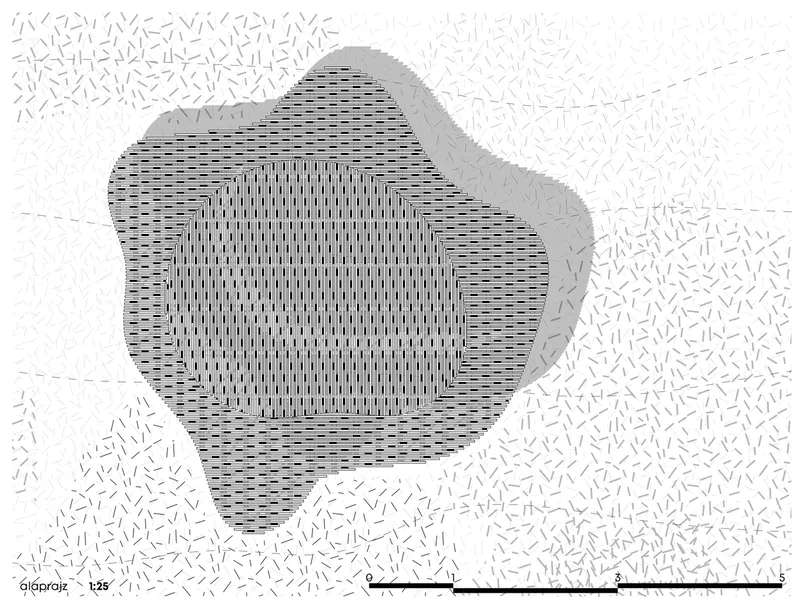
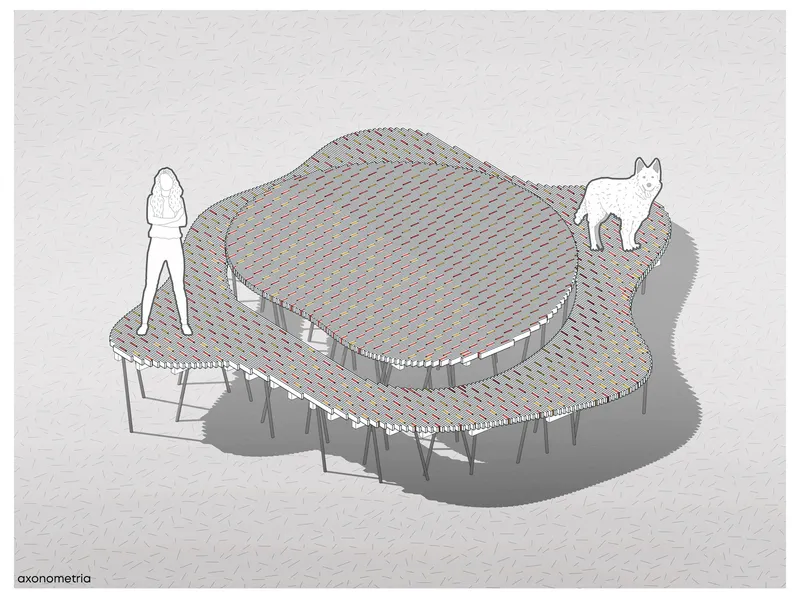
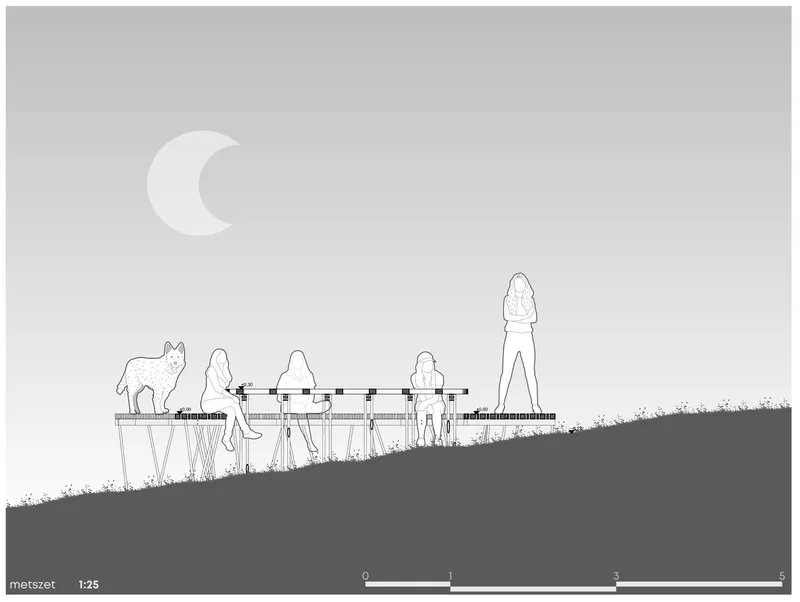
At the heart of the 2024 edition of Field of Sparks is the 100x Round Table, an expansive circular installation created by architecture students from Széchenyi István University in Győr. Developed over six months, this communal structure is both sculptural and functional. It emerges from the land as a sweeping, undulating form that follows the site’s natural elevation.
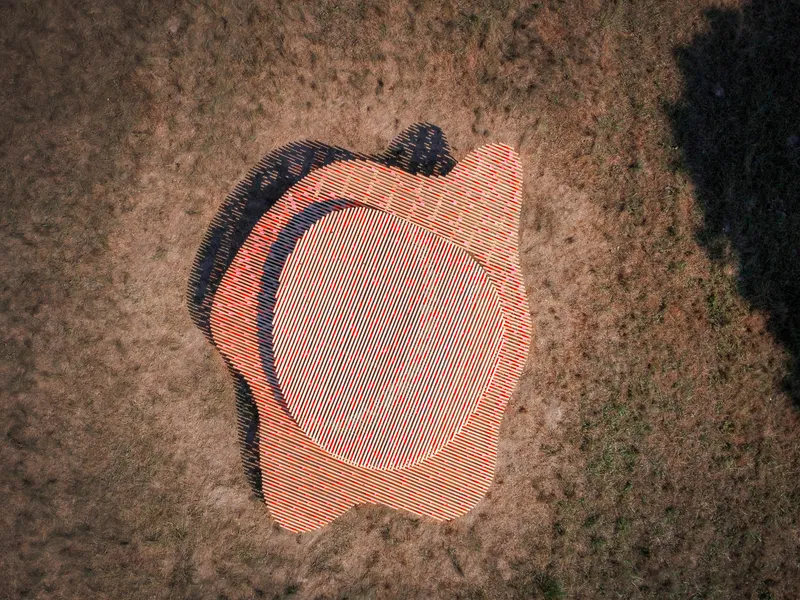
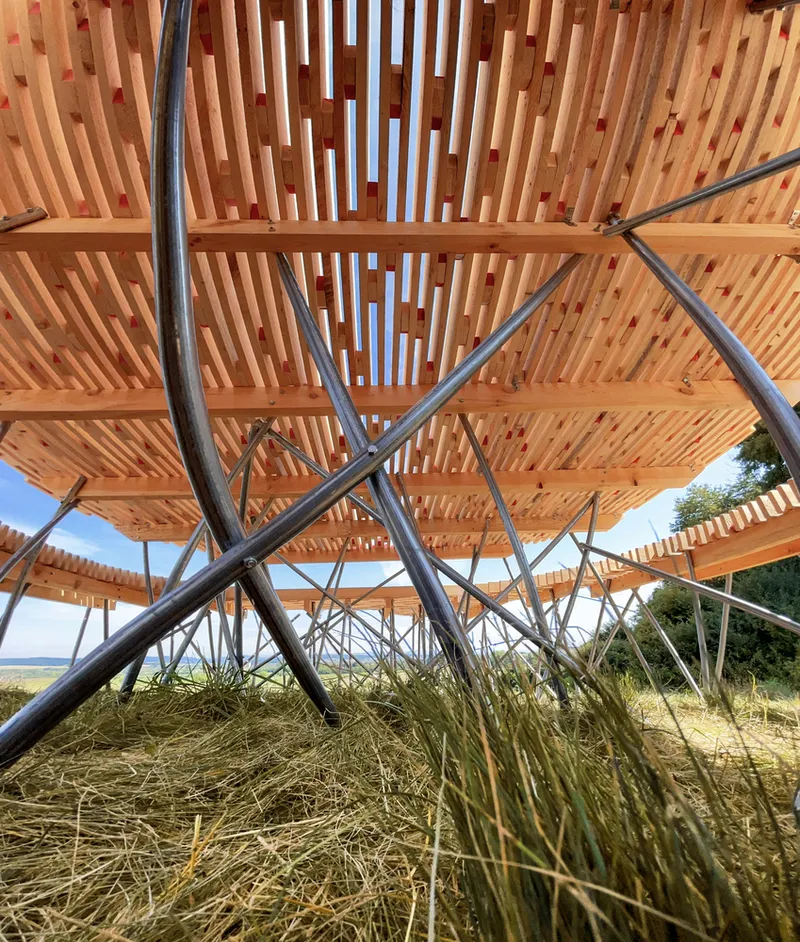
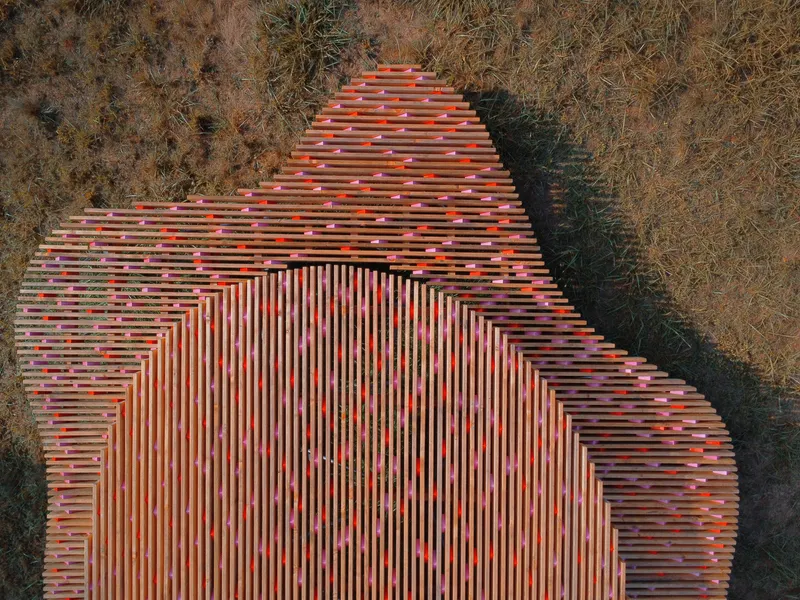
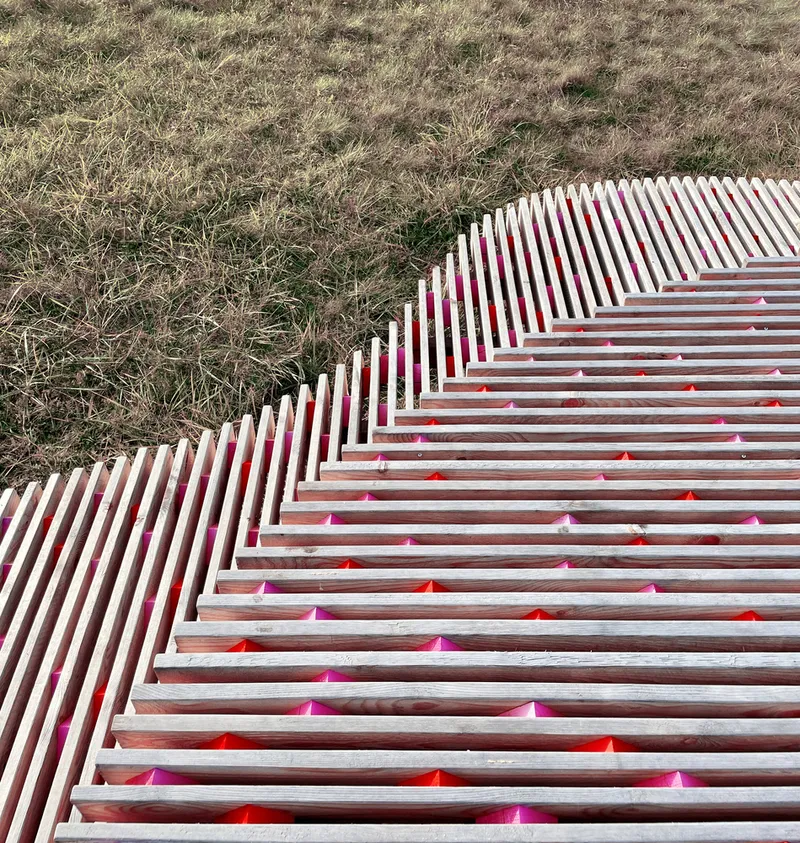
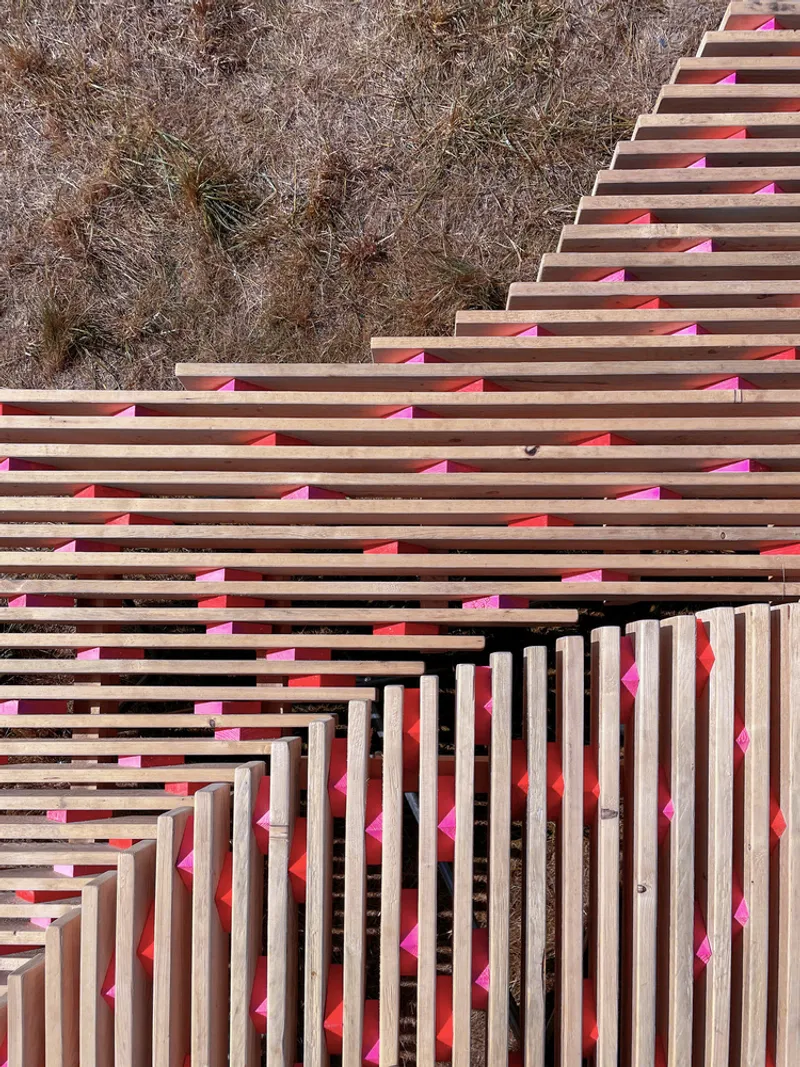
Constructed from a framework of steel pipes securely anchored into the soil, the installation ensures both stability and minimal site disruption. On top, a layered system of wooden slats forms the seating and tabletop. These slats—carefully offset—introduce rhythm, texture, and tonal variety, embodying the organic irregularity of the surrounding landscape.
A Platform for Participation and Imagination
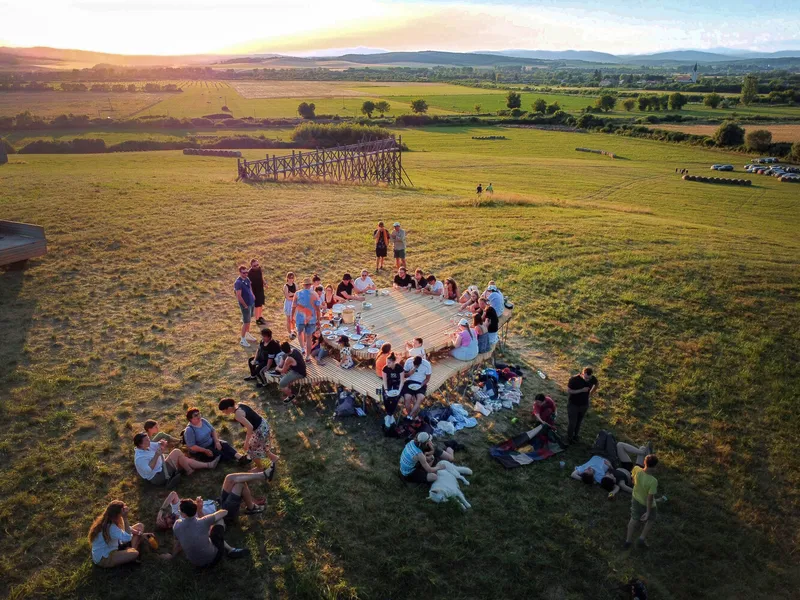
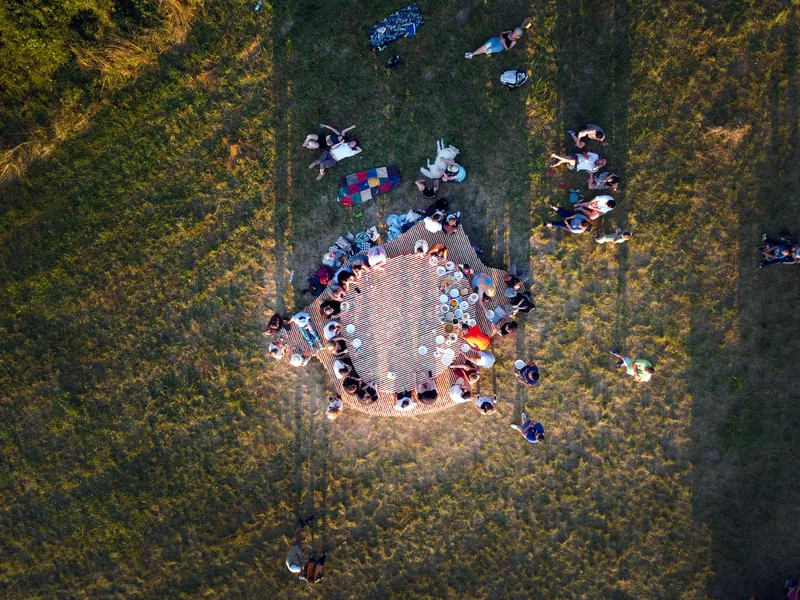
The 100x Round Table is more than a piece of furniture. It is a tool for community building and collective imagination. Its vast size allows it to host discussions, performances, meals, and spontaneous gatherings. The installation becomes a civic anchor—its circular shape suggesting equality, openness, and unity.
As part of the 2024 theme “Cabinet of Curiosities,” the table embodies curiosity in form and function. The spatial intervention invites reflection not only on physical space but also on the social dynamics that unfold within it. This is a place where artistic practice intersects with rural life, where cultural boundaries blur, and where new narratives emerge.
Toward a Broader Social Mission
The broader mission of Field of Sparks is to create awareness of social imbalances and ethnic differences, promoting tolerance and understanding. With backing from the International Visegrád Fund, the 2024 initiative represents a shared vision of architecture as a catalyst for social change. Every installation created here is not only a design experiment but also a gesture of care toward the community of Ipolytarnóc.
By embedding experimental architectural installations into the everyday fabric of rural life, Field of Sparks redefines what architecture can do. It champions the idea that even small-scale interventions can yield profound impacts—spatially, socially, and culturally.
A Living Laboratory of Architecture
The 100x Round Table stands as a bold yet sensitive addition to the evolving narrative of Field of Sparks. It reflects a design ethos rooted in participation, ecology, and experimental thinking. As this creative initiative continues to grow, it offers a powerful example of how architecture can engage with context, uplift communities, and cultivate a new spatial language—one shaped by curiosity, collaboration, and care.
All Photographs are works of Ungerhofer Dániel, Fátrai Júlia, Reizinger Ákos, Laczkó Péter



Popular Articles
Popular articles from the community


Riyadh For All: Intergenerational Urban Design for Active Aging in Rabat
Riyadh For All reimagines urban design in Rabat with intergenerational co-living, adaptive courtyards, and Moroccan cultural exchange today.

Conexión: Biophilic Design Reimagines High-Rise Living in Hong Kong
Conexión reimagines high-rise living in Hong Kong through biophilic design, green facades, shared spaces, daylight, water and nature within.

Play: Fragments of Their World
Familiar architecture becomes modular playground design, creating safe spaces where displaced children can learn, connect, imagine and play.

The Ocean Hive: Sustainable Architecture for a Self-Sufficient Civilization at Sea
The Ocean Hive imagines sustainable architecture at sea, where modular habitats, algae, wave power and ocean waste sustain a growing colony.


Similar Reads
You might also enjoy these articles

Bamboo Housing Challenge 2026: Design Affordable, Sustainable Homes Using Bamboo
An international design competition by Bamboo U and IBUKU inviting architects and designers to reimagine affordable housing using bamboo — with the winning design built full-scale in Bali.

Computational Design & Education: Beegraphy Design Awards Introduces 7th Category (Featuring Jiyun's Innovative Approach)
Dive into Beegraphy’s 7th Design Awards category, where computational design meets education to create immersive, interactive learning tools, inspired by Jiyun’s work.
From Parametric Lighting to Urban Furniture: Join the 2nd Workshop in Beegraphy’s Computational Design Series
Dive into Cutting-Edge Design Techniques and Practical Applications with Industry Experts

Last Call: Unleash Your Architectural Genius in SHAK's Kindergarten Design Competition
Urgent call for architects to join SHAK's kindergarten design competition before the looming deadline

Explore Architecture Competitions
Discover active competitions in this discipline



Challenge to reimagine the Iron Throne


Photograph architecture without architects


Illustrate the lost glory of Angkor Wat - Render Challenge


Design challenge to reuse E-waste
Comments (0)
Please login or sign up to add comments
No comments yet. Be the first to comment!