

2024 Chengdu EXPO Botanic Pavilion: A Vision of Biophilic Exhibition Architecture in Chengdu
This article explores the Chengdu EXPO Botanic Pavilion as a leading example of biophilic exhibition architecture, merging ecology and design.


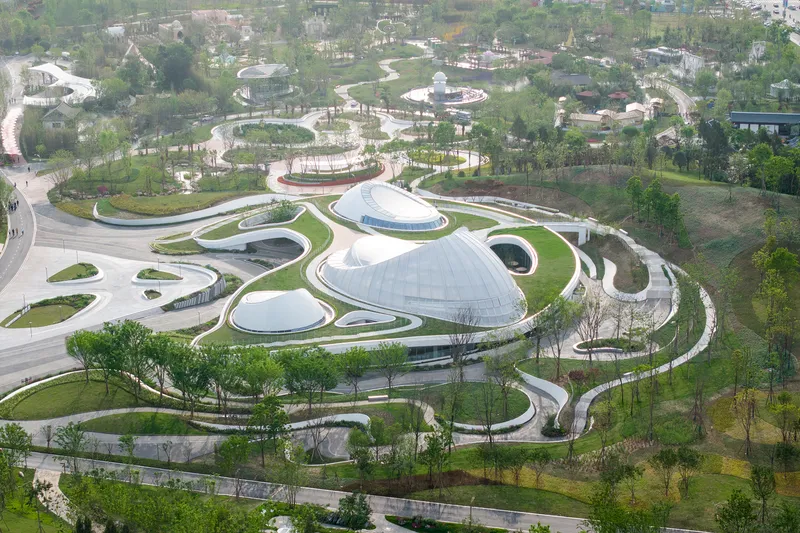
The 2024 Chengdu EXPO Botanic Pavilion, designed by CUPD, redefines the relationship between architecture and nature through an innovative biophilic design. Inspired by the seed, a symbol of life and potential, the pavilion reflects the theme "Embracing Potential, Sprouting from the Soil." This approach underscores a deep integration of ecology, technology, and futurism, creating a space where humans and plants coexist harmoniously. As part of the larger Chengdu EXPO, the pavilion serves as a dynamic exhibition space, showcasing rare plant species while fostering an immersive environmental experience.

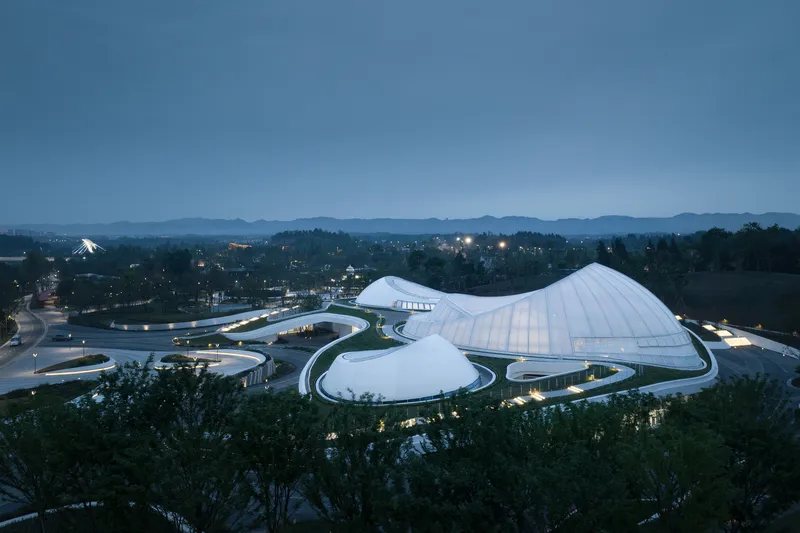


A Concept Rooted in Nature and Culture
The design philosophy of the Chengdu EXPO Botanic Pavilion draws from architectural regionalism and spatial narrativity, following the guiding principle of "ecology as the foundation, curation as the guide." This approach establishes an organic dialogue between architecture and its surrounding environment, embedding the pavilion within the landscape as a living entity. The philosophy resonates with the ancient Chinese belief in the "unity of heaven and humanity," reinforcing the idea that architecture should grow from the land, much like the plants it shelters.
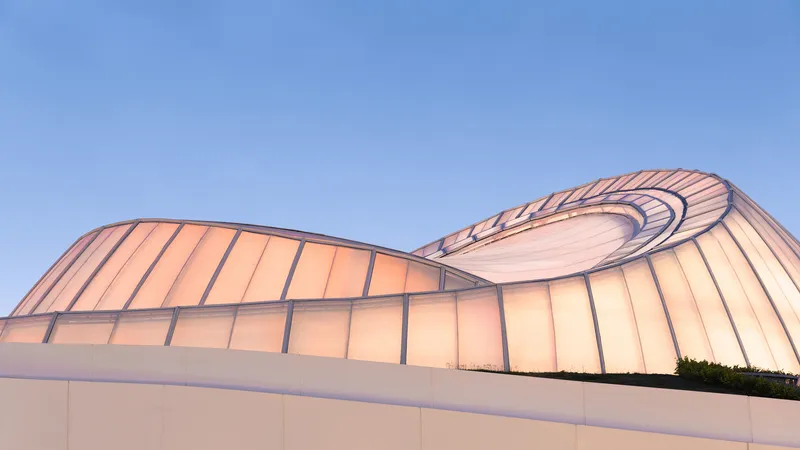

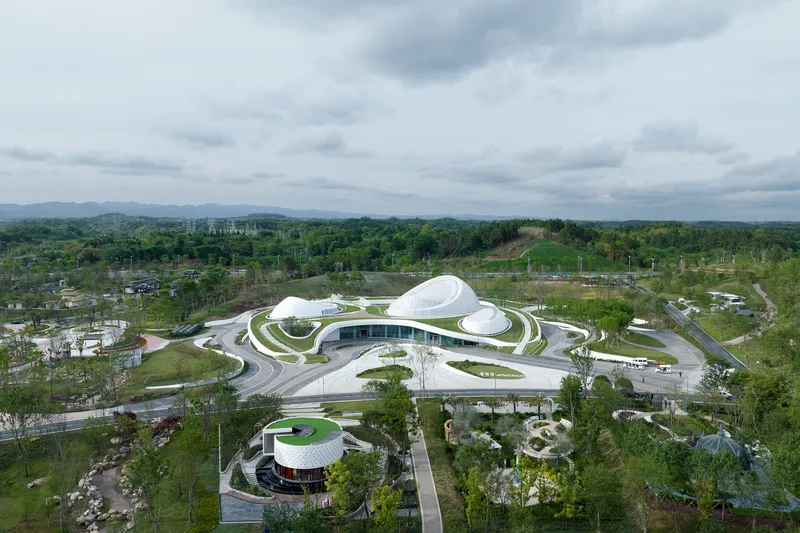
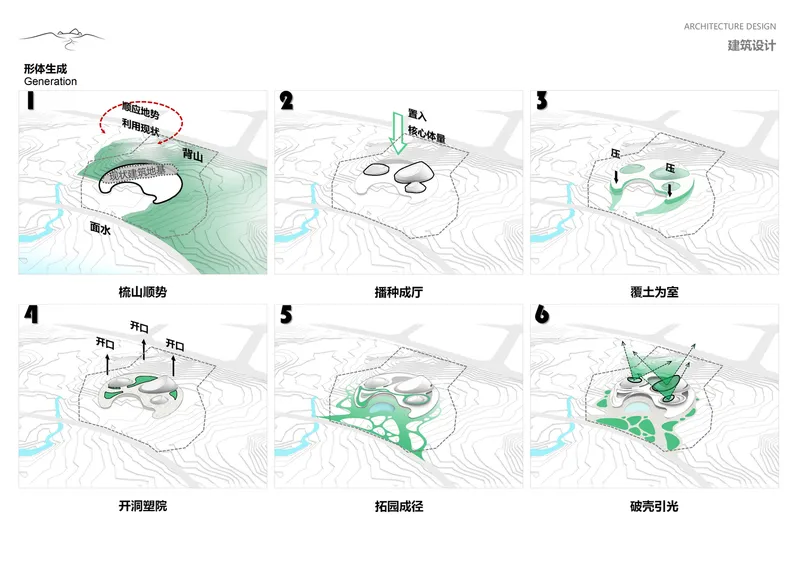
Ecological integration forms the foundation of the pavilion’s spatial experience. The structure connects seamlessly with the natural terrain, emphasizing the interdependence between built space and environmental elements. By mirroring the growth patterns of plant life, the architecture embodies a living organism, evolving in response to its ecological setting.
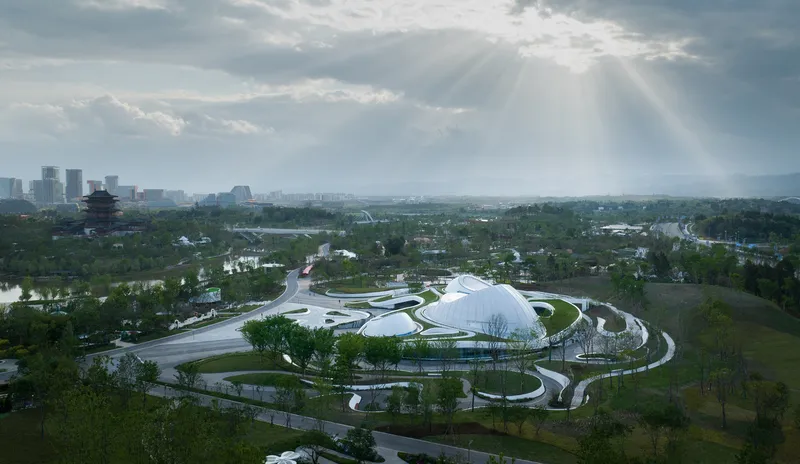

The Narrative of Biophilic Exhibition Architecture
The Chengdu EXPO Botanic Pavilion employs an exhibition-oriented spatial strategy that fuses ecological consciousness with curatorial storytelling. The concept of "curation as the guide" transforms the pavilion into a narrative-driven space, where visitors embark on an experiential journey through botanical exhibitions. This approach creates a dynamic interplay between the built environment, the exhibits, and human perception, encouraging an emotional and intellectual connection between visitors and the architectural space.
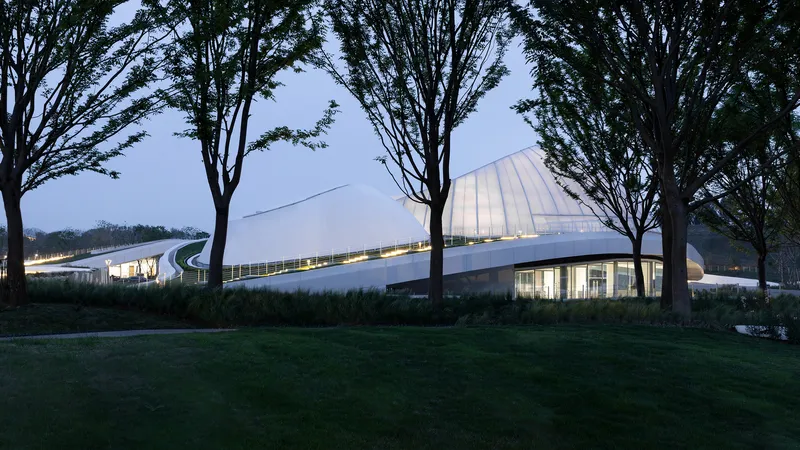

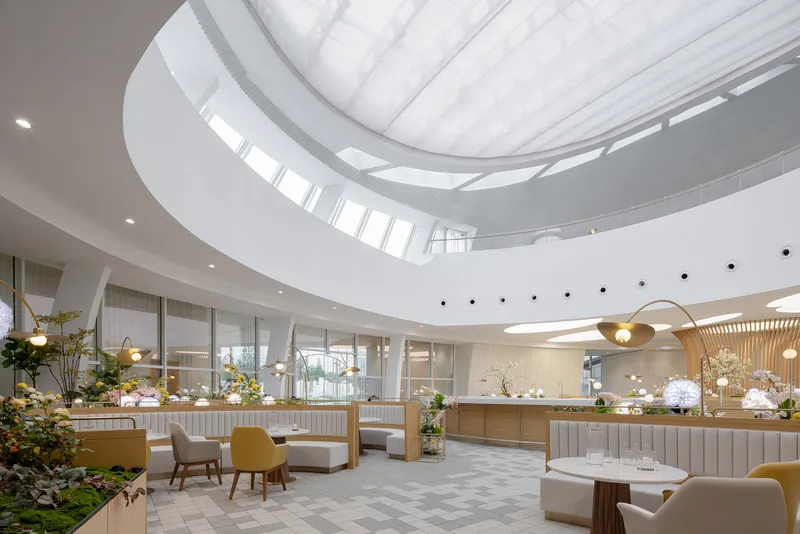
A hierarchical spatial system structures the pavilion into three interconnected layers: plant communities, ecological fundamentals, and curated exhibitions. This design framework establishes a unique dialogue between plant life and exhibition narratives, ensuring that the architecture remains an active participant in the storytelling process. By intertwining curation with ecological awareness, the pavilion metaphorically embodies the deep-rooted relationship between life and the land.
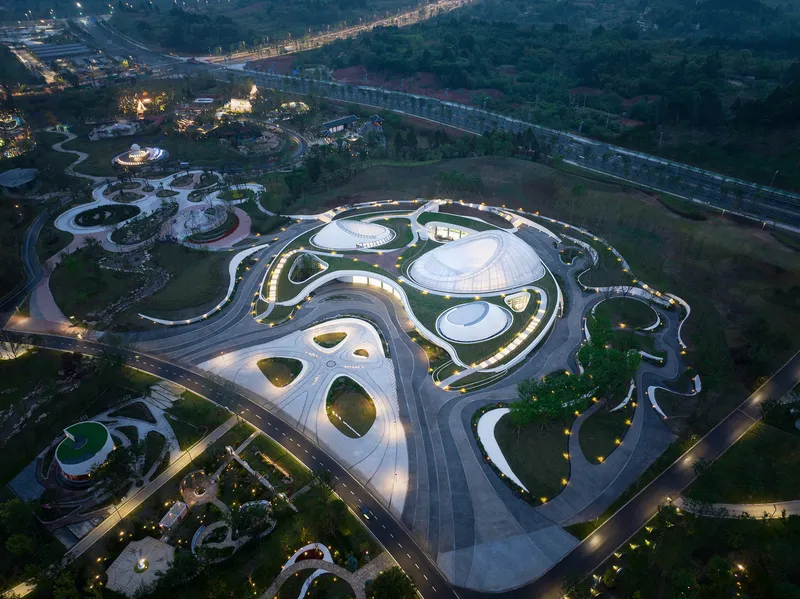
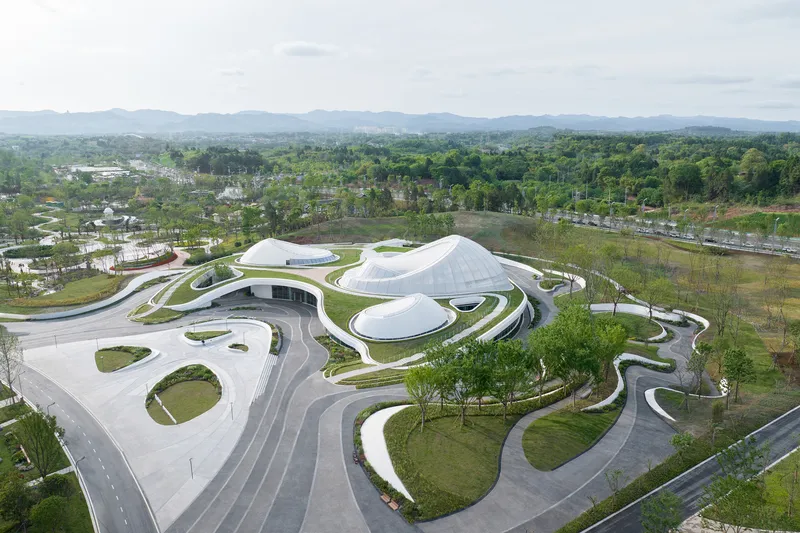
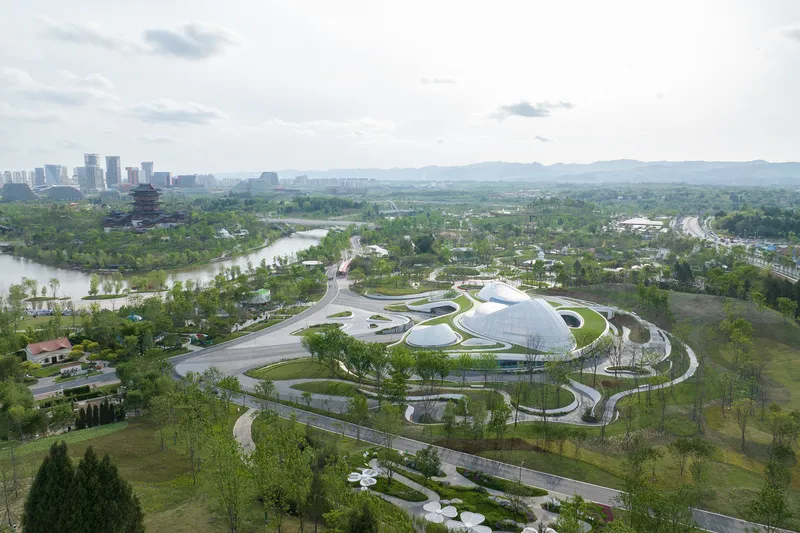
Sustainable Transformation and Post-Exposition Adaptation
Beyond its function as an exhibition space, the Chengdu EXPO Botanic Pavilion is designed for long-term sustainability. Its adaptability allows for functional transformations after the exposition, ensuring continued relevance within the urban landscape. During the event, the pavilion serves as a sanctuary for rare botanical specimens, enhancing ecological education and awareness. A floral-themed immersive restaurant further enriches the visitor experience, creating a multi-sensory engagement with the natural world.
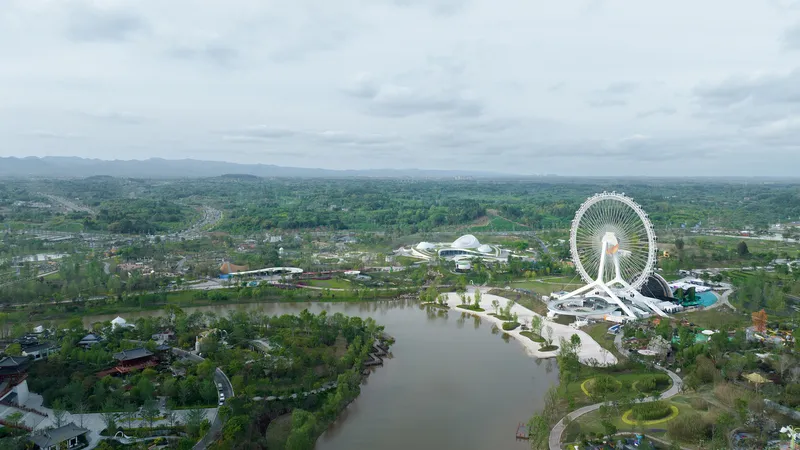

Following the exposition, the pavilion transitions into a multifunctional space. Its design accommodates a diverse range of post-event uses, including a forest-themed wedding photography venue, a research center for botanical studies, and an interactive VR-driven plant exhibition. This flexible approach underscores the role of biophilic architecture in fostering a lasting relationship between people and nature, transforming the pavilion into a permanent landmark for ecological education and cultural engagement.
Architecture as a Living Entity
The 2024 Chengdu EXPO Botanic Pavilion exemplifies biophilic exhibition architecture in Chengdu, setting a precedent for environmentally responsive design. By integrating ecological principles with curatorial storytelling, the pavilion bridges the gap between nature, culture, and technology. Its seamless interaction with the landscape, adaptability, and immersive exhibition experience solidify its role as a model for future sustainable architecture.


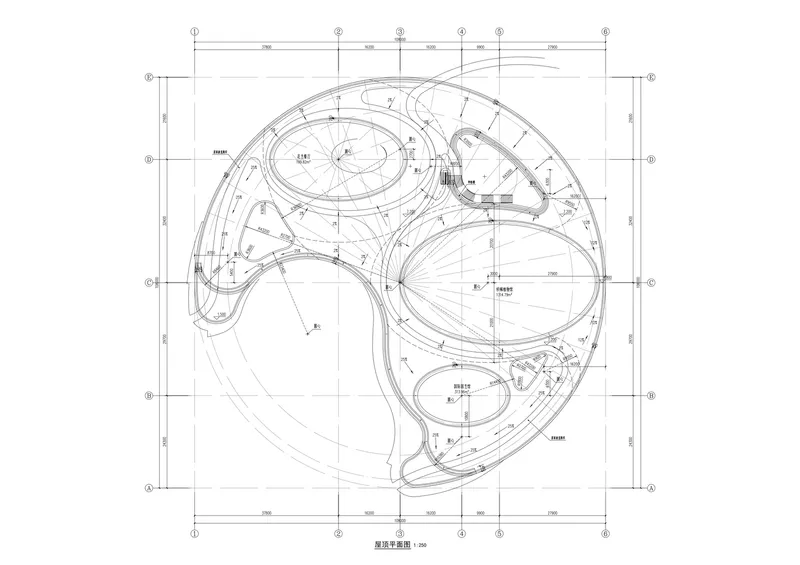
Through this project, CUPD redefines how architecture can serve as both a vessel for ecological conservation and a platform for experiential learning. The pavilion stands as a testament to the potential of biophilic design, where architecture not only shelters but also grows, breathes, and evolves as part of its environment.


All Photographs are works of Zhiyi-jianzhu New Media Studio


Popular Articles
Popular articles from the community


David Macias Steps a Doorless Stone and Plaster House Down a Tropical Colombian Hillside
In the humid hills of Colombia, Threshold House replaces the front door with an open void and terraces its 850 m² down the slope instead of fighting it.

LT2A and OPEN Architectes Thread a Brick and Glass High School Through a Wooded Belgian Campus
In Braine-l'Alleud, a 3,000 m² wing for Collège Cardinal Mercier pairs pale brick with a glazed colonnade, deferring to a small chapel and a dense wood.

Architekt Andreas Gruber Scatters 23 Dark Timber Chalets Across a South Tyrolean Forest Edge
In Molini di Tures, Amonti Chalets breaks a resort into a hamlet of gabled timber houses, with parking, storage and services pushed into the slope.

Cube Design Draws an Ecological Corridor Between Two Shenzhen Hills with the Nankai Building
Beside Shenzhen's container docks, the Nankai Building pairs stacked balconies with a climbing green screen to connect two hillsides across its height.

Similar Reads
You might also enjoy these articles


Hodi-Mandai Geram
Project Function: Preservation and revitalization of the Intangible heritage and socio-spatial identity of the Hodi by Housing, Cultural Memory Center, Sacred Grove, landscape, local tourism economy


Olio Towers: A Mid-Rise for Performers That Fuses Housing, Rehearsal, and Stage
Located blocks from Houston's Theater District, this modular tower stacks living units around a central performance atrium.

Oasis: Modular Green Housing Carved into Dhaka's Urban Fabric
A shortlisted Plugin Housing entry reclaims unauthorized settlements in Dhaka with stepped concrete volumes, green roofs, and ventilation-driven design.

Black Hole: A Floating Megastructure for the Post-Physical Era
Emiliano Mazzarotto envisions a spherical, self-scaling arena where e-sports, digital hotels, and holographic stadiums replace traditional public space.

Explore Architecture Competitions
Discover active competitions in this discipline

Challenge to reimagine the Iron Throne

Photograph architecture without architects

Illustrate the lost glory of Angkor Wat - Render Challenge

Design challenge to reuse E-waste
Comments (0)
Please login or sign up to add comments
No comments yet. Be the first to comment!