

3dpod Pavilion by Obayashi: Japan’s First 3D-Printed, Earthquake-Resistant Building
The 3dpod Pavilion by Obayashi is Japan’s first 3D-printed, earthquake-resistant building, showcasing innovative construction, SLIM-Crete®, and sustainable architecture.


Located in Kiyose, Tokyo, the 3dpod Pavilion is a groundbreaking architectural achievement by Obayashi, one of Japan’s largest and most historic general contractors, founded in 1892. Completed in 2023, this innovative 3D-printed structure is the first in Japan to receive both ministerial certification and a building permit for a habitable, earthquake-resistant building. Serving as a public demonstration facility, 3dpod evaluates the structural integrity, durability, and environmental performance of 3D-printed architecture while showcasing the future potential of digital construction.

Innovative Architectural 3D Printing in Earthquake-Prone Japan
Architectural 3D printing is particularly challenging in Japan due to stringent earthquake regulations and safety requirements. Traditionally limited to civil engineering projects and small non-habitable structures, 3dpod pioneers a method that meets strict local standards without relying on conventional steel reinforcement. The pavilion’s pod-like form maximizes interior space while minimizing material usage, demonstrating efficiency and sustainability in design.

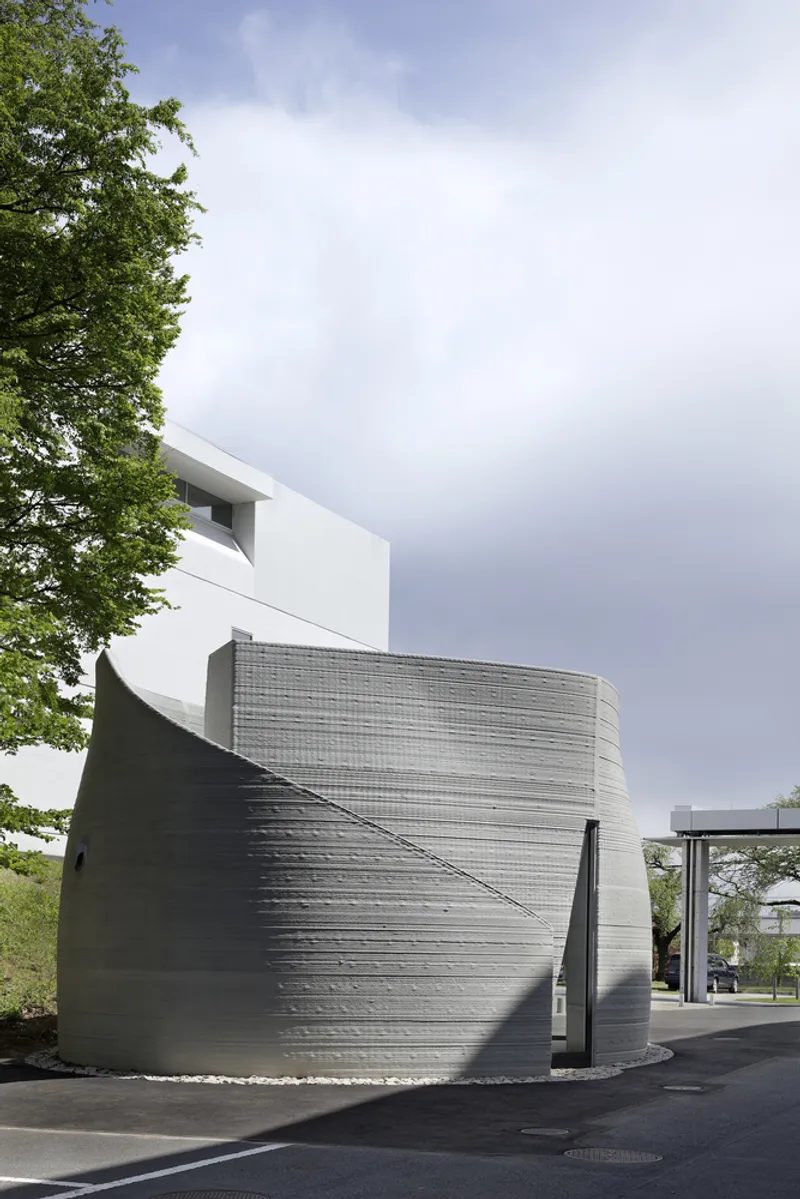
SLIM-Crete®: Reinventing Structural Materials
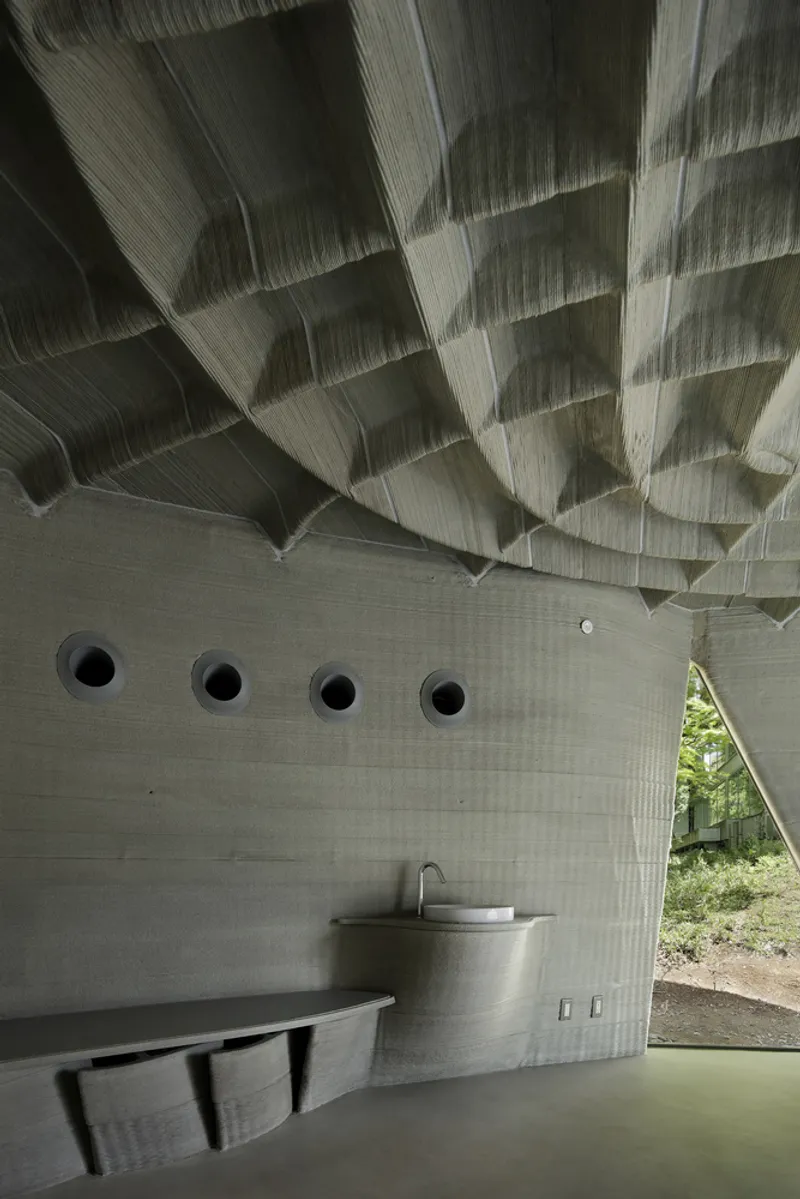
The pavilion is constructed using SLIM-Crete®, a high-strength, steel-fiber-reinforced concrete. This special mortar acts simultaneously as the internal and external finish as well as the load-bearing framework, eliminating the need for conventional steel bars or frames. This method preserves the aesthetic flexibility of 3D printing, allowing for unique textures and forms that retain a warm, tactile quality reminiscent of traditional craftsmanship.
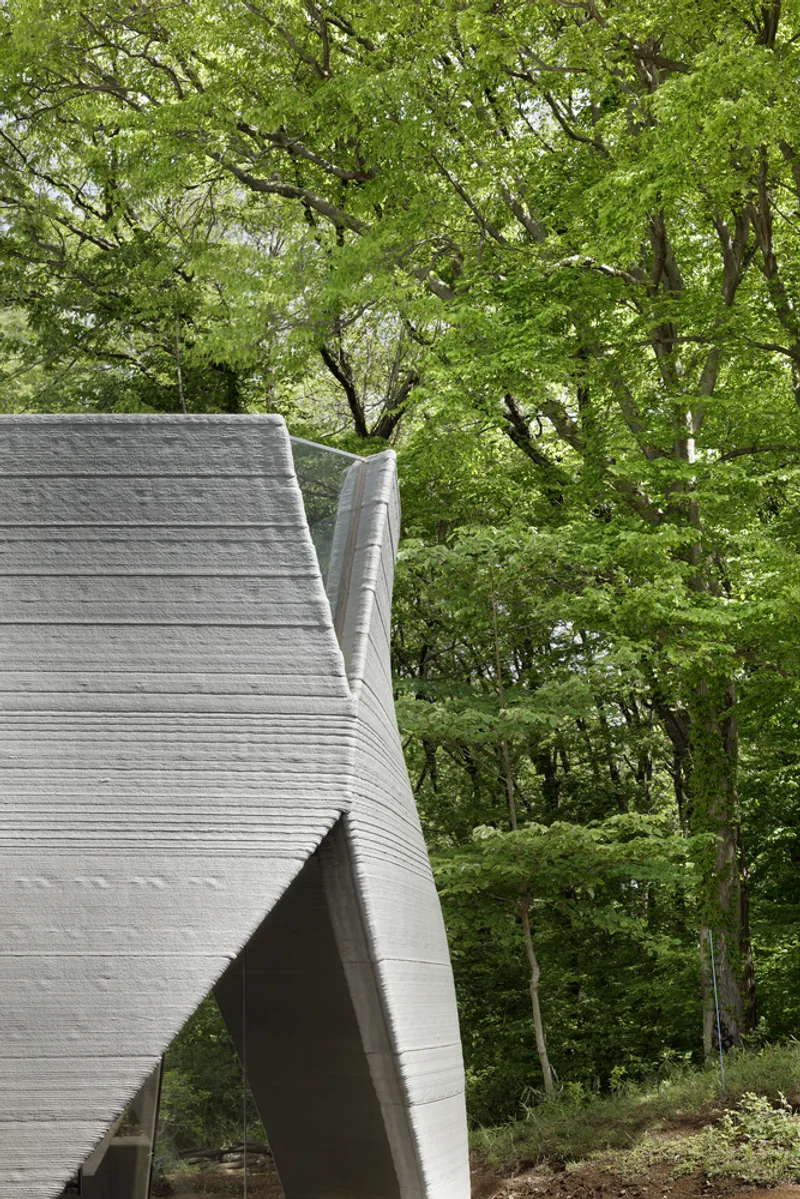
Multi-Layered, Integrated Wall Systems
3dpod’s walls combine load-bearing structure with cavities for insulation, equipment routing, and radiant heating/cooling systems, providing the comfort and habitability of a conventional building. The integrated design accelerates construction, allowing multiple tasks to be executed simultaneously. The slab incorporates strengthening ribs along principal stress lines, combining material efficiency with spatial elegance, a feat difficult to achieve with traditional methods.
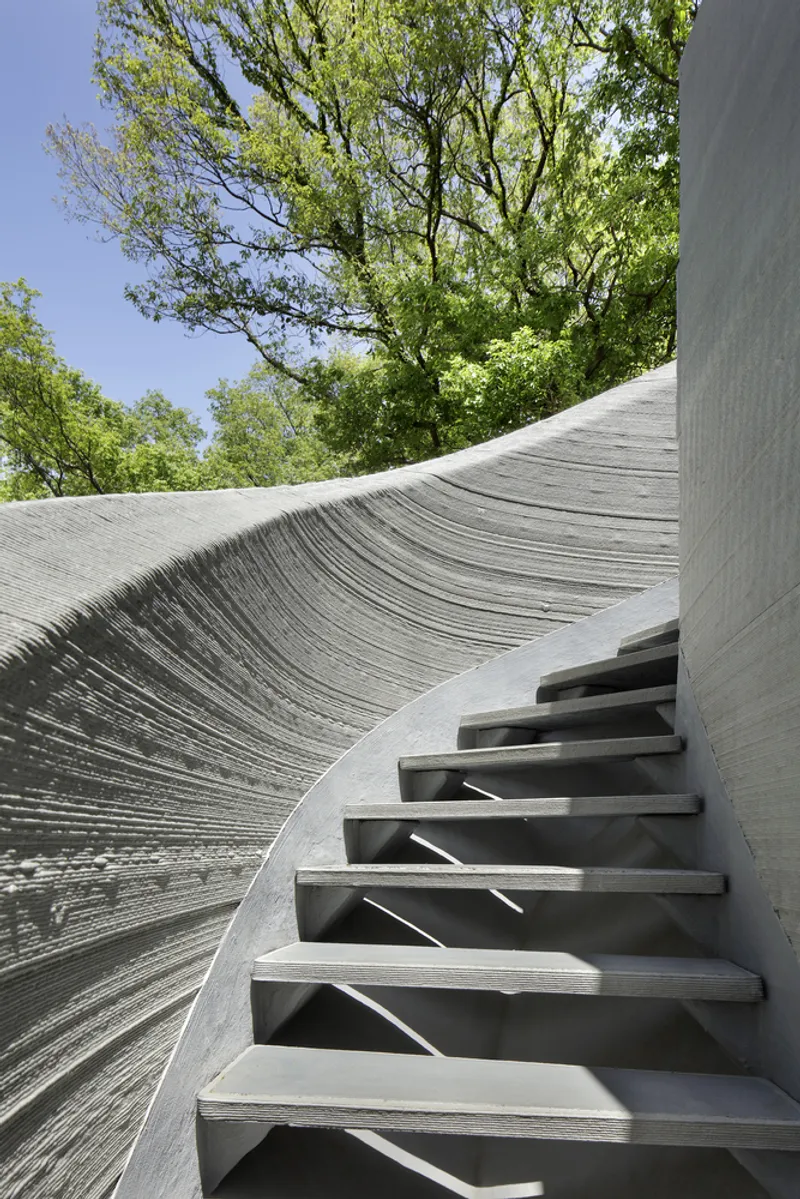
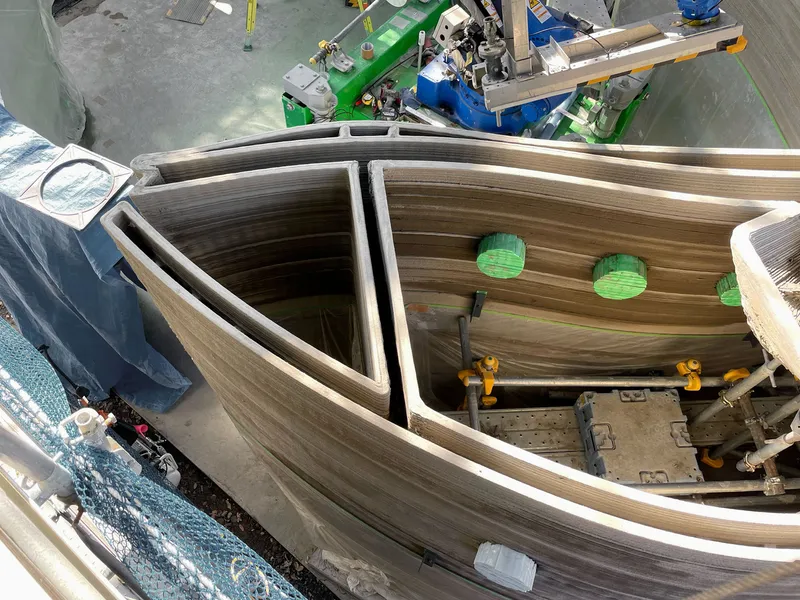
Robotic On-Site Fabrication and Precast Elements
The 3dpod was fabricated using a robotic on-site printer, directly applying mortar formwork onto the foundation. Roof slabs were printed off-site as precast elements and capped with SLIM-Crete® to form a durable shell structure. A rooftop 3D printer completed the parapet of the walkable deck, demonstrating the feasibility of multi-storied 3D-printed structures.
Sustainability, Efficiency, and the Future of Construction
3dpod highlights the potential of digital fabrication to reduce labor demand, shorten construction timelines, and minimize CO₂ emissions by reducing material transportation. Obayashi aims to continue advancing 3D printing in architecture, engineering, and construction (AEC) to address the shortage of skilled workers, enable construction in remote locations, diversify building materials, and foster localized, sustainable building processes.
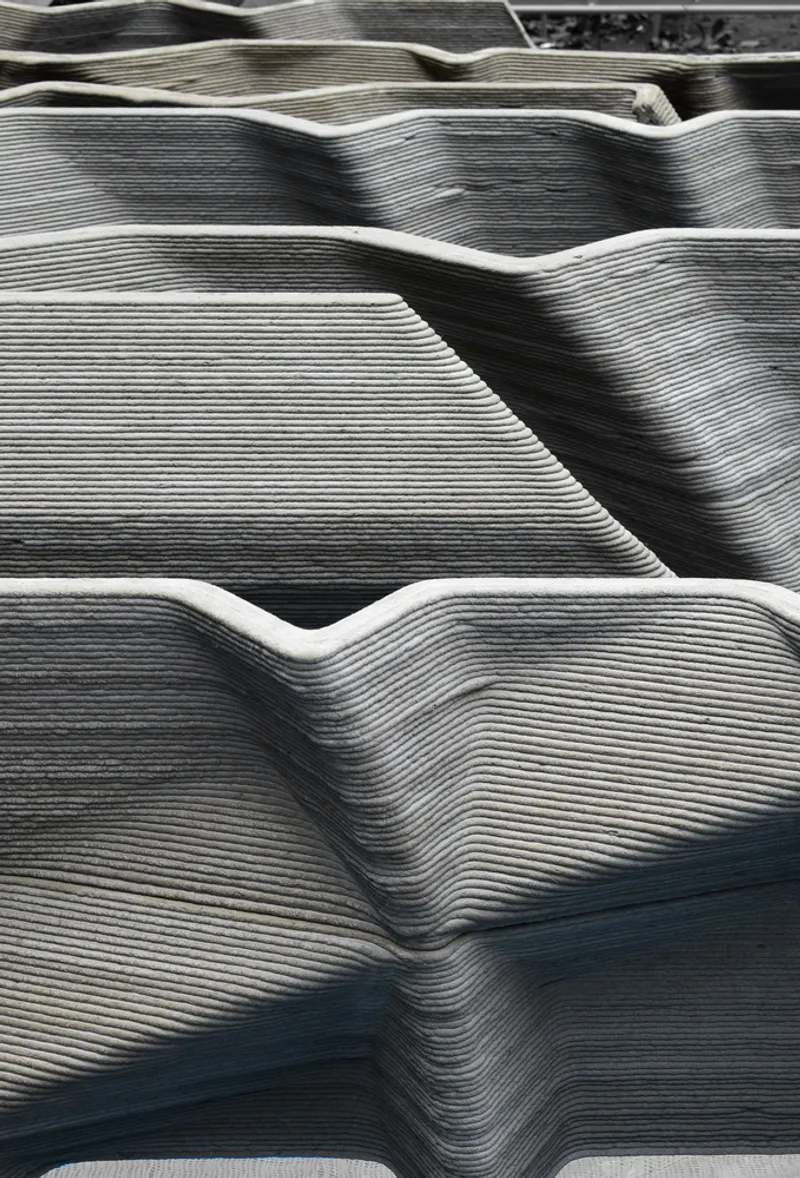
All Photographs are works of Satoshi Shigeta


Popular Articles
Popular articles from the community

Temporary Home for Dogs: A Reversed Zoo Rethinks Animal Shelter Architecture
In Bucharest, a sinuous corridor and freed landscape flip the logic of containment, designing a shelter that works to make itself unnecessary.

Cloaked Colonization: A Mobile Underwater Habitat That Moves Like a Fish
Micah Abaya's shortlisted EHC Pacific entry reimagines ocean settlement as a dispersed network of self-sustaining architectural organisms.

Manzana Morphosis: Stretching Barcelona's Grid into a Living Landscape for 2050
A radical reworking of the Eixample manzana turns density into a tool for generous public space, vertical ecology, and environmental performance.

Singing Woman: Contemporary Architecture Inspired by Estonia’s Voice and the Sea
Singing Woman turns Estonia’s song culture into flowing opera house architecture, blending public life, landscape, sea, and national memory.

Similar Reads
You might also enjoy these articles


Hodi-Mandai Geram
Project Function: Preservation and revitalization of the Intangible heritage and socio-spatial identity of the Hodi by Housing, Cultural Memory Center, Sacred Grove, landscape, local tourism economy


Olio Towers: A Mid-Rise for Performers That Fuses Housing, Rehearsal, and Stage
Located blocks from Houston's Theater District, this modular tower stacks living units around a central performance atrium.

Oasis: Modular Green Housing Carved into Dhaka's Urban Fabric
A shortlisted Plugin Housing entry reclaims unauthorized settlements in Dhaka with stepped concrete volumes, green roofs, and ventilation-driven design.

Black Hole: A Floating Megastructure for the Post-Physical Era
Emiliano Mazzarotto envisions a spherical, self-scaling arena where e-sports, digital hotels, and holographic stadiums replace traditional public space.

Explore 3D Printed Concrete Competitions
Discover active competitions in this discipline

Challenge to design a portable theatre

Challenge to design a portable music platform

Challenge to design an open learning module for the elderly

Challenge to reimagine the Iron Throne
Comments (0)
Please login or sign up to add comments
No comments yet. Be the first to comment!