

A Flexible and Innovative Space Design for the Future
The article discusses the innovative design of the Taihu Cloud Valley Digital Industrial Park, focusing on flexibility and modernity in space planning.


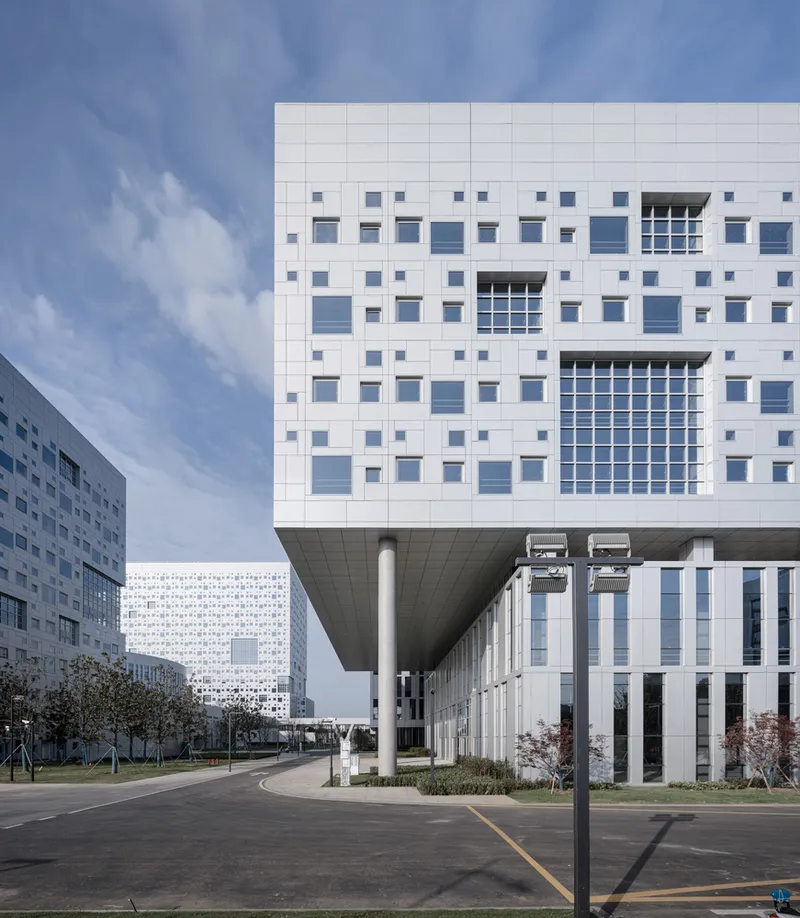
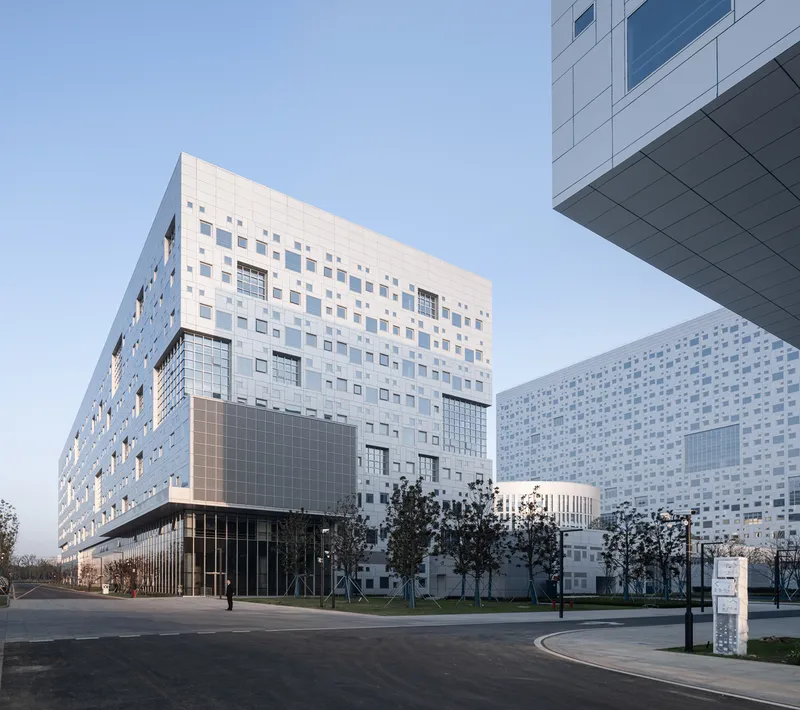
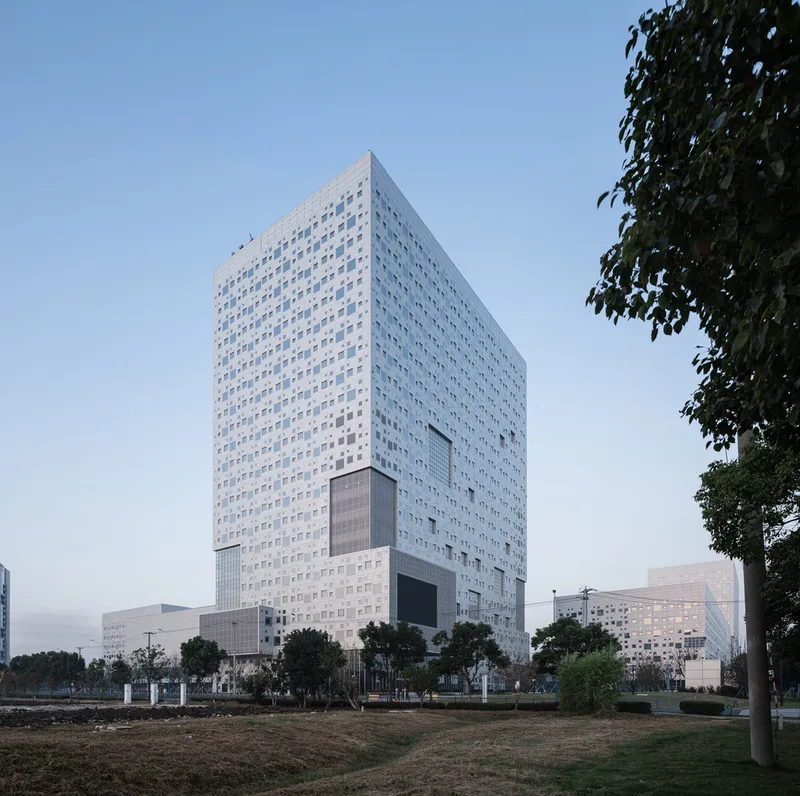
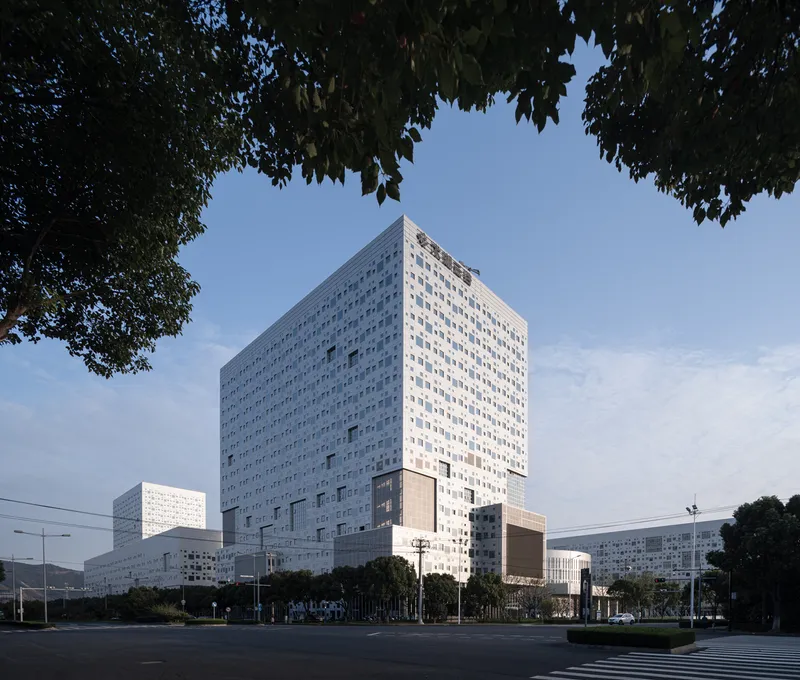
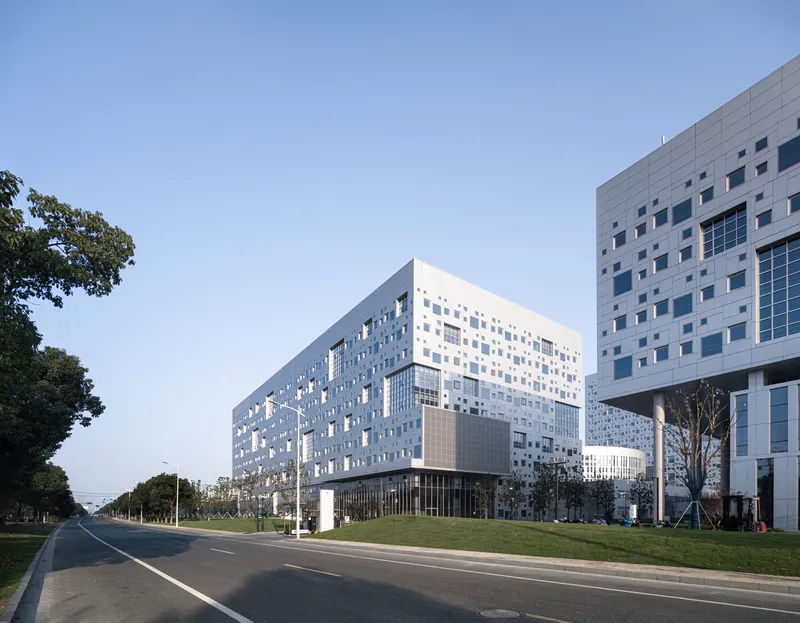
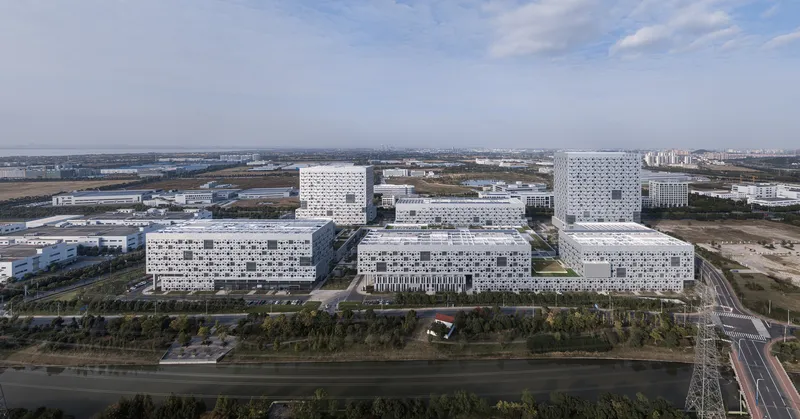
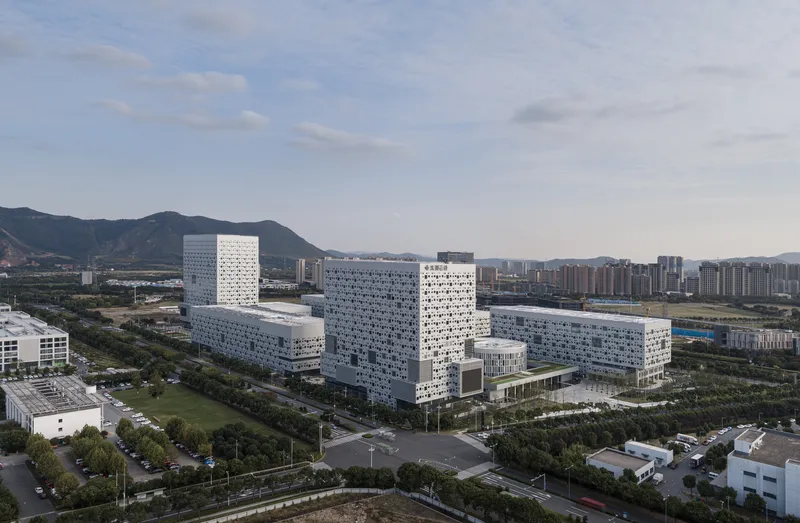
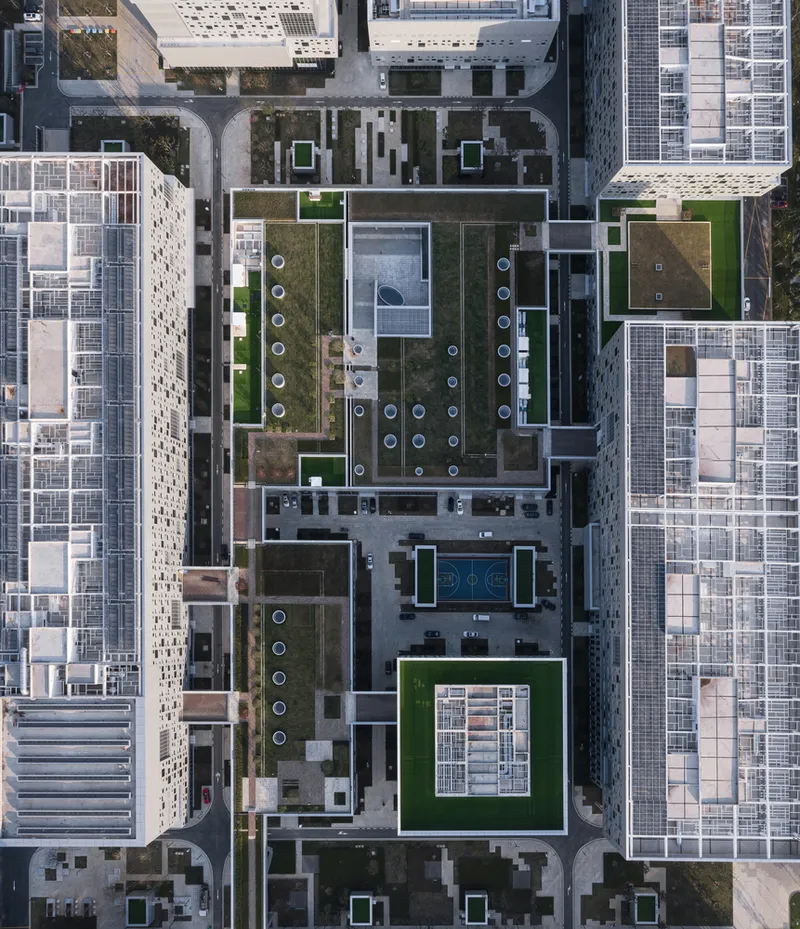
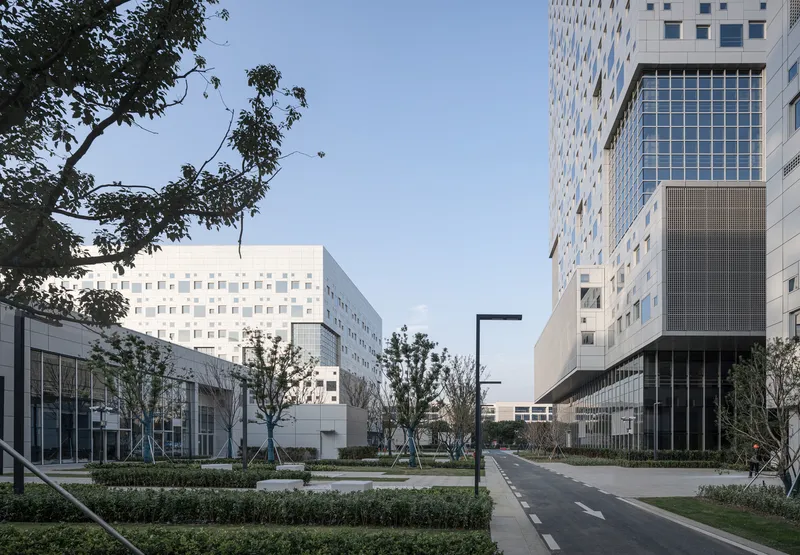
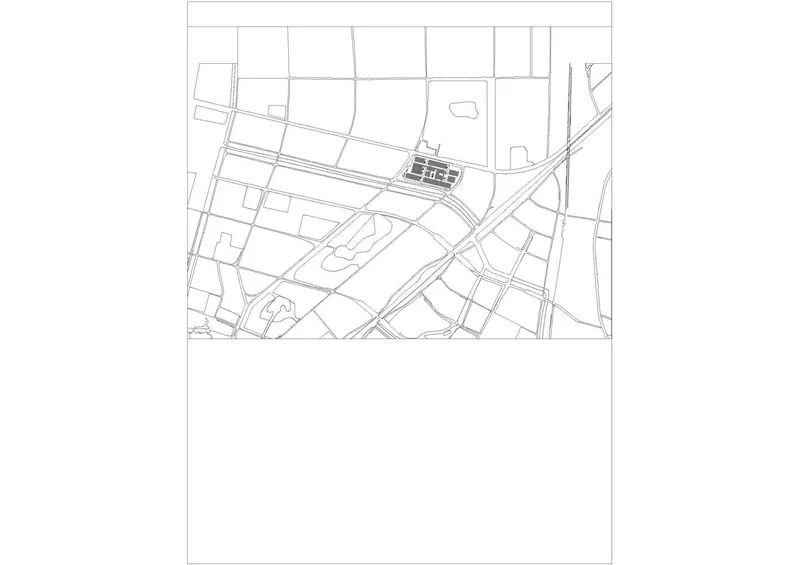
The “Taihu Cloud Valley” Digital Industrial Park in Suzhou, China, designed by 9-Town Design Studio, is an innovative project that addresses the evolving needs of digital industries. With a total construction area of 490,000 square meters, the park is designed to be flexible, adaptable, and ready to accommodate the future of digital enterprises. This article explores how the park’s design combines modern architecture with practical functionality to foster growth in the digital economy.
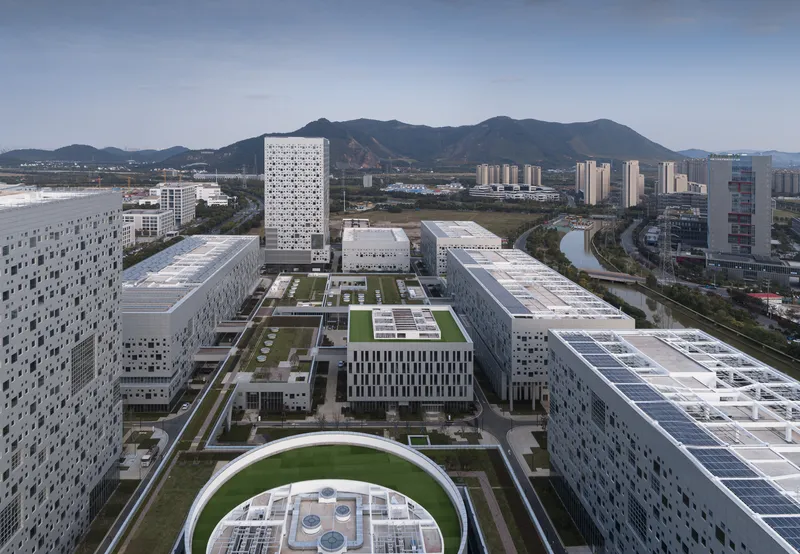
Adaptable Design for Uncertain Future Needs
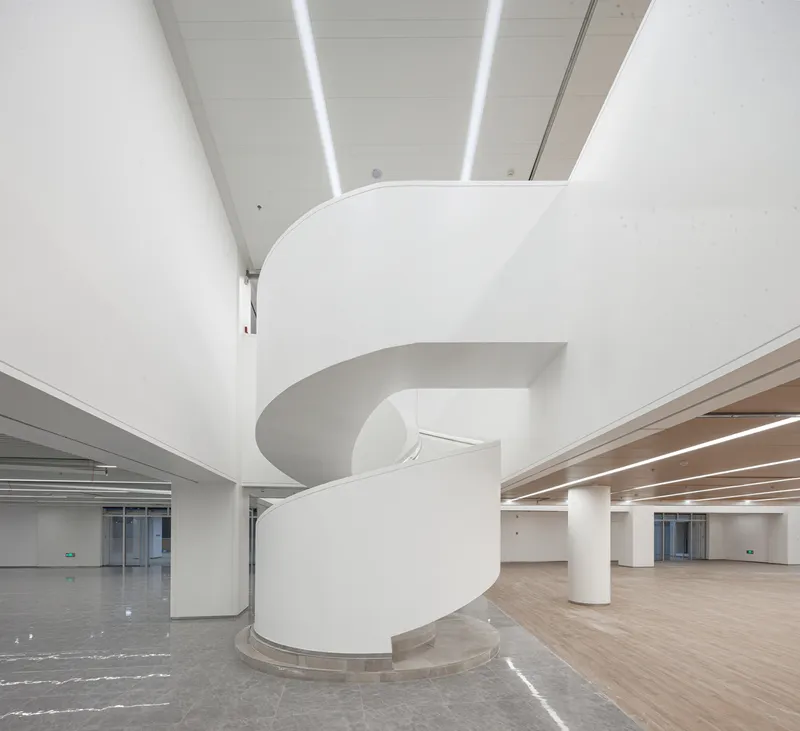
The design of the Taihu Cloud Valley Digital Industrial Park is built around the principle of uncertainty. Unlike traditional industrial parks, where specific uses are defined, the park offers flexible spaces that can evolve with the shifting needs of its tenants. The layout does not tie specific functions to certain spaces; instead, it creates versatile environments that can accommodate changes in size, scale, and function. This approach allows for businesses to grow or downsize as necessary, making the park ideal for both large enterprises and startups.
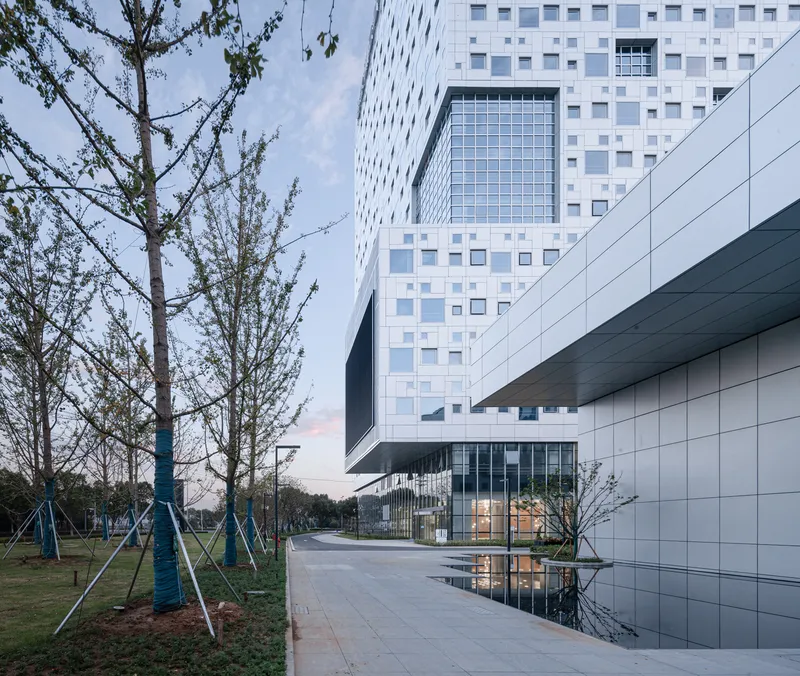
Architectural Features for Versatility and Efficiency
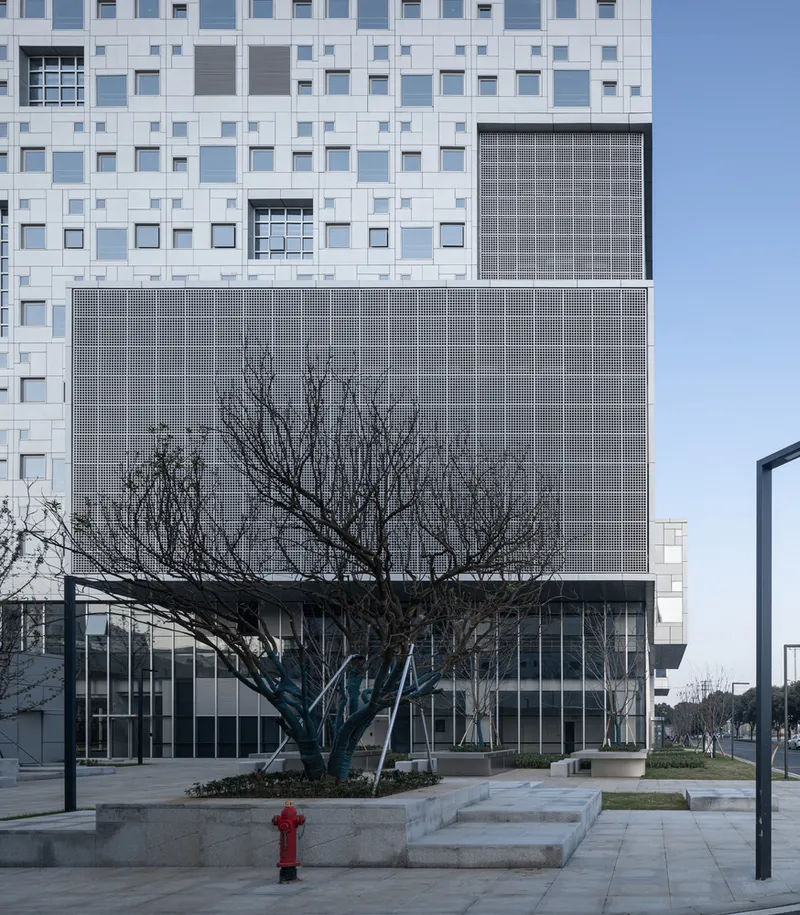
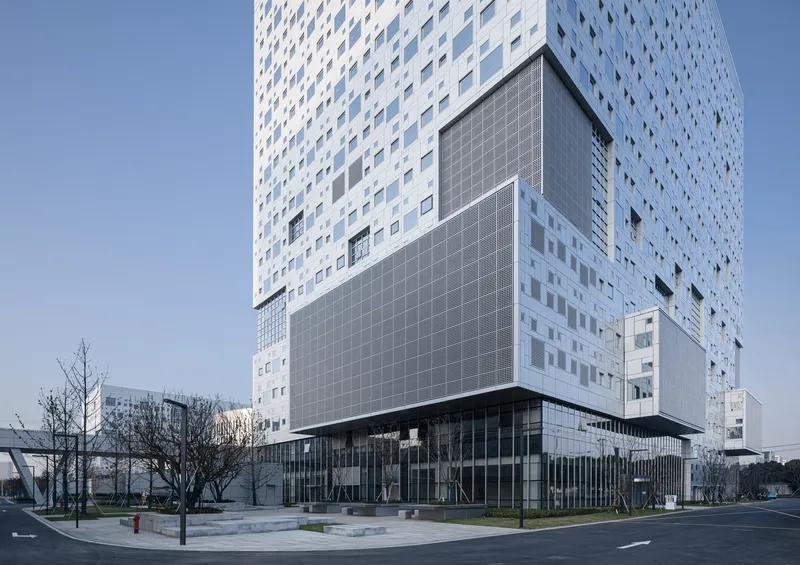
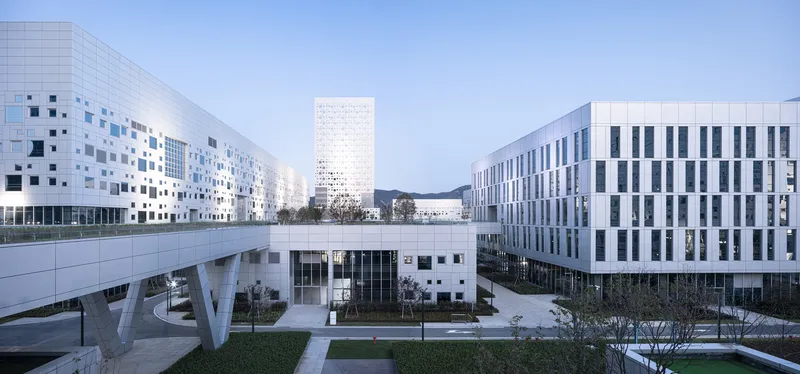
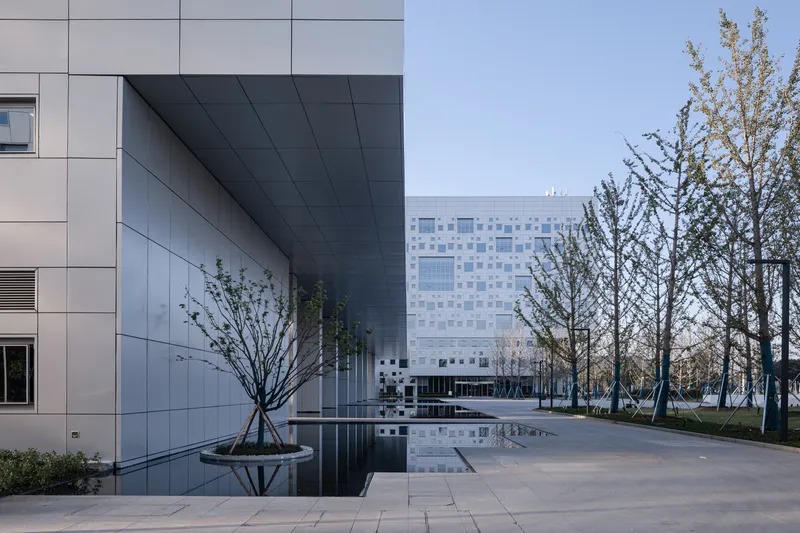
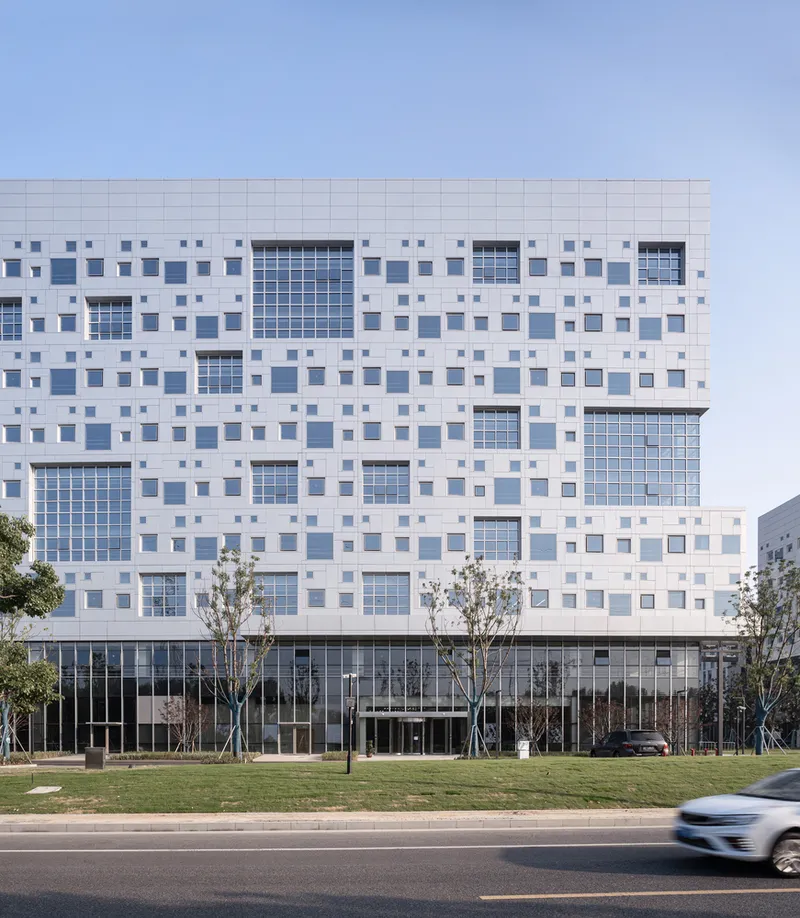
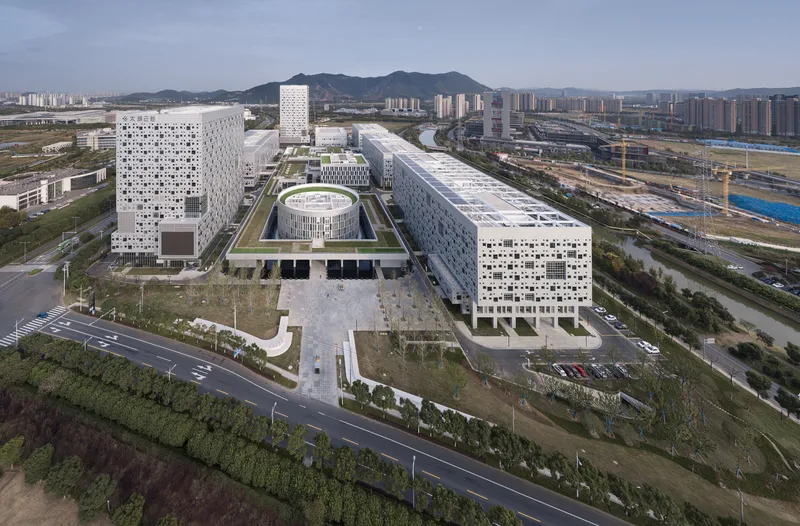
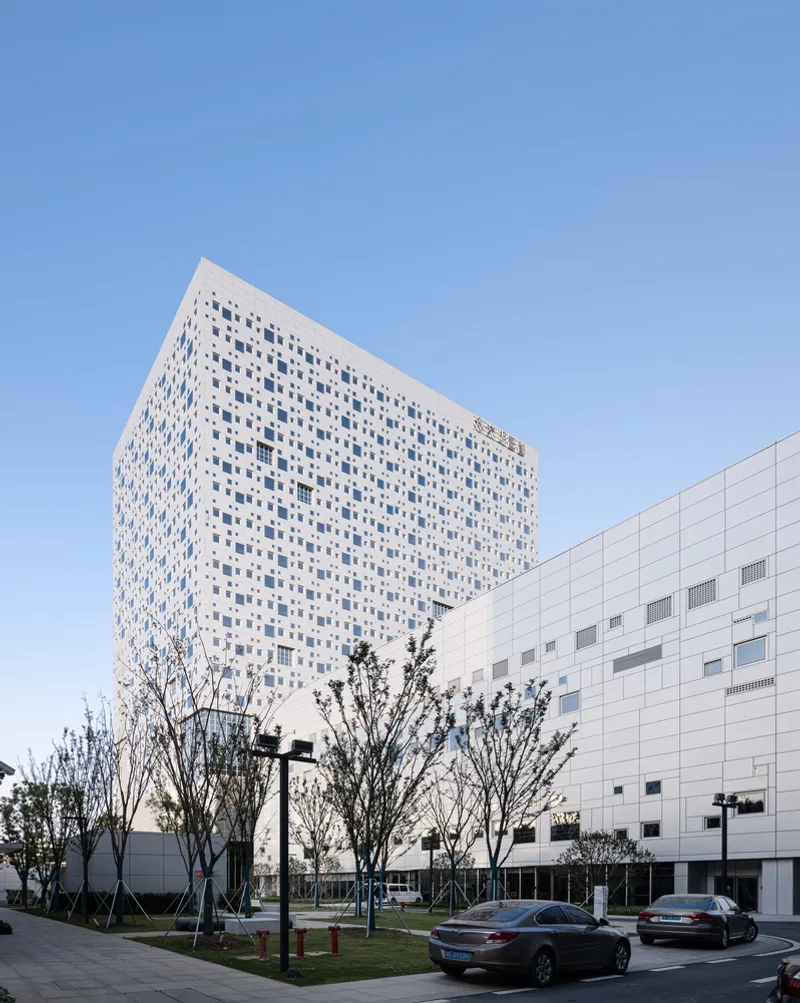
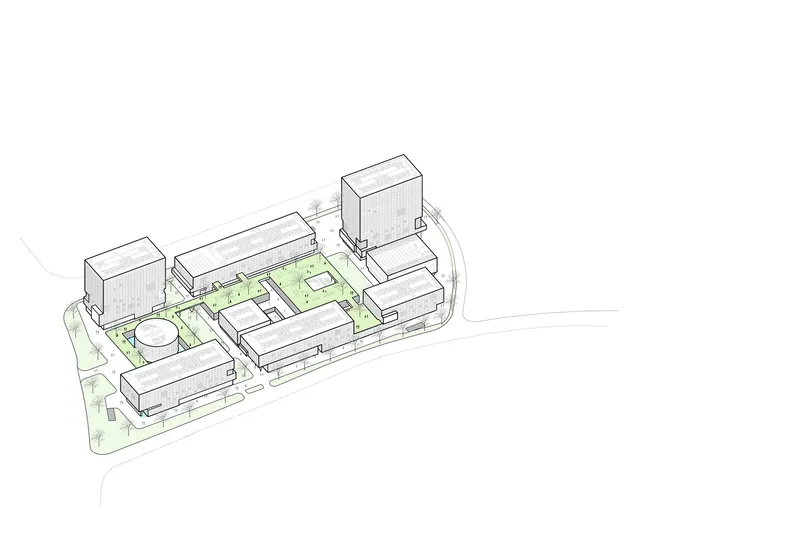
The digital park features a unique architectural layout with 10 buildings, including five high-rise and five multi-story buildings. The high-rise buildings are dedicated to research and development offices, while the multi-story buildings house a mix of R&D offices and public facilities. To meet the diverse requirements of tenants, the first-floor height is designed to be 5.9 meters, allowing for flexibility in accommodating businesses with special space needs. The buildings are structured with a standardized column grid system to allow for easy partitioning and reconfiguration.
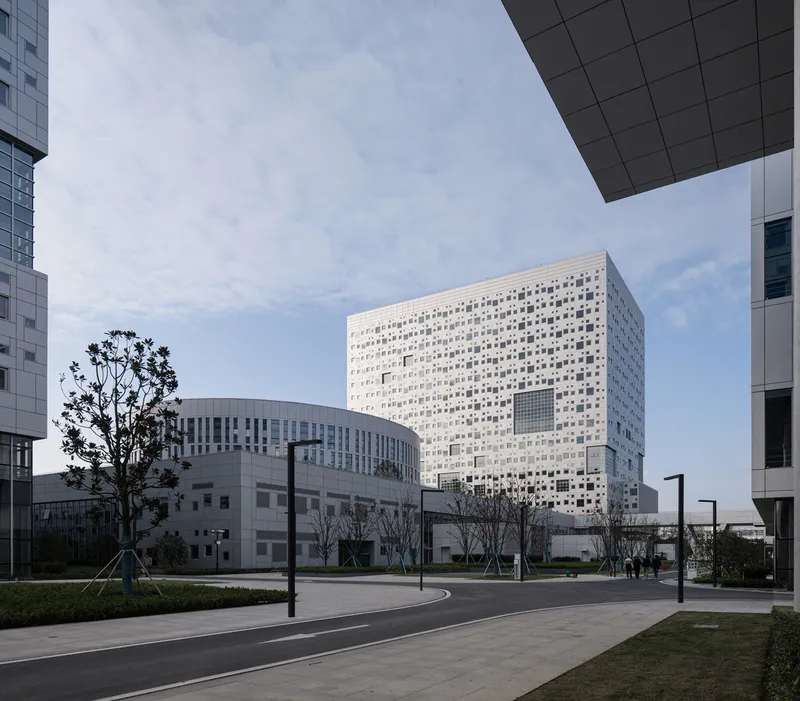
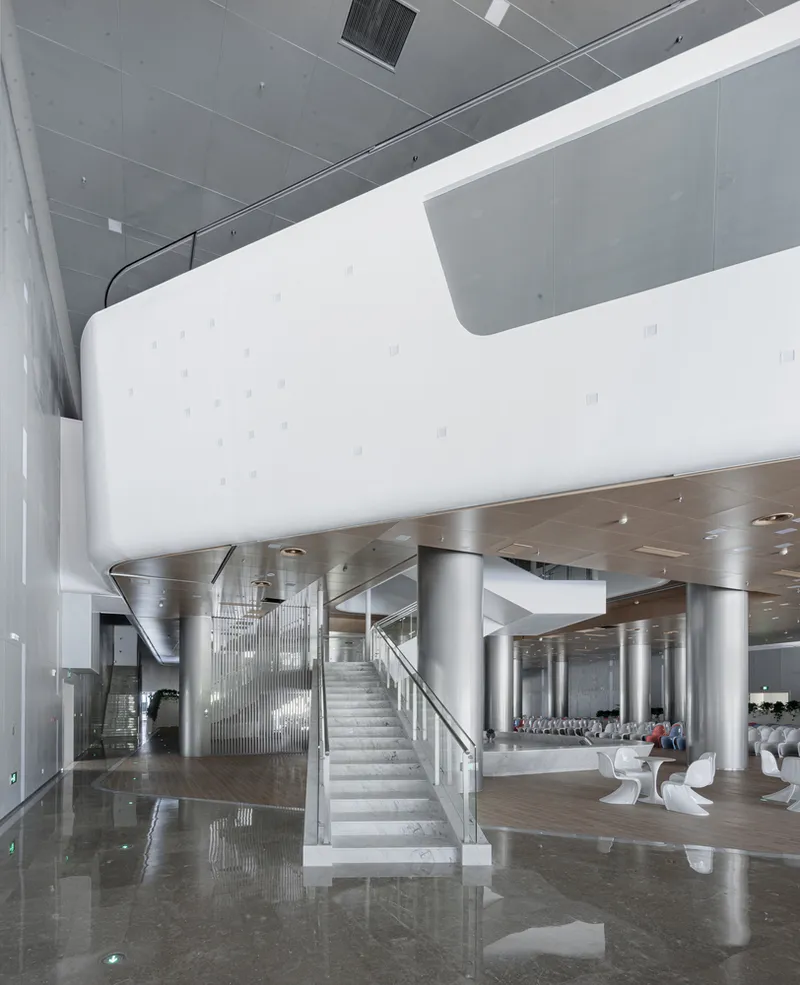
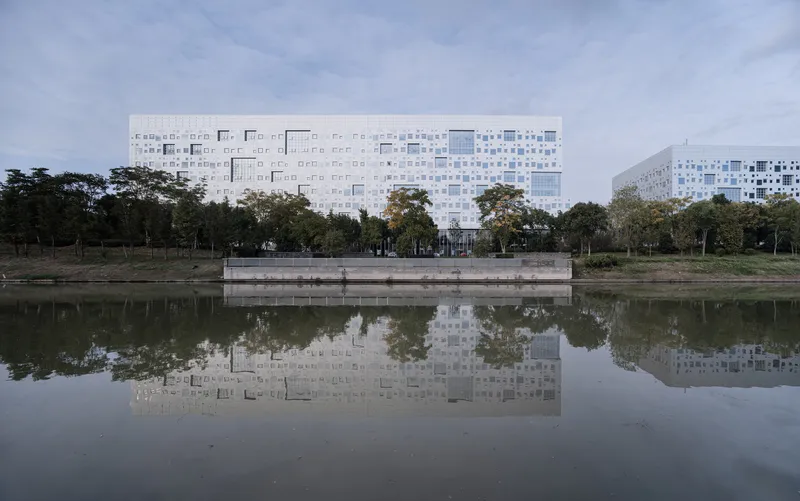
A Diffuse Public Space for Collaboration and Innovation
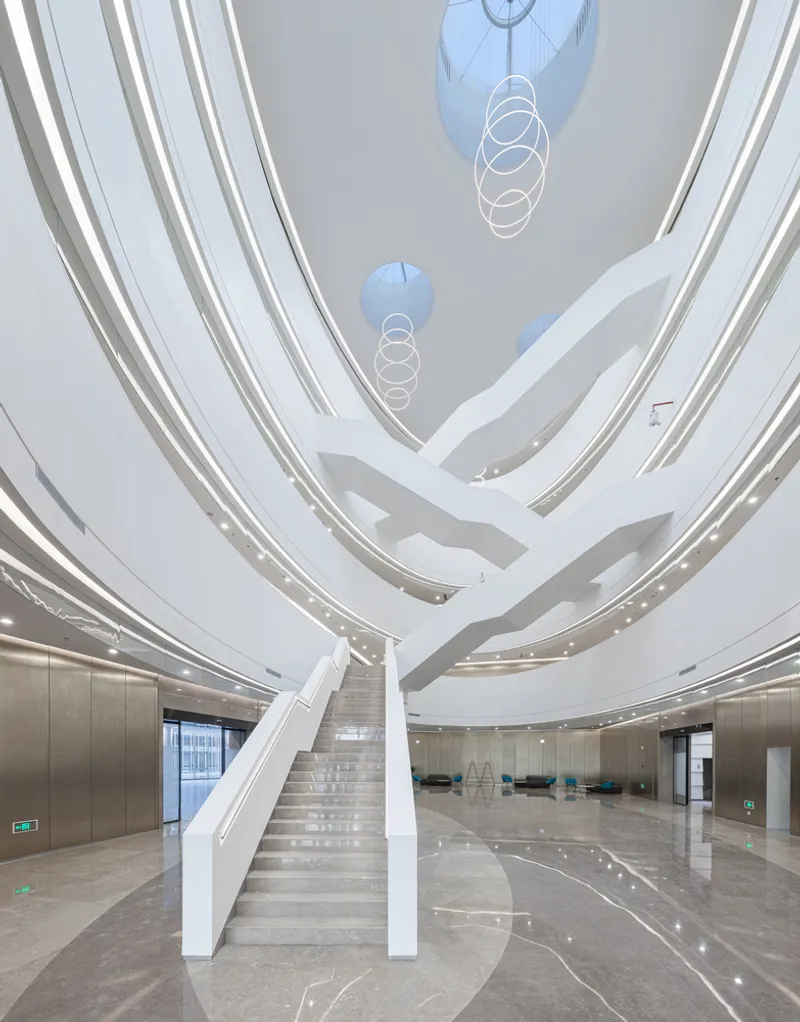
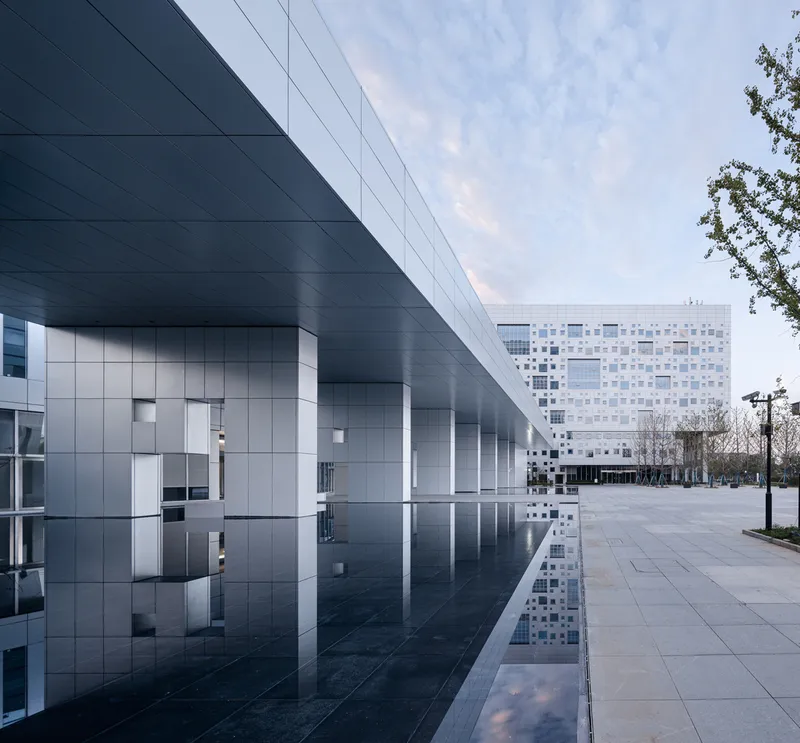
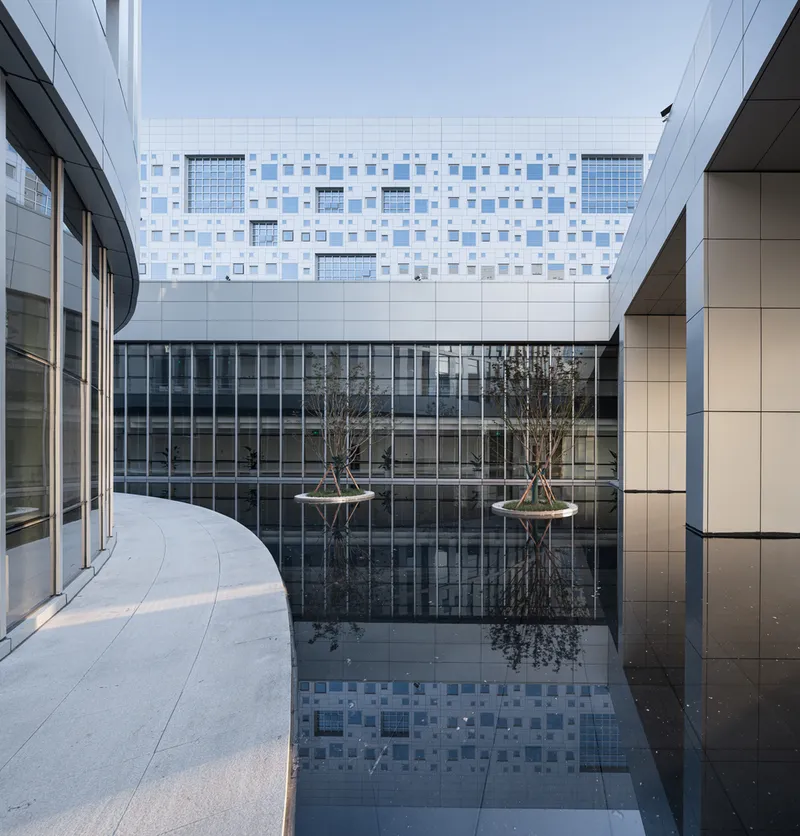
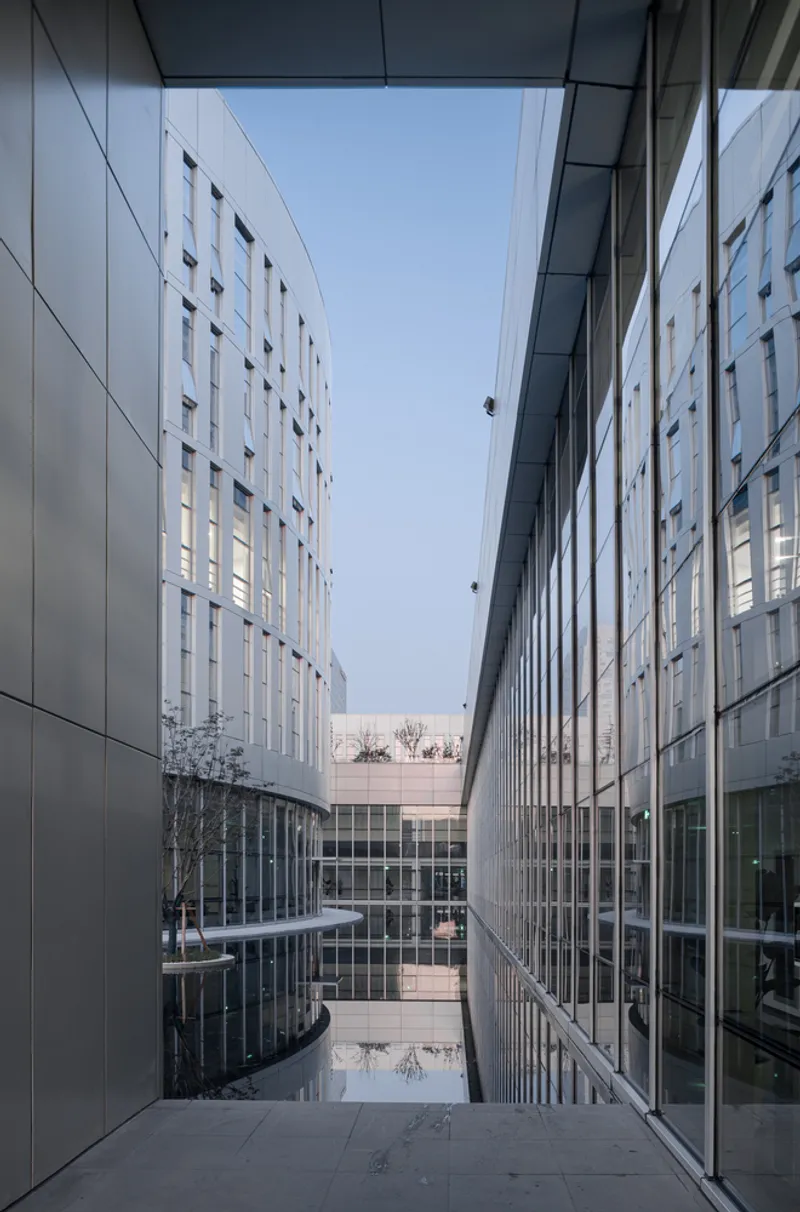
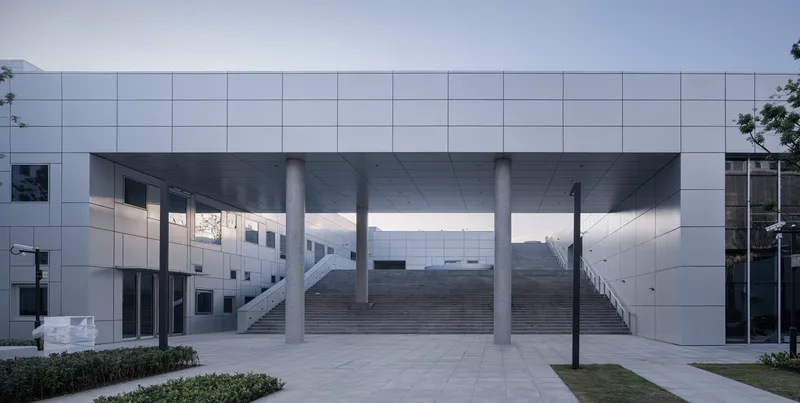
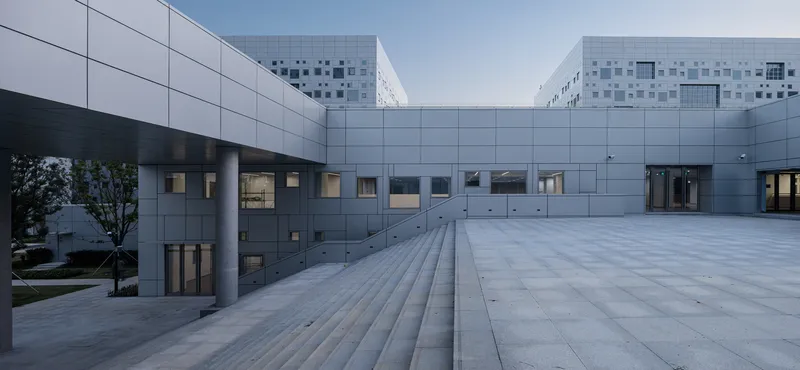
The park’s public spaces are integral to its design. They are intentionally diffuse, offering multiple levels of shared spaces that foster collaboration and interaction. The ground level features an expansive shared area, the second level connects to outdoor spaces, and the roof provides additional open space. These flexible and open spaces create opportunities for interaction between tenants and encourage spontaneous collaboration. In the age of digital connectivity, such spaces are becoming increasingly important for fostering innovation.
Focus on Sustainable and Youth-Centric Design
In line with the park’s modern approach to digital business, the design focuses on creating a sustainable and youthful environment. The park is intended for R&D professionals, often characterized by their youth and high education, who benefit from a dynamic and engaging workspace. Additionally, the design incorporates environmentally conscious elements and efficient use of resources to create a sustainable ecosystem.
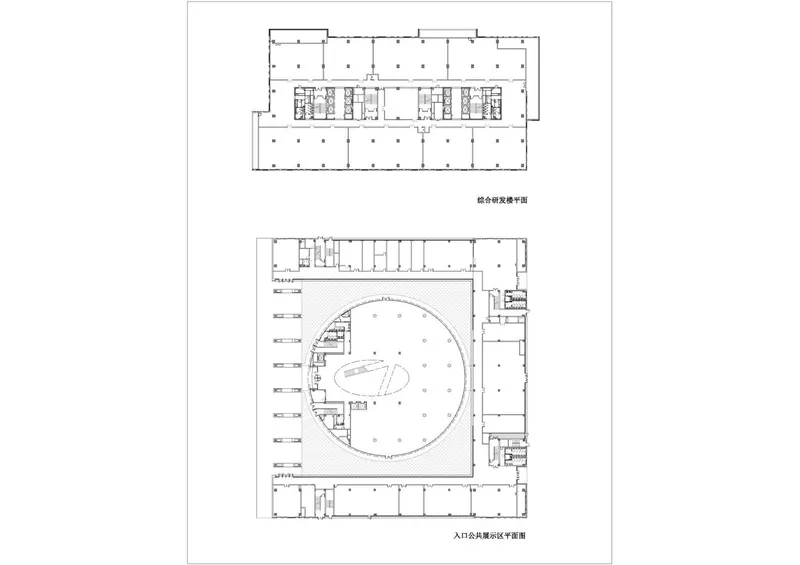
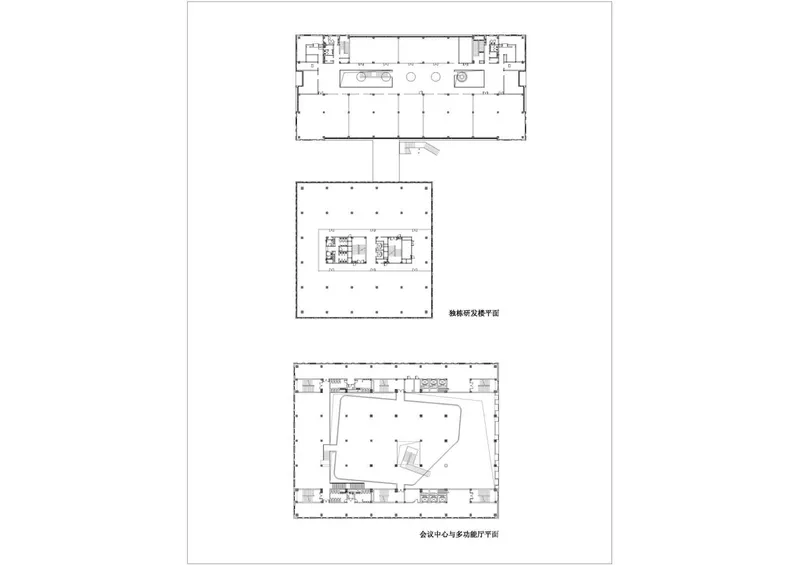
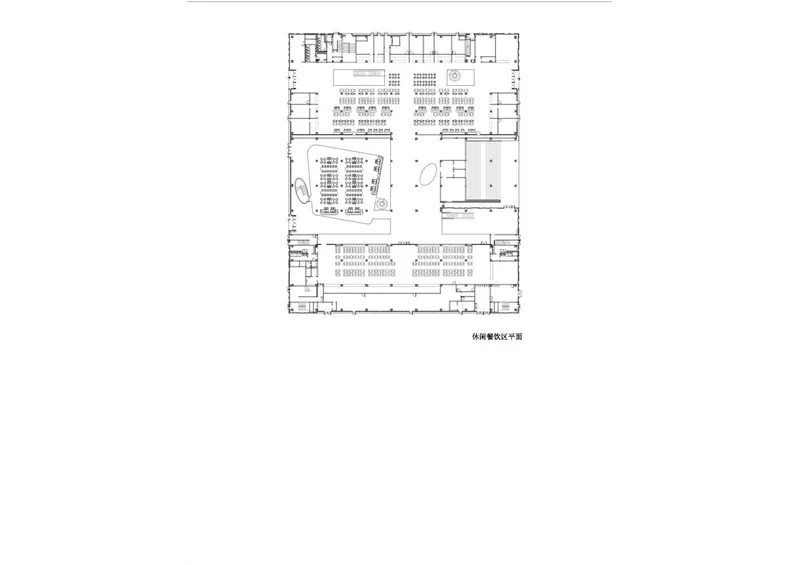
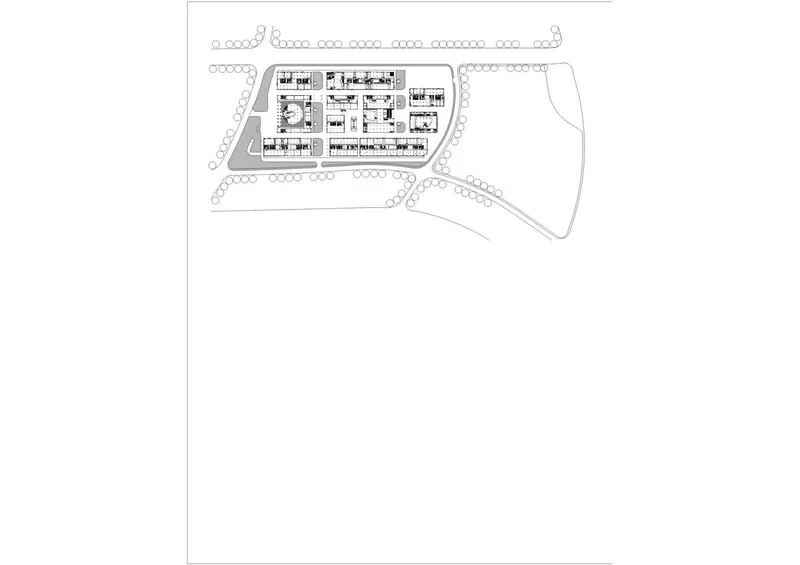
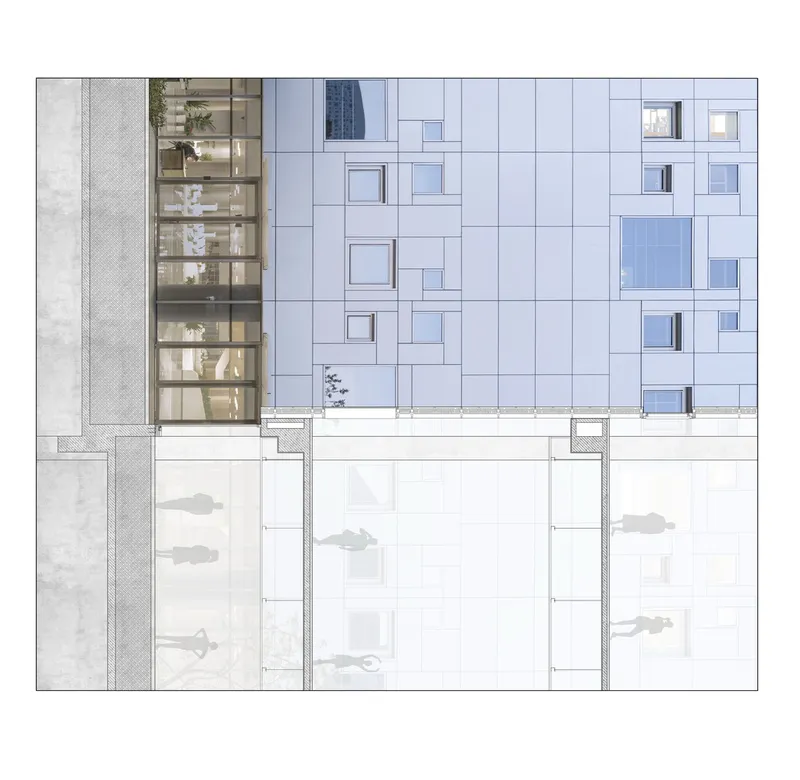
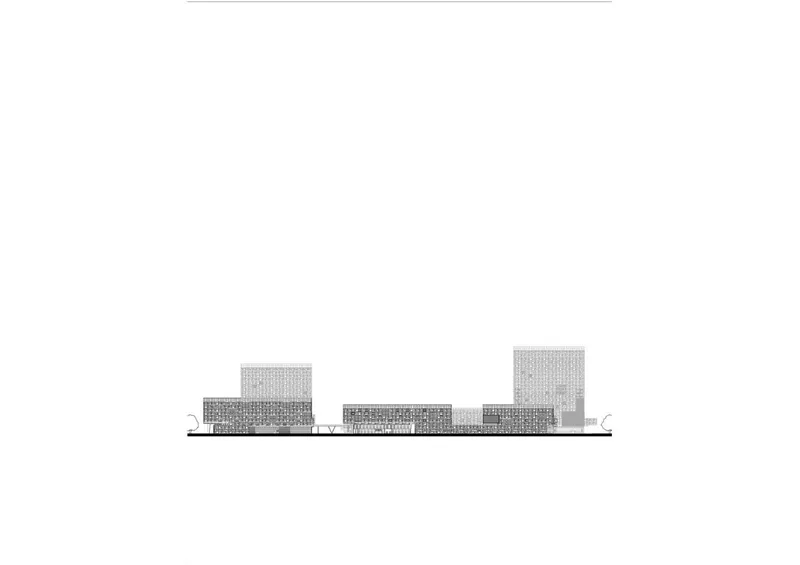
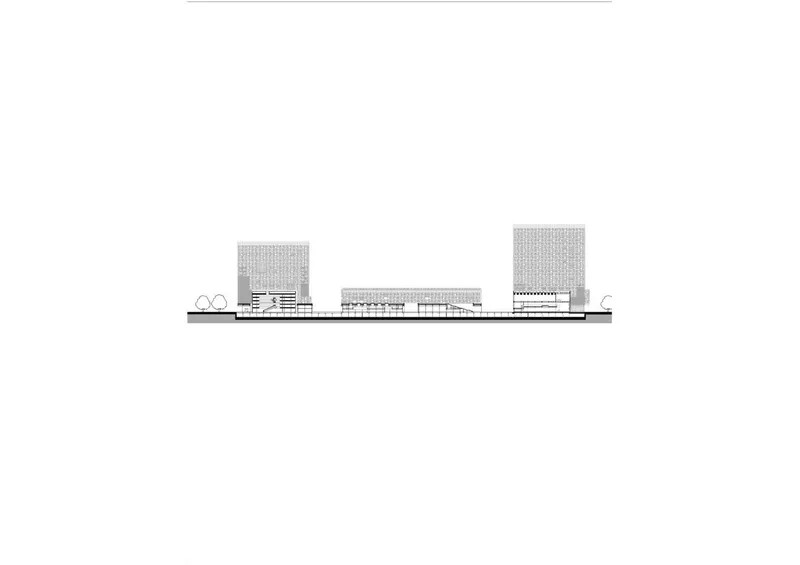
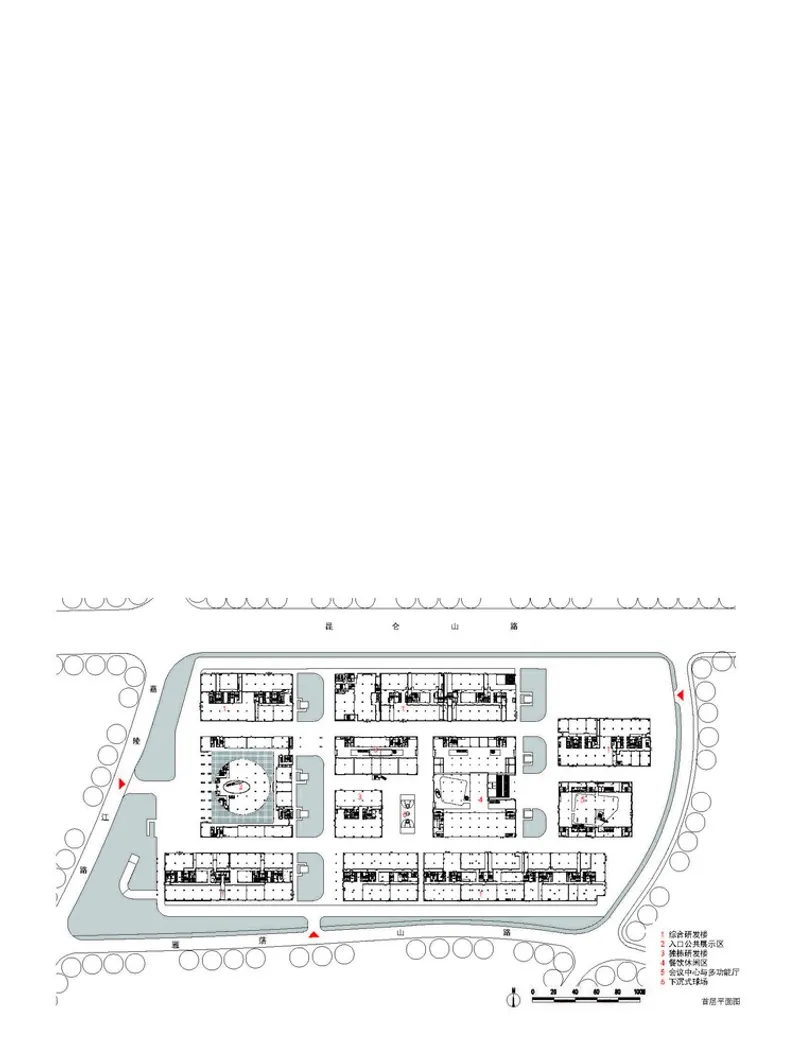
All Photographs are work of Li Yao


Popular Articles
Popular articles from the community


David Macias Steps a Doorless Stone and Plaster House Down a Tropical Colombian Hillside
In the humid hills of Colombia, Threshold House replaces the front door with an open void and terraces its 850 m² down the slope instead of fighting it.

Jaramillo Van Sluys Arquitectura and Urbanismo Turn a Demolished Registry Lot in Quito into an Orchard Plaza
In Quito's Centro Histórico, a 2,800 m² plaza exposes the San Agustín convent wall and redraws its lost Augustinian orchard in volcanic stone.

LT2A and OPEN Architectes Thread a Brick and Glass High School Through a Wooded Belgian Campus
In Braine-l'Alleud, a 3,000 m² wing for Collège Cardinal Mercier pairs pale brick with a glazed colonnade, deferring to a small chapel and a dense wood.

Architekt Andreas Gruber Scatters 23 Dark Timber Chalets Across a South Tyrolean Forest Edge
In Molini di Tures, Amonti Chalets breaks a resort into a hamlet of gabled timber houses, with parking, storage and services pushed into the slope.

Similar Reads
You might also enjoy these articles


Hodi-Mandai Geram
Project Function: Preservation and revitalization of the Intangible heritage and socio-spatial identity of the Hodi by Housing, Cultural Memory Center, Sacred Grove, landscape, local tourism economy


Olio Towers: A Mid-Rise for Performers That Fuses Housing, Rehearsal, and Stage
Located blocks from Houston's Theater District, this modular tower stacks living units around a central performance atrium.

Oasis: Modular Green Housing Carved into Dhaka's Urban Fabric
A shortlisted Plugin Housing entry reclaims unauthorized settlements in Dhaka with stepped concrete volumes, green roofs, and ventilation-driven design.

Black Hole: A Floating Megastructure for the Post-Physical Era
Emiliano Mazzarotto envisions a spherical, self-scaling arena where e-sports, digital hotels, and holographic stadiums replace traditional public space.

Explore Architecture Competitions
Discover active competitions in this discipline

Challenge to reimagine the Iron Throne

Photograph architecture without architects

Illustrate the lost glory of Angkor Wat - Render Challenge

Design challenge to reuse E-waste
Comments (0)
Please login or sign up to add comments
No comments yet. Be the first to comment!