
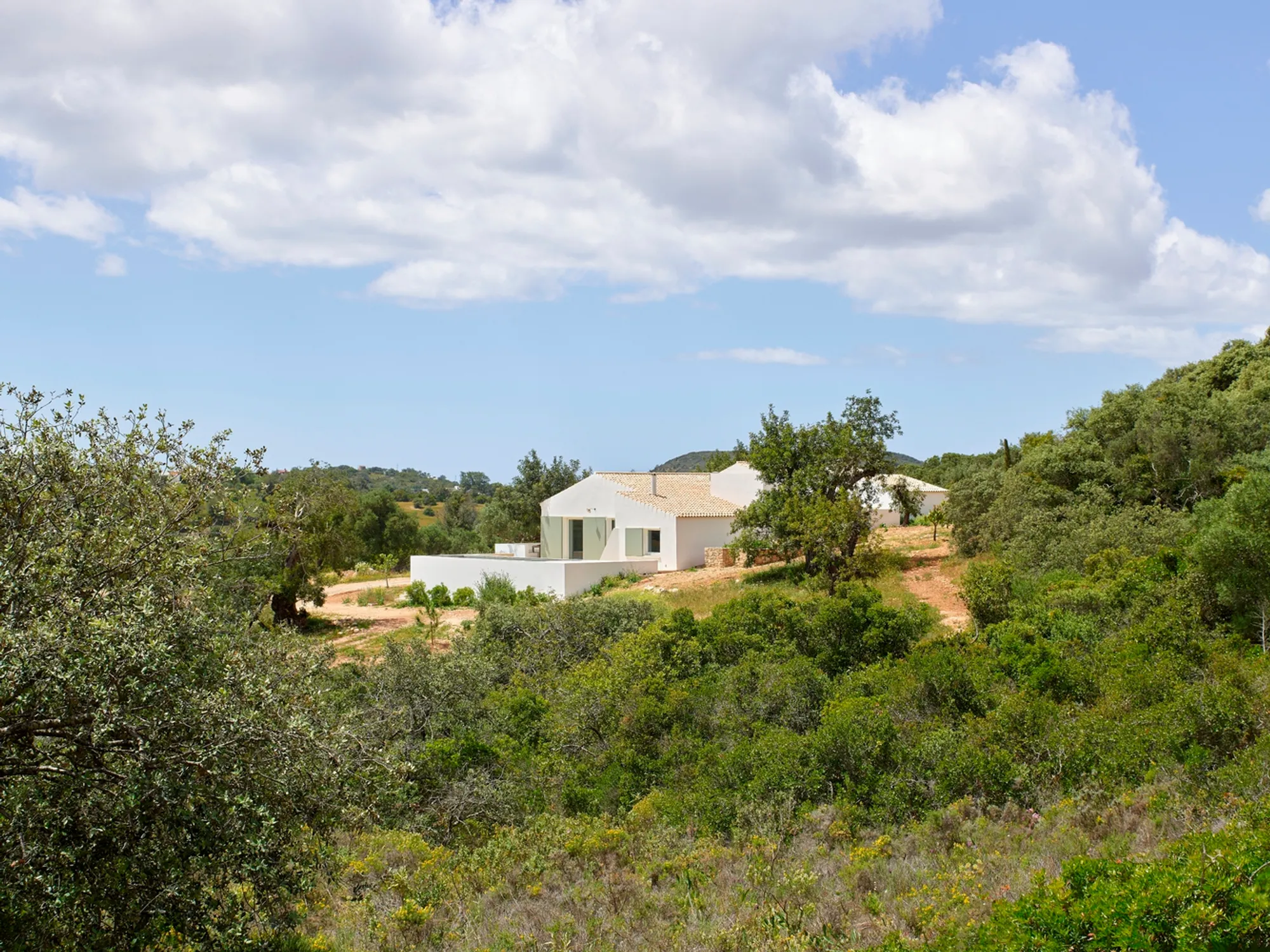
A Harmonious Fusion of Vernacular Algarve Architecture and Contemporary Sustainability
This article explores the restoration of the House in Agostos, a modern interpretation of vernacular architecture in Algarve, Portugal.


The House in Agostos, designed by Estudio ODS, is a renovation project located in Agostos, a rural area in the Barrocal Algarvio of Faro, Portugal. This renovation exemplifies how traditional vernacular architecture can be respected and revitalized with modern architectural interventions. The project seeks to balance the old and new, preserving the essence of the original structure while adapting it to contemporary needs.
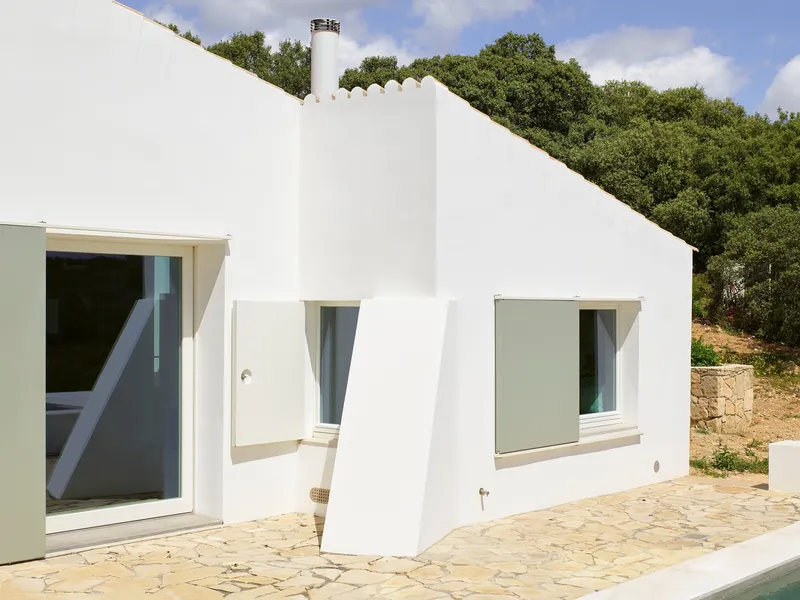
Introduction to Vernacular Architecture and the House in Agostos
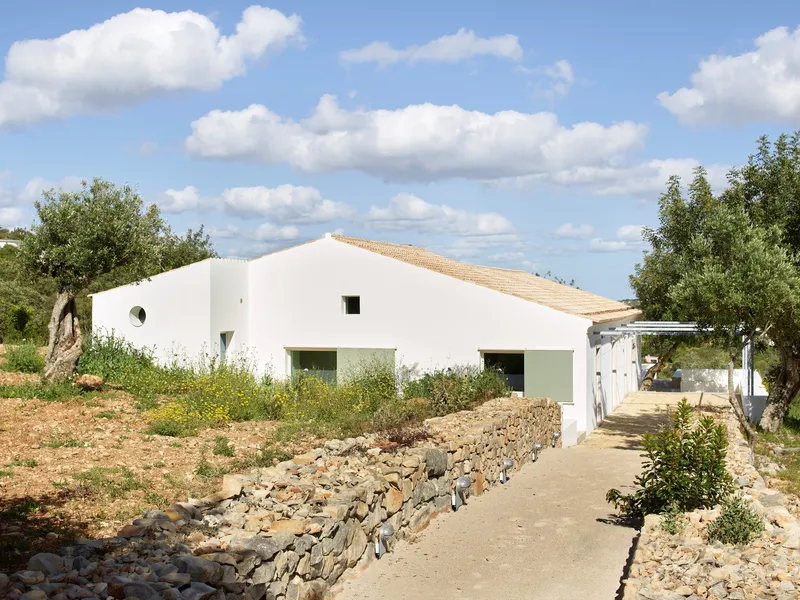
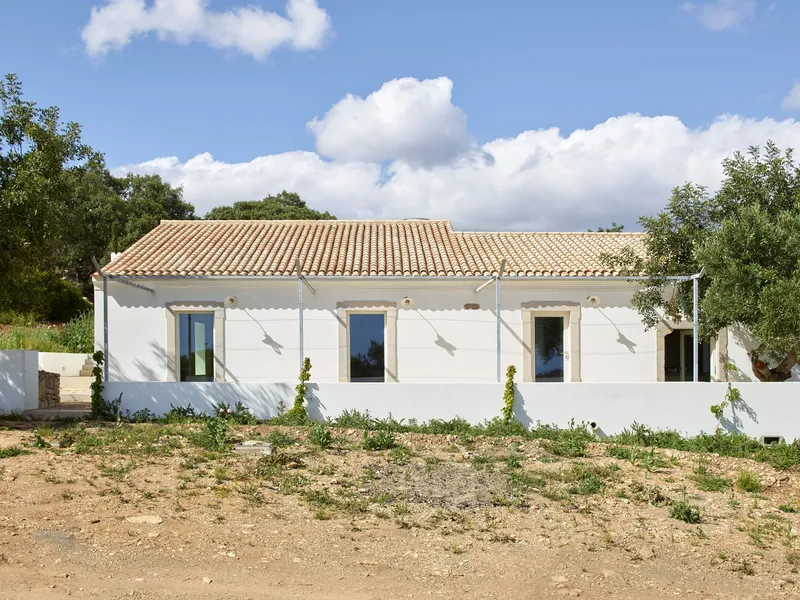
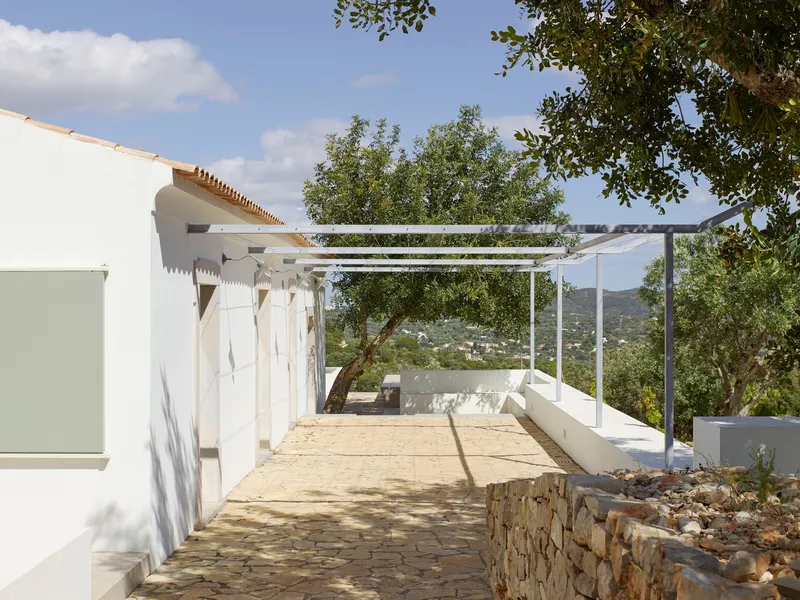
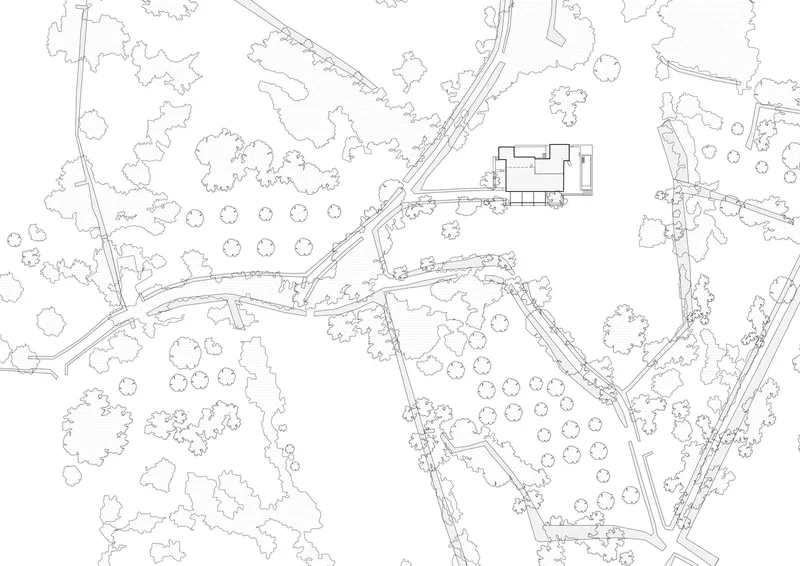
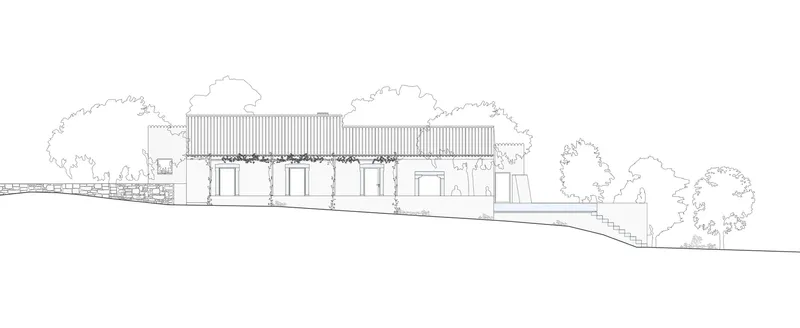
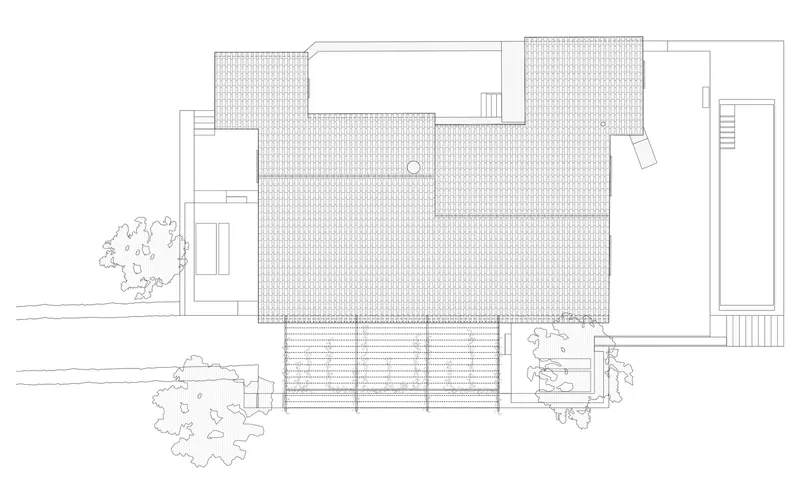
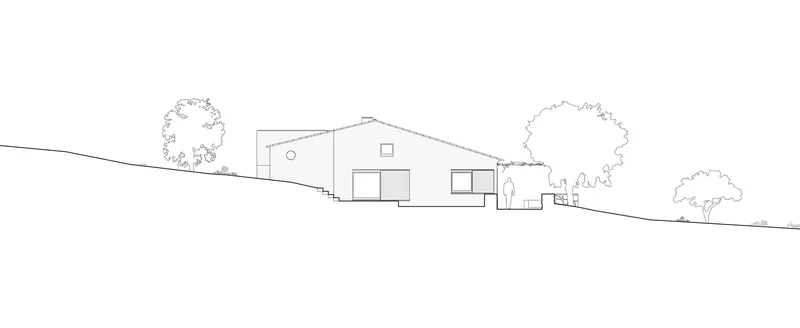
The house was initially a ruin but possessed sturdy limestone masonry walls in excellent condition, which indicated it was a 19th-century building. The original structure is a classic example of the vernacular architecture of the central Algarve region. Such architecture is characterized by simple volumes, gable roofs, and an agricultural layout adapted to the environment, with features like an outdoor bread oven and a pergola to the south, providing shade from the hot sun.
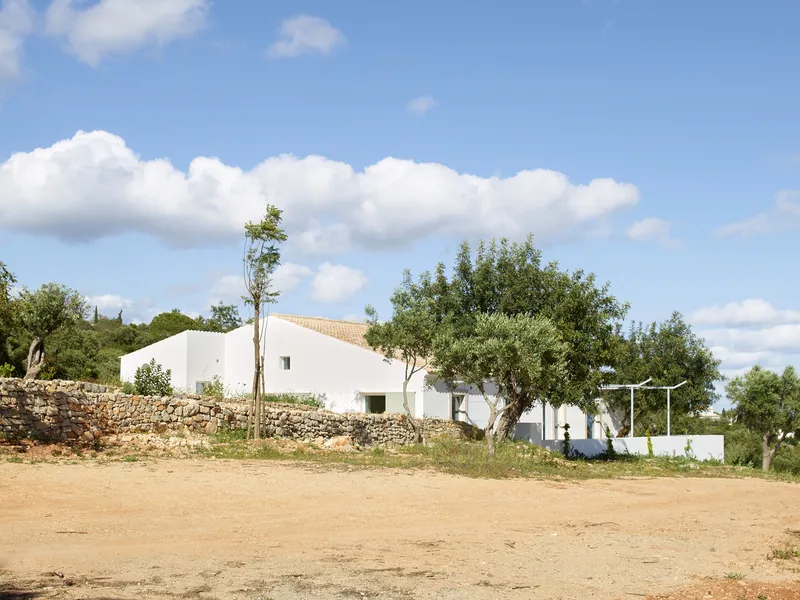
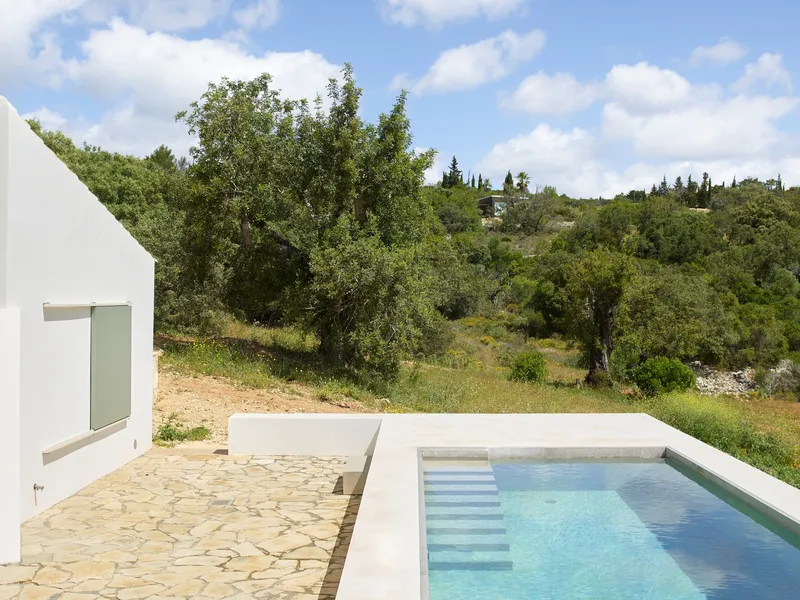
The surrounding landscape also reflects the region’s agricultural past, with dryland orchards and thick stone masonry walls that used to define the rural landscape.
Design Approach: Merging Tradition with Contemporary Architecture
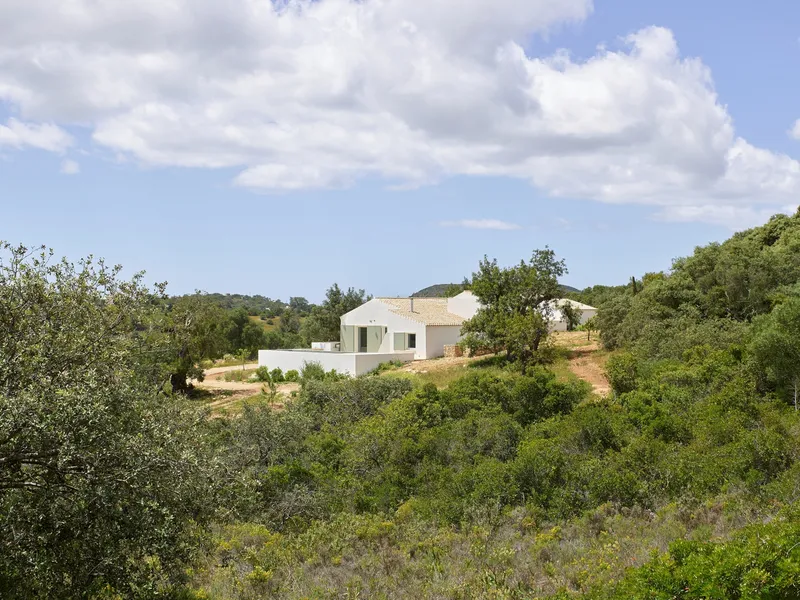
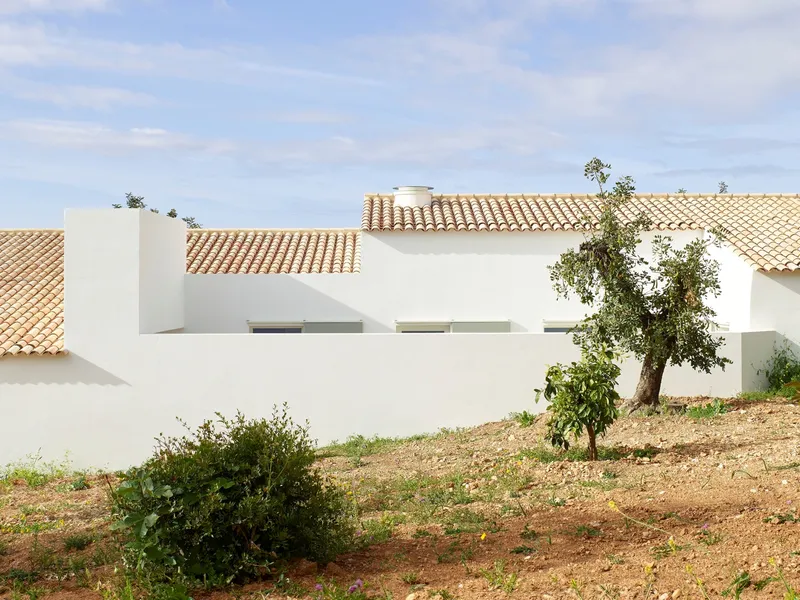
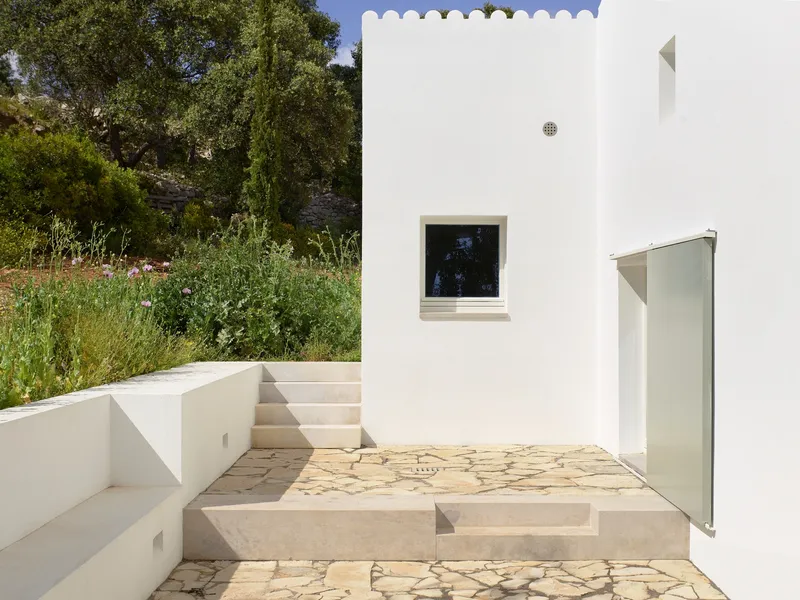
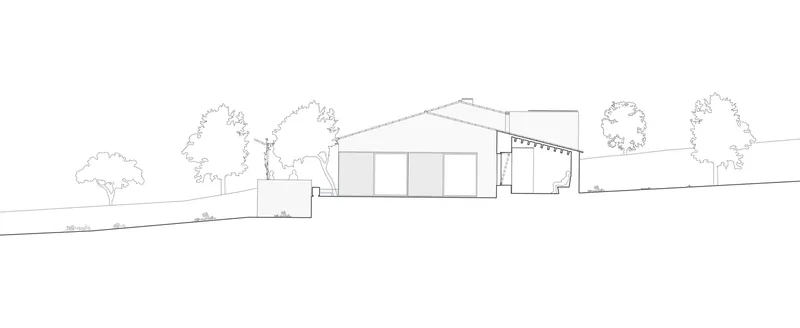
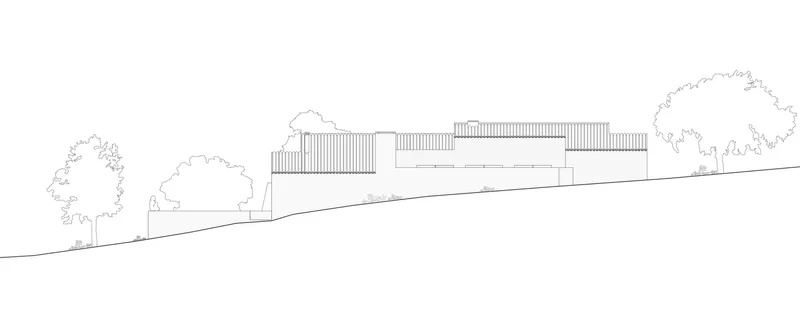
Estudio ODS’s approach to this renovation was to preserve and enhance the original structure while introducing modern elements that would increase functionality and comfort. The design respects the vernacular architecture by retaining the existing stone walls and maintaining the building's general proportions. However, modern interventions were carefully incorporated into the design to meet the needs of a contemporary home.
Maintaining the Agricultural Character
The intervention strategy emphasized the rehabilitation of both the house and the surrounding paths, flanked by dry stone walls. This approach preserved the agricultural character of the area and maintained the landscape’s rural identity. A key aspect of the design was to ensure that the parking area did not intrude upon the paths, keeping the open space intact. Visitors approach the house along a walled path lined with trees, leading them to the vine-covered south courtyard, which serves as the main entrance.
Interior Design and Spatial Organization
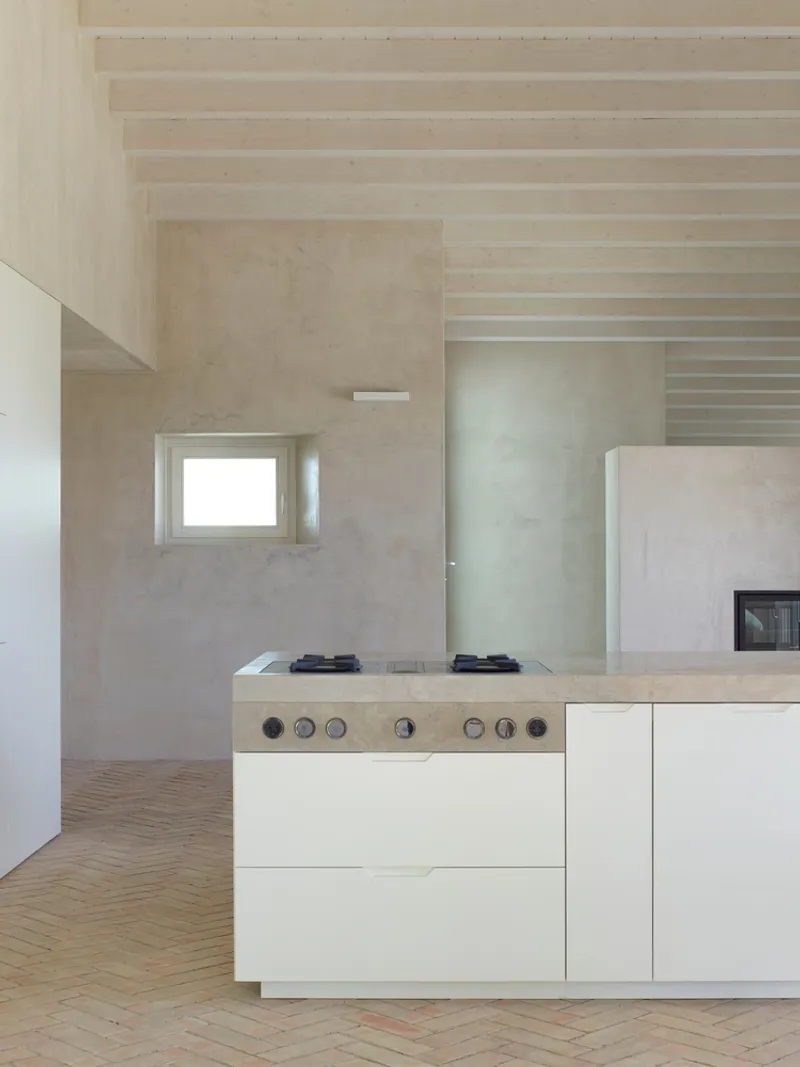
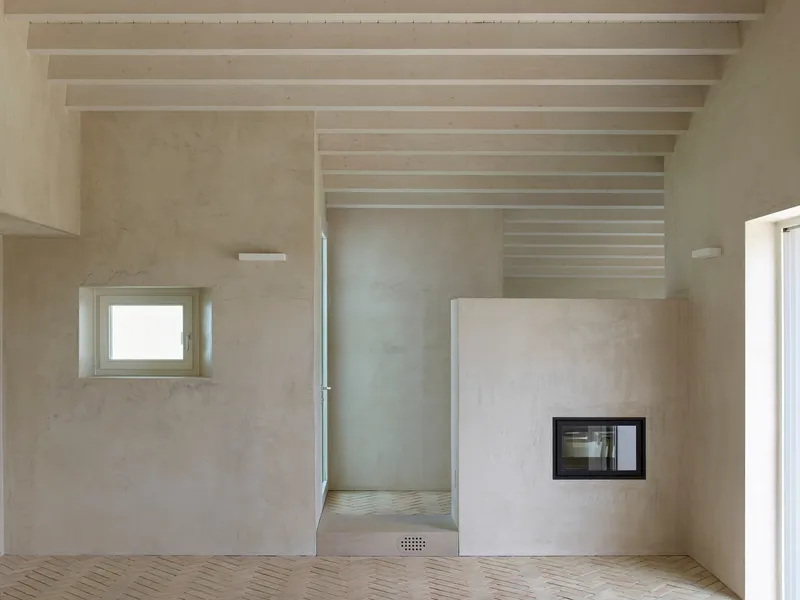
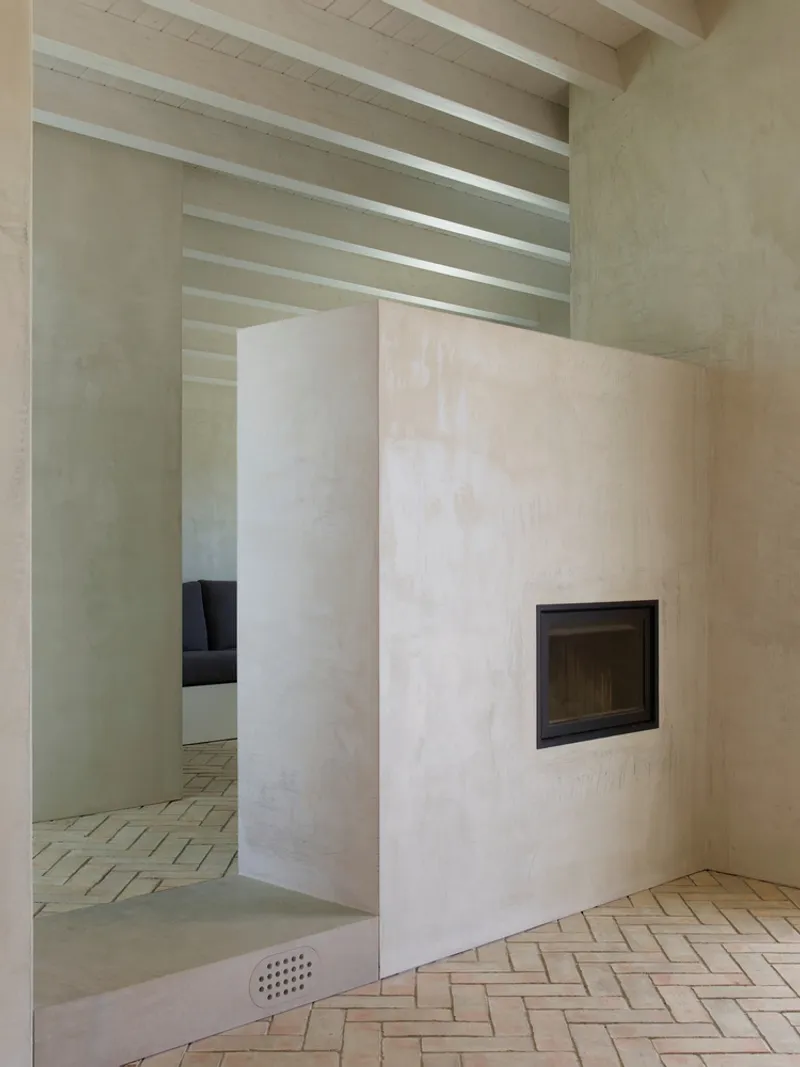
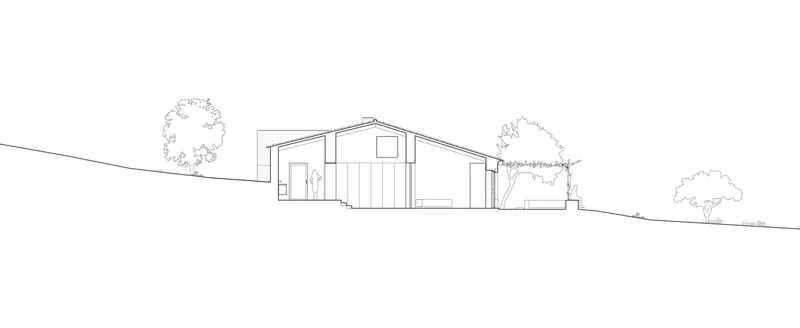
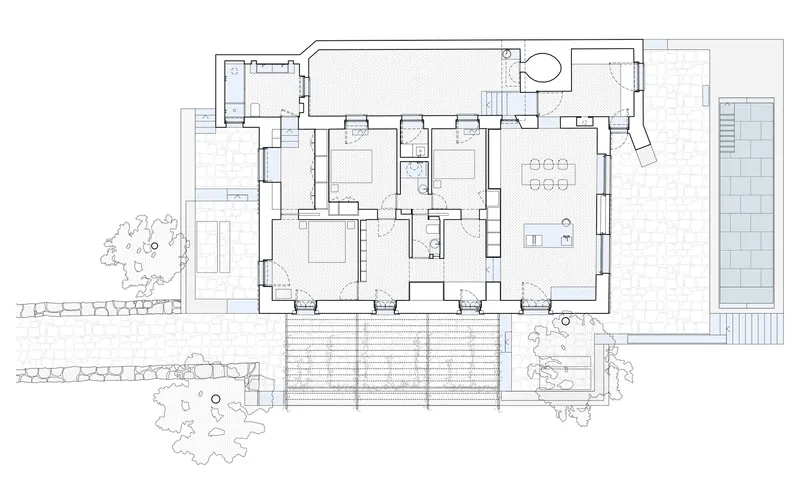
The interior layout of the house was adapted to fit the original structure while maintaining a functional, comfortable space. The kitchen, a focal point in the house, is positioned centrally and connects with the fire room. This layout fosters seamless connections to outdoor spaces, such as the shaded southern patio, the water tank to the east, and the oven patio to the north.
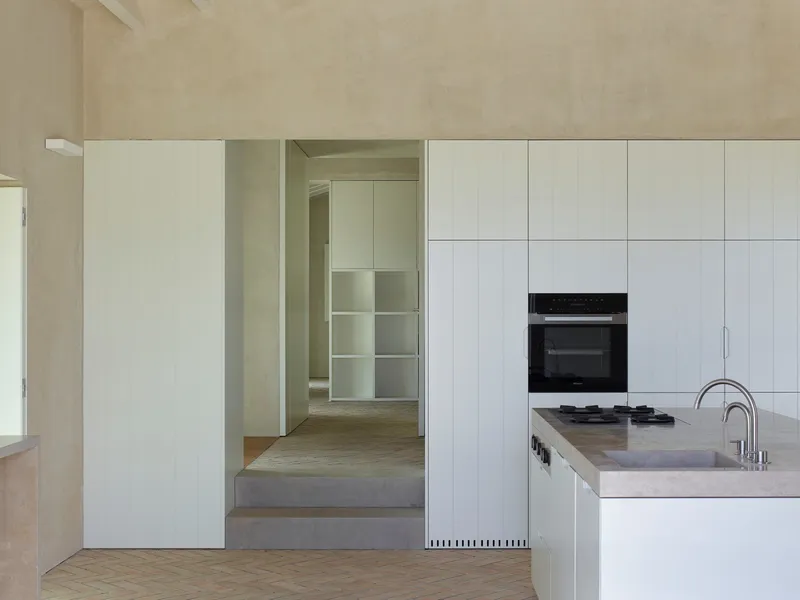
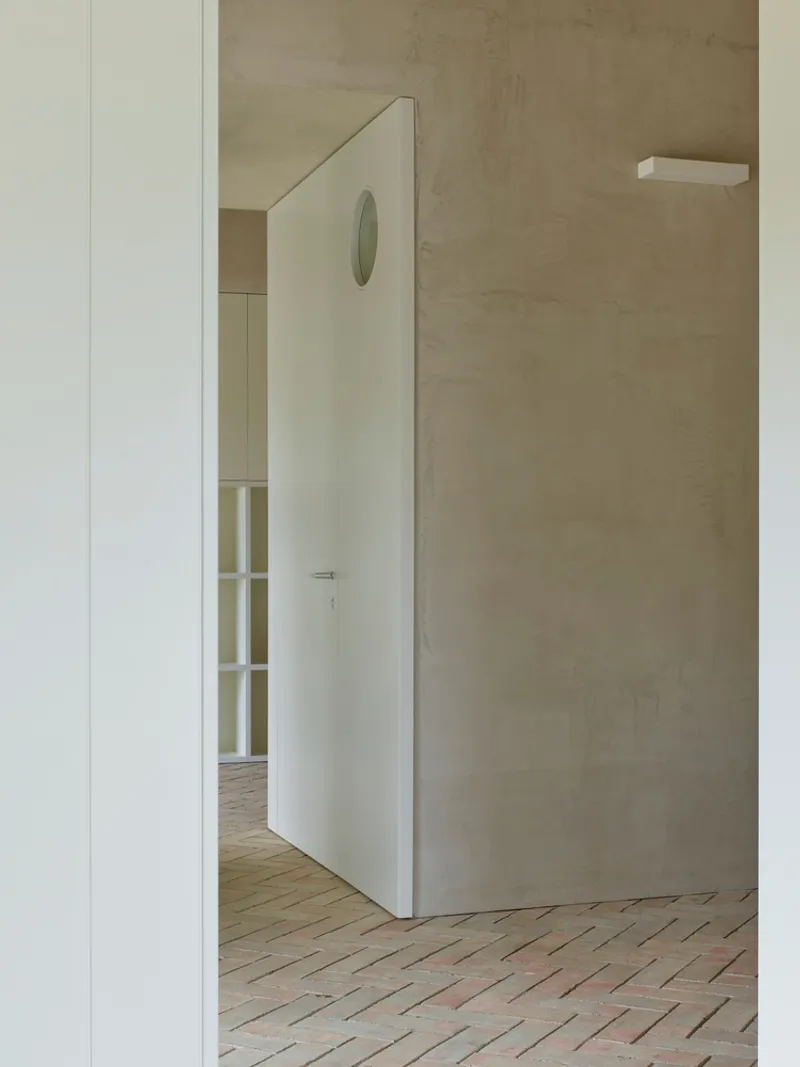
The main bedroom, bathroom, and two additional bedrooms occupy the west wing of the house, while other smaller chambers serve as flexible spaces for various uses. The original design’s emphasis on simplicity is preserved, with clear divisions between spaces, maintaining an authentic flow and connection to the surrounding environment.
The Importance of Natural Materials in Vernacular Architecture
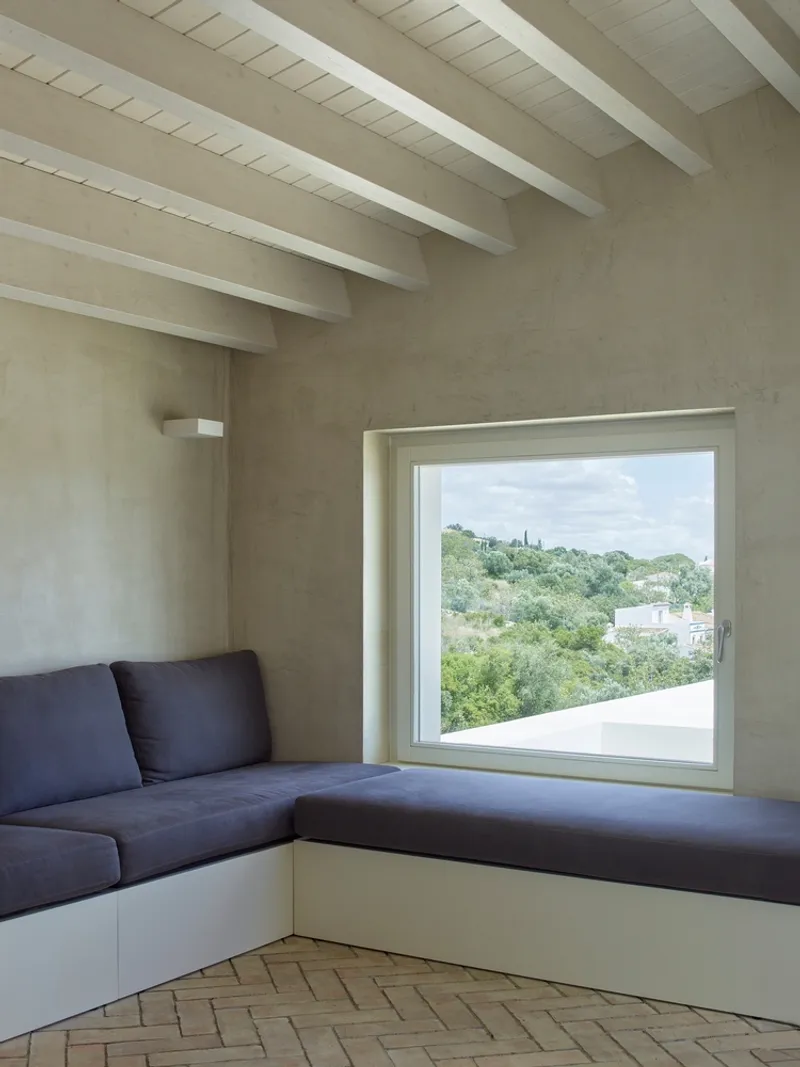
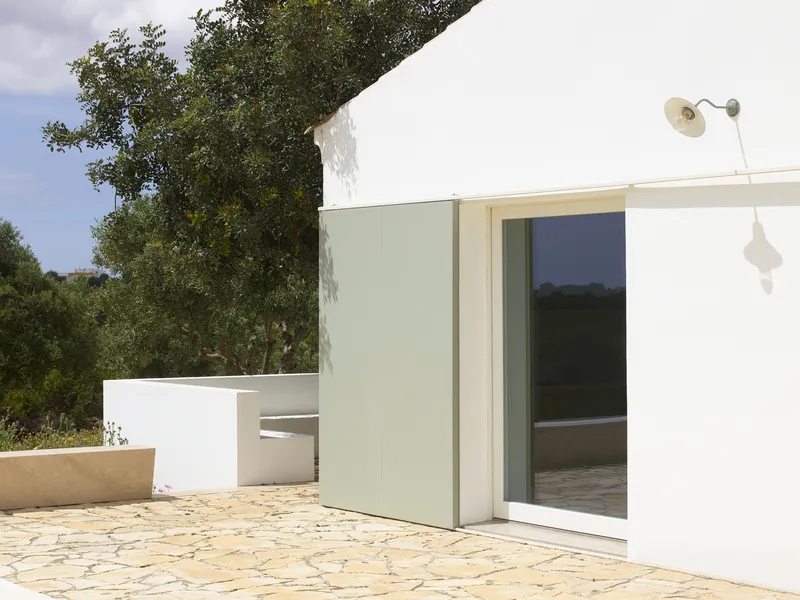
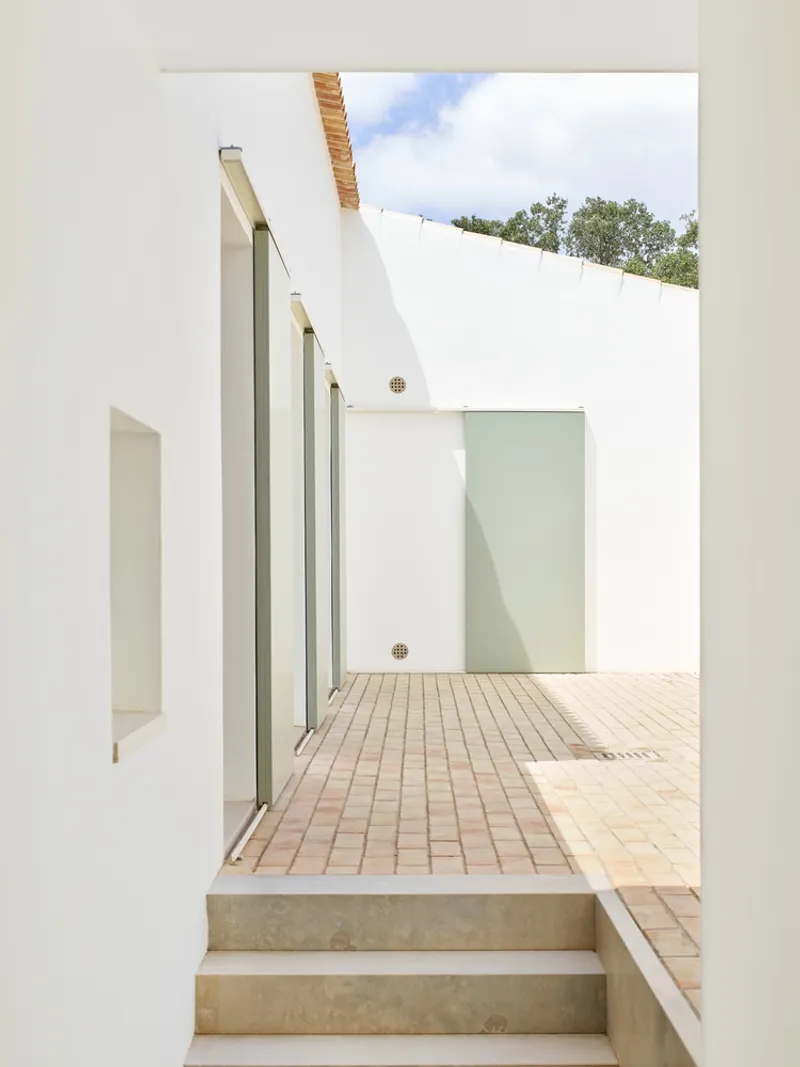
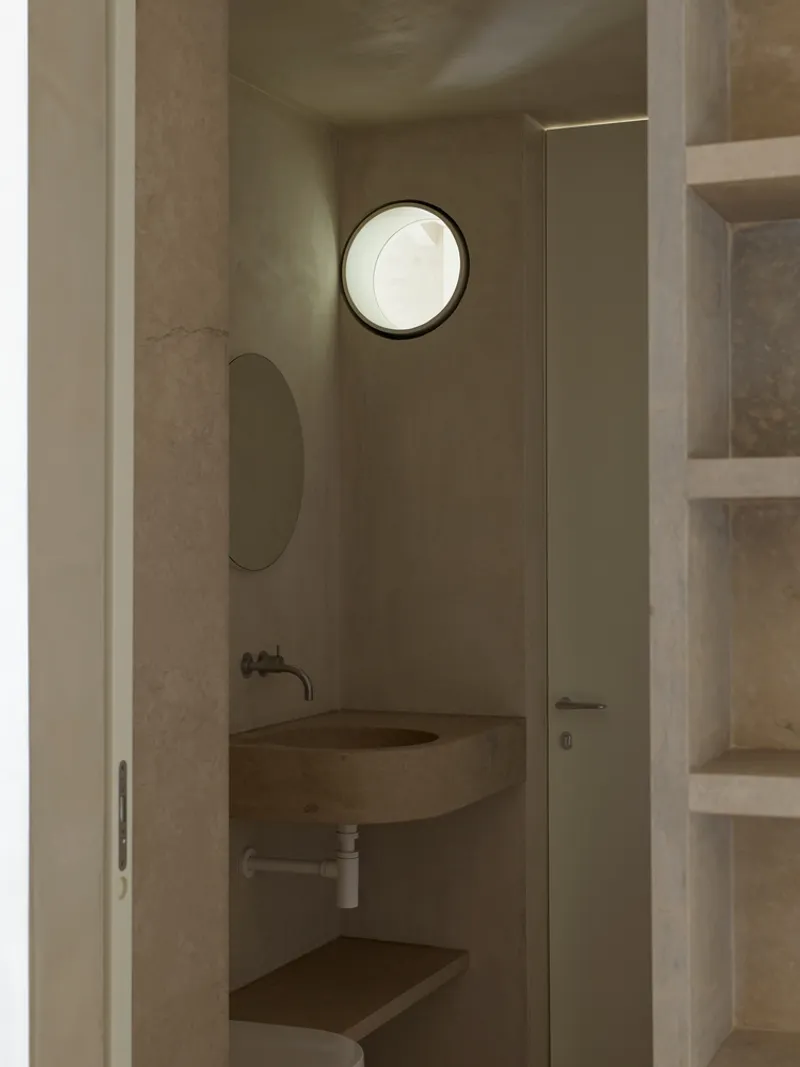
The project was grounded in the use of natural materials, which are central to the principles of vernacular architecture. Lime mortar was used to finish the interior walls, while terracotta flooring and regional limestone were employed in key elements of the design. Natural wood was used for some of the interior elements, and exterior flooring was made of limestone slabs. These materials not only emphasize the local craftsmanship but also contribute to the building’s energy efficiency and aesthetic charm.
Strategic Openings and Ventilation
In terms of openings, the design preserved the original stone-framed windows on the south façade. New openings were introduced in other parts of the building to optimize natural light and ventilation. These windows were carefully positioned to improve cross ventilation and promote a healthy indoor environment. The use of wooden shutters inside and iron shutters outside adds a traditional touch while providing functional benefits, such as shading and protection from the elements.
Respecting Vernacular Architecture While Adapting to Contemporary Needs
The House in Agostos is a shining example of how traditional vernacular architecture can be respected and revitalized with a contemporary approach. Through thoughtful rehabilitation, Estudio ODS has successfully integrated modern living needs into a structure that maintains the character and spirit of the Algarve region. This project highlights the importance of preserving architectural heritage while ensuring that it adapts to the evolving needs of its inhabitants.
All Photographs are works of Estudio Peso Arquitectura




Popular Articles
Popular articles from the community


Conexión: Biophilic Design Reimagines High-Rise Living in Hong Kong
Conexión reimagines high-rise living in Hong Kong through biophilic design, green facades, shared spaces, daylight, water and nature within.

Co-Life: Senior Housing Design That Reconnects Older Adults With the City
Co-Life reimagines senior housing design through healing gardens, shared streets, workshops, and a sustainable community across generations.

The Ocean Hive: Sustainable Architecture for a Self-Sufficient Civilization at Sea
The Ocean Hive imagines sustainable architecture at sea, where modular habitats, algae, wave power and ocean waste sustain a growing colony.

Co-life: Sustainable Architecture for Age-Friendly Community Living
Co-life reimagines sustainable architecture for seniors through courtyards, rammed earth, shared gardens, and spaces designed for belonging.


Similar Reads
You might also enjoy these articles


Hodi-Mandai Geram
Project Function: Preservation and revitalization of the Intangible heritage and socio-spatial identity of the Hodi by Housing, Cultural Memory Center, Sacred Grove, landscape, local tourism economy


Olio Towers: A Mid-Rise for Performers That Fuses Housing, Rehearsal, and Stage
Located blocks from Houston's Theater District, this modular tower stacks living units around a central performance atrium.

Oasis: Modular Green Housing Carved into Dhaka's Urban Fabric
A shortlisted Plugin Housing entry reclaims unauthorized settlements in Dhaka with stepped concrete volumes, green roofs, and ventilation-driven design.

Black Hole: A Floating Megastructure for the Post-Physical Era
Emiliano Mazzarotto envisions a spherical, self-scaling arena where e-sports, digital hotels, and holographic stadiums replace traditional public space.


Explore Architecture Competitions
Discover active competitions in this discipline



Challenge to reimagine the Iron Throne


Photograph architecture without architects


Illustrate the lost glory of Angkor Wat - Render Challenge


Design challenge to reuse E-waste
Comments (0)
Please login or sign up to add comments
No comments yet. Be the first to comment!