

A House in COVID: Innovative Tropical House Design in Vietnam
"A House in COVID" explores sustainable, tropical house design in Vietnam, combining passive cooling and green spaces for modern living.


The project "A House in COVID" was conceived during the isolation period of the COVID-19 pandemic, driven by the need to design spaces for long-term home living. This concept emerged from conversations about how homes should adapt for prolonged stays, whether due to isolation, work-from-home conditions, or retirement. Designed by DAT&A, the house reflects the architectural challenges and possibilities within the context of Vietnam's tropical climate and urban conditions. The result is a thoughtful exploration of sustainable design for modern living, blending comfort, ventilation, and aesthetic beauty.
Context: Addressing the Challenges of Urbanization
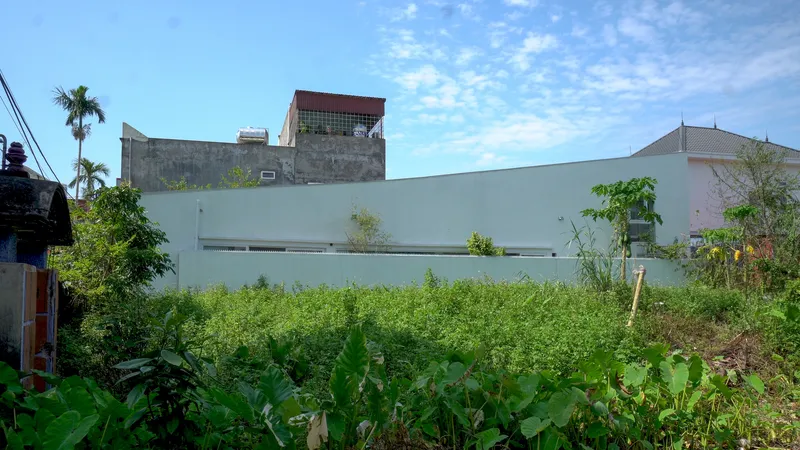
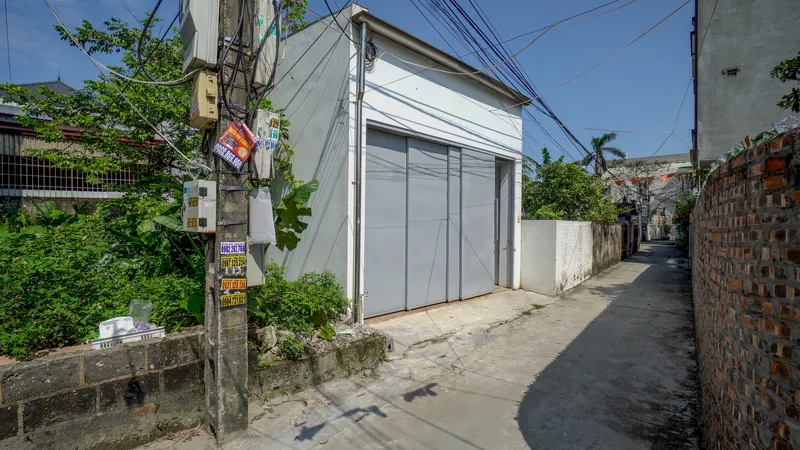
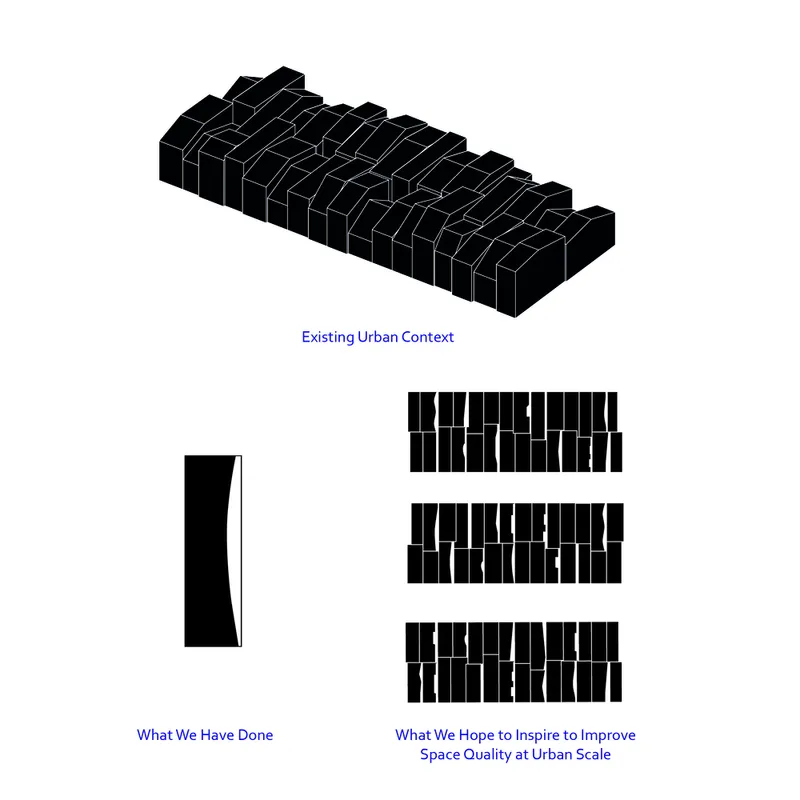
Vietnam's urbanization has led to densely packed neighborhoods, particularly in cities like Haiphong, where land is subdivided into narrow plots, typically 4–5 meters wide. With the rapid expansion of concrete structures, urban heat islands have become prevalent, intensifying the difficulty of achieving natural ventilation. In such a humid tropical monsoon climate, the need for cooling and proper airflow is crucial. The house's design addresses these issues, offering a modern solution that prioritizes comfort while adapting to Vietnam's tropical environment.
Ventilation and Passive Cooling: A Sustainable Approach
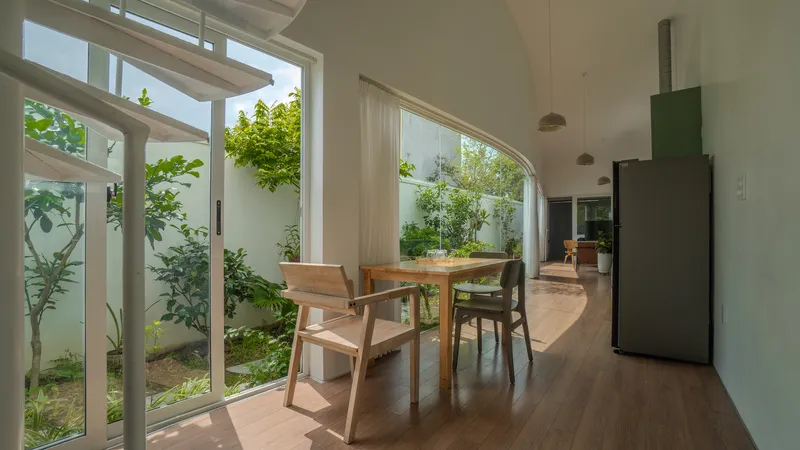
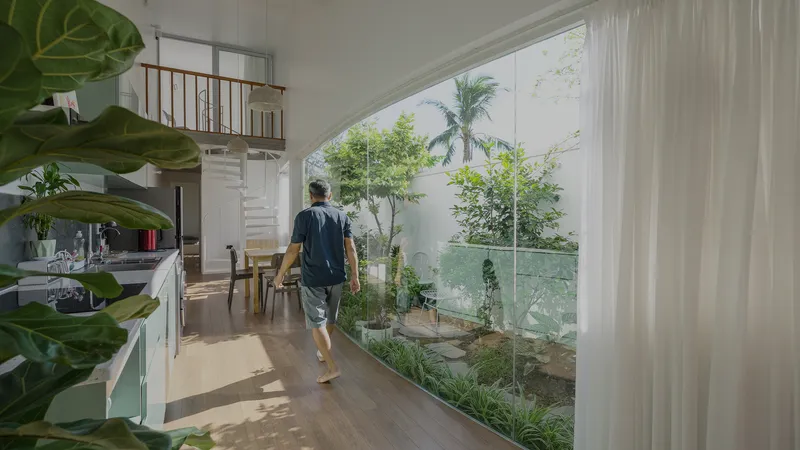
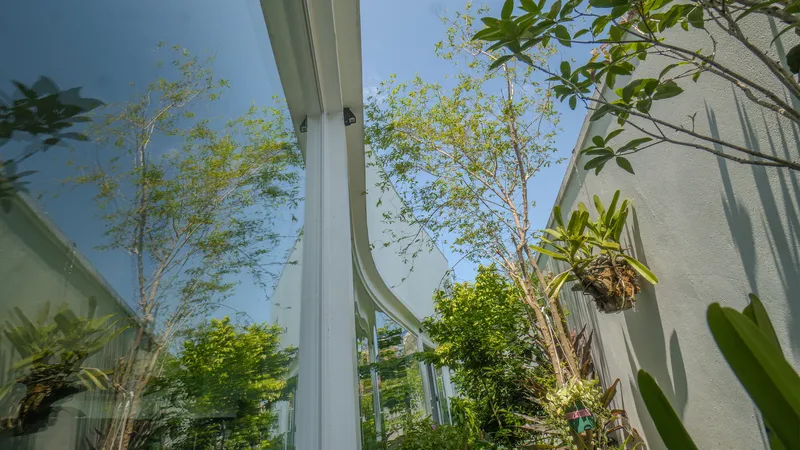
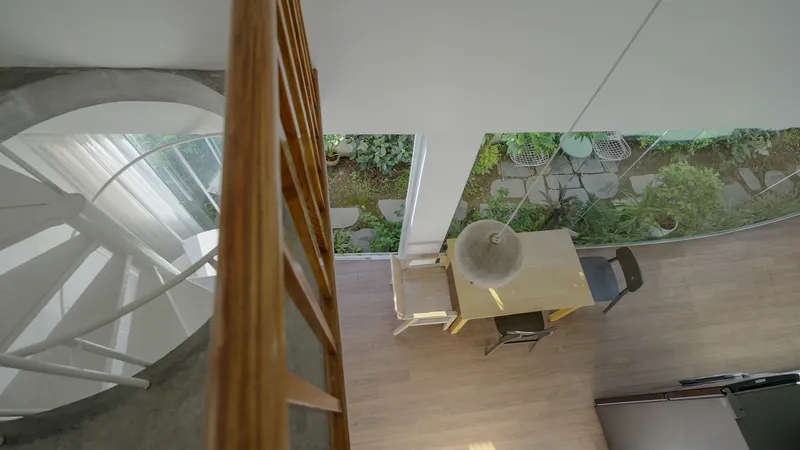
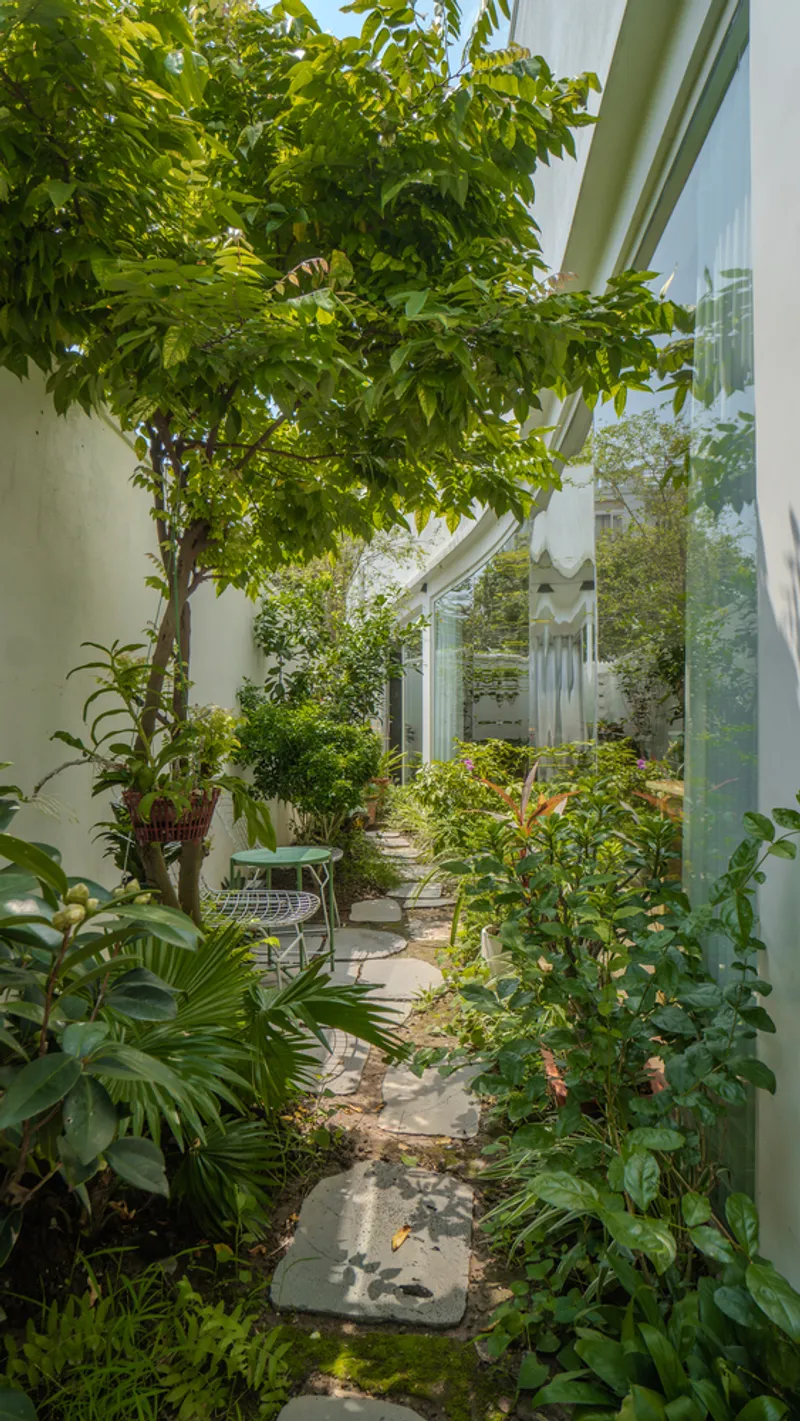
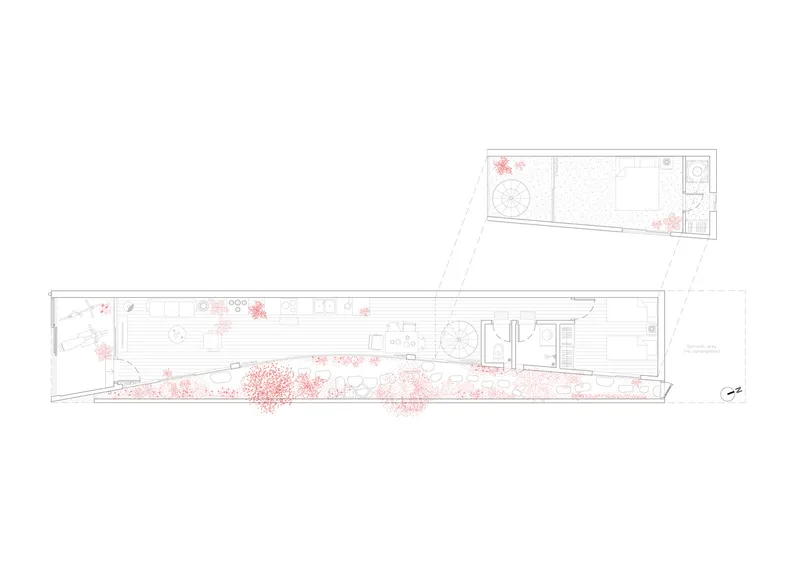
The house's design tackles the critical issue of ventilation within the constraints of a narrow, subdivided plot. A strategic ventilation gap was created along the side of the house, which enhances natural airflow while sacrificing a portion of the usable space. This gap works in tandem with a passive cooling wall, which is exposed to the sun only until 11 a.m., allowing it to dissipate heat and maintain a comfortable temperature inside. Active ventilation is also employed, with windows that can be opened and closed to regulate airflow and optimize cooling throughout the day.
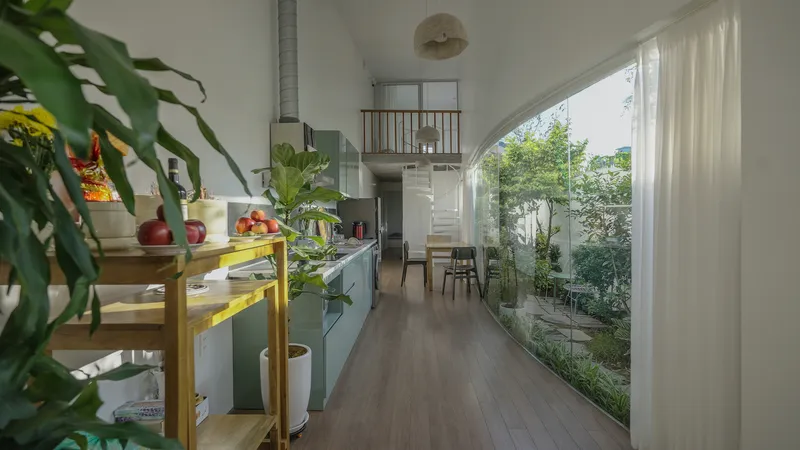
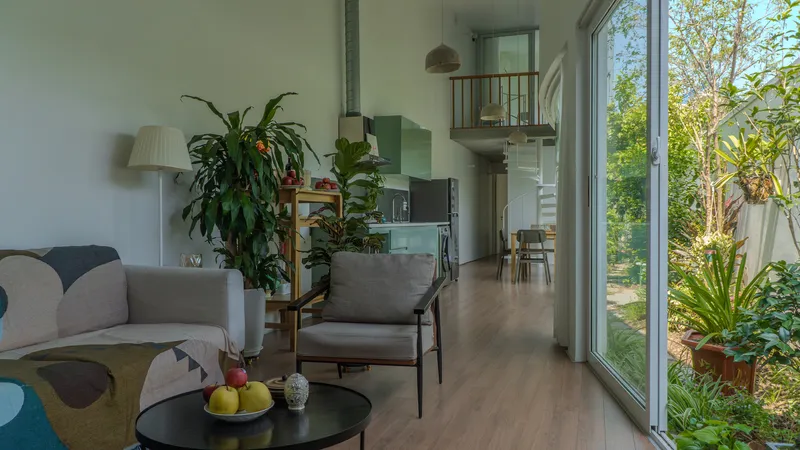
This innovative passive and active ventilation system provides a relatively comfortable living environment despite the surrounding urban heat. The temperature difference between the inside and outside of the house can be as much as 3–4°C, creating an interior environment that feels cool even as the outside temperature rises. This approach not only reduces reliance on artificial cooling but also improves energy efficiency, aligning with sustainable architectural principles.
Creating Comfortable Outdoor Spaces
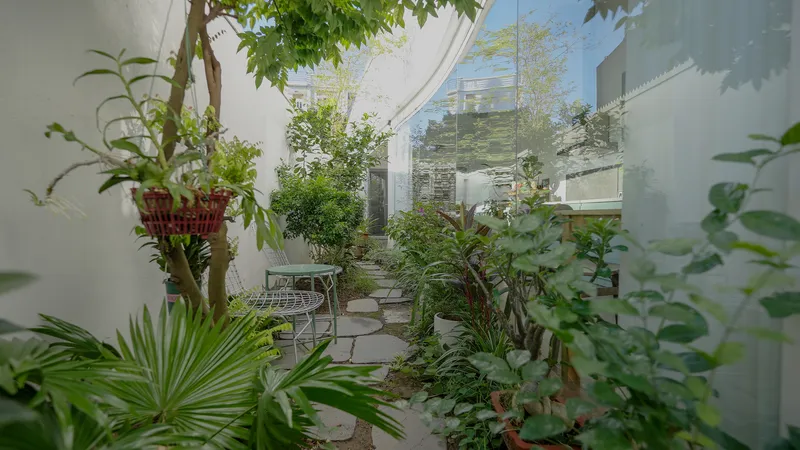
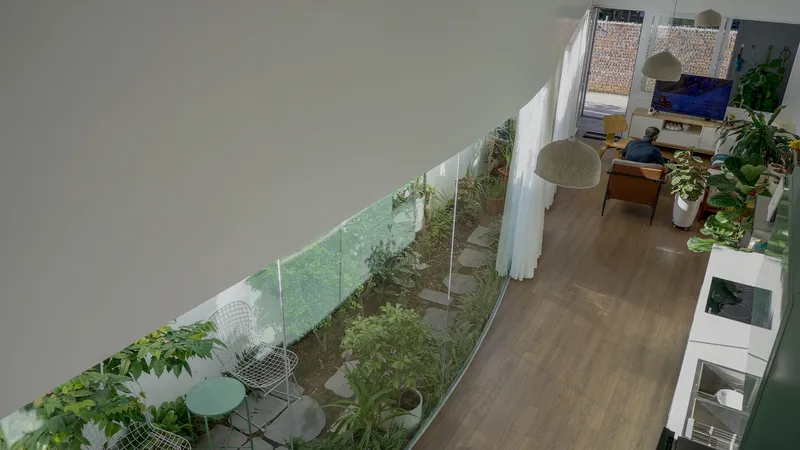
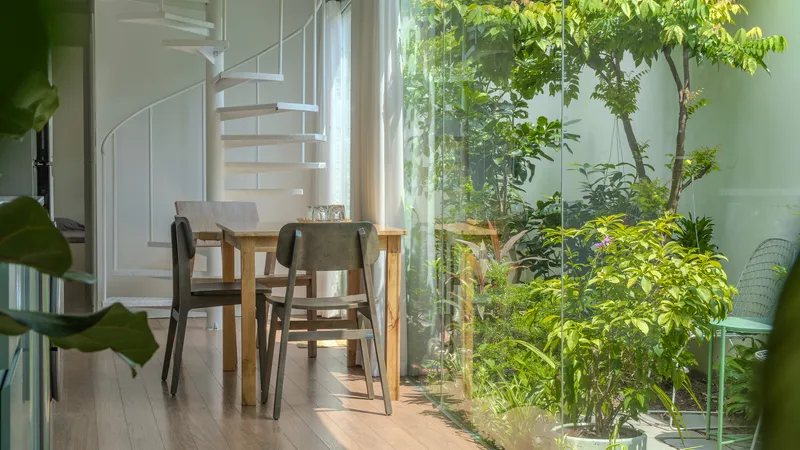
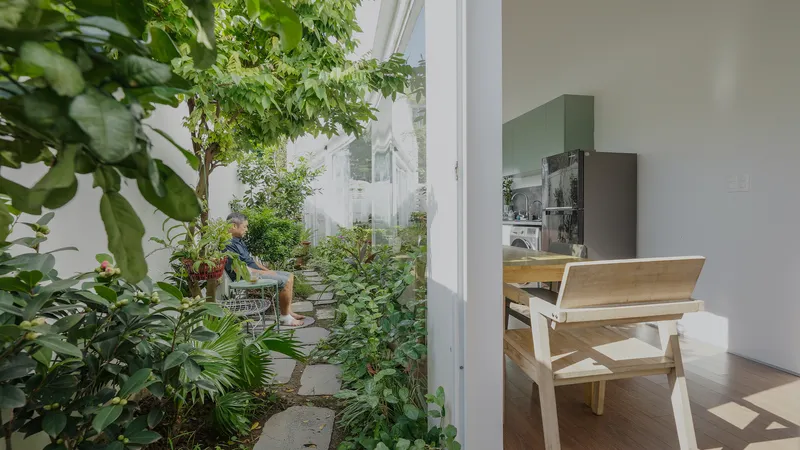
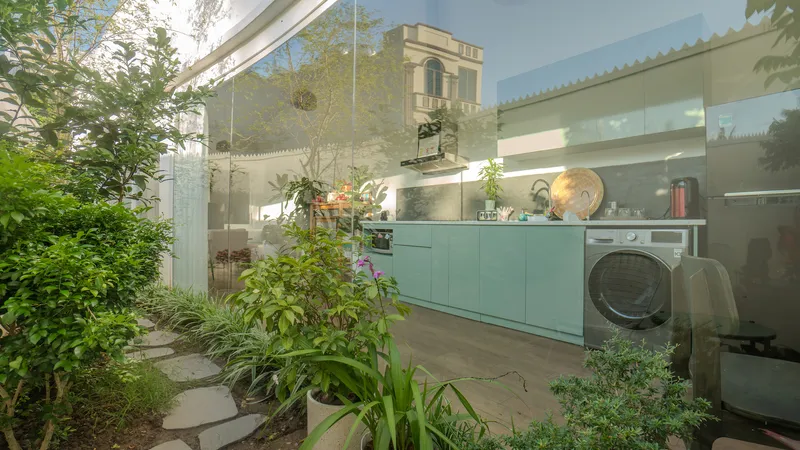
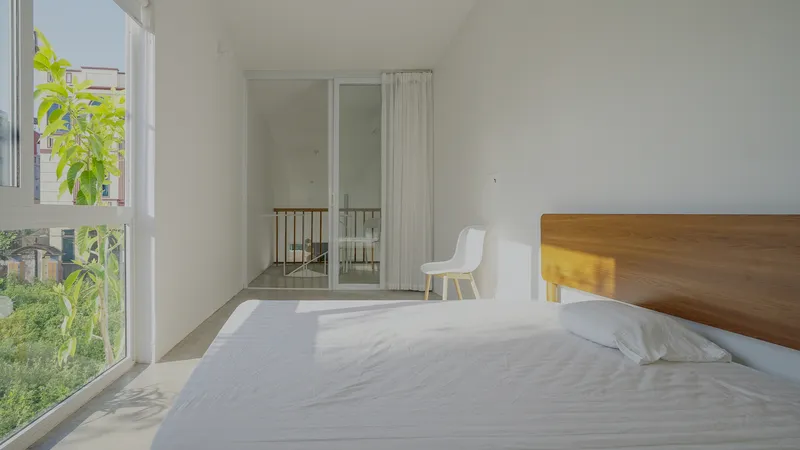
The design of "A House in COVID" also emphasizes the importance of green spaces within the urban home. Since people spend more time at home, especially in challenging times like the COVID-19 pandemic, providing areas for movement and exercise becomes essential. A small garden within the house allows residents to walk from the bedroom to the living room, fostering a connection with nature even in a narrow space. This simple design feature enhances the quality of life, encouraging physical activity and providing a natural retreat from the surrounding urban environment.
Sound and Heat Pollution Mitigation
The main facade of the house faces west-southwest, which presents challenges in terms of both heat and noise pollution. To address this, the front of the house is closed after 2 p.m. to block out heat. The ventilation gap allows for this closure without creating a stifling atmosphere inside. The result is a pleasant interior climate that remains comfortable even in the hottest hours of the afternoon, mimicking the refreshing experience of stepping out of an air-conditioned room. This solution enhances the overall comfort and livability of the home, making it adaptable to the needs of its residents.
The Integration of Nature into the Living Space
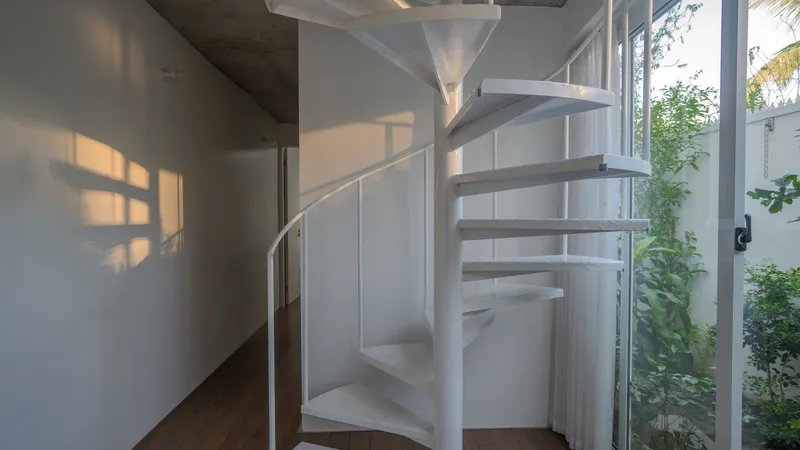
The incorporation of nature into the design is one of the standout features of "A House in COVID." In addition to the internal garden, the house's natural elements provide a sense of tranquility and well-being. The open layout ensures that residents can move freely between rooms and outdoor spaces, reinforcing the idea that the home should be a sanctuary where physical and mental health can flourish. The relationship between indoor and outdoor spaces is carefully balanced to create a harmonious living environment that invites relaxation and creativity.
"A House in COVID" represents a thoughtful response to the changing needs of modern living, particularly in the context of Vietnam's tropical climate. By incorporating passive cooling, active ventilation, and green spaces, the house offers a sustainable and comfortable living solution for those who spend significant time at home. The project highlights the potential for architectural design to adapt to both environmental and societal challenges, creating homes that are not only functional but also resilient and inspiring.
All Photographs are work of Divodira


Popular Articles
Popular articles from the community


Tsunami Convergenics: Turning Catastrophic Ocean Forces into Underwater Housing Infrastructure
A speculative underwater settlement off the coast of Onagawa, Japan, treats tsunamis and typhoons as energy sources rather than threats.
Opera by the Sea Estonia: Three Shells Dissolving Architecture into Tallinn's Coastline
A winning opera house proposal replaces monumental form with interconnected shells that blur the boundary between building, park and Baltic Sea.

Singing Woman: An Opera House That Performs Before the Curtain Rises
Ovidiu Cristian Pavel's conceptual opera house translates Estonia's choral identity into a sculpted waterfront landmark facing the Baltic Sea.

The Amber Palace Opera: A Geological Fiction Surfaces on Tallinn's Baltic Waterfront
Pierre Brillard reimagines a Baltic legend as a public landscape, opera house, and waterfront promenade rooted in Tallinn's coastal identity.

Similar Reads
You might also enjoy these articles


Hodi-Mandai Geram
Project Function: Preservation and revitalization of the Intangible heritage and socio-spatial identity of the Hodi by Housing, Cultural Memory Center, Sacred Grove, landscape, local tourism economy


Olio Towers: A Mid-Rise for Performers That Fuses Housing, Rehearsal, and Stage
Located blocks from Houston's Theater District, this modular tower stacks living units around a central performance atrium.

Oasis: Modular Green Housing Carved into Dhaka's Urban Fabric
A shortlisted Plugin Housing entry reclaims unauthorized settlements in Dhaka with stepped concrete volumes, green roofs, and ventilation-driven design.

Black Hole: A Floating Megastructure for the Post-Physical Era
Emiliano Mazzarotto envisions a spherical, self-scaling arena where e-sports, digital hotels, and holographic stadiums replace traditional public space.

Explore Vietnam Architecture Competitions
Discover active competitions in this discipline

Challenge to reimagine the Iron Throne

Photograph architecture without architects

Illustrate the lost glory of Angkor Wat - Render Challenge

Design challenge to reuse E-waste
Comments (0)
Please login or sign up to add comments
No comments yet. Be the first to comment!