
A Pavilion of Rain by Sthapotik: A Biophilic Oasis in Dhaka
A serene biophilic pavilion in Dhaka, blending nature, rain, and memory, designed for caregiving, reflection, and urban tranquility.


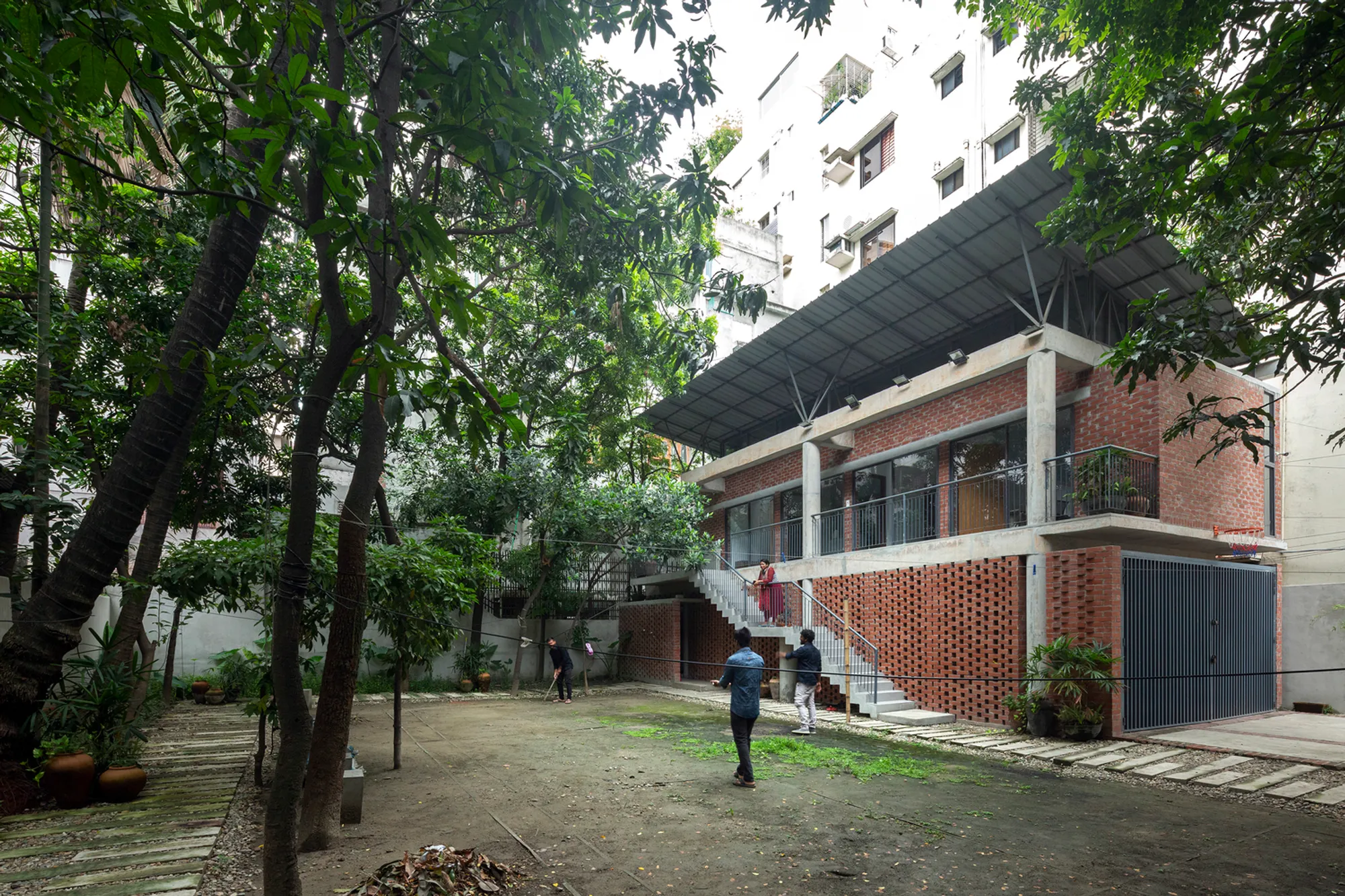
Located in the heart of Dhaka, Bangladesh, the Pavilion of Rain by Sthapotik Architects is a poetic fusion of memory, nature, and urban living. Spanning 360 m² and completed in 2023, this thoughtfully designed pavilion transforms an ordinary city plot into a serene, rain-infused sanctuary. Captured beautifully by photographer Asif Salman, the project embodies a unique narrative of nostalgia, care, and biophilic architecture.
Embracing Memory and Emotion in Architecture
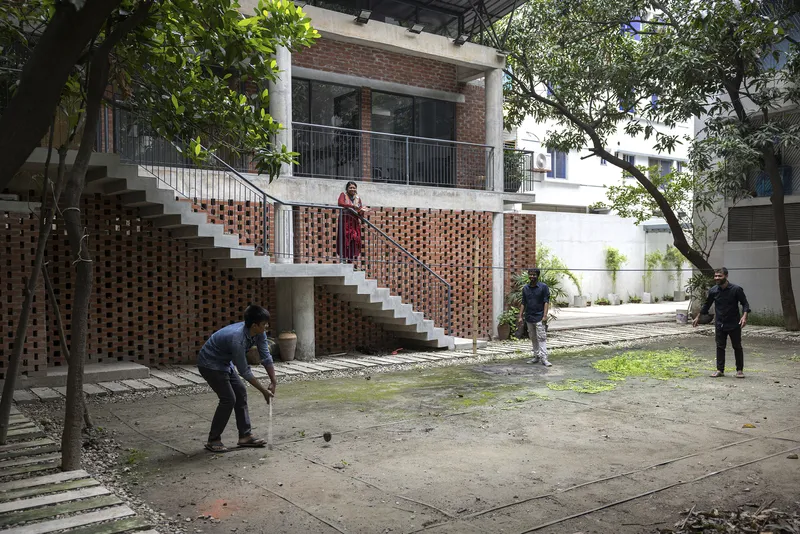
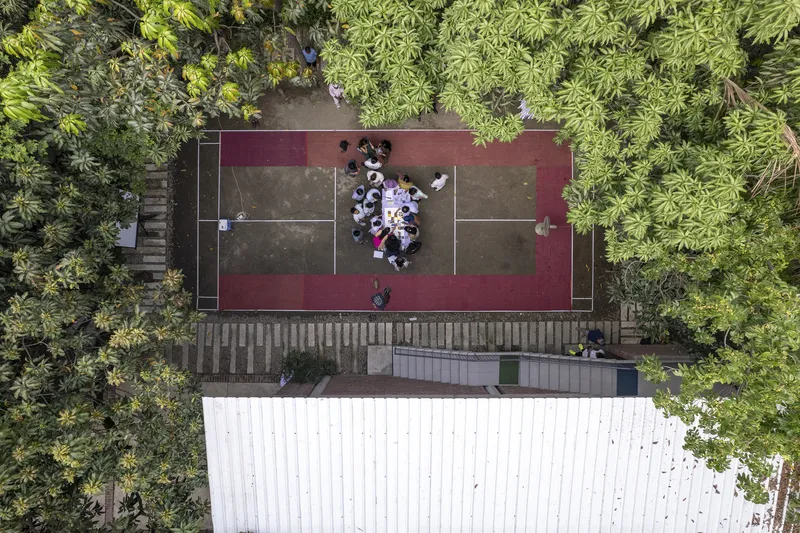
The pavilion’s story is deeply personal. The client, a devoted son and sole caregiver to his mother living with schizophrenia, shared memories of an old 1980s building and the surrounding playground where he often played badminton. These interactions revealed his emotional connection to the site, inspiring the architects to design a space that celebrates both memory and care. The project becomes more than a functional pavilion, it is a sensitive, human-centered environment reflecting the bond between mother and son amid Dhaka’s rapidly urbanizing landscape.
Biophilic Design: Experiencing Rain in the City
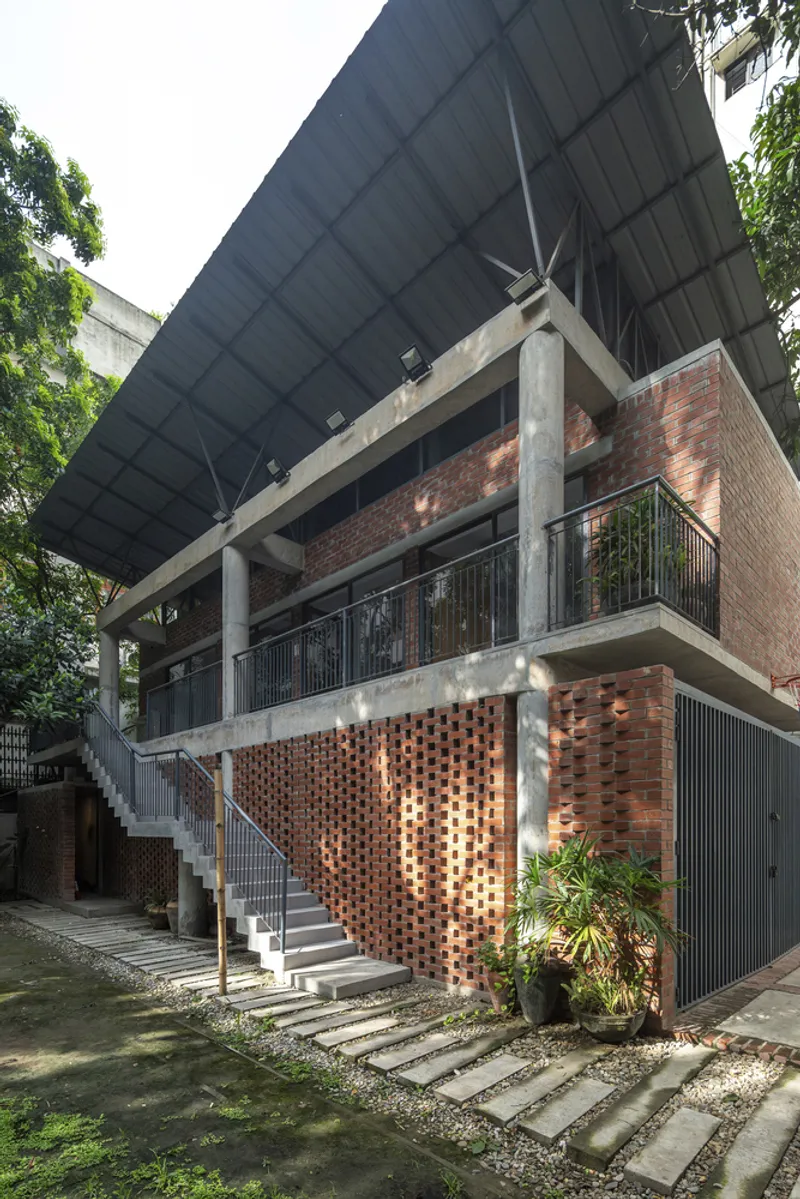
Rain holds profound significance in a monsoon-rich country like Bangladesh. For the architects, rain represents a sensory and therapeutic experience, offering calmness, joy, and a connection to nature. The pavilion captures this essence by providing a tranquil space to observe and enjoy rainfall, offering a quiet refuge from Dhaka’s chaotic urban environment. Its design emphasizes biophilic principles, integrating natural sounds, greenery, and open spaces into a cohesive urban oasis.
Functional and Spatial Design
The pavilion’s layout balances privacy, functionality, and community interaction. Key features include:
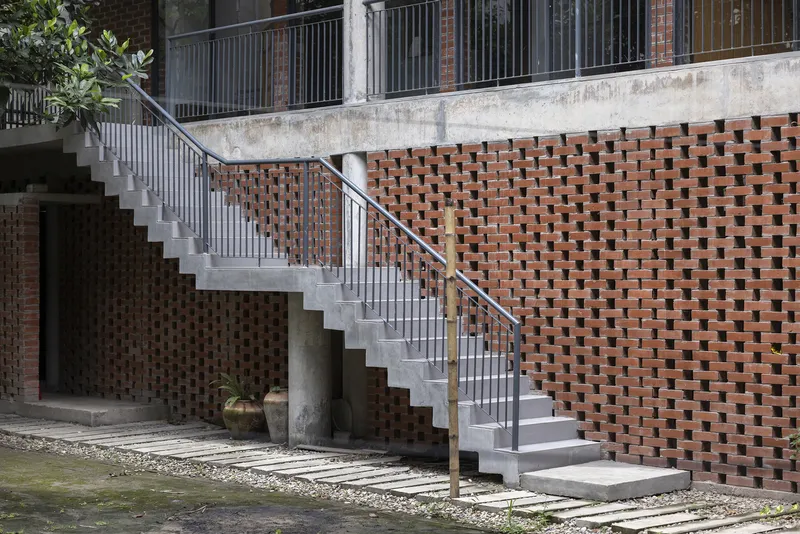
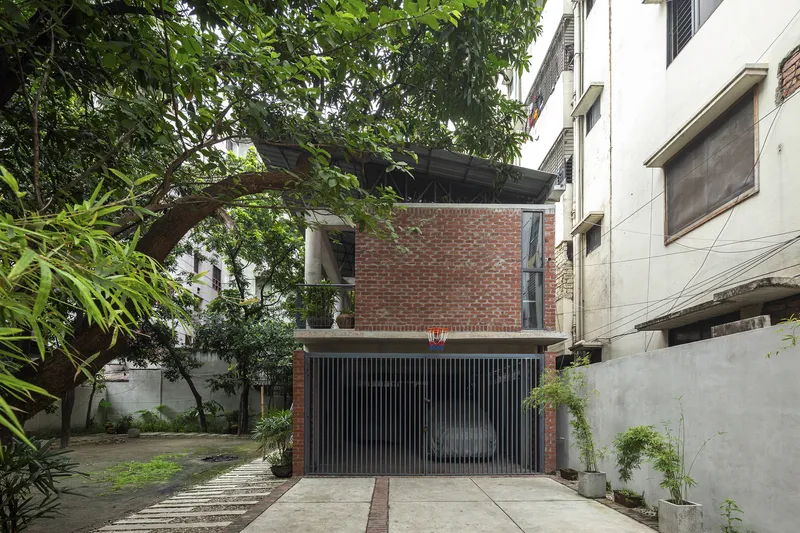
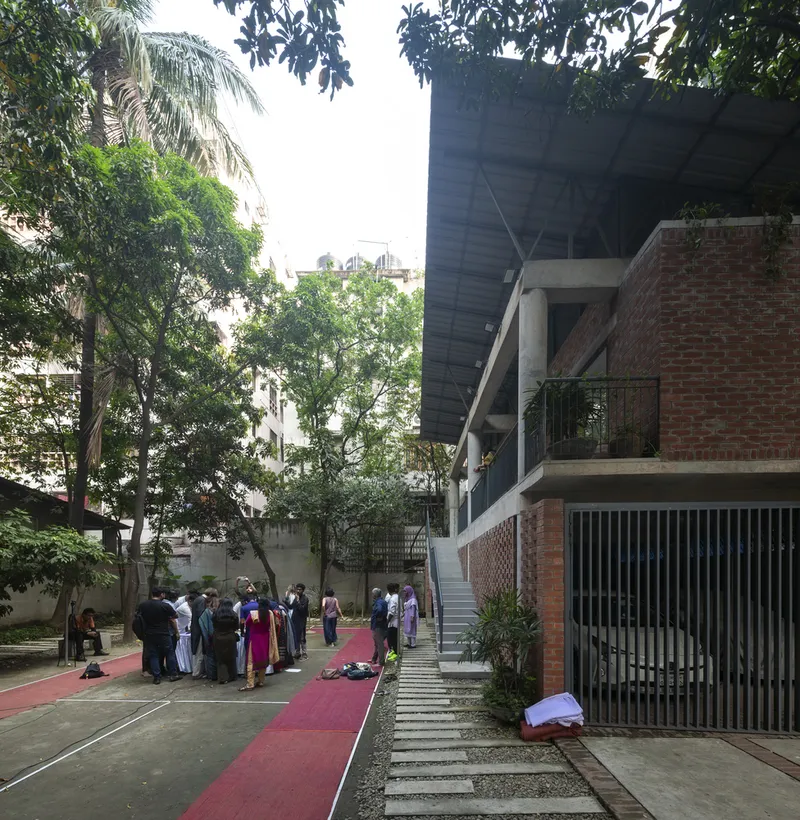
- Ground Floor: Parking for four cars, caretaker room with toilet and kitchen facilities.
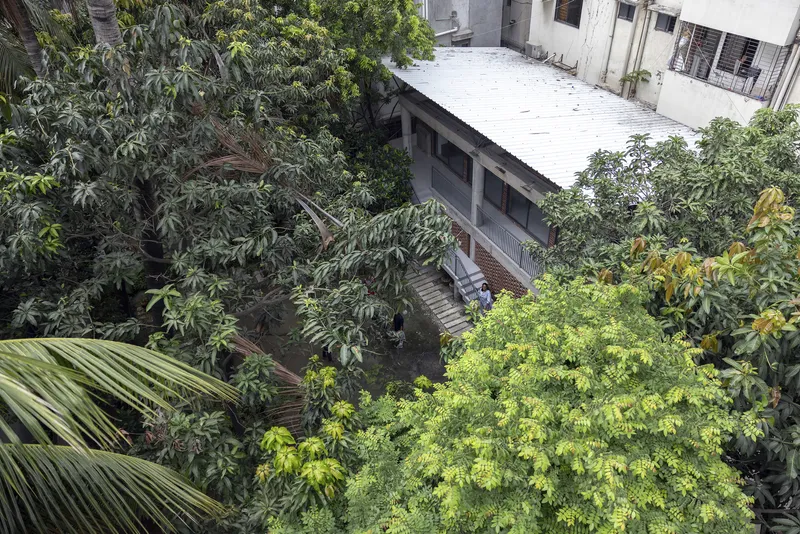
- Upper Floor: Office space overlooking the playground, allowing the son to monitor his mother while enjoying daylight and greenery.
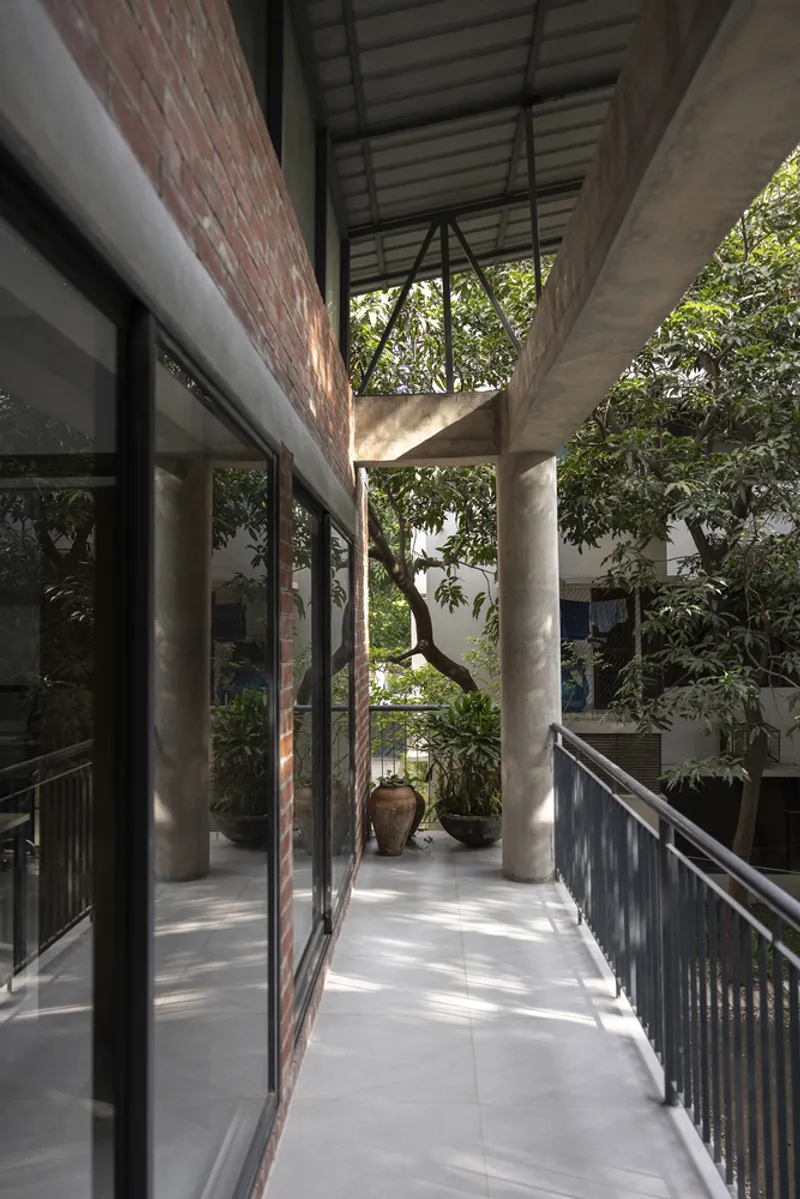
- Veranda & Open Gallery: A bungalow-style long veranda acts as a buffer between the office and the playground, encouraging social interactions and passive observation of games.
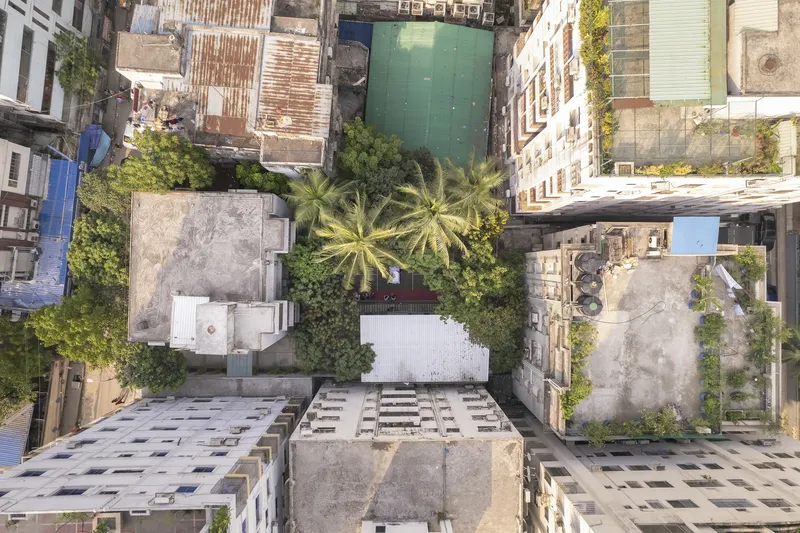
The pavilion is strategically oriented north-south, preserving existing trees and ensuring harmony with the old residential context. Walkways and seating around the badminton court maintain an intimate scale, creating a seamless connection between indoor and outdoor life.
Materials and Sustainable Construction
Sthapotik’s design emphasizes contextual and sustainable materials:
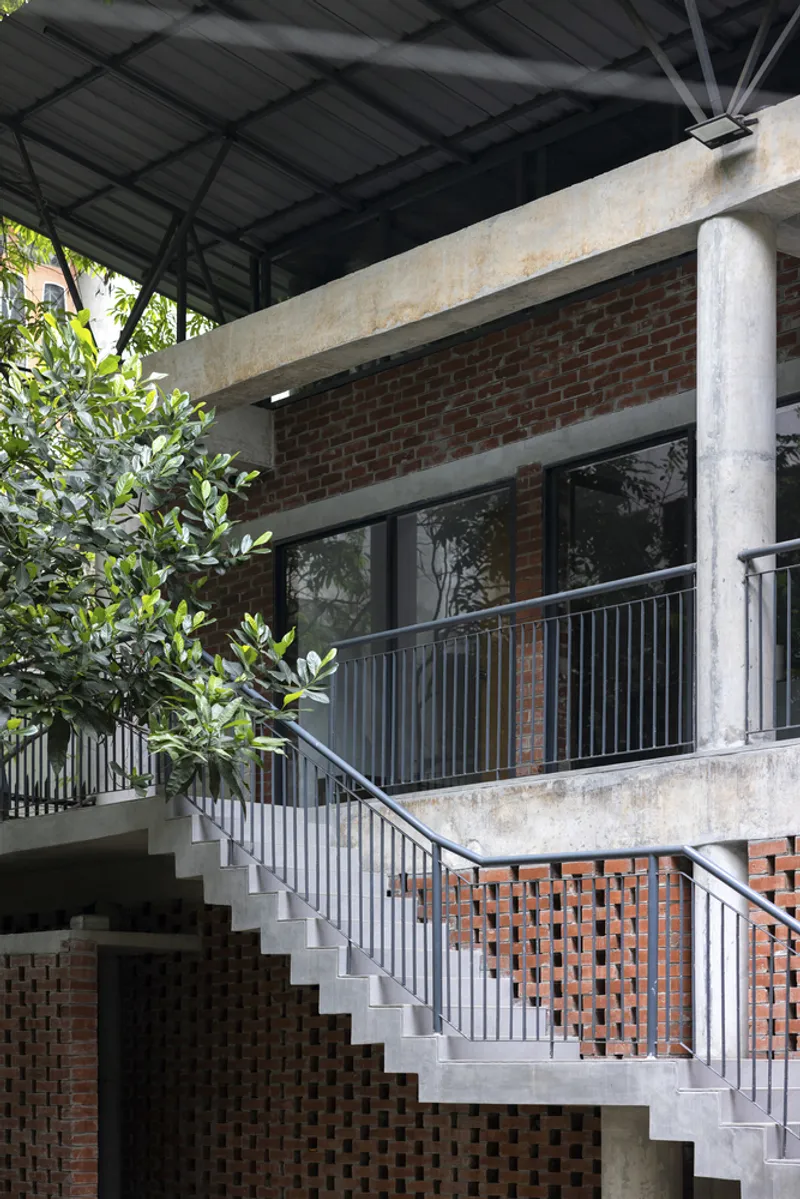
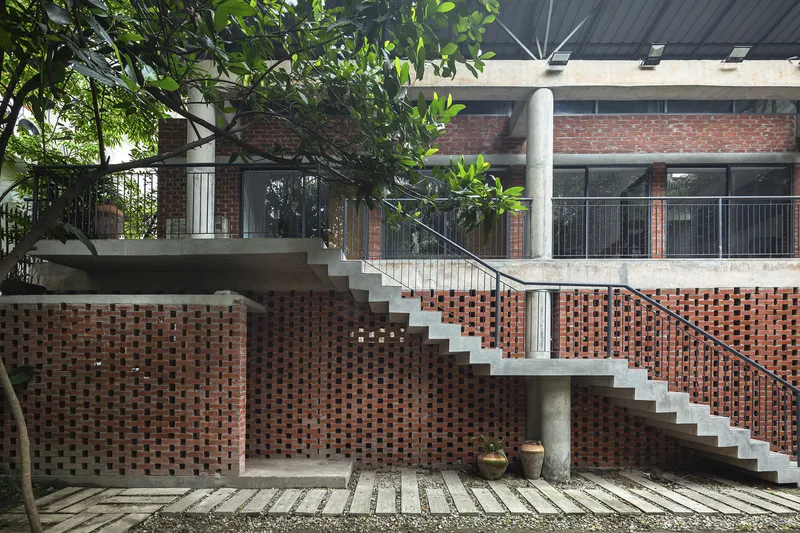
- Brick Jalis: Independent screens separate the playground from parking while blending with the old residential fabric.
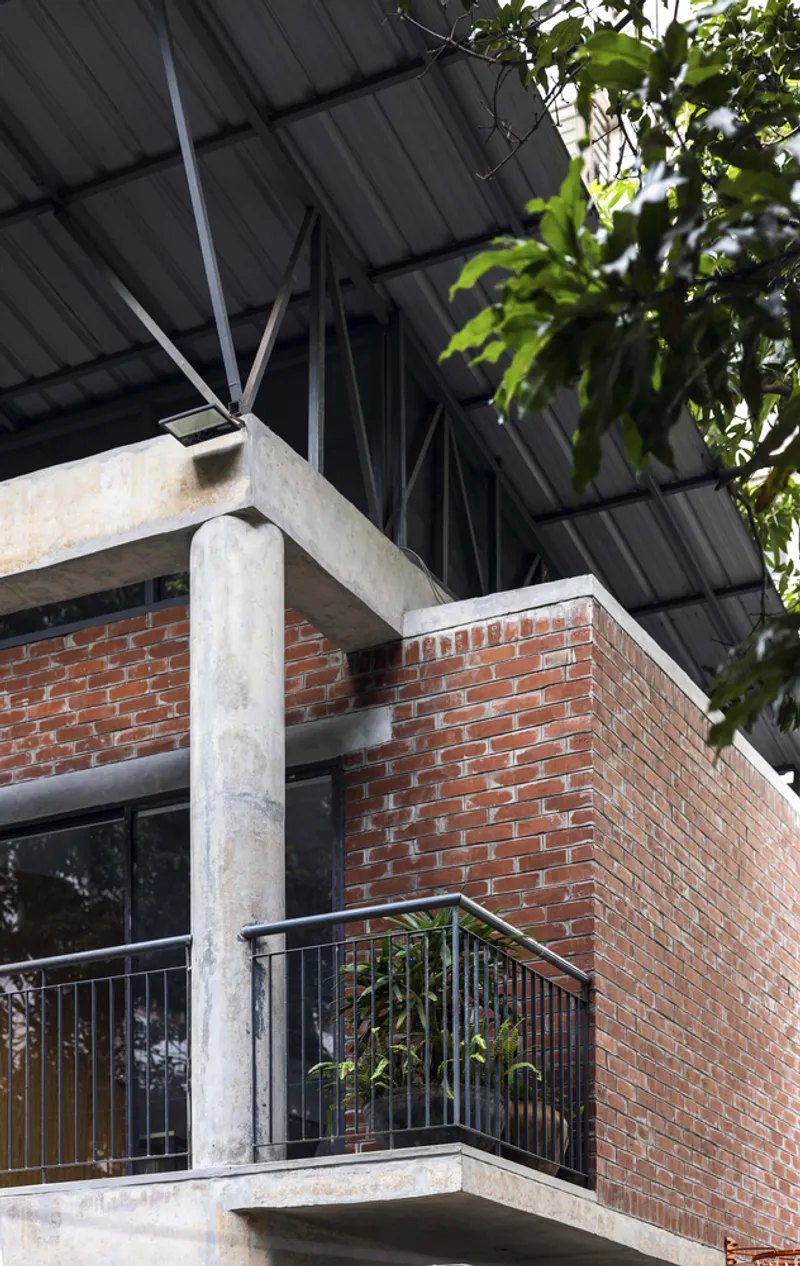
- Concrete Blocks & Columns: Ensuring structural integrity while maintaining a tactile, grounded aesthetic.
- Iron Sheet Roof & Metal Frames: Lightweight, durable, and acoustically designed to amplify the soothing rhythm of rainfall.
The sloping roof collects rainwater for plants and cleaning, enhancing sustainability and promoting a circular water use system. These thoughtful material choices merge aesthetic, functional, and ecological considerations, embodying a holistic biophilic architecture approach.
Integrating Nature and Urban Life
The Pavilion of Rain exemplifies the delicate balance between urban density and natural serenity. By respecting the existing ecosystem and incorporating open spaces, greenery, and natural ventilation, the pavilion enhances the occupants’ experience of light, air, and water. The project transforms everyday monsoon rain into a sensory delight while fostering mindfulness, well-being, and connection to nature.
This project is a testament to human-centric architecture, where memory, emotion, and ecology converge to create a sanctuary that nurtures both people and the environment. Sthapotik demonstrates how urban architecture can seamlessly integrate biophilic design, sustainable materials, and functional spaces, making the Pavilion of Rain a landmark example of contemporary Dhaka architecture.
All photographs are works of
Asif Salman




Popular Articles
Popular articles from the community


Riyadh For All: Intergenerational Urban Design for Active Aging in Rabat
Riyadh For All reimagines urban design in Rabat with intergenerational co-living, adaptive courtyards, and Moroccan cultural exchange today.

The Musturak Paradise: Senior Living Architecture for a Connected Future in Temara, Morocco
The Musturak Paradise reimagines senior living architecture in Temara via private homes, social spaces, culture, community, and shared care.

Lunar Spiral: Space Architecture Shaped by the Mathematics of the Universe
Lunar Spiral reimagines space architecture through Fibonacci geometry, lunar regolith, levitating habitats, and self-sustaining Moon living.

Co-life: Sustainable Architecture for Age-Friendly Community Living
Co-life reimagines sustainable architecture for seniors through courtyards, rammed earth, shared gardens, and spaces designed for belonging.


Similar Reads
You might also enjoy these articles

Bamboo Housing Challenge 2026: Design Affordable, Sustainable Homes Using Bamboo
An international design competition by Bamboo U and IBUKU inviting architects and designers to reimagine affordable housing using bamboo — with the winning design built full-scale in Bali.

Computational Design & Education: Beegraphy Design Awards Introduces 7th Category (Featuring Jiyun's Innovative Approach)
Dive into Beegraphy’s 7th Design Awards category, where computational design meets education to create immersive, interactive learning tools, inspired by Jiyun’s work.

From Parametric Lighting to Urban Furniture: Join the 2nd Workshop in Beegraphy’s Computational Design Series
Dive into Cutting-Edge Design Techniques and Practical Applications with Industry Experts

Last Call: Unleash Your Architectural Genius in SHAK's Kindergarten Design Competition
Urgent call for architects to join SHAK's kindergarten design competition before the looming deadline


Explore Architecture Competitions
Discover active competitions in this discipline



Challenge to reimagine the Iron Throne


Photograph architecture without architects


Illustrate the lost glory of Angkor Wat - Render Challenge


Design challenge to reuse E-waste
Comments (0)
Please login or sign up to add comments
No comments yet. Be the first to comment!