
A Stunning Example of Tropical Architecture in Vietnam
The article explores Bong San House, blending traditional Vietnamese design with modern tropical architecture to create a sustainable, nostalgic home.


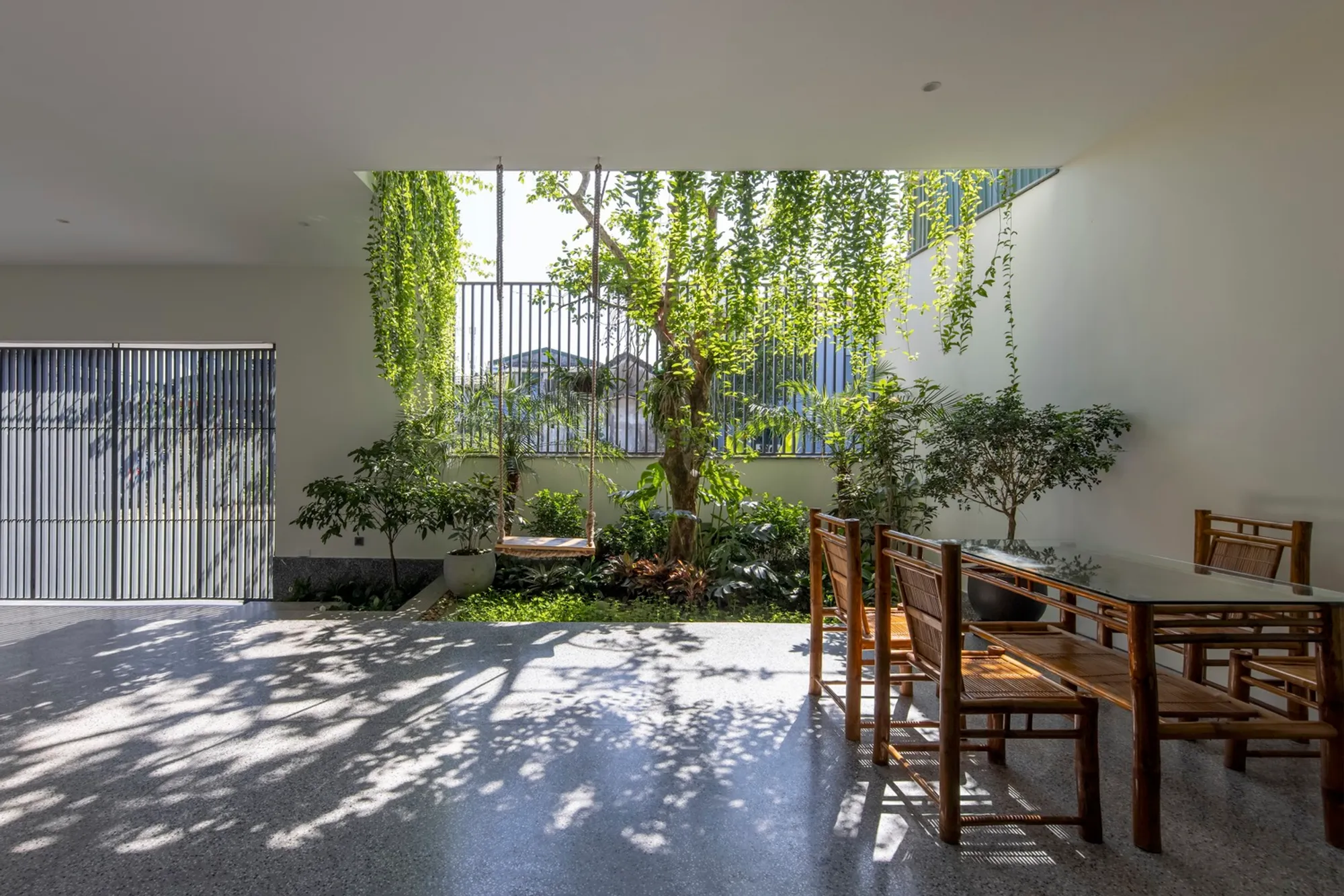
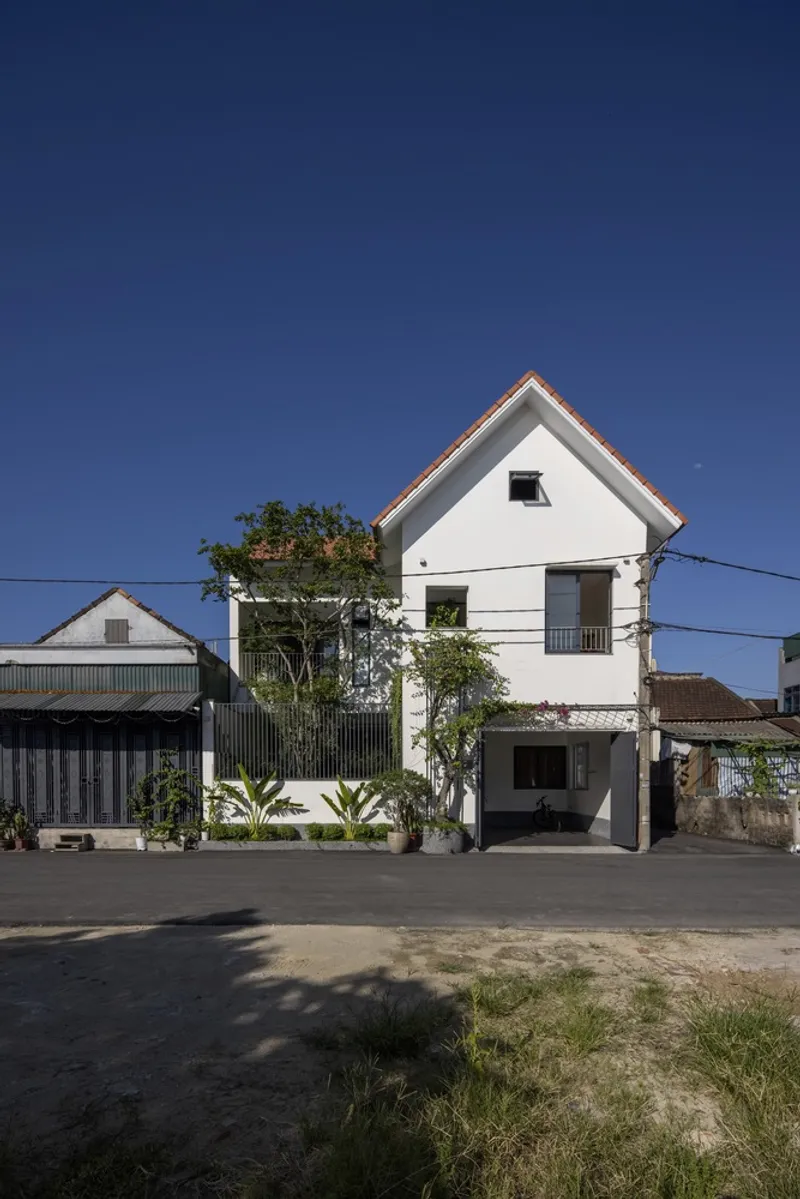
Bong San House, located in the heart of Hà Tĩnh, Vietnam, is a remarkable example of tropical architecture that seamlessly blends traditional elements with modern design. The house, designed by Dom Architect Studio, was created to replace an aging family home that no longer met the needs of its owners. This new house not only embraces the tropical architectural style but also incorporates nostalgic elements from the old structure, preserving a connection to the past.
In this article, we will explore the unique architectural features of Bong San House, its design process, and how it reflects the principles of tropical architecture in Vietnam.
Understanding Tropical Architecture in Vietnam
Tropical architecture is characterized by design strategies that respond to the hot, humid climate and cultural traditions of tropical regions. In Vietnam, this architectural style typically includes open spaces, large windows, natural ventilation, and the use of local materials such as terracotta tiles and wood. The goal is to create comfortable, functional homes that harmonize with the environment.
Bong San House is a perfect example of this approach. The house incorporates traditional roofing styles, open living spaces, and eco-friendly materials to create a comfortable living environment while respecting the cultural and climatic conditions of the region.
The Design Process: From Nostalgia to Innovation
The owners of Bong San House requested that the new house retain some elements of the original structure, which had sheltered the family for many years. This connection to the past was a key part of the design brief. The architects at Dom Architect Studio were fortunate to study the old house before its demolition, gathering insights on the proportions, materials, and details that made it so special.
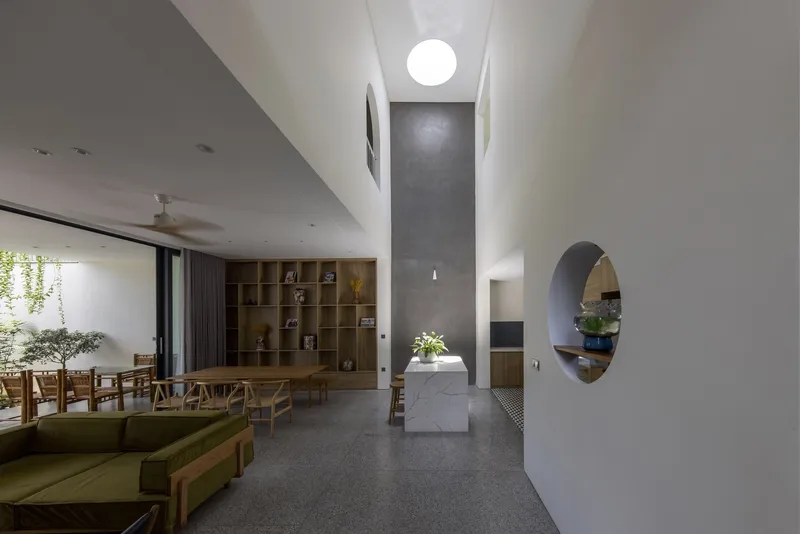
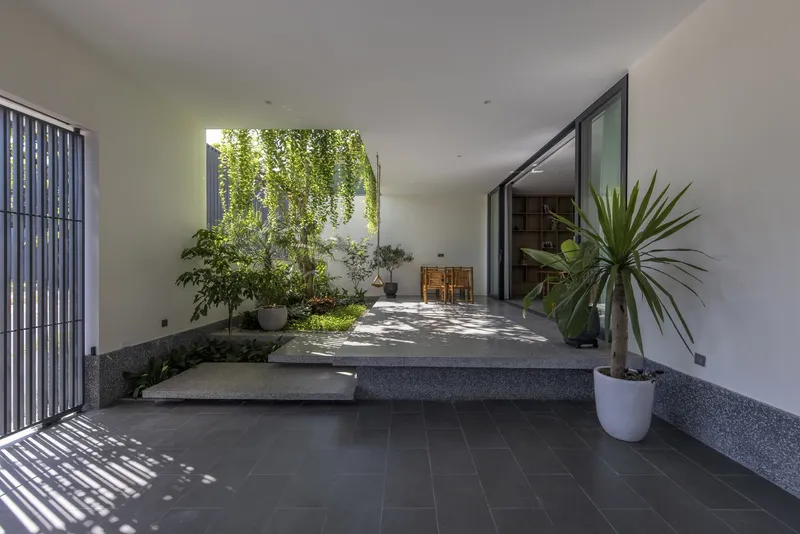
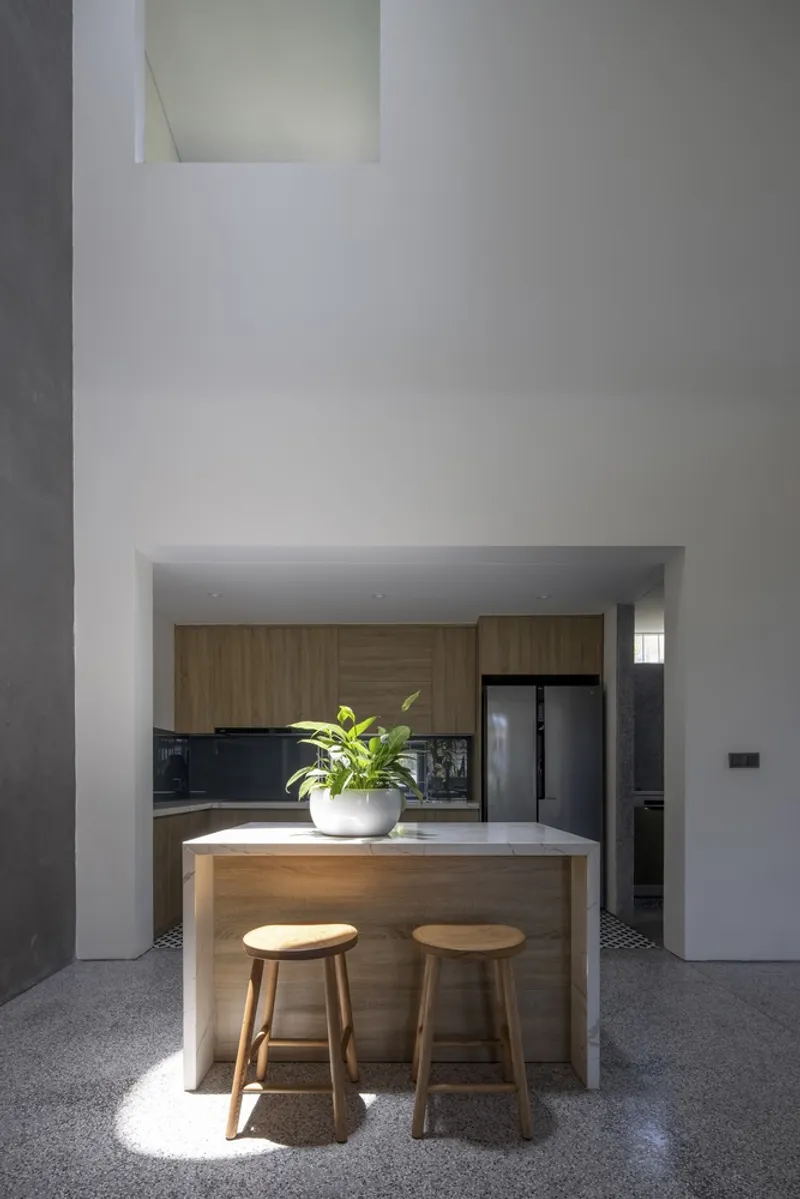
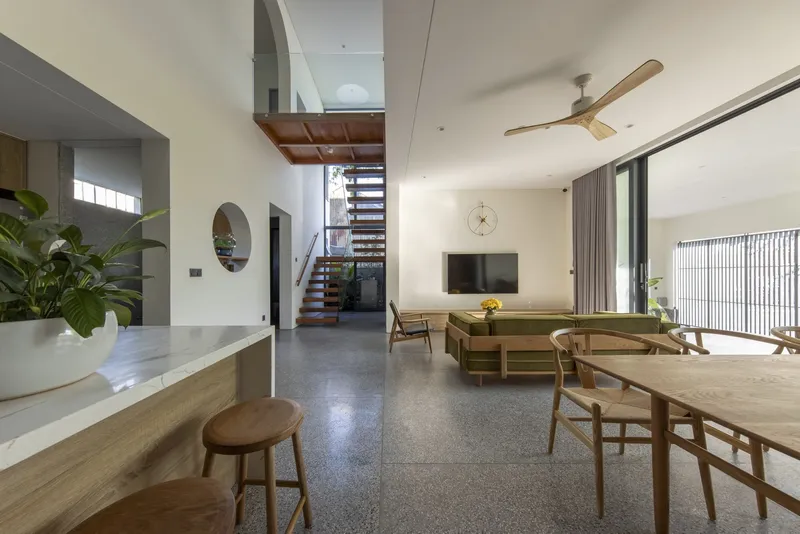
One of the most significant aspects of the design was the long common porch, a feature inspired by the original house. This porch connects the living space and the kitchen, opening up to the outdoors and providing a natural flow between the two areas. This approach is typical in tropical architecture, where spaces are designed to maximize airflow and natural light while fostering a sense of openness.
Key Architectural Features of Bong San House
1. Traditional Roof Design
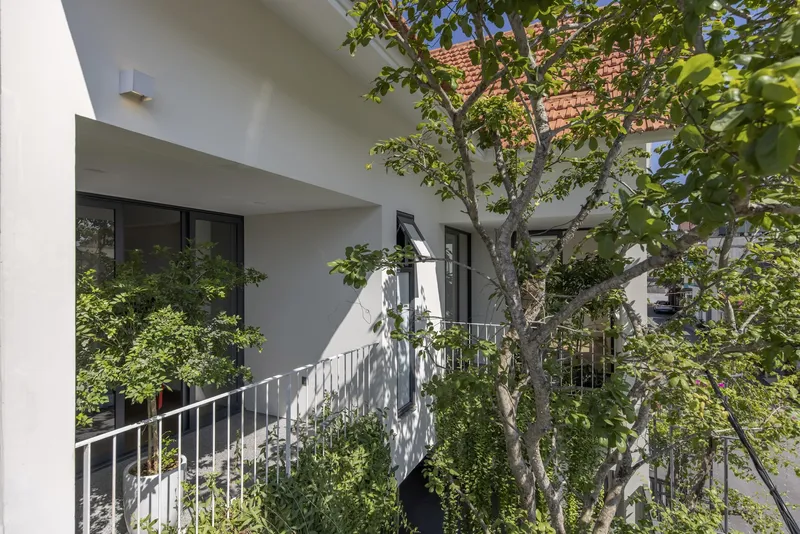
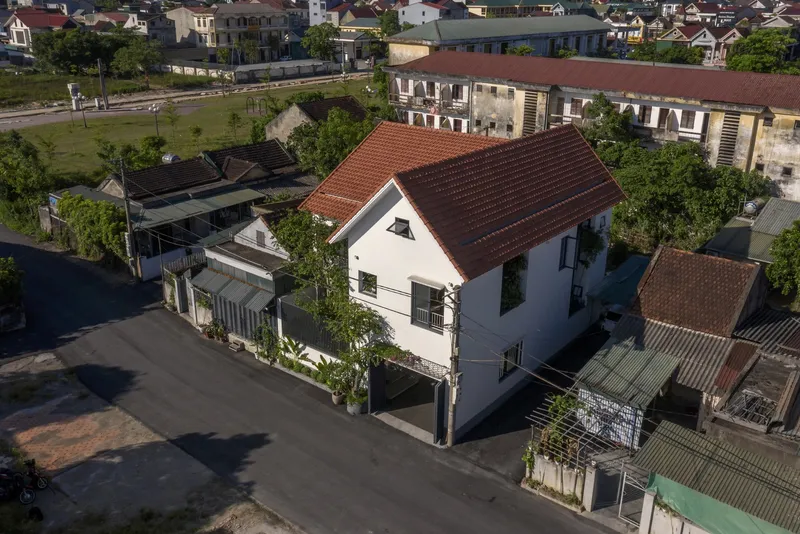
One of the most striking features of the Bong San House is its traditional roof, which draws inspiration from the original structure. The roof is characterized by a 45-degree incline and is covered with traditional terracotta tiles, a material commonly found in rural Vietnam. This roof design not only contributes to the aesthetic appeal of the house but also plays a crucial role in regulating the interior temperature, providing shade, and encouraging natural ventilation.
2. Arched Doorways
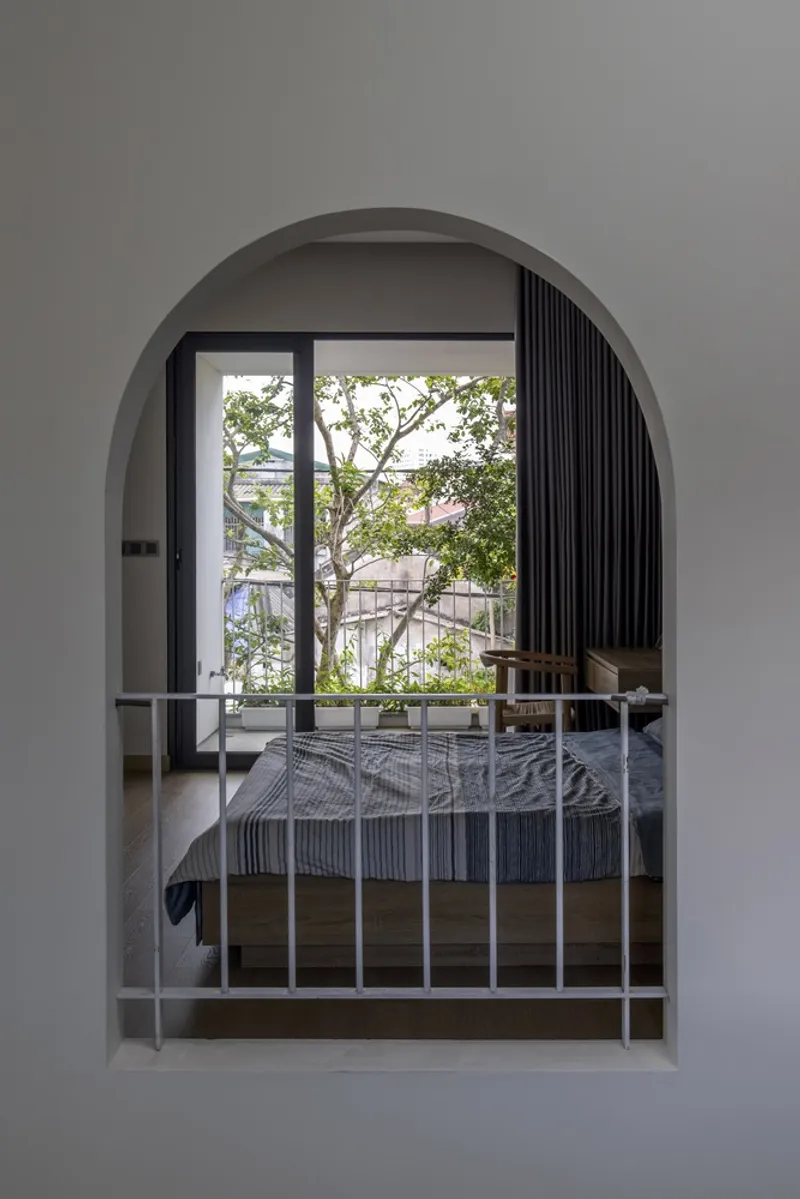
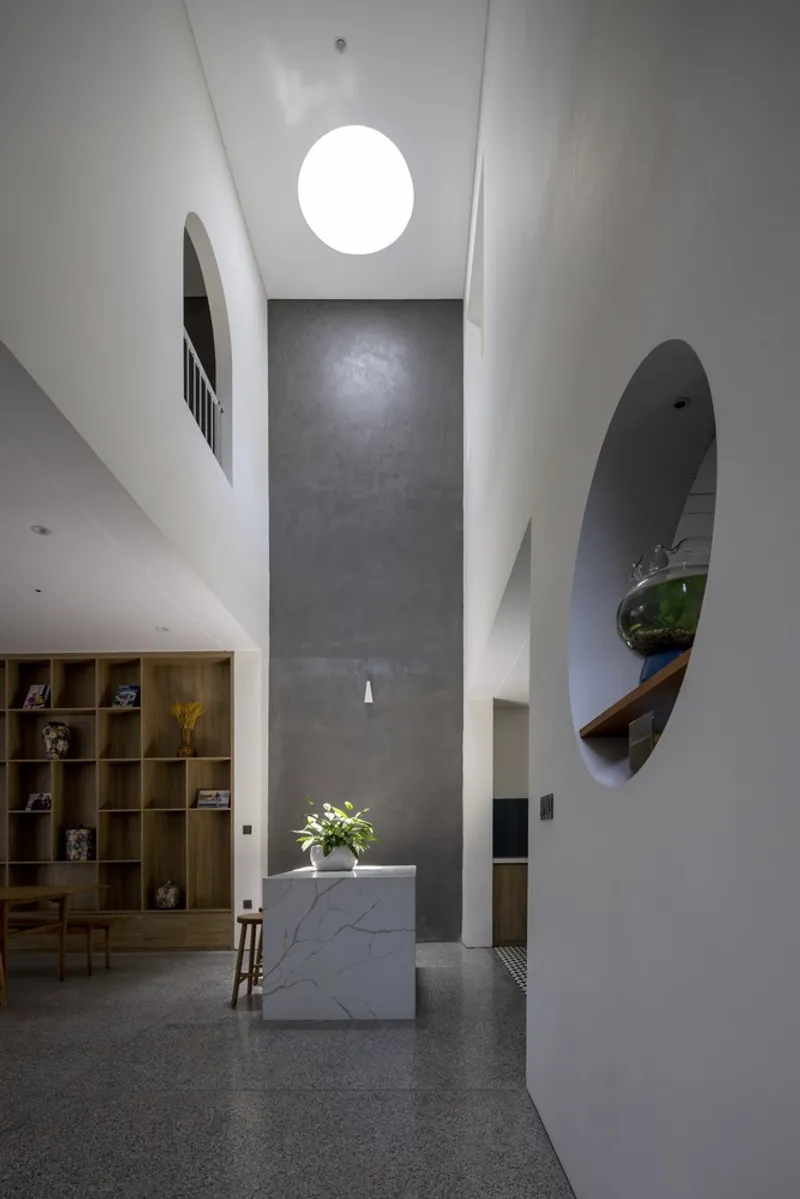
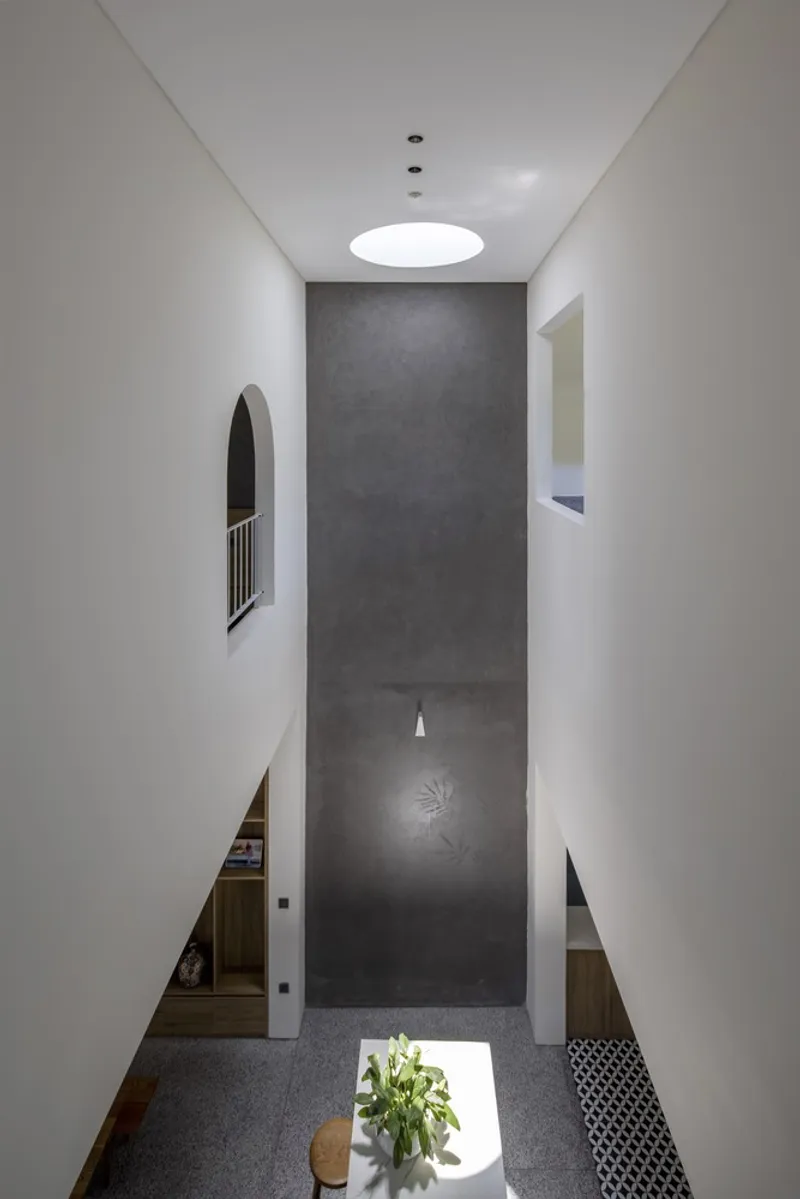
The arched doorway is another notable element in the house’s design. This feature, which is rooted in traditional Vietnamese architecture, adds a sense of elegance and fluidity to the structure. The arched form allows for a smooth transition between the indoor and outdoor spaces, reinforcing the house's connection to its natural surroundings.
3. Integration with Nature
In keeping with the principles of tropical architecture, the design of Bong San House emphasizes a strong connection with nature. The house is surrounded by trees that were part of the original site, and these trees were preserved as a symbolic link between the old and the new. The design also takes into account the site’s natural landscape, using large windows and open spaces to blur the boundaries between indoors and outdoors.
Materiality and Sustainability
The materials used in Bong San House are carefully selected to reflect both the local context and the principles of sustainability. Jotun paints, Panasonic systems, and local materials such as Thanh Terrazo and Xingfa windows are integrated into the design to ensure both aesthetic appeal and long-term durability.
The architects also focused on sustainability by incorporating energy-efficient features, such as natural cooling through the roof design and the use of materials that are both locally sourced and environmentally friendly.
Bong San House is a masterful example of tropical architecture in Vietnam. It successfully blends traditional elements with modern design principles, creating a home that is both functional and deeply connected to its cultural roots. By preserving key features of the original house, Dom Architect Studio has not only honored the family’s history but has also created a space that meets their evolving needs.
This project exemplifies how tropical architecture can be both timeless and innovative, merging past and present in a way that respects the environment and enhances the quality of life for its inhabitants.
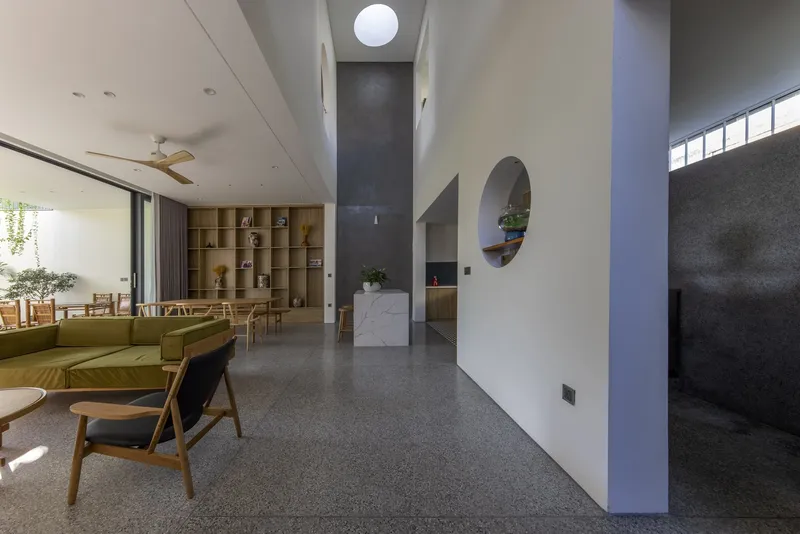
All the photographs are work of Hoang Le



Popular Articles
Popular articles from the community


Riyadh For All: Intergenerational Urban Design for Active Aging in Rabat
Riyadh For All reimagines urban design in Rabat with intergenerational co-living, adaptive courtyards, and Moroccan cultural exchange today.

The Ocean Hive: Sustainable Architecture for a Self-Sufficient Civilization at Sea
The Ocean Hive imagines sustainable architecture at sea, where modular habitats, algae, wave power and ocean waste sustain a growing colony.

Hill & Cross Opera: Sculptural Opera House Architecture Shaped by Tallinn’s Landscape and Identity
Hill & Cross Opera reimagines opera house architecture in Tallinn through its sculptural hill, civic plaza, glass wave and a luminous cross.

The Musturak Paradise: Senior Living Architecture for a Connected Future in Temara, Morocco
The Musturak Paradise reimagines senior living architecture in Temara via private homes, social spaces, culture, community, and shared care.


Similar Reads
You might also enjoy these articles


Hodi-Mandai Geram
Project Function: Preservation and revitalization of the Intangible heritage and socio-spatial identity of the Hodi by Housing, Cultural Memory Center, Sacred Grove, landscape, local tourism economy


Olio Towers: A Mid-Rise for Performers That Fuses Housing, Rehearsal, and Stage
Located blocks from Houston's Theater District, this modular tower stacks living units around a central performance atrium.

Oasis: Modular Green Housing Carved into Dhaka's Urban Fabric
A shortlisted Plugin Housing entry reclaims unauthorized settlements in Dhaka with stepped concrete volumes, green roofs, and ventilation-driven design.

Black Hole: A Floating Megastructure for the Post-Physical Era
Emiliano Mazzarotto envisions a spherical, self-scaling arena where e-sports, digital hotels, and holographic stadiums replace traditional public space.


Explore Architecture Competitions
Discover active competitions in this discipline



Challenge to reimagine the Iron Throne


Photograph architecture without architects


Illustrate the lost glory of Angkor Wat - Render Challenge


Design challenge to reuse E-waste
Comments (0)
Please login or sign up to add comments
No comments yet. Be the first to comment!