
Abu Dhabi Neighbourhood Parks by SLA: Transforming Urban Living Through Nature-Based Design
A large-scale green infrastructure project transforming 104 urban parks in Abu Dhabi into climate-resilient, community-centered public spaces.

Reimagining Public Space Across the City
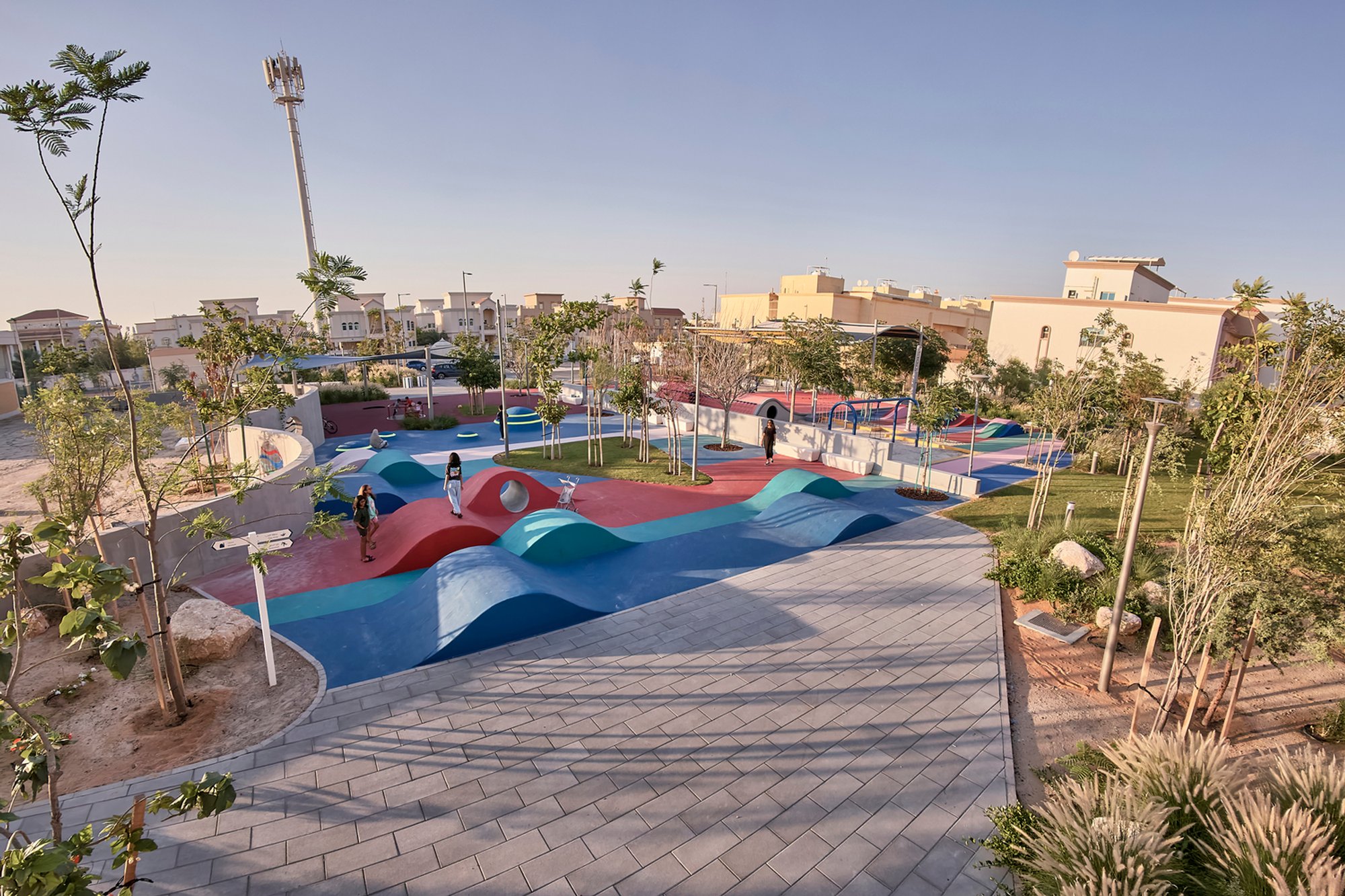
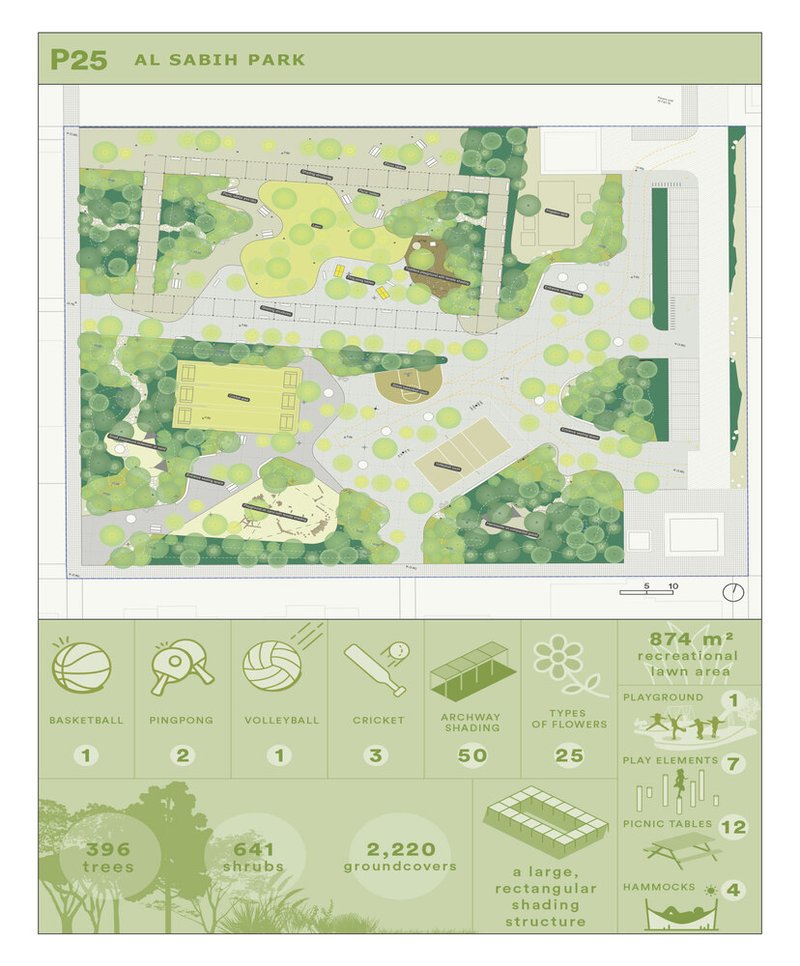
The ambitious Abu Dhabi Neighbourhood Parks project by Danish landscape architecture firm SLA redefines urban public space in the UAE through the creation of 104 new green areas across four major neighborhoods: Khalifa City, Al Ain, Shakhbout, and MBZ. Completed in 2025 in collaboration with the Abu Dhabi Department of Municipalities and Transport, this initiative spans a remarkable 740,000 square meters, transforming barren, underutilized land into vibrant, resilient, and socially inclusive public parks.
Nature as Infrastructure in Urban Abu Dhabi
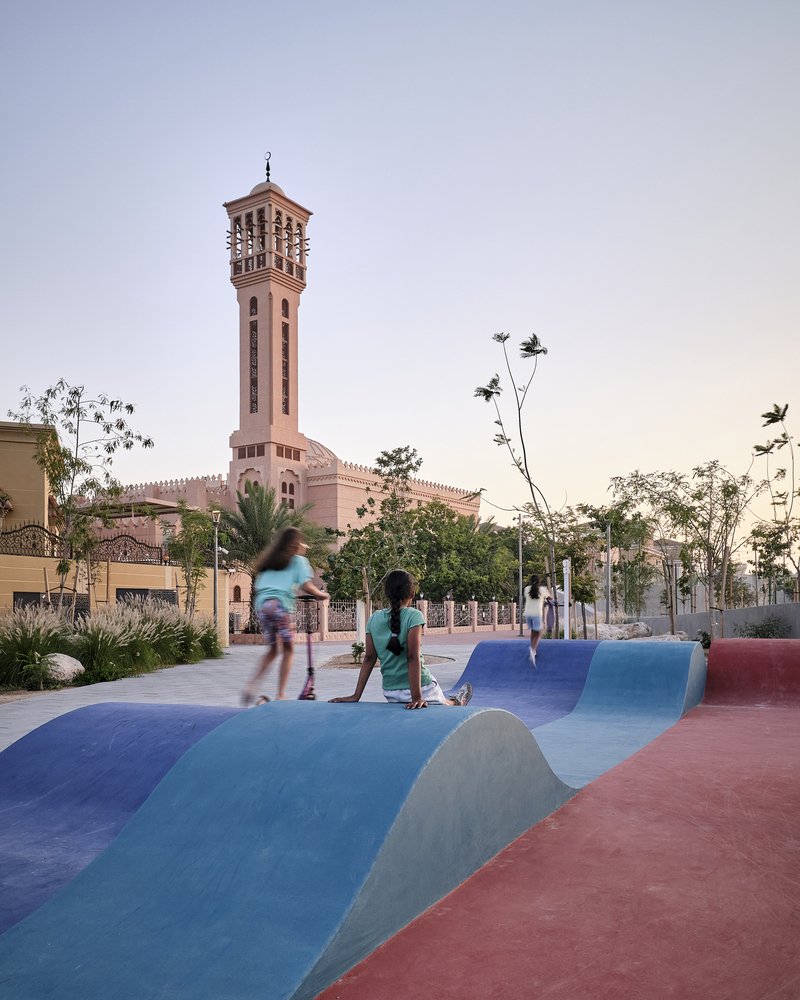
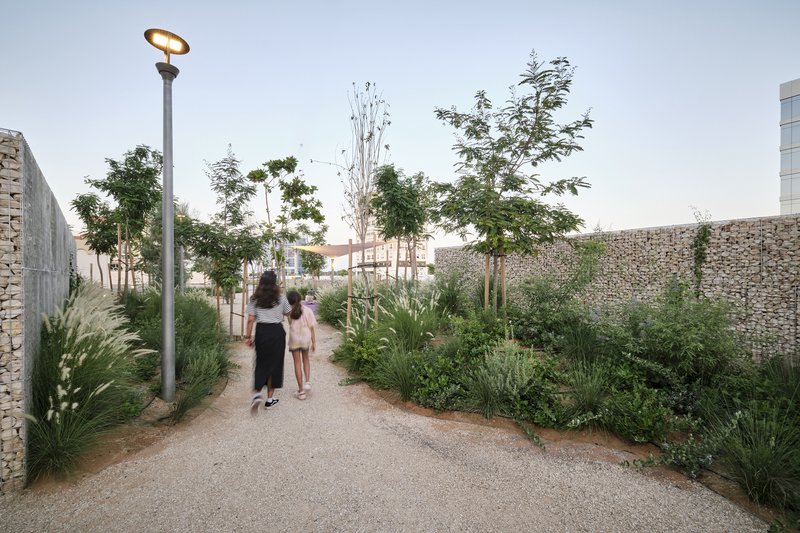
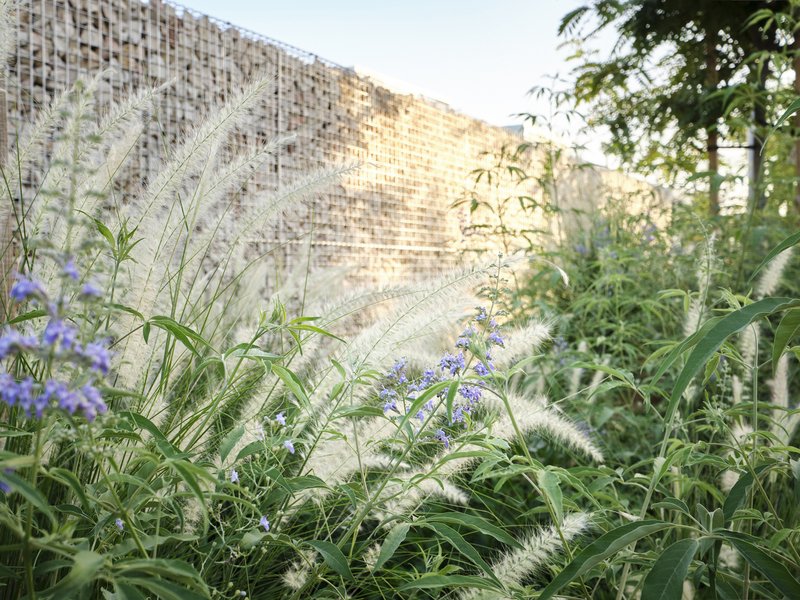
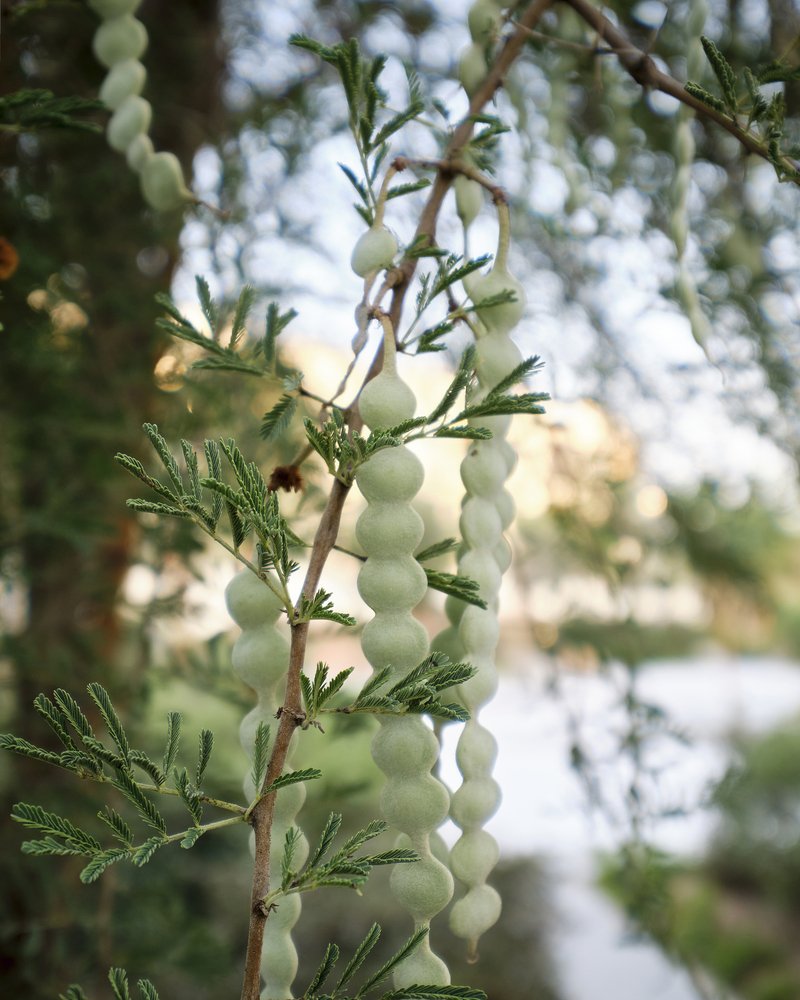
At the core of this city-wide transformation is a nature-based approach that goes beyond aesthetics. SLA’s design introduces over 22,500 new native trees and a dramatic 500% increase in biodiversity, using carefully selected drought-resistant plant species and regenerative soil strategies. These elements serve a crucial function—mitigating heat, reducing carbon emissions, capturing stormwater, and fostering urban wildlife. The parks are not ornamental; they are climate-resilient infrastructure designed to cool the city and enhance everyday life.
Design Rooted in Community and Ecology
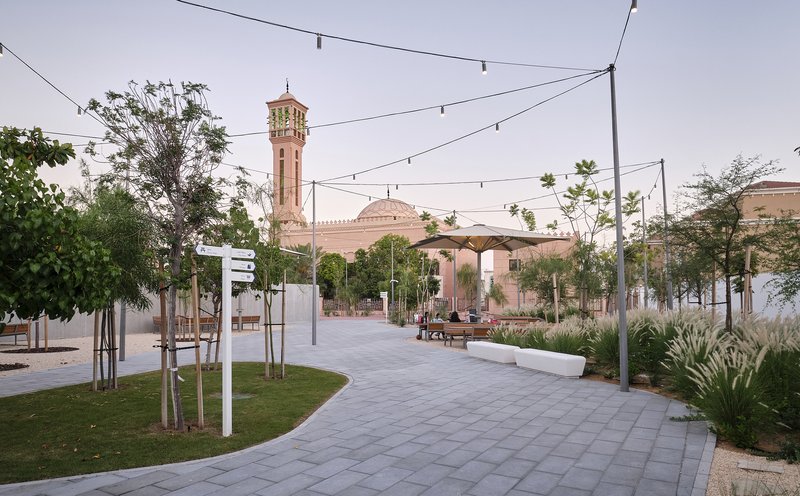
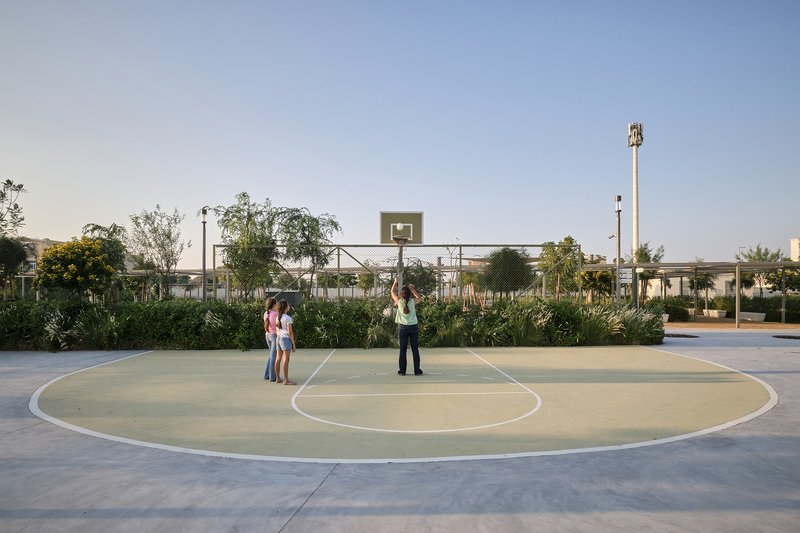
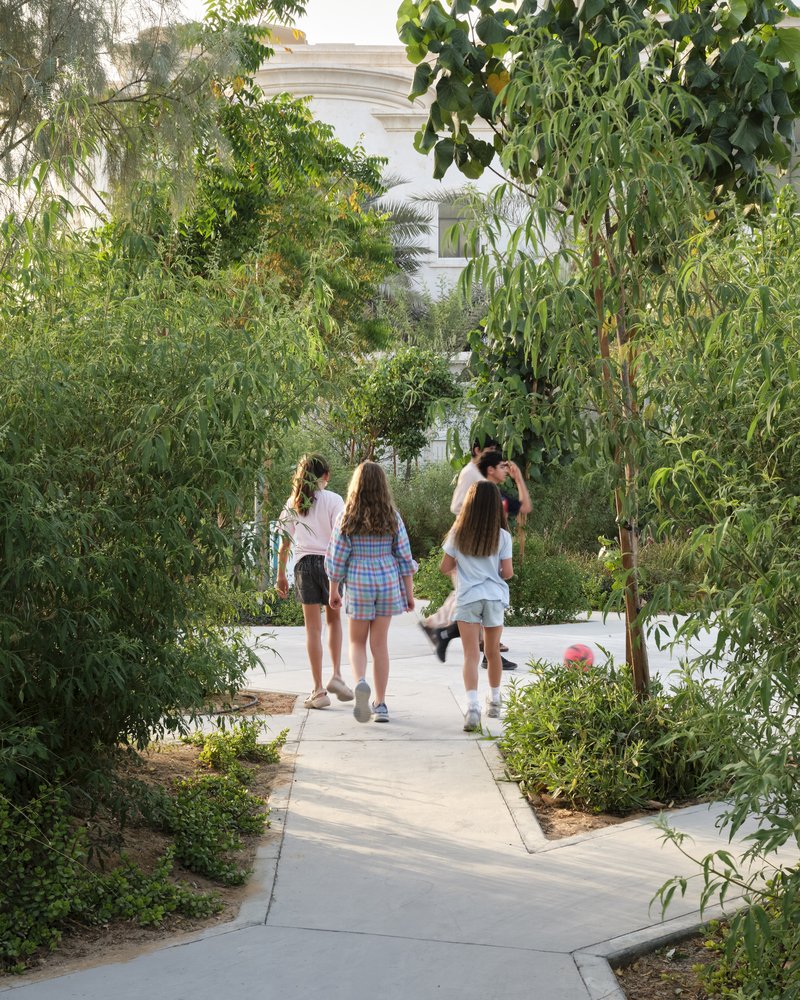
Each park is site-specific, shaped by local ecosystems and community needs. Whether it’s a pocket park nestled into a residential street or a 20,000-square-meter adventure park, the designs are crafted for people to connect, move, and relax close to home. Amenities range from football fields and fitness areas to dog parks and shaded picnic spaces. SLA’s inclusive design process actively involved local communities and tailored each space to its demographic, environmental, and cultural context.
SLIM: Computational Design Meets Ecological Intelligence
A central innovation in the project is SLIM (SLA Landscape Information Modelling), SLA’s in-house computational tool. SLIM integrates advanced digital modeling with ecological and social data, enabling the firm’s multidisciplinary team—comprising landscape architects, ecologists, anthropologists, and horticultural experts—to develop highly efficient, data-driven park designs. The result is not a showcase of flashy architectural statements, but a system of functional, responsive, and accessible parks that improve the quality of urban life.
Parks as Everyday Infrastructure for Wellbeing
Design Principal Rasmus Astrup emphasizes that this project is not about spectacle but about tangible improvements in daily living. In a region facing rising temperatures and environmental stress, these neighborhood parks act as public health infrastructure, encouraging outdoor activity, reducing urban heat, and creating shaded, walkable environments. More than green lungs, these parks are social catalysts, biodiversity boosters, and climate buffers—offering a blueprint for future cities in the Middle East and beyond.
A Scalable Model for the Future
From 1,600-square-meter pocket parks to multi-hectare recreational hubs, the 104 parks vary in scale but share a common ethos: climate adaptation through community-focused, nature-led design. The project demonstrates how cities can embrace green infrastructure not as luxury, but as necessity, reimagining how public space functions in desert climates. Abu Dhabi’s commitment to such a comprehensive and sustainable vision sets a precedent for holistic urban development across the region.
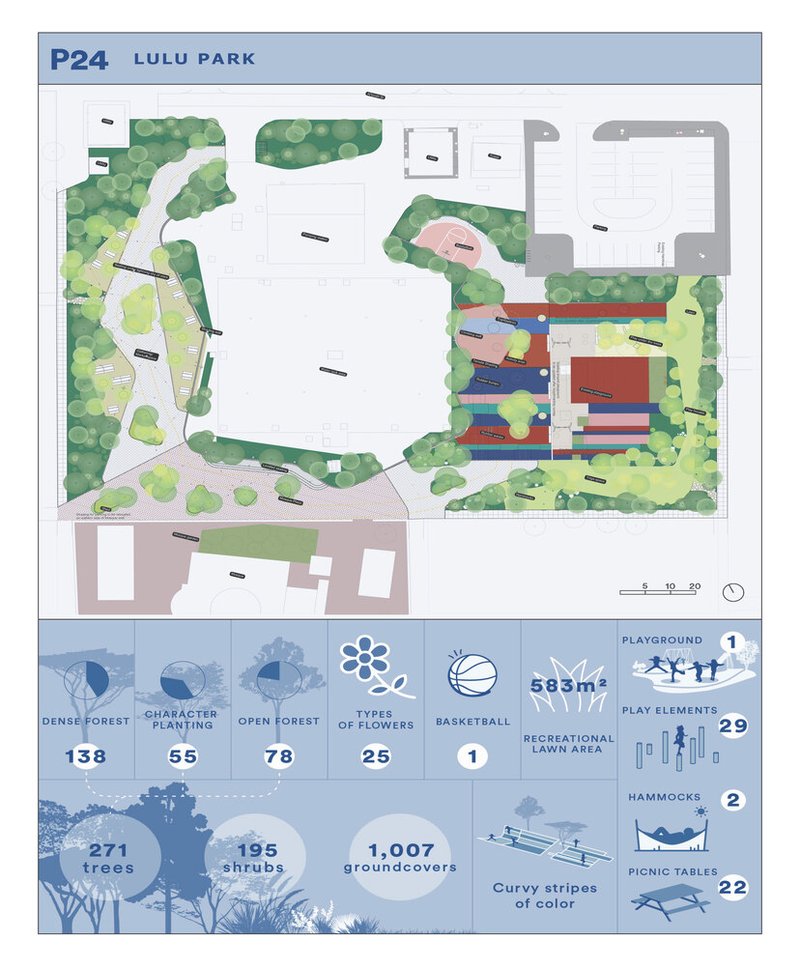
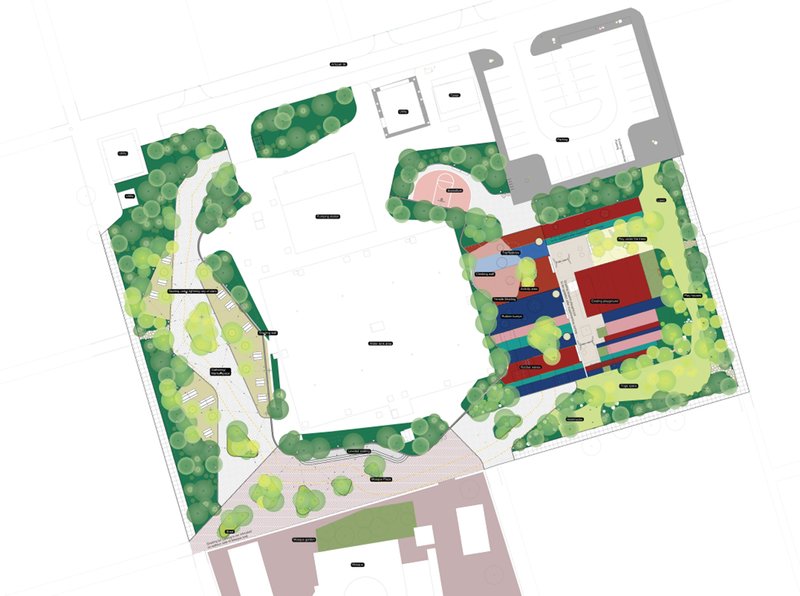
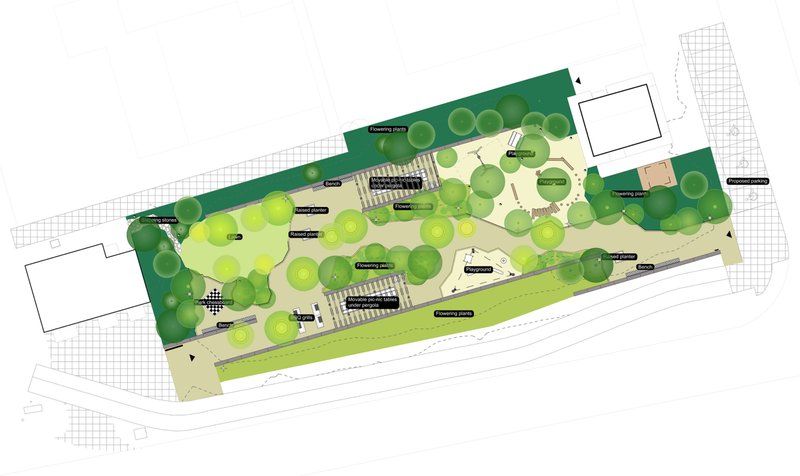
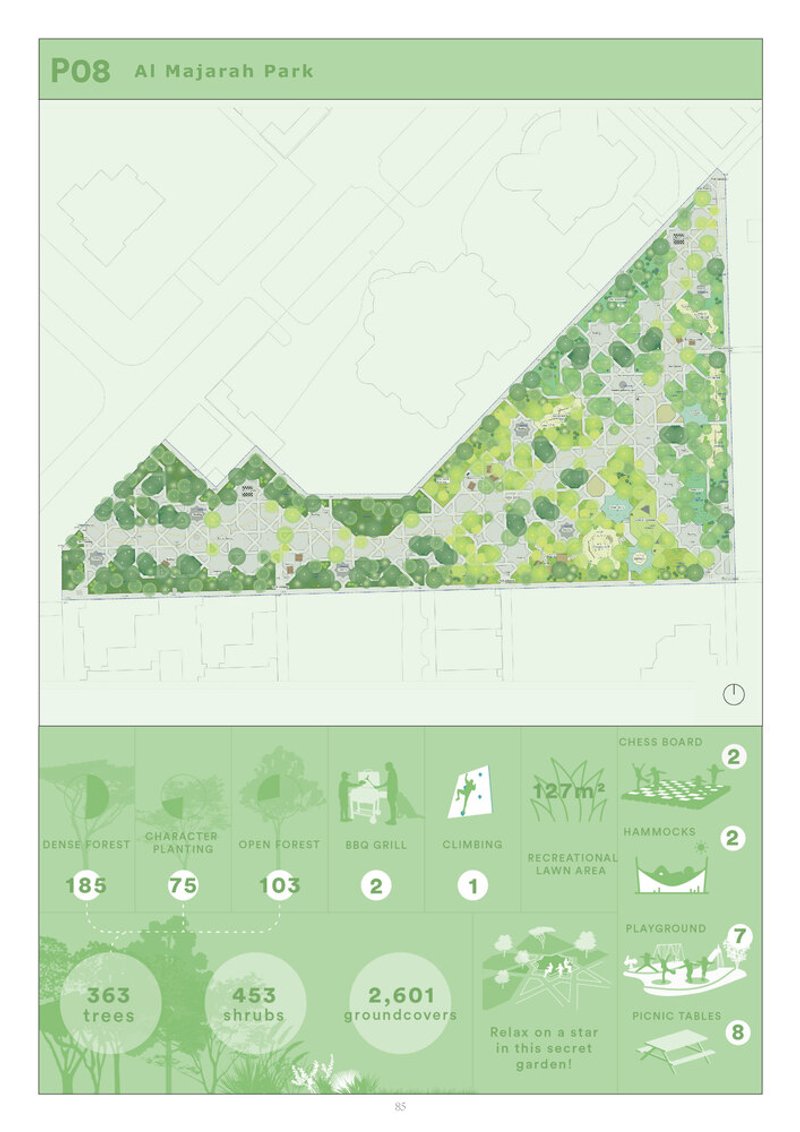
All Photographs are works of Jon Wallis




Popular Articles
Popular articles from the community

Fausto Terán and Toro Fuse Japanese Craft with Mexican Tradition in a Lakeside Retreat
Nakamura House pairs Shou-Sugi-Ban charred pine with handmade clay tile at the foot of Atlangatepec Lagoon in Mexico.

20 Most Popular Office Building Projects of 2025
From biophilic workspaces in India to net-positive energy offices in New Delhi, 20 office building projects that defined architecture in 2025.
3dor Concepts Wraps a Kerala Home in Mirrored Concrete Arcs Around a Courtyard Tree
In the Western Ghats foothills of Thamarassery, a 270 m² single-story house uses two curved volumes to frame nature as its center.
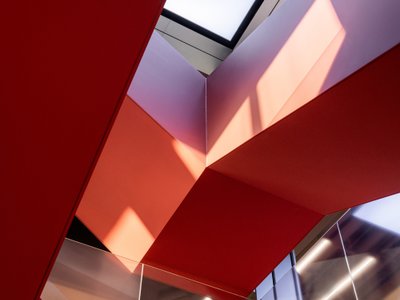
Ippolito Fleitz Group Identity Architects Turn Eight Floors in Shanghai into a Vertical Creative City
Publicis Groupe's new headquarters in Xintiandi reimagines the office as a courtyard-driven urban landscape stacked across eight floors.


Similar Reads
You might also enjoy these articles

CSADI Carves a Jade Blade into the Qinling Mountains for China's First Ecology Museum
A 43,788 square meter terraced museum in Shangluo draws its form from a Xia Dynasty artifact and steps down toward the valley below.
Ippolito Fleitz Group Identity Architects Turn Eight Floors in Shanghai into a Vertical Creative City
Publicis Groupe's new headquarters in Xintiandi reimagines the office as a courtyard-driven urban landscape stacked across eight floors.
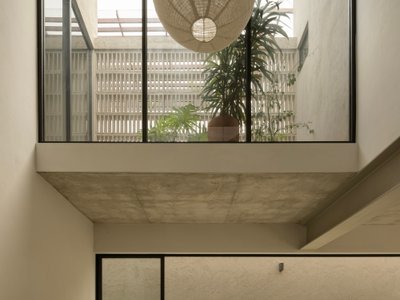
Díaz Webster Arquitectura Carves Light and Air into a Compact Zapopan House
A 237-square-meter residence in western Zapopan uses courtyards and double-height voids to dissolve the boundary between interior and garden.
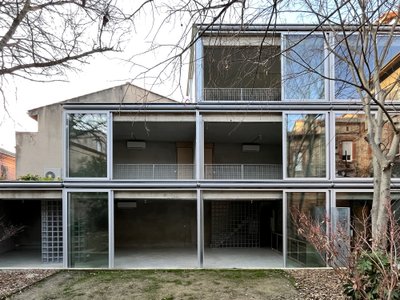
BAST Slots a Four-Story Glass House into a Narrow Gap Between Toulouse Townhouses
In the dense Bonnefoy district, a stepped infill building merges home and office while preserving a majestic hackberry tree.


Explore Architecture Competitions
Discover active competitions in this discipline




The International Standard for Design Portfolios


The Global Benchmark for Architecture Dissertation Awards


The Global Benchmark for Graduation Excellence


Challenge to reimagine the Iron Throne
Comments (0)
Please login or sign up to add comments
No comments yet. Be the first to comment!