

A.C. Pandya Student Activity Center by Abin Design Studio: A Tribute to Education and Innovation
The A.C. Pandya Student Activity Center at IIT Kharagpur blends sustainable design, multifunctional spaces, and cultural tribute to Professor Pandya.


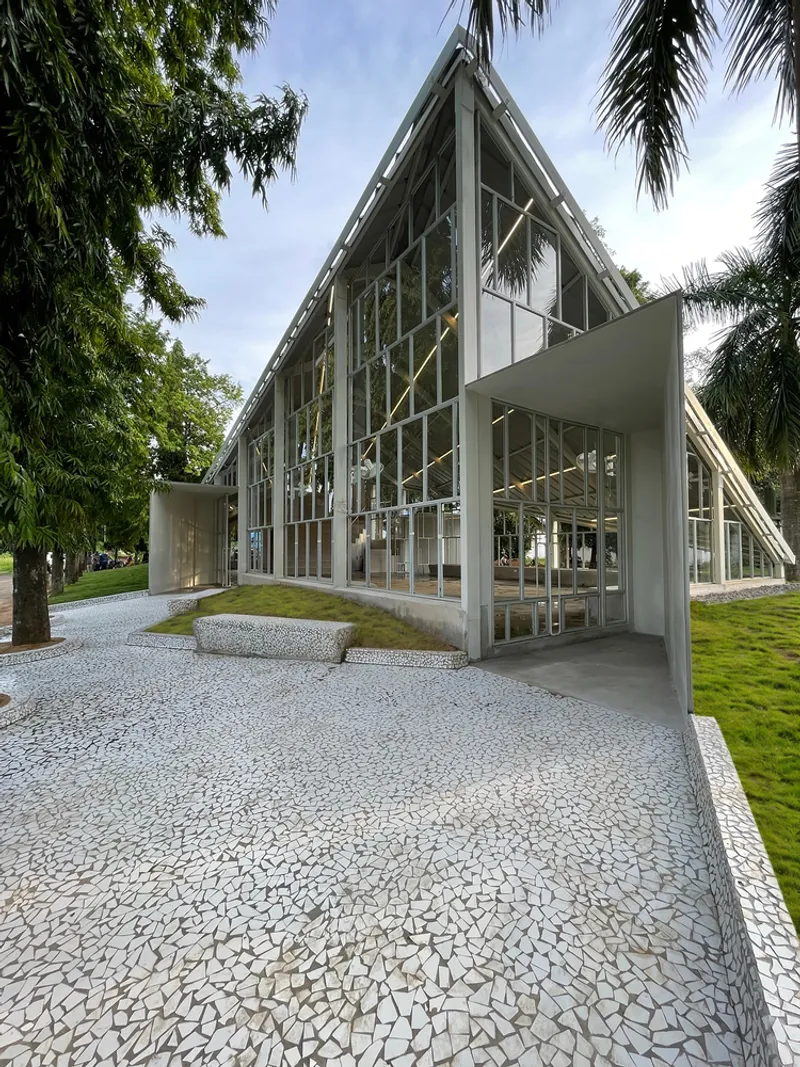
Located on the prestigious IIT Kharagpur campus in India, the A.C. Pandya Student Activity Center designed by Abin Design Studio is a masterful blend of cultural homage, educational functionality, and sustainable architecture. Covering an area of 250 m², this innovative pavilion honors the remarkable legacy of Professor A.C. Pandya, whose modest lifestyle and dedication to teaching in a simple village hut inspired the conceptual transformation from a traditional 'hut' to a contemporary pavilion.
Design Concept: From Hut to Pavilion
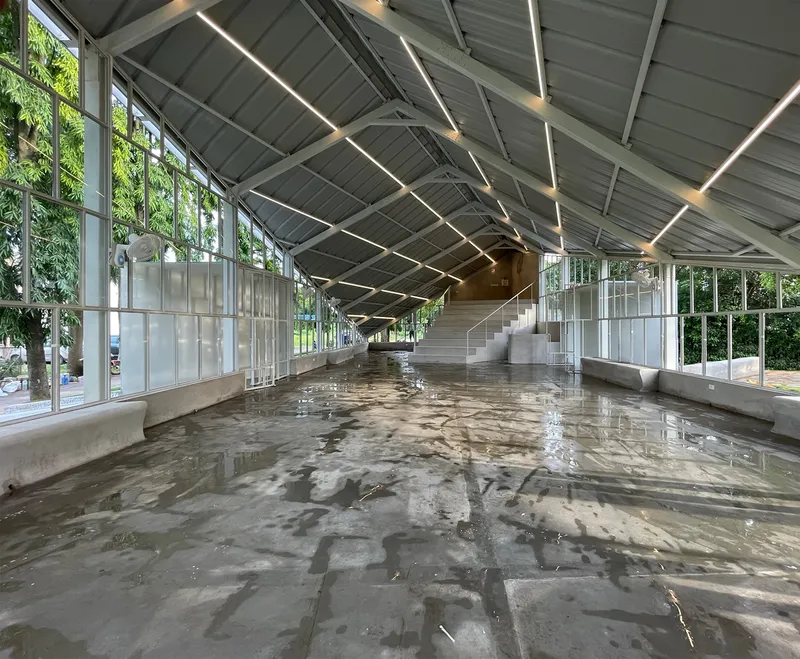
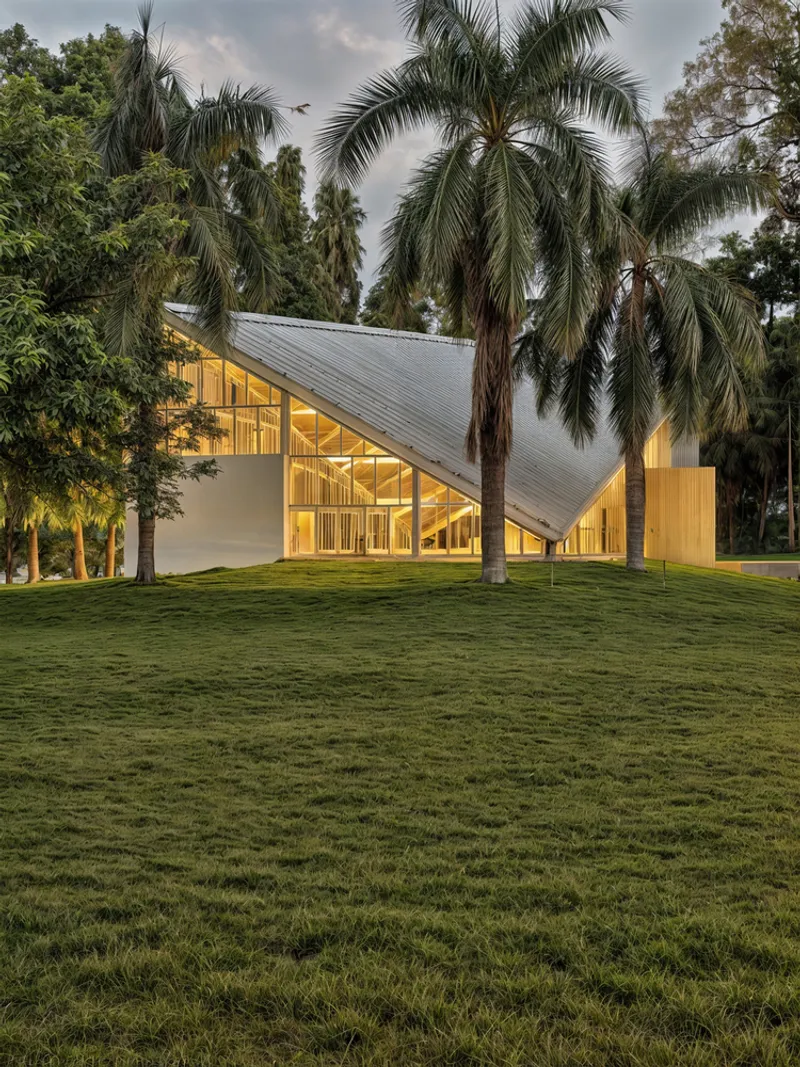
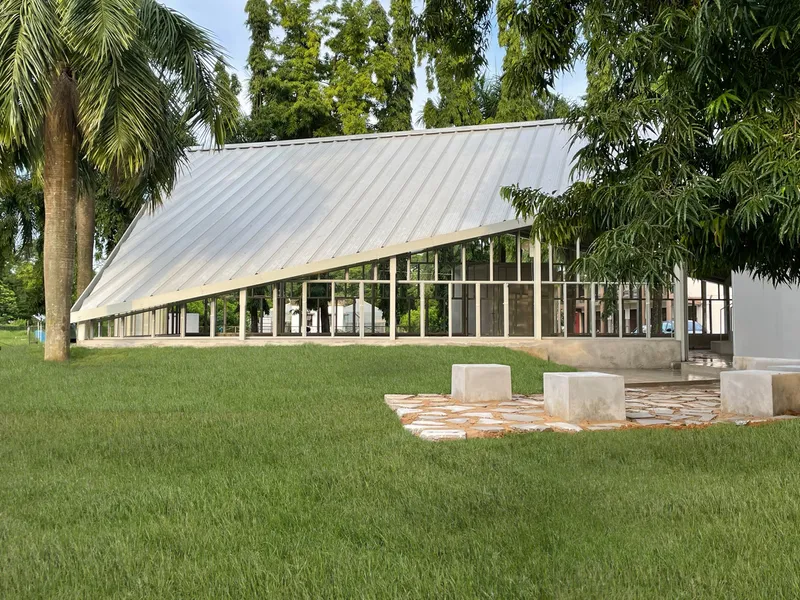
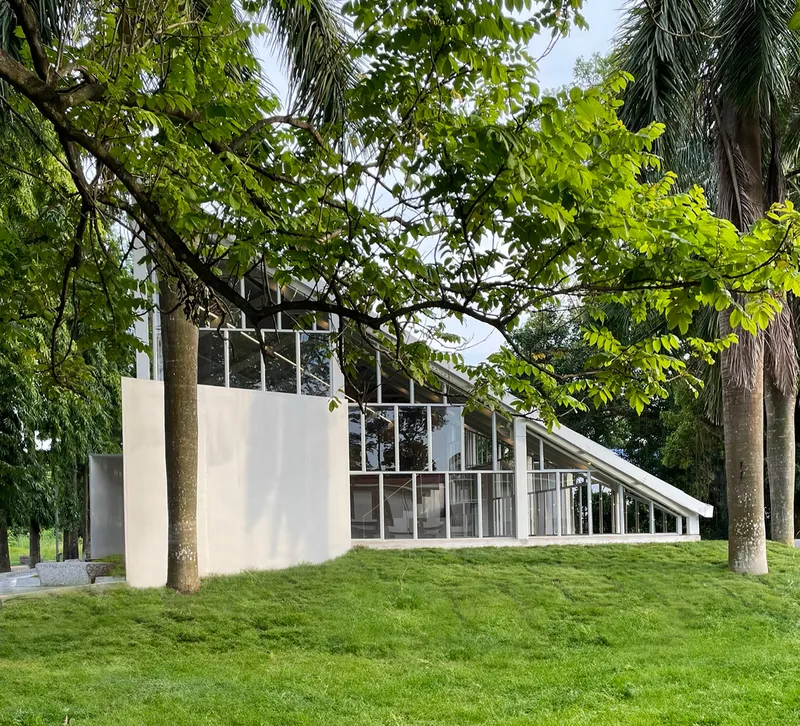
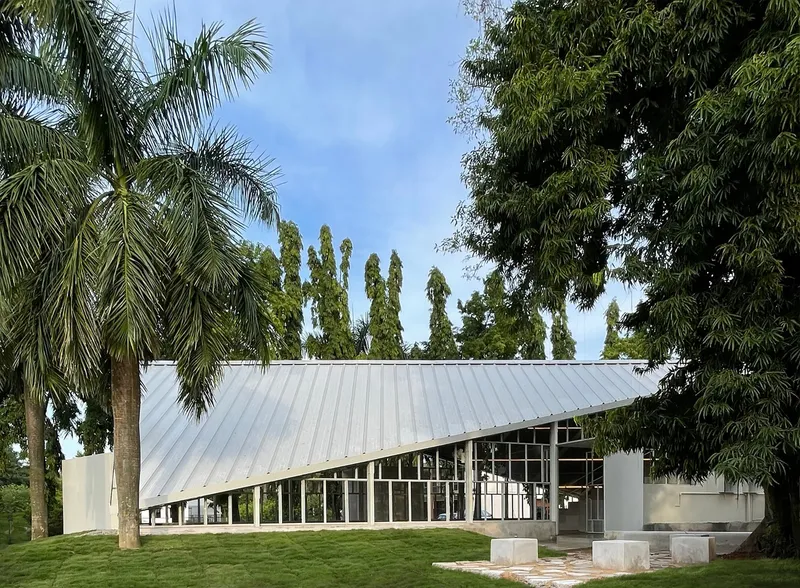
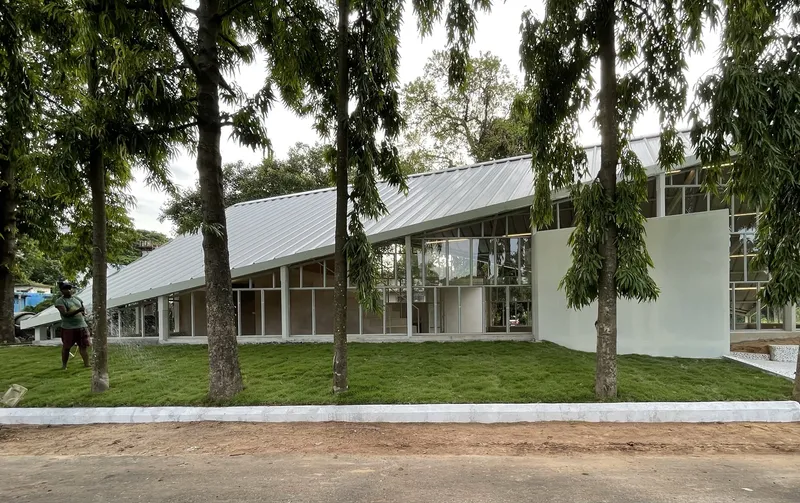
The pavilion’s design is deeply symbolic, reflecting Professor Pandya’s grounded and unpretentious personality. The traditional sloping roof has been reimagined by extending its ridge line diagonally to the ground, creating a striking visual narrative that conveys humility and connection to the earth. Constructed with a lightweight M.S. framework, the structure combines modern materials with vernacular inspiration, allowing it to resonate with both contemporary and traditional architectural sensibilities.
Architectural Features and Sustainable Design
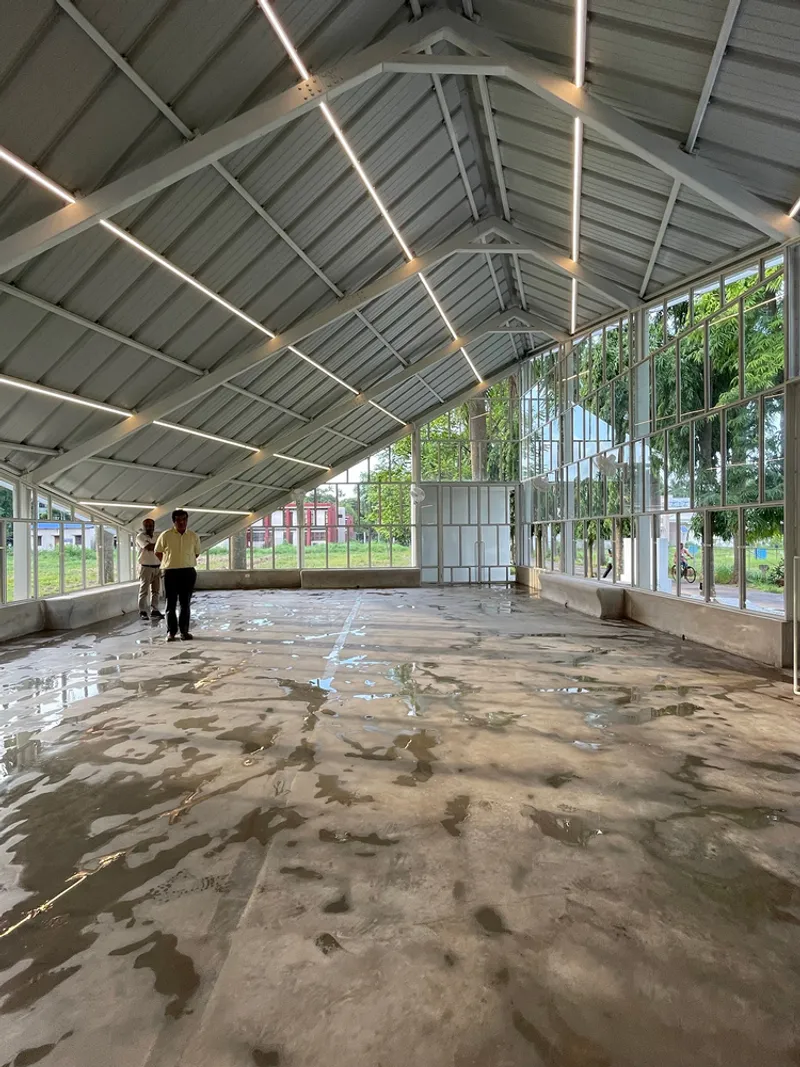
The pavilion’s facade integrates metal mesh and glass, balancing natural light optimization, ventilation, and protection against monsoon rains. Internally, the space is meticulously designed for multifunctional use, hosting cultural events, student gatherings, and educational activities. Elevated ground sections create tiered seating while concealing essential facilities such as pantries and restrooms beneath the steps.
Sustainability is a core principle of the design. The expansive roof accommodates solar panels, providing renewable energy to meet the pavilion’s electrical needs. Natural ventilation ensures a comfortable indoor environment year-round, eliminating reliance on air conditioning and enhancing the building’s energy efficiency.
Functionality and Campus Impact
Beyond its architectural elegance, the A.C. Pandya Student Activity Center serves as a vibrant hub for student interaction, learning, and creativity. By combining practical functionality with symbolic design, the pavilion sets a benchmark for educational architecture, inspiring similar projects in academic institutions nationwide to honor socially impactful figures like Professor Pandya.
Materials and Construction
- Structure: Lightweight M.S. framework
- Facade: Metal mesh and glass for optimal lighting and ventilation
- Roof: Solar panels for sustainable energy generation
- Interior Layout: Multipurpose seating and activity areas, integrated facilities
Legacy and Cultural Significance
This pavilion goes beyond being just a functional space—it is a tribute to educational values, humility, and sustainability, encapsulating the spirit of Professor Pandya while fostering a collaborative and engaging environment for students. Its thoughtful integration of modern architecture and cultural homage makes it a landmark example of how educational spaces can honor legacy while meeting contemporary needs.


Popular Articles
Popular articles from the community


Wave 'Coral': Four Perforated Canopies Bring Human Scale to a Monumental Plaza
A wavy lattice shell repeated four times around an obelisk, turning a vast paved square into pockets of shade, planting and places to sit.


Dominique Coulon & associés Backs a Media Library and Music School Against an Ochre Cliff in Sarlat
In Sarlat-la-Canéda, a fragmented earth-toned media library carves a reading lounge into rock and turns old factory offices into a music school.

Madras Spaces Turns a Tight Rural Plot near Tiruchirappalli into an Inward-Looking Courtyard House
A 92 m² farmhouse in V. Thuraiyur, Tamil Nadu, built from load-bearing brick and reclaimed tile, that hides its openness behind a perforated wall.

Minqa Atelier Steps a 53 m² Teak Refuge Down a Forested Slope in Ecuador's Chocó
In Pedro Vicente Maldonado, Ecuador, stepped teak platforms on river-stone gabions let a small forest house follow the hillside instead of flattening it.

Similar Reads
You might also enjoy these articles

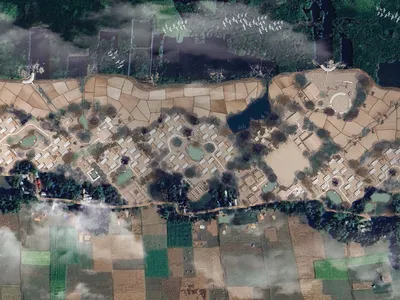
Hodi-Mandai Geram
Project Function: Preservation and revitalization of the Intangible heritage and socio-spatial identity of the Hodi by Housing, Cultural Memory Center, Sacred Grove, landscape, local tourism economy

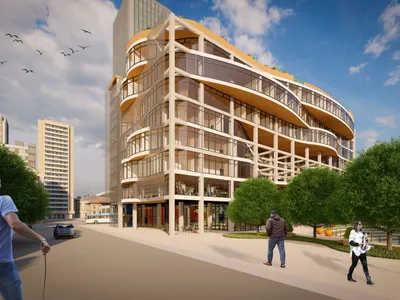
Olio Towers: A Mid-Rise for Performers That Fuses Housing, Rehearsal, and Stage
Located blocks from Houston's Theater District, this modular tower stacks living units around a central performance atrium.

Oasis: Modular Green Housing Carved into Dhaka's Urban Fabric
A shortlisted Plugin Housing entry reclaims unauthorized settlements in Dhaka with stepped concrete volumes, green roofs, and ventilation-driven design.

Black Hole: A Floating Megastructure for the Post-Physical Era
Emiliano Mazzarotto envisions a spherical, self-scaling arena where e-sports, digital hotels, and holographic stadiums replace traditional public space.

Explore Academic Building Competitions
Discover active competitions in this discipline

Submit a world, not a render

Studio work deserves a jury

The International Standard for Design Portfolios

The Global Benchmark for Architecture Dissertation Awards
Comments (0)
Please login or sign up to add comments
No comments yet. Be the first to comment!