
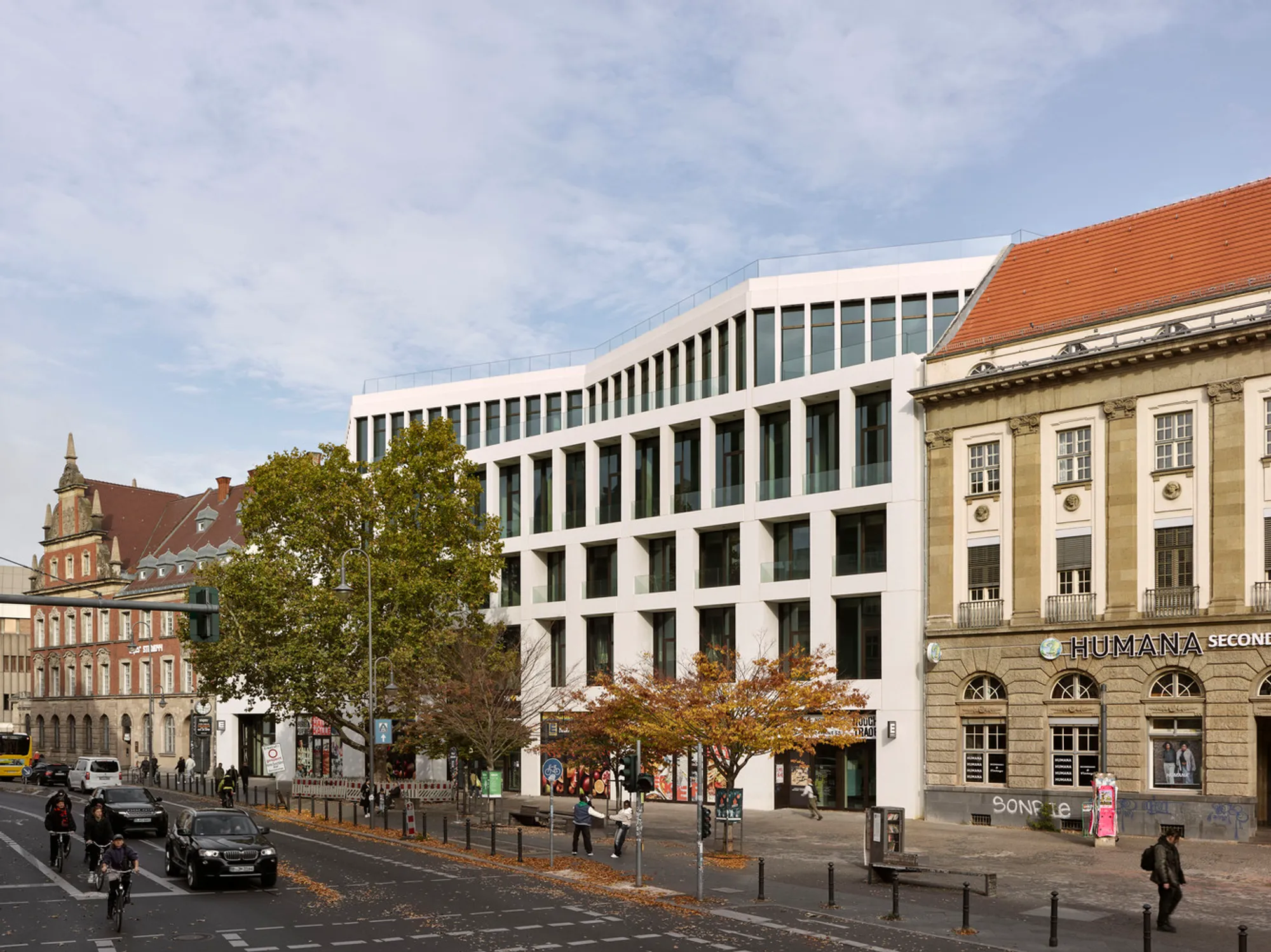
Adaptive Reuse of Department Stores: Kalle Neukölln by Max Dudler Transforms Berlin Landmark
This project explores the adaptive reuse of a Berlin department store into a vibrant hub for culture, work, and urban renewal.


Rethinking Retail Architecture for a Sustainable Urban Future
In the heart of Berlin’s Neukölln district, the once-forgotten Quelle department store has been radically transformed through the adaptive reuse of department stores. Designed by architect Max Dudler and developed by MREI, the project breathes new life into a brutalist megastructure from the 1970s, creating a vibrant urban center for culture, work, and community engagement. Now known as Kalle Neukölln, this architectural transformation demonstrates a visionary approach to urban regeneration and climate-conscious design.


Preserving Embodied Energy Through Architectural Revitalization
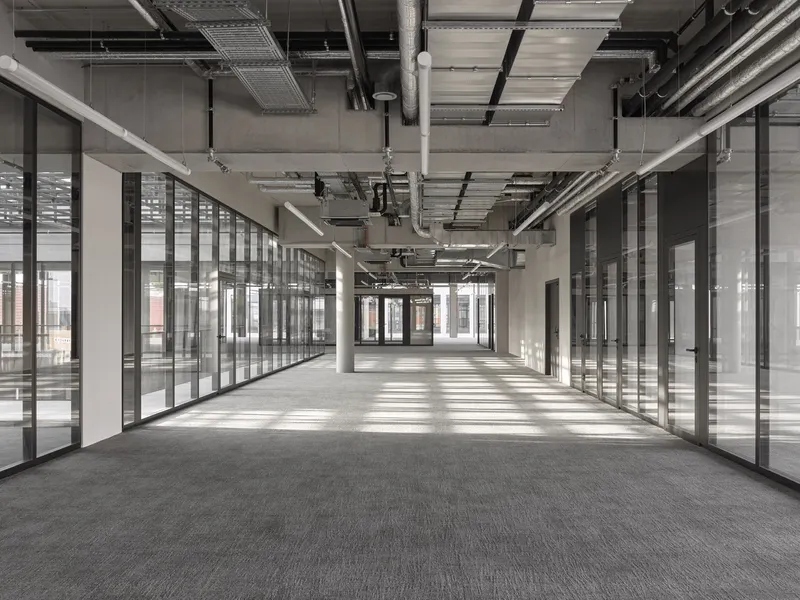
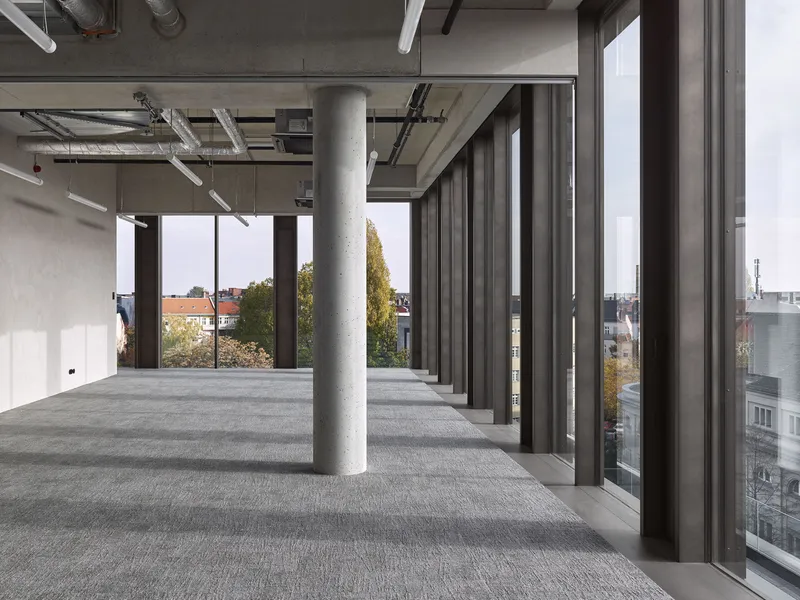
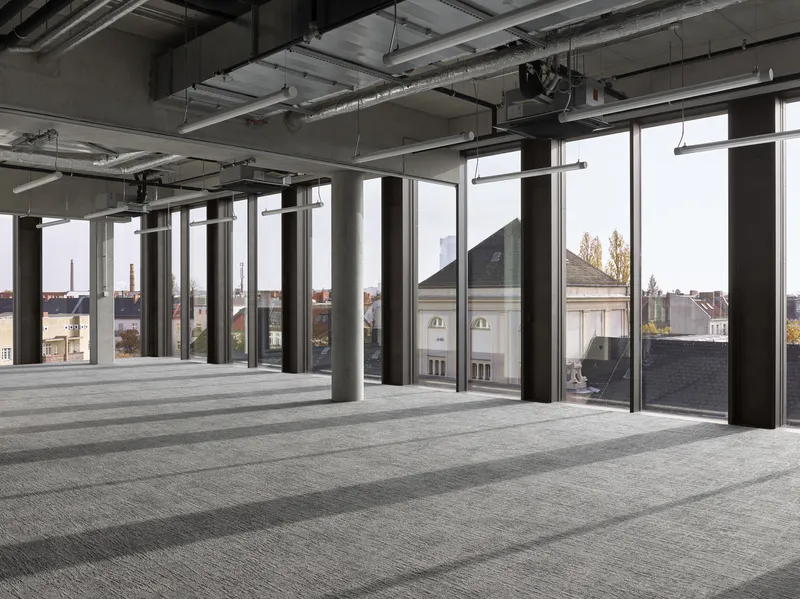
Rather than demolishing the massive concrete structure, the project adheres to the principle of “rethinking instead of demolishing.” This design philosophy prioritizes the retention of embodied energy and the monumental structure's original concrete frame. Spanning over 40,000 m², the reuse of the building significantly improves its carbon footprint compared to a new build, serving as a sustainable model for future urban projects. The original 24-meter concrete spans are preserved and showcased, emphasizing the building’s brutalist heritage while integrating new functions.
A Multifunctional Urban Hub for Berlin's Creative Community
The revitalized complex comprises 26,000 m² of office space, 4,000 m² of retail, a 6,000 m² indoor market hall, and 4,000 m² of rooftop gardens. This layered program integrates workspace, commerce, leisure, and cultural programming to attract diverse users and invigorate the surrounding urban fabric. From basement to rooftop, every level of the building is activated, reimagining the site as a vertical urban village. The Kalle Neukölln complex is now home to institutions like CODE University, SoundCloud, and startup accelerators like Delta, reflecting the area’s thriving creative ecosystem.
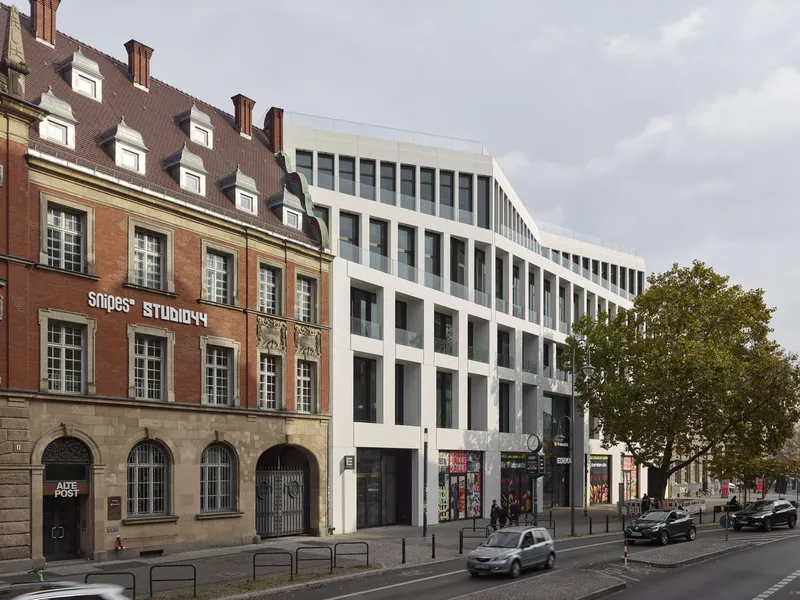
Architectural Dialogue Through Contrasting Facades
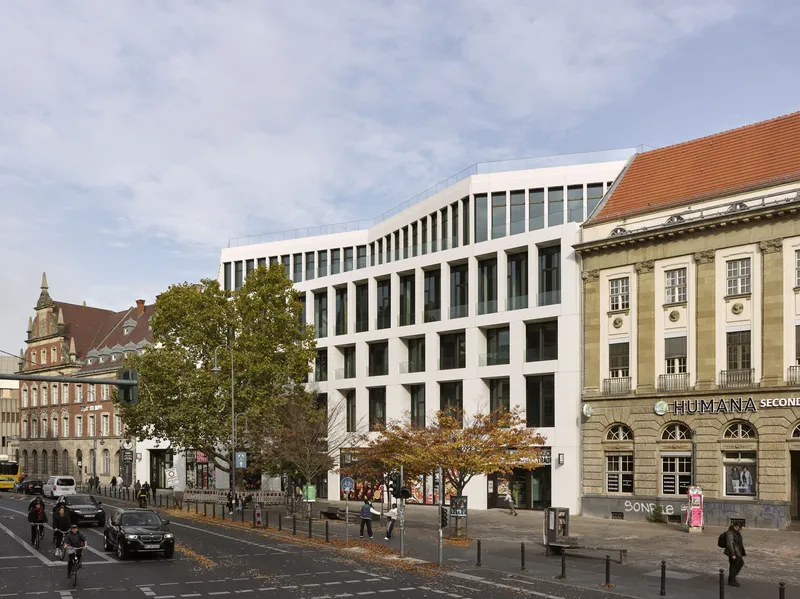
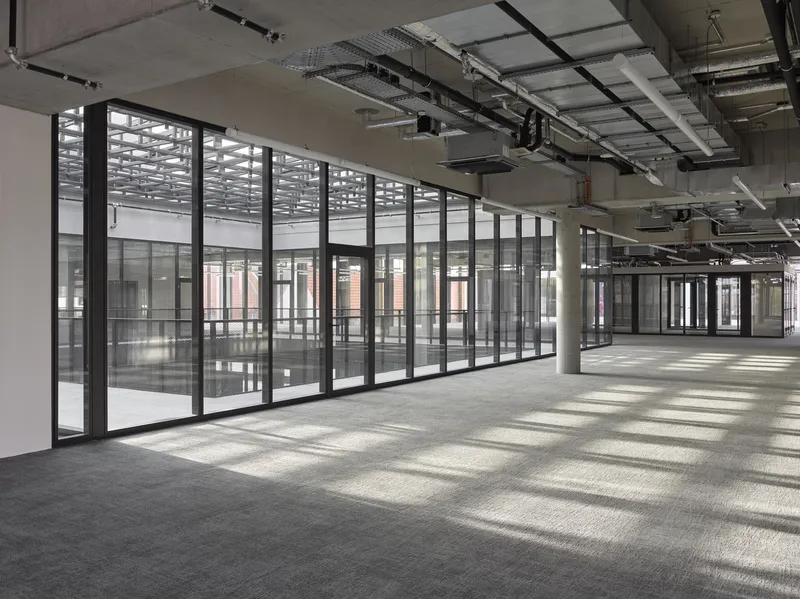
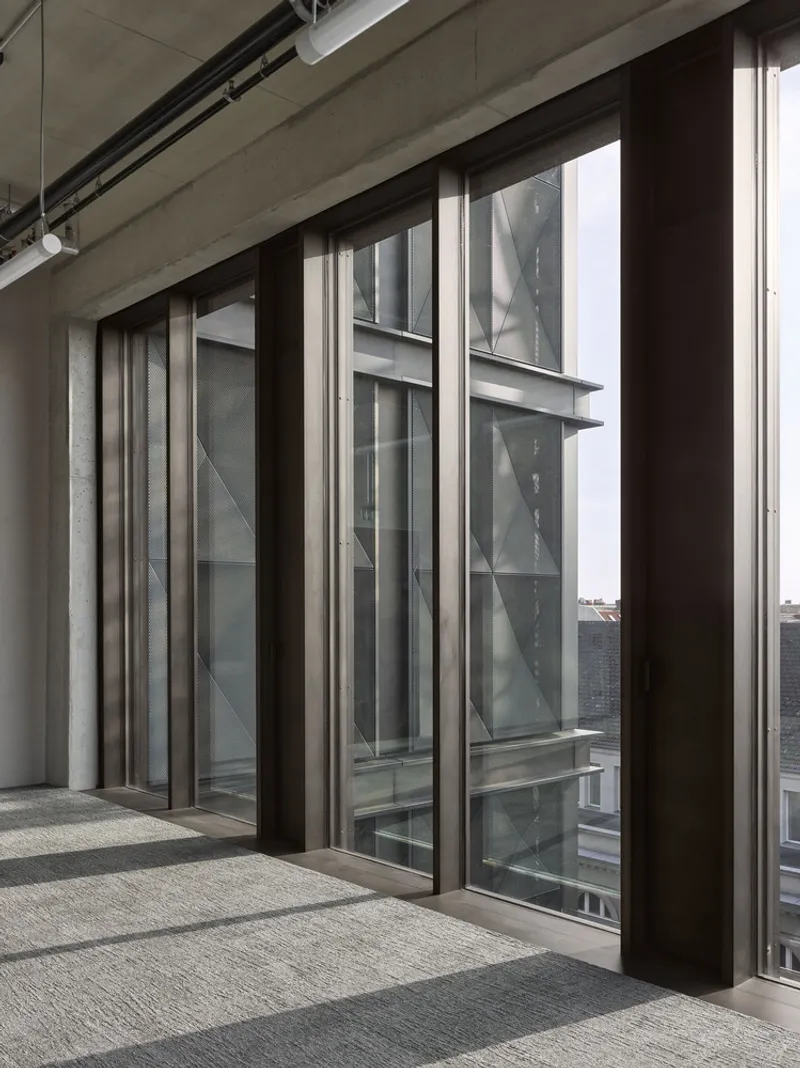
Max Dudler’s redesign distinguishes between two primary volumes: the Karl-Marx-Straße side features a refined, bright stone loggia, while the former parking garage along Ganghofer Straße is clad in bronze-colored metal panels. The intervention is both respectful and expressive, integrating the building into its urban surroundings while marking its renewal. A former spiral ramp has been converted into a new “Winter Garden,” a public event space linking the two wings and serving as a venue for local festivals and exhibitions.
Rethinking the Future of Urban Retail Spaces
Kalle Neukölln stands as a compelling example of how outdated retail infrastructure can be reimagined to meet the demands of contemporary urban life. As department stores around the world lose their relevance, the Berlin model proposes a scalable and inclusive solution. The project not only preserves architectural value and environmental resources but also reintroduces a sense of place through public engagement and multipurpose design.

Collaboration and Cultural Integration
Successful adaptive reuse projects require more than architectural vision—they demand social and political collaboration. Realace initiated the concept, and Max Dudler refined it with input from local stakeholders. The transformation included careful planning around usage types, mobility strategies, and neighborhood integration. The active participation of community groups and temporary programming, like the “48h Neukölln” art festival, has cemented the site as a dynamic node of cultural activity and urban interaction.


A New Urban Identity for Karl-Marx-Straße
Kalle Neukölln redefines Karl-Marx-Straße as a lively urban boulevard. By merging cultural spaces with entrepreneurial hubs, the project generates a new rhythm for daily life in the neighborhood. It speaks to the potential of architecture not only to reuse buildings, but also to rejuvenate entire districts. Through thoughtful adaptive reuse, Max Dudler’s intervention brings forth a new typology for city centers—one rooted in history, flexibility, and sustainability.
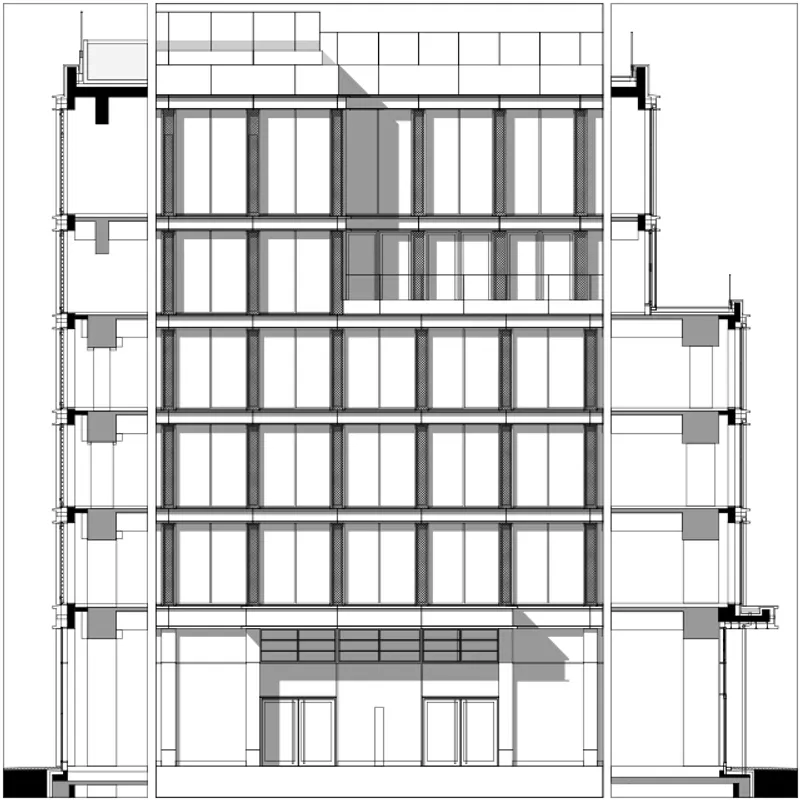
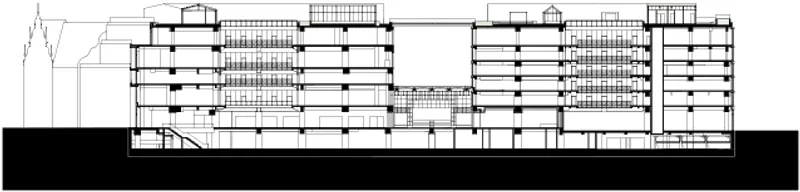
All photographs are works of Stefan Mueller




Popular Articles
Popular articles from the community


Co-life: Sustainable Architecture for Age-Friendly Community Living
Co-life reimagines sustainable architecture for seniors through courtyards, rammed earth, shared gardens, and spaces designed for belonging.

Riyadh For All: Intergenerational Urban Design for Active Aging in Rabat
Riyadh For All reimagines urban design in Rabat with intergenerational co-living, adaptive courtyards, and Moroccan cultural exchange today.

Lunar Spiral: Space Architecture Shaped by the Mathematics of the Universe
Lunar Spiral reimagines space architecture through Fibonacci geometry, lunar regolith, levitating habitats, and self-sustaining Moon living.

Hill & Cross Opera: Sculptural Opera House Architecture Shaped by Tallinn’s Landscape and Identity
Hill & Cross Opera reimagines opera house architecture in Tallinn through its sculptural hill, civic plaza, glass wave and a luminous cross.

Similar Reads
You might also enjoy these articles

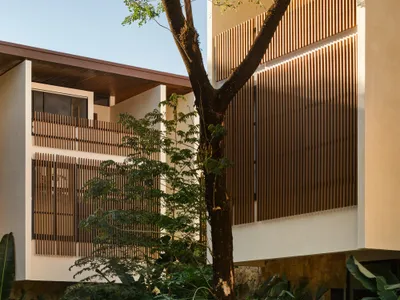
FAMM Arquitectura Organizes Ten Villas Around Courtyards and Jungle in Nosara, Costa Rica
El Molino pairs two elongated volumes with deep overhangs and timber louvers to build a compact coastal community five minutes from the beach.
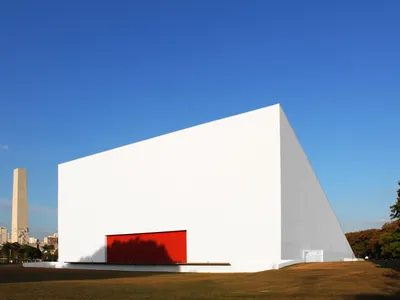
Oscar Niemeyer's Ibirapuera Park Pavilions Define São Paulo's Cultural Identity in Concrete and Curve
A constellation of modernist volumes set within São Paulo's most important urban park, conceived for the city's 400th anniversary in 1954.
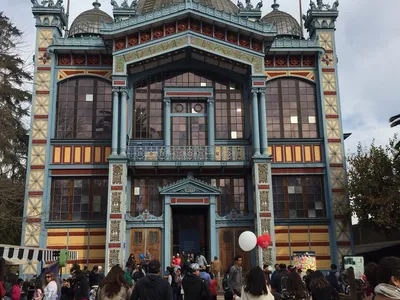
How Henri Picq's 1889 Paris Pavilion Traveled 11,000 Kilometers to Become Santiago's Artequín Museum
A prefabricated iron and glass pavilion built for the Paris Universal Exposition found a second life as a children's art museum in Chile.
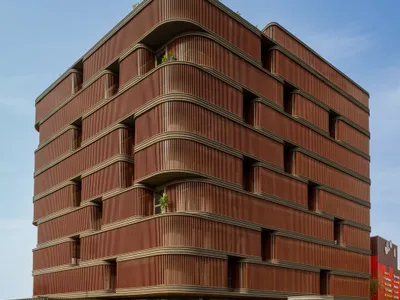
Sanjay Puri Architects Wraps a Jaipur Office Tower in Capsule-Shaped Green Buffers
A nine-level climate-responsive workplace near Jaipur Airport uses stacked planter terraces and aluminium screens to fight 40°C heat.


Explore Architecture Competitions
Discover active competitions in this discipline



Challenge to reimagine the Iron Throne


Photograph architecture without architects


Illustrate the lost glory of Angkor Wat - Render Challenge


Design challenge to reuse E-waste
Comments (0)
Please login or sign up to add comments
No comments yet. Be the first to comment!