
Adaptive Reuse Office Architecture: Astroscale US Headquarters by Neoera
A historic train depot becomes Astroscale's futuristic HQ through adaptive reuse office architecture blending heritage, innovation, and cultural identity.

A Space Industry Pioneer in a Historic Structure
Astroscale’s new U.S. headquarters in Denver is a stellar example of adaptive reuse office architecture that redefines workplace design in the space industry. Designed by Neoera, a women-led architecture firm based in Denver, the project transforms a 1910 industrial train depot into a vibrant, collaborative, and thematically rich environment for a company focused on space sustainability.
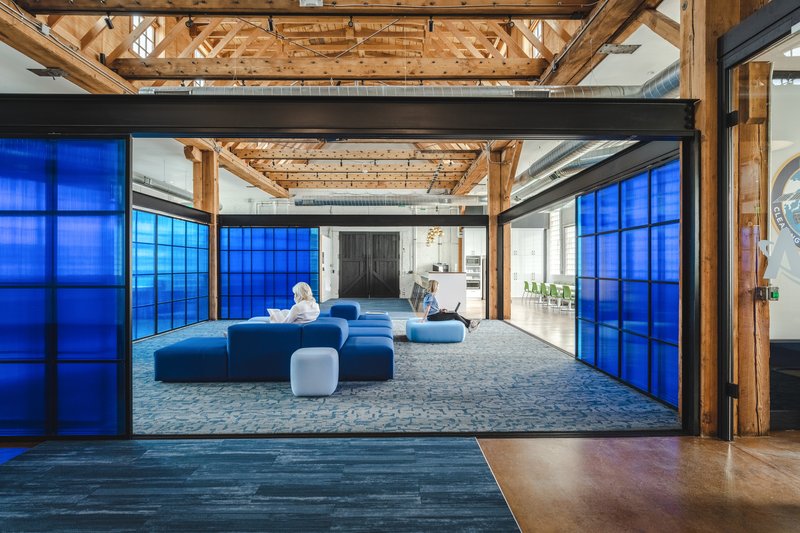
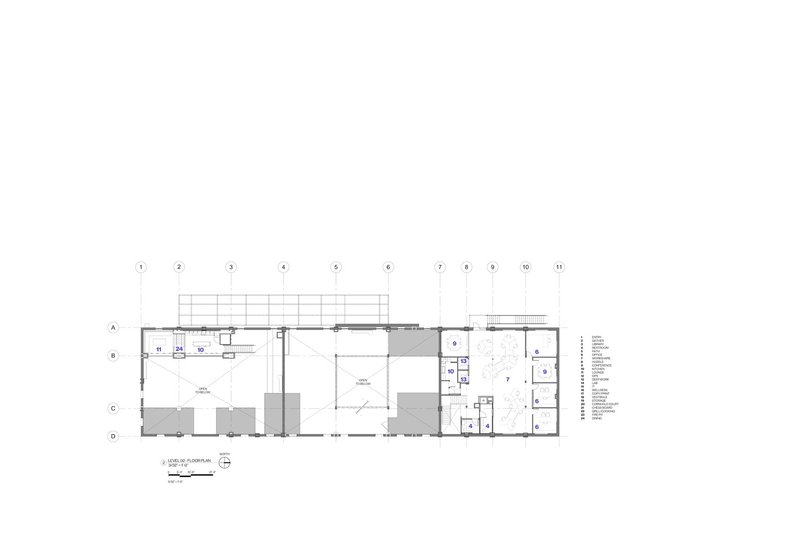
The 13,500-square-foot space merges innovation with history, offering a workplace that simultaneously respects its architectural heritage and embodies the futuristic vision of Astroscale. Located in Denver’s South Broadway district, the design maintains the original heavy timber and masonry of the historic depot while integrating modern spatial strategies and materials that speak to the company’s mission and cultural roots.
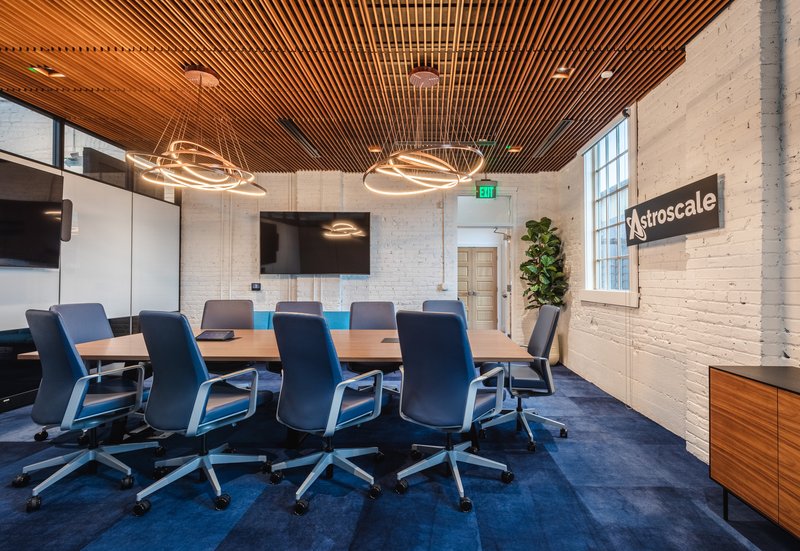
Merging Japanese Culture with Space Innovation
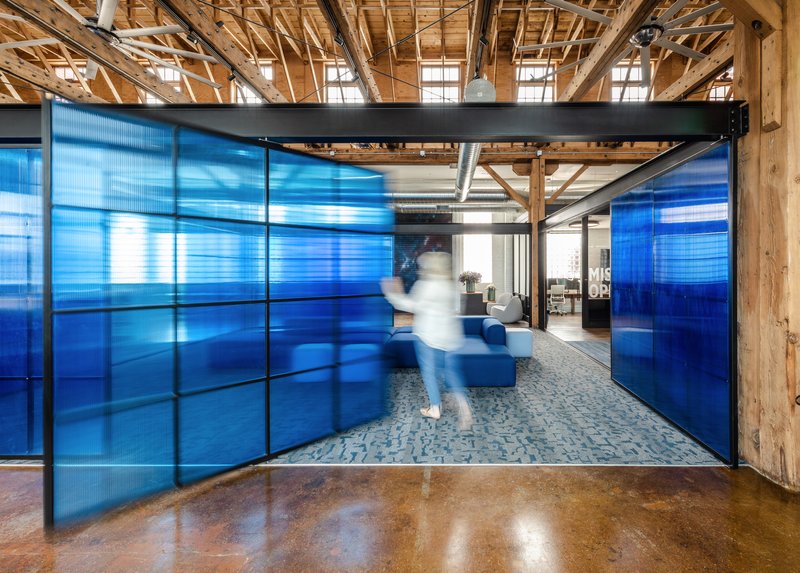
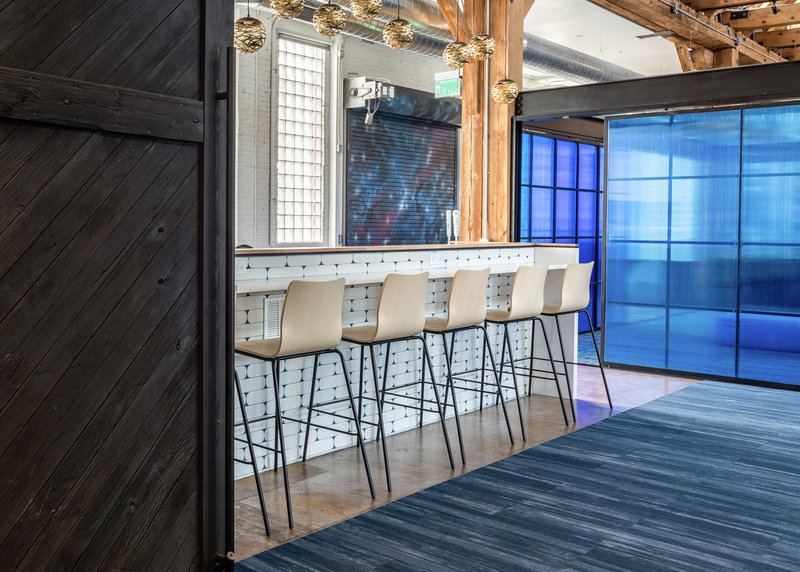
Neoera’s design draws clear inspiration from Astroscale’s Japanese origins. Pivoting and sliding Shoji screens made from translucent blue polycarbonate create flexible communal and presentation spaces while evoking traditional Japanese design principles. These screens serve as spatial dividers that allow for adaptable environments, reflecting both cultural sensitivity and functionality.
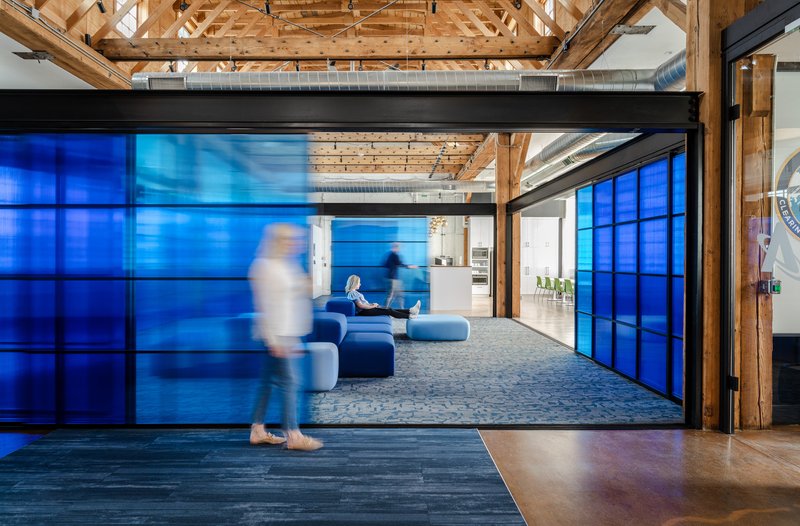
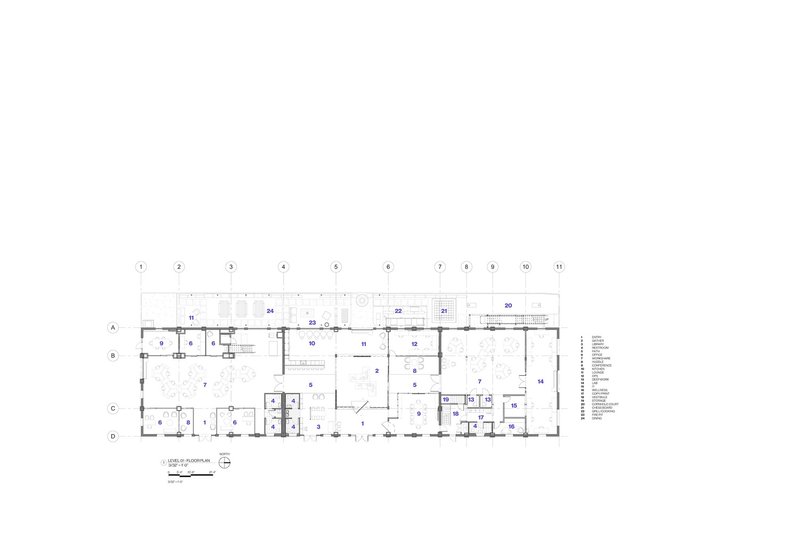
The office layout also takes cues from satellite structures. The central bay serves as a metaphorical control hub, echoing the operational core of a satellite. It houses vital community functions including a kitchen, library, Mission Operations room, and boardroom. The north and south wings—designed as the “solar panels” of the layout—provide workspace infused with thematic identity and character.
Thematic Zones and Community-Driven Design
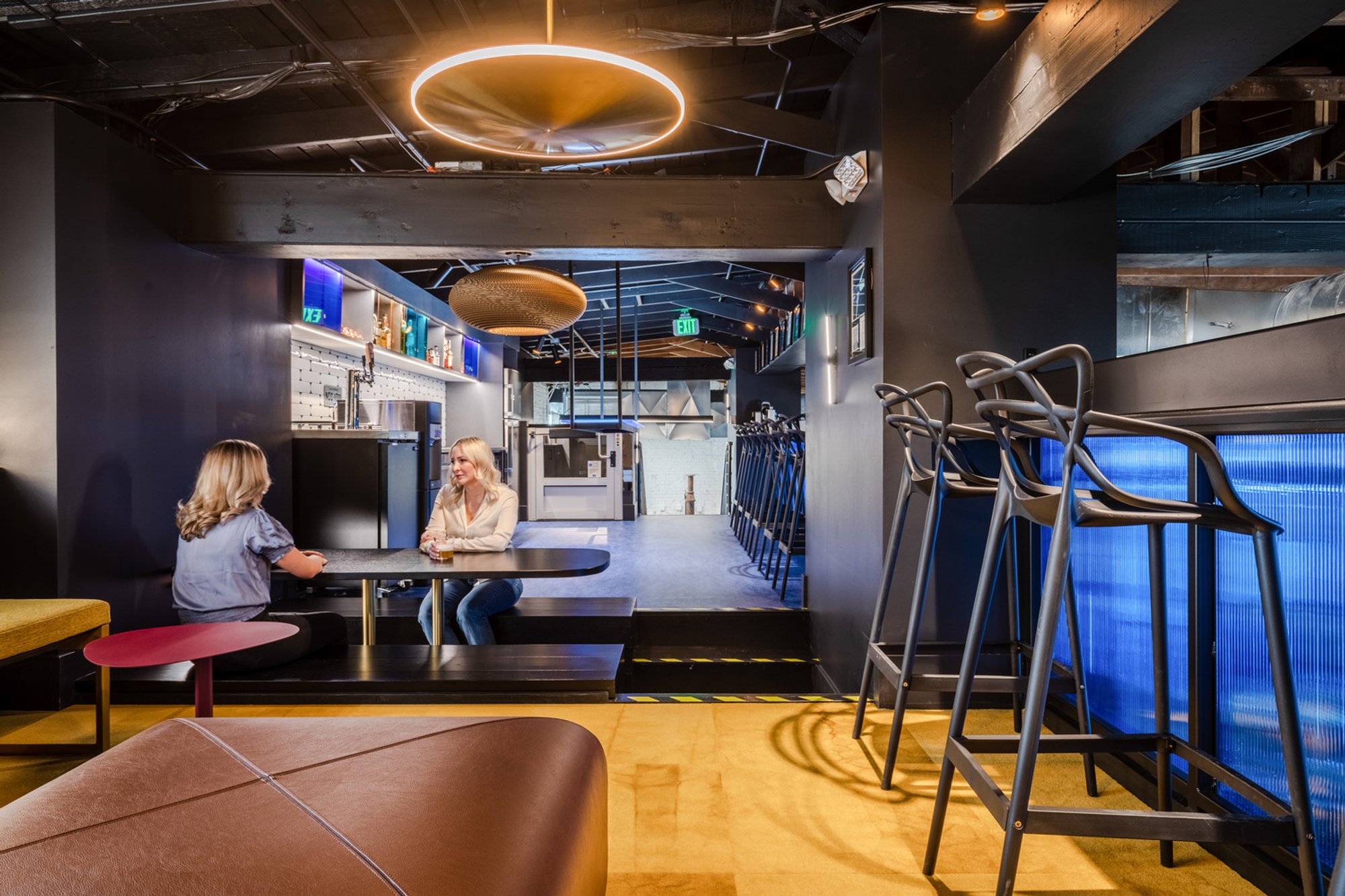
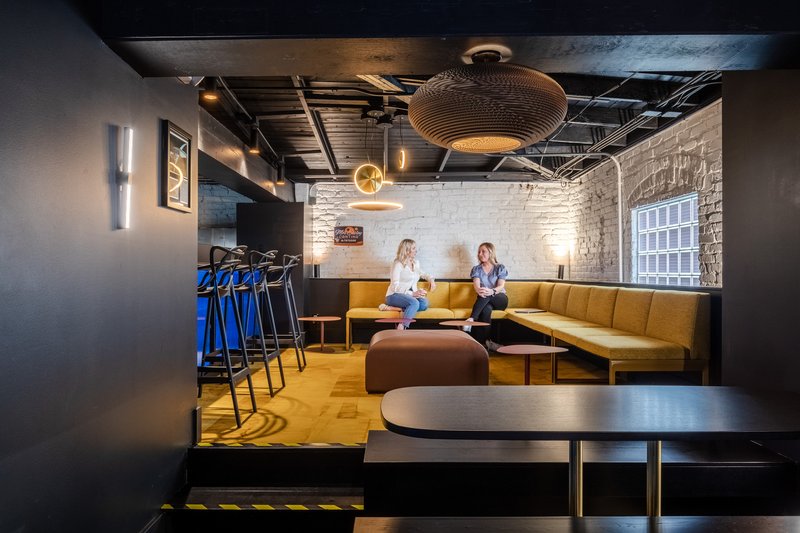
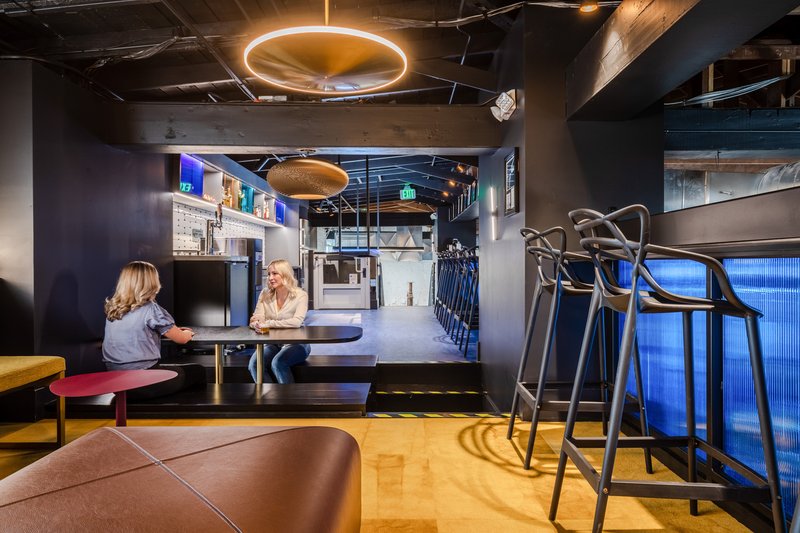
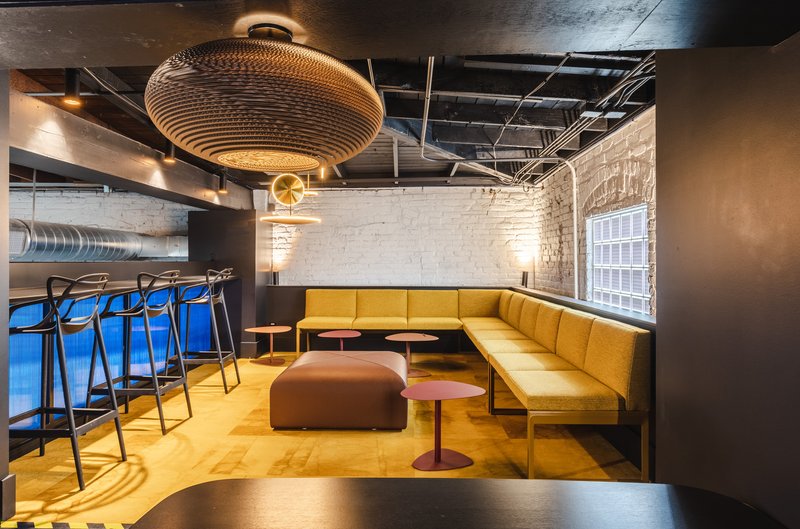
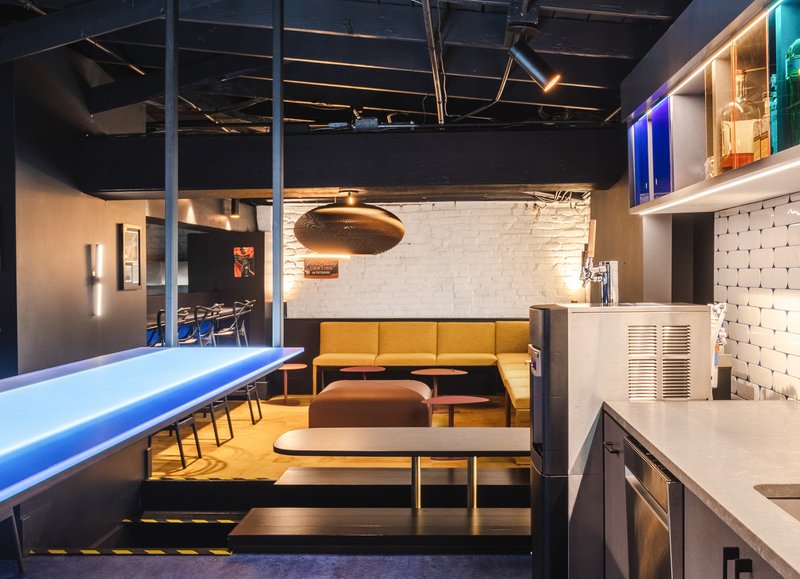
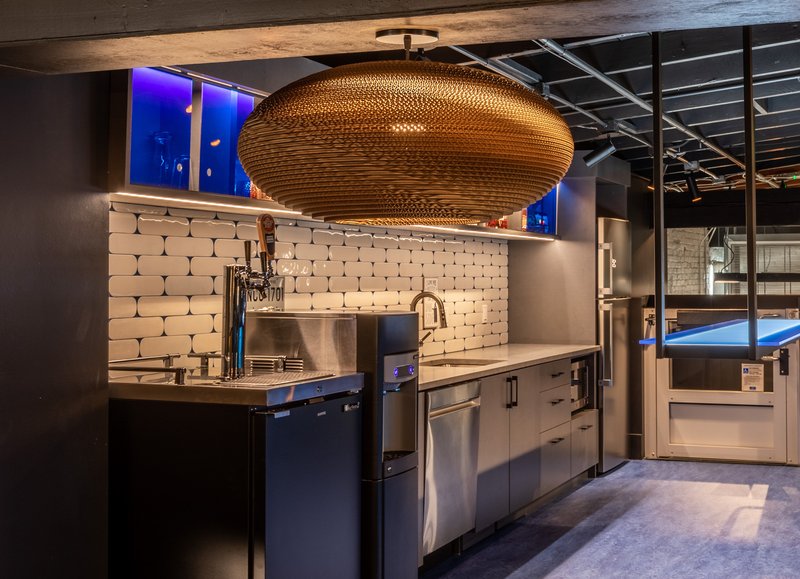
Astroscale’s headquarters is more than a workplace—it is a cultural and experiential environment. Each section is tailored to enrich employee engagement and inspire creativity. In the north and south bays, private and open offices are enhanced with science fiction themes: a Star Trek-inspired cocktail bar and a Star Wars-themed lounge offer playful and immersive zones for relaxation and informal collaboration. These are centered around a sunken dining area that anchors communal interaction.
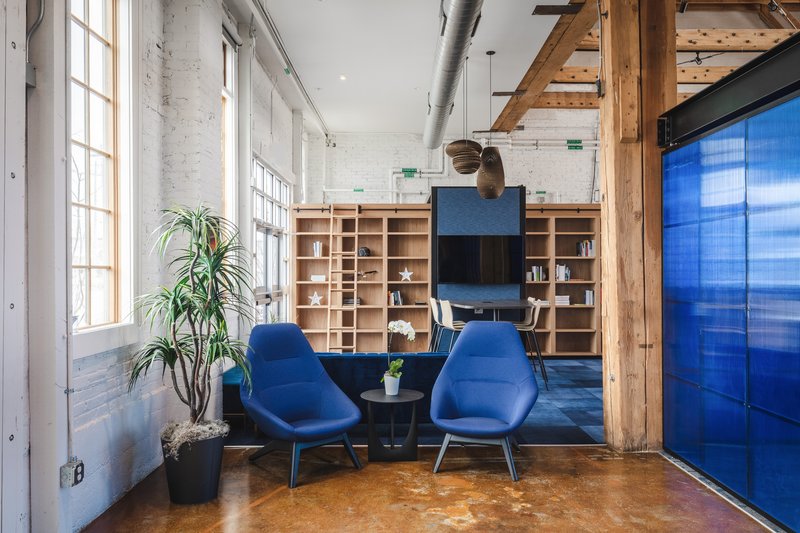
In the central bay, openness and light define the heart of the space. This area is designed to foster a sense of community through shared experiences—whether it’s over coffee, reading in the open library, or watching satellite data in real-time in the Mission Operations room.
Workspace Innovation and Interior Character
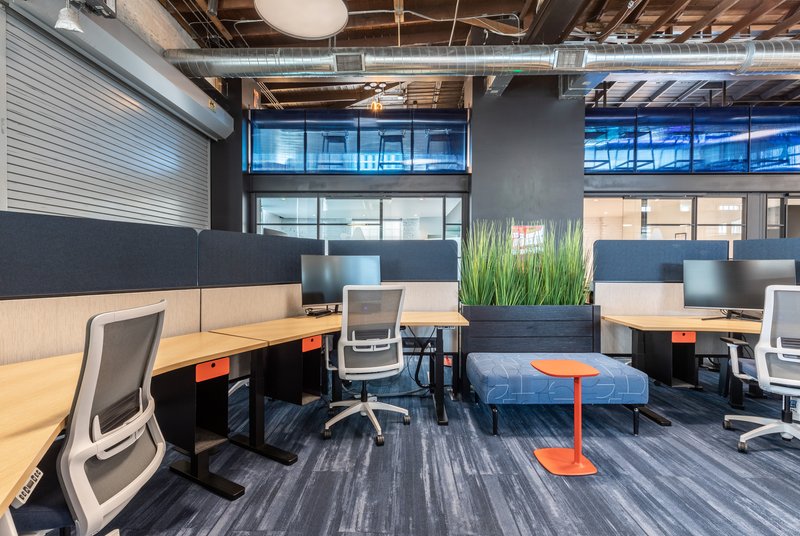
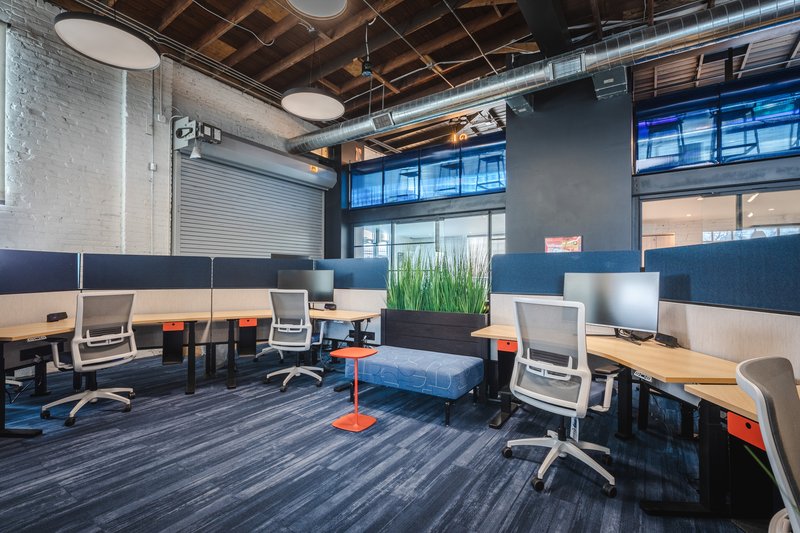
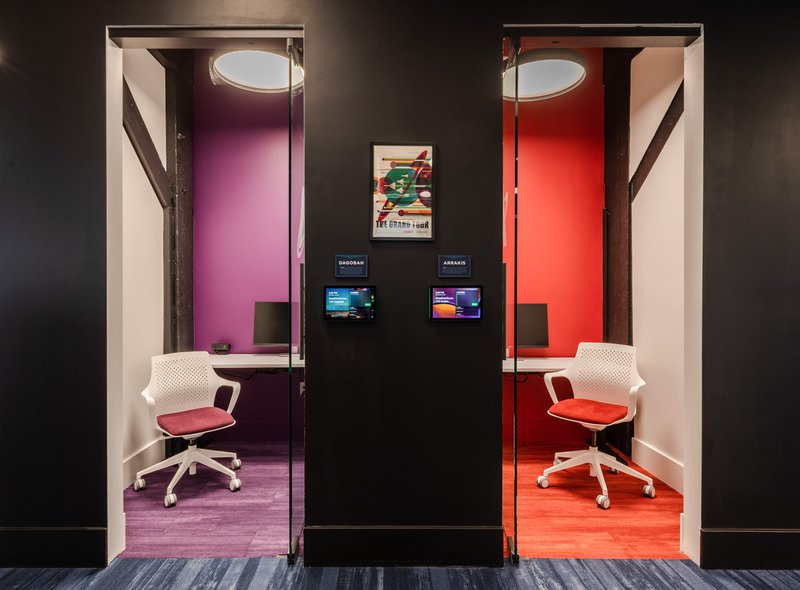
The office embraces innovation not only in form but in function. Custom-designed boomerang-shaped desks support various configurations and collaboration modes, making the layout flexible to both teams and individuals. The interior palette reflects a joyful departure from the sterile aesthetics of typical aerospace offices. Colorful furniture, ambient lighting, and natural materials inject warmth and vibrancy into the work environment.
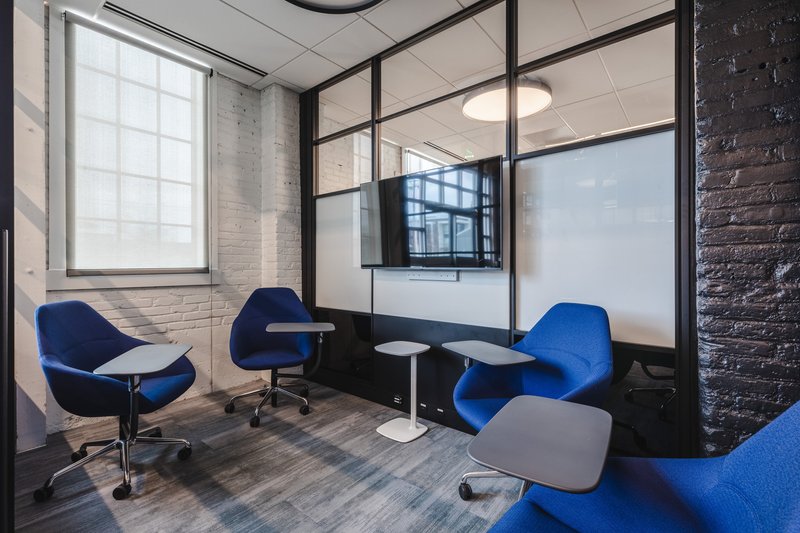
By offering an imaginative alternative to conventional office planning, the space promotes creativity and well-being. Employees are not just accommodated—they are inspired and energized by the design.
Sustainability and Adaptive Reuse as Core Values
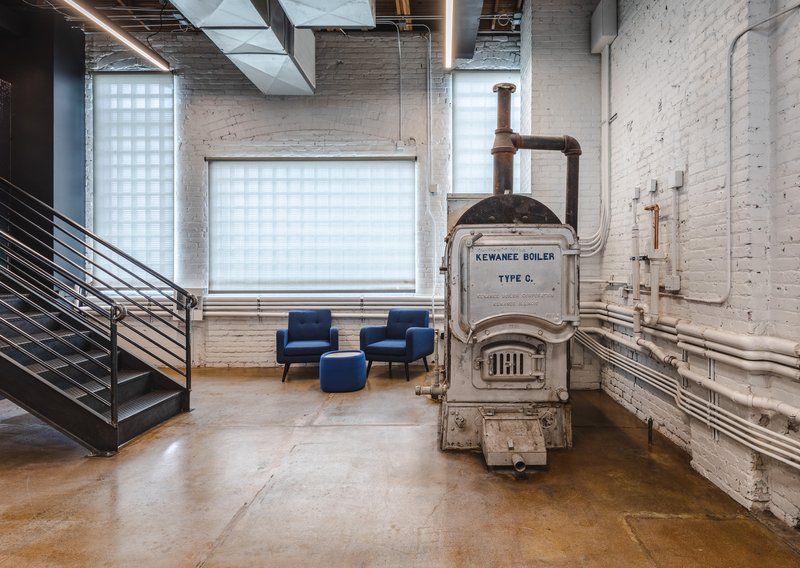
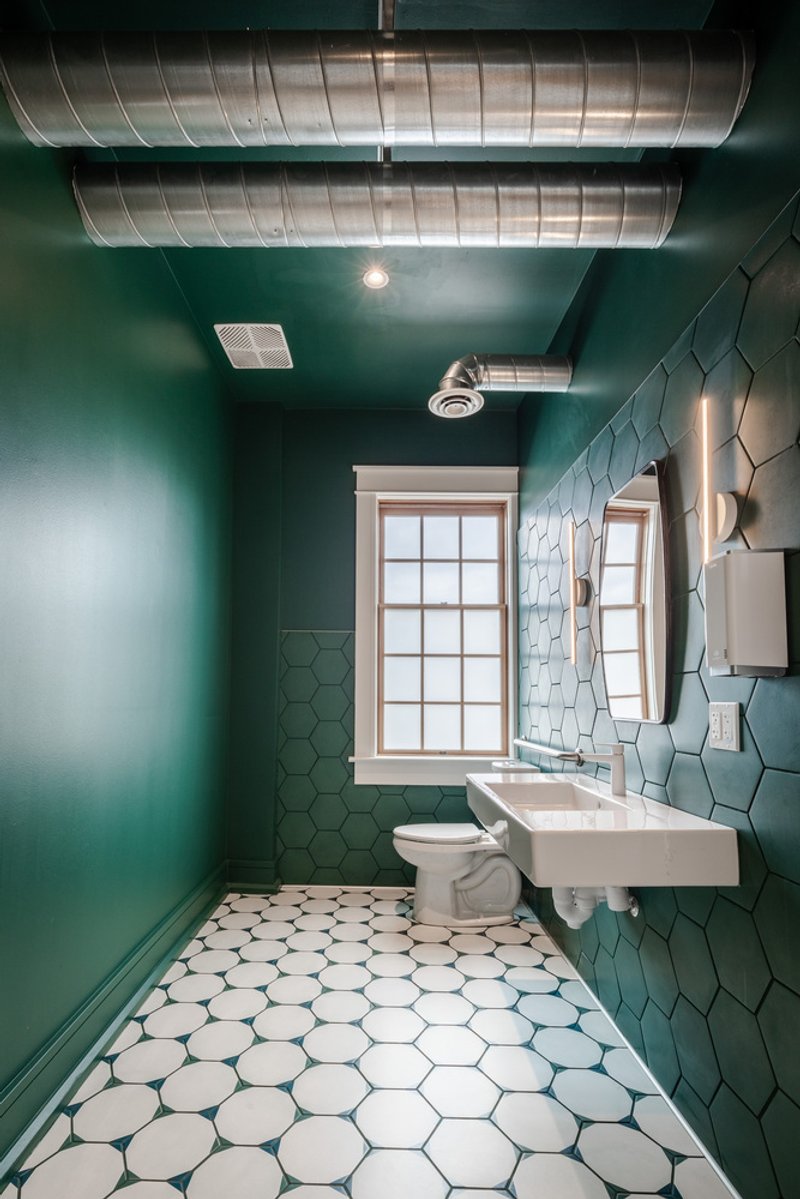
The headquarters stands as a beacon of adaptive reuse office architecture, showing how an old structure can be reimagined for a high-tech, future-oriented company. The reuse of the 1910 industrial depot not only preserves cultural and architectural heritage but also aligns with Astroscale’s mission of sustainability. The integrity of the original structure remains intact, with timber beams and masonry walls providing a tactile connection to the past.
Neoera’s approach illustrates how design can reflect a company’s identity while also contributing to broader environmental goals. The building does not just house innovation; it physically represents it through sustainable practices and thoughtful reuse.
A Workplace That Embodies Vision
Astroscale’s Denver headquarters is more than an office—it is a cultural landmark and an architectural narrative of progress. Through its adaptive reuse, inventive layout, and strong thematic coherence, the building exemplifies how architecture can embody an organization’s ethos.
The headquarters isn’t merely a place of business; it’s a curated environment where innovation, history, and community converge. Neoera has crafted a space that honors legacy while projecting Astroscale’s vision of the future—where sustainability, space technology, and people co-exist harmoniously.
All Photographs are works of Justin Martin




Popular Articles
Popular articles from the community

PLATAFORMArq Folds a Concrete Roof Over the Portuguese Mountains in House #474
A 220-square-meter residence in Teixoso, Portugal, wraps board-formed concrete into an angular canopy that frames the Serra da Estrela foothills.

The Faith: Modular Architecture for Play, Learning, and Hope in Kutupalong Refugee Camp
A modular playground architecture project in Bangladesh where play, learning, safety, and hope rebuild childhood inside a refugee camp anew.
Kaffeebühnen: Coffee Shop Architecture Designed as a Civic Stage Between Vienna’s City and Park
Kaffeebühnen turns coffee shop architecture into a civic stage, linking Vienna’s park edge, urban life, warm timber yards, and coffee craft.
IKC de Geluksvogel: Sustainable School Architecture Designed for Free Movement and Digital Learning
IKC de Geluksvogel turns sustainable school architecture into a flexible Maastricht campus for digital learning, nature, and free movement.


Similar Reads
You might also enjoy these articles
Kerstin Thompson Architects Buries a Cultural Center Beneath Its Own Car Park in the Yarra Valley
The Eva and Marc Besen Centre at TarraWarra hides 2,375 square metres of gallery and archive space under a reinstated landscape in Healesville, Australia.
Kerry Kounnapis Packs 800 Daily Coffees into a 43-Square-Metre Melbourne Laneway Bar
Palace Coffee channels Pellegrini's and European standing bars through oxide-red steel and spotted gum timber in a Ridgway Place sliver.
Nikken Sekkei Stacks a Three-Dimensional Lilong Atop Shanghai's Historic Alleyways
A 180-meter tower and restored heritage houses on Nanjing West Road reimagine communal lane life as a vertical mixed-use district.
PLATAFORMArq Folds a Concrete Roof Over the Portuguese Mountains in House #474
A 220-square-meter residence in Teixoso, Portugal, wraps board-formed concrete into an angular canopy that frames the Serra da Estrela foothills.

Explore Architecture Competitions
Discover active competitions in this discipline




The International Standard for Design Portfolios


The Global Benchmark for Architecture Dissertation Awards


The Global Benchmark for Graduation Excellence


Challenge to reimagine the Iron Throne
Comments (0)
Please login or sign up to add comments
No comments yet. Be the first to comment!