

Adaptive Reuse Theater Architecture at Ain Shams University: A Cultural Transformation by El-Maghraby Design House
Ain Shams Theater showcases adaptive reuse theater architecture, transforming an abandoned lecture hall into a cultural and academic landmark.


A New Cultural Landmark Through Adaptive Reuse
The transformation of the Ain Shams University Campus Main Theater stands as a pioneering example of adaptive reuse theater architecture in Egypt. Undertaken by El-Maghraby Design House in collaboration with Prof. Dr. Gamal El-Kholy, the project breathes new life into an abandoned lecture hall, turning it into a vibrant hub for performance, academic engagement, and cultural dialogue. Rather than demolishing and rebuilding, the design team chose sustainability through reactivation—preserving both structure and memory.

Architectural Metaphor: The Curtain as Symbol and Facade
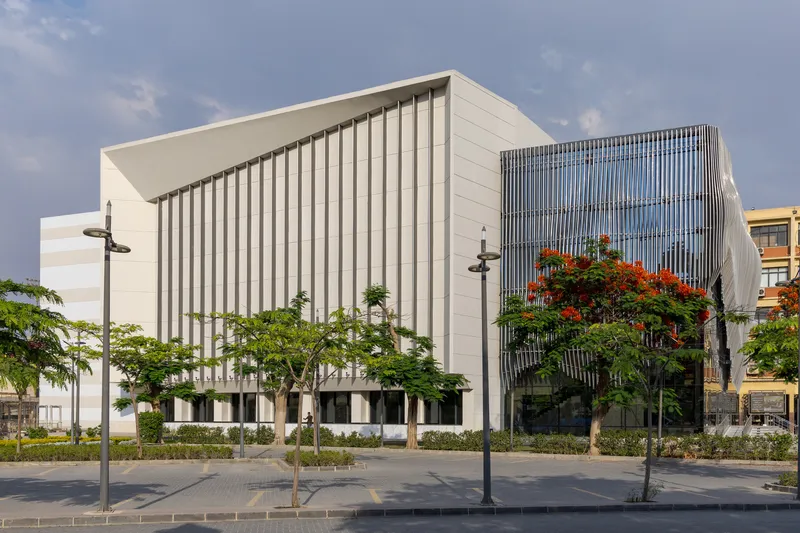
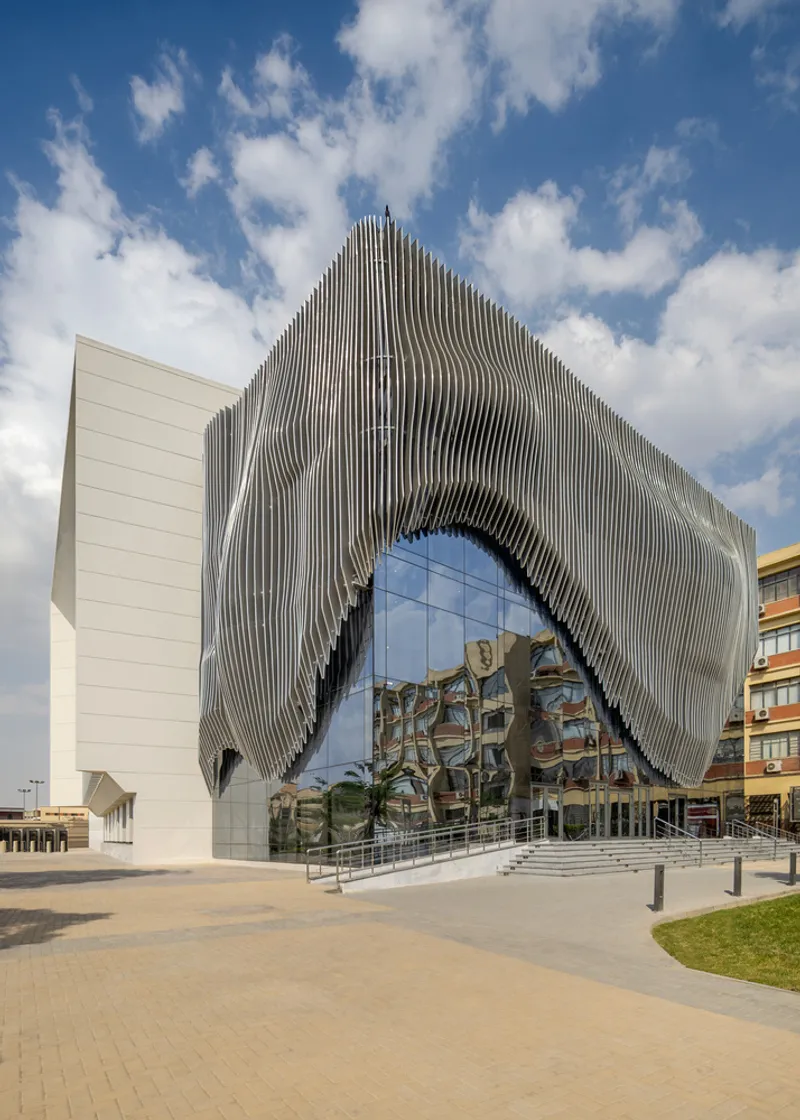
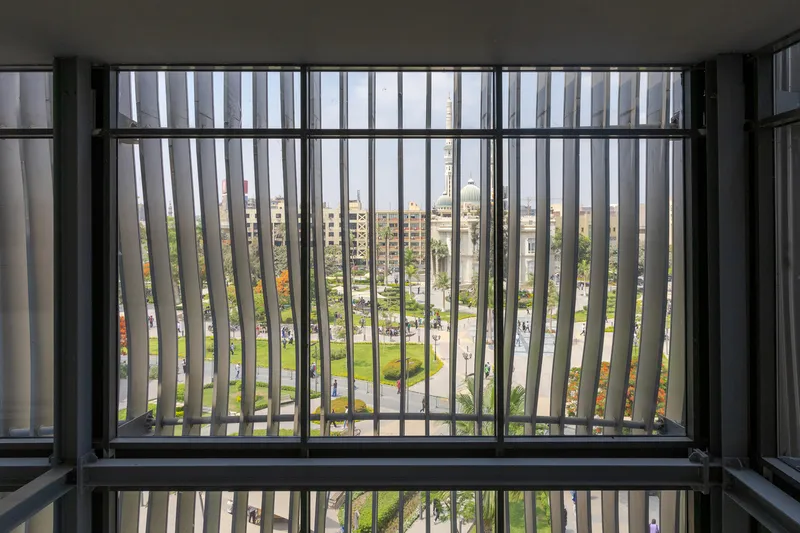
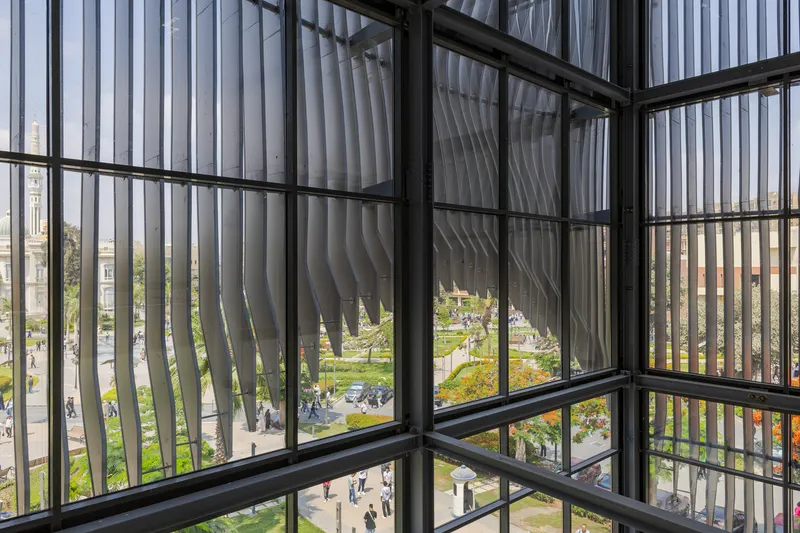
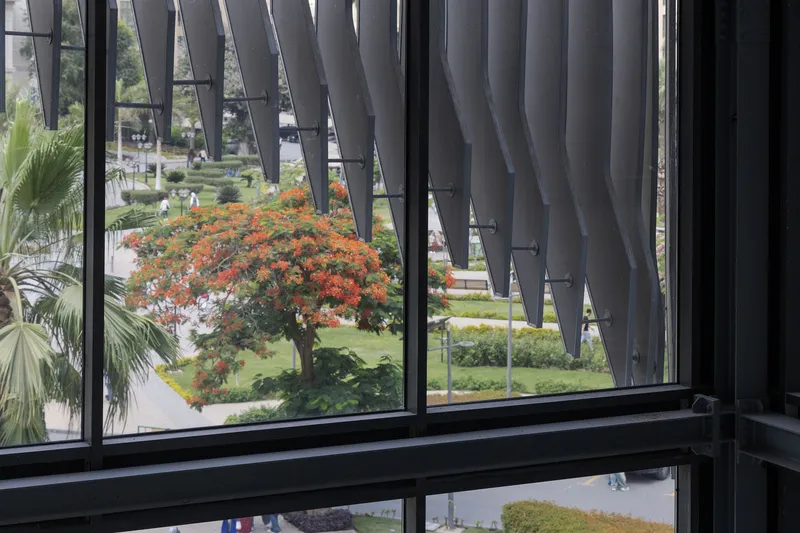
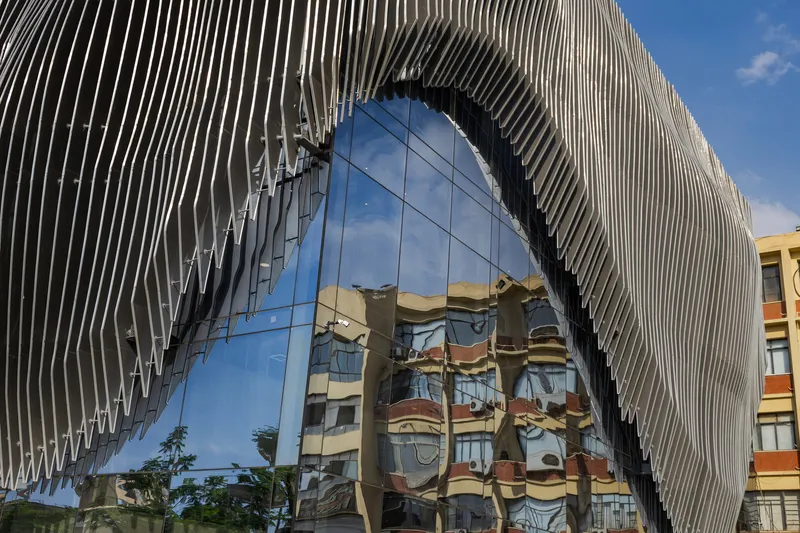
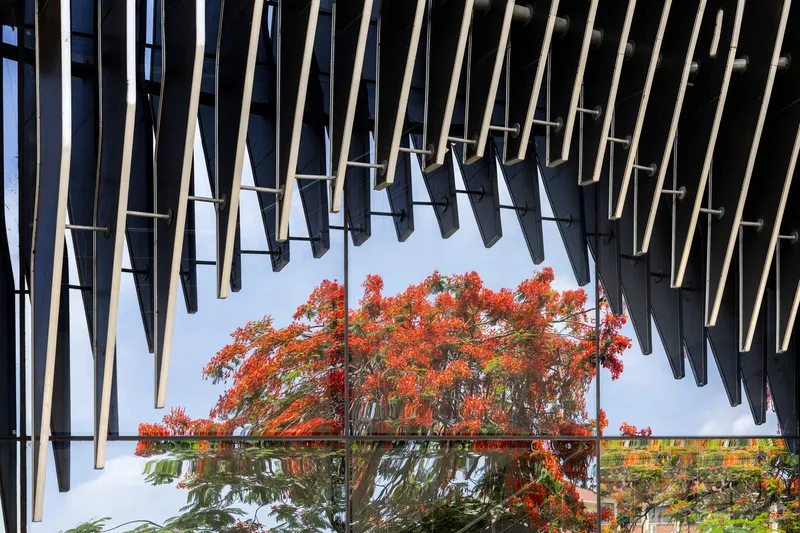
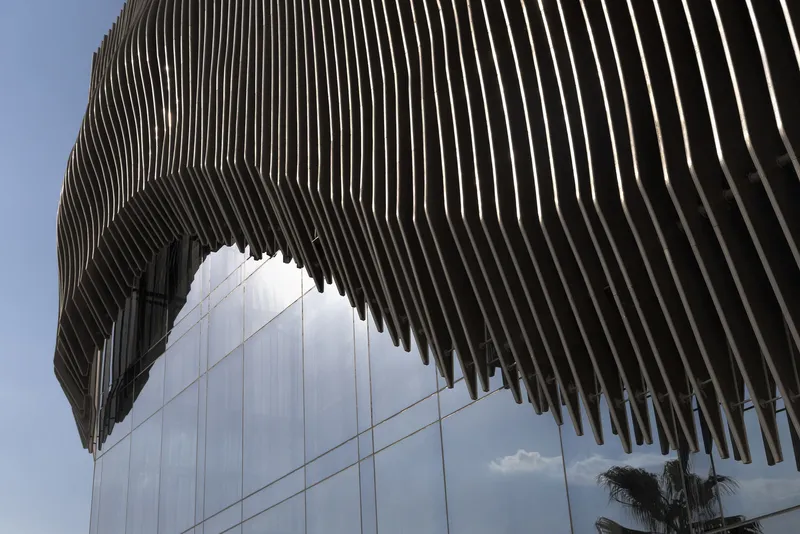
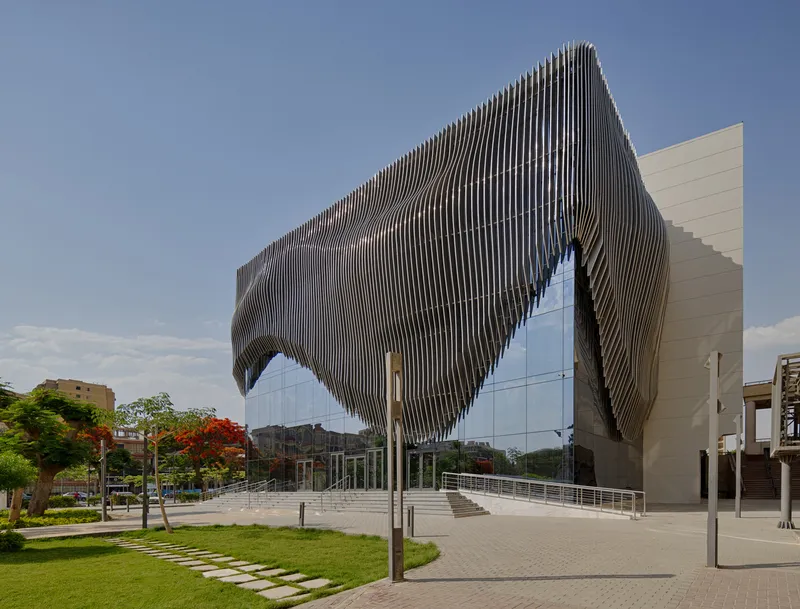
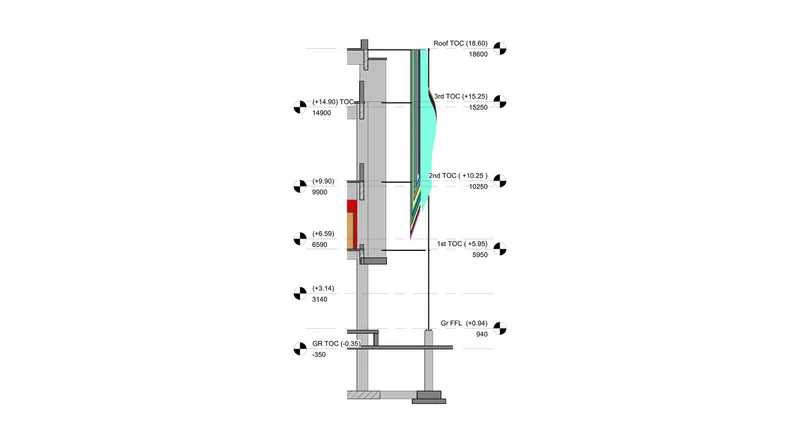
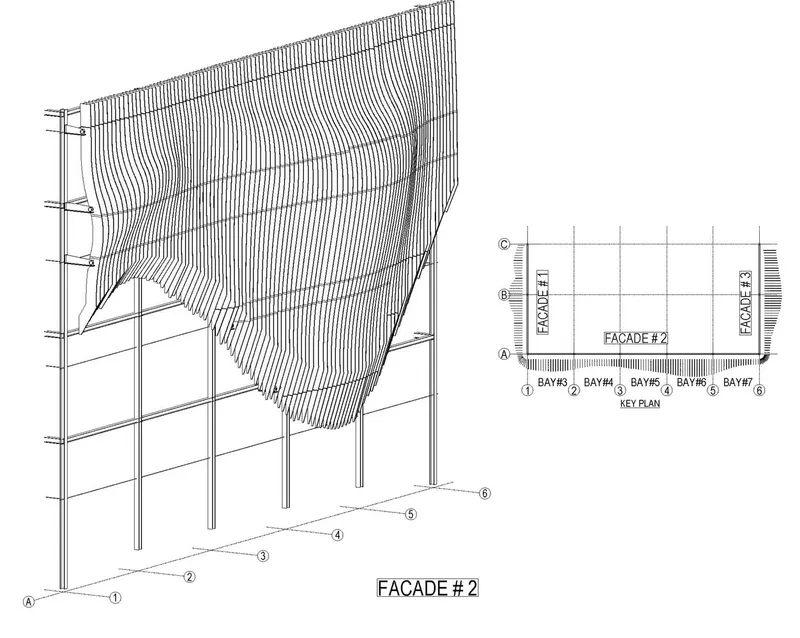
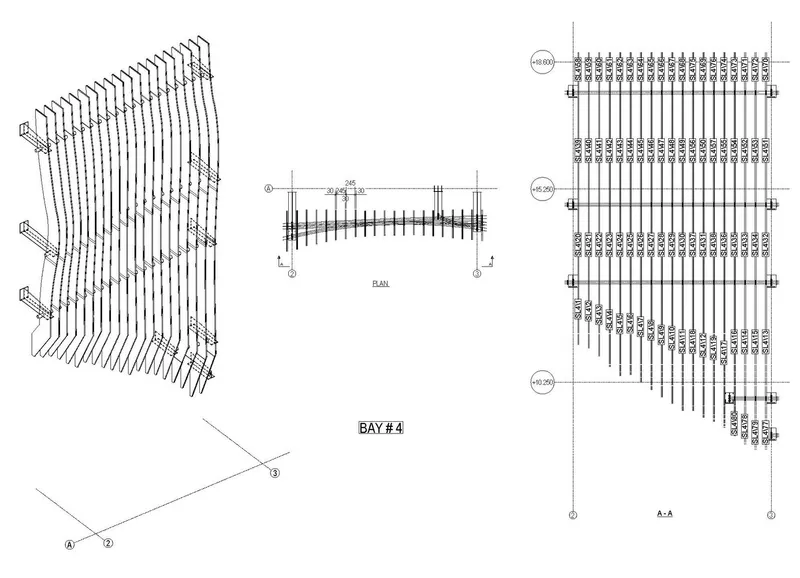
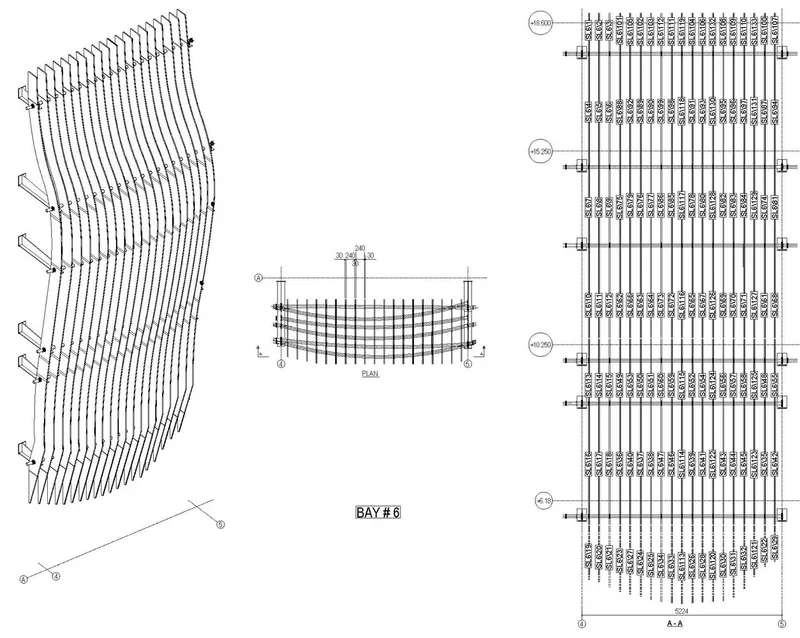
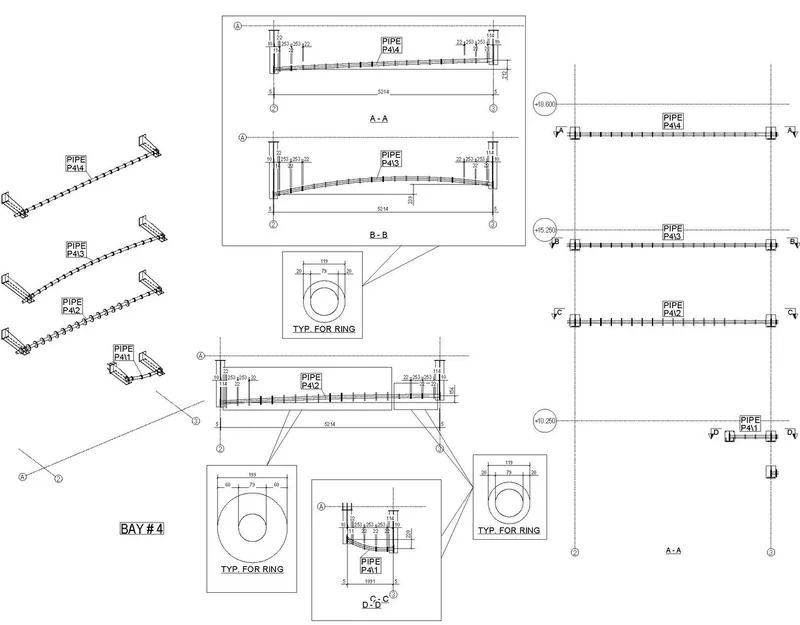
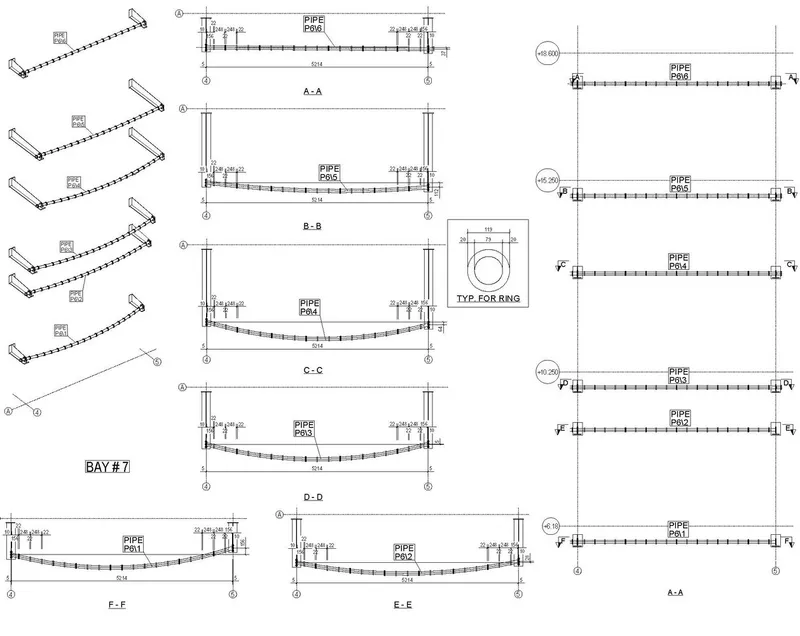
At the heart of the design concept lies a powerful metaphor: the theater curtain. Once a static academic space, the building now unfurls like a stage curtain to reveal a dynamic venue for the arts. This idea materializes through a dual-facade system—a transparent glass curtain wall paired with sculptural, parametric aluminum louvers. Together, they mark the building’s rebirth with bold clarity.
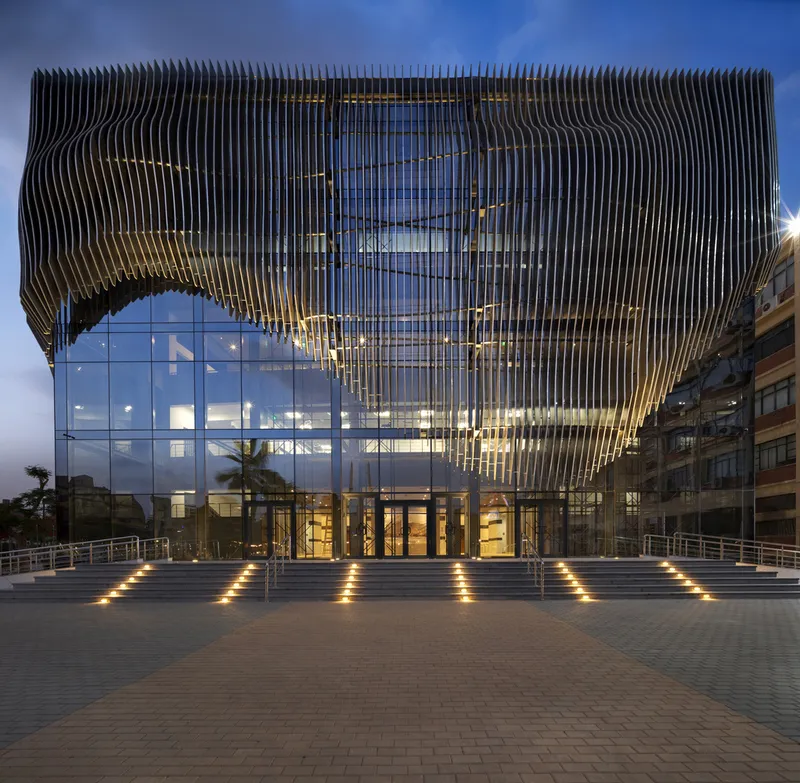
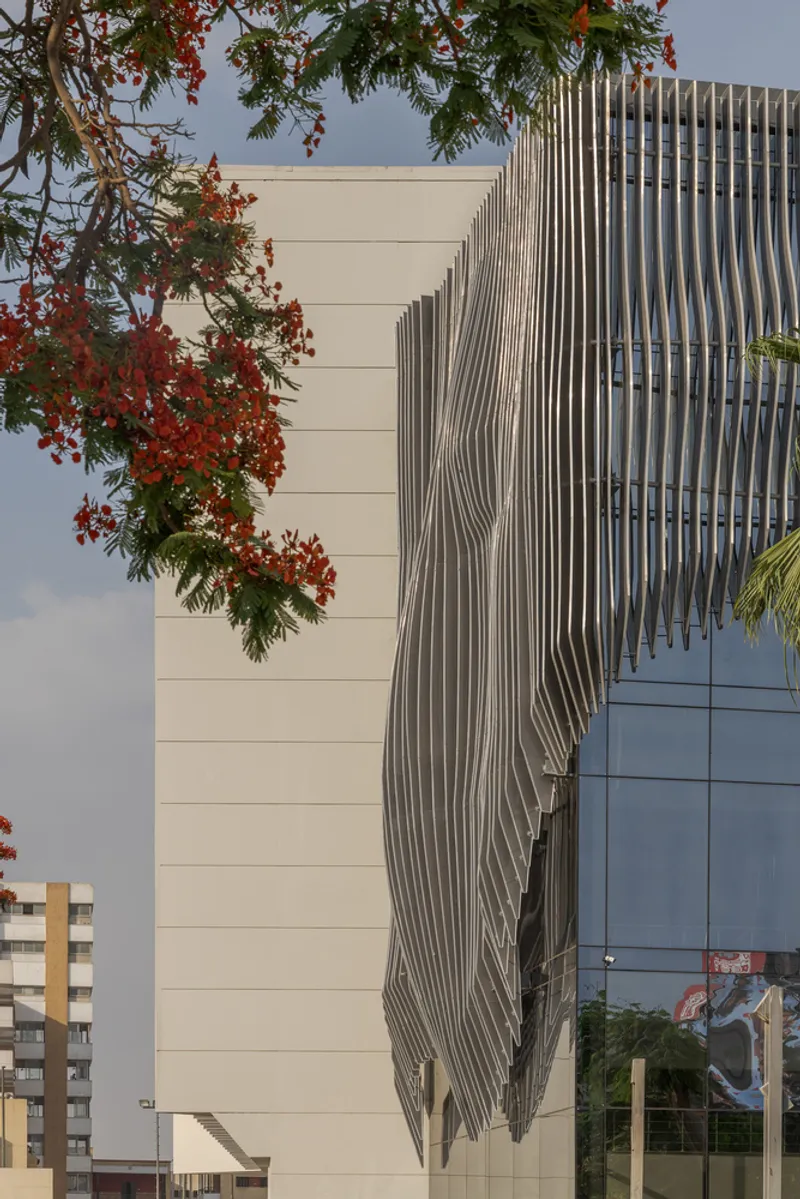
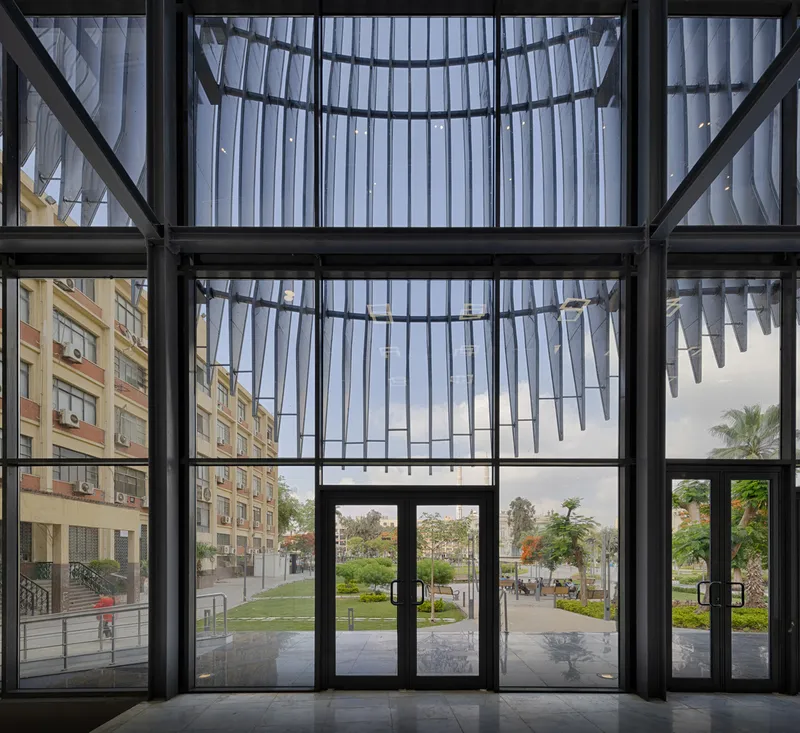
The curtain wall reflects its surroundings, anchoring the structure in the campus context, while the louvers provide shade and create rhythmic visual movement. This layered facade balances transparency and sculptural form, functioning as a bridge between architectural memory and contemporary expression.
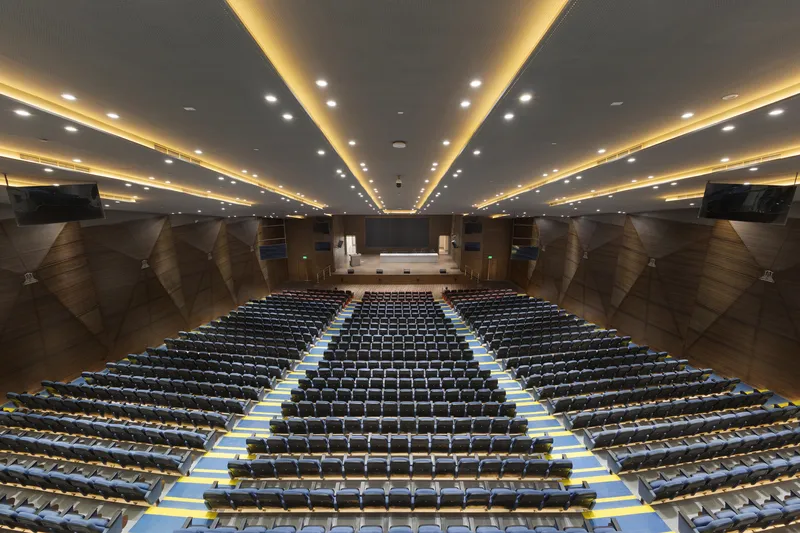
Dual Purpose: A Space for Culture and Learning
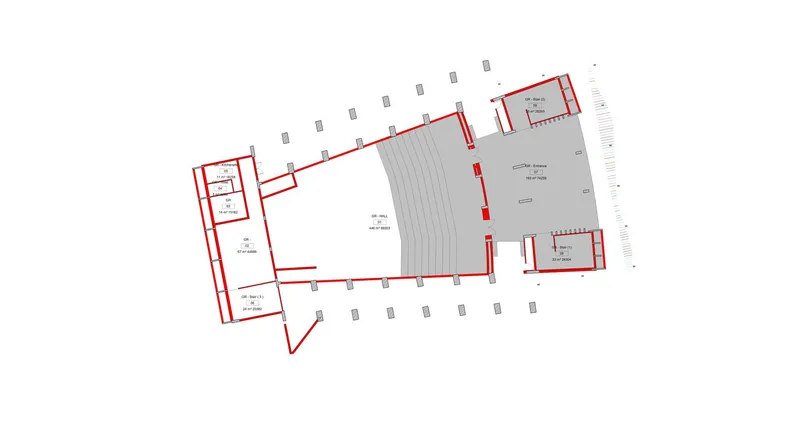
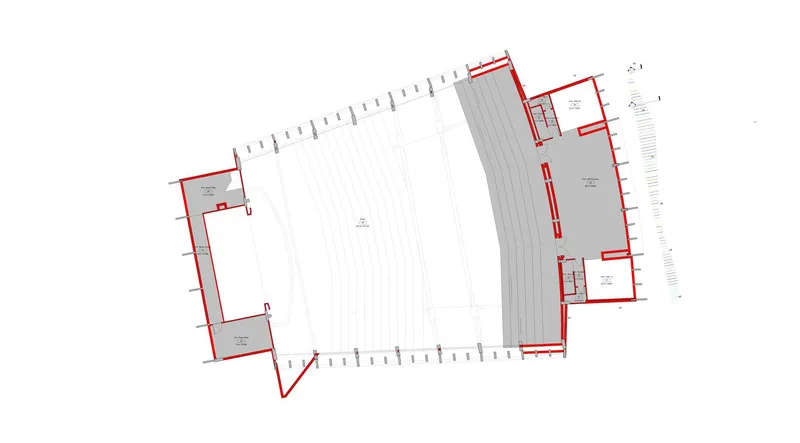
The interior of the building has been carefully redesigned to serve both cultural and academic needs. A fully equipped theater with a 550-seat capacity now occupies the core, ready to host plays, lectures, and multidisciplinary events. Alongside the performance space, two large lecture halls support a total of 1,200 students. This dual-purpose program reinforces the building's new identity—a venue where education and cultural performance coexist.
By merging artistic and academic functions, the architecture transcends traditional boundaries. It creates an environment where learning is not limited to lectures, but can emerge through performance, collaboration, and shared space.
Constraints as Catalysts for Innovation
Transforming a lecture hall into a performance venue presented serious technical challenges. The design had to address acoustics, stage visibility, circulation, and integration with the existing structural system. Rather than being hindered by these constraints, the team saw them as opportunities. They reimagined spatial relationships and technical systems, creating a building that is expressive, efficient, and deeply responsive to its new purpose.

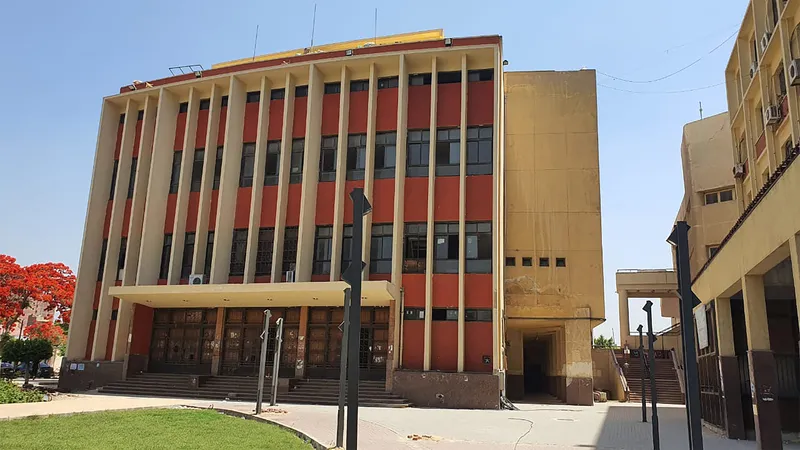

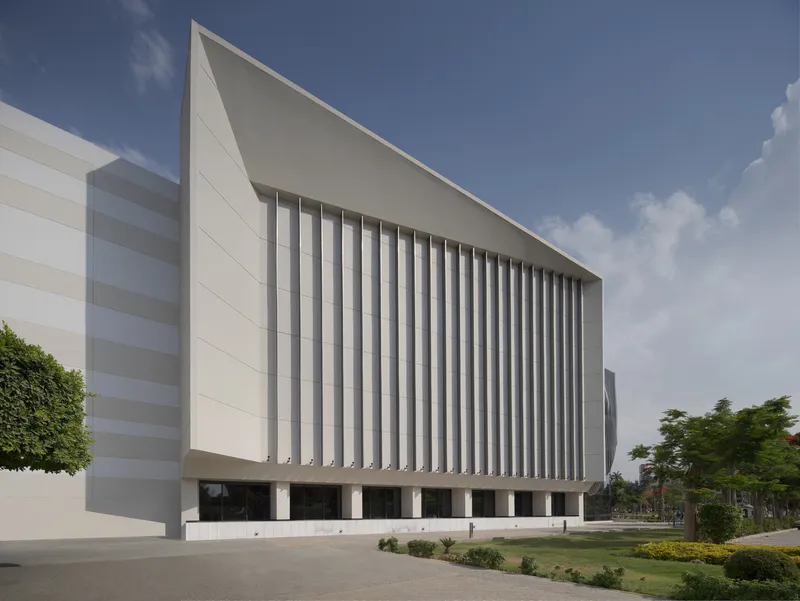
Adaptive reuse demanded not just technical ingenuity but conceptual clarity. By preserving the shell while radically redefining its identity, the design achieves a sophisticated balance between old and new, memory and function.


Campus Identity and Cultural Engagement
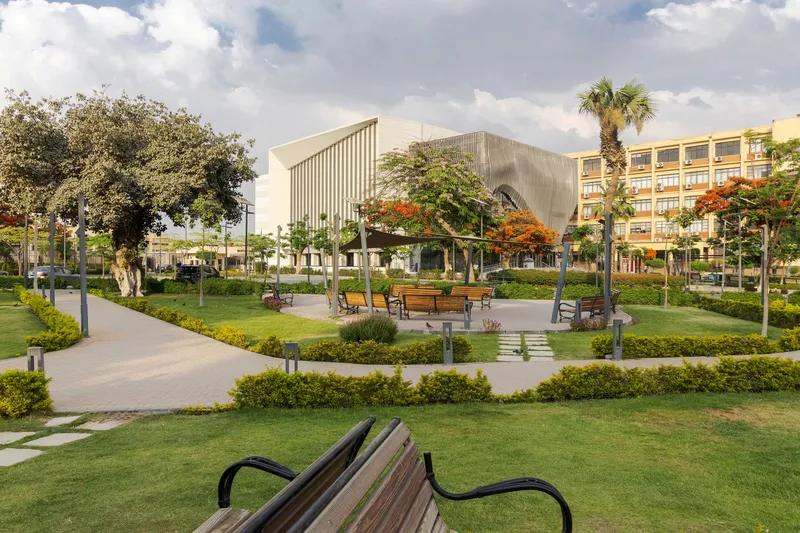
The theater’s new architectural language sets it apart on campus. Surrounded by more traditional academic buildings, the transformed structure signals openness and creativity. It becomes a cultural statement in itself—a place that fosters dialogue, performance, and shared experience.

Its presence elevates the cultural infrastructure of Ain Shams University, asserting that institutions of learning must also be spaces of expression. Architecture here becomes a medium for identity, communication, and transformation.

Sustainability Beyond Materials
This project exemplifies a deeper understanding of sustainability—one that extends beyond materials to include cultural and spatial continuity. By repurposing rather than demolishing, the architects preserved embodied energy and avoided unnecessary waste. At the same time, they renewed the social and cultural potential of the space.

In doing so, the design speaks to a broader architectural ethos: meaningful change doesn’t always require new construction. Sometimes, the most impactful transformations emerge from what already exists—seen through a new lens and given new life.
A Model for Future Campus Transformations
The Ain Shams University Campus Main Theater demonstrates the power and potential of adaptive reuse theater architecture to address cultural, academic, and environmental goals simultaneously. It is a sensitive intervention that honors history while looking forward, offering a model for other campuses and institutions facing similar challenges of growth, identity, and sustainability.
Rather than erasing the past, the architects have layered new meaning onto it—creating a space where performance and pedagogy can flourish together.
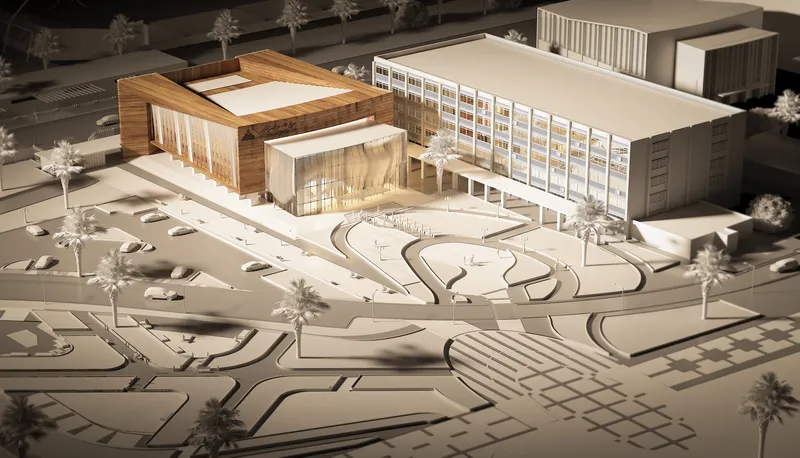
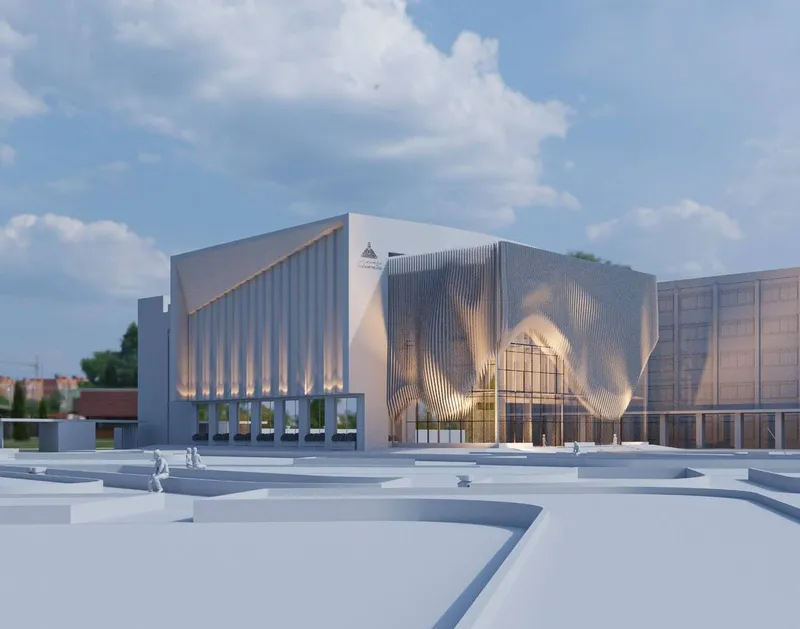
All the photographs are works of Fady Koudsi


Popular Articles
Popular articles from the community


Architekt Andreas Gruber Scatters 23 Dark Timber Chalets Across a South Tyrolean Forest Edge
In Molini di Tures, Amonti Chalets breaks a resort into a hamlet of gabled timber houses, with parking, storage and services pushed into the slope.

LT2A and OPEN Architectes Thread a Brick and Glass High School Through a Wooded Belgian Campus
In Braine-l'Alleud, a 3,000 m² wing for Collège Cardinal Mercier pairs pale brick with a glazed colonnade, deferring to a small chapel and a dense wood.

Juan García Correa, John González and Claudia Rueda Sink a Circular Amphitheater into a Manizales Engineering Building
On the La Nubia campus in Manizales, Colombia, the S1 Building folds labs and offices into a hillside of ramped lawns that double as a campus route.

U.GA Architects Wraps an Oval Rooftop Pool in Curved Board-Formed Concrete on Busan's Jeollidan-gil
In Busan's Jeonpo-dong, a 454 m² mixed-use block stacks a neighborhood facility, guest rooms and an oval rooftop pool inside spiraling concrete walls.

Similar Reads
You might also enjoy these articles

Bamboo Housing Challenge 2026: Design Affordable, Sustainable Homes Using Bamboo
An international design competition by Bamboo U and IBUKU inviting architects and designers to reimagine affordable housing using bamboo — with the winning design built full-scale in Bali.

Computational Design & Education: Beegraphy Design Awards Introduces 7th Category (Featuring Jiyun's Innovative Approach)
Dive into Beegraphy’s 7th Design Awards category, where computational design meets education to create immersive, interactive learning tools, inspired by Jiyun’s work.
From Parametric Lighting to Urban Furniture: Join the 2nd Workshop in Beegraphy’s Computational Design Series
Dive into Cutting-Edge Design Techniques and Practical Applications with Industry Experts

Last Call: Unleash Your Architectural Genius in SHAK's Kindergarten Design Competition
Urgent call for architects to join SHAK's kindergarten design competition before the looming deadline

Explore Architecture Competitions
Discover active competitions in this discipline

Challenge to reimagine the Iron Throne

Photograph architecture without architects

Illustrate the lost glory of Angkor Wat - Render Challenge

Design challenge to reuse E-waste
Comments (0)
Please login or sign up to add comments
No comments yet. Be the first to comment!