

Adaptive Sustainable Home Design in Belgium: DeDe House by OYO Architects
DeDe House showcases adaptive sustainable home design, merging historical charm, modern functionality, and environmental mindfulness in Belgium.


The DeDe House Vision
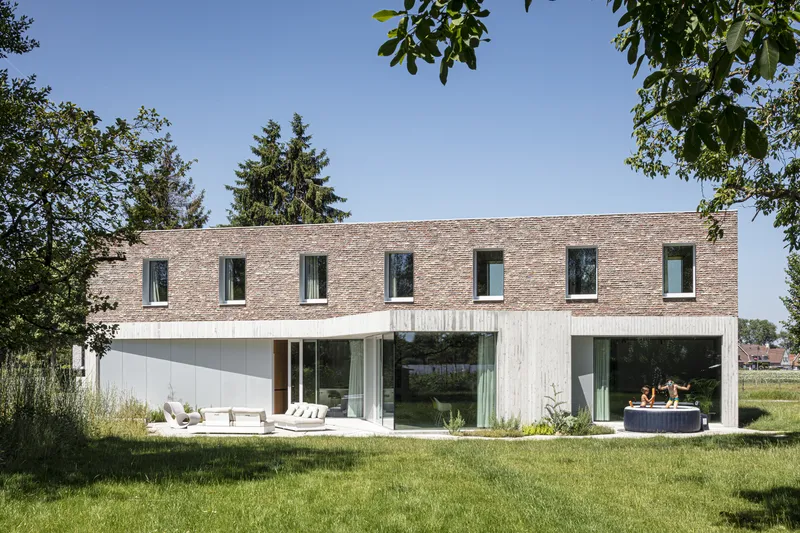
DeDe House, designed by OYO Architects, is a striking example of adaptive sustainable home design located in Drongen, Belgium. With a footprint of 369 m², this residence merges innovative architecture with sustainable practices, respecting the historical charm of its site while catering to the evolving needs of its occupants.


Historical Context and Sustainable Design
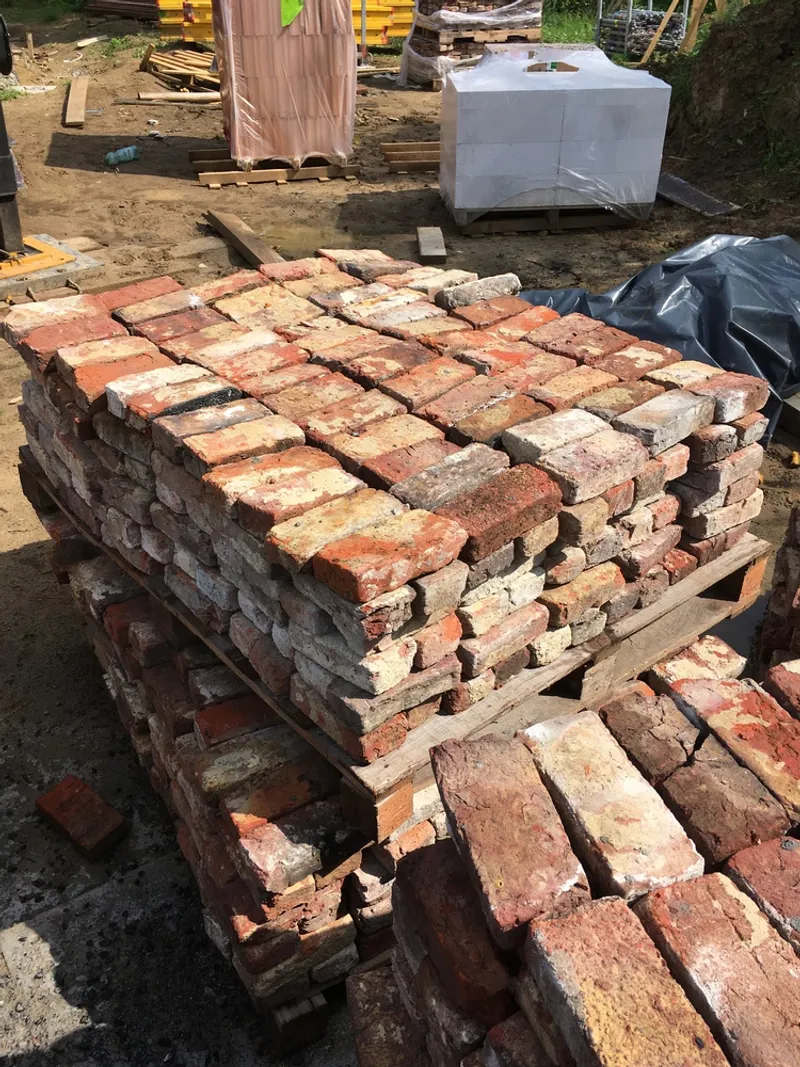
The site of DeDe House was previously occupied by an early 20th-century derelict barn. Instead of starting anew, OYO Architects embraced sustainability by salvaging materials from the original structure.




Recycling Materials
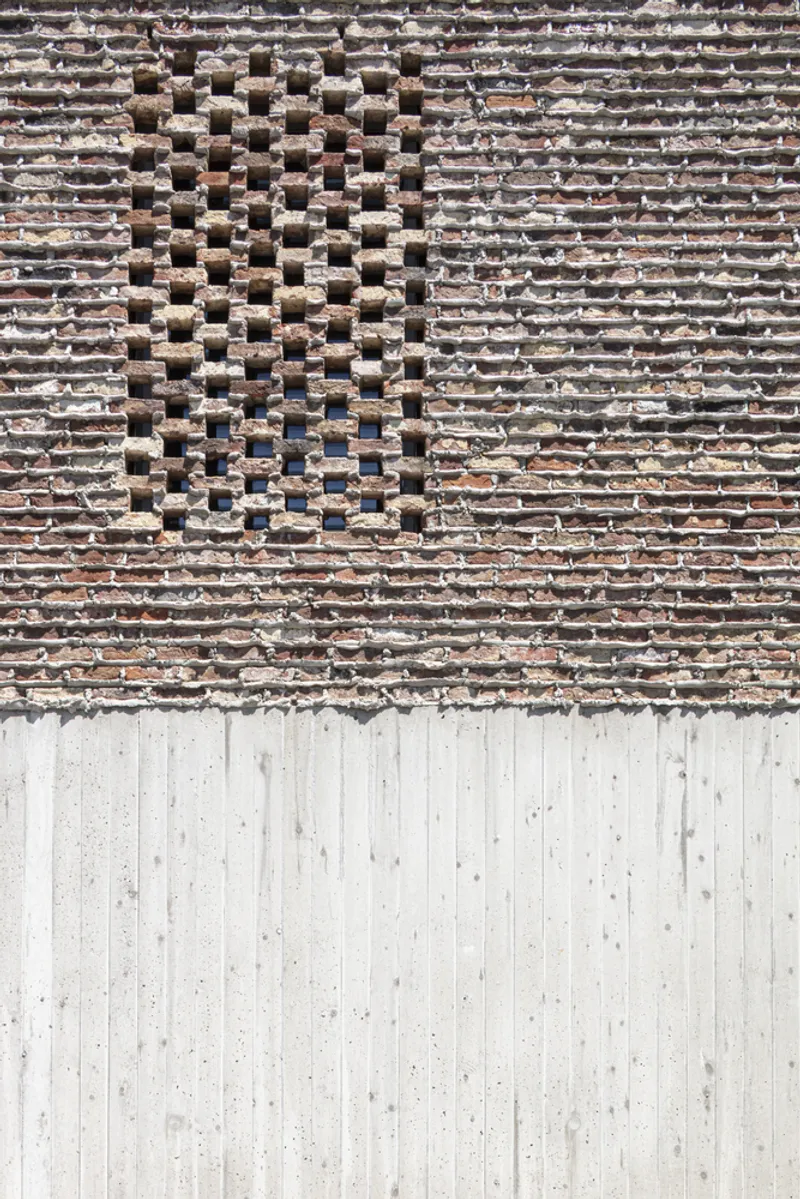
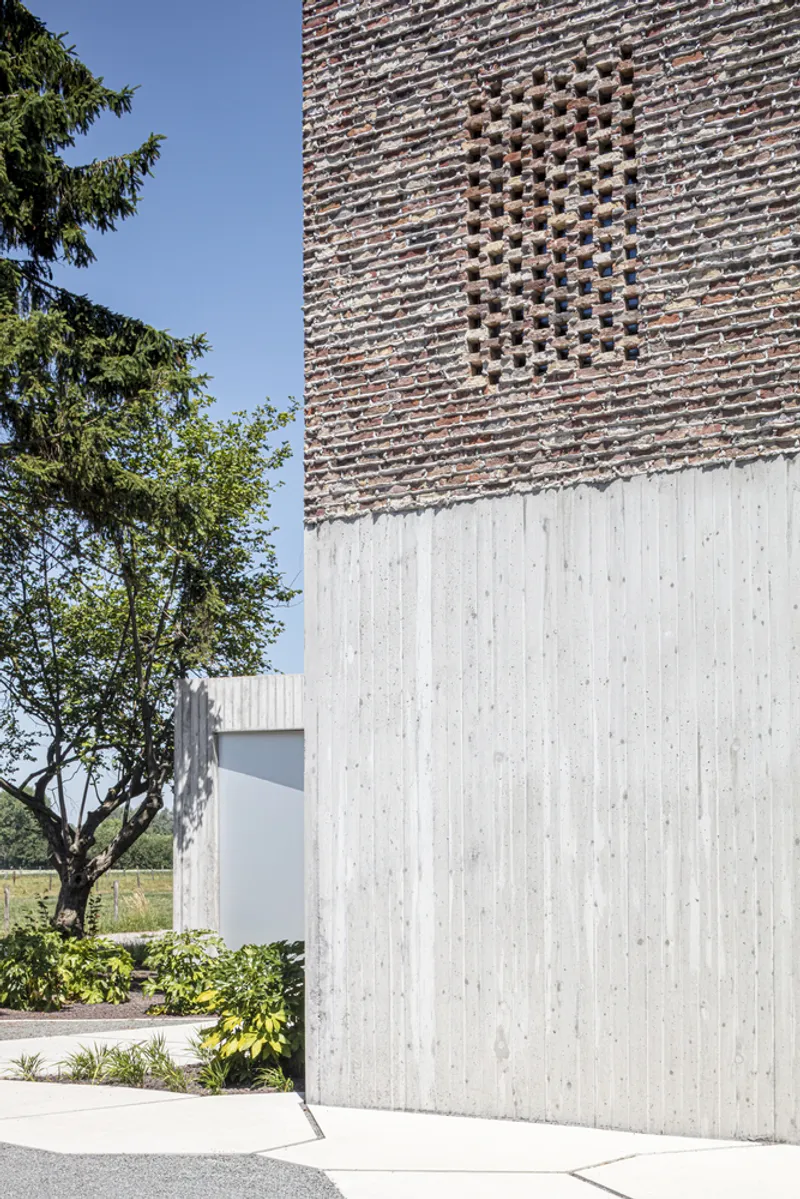
- Bricks from the barn were reused to craft a visually authentic ground floor.
- The upper level introduces modern materials while retaining a sense of connection to the site's history. This creative approach embodies the philosophy of preserving the "spirit" of a place through sustainable architectural practices.


Architectural Design: A Blend of Form and Function
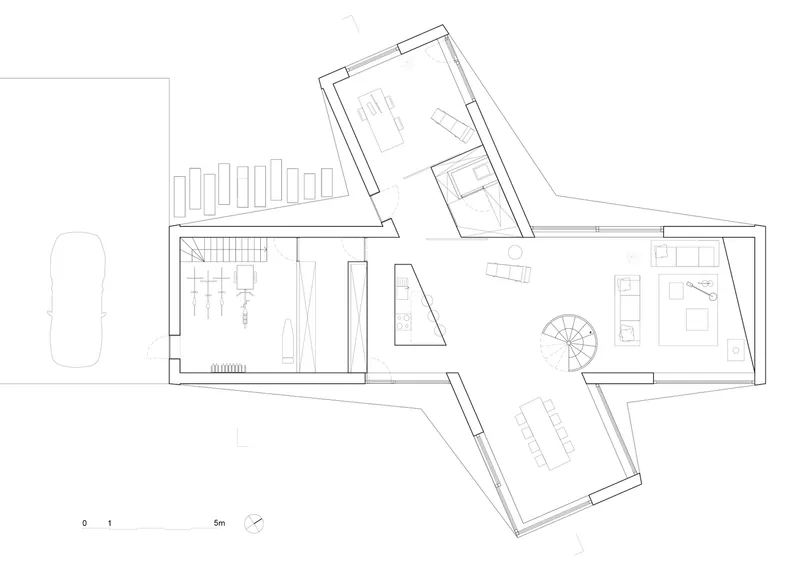
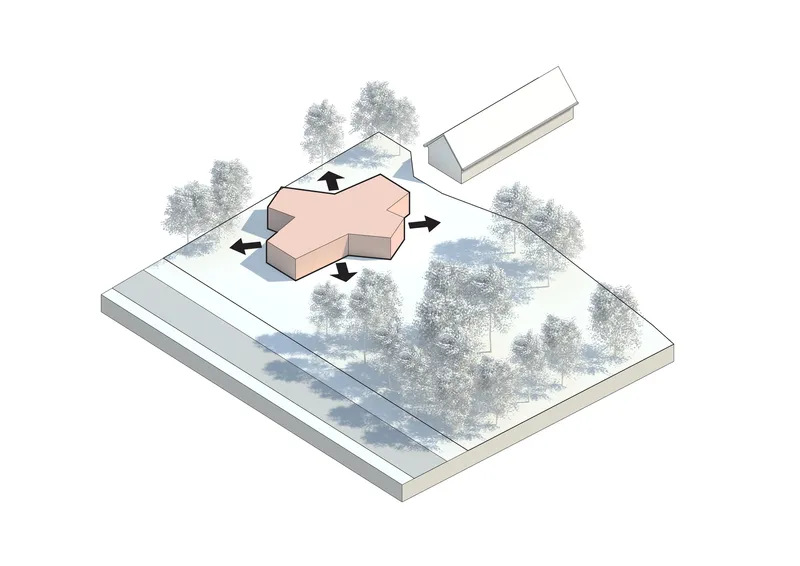
The architectural layout of DeDe House combines aesthetic appeal with practicality. The design overlays the original barn’s rectangular footprint with a modern "X" shape for the ground floor.


The X-Shape Concept
- Private spaces: The X-shaped layout ensures secluded corners within and around the house.
- Framed views: Large windows and sliding doors frame the surrounding landscape, creating seamless indoor-outdoor transitions. This thoughtful design balances privacy with openness, enhancing the living experience for its residents.


Adaptive Design for Modern Living
DeDe House is tailored to meet the dynamic needs of a family of five, emphasizing inclusivity and functionality.

Ground Floor: Living in Nature
The ground floor features:
- Panoramic garden views through expansive windows.
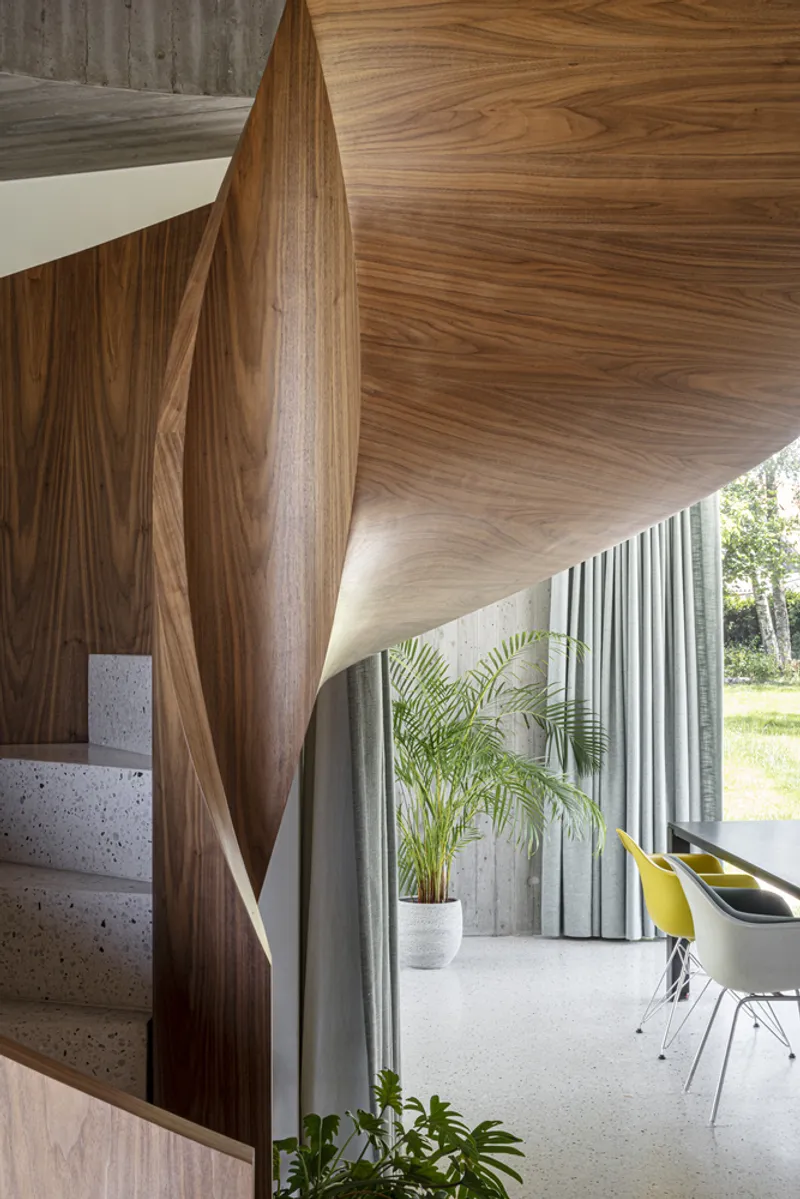
- Open-plan living areas that foster family interaction while maintaining a strong connection to nature.

Upper Floor: A Versatile Playground
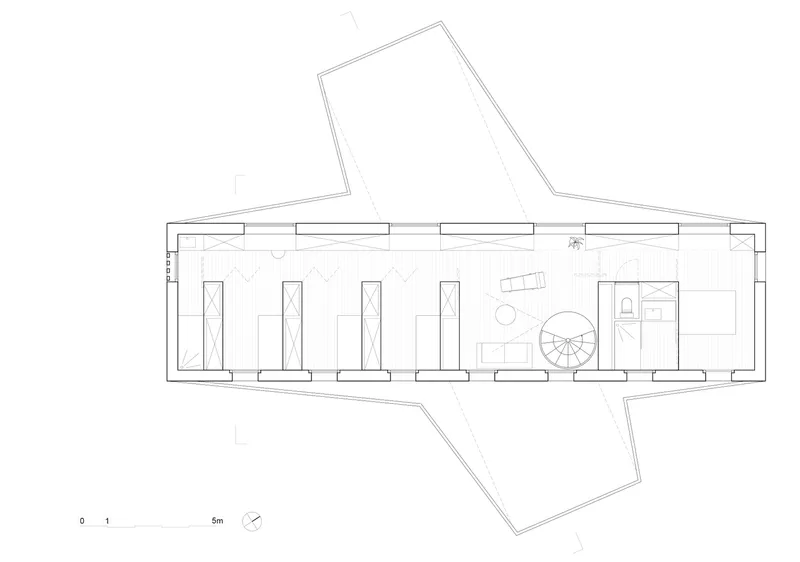
The upper floor is a haven of adaptability:
- Children’s space: A creative playground where the children can personalize and transform their environment.
- Parents' retreat: A private bedroom offering serene views of the outdoors, separated from the family area for privacy.
This adaptive design approach reflects a deep understanding of how residents engage with their spaces.

Material Integrity and Design Details
DeDe House is defined by its use of honest materials, blending industrial aesthetics with artisanal charm.
Key Material Choices
- Wood and exposed concrete: These materials create a harmonious contrast, balancing austerity with warmth.
- Minimal cladding: The absence of unnecessary adornments highlights the authenticity of the design.
By celebrating the raw beauty of materials, OYO Architects craft a home that feels both modern and timeless.

A Home for the Future
DeDe House stands as a testament to OYO Architects’ commitment to adaptive and sustainable architecture. Its ability to blend historical respect, functional flexibility, and environmental mindfulness makes it a model for future residential design.

DeDe House by OYO Architects is a perfect marriage of past and present, sustainability and adaptability. Located in Drongen, Belgium, this home is more than a residence—it’s an evolving sanctuary that redefines the boundaries of modern architecture.

All photographs are work of Tim Van de Velde, Karen Van der Biest, OYO architects




Popular Articles
Popular articles from the community


Riyadh For All: Intergenerational Urban Design for Active Aging in Rabat
Riyadh For All reimagines urban design in Rabat with intergenerational co-living, adaptive courtyards, and Moroccan cultural exchange today.

Hill & Cross Opera: Sculptural Opera House Architecture Shaped by Tallinn’s Landscape and Identity
Hill & Cross Opera reimagines opera house architecture in Tallinn through its sculptural hill, civic plaza, glass wave and a luminous cross.
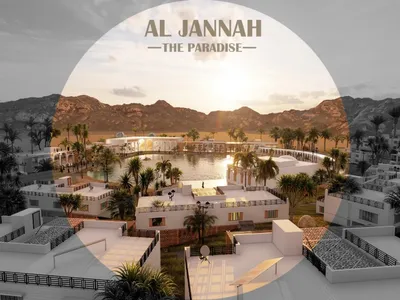
AL-JANNAH: Sustainable Architecture and Permaculture for Afghan Widows
AL-JANNAH uses sustainable architecture and permaculture to create resilient oasis of housing, learning, work and renewal for Afghan widows.
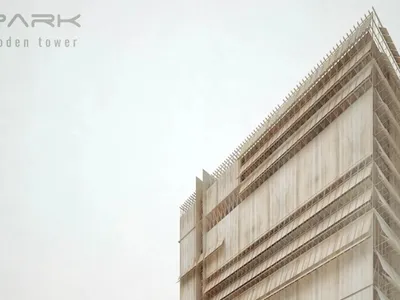
EW PARK: Sustainable Architecture Reimagines the Future of Urban Parking
EW PARK reimagines city parking as a modular wooden tower combining automation, solar energy, electric mobility, and adaptable urban design.


Similar Reads
You might also enjoy these articles


Hodi-Mandai Geram
Project Function: Preservation and revitalization of the Intangible heritage and socio-spatial identity of the Hodi by Housing, Cultural Memory Center, Sacred Grove, landscape, local tourism economy


Olio Towers: A Mid-Rise for Performers That Fuses Housing, Rehearsal, and Stage
Located blocks from Houston's Theater District, this modular tower stacks living units around a central performance atrium.

Oasis: Modular Green Housing Carved into Dhaka's Urban Fabric
A shortlisted Plugin Housing entry reclaims unauthorized settlements in Dhaka with stepped concrete volumes, green roofs, and ventilation-driven design.

Black Hole: A Floating Megastructure for the Post-Physical Era
Emiliano Mazzarotto envisions a spherical, self-scaling arena where e-sports, digital hotels, and holographic stadiums replace traditional public space.


Explore Architecture Competitions
Discover active competitions in this discipline



Challenge to reimagine the Iron Throne


Photograph architecture without architects


Illustrate the lost glory of Angkor Wat - Render Challenge


Design challenge to reuse E-waste
Comments (0)
Please login or sign up to add comments
No comments yet. Be the first to comment!