
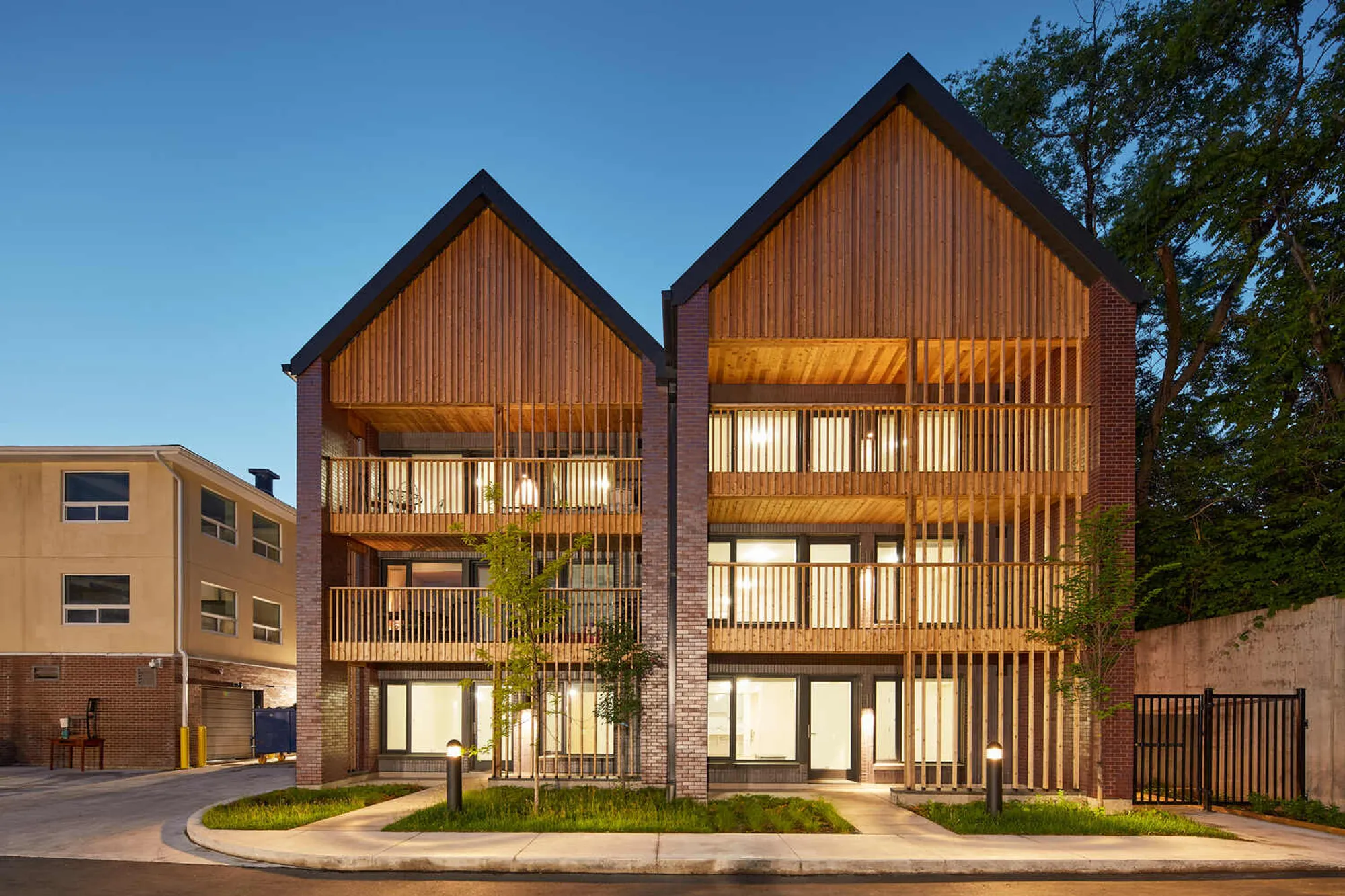
Affordable Housing Innovation: LGA Architectural Partners’ Expansion for NFARC
Exploring LGA Architectural Partners’ sustainable, community-focused expansion for NFARC, redefining the standards of affordable housing in Toronto.


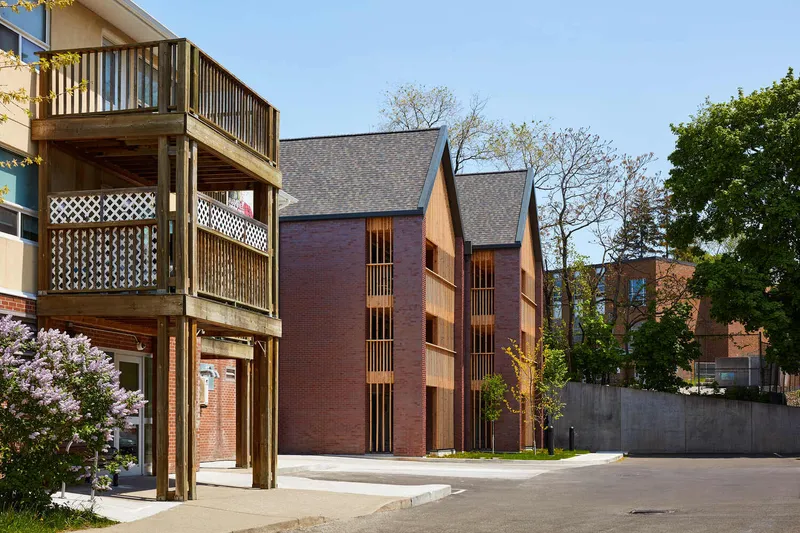
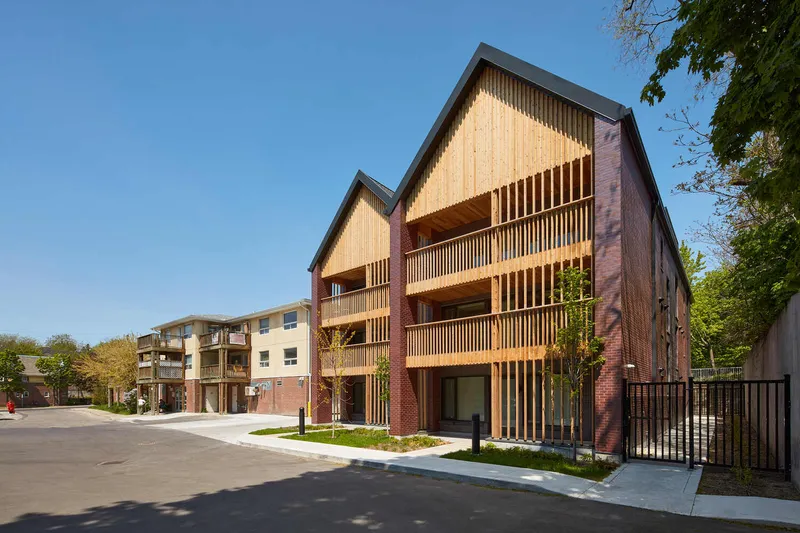
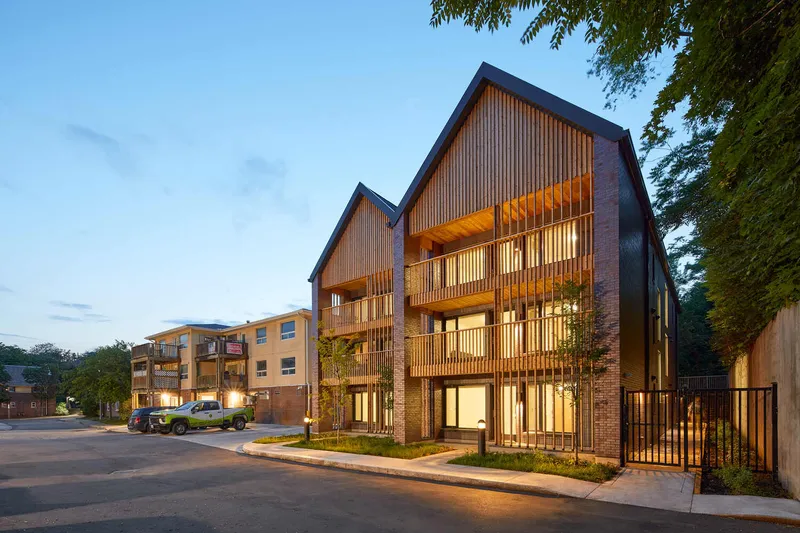
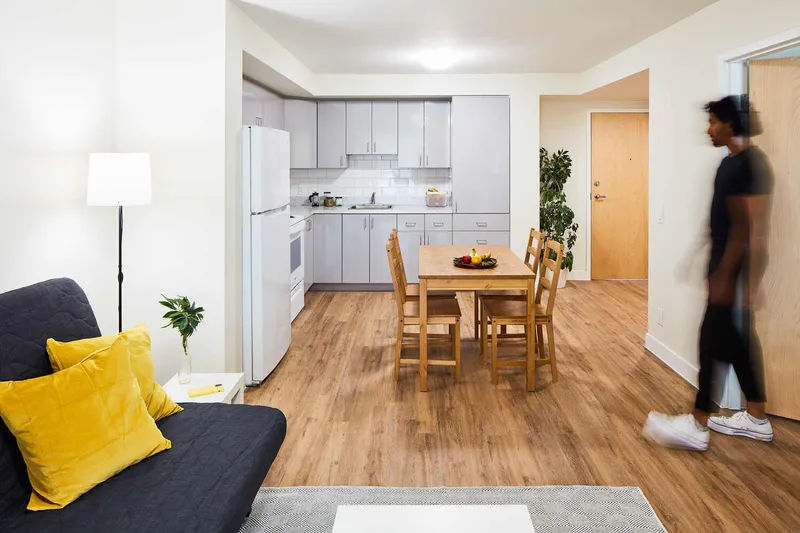
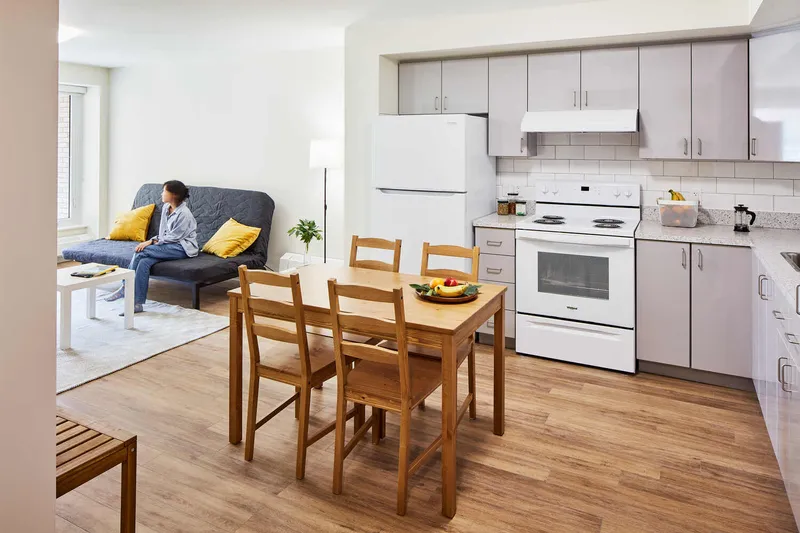
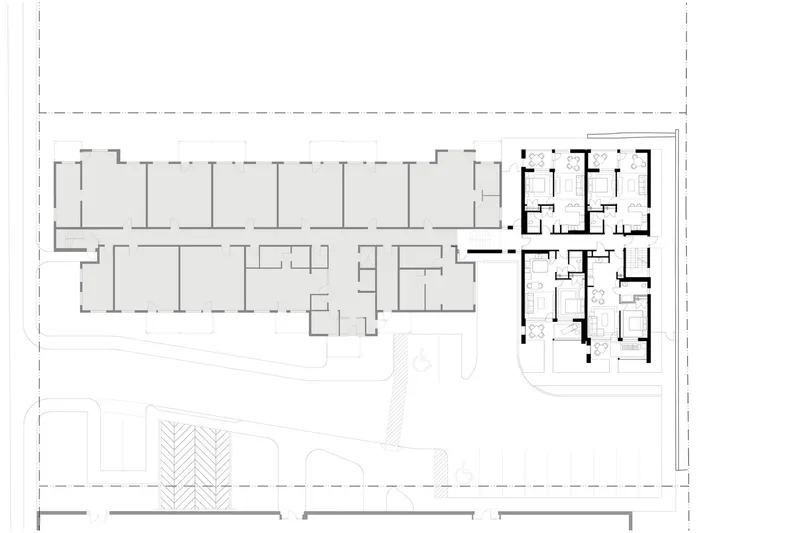
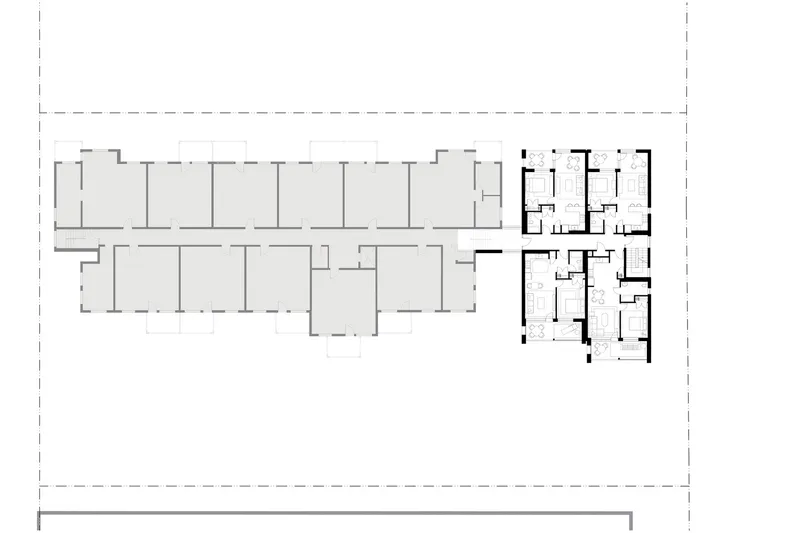
In East Toronto, the New Frontiers Aboriginal Residential Corporation (NFARC) partnered with LGA Architectural Partners to transform their affordable rental housing site on Coxwell Avenue. Completed in 2023, the project seamlessly integrates a three-story freestanding addition with the existing 31-unit building, delivering 12 high-quality, one-bedroom units designed to inspire dignity, sustainability, and a sense of community.
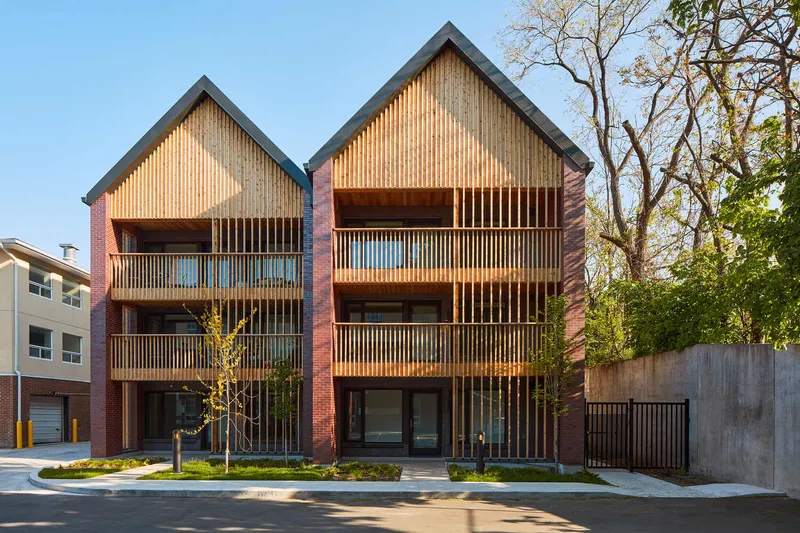
A Vision for Uplifting Affordable Housing
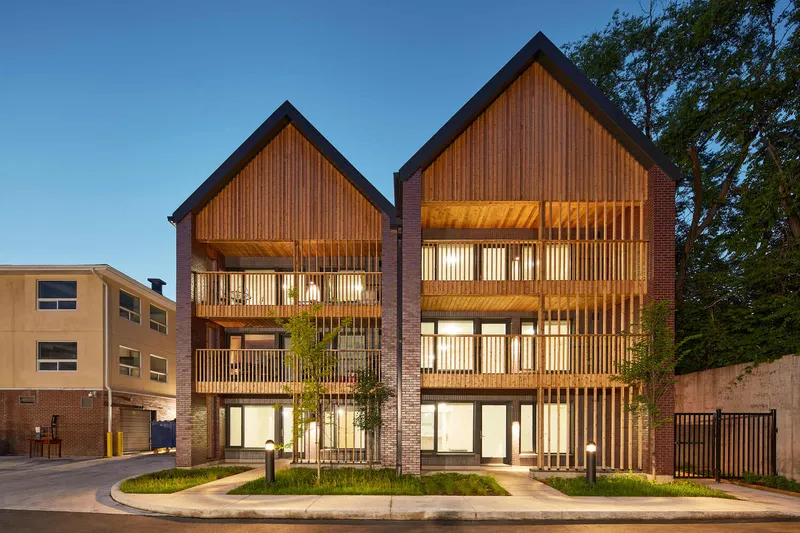
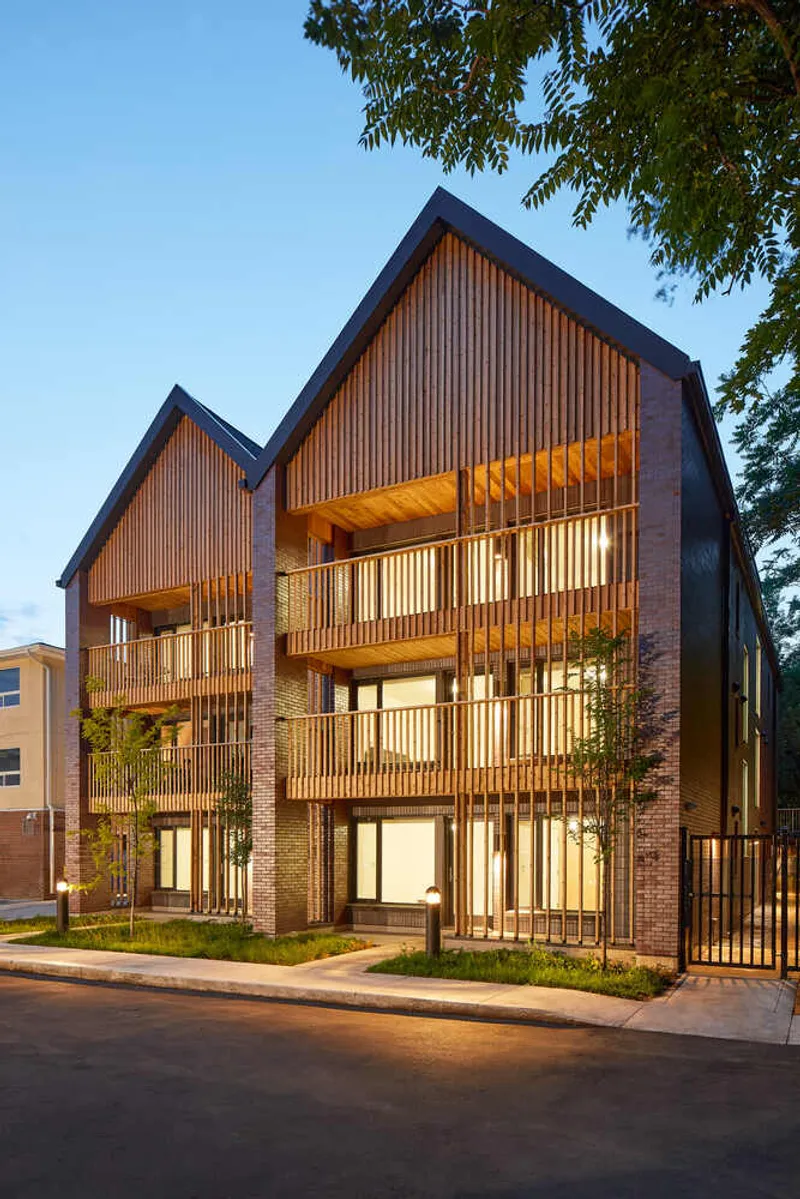
The project seeks to redefine the narrative around affordable housing. By prioritizing design quality, durability, and sustainability, LGA Architectural Partners aimed to create a welcoming, uplifting environment. The addition takes the form of two brick houses, a familiar architectural typology, fostering a sense of home. Maximizing natural light and ensuring thermal comfort were central to the design strategy, addressing both environmental and aesthetic considerations.
Maximizing Light and Livability
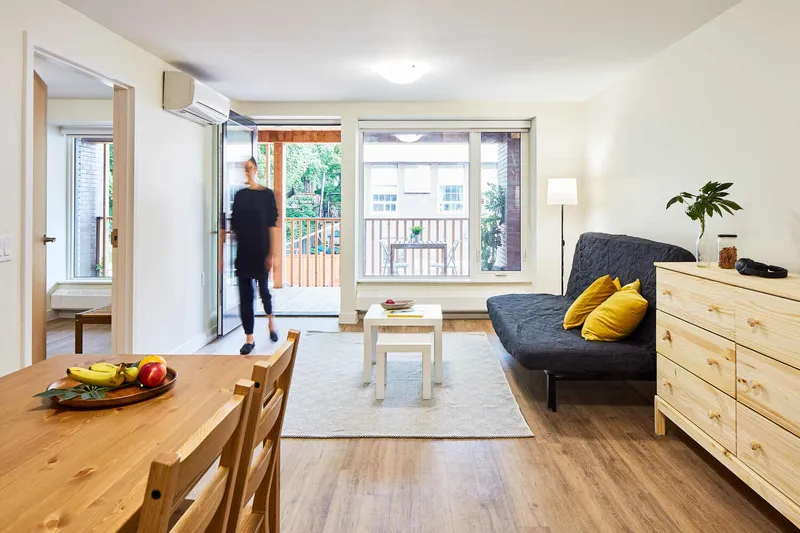
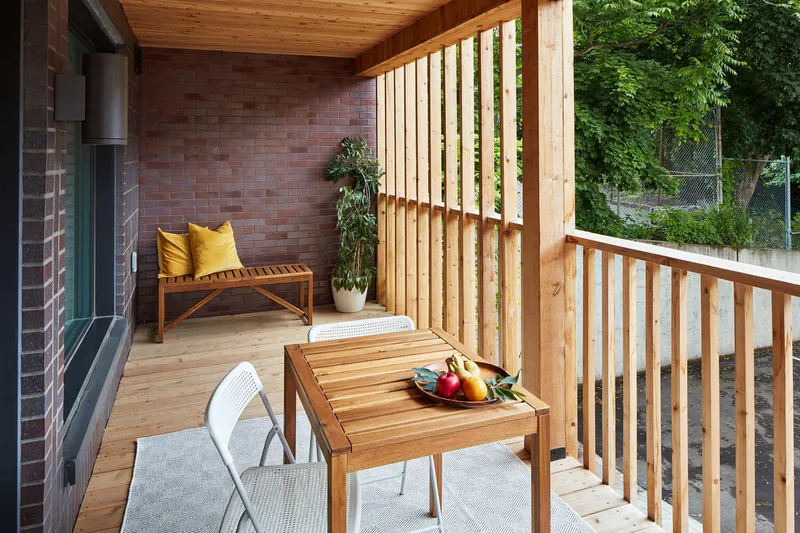
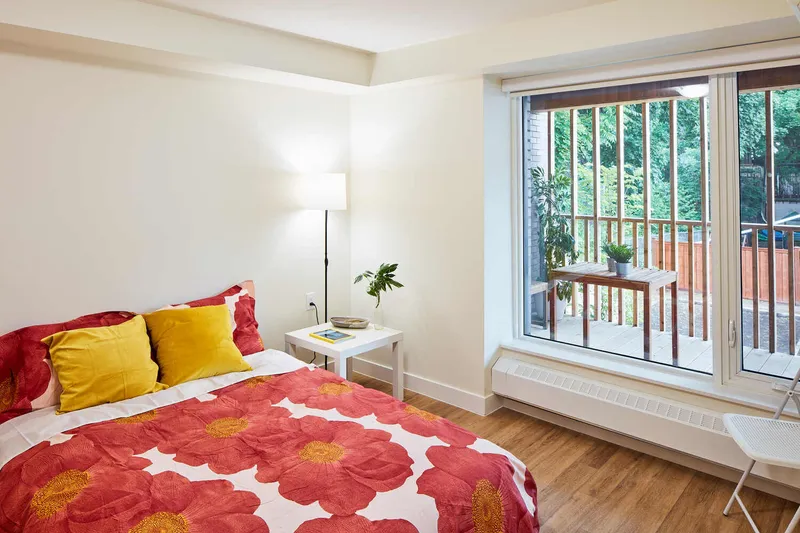
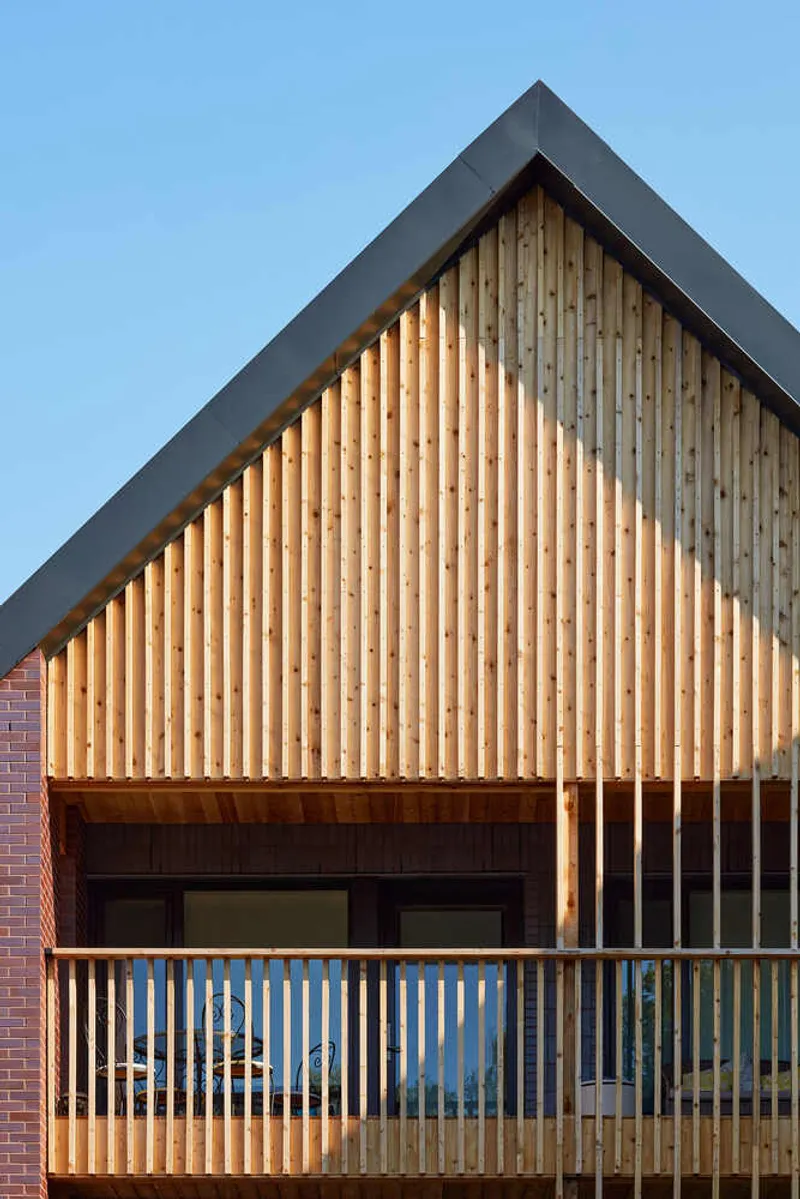
Natural light was integral to the project’s design philosophy. South-facing units feature large upper-floor balconies and ground-floor patios that shield against summer heat while allowing winter sunlight to penetrate deeply. Slatted wood screens over bedroom windows further enhance light permeability while maintaining privacy.
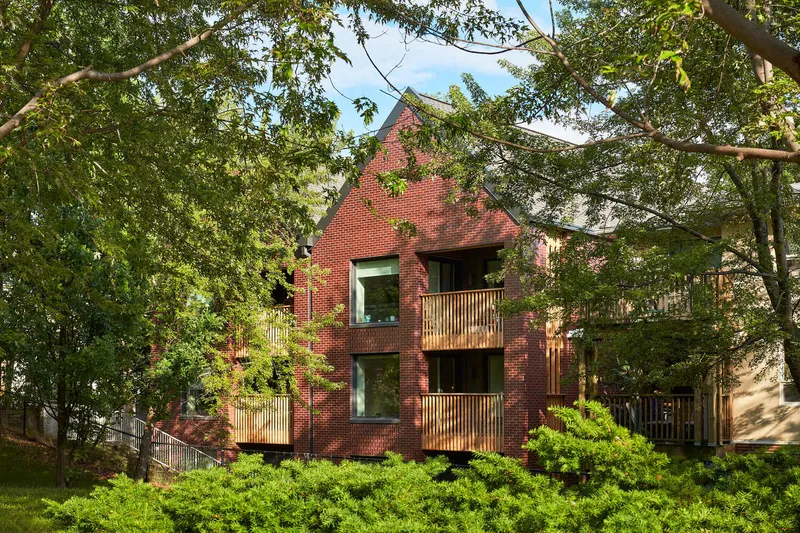
On the north side, slightly larger interiors and smaller balconies face a landscaped parkette, offering late-afternoon sunlight in summer. This balance of light and shade ensures comfortable living spaces year-round, with energy efficiency as a primary goal.
Connected Spaces and Shared Amenities
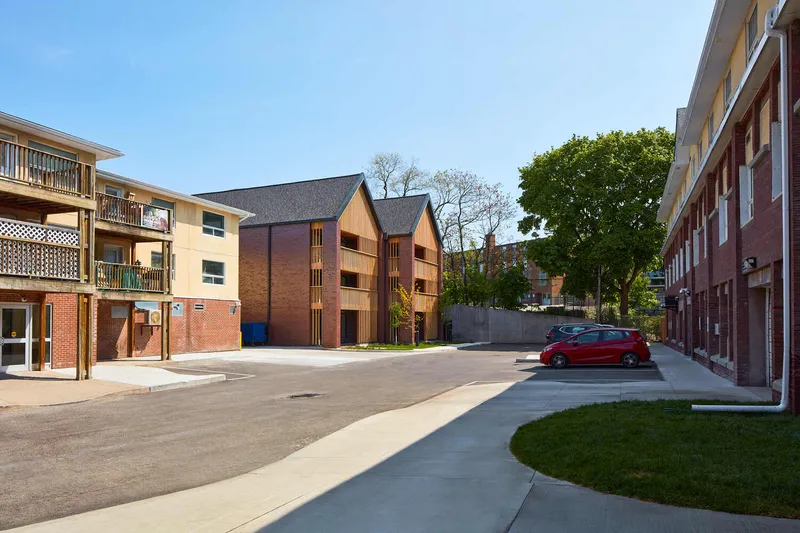
Although the new addition is freestanding, it connects directly to the existing building via an interior walkway. This thoughtful integration enables residents to access shared amenities and public spaces conveniently, fostering a sense of belonging. The landscaped parkette further enhances the communal atmosphere, providing a green retreat amid urban density.
Sustainability at the Forefront
LGA Architectural Partners prioritized sustainability through energy-efficient design and construction methods. The building achieves a 28% reduction in energy consumption and a 33% reduction in greenhouse gas emissions compared to the 2015 National Energy Code benchmarks. Key features include a super-insulated airtight envelope, efficient mechanical systems such as hydronic heating, and panelized construction, which expedited the build process to align with the goals of the Rapid Housing Initiative.
Crafting Affordable Excellence
The project stands as a model for affordable housing done right. It delivers thoughtfully designed living spaces that merge environmental responsibility with architectural elegance. From its familiar brick façade to its energy-efficient systems, the addition exemplifies the potential of affordable housing to enhance urban living while addressing broader social and environmental challenges.
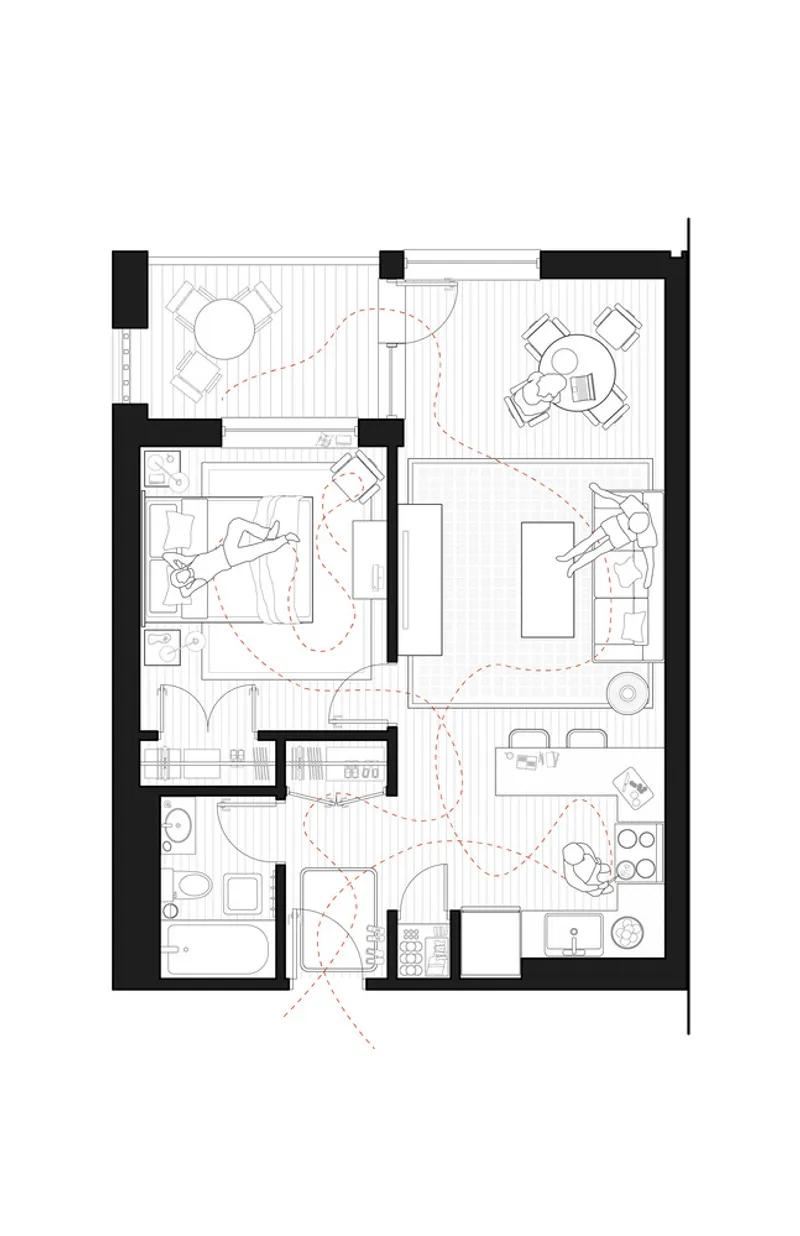
LGA Architectural Partners’ addition to the NFARC site on Coxwell Avenue is more than a housing project—it is a statement of hope and innovation. By reimagining affordable housing as an opportunity for design excellence and sustainability, the project elevates the standard for future developments, proving that affordability and quality can coexist.
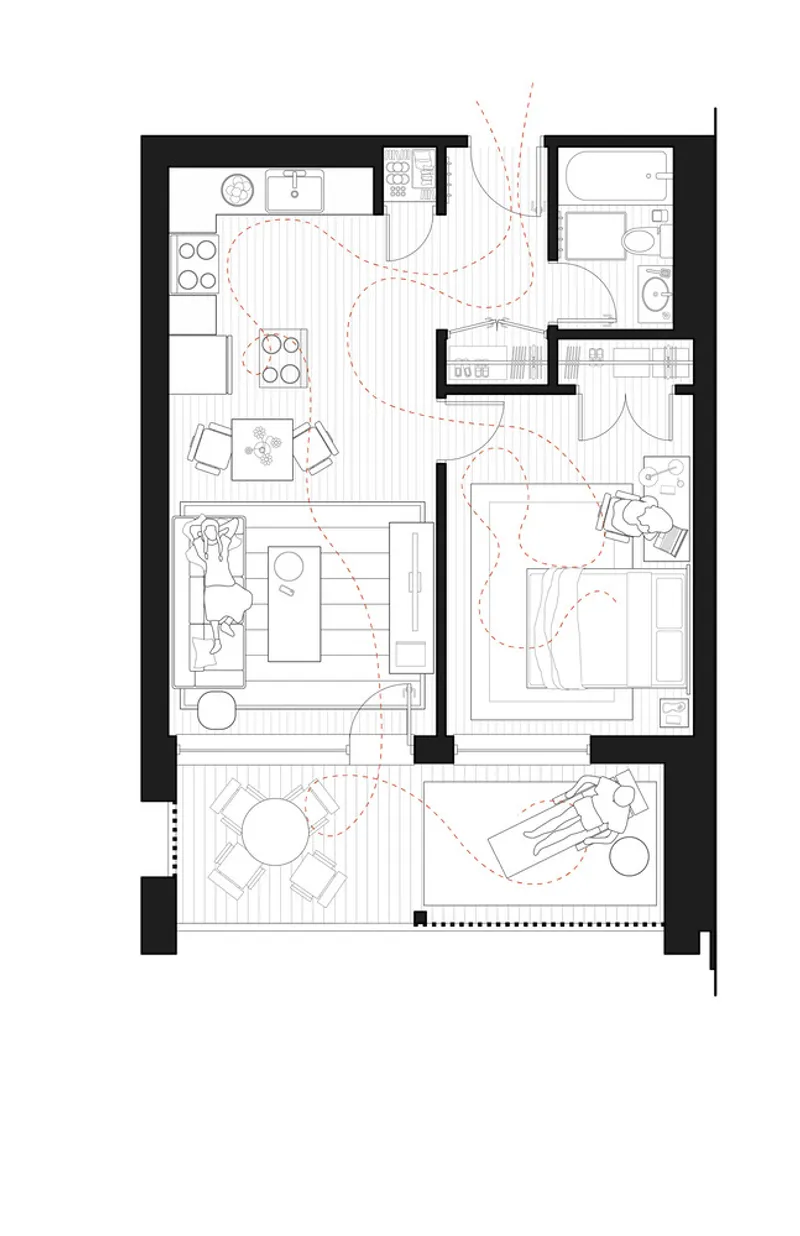
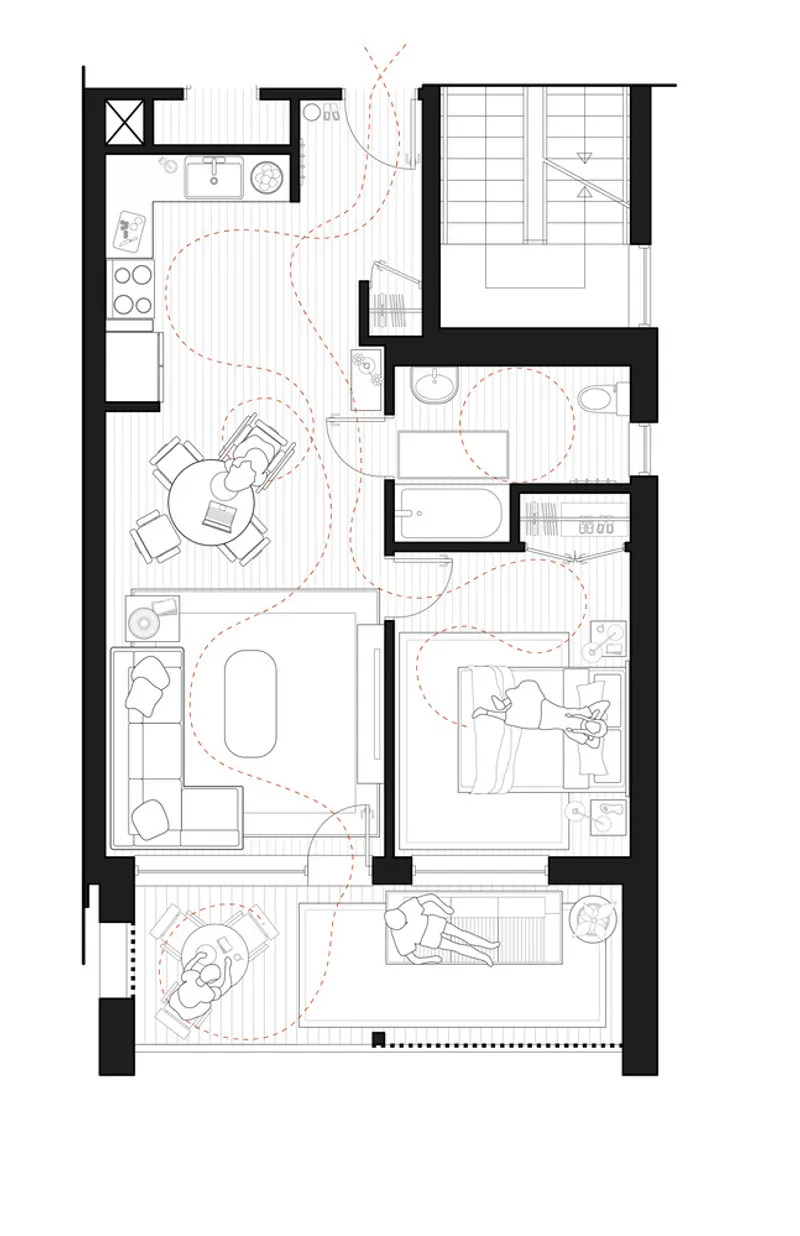
All Photographs are work of Eliot Wright




Popular Articles
Popular articles from the community


Co-Life: Senior Housing Design That Reconnects Older Adults With the City
Co-Life reimagines senior housing design through healing gardens, shared streets, workshops, and a sustainable community across generations.

Co-life: Sustainable Architecture for Age-Friendly Community Living
Co-life reimagines sustainable architecture for seniors through courtyards, rammed earth, shared gardens, and spaces designed for belonging.

The Earth Pod: 3D Printed Homes for Resilient Refugee Communities
The Earth Pod reimagines refugee housing through 3D printed homes made from clay, combining resilience, self-sufficiency, and rapid shelter.

The Ocean Hive: Sustainable Architecture for a Self-Sufficient Civilization at Sea
The Ocean Hive imagines sustainable architecture at sea, where modular habitats, algae, wave power and ocean waste sustain a growing colony.


Similar Reads
You might also enjoy these articles


Hodi-Mandai Geram
Project Function: Preservation and revitalization of the Intangible heritage and socio-spatial identity of the Hodi by Housing, Cultural Memory Center, Sacred Grove, landscape, local tourism economy


Olio Towers: A Mid-Rise for Performers That Fuses Housing, Rehearsal, and Stage
Located blocks from Houston's Theater District, this modular tower stacks living units around a central performance atrium.

Oasis: Modular Green Housing Carved into Dhaka's Urban Fabric
A shortlisted Plugin Housing entry reclaims unauthorized settlements in Dhaka with stepped concrete volumes, green roofs, and ventilation-driven design.

Black Hole: A Floating Megastructure for the Post-Physical Era
Emiliano Mazzarotto envisions a spherical, self-scaling arena where e-sports, digital hotels, and holographic stadiums replace traditional public space.


Explore Affordable Housing Competitions
Discover active competitions in this discipline



Challenge to reimagine the Iron Throne


Photograph architecture without architects


Illustrate the lost glory of Angkor Wat - Render Challenge


Design challenge to reuse E-waste
Comments (0)
Please login or sign up to add comments
No comments yet. Be the first to comment!