

Agnews K12 Campus LPA Architecture: A Next-Generation Educational Environment
Agnews K12 Campus by LPA unites three schools on a sustainable 55-acre site, blending collaborative learning, nature, and innovative design.


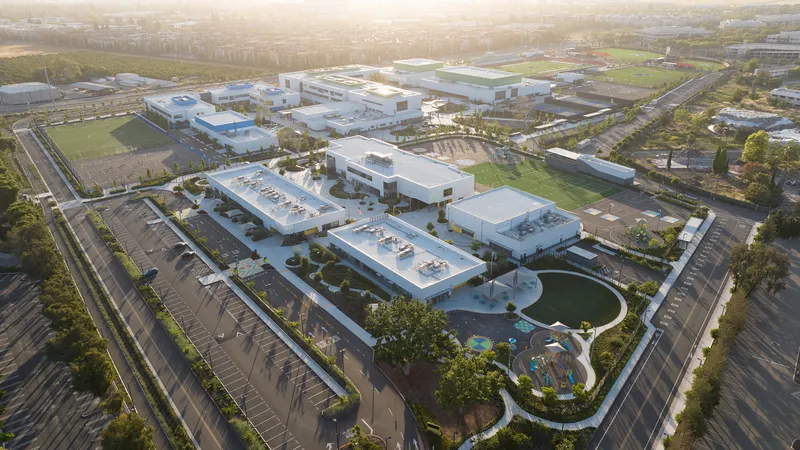
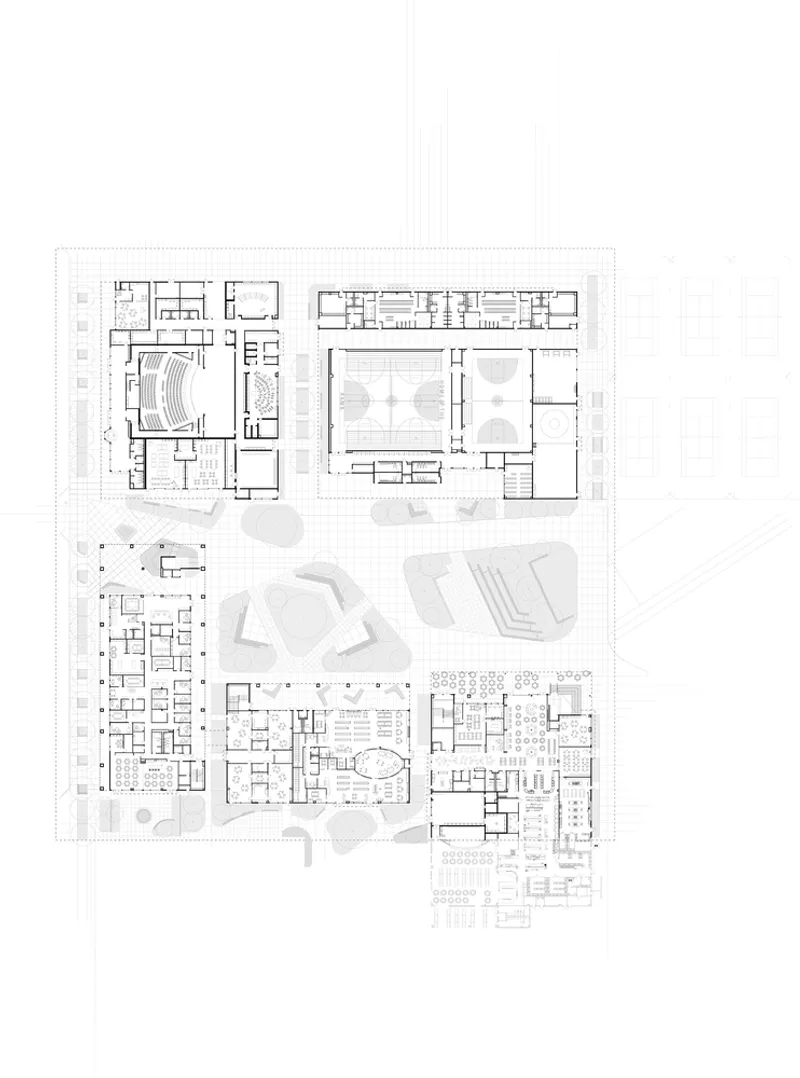
The Agnews K12 Campus, designed by LPA, is a visionary educational complex located in Santa Clara, United States. Spanning 352,554 square feet, this campus is a transformative educational hub that unites elementary, middle, and high schools within a single 55-acre site. The design reflects a holistic approach that blends sustainability, collaborative learning, and innovative architectural strategies, offering a cohesive yet distinct environment for different age groups. Once the site of a historic mental health facility, it has now been reimagined into a dynamic learning community where architecture nurtures creativity and progression.
Architectural Concept and Design Language
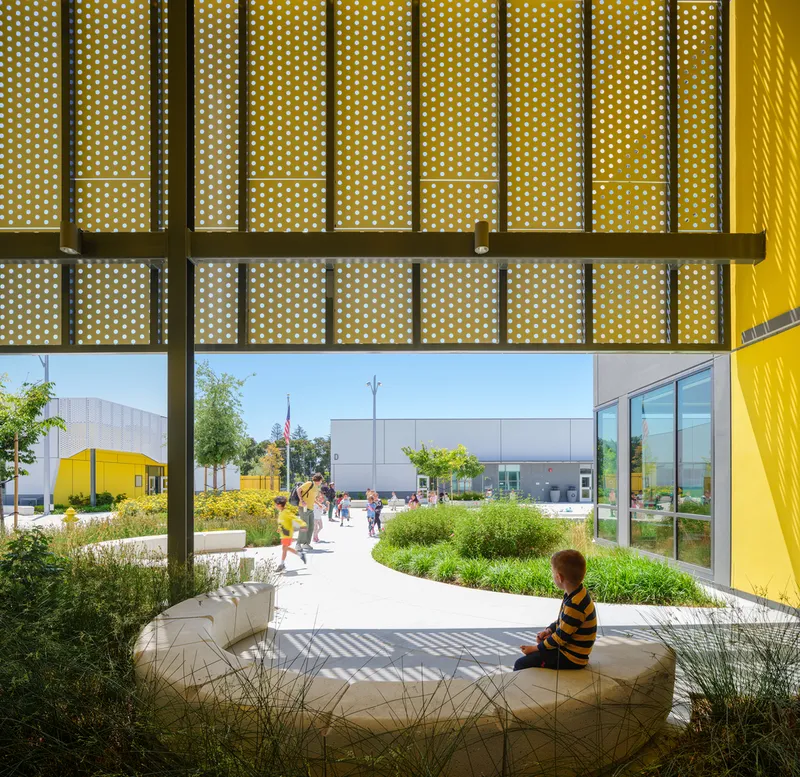
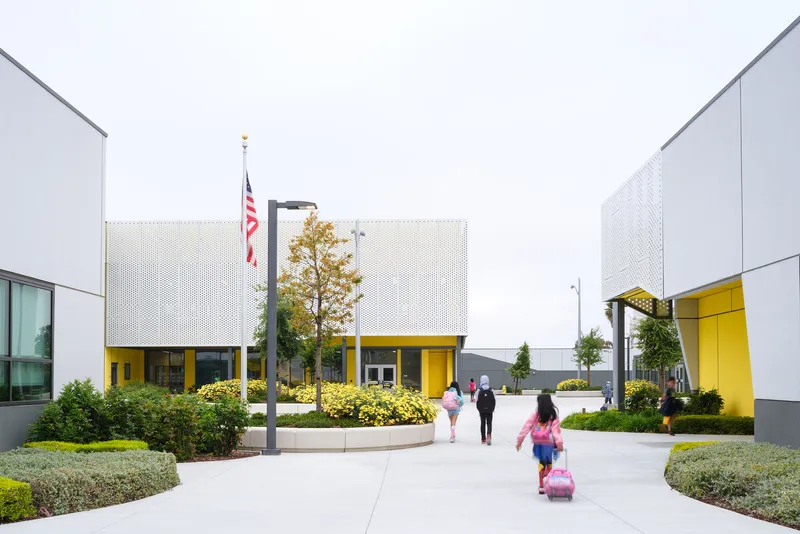
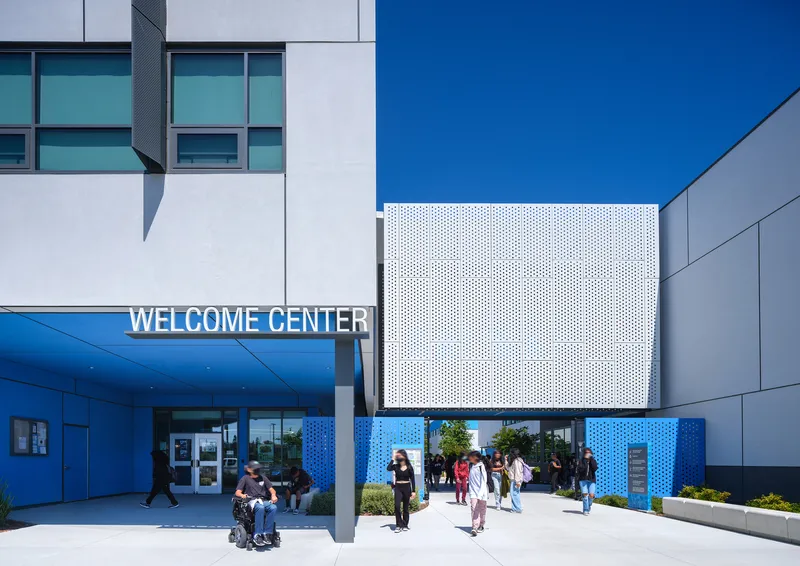
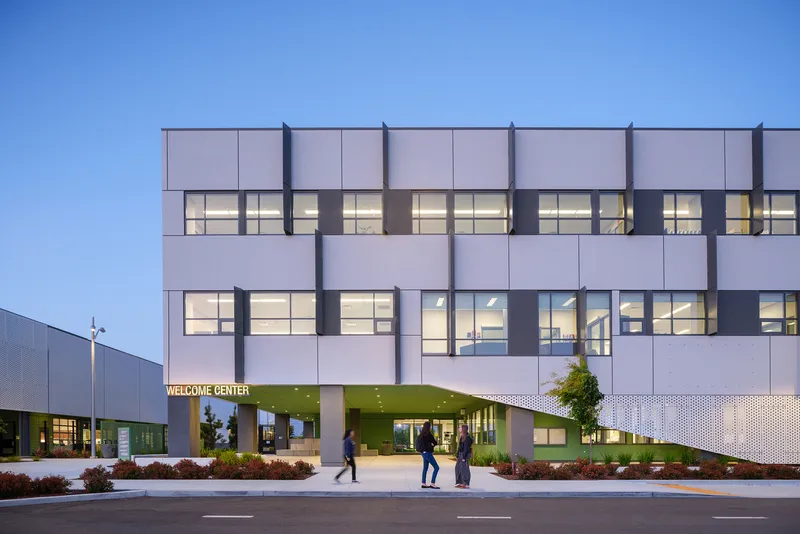
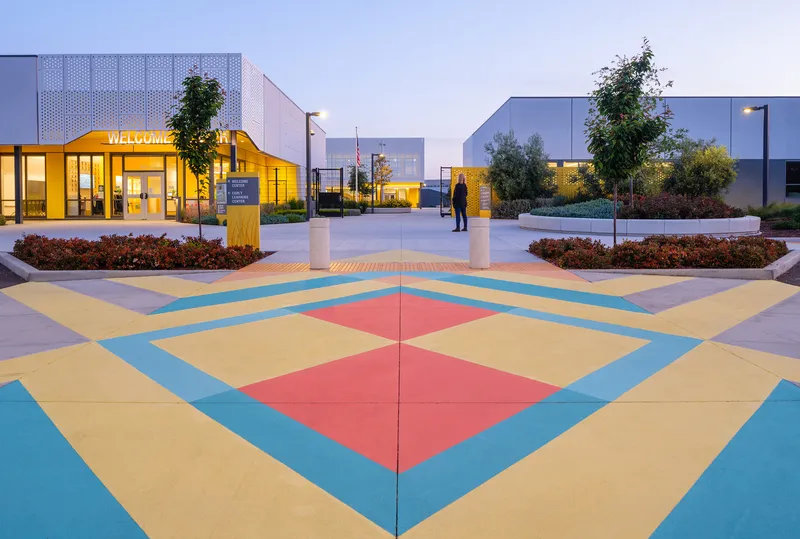
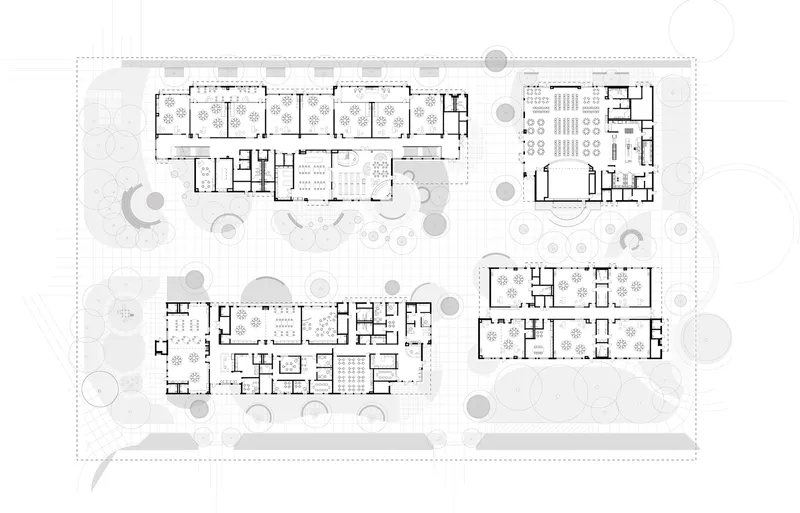
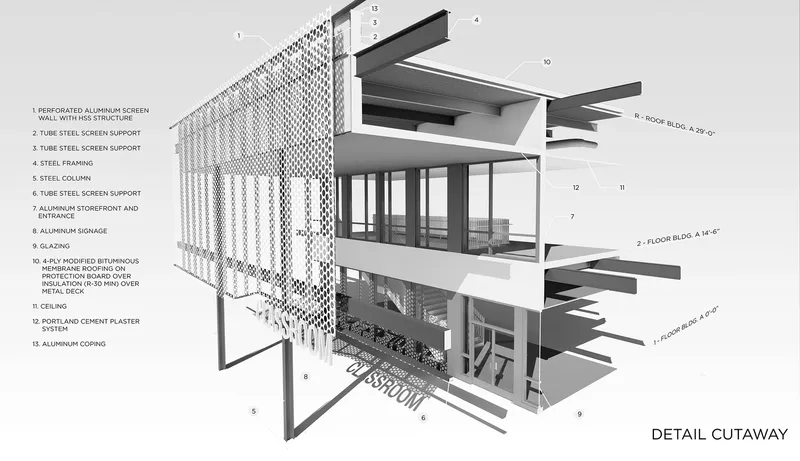
The campus employs a unified architectural language across the three schools, while each retains a unique identity through the use of scale, color, and landscaping. The elementary school buildings are primarily single-story, creating a child-friendly and intimate environment. This architectural scale transitions seamlessly to two-story structures for the middle school and three-story buildings for the high school, symbolizing the growth and educational progression of students as they advance.
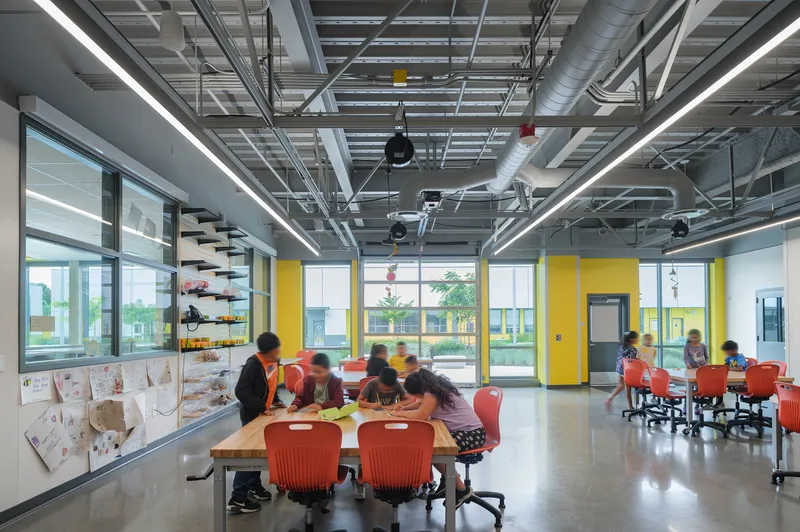
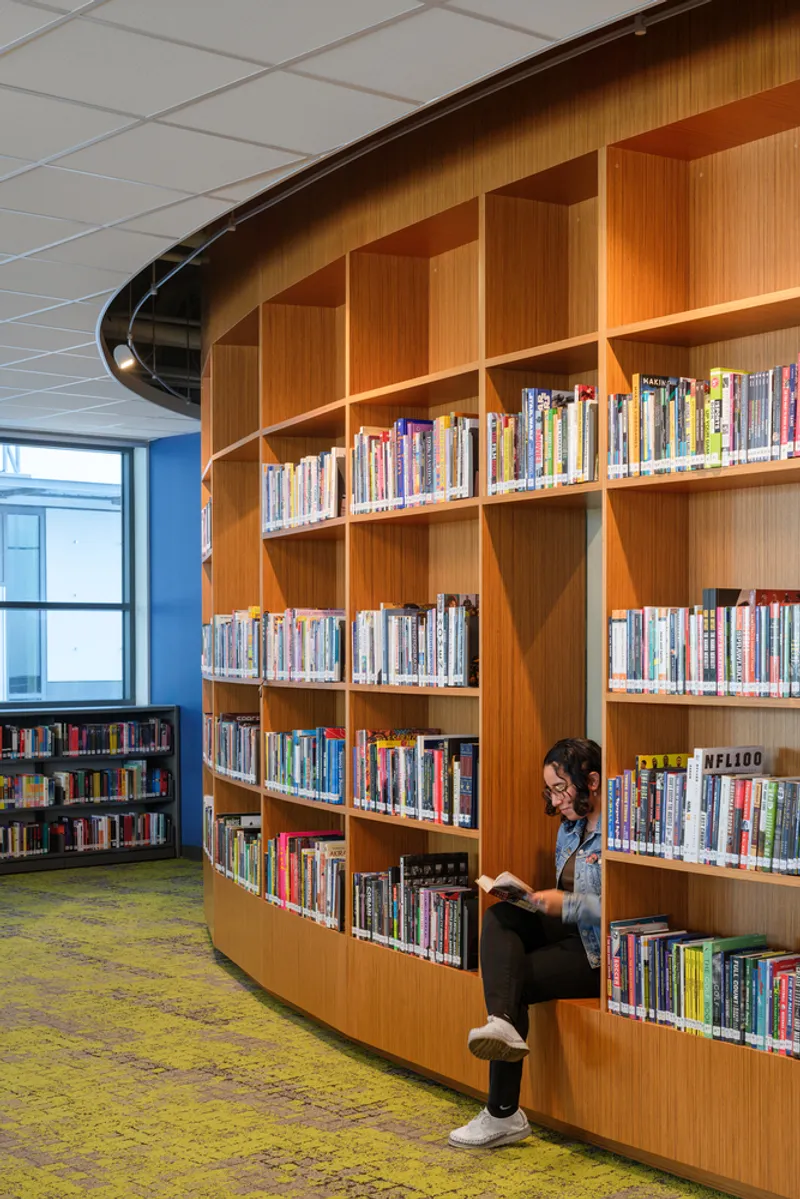
LPA’s design philosophy integrates S.M.A.R.T. principles—sustainability, mindfulness, adaptability, relevancy, and transformation. These guiding principles shape every aspect of the built environment, from flexible STEM spaces to collaborative outdoor classrooms, ensuring the campus remains future-ready and student-focused.
Shared Facilities and Community-Centric Design
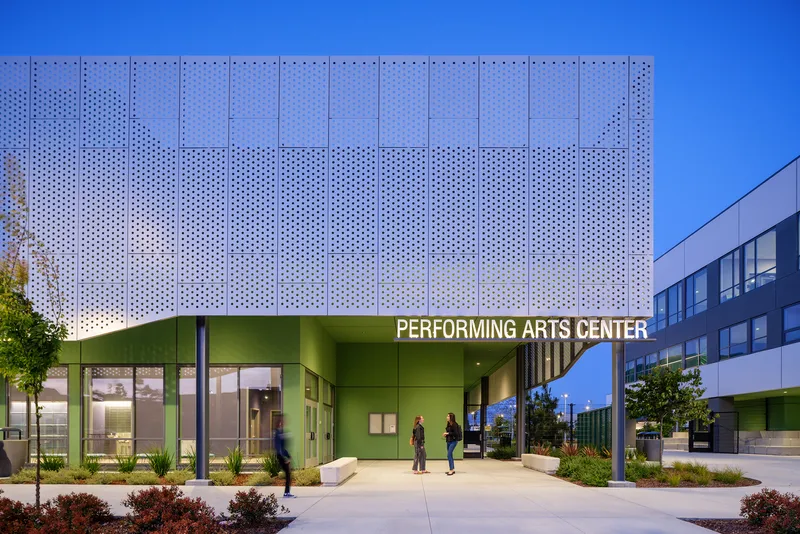
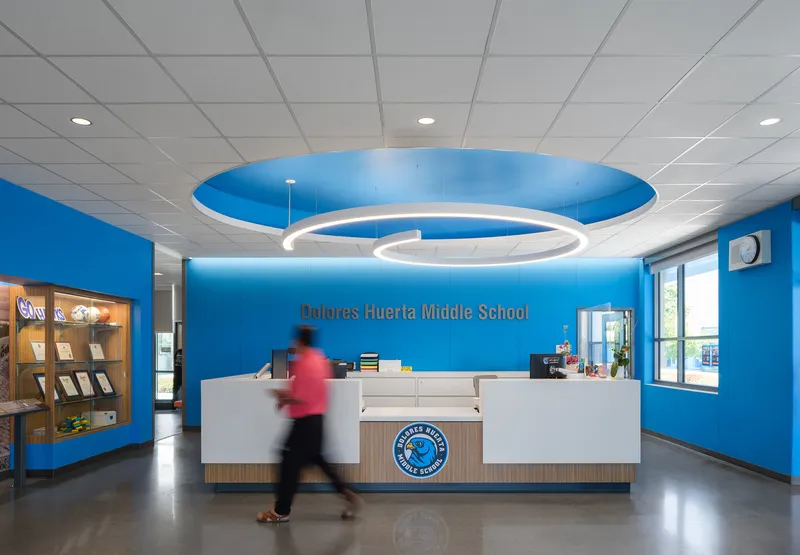
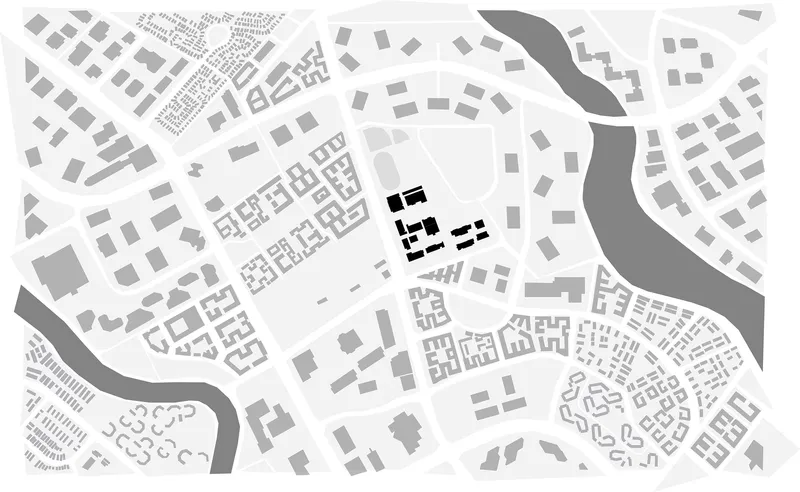
A defining characteristic of the Agnews K12 Campus LPA Architecture is its thoughtful clustering of buildings, which preserves open space while maximizing opportunities for shared facilities. The media center, performing arts center, kitchen, and outdoor faculty lounge are accessible across the schools, fostering collaboration and efficient use of resources.
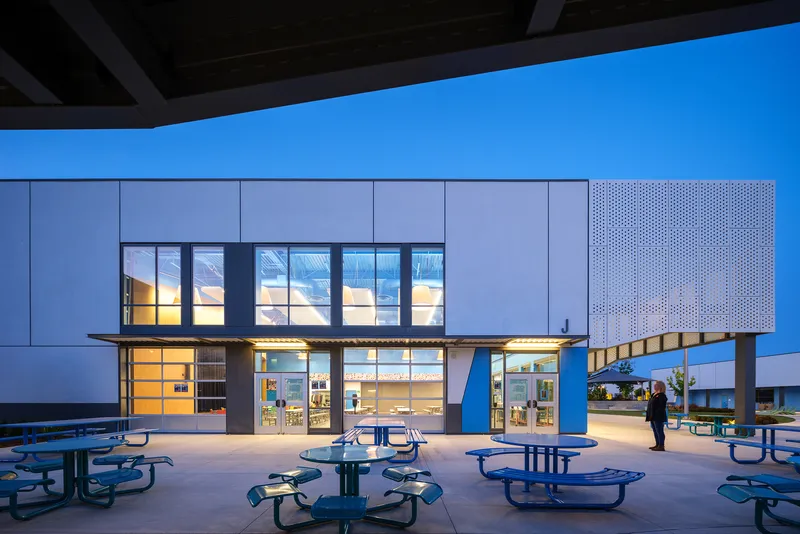
Each school is designed around its own exterior quad with distinctive landscaping that symbolizes natural progression—a grassland-inspired landscape for the elementary school, woodland elements for the middle school, and a mature forest theme for the high school. These outdoor spaces serve as extended learning environments, merging the natural and built worlds to support outdoor education.
Sustainable Strategies and Passive Design
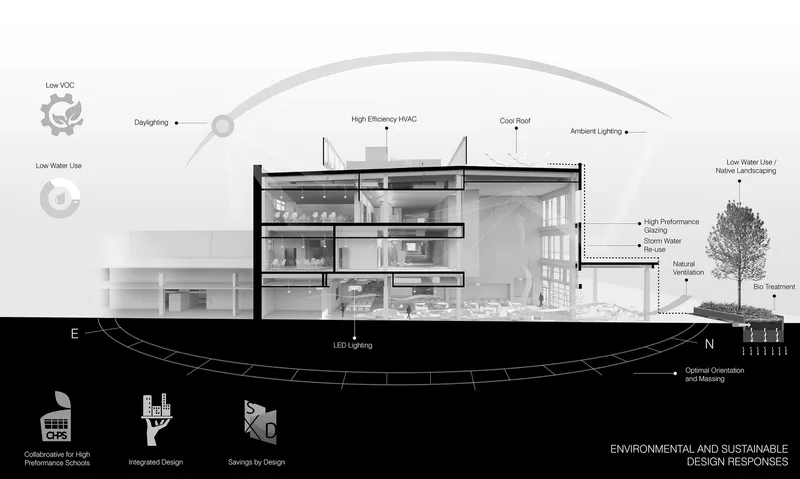
Sustainability lies at the heart of Agnews K12 Campus LPA Architecture. The design emphasizes passive strategies such as building orientation, massing, and daylight optimization to minimize energy loads and enhance indoor comfort. The landscape design features low-water native plantings and integrated stormwater management systems, while the interiors incorporate sustainable materials and air-quality-focused solutions.
The campus development also prioritizes infill strategies and proximity to public transit, reducing its environmental footprint while creating accessible and walkable connections for the community.
Student-Centered Learning Environments
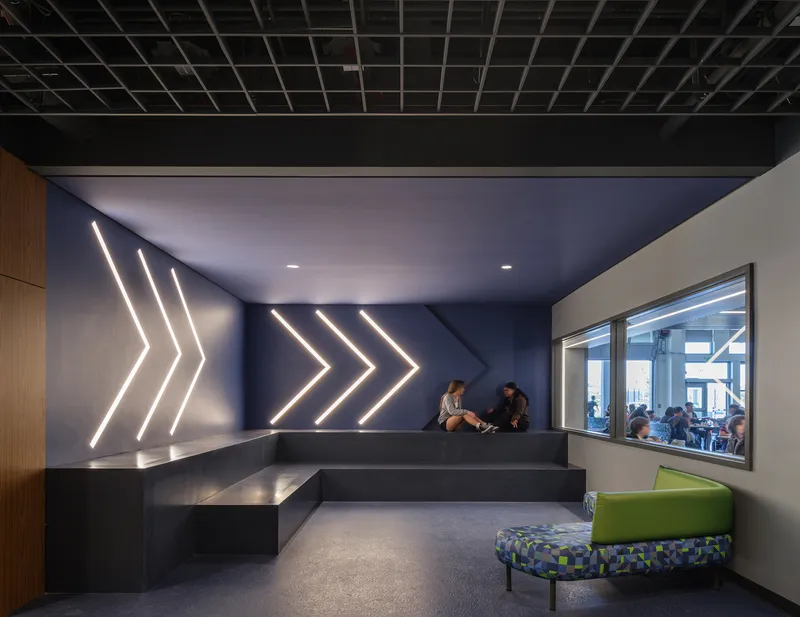
Every element of the campus is tailored to enhance the student experience. Grade-specific STEM labs, collaborative areas, and flexible learning environments are designed to encourage exploration, peer-to-peer learning, and creative thinking. The outdoor learning zones are age-appropriate, allowing students to engage with nature as part of their curriculum.
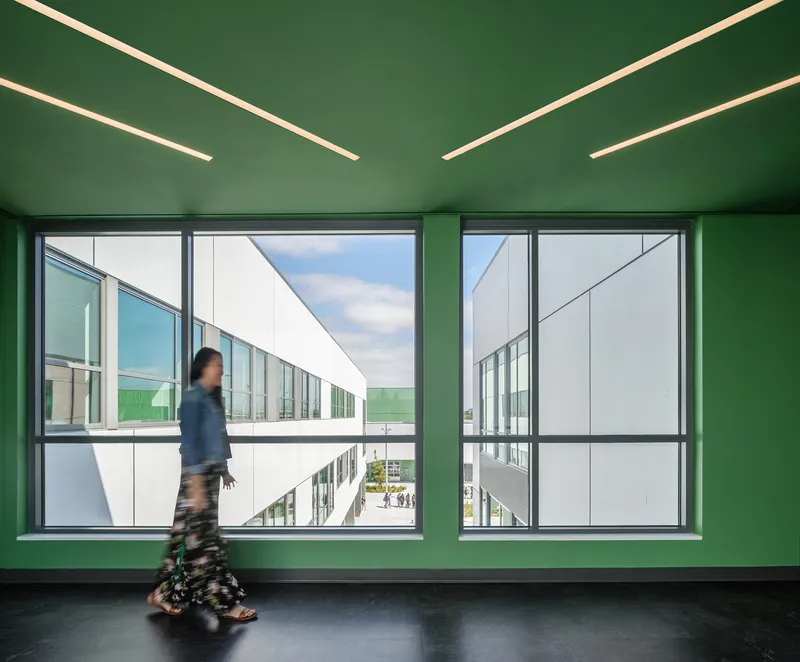
The design encourages a sense of belonging and progression. The transition from small-scale classrooms in elementary school to expansive high school facilities mirrors a student’s academic and personal growth journey, fostering an environment that nurtures both individual and collective learning.

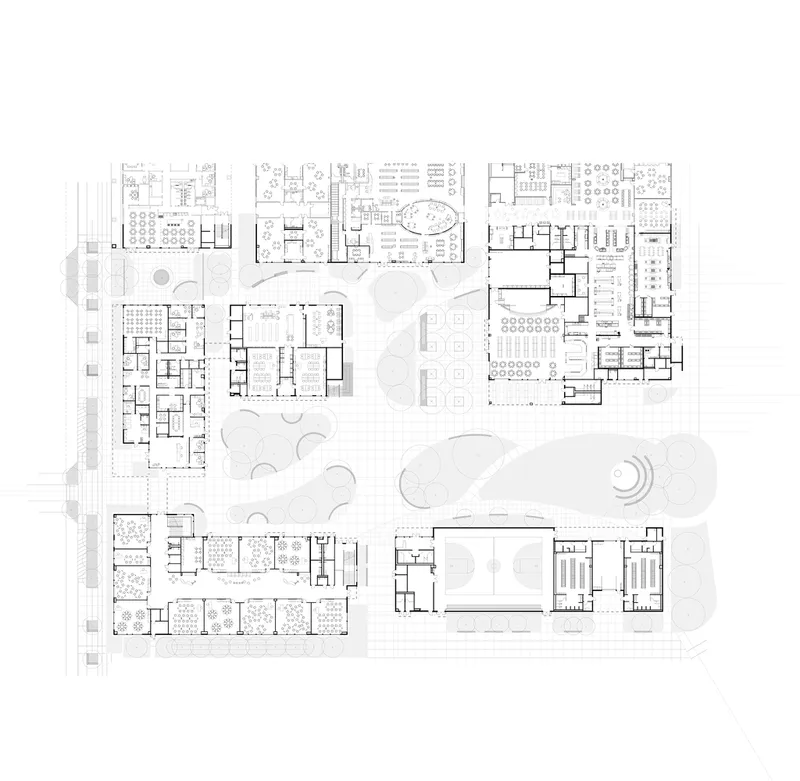
The Agnews K12 Campus LPA Architecture represents a modern blueprint for educational design, where sustainability, community, and innovation converge. By integrating three schools on one site with shared facilities and flexible learning spaces, the campus sets a benchmark for future educational projects. Its balance of environmental sensitivity, forward-thinking design, and student-centric planning makes it a model for next-generation campuses.
All the photographs are works of Jason O’Rear




Popular Articles
Popular articles from the community


The Musturak Paradise: Senior Living Architecture for a Connected Future in Temara, Morocco
The Musturak Paradise reimagines senior living architecture in Temara via private homes, social spaces, culture, community, and shared care.

The Earth Pod: 3D Printed Homes for Resilient Refugee Communities
The Earth Pod reimagines refugee housing through 3D printed homes made from clay, combining resilience, self-sufficiency, and rapid shelter.

Co-life: Sustainable Architecture for Age-Friendly Community Living
Co-life reimagines sustainable architecture for seniors through courtyards, rammed earth, shared gardens, and spaces designed for belonging.

Co-Life: Senior Housing Design That Reconnects Older Adults With the City
Co-Life reimagines senior housing design through healing gardens, shared streets, workshops, and a sustainable community across generations.


Similar Reads
You might also enjoy these articles

FAMM Arquitectura Organizes Ten Villas Around Courtyards and Jungle in Nosara, Costa Rica
El Molino pairs two elongated volumes with deep overhangs and timber louvers to build a compact coastal community five minutes from the beach.
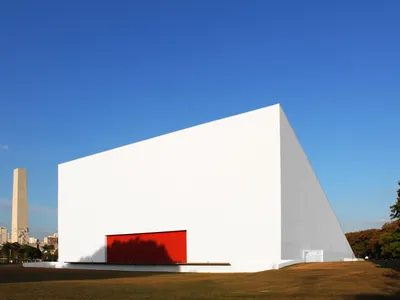
Oscar Niemeyer's Ibirapuera Park Pavilions Define São Paulo's Cultural Identity in Concrete and Curve
A constellation of modernist volumes set within São Paulo's most important urban park, conceived for the city's 400th anniversary in 1954.
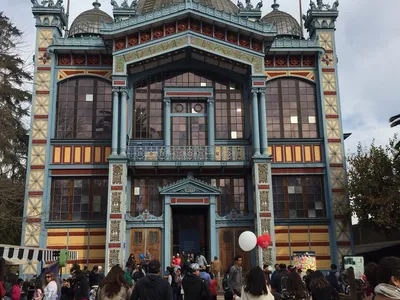
How Henri Picq's 1889 Paris Pavilion Traveled 11,000 Kilometers to Become Santiago's Artequín Museum
A prefabricated iron and glass pavilion built for the Paris Universal Exposition found a second life as a children's art museum in Chile.
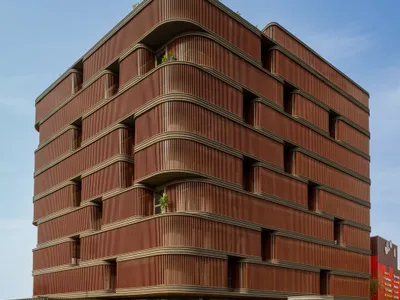
Sanjay Puri Architects Wraps a Jaipur Office Tower in Capsule-Shaped Green Buffers
A nine-level climate-responsive workplace near Jaipur Airport uses stacked planter terraces and aluminium screens to fight 40°C heat.

Explore Architecture Competitions
Discover active competitions in this discipline



Challenge to reimagine the Iron Throne


Photograph architecture without architects


Illustrate the lost glory of Angkor Wat - Render Challenge


Design challenge to reuse E-waste
Comments (0)
Please login or sign up to add comments
No comments yet. Be the first to comment!