

Alice II Office: A Biophilic and Transparent Healthcare Workspace in Brazil
Biophilic healthcare office with central atrium, transparent design, adaptive facade, natural light, and human-centered spaces promoting wellness and comfort.


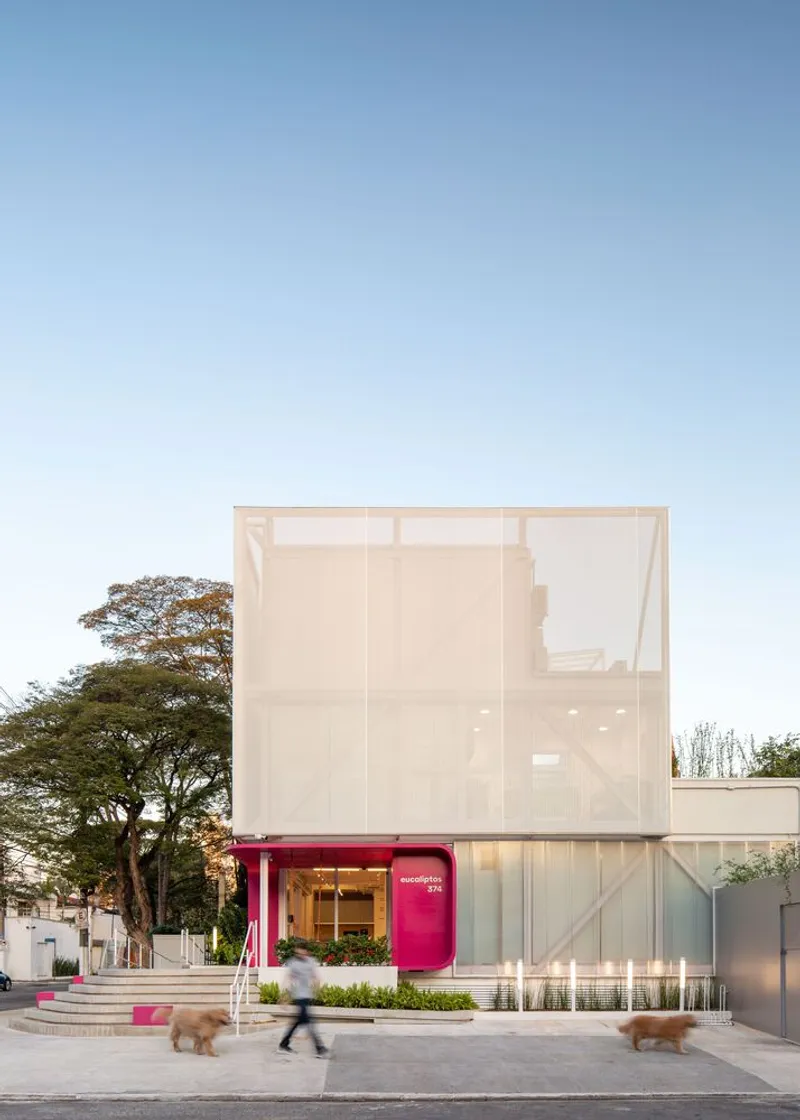
The Alice II Office, designed by noak studio in collaboration with ACR arquitetos associados, represents a progressive shift in healthcare architecture. Located in Indianópolis, this 400 m² project redefines the concept of clinical environments by merging wellness, transparency, and human-centered spatial design. Completed in 2022, the project reflects the innovative ethos of Alice Saúde, where architecture plays a vital role in promoting holistic health experiences.
Concept: Integrating Health, Nature, and Transparency
The design concept is rooted in the fundamental pillars of health: body, mind, sleep, and nutrition, translated into spatial experiences. Unlike conventional medical facilities, the Alice II Office embraces a biophilic design approach, integrating natural light, ventilation, and visual connectivity to create a calming and restorative atmosphere.
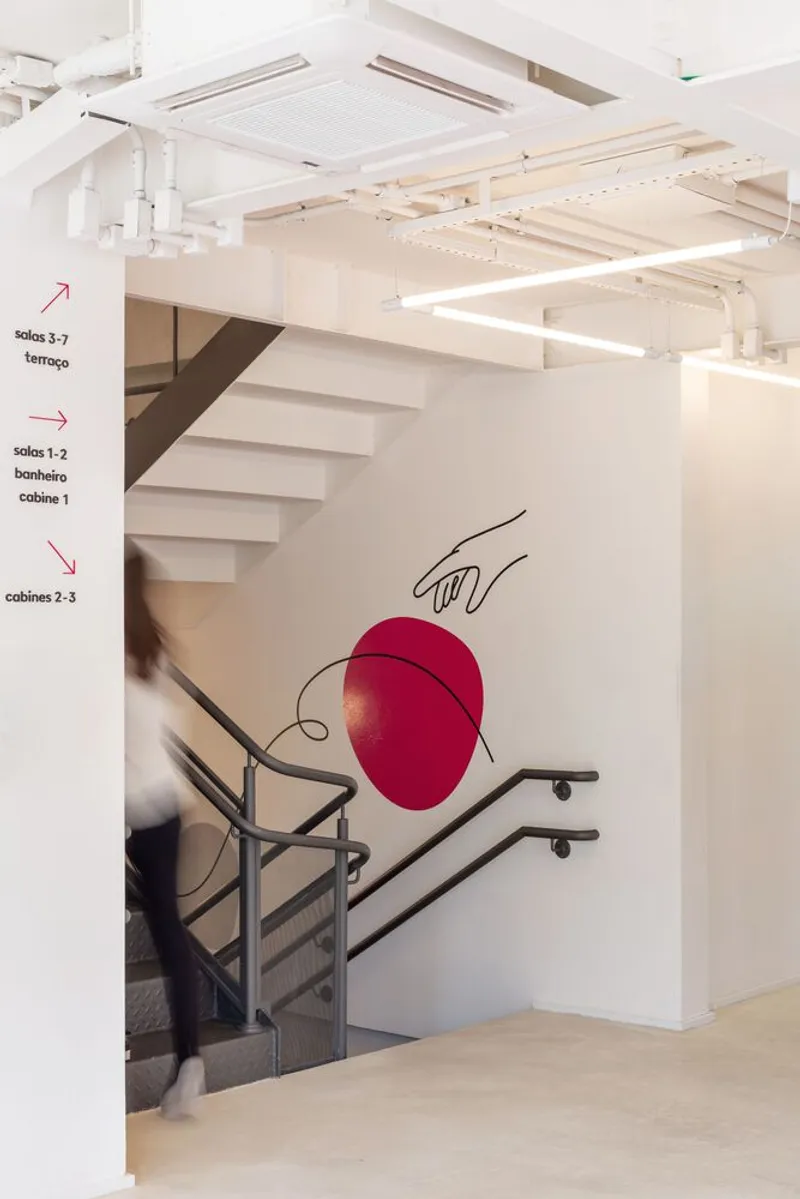
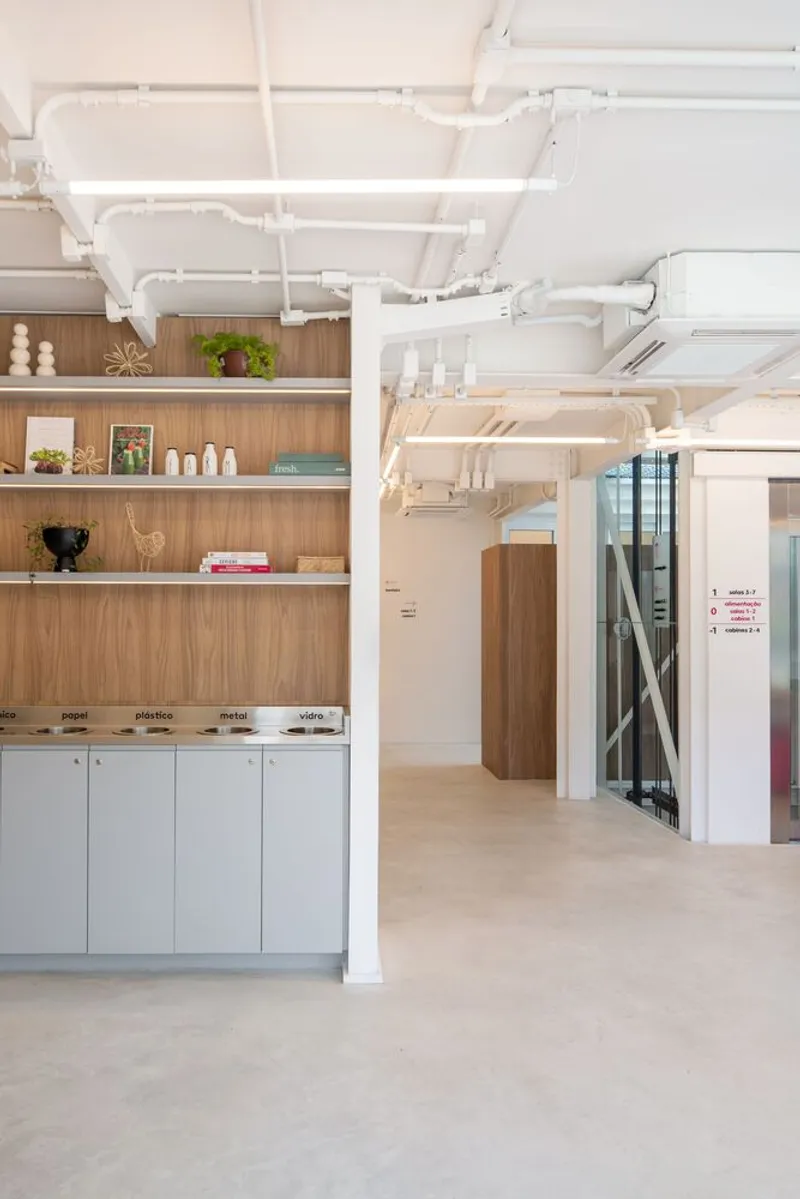
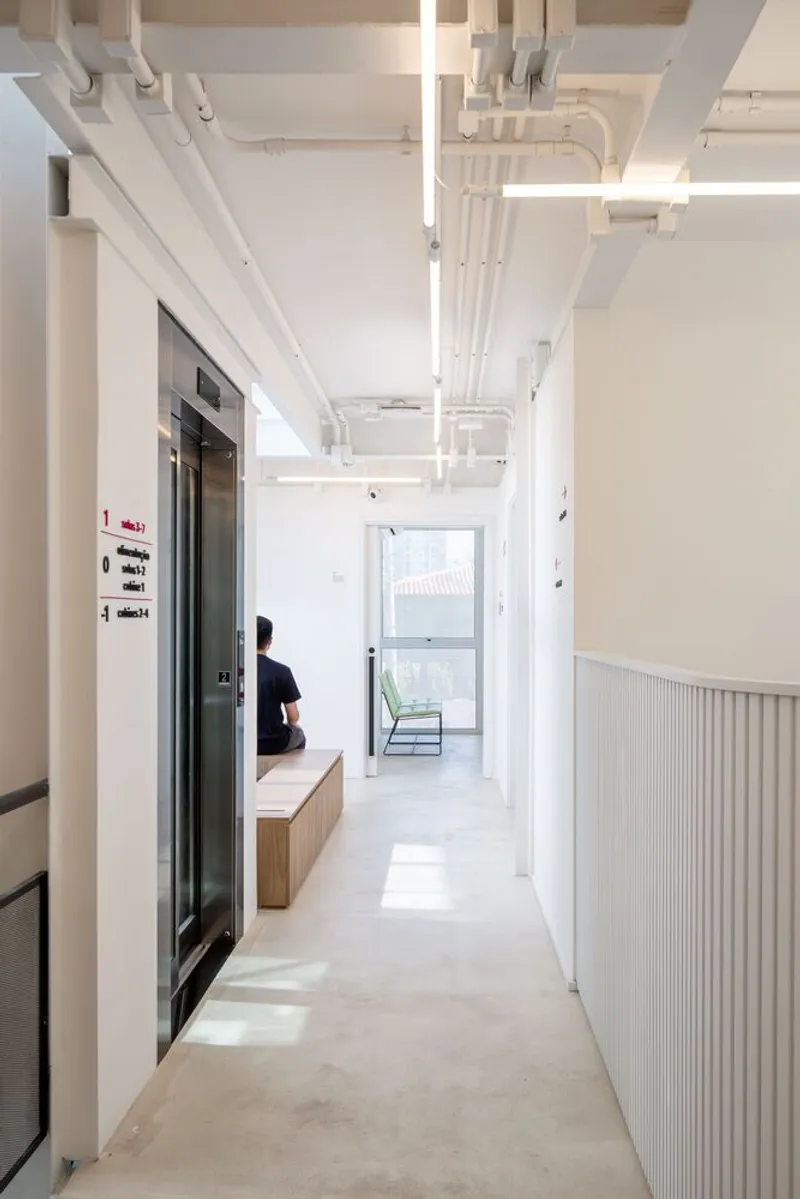
A key challenge for the architects was adapting the expansive concept of the flagship unit into a compact vertical layout. The solution was to emphasize the building’s original structure while exposing infrastructure elements, reinforcing the brand’s commitment to transparency and authenticity. The result is a democratic, hierarchy-free environment that feels both sophisticated and approachable.
Facade Strategy and Bioclimatic Performance
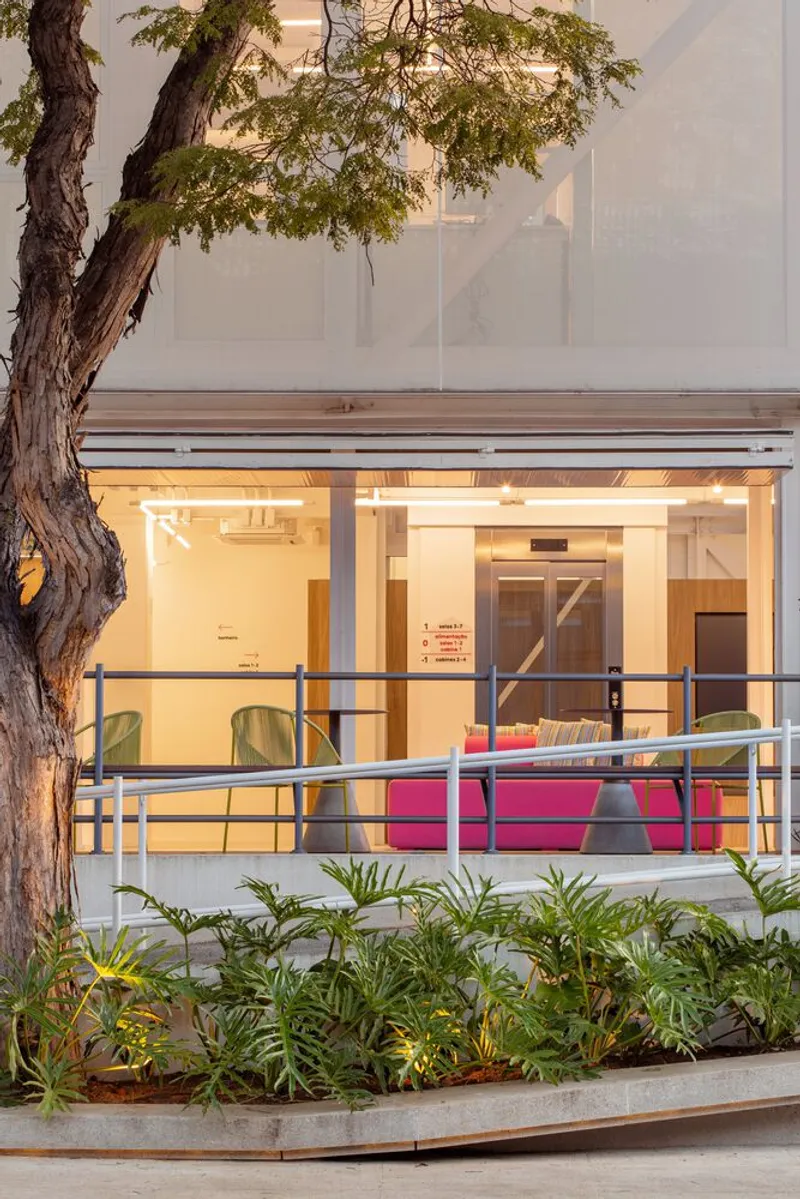
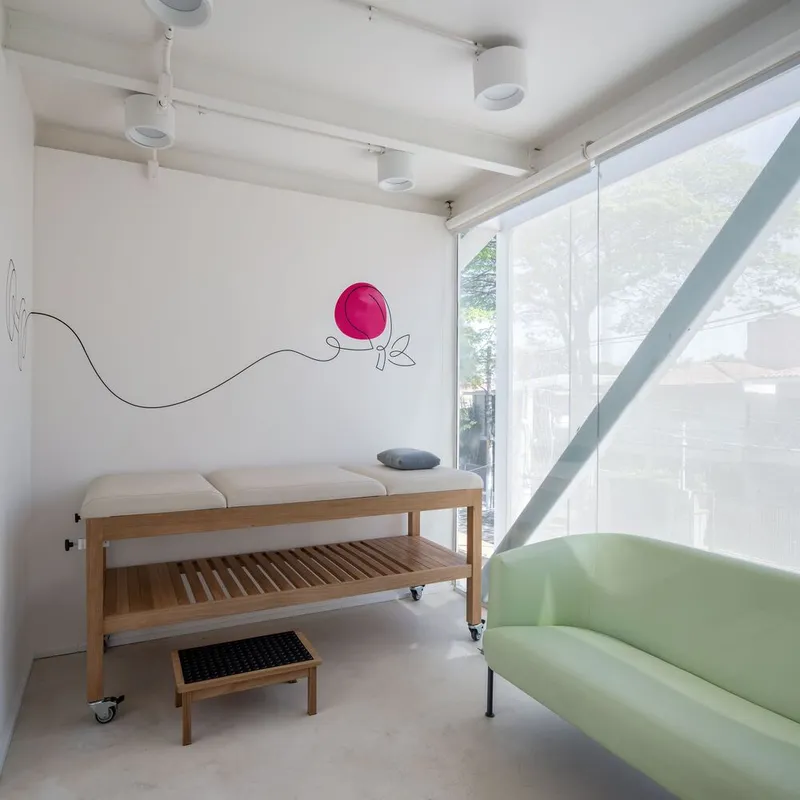
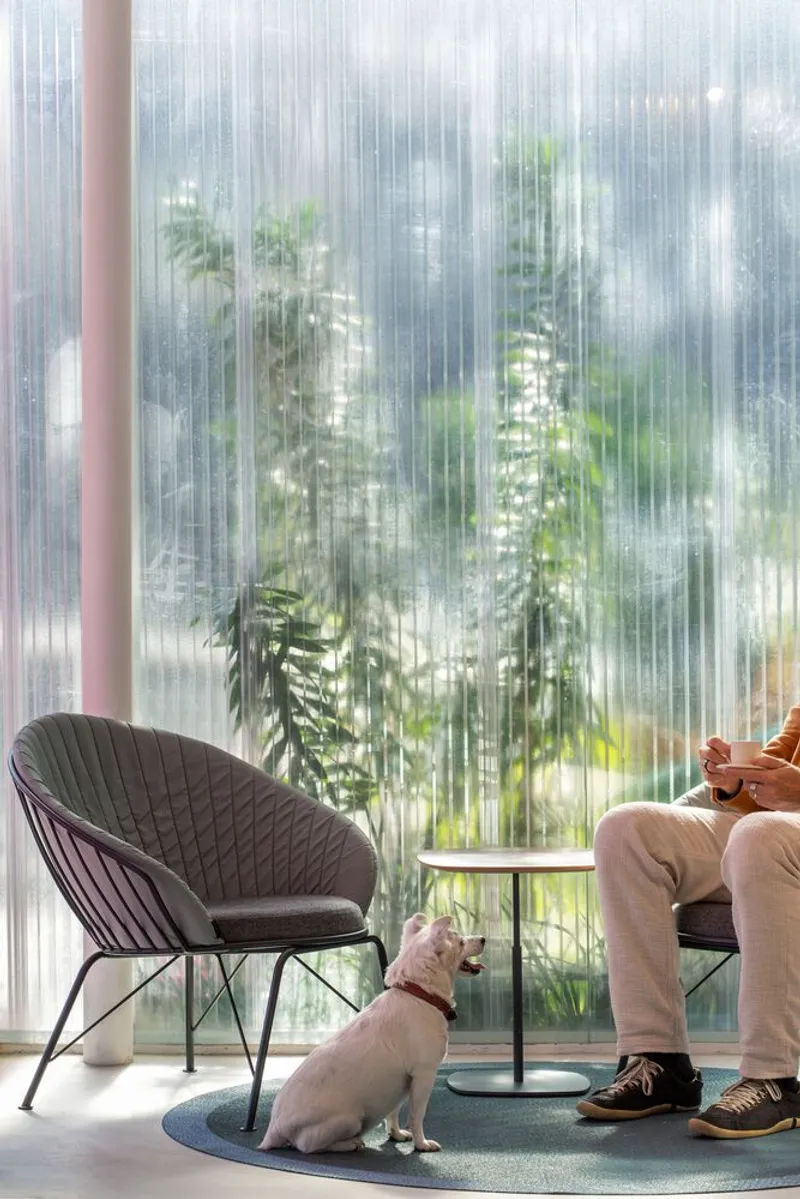
The facade plays a crucial role in defining the building’s identity. A bioclimatic membrane wraps the structure, providing privacy while optimizing energy efficiency. This responsive layer allows natural light to penetrate without excessive heat gain, ensuring thermal comfort throughout the day.
At dusk, the building transforms into a glowing volume, creating a dynamic interplay of light and shadow. Adjustable internal solar screens offer flexibility, enabling users and medical professionals to control privacy levels during consultations and examinations.
Spatial Organization and Natural Illumination
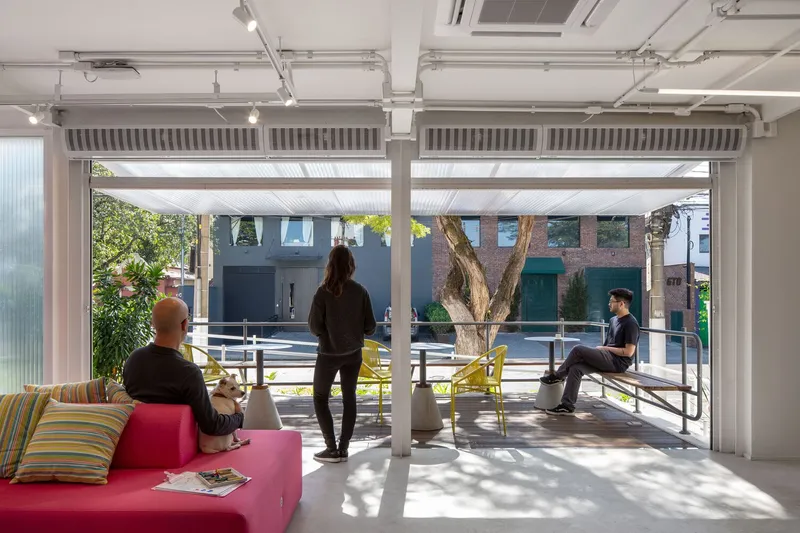
The spatial strategy revolves around peripheral planning, where rooms are positioned along the edges of the building. This ensures that every space benefits from natural light and external views.
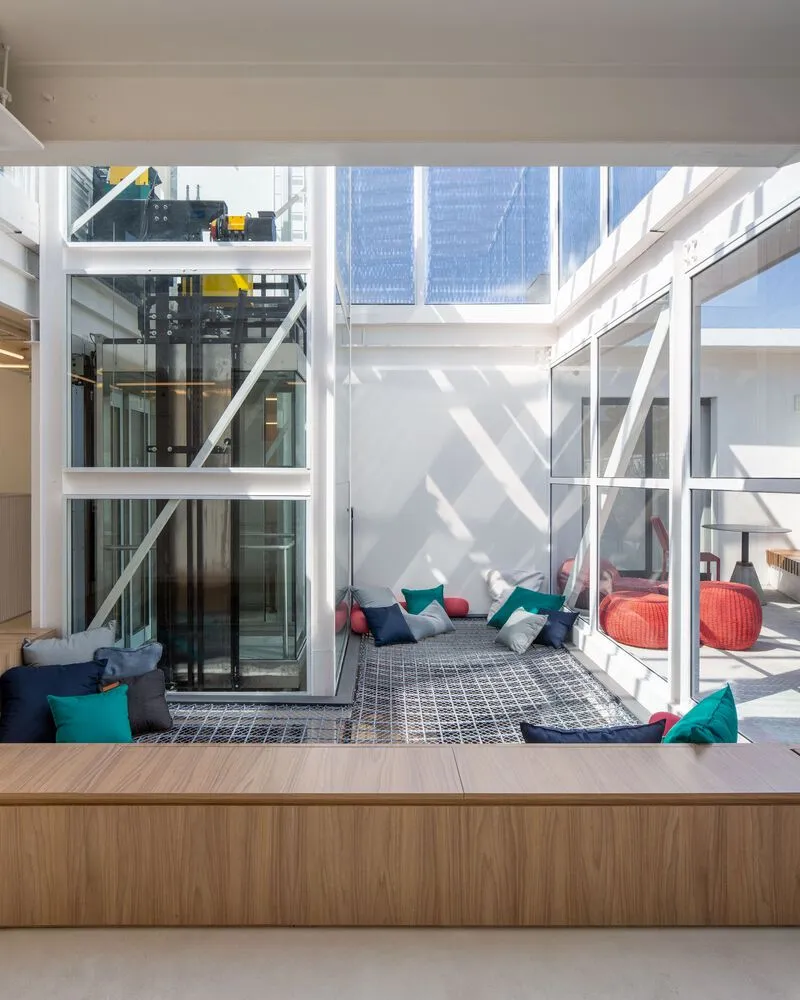
At the core of the design lies a central atrium, illuminated by zenithal light. This vertical void enhances visual connectivity across all levels, reinforcing the concept of openness. The atrium also echoes the flagship unit’s courtyard design, allowing panoramic views and a seamless spatial experience.
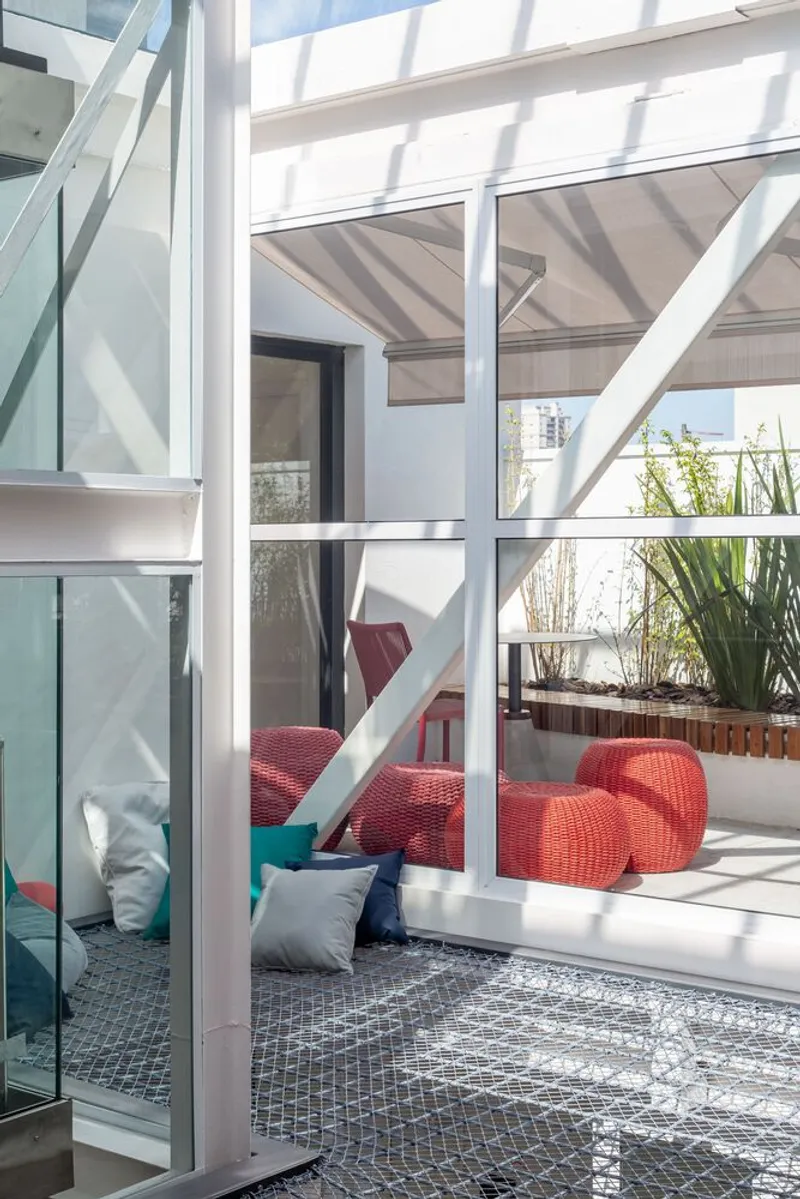
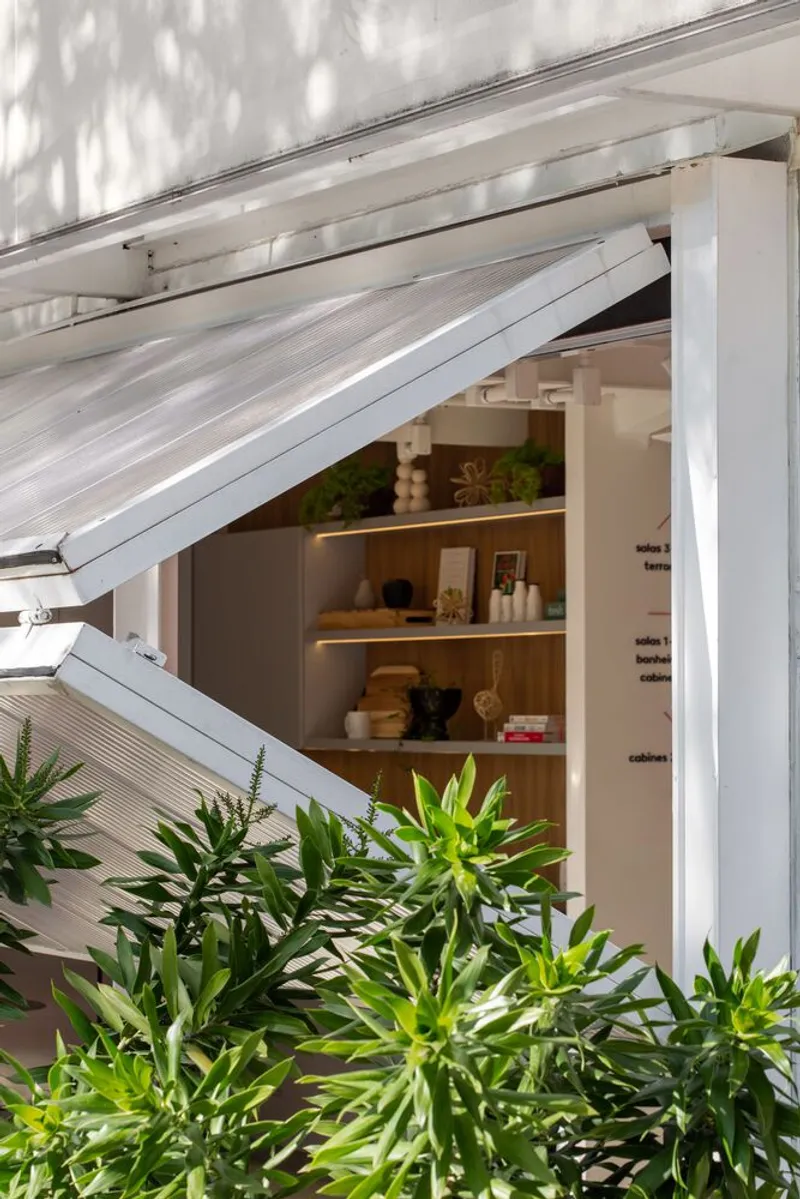
Central Atrium as a Social and Functional Space
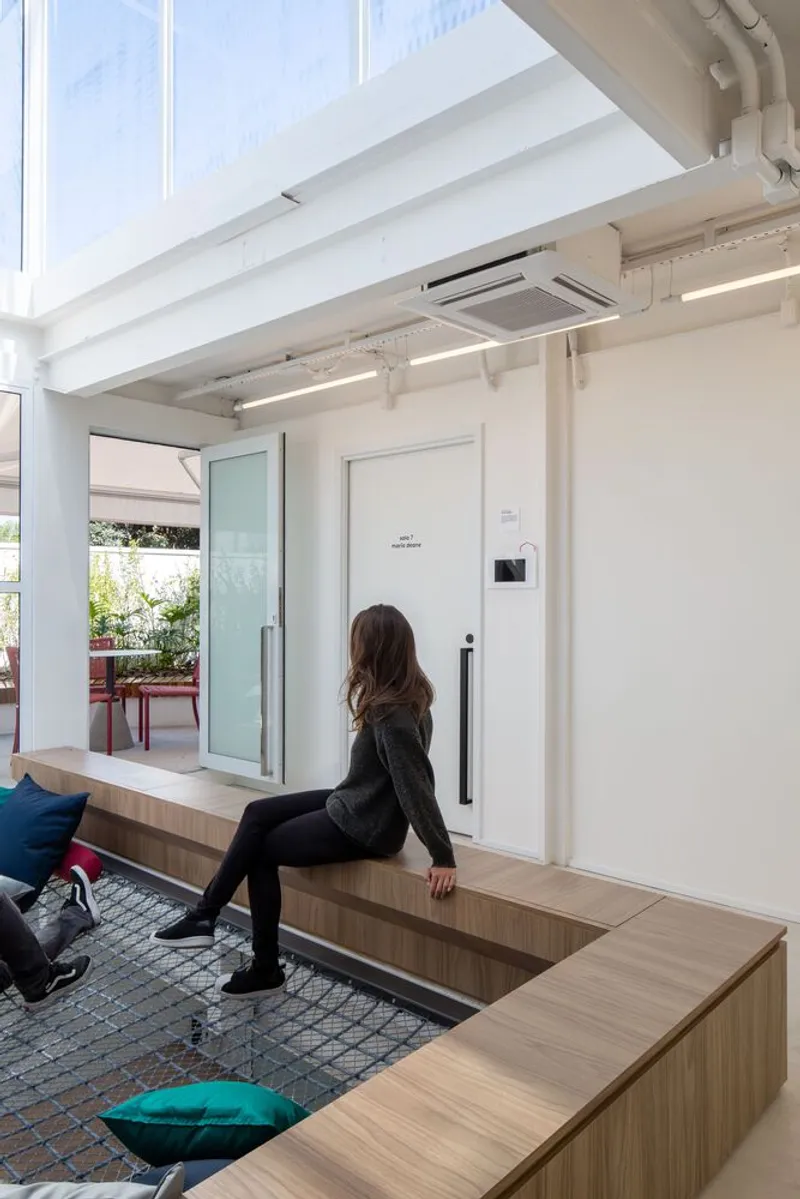
Beyond its environmental role, the central void is transformed into a multifunctional social space. A linear bench replaces traditional guardrails, offering areas for waiting, informal interaction, and relaxation.
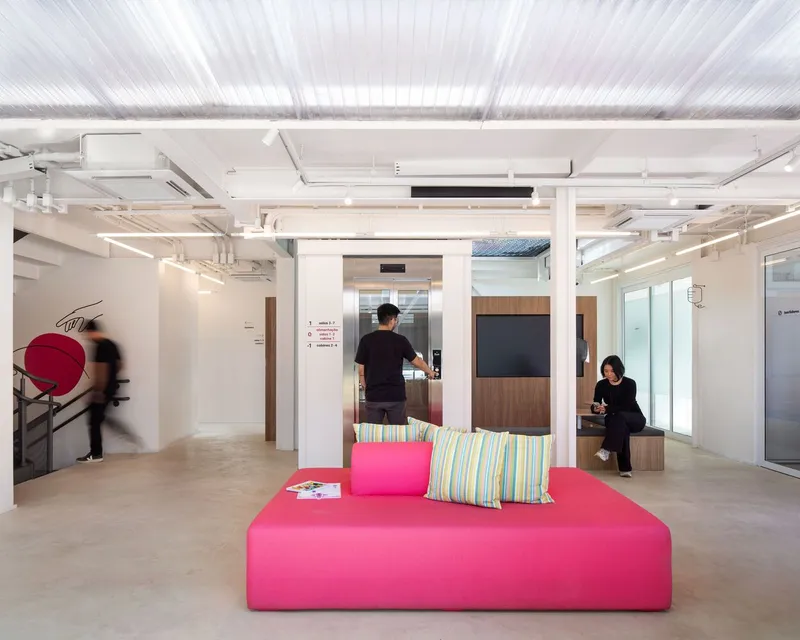
On the upper level, a suspended hammock introduces an element of comfort and playfulness, while on the ground floor, custom woodwork conceals structural elements, maintaining a clean and cohesive aesthetic. These interventions redefine how transitional spaces are perceived and utilized, enhancing both functionality and user experience.
Interior Design and Materiality
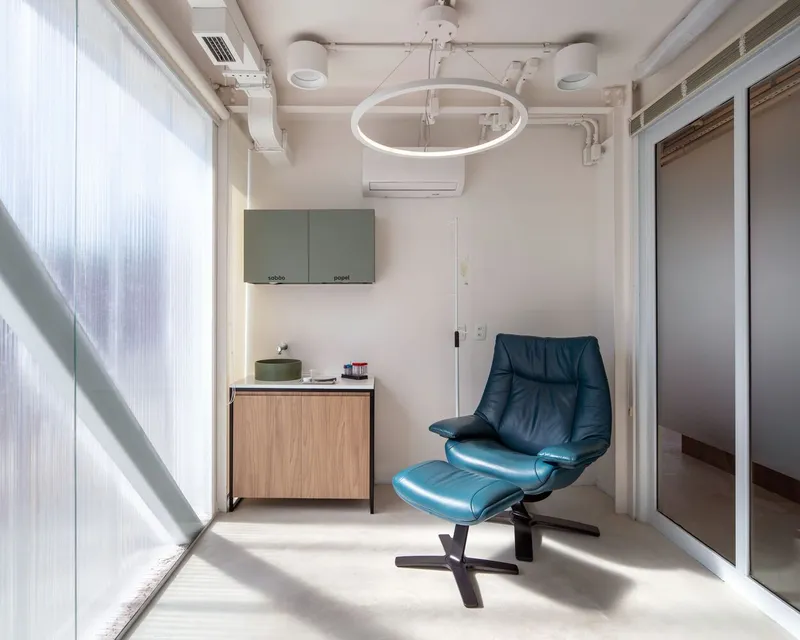
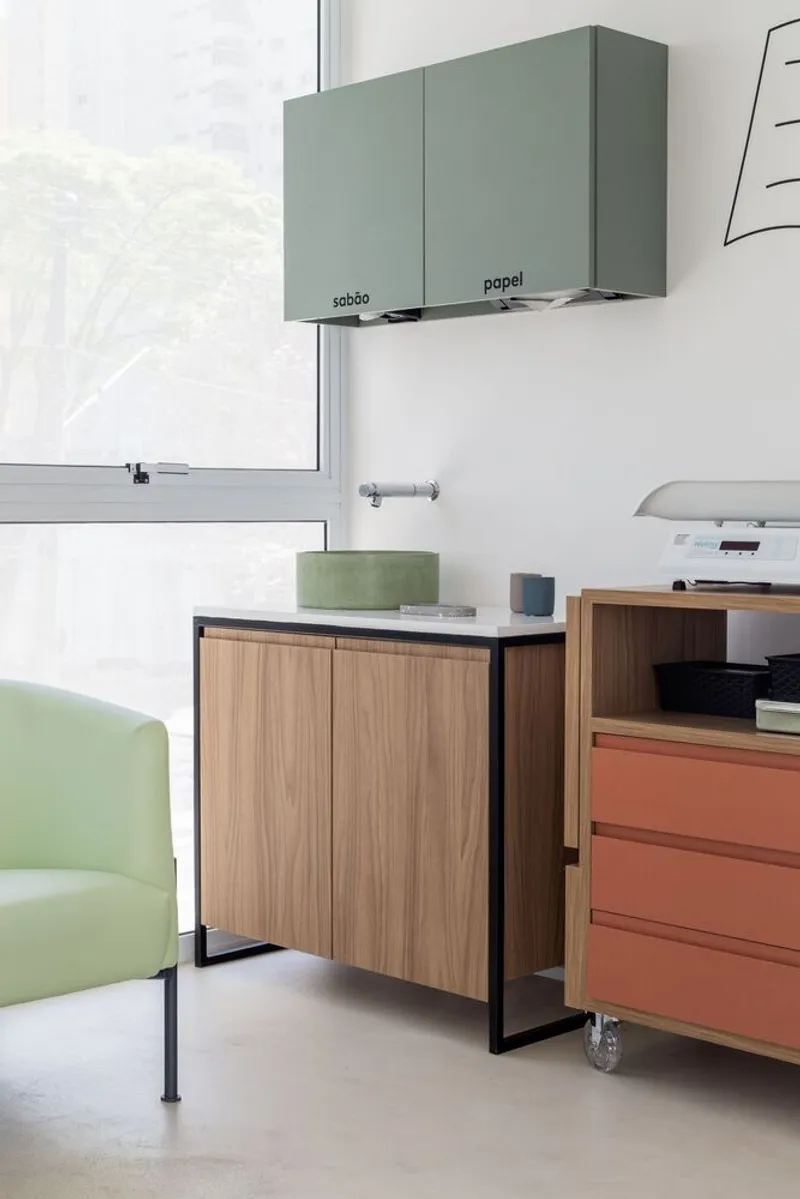
The interior design emphasizes warm, tactile materials that contribute to a home-like atmosphere. Carefully curated finishes and furniture selections soften the clinical nature of the program, making the environment more welcoming and less institutional.
The material palette, combined with spatial openness, fosters a sense of well-being and calm. This approach aligns with contemporary trends in healthcare architecture, where patient experience and emotional comfort are prioritized alongside functionality.
Rethinking Healthcare Architecture
The Alice II Office challenges traditional notions of medical spaces by creating an environment that feels more like a residence than a clinic. The absence of rigid hierarchies, combined with transparency and fluid spatial organization, encourages interaction and trust.
By integrating architecture with wellness principles, the project demonstrates how design can actively contribute to health outcomes. It sets a benchmark for future healthcare environments, where biophilic design, sustainability, and user-centric planning are essential components.
The Alice II Office stands as a compelling example of innovative healthcare design. Through its thoughtful integration of natural elements, transparent systems, and adaptable spaces, it redefines the relationship between architecture and well-being. The project not only enhances functionality but also elevates the overall user experience, making healthcare environments more humane, efficient, and inspiring.
All photographs are works of
Carolina Lacaz



Popular Articles
Popular articles from the community


Hill & Cross Opera: Sculptural Opera House Architecture Shaped by Tallinn’s Landscape and Identity
Hill & Cross Opera reimagines opera house architecture in Tallinn through its sculptural hill, civic plaza, glass wave and a luminous cross.
EW PARK: Sustainable Architecture Reimagines the Future of Urban Parking
EW PARK reimagines city parking as a modular wooden tower combining automation, solar energy, electric mobility, and adaptable urban design.

The Earth Pod: 3D Printed Homes for Resilient Refugee Communities
The Earth Pod reimagines refugee housing through 3D printed homes made from clay, combining resilience, self-sufficiency, and rapid shelter.

Conexión: Biophilic Design Reimagines High-Rise Living in Hong Kong
Conexión reimagines high-rise living in Hong Kong through biophilic design, green facades, shared spaces, daylight, water and nature within.


Similar Reads
You might also enjoy these articles


Bamboo Housing Challenge 2026: Design Affordable, Sustainable Homes Using Bamboo
An international design competition by Bamboo U and IBUKU inviting architects and designers to reimagine affordable housing using bamboo — with the winning design built full-scale in Bali.
Computational Design & Education: Beegraphy Design Awards Introduces 7th Category (Featuring Jiyun's Innovative Approach)
Dive into Beegraphy’s 7th Design Awards category, where computational design meets education to create immersive, interactive learning tools, inspired by Jiyun’s work.
From Parametric Lighting to Urban Furniture: Join the 2nd Workshop in Beegraphy’s Computational Design Series
Dive into Cutting-Edge Design Techniques and Practical Applications with Industry Experts

Last Call: Unleash Your Architectural Genius in SHAK's Kindergarten Design Competition
Urgent call for architects to join SHAK's kindergarten design competition before the looming deadline


Explore Architecture Competitions
Discover active competitions in this discipline



Challenge to reimagine the Iron Throne


Photograph architecture without architects


Illustrate the lost glory of Angkor Wat - Render Challenge


Design challenge to reuse E-waste
Comments (0)
Please login or sign up to add comments
No comments yet. Be the first to comment!