

Am Feuerbachl House by he und du ZT GmbH
Contemporary Alpine house with gabled forms, timber facades, and a bridge over a creek, blending tradition with sustainable design.


Location: Mils, Austria Architects: he und du ZT GmbH Lead Architects: Christian Hammerl, Elias Walch Year Completed: 2020 Area: 230 m² Photography: David Schreyer
A Harmonious Dialogue Between Architecture and Nature
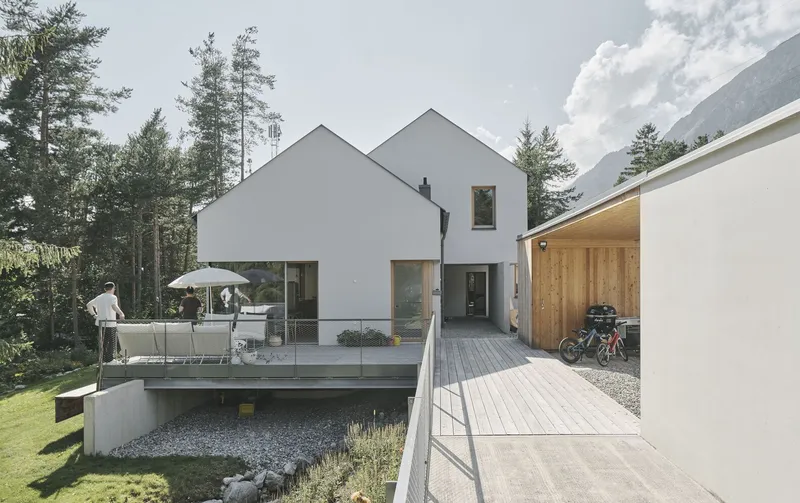
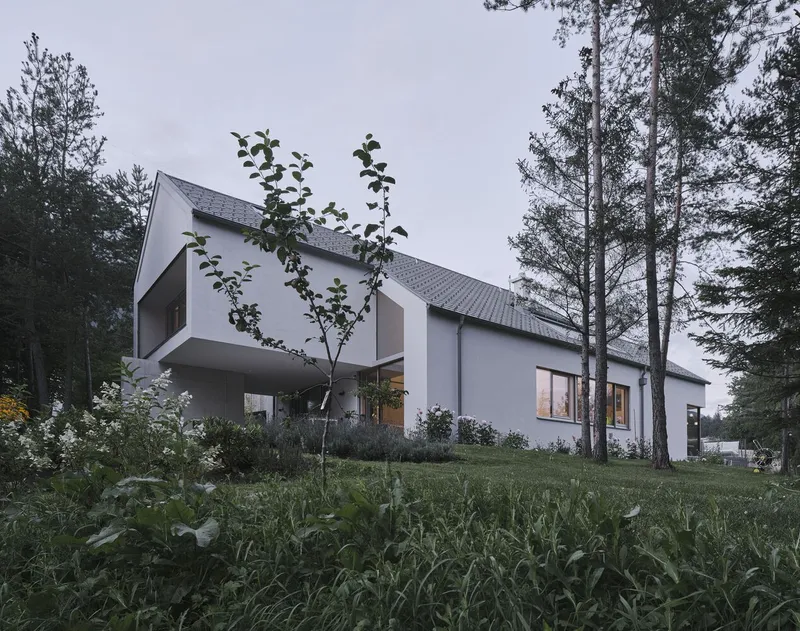
Located in the picturesque village of Mils, Austria, the Am Feuerbachl House designed by he und du ZT GmbH presents a compelling architectural narrative rooted in contextual sensitivity, modern craftsmanship, and spatial clarity. Anchored in the firm’s vision of merging contemporary design with natural landscapes, this residence embodies the principle of “a house within a house,” where nested volumes and traditional forms create dynamic interior-exterior relationships.

Interpreting Tradition Through Contemporary Eyes
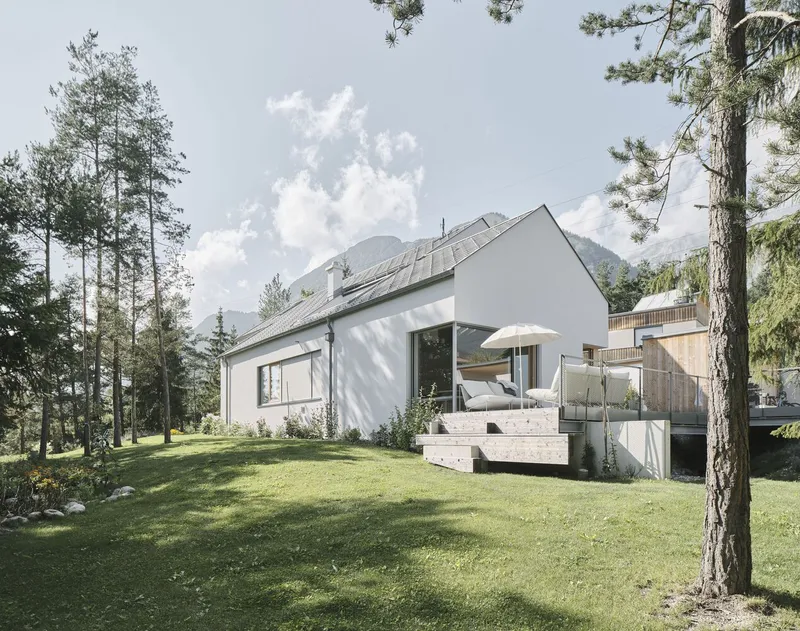
The architecture draws from Alpine vernacular traditions, most notably the pitched gabled roof, reinterpreted to suit a contemporary lifestyle. Rather than mimicking historical styles, the architects have abstracted traditional typologies into sculptural, intersecting volumes that evoke both familiarity and innovation.
The building’s massing is broken into distinct parts, each serving specific functional zones—daytime living, private quarters, and utility areas—creating both spatial separation and fluid openness. This clear zoning reinforces the "house-in-house" concept while enhancing daily living comfort.

Embracing the Natural Site
One of the most poetic features of the site is a small creek that meanders through the property. Instead of viewing this natural element as a challenge, the design celebrates it by incorporating a bridge, turning an obstacle into a narrative device that connects the home to its environment. This thoughtful intervention not only respects the site’s natural features but makes them part of the architectural experience.
By integrating the creek as a design element, the project exemplifies landscape-integrated architecture, allowing residents to interact visually and physically with nature while maintaining a sustainable footprint.
Sustainable Materiality and Craft
In line with its ecological ethos, Am Feuerbachl House is built using sustainable construction methods and regionally sourced materials. The facade showcases natural timber cladding that ages gracefully, blending the house even more seamlessly into its environment over time.
Key material partners include:
- RAICO – Therm+ H-I timber-glass facade systems
- Rieder Group, Josko, PREFA, Velux, and Vola, all contributing to the refined tactile palette and technical performance.
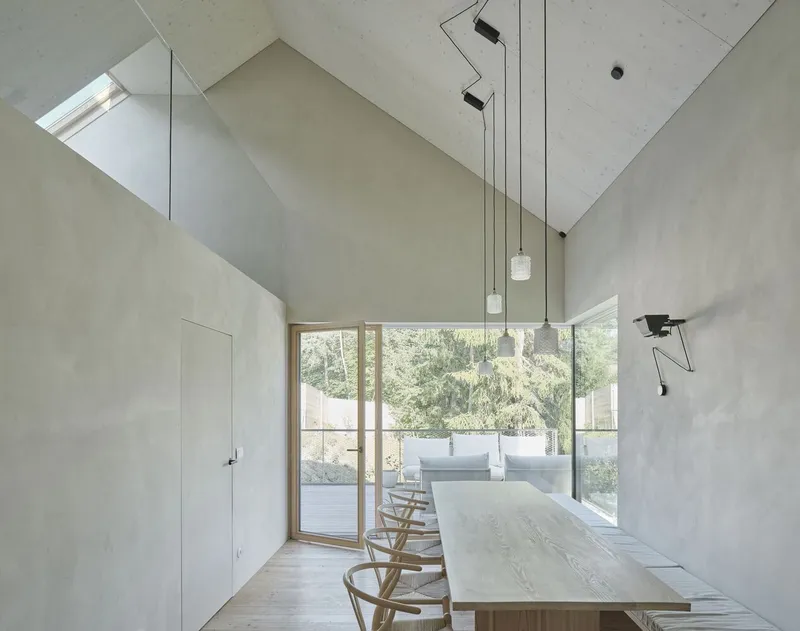
Large, carefully positioned windows and skylights by Velux bring abundant daylight deep into the interiors, reinforcing the home’s connection with its Alpine setting.
Interior Atmosphere and Spatial Experience
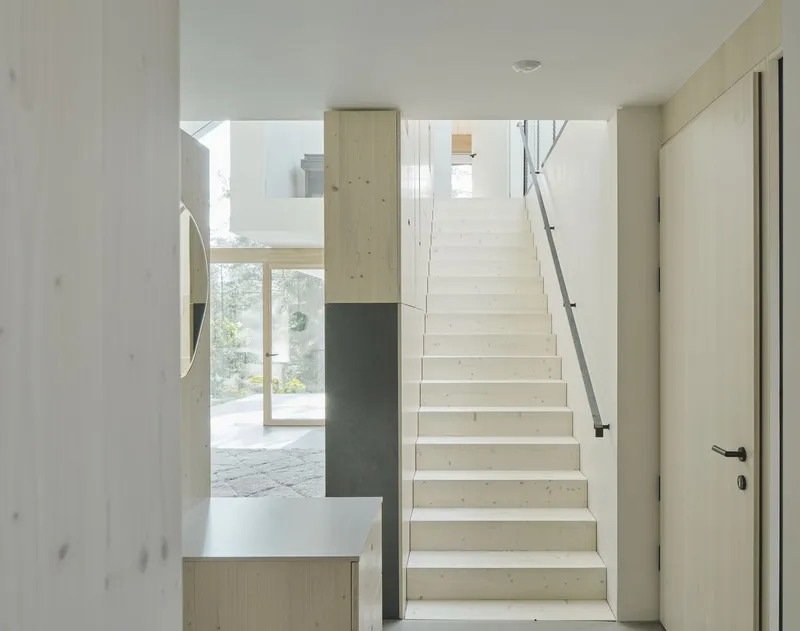
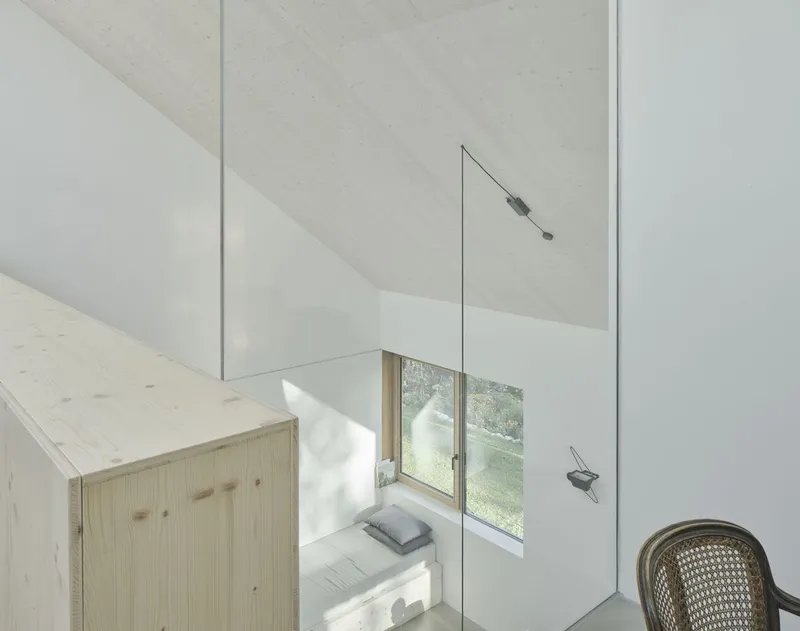
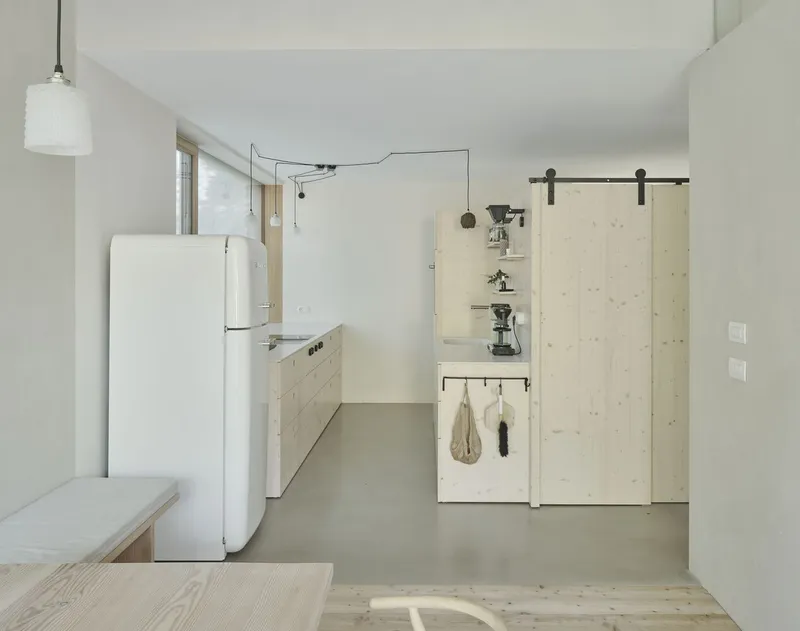
Inside, exposed beams, whitewashed walls, and timber finishes create a calm, tactile interior that celebrates craftsmanship. Every space is thoughtfully designed to capture framed views of the surrounding landscape—mountains, trees, and the gently flowing creek—while maintaining warmth and privacy.


Popular Articles
Popular articles from the community

Opera by the Sea Estonia: Three Shells Dissolving Architecture into Tallinn's Coastline
A winning opera house proposal replaces monumental form with interconnected shells that blur the boundary between building, park and Baltic Sea.
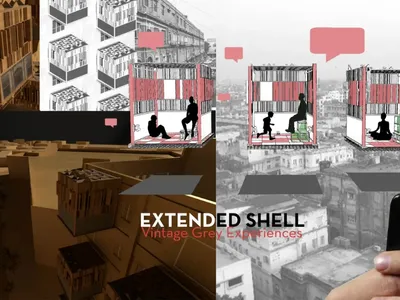
Extended Shell: Retrofitting Kolkata's Balconies as Living Urban Thresholds
A modular retrofit system recovers the social and environmental intelligence of Kolkata's historic verandas for contemporary Park Street residents.
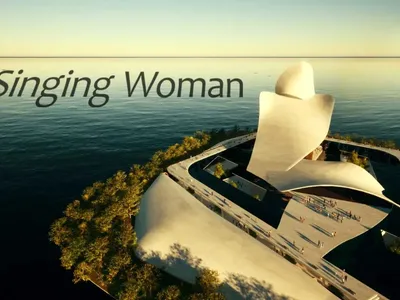
Singing Woman: An Opera House That Performs Before the Curtain Rises
Ovidiu Cristian Pavel's conceptual opera house translates Estonia's choral identity into a sculpted waterfront landmark facing the Baltic Sea.
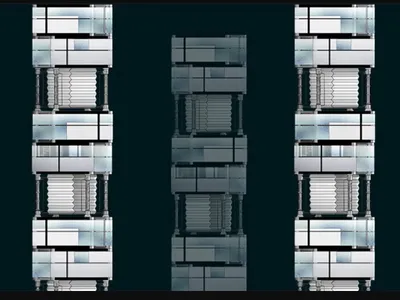
Tsunami Convergenics: Turning Catastrophic Ocean Forces into Underwater Housing Infrastructure
A speculative underwater settlement off the coast of Onagawa, Japan, treats tsunamis and typhoons as energy sources rather than threats.

Similar Reads
You might also enjoy these articles


Hodi-Mandai Geram
Project Function: Preservation and revitalization of the Intangible heritage and socio-spatial identity of the Hodi by Housing, Cultural Memory Center, Sacred Grove, landscape, local tourism economy


Olio Towers: A Mid-Rise for Performers That Fuses Housing, Rehearsal, and Stage
Located blocks from Houston's Theater District, this modular tower stacks living units around a central performance atrium.

Oasis: Modular Green Housing Carved into Dhaka's Urban Fabric
A shortlisted Plugin Housing entry reclaims unauthorized settlements in Dhaka with stepped concrete volumes, green roofs, and ventilation-driven design.

Black Hole: A Floating Megastructure for the Post-Physical Era
Emiliano Mazzarotto envisions a spherical, self-scaling arena where e-sports, digital hotels, and holographic stadiums replace traditional public space.

Explore B19 Architekten Bda – Weimar Competitions
Discover active competitions in this discipline

Challenge to reimagine the Iron Throne

Photograph architecture without architects

Illustrate the lost glory of Angkor Wat - Render Challenge

Design challenge to reuse E-waste
Comments (0)
Please login or sign up to add comments
No comments yet. Be the first to comment!