
Amphibia
A mobile home for four.

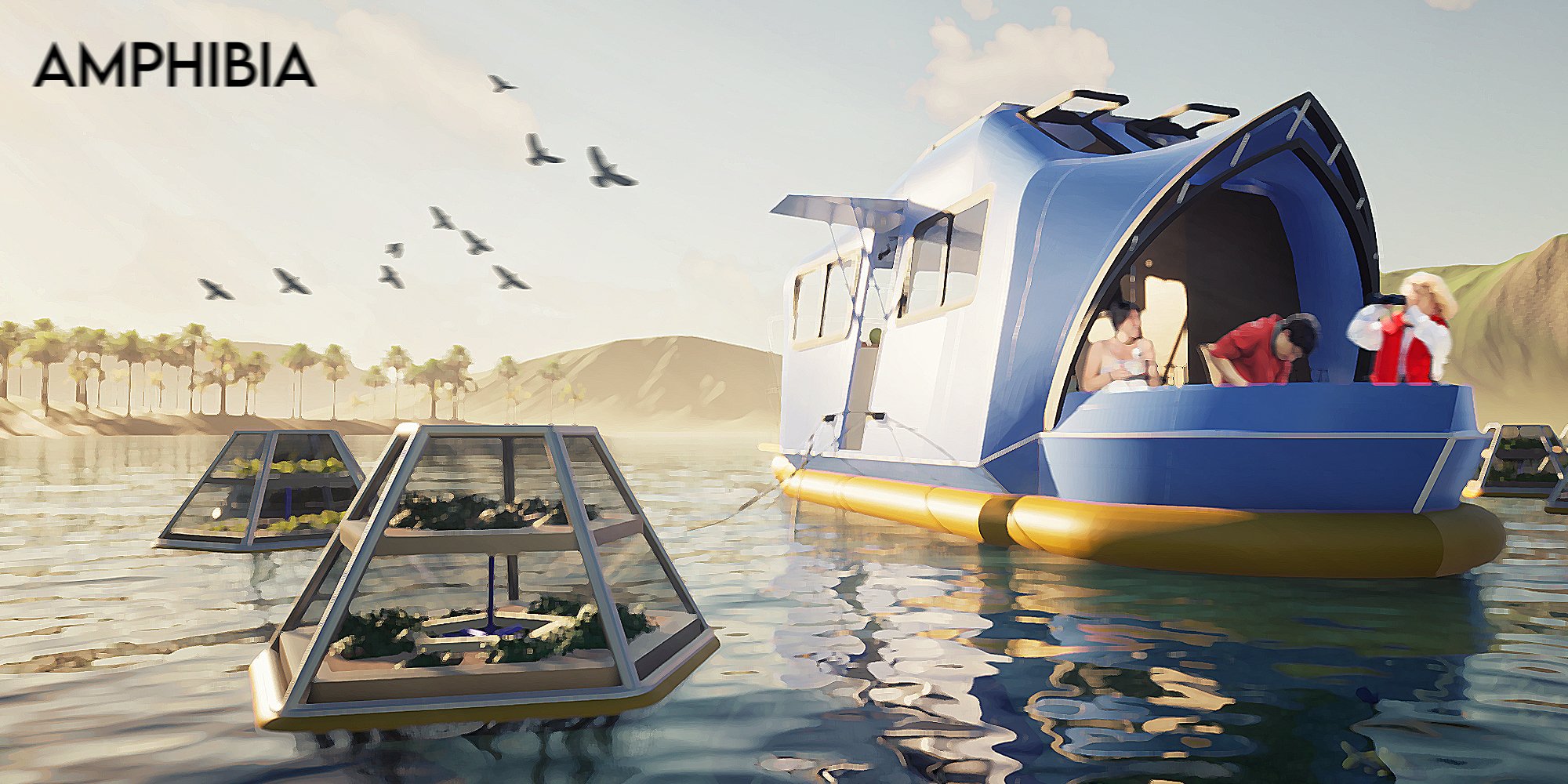
Derived from amphibians, which are vertebrate animals that stand out for having species that spend part of their life cycle in water and another part in the terrestrial environment. The term amphibian is due to this characteristic, which means “types of life”. Despite this remarkable way of life, not all species in the group have this way of life, and it is possible to find strictly aquatic or strictly terrestrial species. Therefore, Amphibia is an on-the-move architecture that draws on the life cycle of amphibians with periods on land and others in water to create a movement of a sustainable dwelling of social and environmental interest.
The main interactions stimulated by the project are the constant movement in the users' lives and sustainable interactions with the planet, promoting a cycle that allows for the sustainable consumption of food and the cleaning up of the pollution found in the seas. There is also the use of sustainable energy in the project, such as solar energy, and there is no elimination of CO2 in its movement.
Seeking to imitate the amphibian cycles with life spans on land and in water, Amphibia has bicycle pedals for its locomotion on land, in addition to the help of an electric motor, which helps the traction of the rear wheels, powered by solar energy from photovoltaic panels installed on the ceiling.
During its period on land, Amphibia always travels short distances, valuing coastal lands and looking for vegetable seeds that can be planted for consumption. During its water cycle, Amphibia uses the same electric motor to power the boat propeller that lets it calmly navigate the coastal waters. When the user finds a pleasant place to stay, the house opens up, and using boats for greater stability in water, increases its minimum area and gains a dining room that allows more light to enter and see the stars at night.
Amphibia releases its hydroponics greenhouses like the eggs of an amphibian animal. This greenhouse is equipped with a system that drains polluted water, filters the water that passes through the pipes and reaches the hydroponic plantations, and then returns the clean water to the sea. After some migrations and after the plants already developed, it is time to return to the land and transfer part of the cultivated crops to it, in order to give back to the planet and allow the cycle to continue.
The main material chosen was fiberglass for the hull of the project, due to its lightness and the need for the structure to be light due to the means of locomotion being given by pedaling and in water by a motorboat. The fiberglass was painted blue so as not to have an environmentally aggressive color. It also has the advantage of being less noisy, making the water rides quieter.
The main objective of the project is to create a lifestyle that is not attached to a specific location, embracing the cycles of life in nature and how they happen, whether in water or on land, going against the phenomenon of overcrowding and migration that accompany the major cities. The aim is to try to create a lifestyle on the move that is sustainable for the people and the planet. With the possibility of working from home, the house becomes an active object not only of the city but also of planet Earth. If many people adopt this lifestyle, a new type of community life can be born, taking and giving back to the planet, reducing the population of cities and increasing the cultivation of natural food without the use of pesticides, creating a new means of production that can also be sustainable, based on taking and giving back.
As Amphibia users change the city, state, or country they reside in, the types of plants in the greenhouses will change, altering the colors and even the smell of the surroundings.



Popular Articles
Popular articles from the community

Fausto Terán and Toro Fuse Japanese Craft with Mexican Tradition in a Lakeside Retreat
Nakamura House pairs Shou-Sugi-Ban charred pine with handmade clay tile at the foot of Atlangatepec Lagoon in Mexico.

20 Most Popular Office Building Projects of 2025
From biophilic workspaces in India to net-positive energy offices in New Delhi, 20 office building projects that defined architecture in 2025.
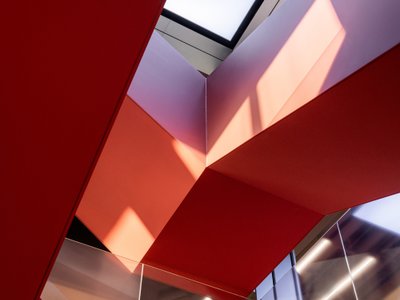
Ippolito Fleitz Group Identity Architects Turn Eight Floors in Shanghai into a Vertical Creative City
Publicis Groupe's new headquarters in Xintiandi reimagines the office as a courtyard-driven urban landscape stacked across eight floors.
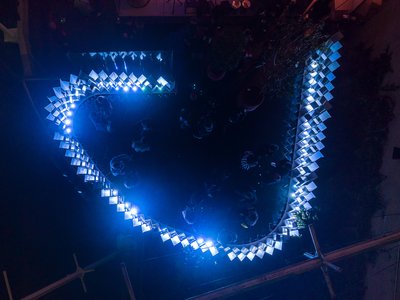
Rojkind Arquitectos and Think Parametric Build a Glueless Pavilion from 67 Interlocking Panels
A serpentine fiber-cement installation in Chapultepec Park celebrates a decade of architectural media in Mexico City.

Similar Reads
You might also enjoy these articles

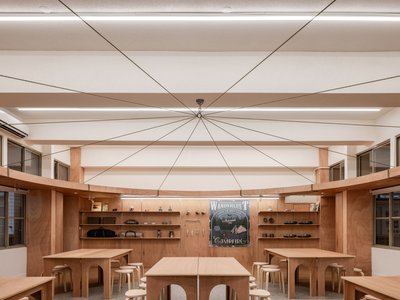
317studio Turns an 87 m² Classroom into a Forest Clearing for Scouts in New Taipei City
A rope canopy, student-made specimens, and campfire geometry replace rows of desks in this Scouting classroom in Xizhi District.
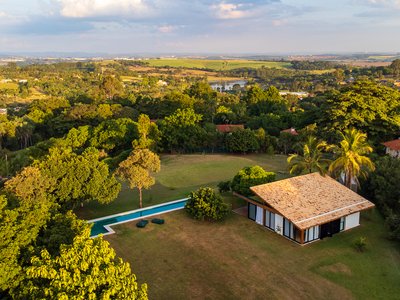
24 7 Arquitetura Builds a Timber Pavilion as a Family's First Act on a 5,000 m² Brazilian Plot
In Jaguariúna, a prefabricated glulam house nestles among mature trees as the opening move of a larger residential masterplan.
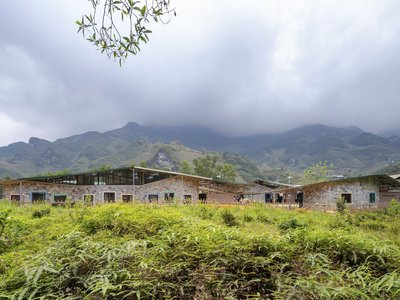
1+1>2 Architects Build a School from 900 Blocks of Hmong Stone on Vietnam's Rocky Plateau
On a barren valley in Ha Giang province, a community quarried its own stone to raise a kindergarten and primary school rooted in Hmong identity.
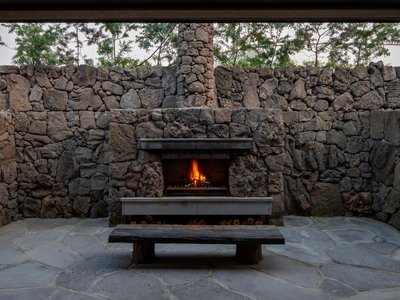
100A Associates Builds a Volcanic Stone Retreat on Jeju Island Rooted in Ritual and Restraint
Watarstay [Wa:Tar] in Bongseong-ri channels Jeju's basalt, reed, and hemp into a 150 m² hospitality space shaped by contemplation.

Explore Architecture Competitions
Discover active competitions in this discipline




The International Standard for Design Portfolios


The Global Benchmark for Architecture Dissertation Awards


The Global Benchmark for Graduation Excellence


Challenge to reimagine the Iron Throne
Comments (0)
Please login or sign up to add comments
No comments yet. Be the first to comment!