
Amsterdam Community Center: A Beacon of Integration and Collaboration
A detailed exploration of Amsterdam Community Center's design, fostering collaboration and cultural integration.


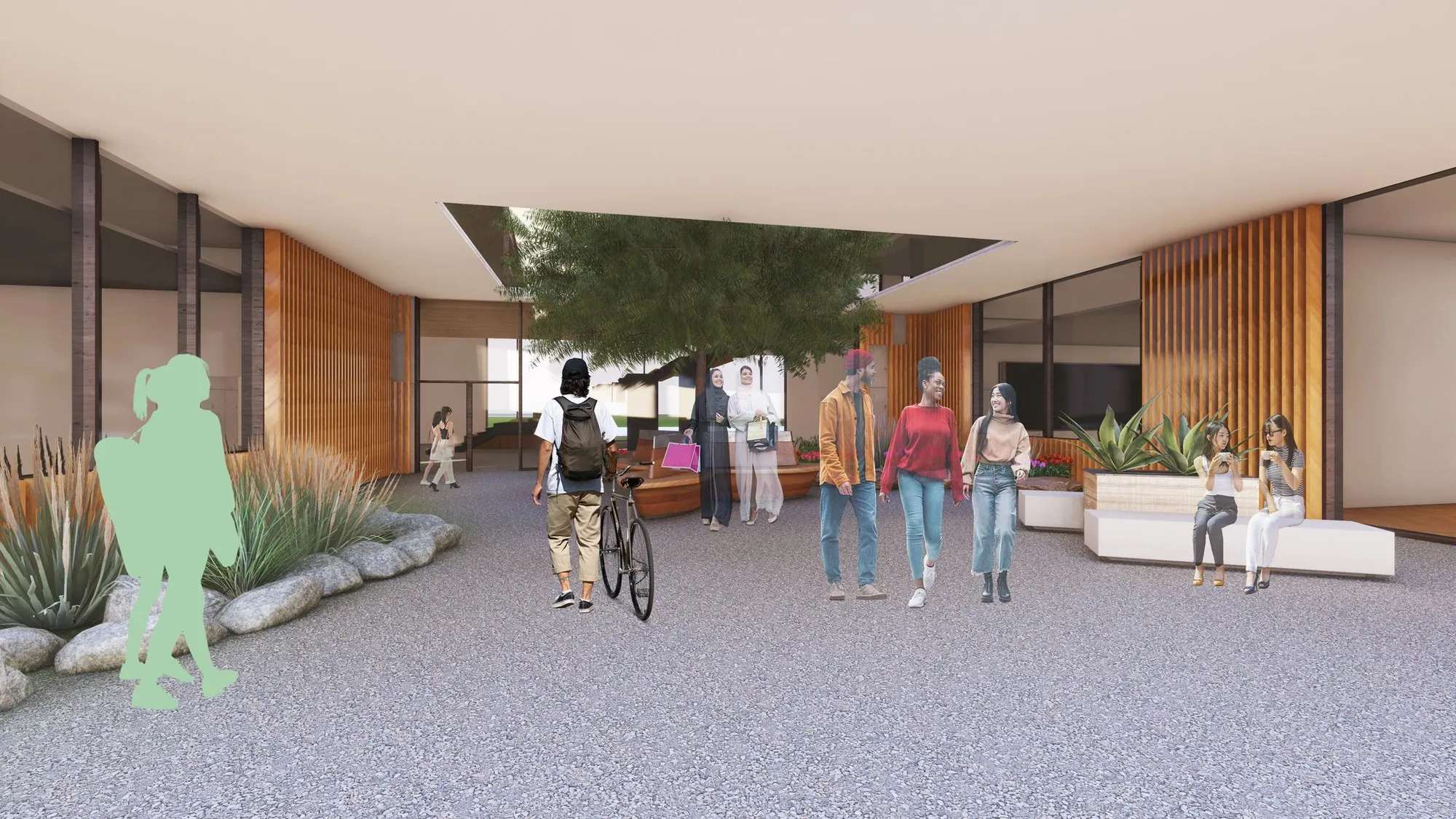
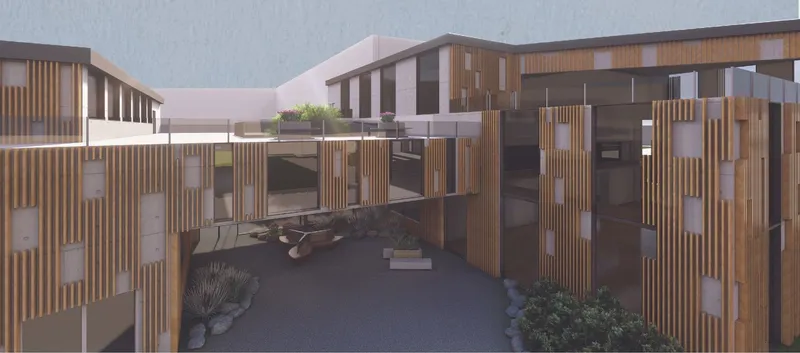
The Amsterdam Community Center, designed by Agustin Bidollari and awarded the People's Choice Award entry in the Overseas Oasis competition, reimagines the traditional community center. This innovative project aims to attract and unite both locals and immigrants by creating a space that responds thoughtfully to the existing site and cultural traditions. By highlighting and responding to three critical existing conditions, the design and layout of the building have been meticulously crafted to foster integration and collaboration.
Architectural Highlights
Responding to Culture: The design begins with a deep respect for the cultural and physical context of the site. This response is reinforced through program spaces that emphasize collaboration and interaction. Unlike conventional community centers, this project intentionally avoids incorporating living quarters, focusing instead on shared spaces that encourage community engagement without the barriers of ownership.
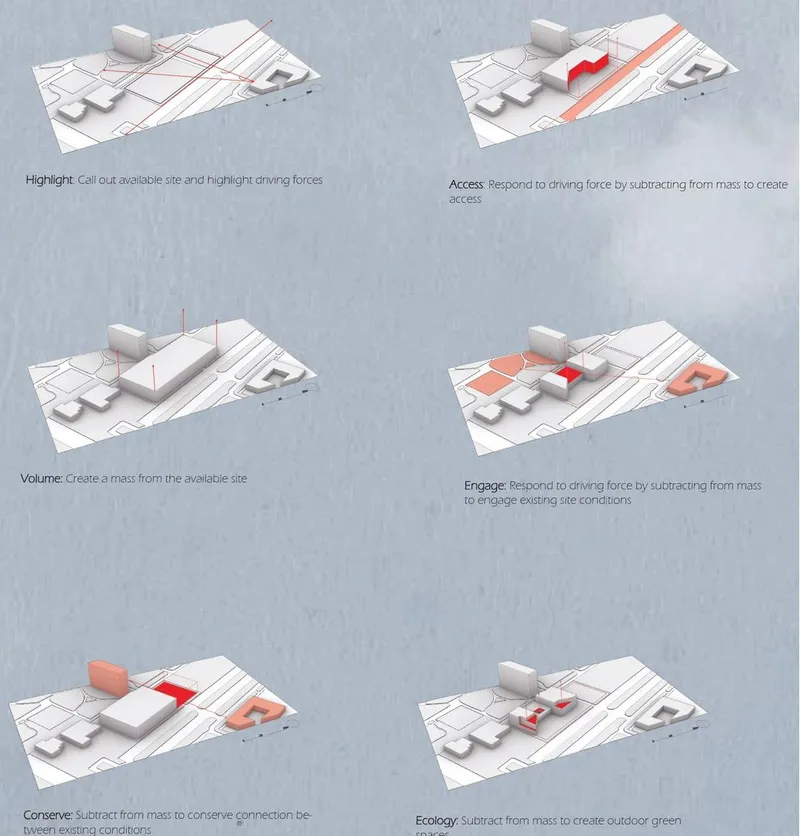
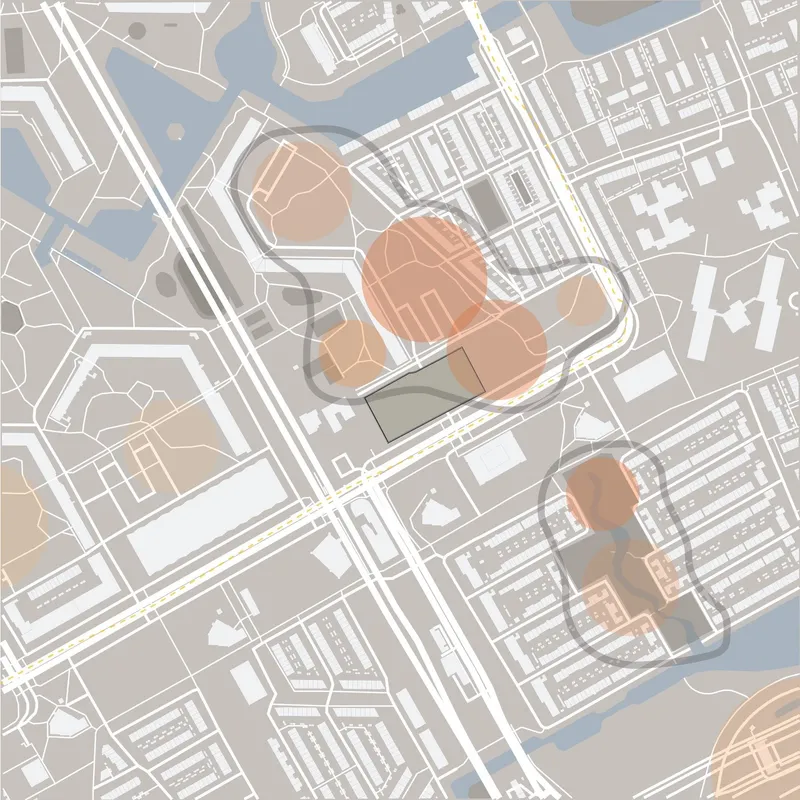
Volume and Massing: The project's massing starts with the available site, creating a volume that respects the existing urban fabric. Subtractions from this mass are made to preserve connections between essential site conditions and cultural landmarks, ensuring the building feels both integral to and distinct within its surroundings.
Accessibility and Engagement: Strategic subtractions from the building's mass create accessible pathways and engage with the site's existing conditions. These interventions not only enhance the building's functionality but also invite interaction from both international students and local visitors.
Ecological Integration: Outdoor green spaces are carved out from the mass, promoting environmental sustainability and providing serene areas for community members to gather and interact. These spaces serve as ecological lungs for the building, enhancing the overall well-being of its users.
Design and Layout
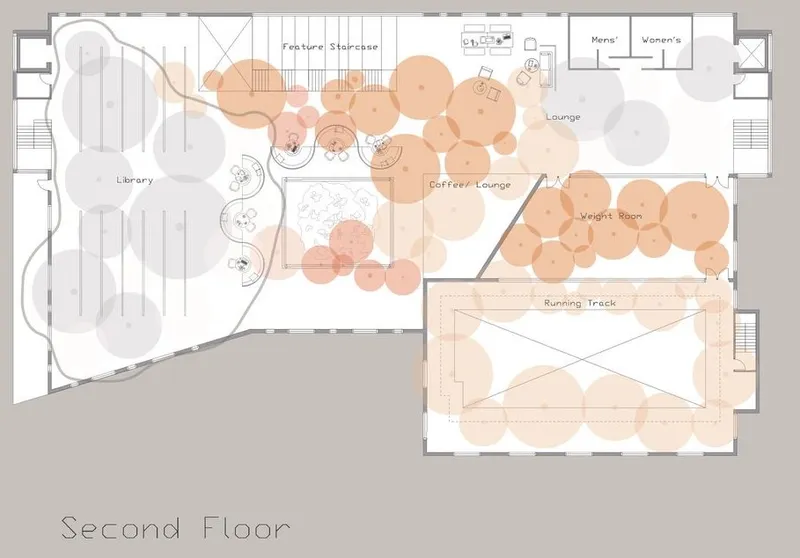
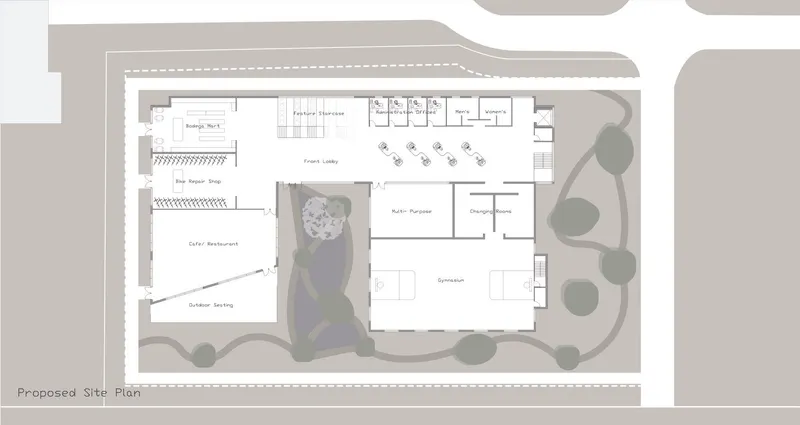
The community center's layout is a thoughtful blend of public and private spaces, designed to encourage spontaneous interactions and collaborative activities. Public spaces are prominently placed along the main road to attract passersby and invite them into the community hub.
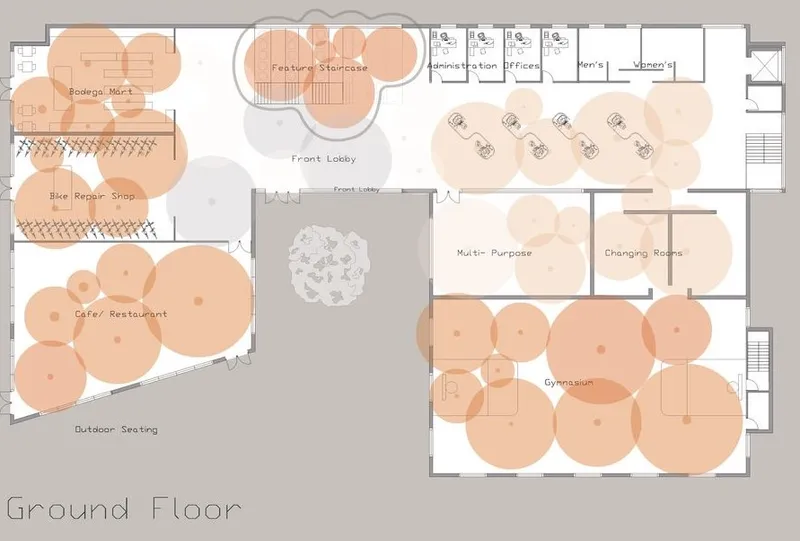
Ground Floor:
- Library: A central resource for both international students and local residents, promoting knowledge sharing and cultural exchange.
- Event Spaces: Flexible areas designed to host various community events, fostering a sense of belonging and unity.
- Public Plaza: An inviting outdoor space for informal gatherings and social activities, enhancing community life.
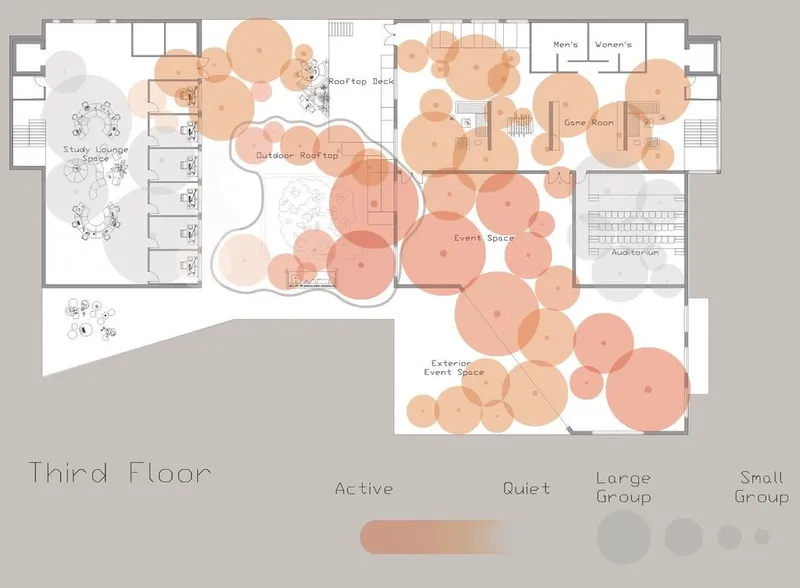
Third Floor:
- Rooftop Gardens: Green spaces that provide a tranquil escape and promote sustainable urban living.
- Multi-use Rooms: Versatile spaces that can be adapted for different functions, supporting a wide range of community activities.
Iterative Design Process
The final design of the Amsterdam Community Center is the result of an extensive iterative process. Each stage involved re-evaluating and refining the project to ensure it met its objectives of fostering collaboration and integration. While many great ideas were considered, the final design successfully balances functionality, aesthetics, and community needs.
Future Expansion
The project has been thoughtfully designed to allow for future expansion. By meeting the 50% ground coverage requirement with a single, cohesive building, space has been conserved for potential additions. This expansion-friendly approach ensures the community center can grow and adapt to meet the evolving needs of Amsterdam's diverse population.
The Amsterdam Community Center stands as a testament to the power of thoughtful, community-focused design. By responding to the existing site and cultural traditions, this project not only serves as a functional space for locals and immigrants but also acts as a beacon of integration and collaboration. Through its innovative design and commitment to fostering community engagement, the center embodies the spirit of architectural excellence and social responsibility.



Popular Articles
Popular articles from the community


Riyadh For All: Intergenerational Urban Design for Active Aging in Rabat
Riyadh For All reimagines urban design in Rabat with intergenerational co-living, adaptive courtyards, and Moroccan cultural exchange today.

Co-Life: Senior Housing Design That Reconnects Older Adults With the City
Co-Life reimagines senior housing design through healing gardens, shared streets, workshops, and a sustainable community across generations.

The Earth Pod: 3D Printed Homes for Resilient Refugee Communities
The Earth Pod reimagines refugee housing through 3D printed homes made from clay, combining resilience, self-sufficiency, and rapid shelter.

Conexión: Biophilic Design Reimagines High-Rise Living in Hong Kong
Conexión reimagines high-rise living in Hong Kong through biophilic design, green facades, shared spaces, daylight, water and nature within.

Similar Reads
You might also enjoy these articles

Day and Night Park: A Time-Based Urban Newsstand in Beijing
A temporary urban newsstand in Beijing blending travel, light, and reading through poetic colors, compact form, and community-focused design.

Modernist Patio Renovation in El Masnou, Barcelona by Oliver Segura Arquitectura + Cebrià Arquitectura
Modernist patio renovation blending tradition and innovation with a movable pool, leveled floors, and Catalan materials in El Masnou.

Alto Residencial Coop: Cooperative Housing Development in Santiago de Compostela by Carbajo Barrios Arquitectos
A linear cooperative housing complex blending white volumes and perforated metal façades, enhancing community living, natural light, privacy, and urban integration.

Vil Genis School by BPA ARCHITECTURE – Massy, France
Vil Genis School in Massy, France, features sustainable design, south-facing classrooms, community integration, accessible spaces, and modern educational architecture.


Explore Community Architecture Competitions
Discover active competitions in this discipline



Challenge to reimagine the Iron Throne


Photograph architecture without architects


Illustrate the lost glory of Angkor Wat - Render Challenge


Design challenge to reuse E-waste
Comments (0)
Please login or sign up to add comments
No comments yet. Be the first to comment!