
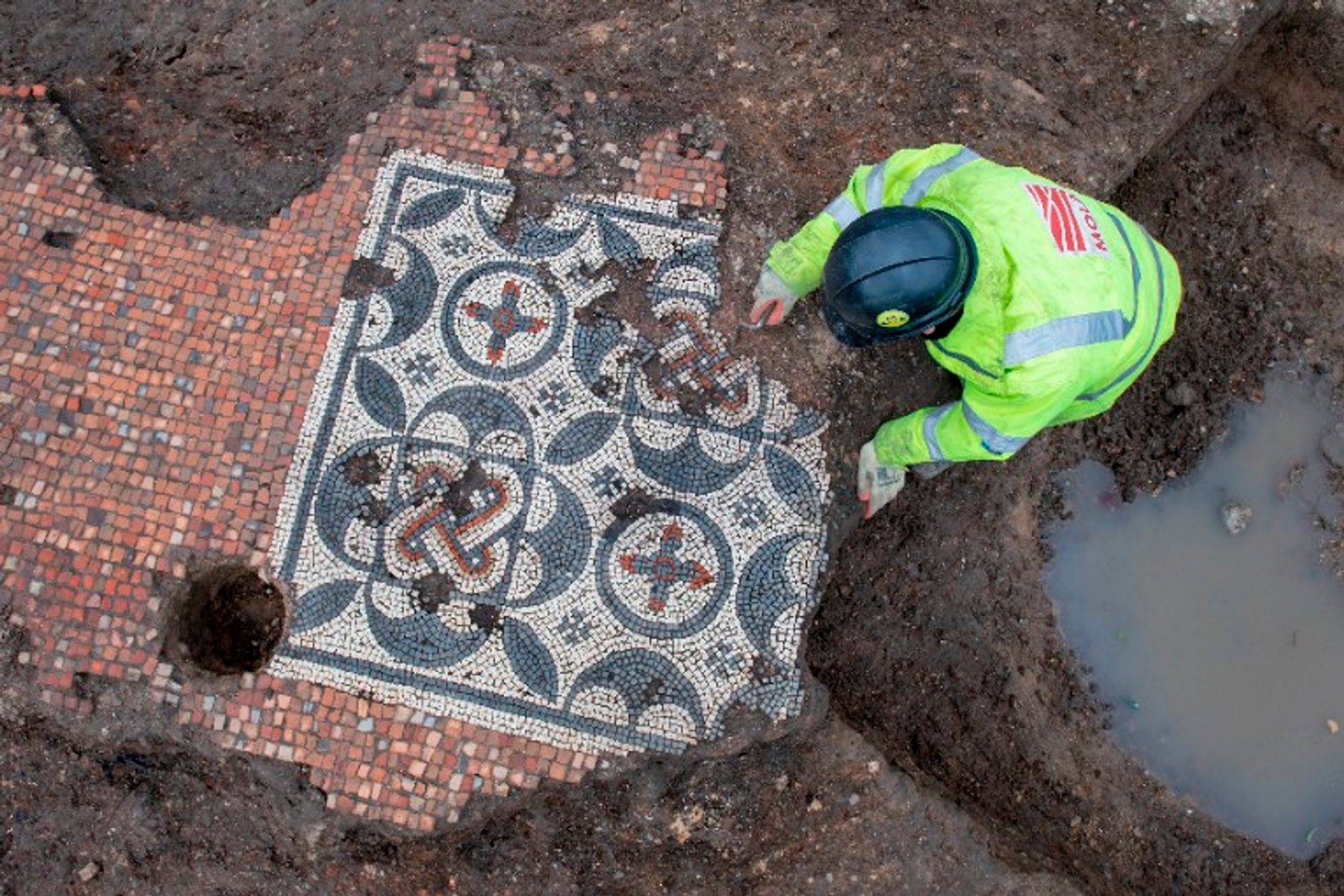
Ancient Beauty Unearthed: Impeccably Preserved Mosaic Discovered in London's Shard Vicinity
Archaeological Discovery Sheds New Light on Roman Influence in the Heart of Modern London

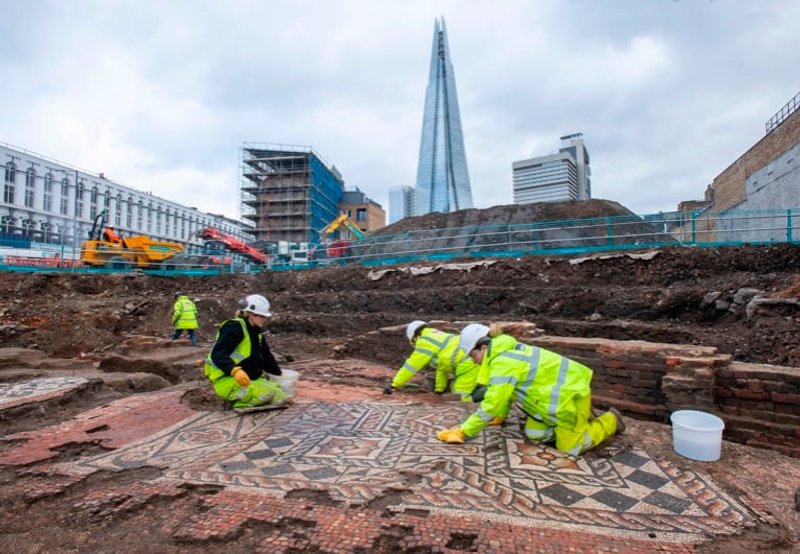
Archaeologists from the Museum of London Archaeology have made an exciting discovery in Southwark, London, as they unearthed a remarkably well-preserved Roman mosaic that decorated the floor of a dining room. The mosaic found close to The Shard, is the largest area of Roman mosaic uncovered in London for over 50 years. The discovery was made during excavations in advance of the development of a mixed-use scheme known as The Liberty of Southwark.
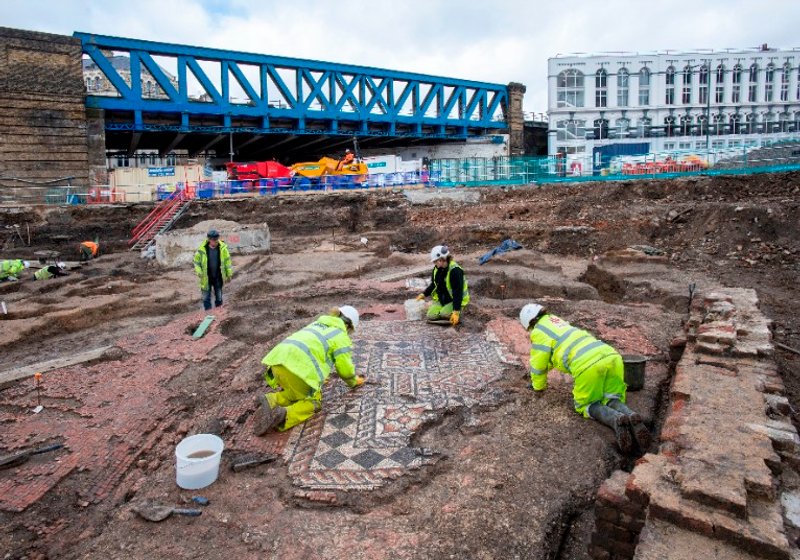
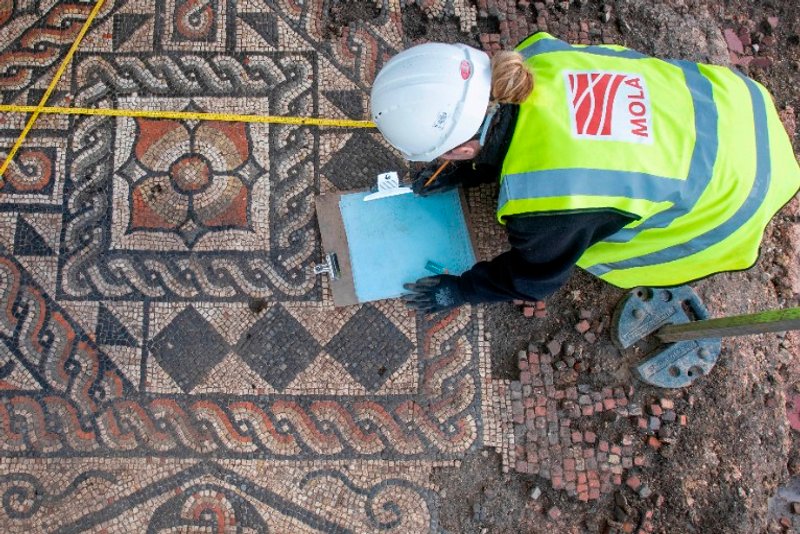
The mosaic consists of two panels of small, coloured tiles set in a red tessellated floor. The larger panel depicts large, colourful flowers surrounded by intertwining strands, known as a guilloche, along with lotus flowers and a pattern called Solomon’s knot. The smaller panel has a simpler design, with two Solomon’s knots, two stylised flowers, and geometric motifs in red, white, and black. It provides evidence of Roman artisans travelling and working in London.
The mosaic was situated in a large room that is believed to have been a Roman triclinium or dining room. The room contained dining couches where guests would recline while enjoying their food and drink. The walls of the room were brightly painted, and fragments of colourful wall plaster have also been found at the site. The size of the dining room and its lavish decoration suggest that it was used only by high-ranking officers and their guests.
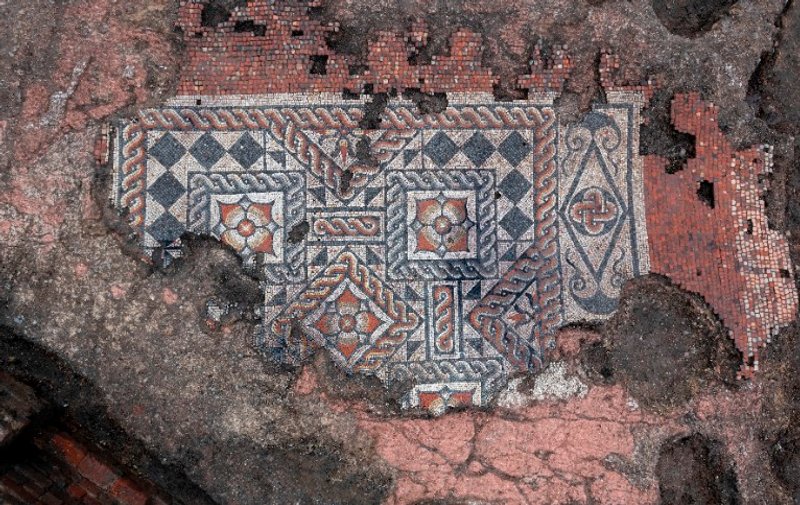
Experts have dated the largest mosaic panel to the late 2nd to early 3rd century AD, but traces of an earlier mosaic underneath it have also been identified, indicating that the room was refurbished over time. The dining room may have been part of a Roman mansion or upmarket ‘motel’ that offered accommodation, stabling, and dining facilities for state couriers and officials travelling to and from London. The entire footprint of the building is still being uncovered, but current findings suggest that it was a large complex with multiple rooms and corridors surrounding a central courtyard.
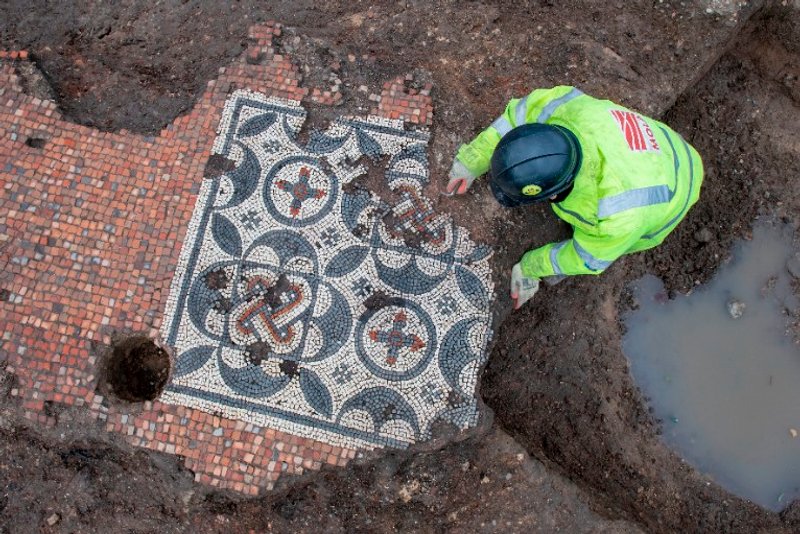
The site also includes a large Roman building believed to have been the private residence of a wealthy individual or family. The building features lavishly painted walls, terrazzo-style and mosaic floors, coins, jewellery, and decorated bone hairpins, all suggesting the level of wealth enjoyed by those living in the area 2,000 years ago.
The excavation was part of a wider regeneration project set to be completed in 2024, known as The Liberty of Southwark. The project, a joint venture between regeneration specialist U+I and Transport for London, will include a contemporary workspace, 36 new homes (including 50% affordable housing), shops, and restaurants. It has been designed by local architects Allies and Morrison as a varied collection of contemporary brick buildings that are sensitive to their surroundings and reference the Victorian industrial and commercial architecture of the area. The development will also restore 15 Southwark Street, a building that dates back to the 1860s.
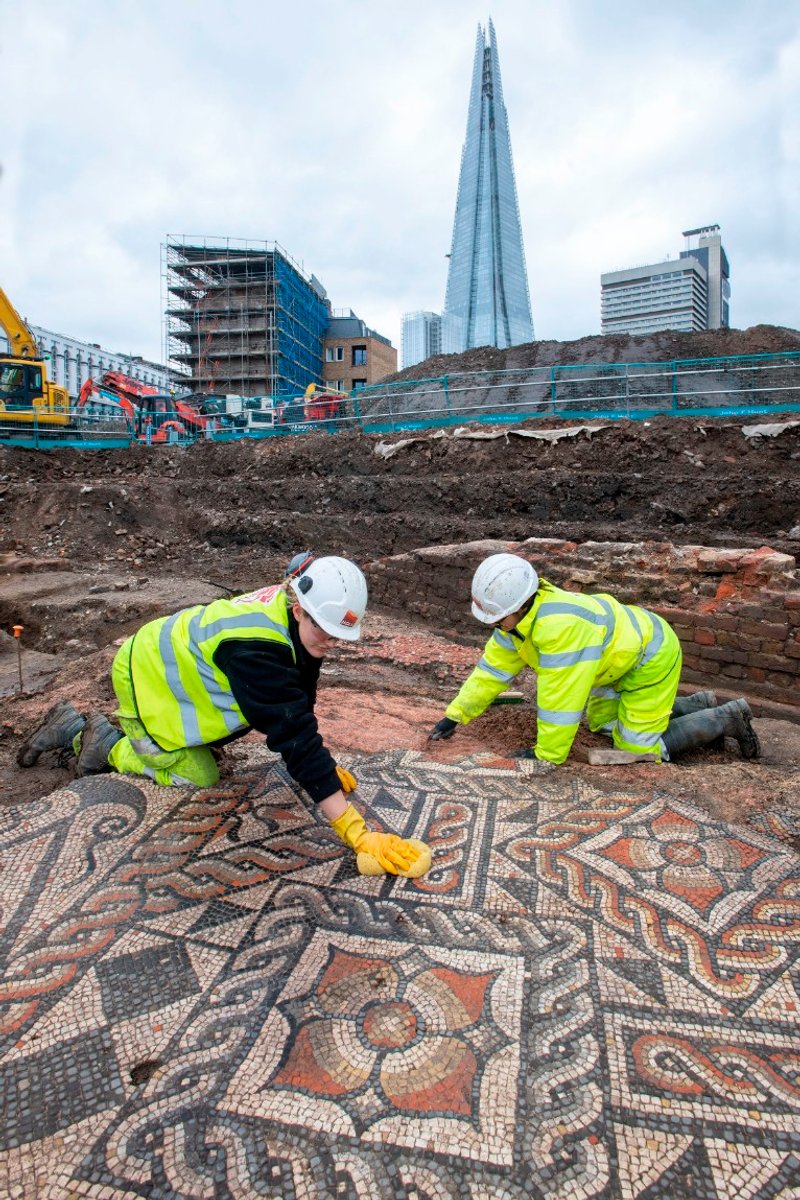
The mosaics will be carefully recorded and assessed by a team of conservators before being lifted and transported off-site for more detailed conservation work. Plans for the public display of the mosaics are currently being developed in consultation with Southwark Council. The discovery of the Roman mosaic offers a glimpse into the past, providing important evidence of the level of wealth, luxury, and sophistication enjoyed by those living in the area 2,000 years ago.
A 3D model of the mosaic is available on Sketchfab.
Photos: ©MOLA_AndyChopping



Popular Articles
Popular articles from the community

A Contemporary Take on Iranian Residential Architecture
A modern interior design in Mashhad that reinterprets brick, light, and spatial flow to create a warm, contemporary residential architecture.
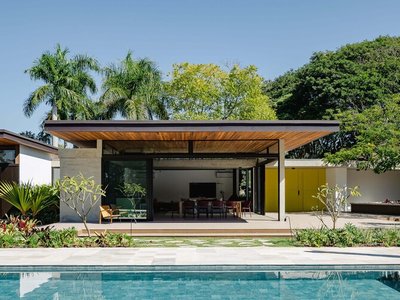
Flamboyant House by Juliana Camargo + Prumo Projetos
Modern Brazilian house integrating existing tree, pool, and volumes with glass, wood, and transitional spaces blending interior, exterior, and landscape seamlessly.
On the Brooks House by Monsoon Collective – A Contemporary Kerala Home Rooted in Tradition
Kerala home blending tradition and modernity with water-inspired design, brick architecture, courtyard planning, and sustainable rainwater harvesting strategies.
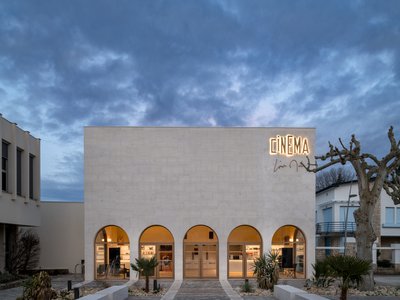
Louis Malle Cinema: A Limestone Cultural Landmark Revitalizing Community Life in Prayssac
Limestone cinema extension with public forecourt, blending heritage and modern design to create flexible cultural spaces and strengthen community interaction.


Similar Reads
You might also enjoy these articles
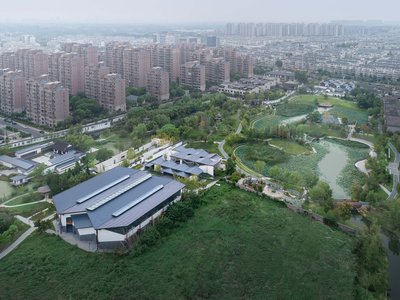
Zhuxi Wonderland: Reimagining Traditional Chinese Gardens by Doarchi Architects
Zhuxi Wonderland by Doarchi Architects reinterprets traditional Yangzhou gardens, integrating courtyards, pavilions, and tea houses in modern cultural design.
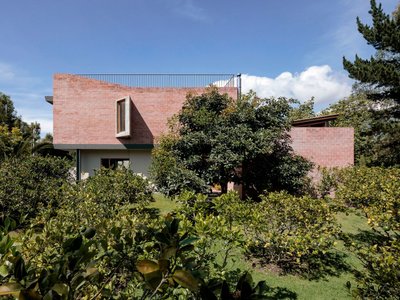
Doble Soga House: A Contemporary Brick Residence Rooted in Landscape in Quito, Ecuador
Brick house in Quito integrating nature, flexible living spaces, exposed materials, and rooftop terrace, creating warm contemporary architecture for modern family life.
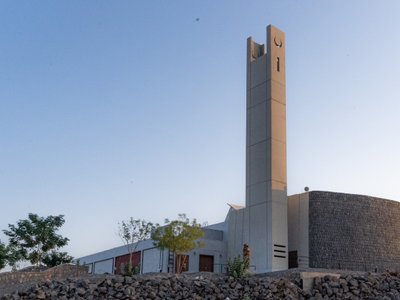
Al Gharra Mosque in Medina Redefining Contemporary Islamic Architecture
Minimalist Medina mosque using concrete, light, and landscape to reinterpret Islamic worship spaces through symbolic spiritual transitions and contemporary architecture.
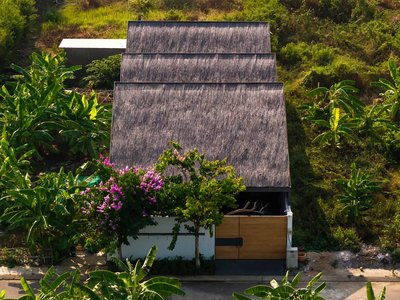
Viczonecode Villa by DDconcept – Tropical Family Living in Ho Chi Minh City
Tropical family villa in Ho Chi Minh City featuring courtyards, skylights, natural ventilation, elevated flooring, and seamless indoor–outdoor living surrounded by greenery.


Explore Architecture Competitions
Discover active competitions in this discipline




The International Standard for Design Portfolios


The Global Benchmark for Architecture Dissertation Awards


The Global Benchmark for Graduation Excellence


Challenge to reimagine the Iron Throne
Comments (0)
Please login or sign up to add comments
No comments yet. Be the first to comment!