
Ankh House TAU Arquitetos: A House of Life in the Brazilian Countryside
Ankh House TAU Arquitetos in Brazil redefines the “house of life,” blending modular design, natural materials, and sustainable living.


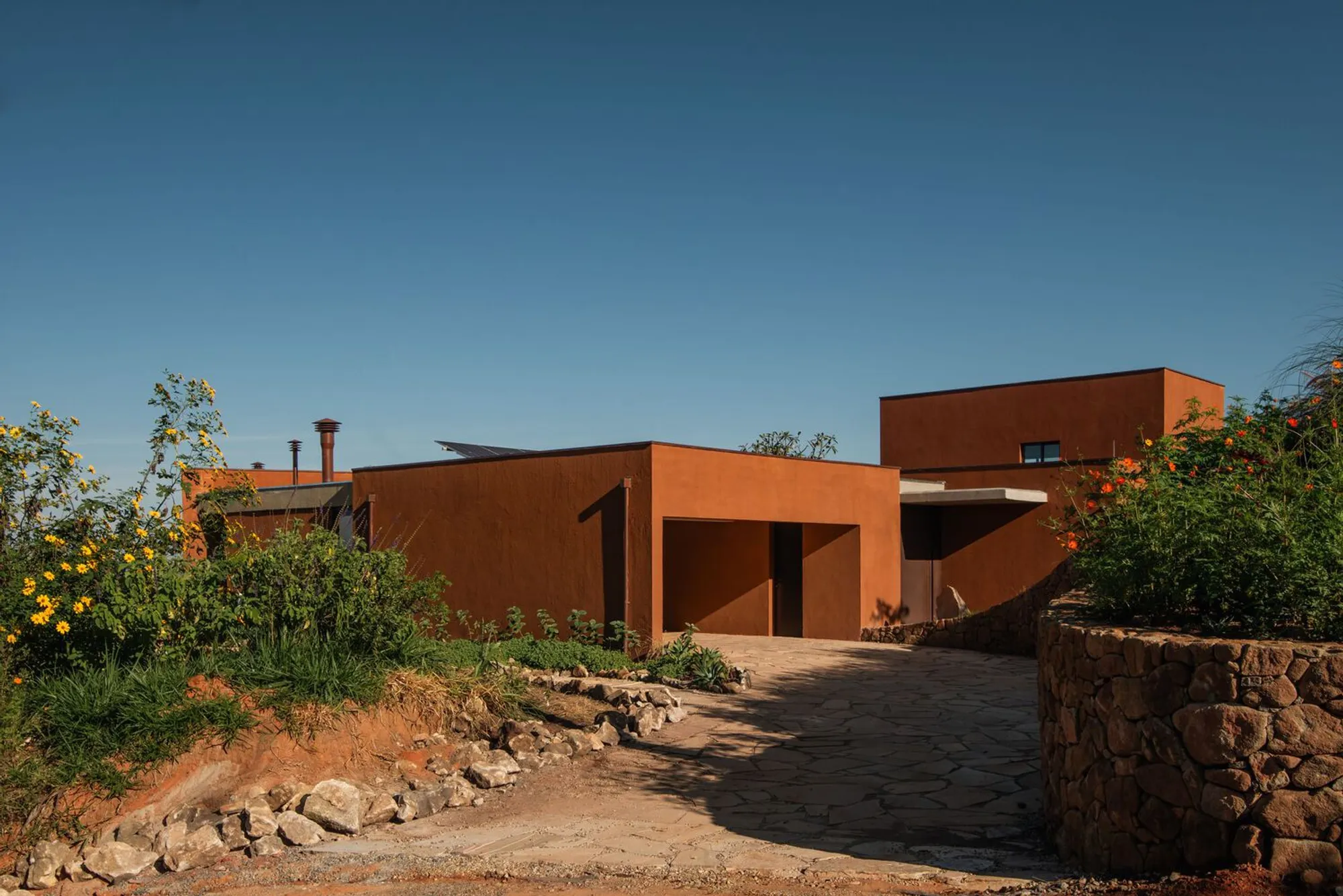
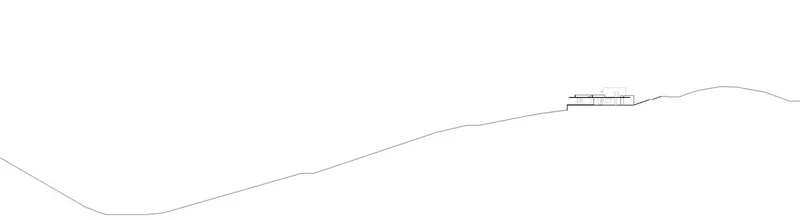
The Ankh House TAU Arquitetos, designed in collaboration with Studio Zanskar, is a contemporary residence inspired by the Egyptian concept per ankh, meaning “house of life.” Located in Bragança Paulista, in the countryside of São Paulo, the project embodies a deep connection between body, environment, and everyday living. Set against a mountainous landscape and designed to follow the site’s natural slope, the 455 m² residence merges architecture, nature, and daily rituals into a harmonious whole.
Concept and Architectural Layout
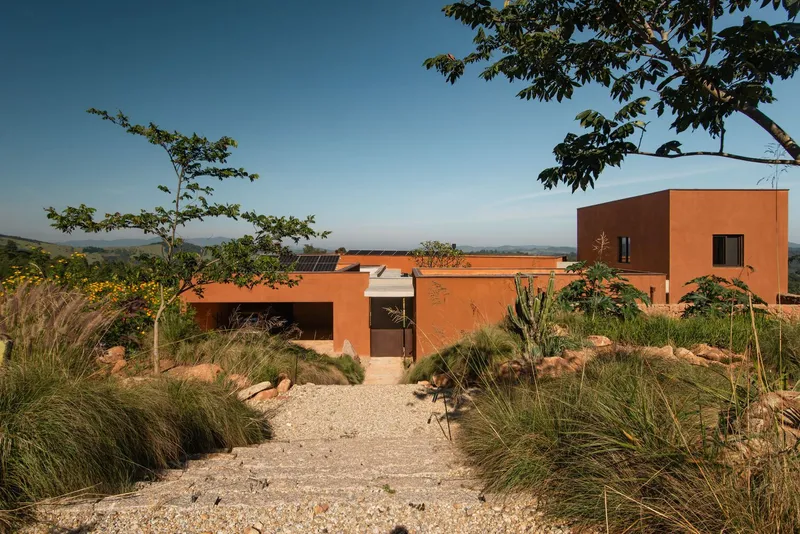
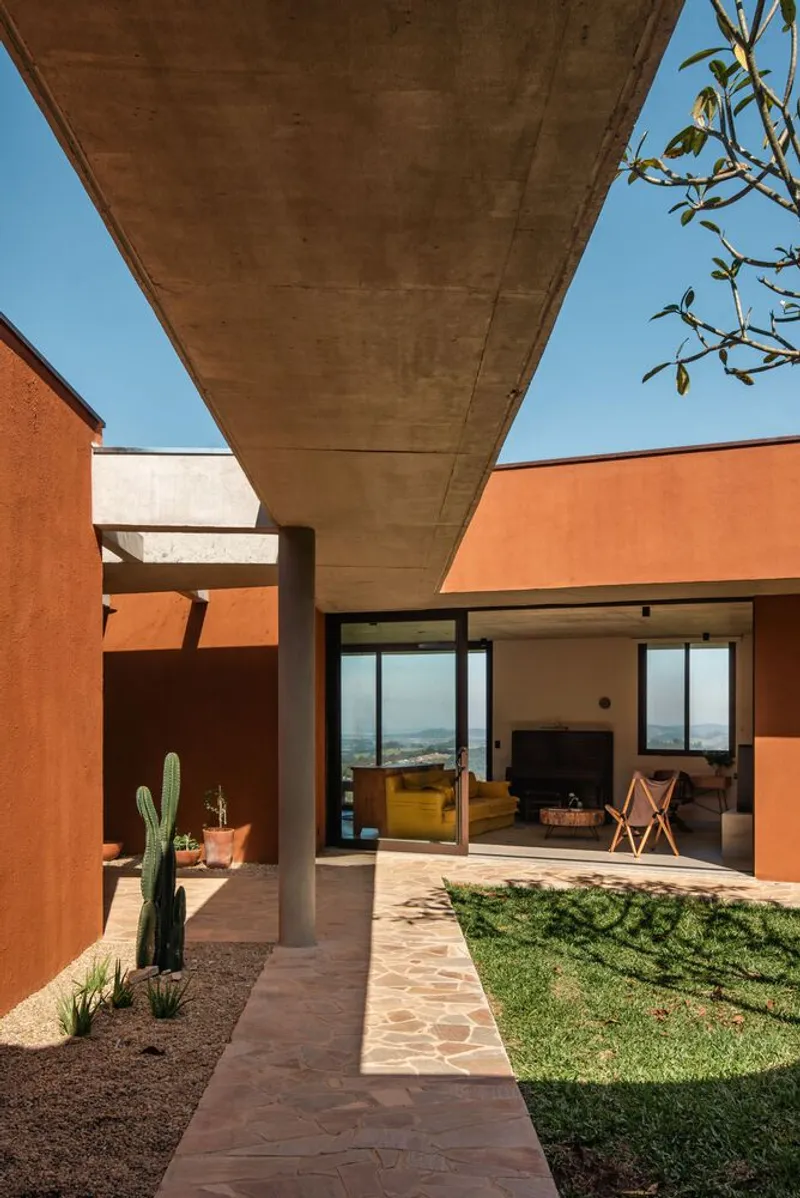
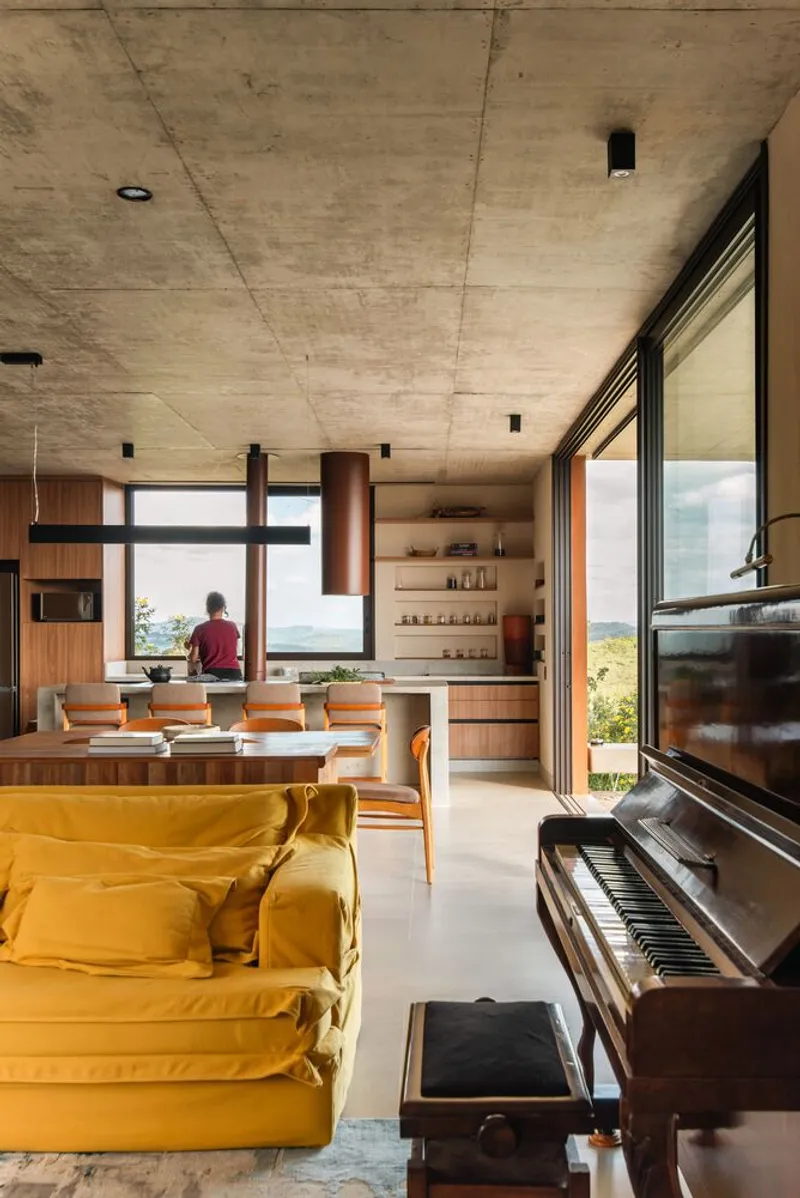
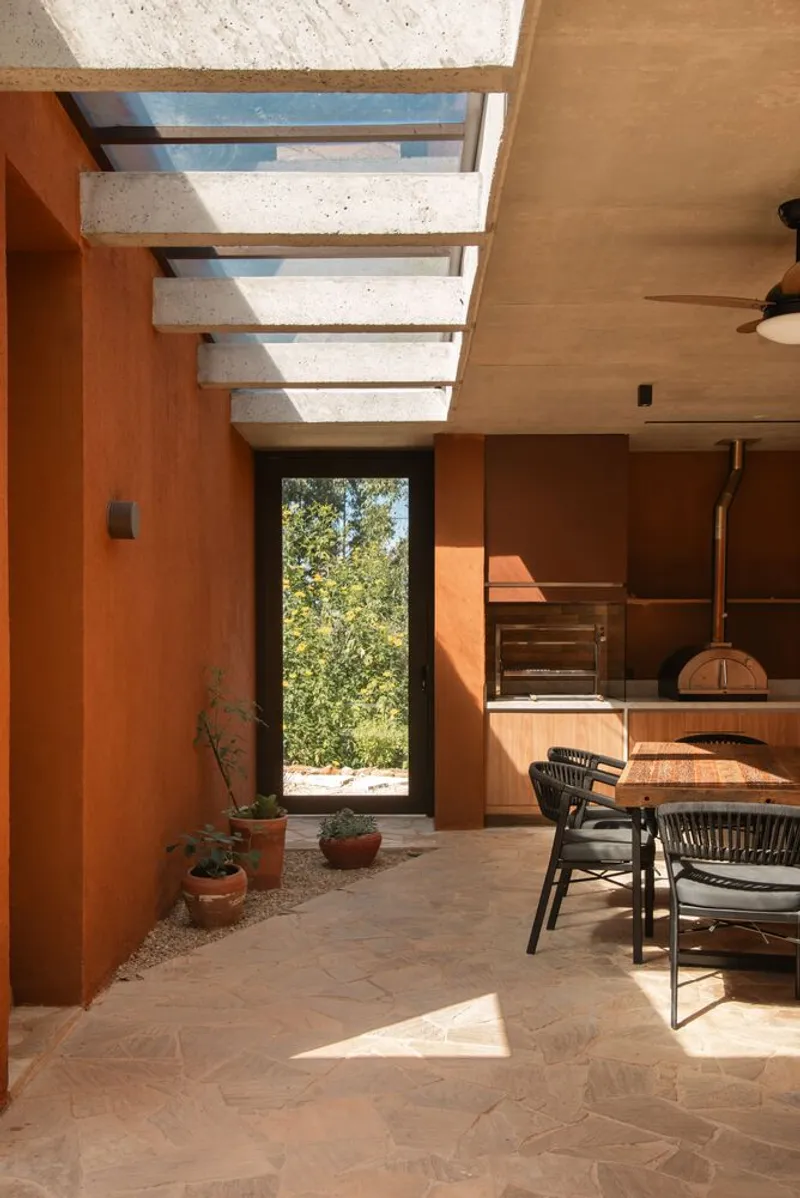
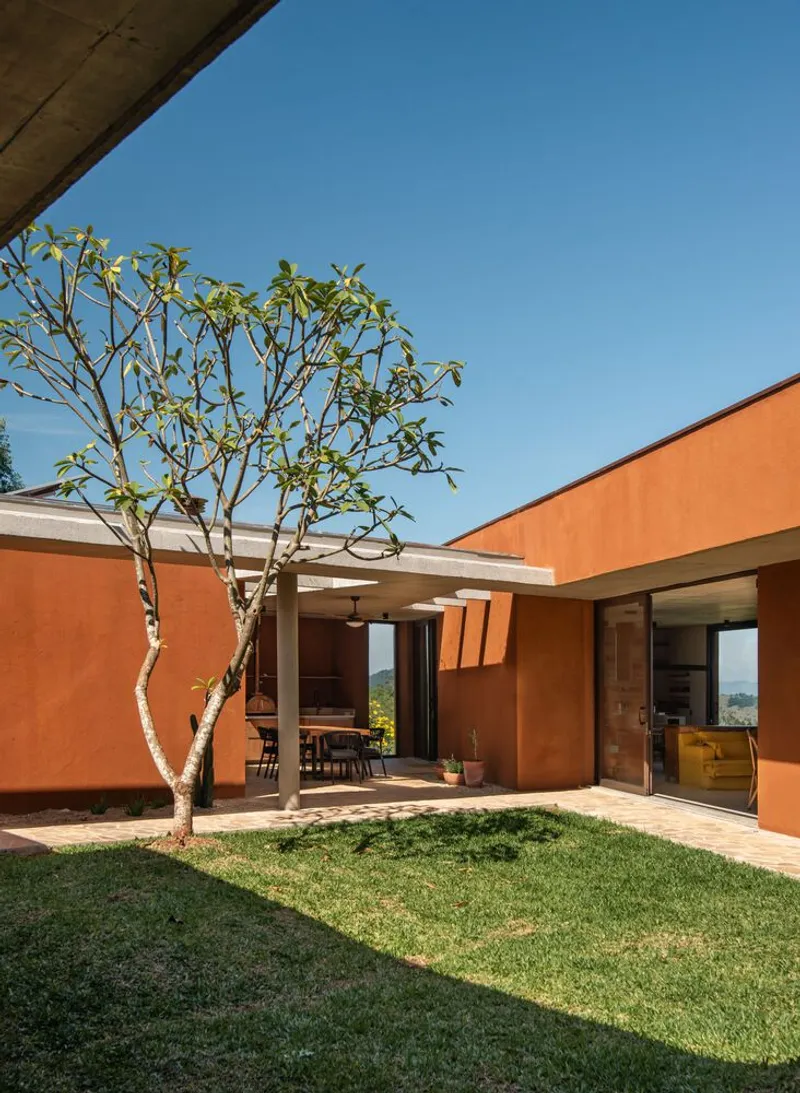
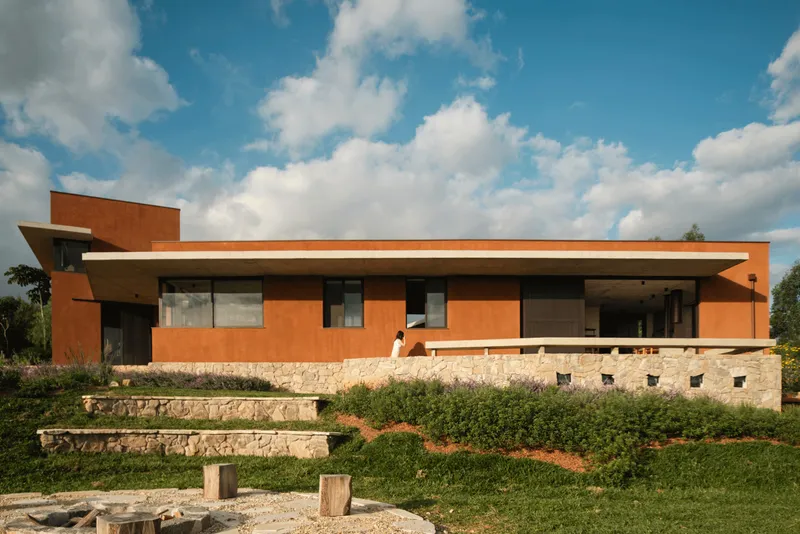
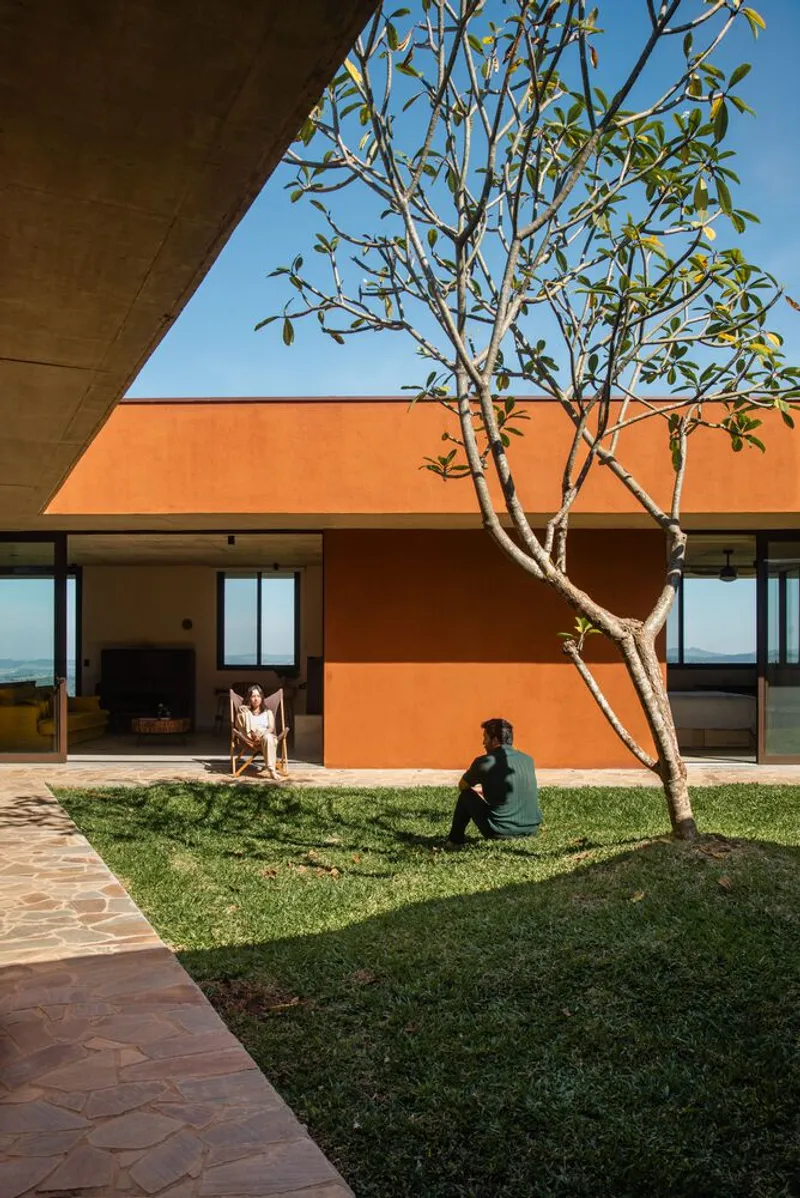
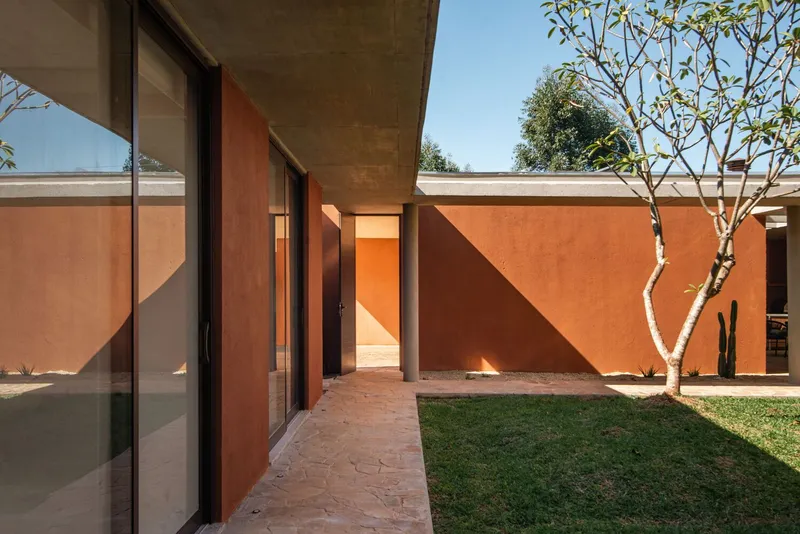
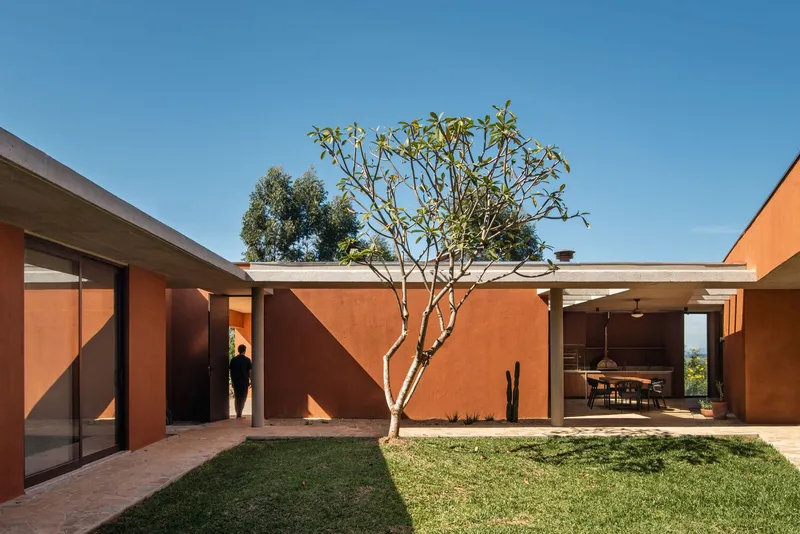
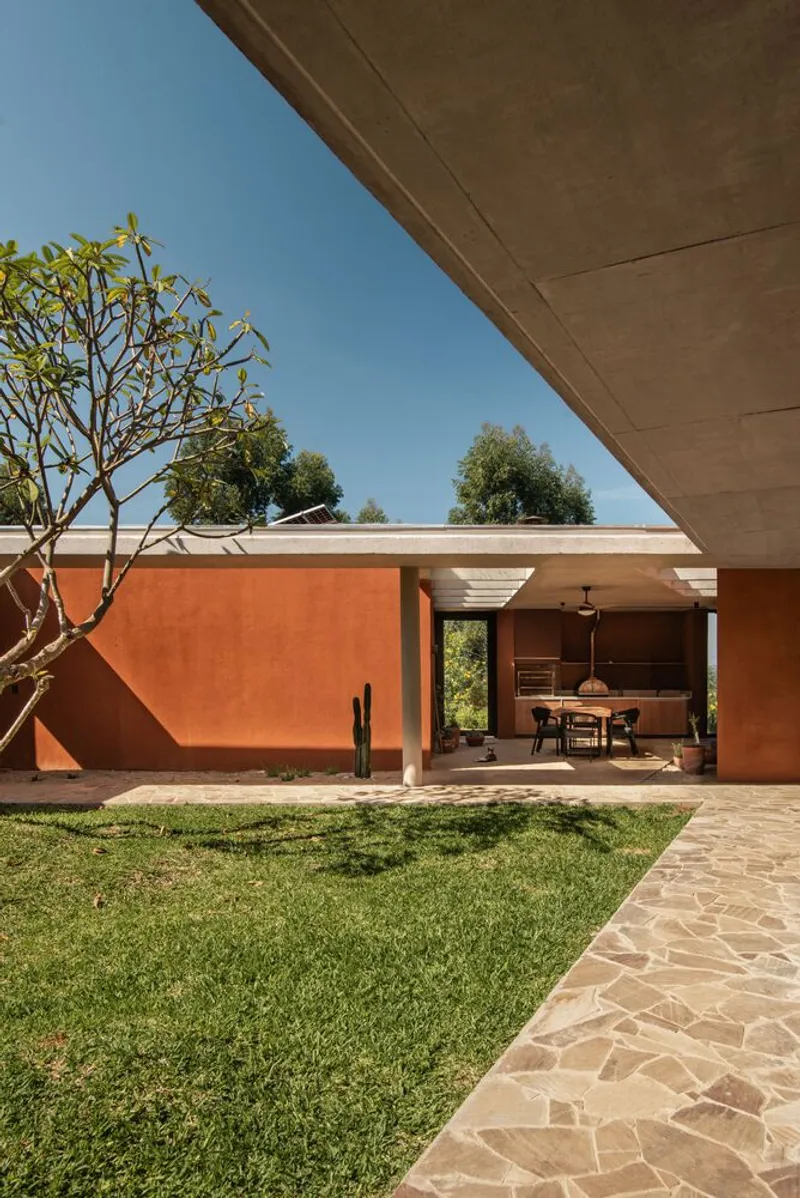
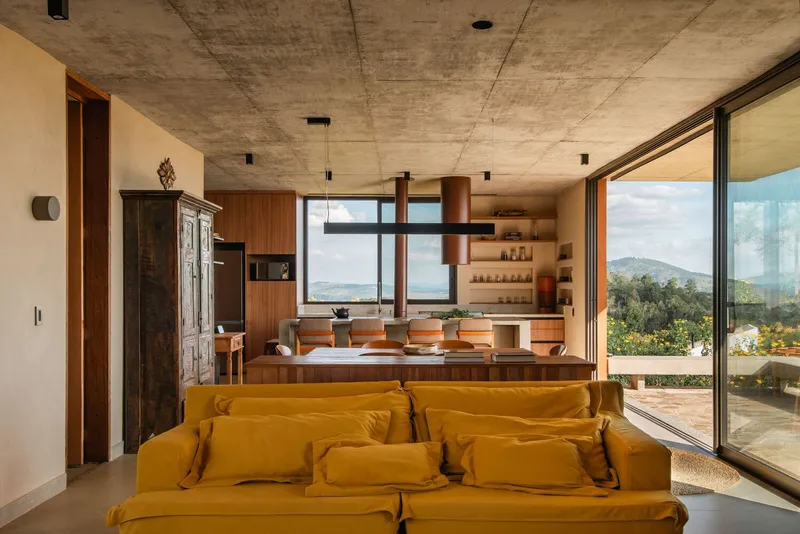
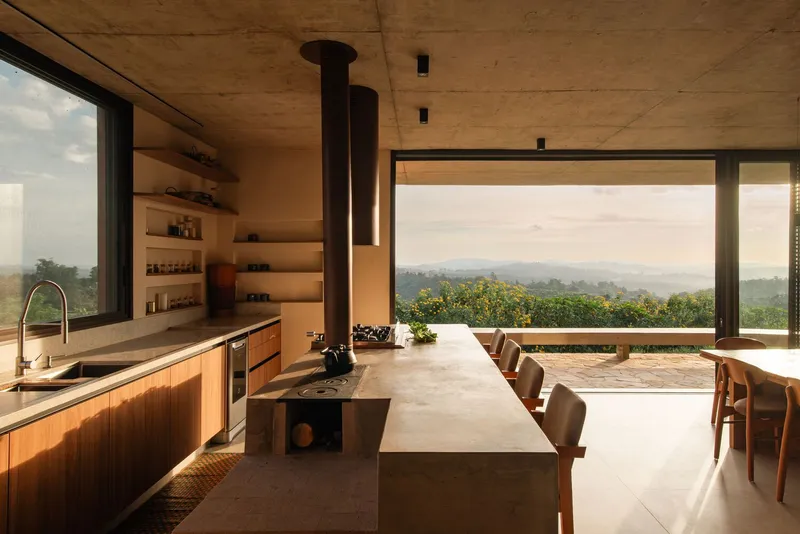
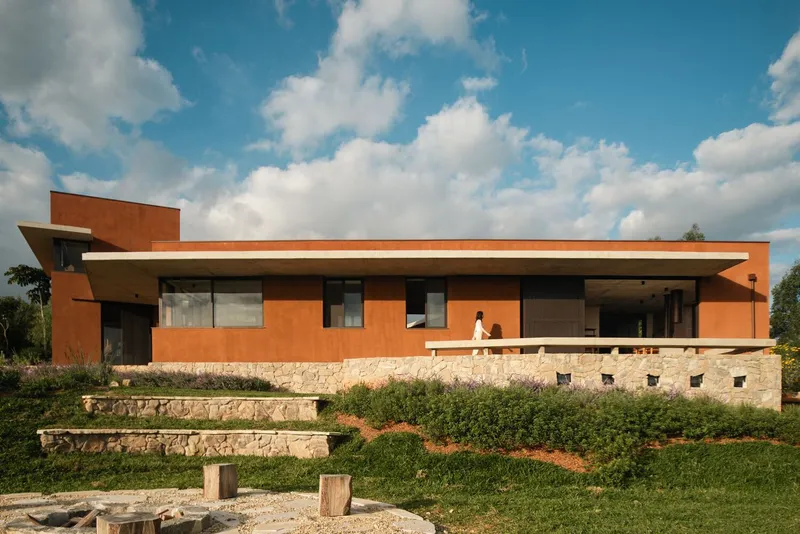
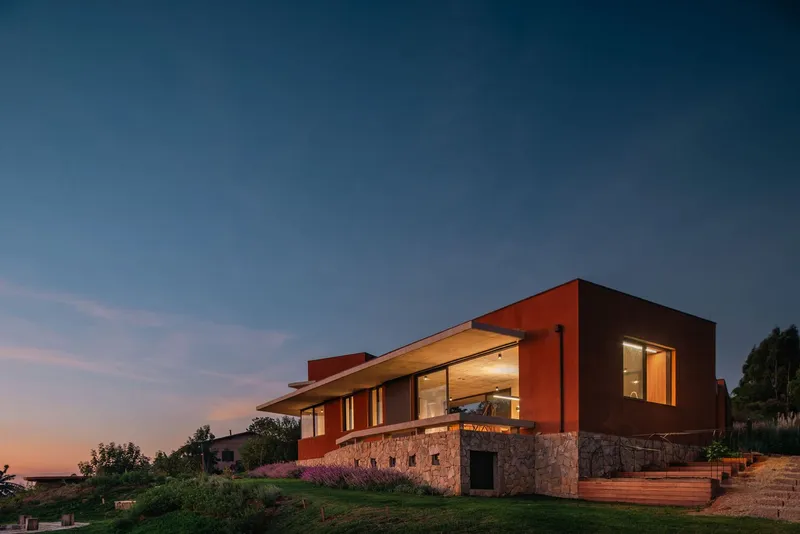
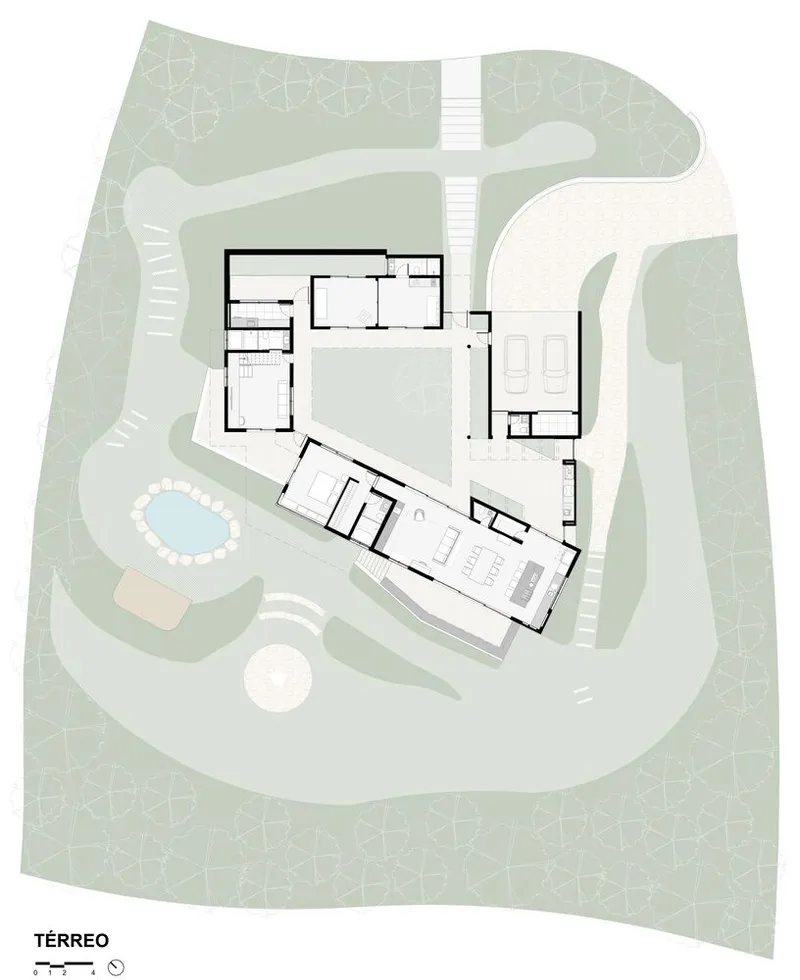
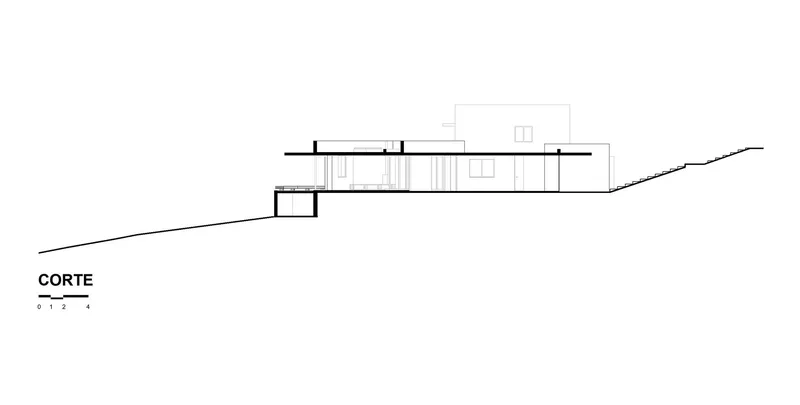
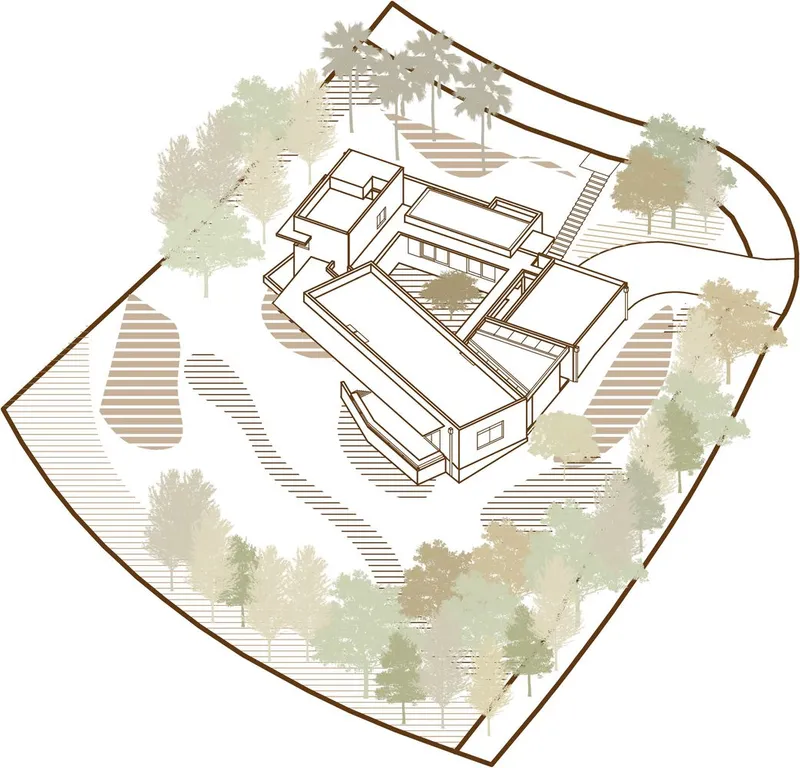
The design of the Ankh House TAU Arquitetos is organized around four independent modules that converge around a central courtyard. This courtyard serves as both a social heart and a thermal regulator, encouraging introspection and interaction. The main social volume, which includes living, dining, and kitchen areas, opens to the west, framing views of the surrounding hills. A dramatic concrete cantilever shades the interiors from the afternoon sun while extending the architectural expression outward.
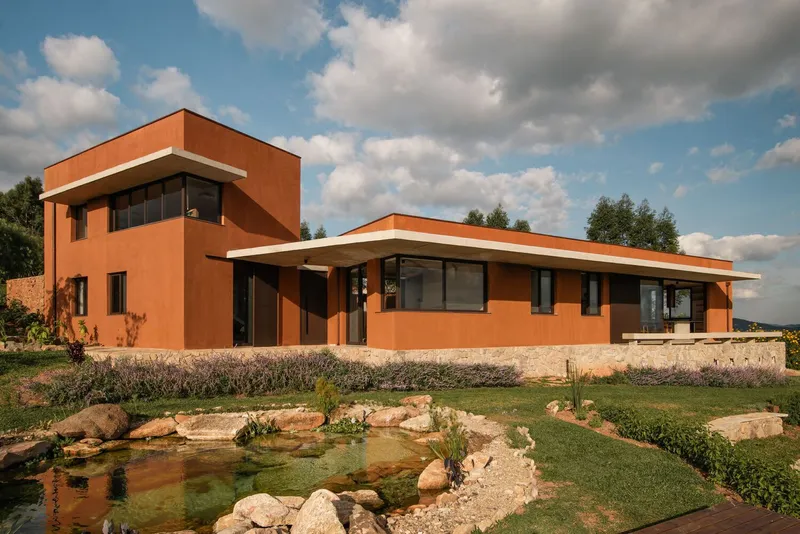
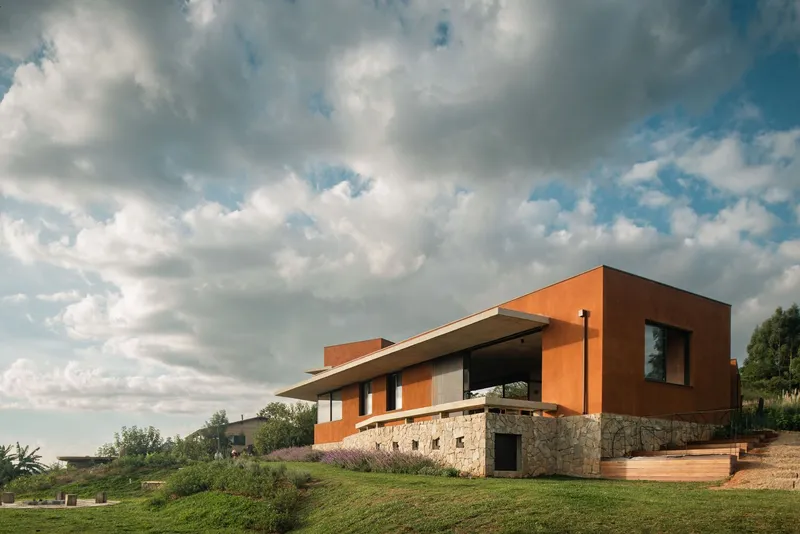
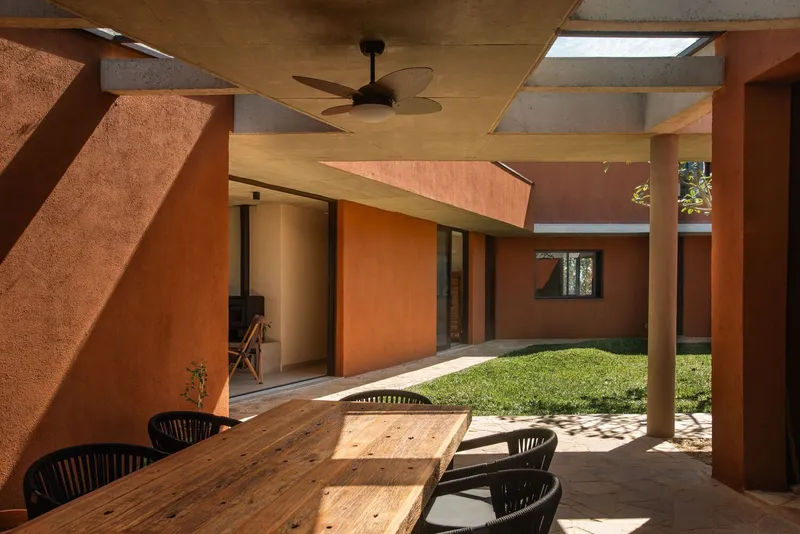
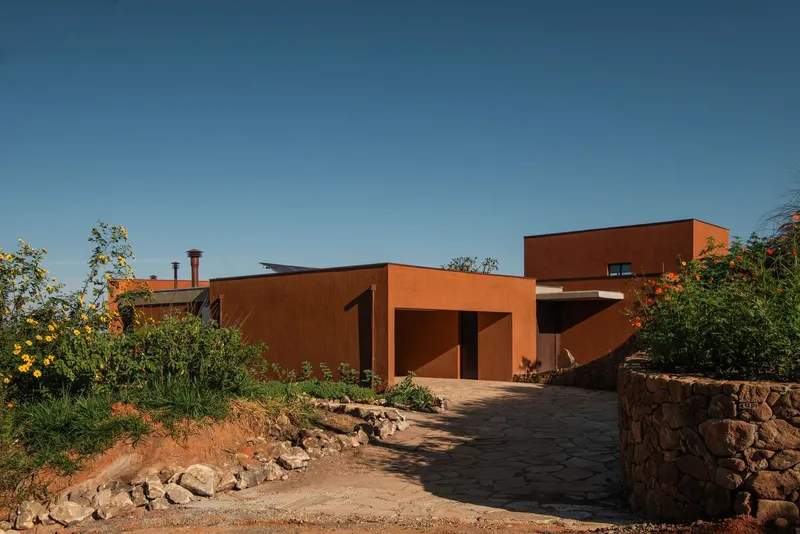
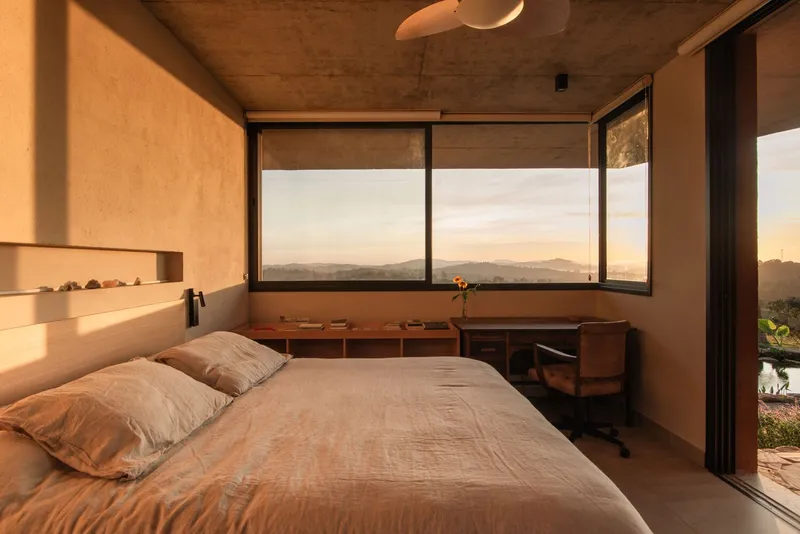
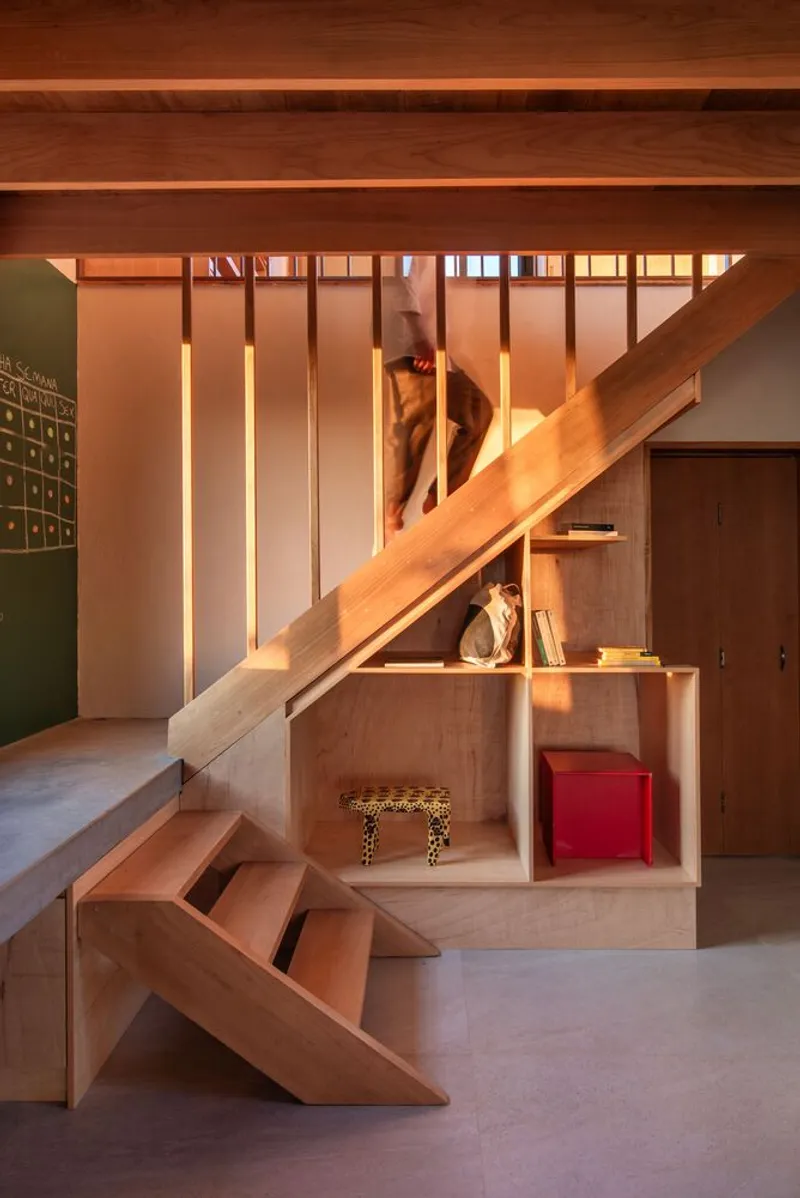
Integrated into this central module is the private master suite, complete with bathroom and walk-in closet, offering both comfort and seclusion. Other modules house the daughter’s mezzanine-style bedroom, a creative studio, and a service wing with garage and utilities. Together, these volumes create a functional yet fluid residential environment that reflects the rhythms of family life.
Courtyard as the Heart of the House
At the core of the Ankh House TAU Arquitetos lies the courtyard, a symbolic and functional “house of life.” It connects the volumes visually and spatially while serving as a natural ventilation system. This open space promotes balance between built form and open air, reinforcing the house’s dialogue with its rural setting.
Materiality and Timeless Aesthetics
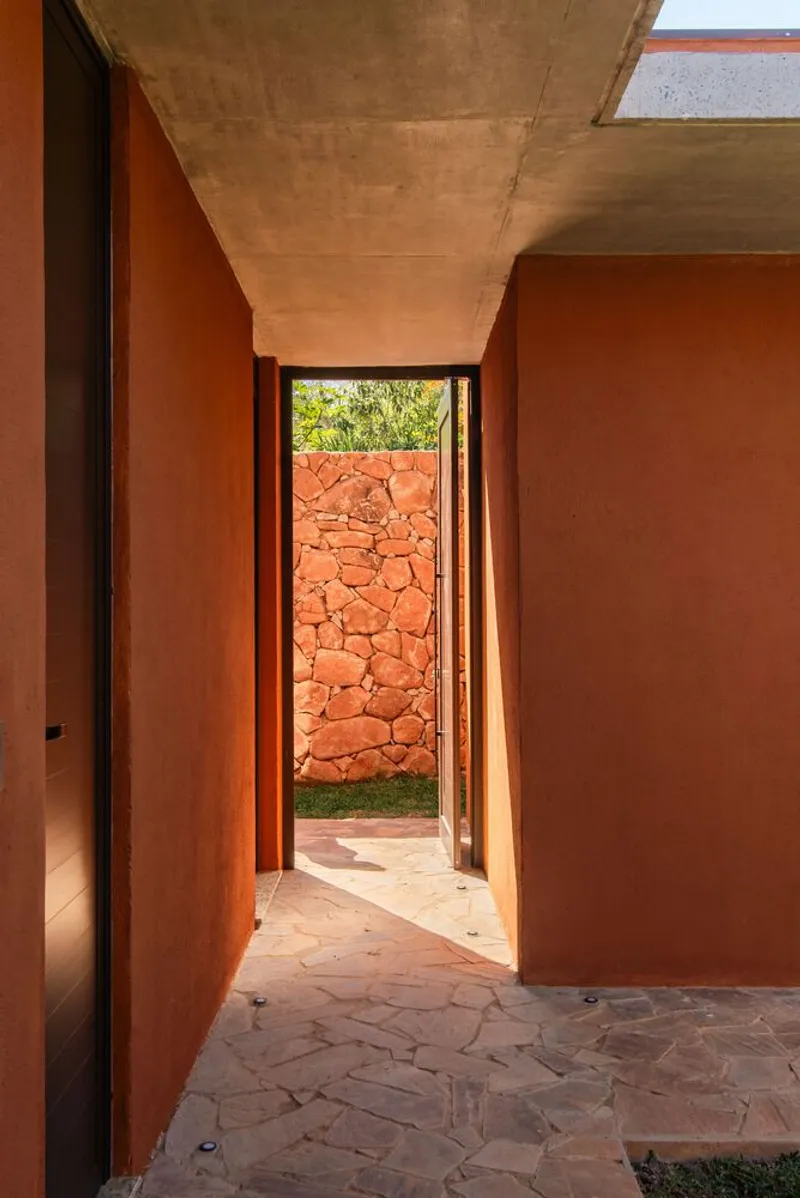
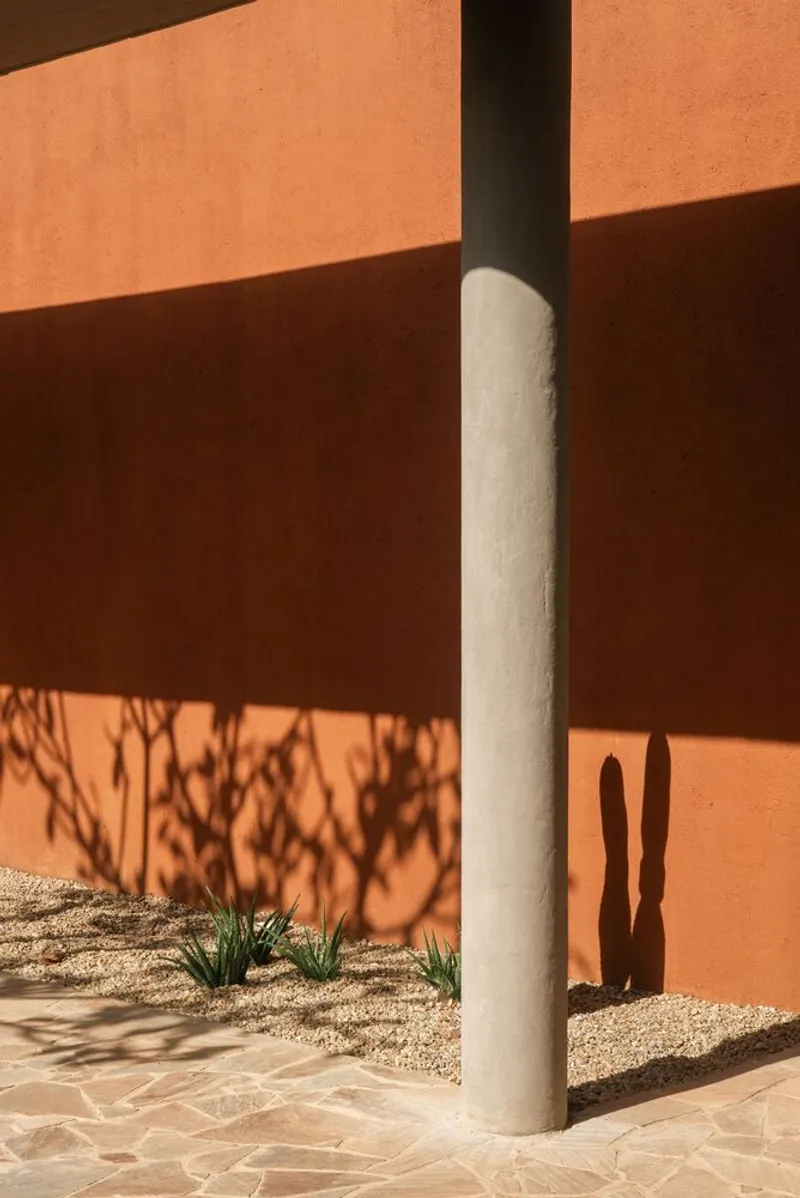
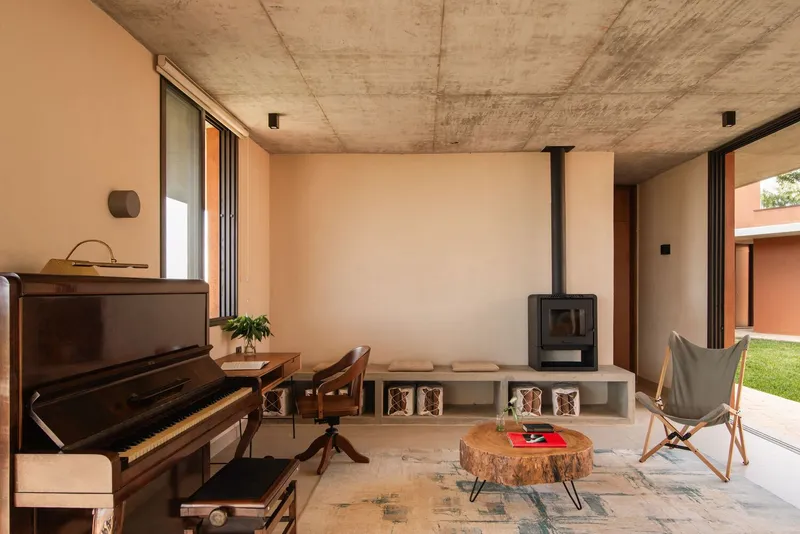
The architecture of the Ankh House TAU Arquitetos emphasizes solidity, permanence, and low maintenance. Flat exposed concrete slabs create a durable structural framework, while cantilevered roofs regulate solar incidence. Natural materials, sourced locally, give the residence a timeless presence. The earth from the site itself was used as wall finishes, ensuring both sustainability and authenticity.
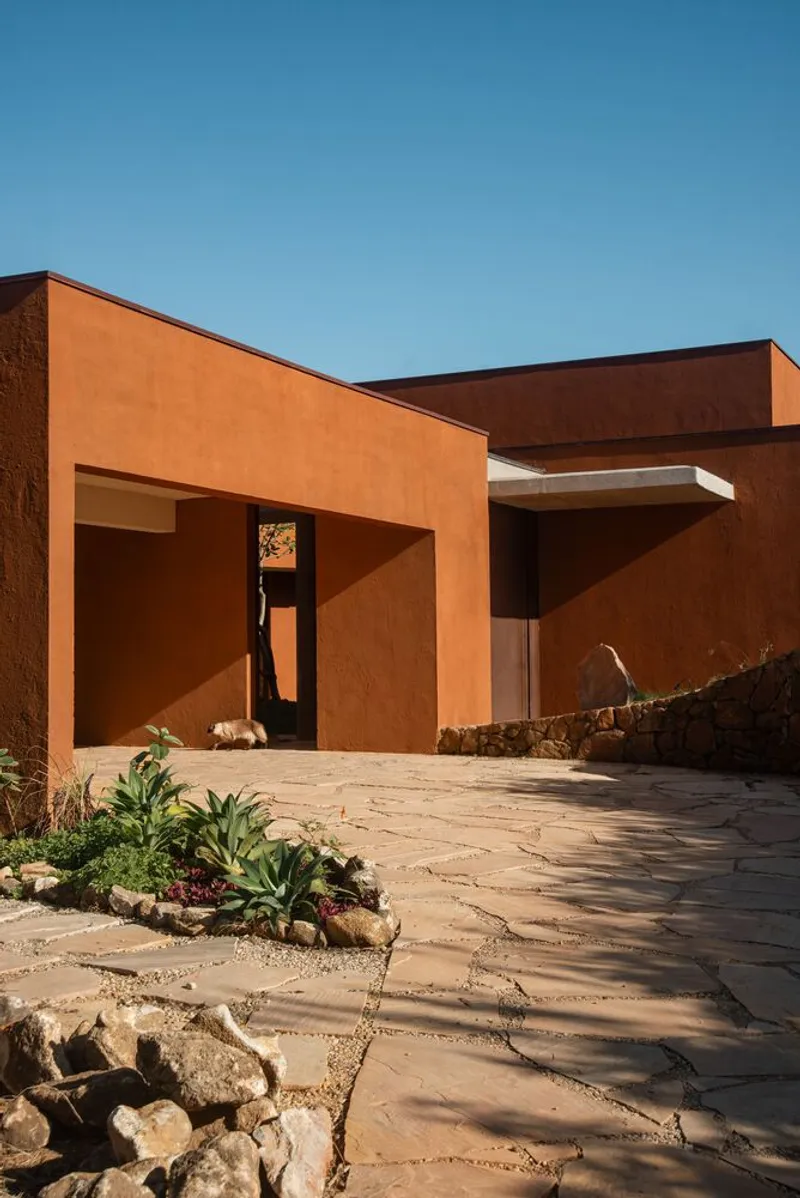
Stone plays a central role throughout the project—appearing as cladding, paving, and retaining walls—anchoring the house into the terrain while reinforcing its sense of permanence. These materials echo the rugged beauty of the mountainous backdrop, blending architecture with landscape seamlessly.
Landscape Design and Living with Nature
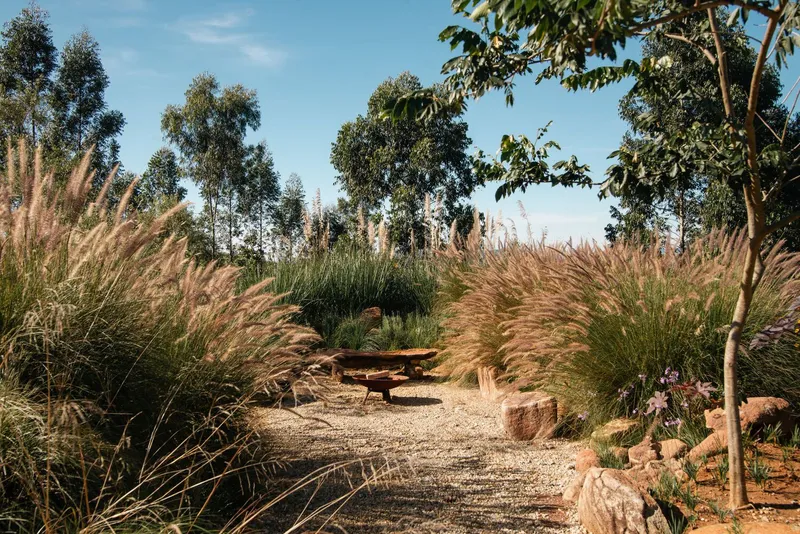
The surrounding landscape was designed as an extension of the house, with careful zoning to accommodate diverse microclimates. The upper terrain references the Brazilian cerrado, filled with native, low-maintenance vegetation. Closer to the kitchen, edible gardens, aromatic herbs, and orchards encourage sustainable living by integrating cultivation into daily routines. The thoughtful landscaping transforms the residence into a living ecosystem, reinforcing the holistic vision behind its design.
A Balanced Approach to Life and Architecture
The Ankh House TAU Arquitetos is more than a dwelling—it is a manifesto of life. By balancing people, materials, and landscape, it establishes a sensitive relationship between architecture and environment. The house does not dominate its site but rather grows from it, creating a sense of permanence, continuity, and belonging.
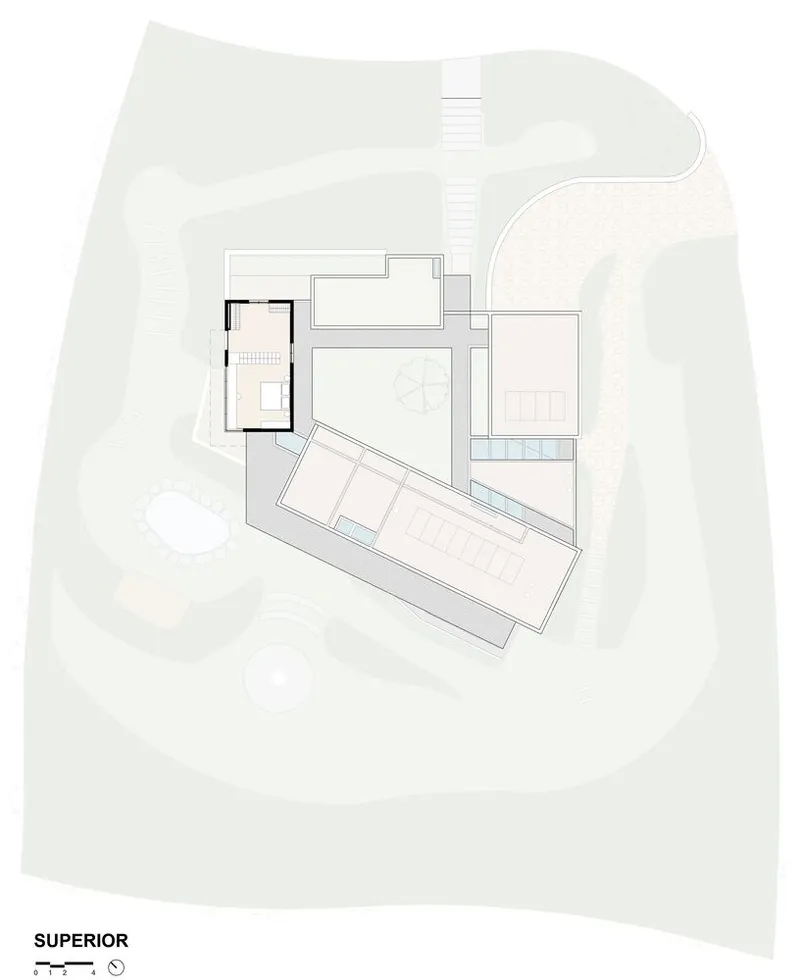
With its modular design, material authenticity, and landscape integration, the Ankh House TAU Arquitetos exemplifies a contemporary reinterpretation of the “house of life.” It stands as a profound architectural response that unites tradition, modernity, and the natural world in a single expression of dwelling.
All Photographs are works of Lela Leme


Popular Articles
Popular articles from the community


Co-life: Sustainable Architecture for Age-Friendly Community Living
Co-life reimagines sustainable architecture for seniors through courtyards, rammed earth, shared gardens, and spaces designed for belonging.

The Earth Pod: 3D Printed Homes for Resilient Refugee Communities
The Earth Pod reimagines refugee housing through 3D printed homes made from clay, combining resilience, self-sufficiency, and rapid shelter.

The Ocean Hive: Sustainable Architecture for a Self-Sufficient Civilization at Sea
The Ocean Hive imagines sustainable architecture at sea, where modular habitats, algae, wave power and ocean waste sustain a growing colony.

Conexión: Biophilic Design Reimagines High-Rise Living in Hong Kong
Conexión reimagines high-rise living in Hong Kong through biophilic design, green facades, shared spaces, daylight, water and nature within.

Similar Reads
You might also enjoy these articles

Bamboo Housing Challenge 2026: Design Affordable, Sustainable Homes Using Bamboo
An international design competition by Bamboo U and IBUKU inviting architects and designers to reimagine affordable housing using bamboo — with the winning design built full-scale in Bali.
Computational Design & Education: Beegraphy Design Awards Introduces 7th Category (Featuring Jiyun's Innovative Approach)
Dive into Beegraphy’s 7th Design Awards category, where computational design meets education to create immersive, interactive learning tools, inspired by Jiyun’s work.
From Parametric Lighting to Urban Furniture: Join the 2nd Workshop in Beegraphy’s Computational Design Series
Dive into Cutting-Edge Design Techniques and Practical Applications with Industry Experts

Last Call: Unleash Your Architectural Genius in SHAK's Kindergarten Design Competition
Urgent call for architects to join SHAK's kindergarten design competition before the looming deadline

Explore Architecture Competitions
Discover active competitions in this discipline



Challenge to reimagine the Iron Throne


Photograph architecture without architects


Illustrate the lost glory of Angkor Wat - Render Challenge


Design challenge to reuse E-waste
Comments (0)
Please login or sign up to add comments
No comments yet. Be the first to comment!