
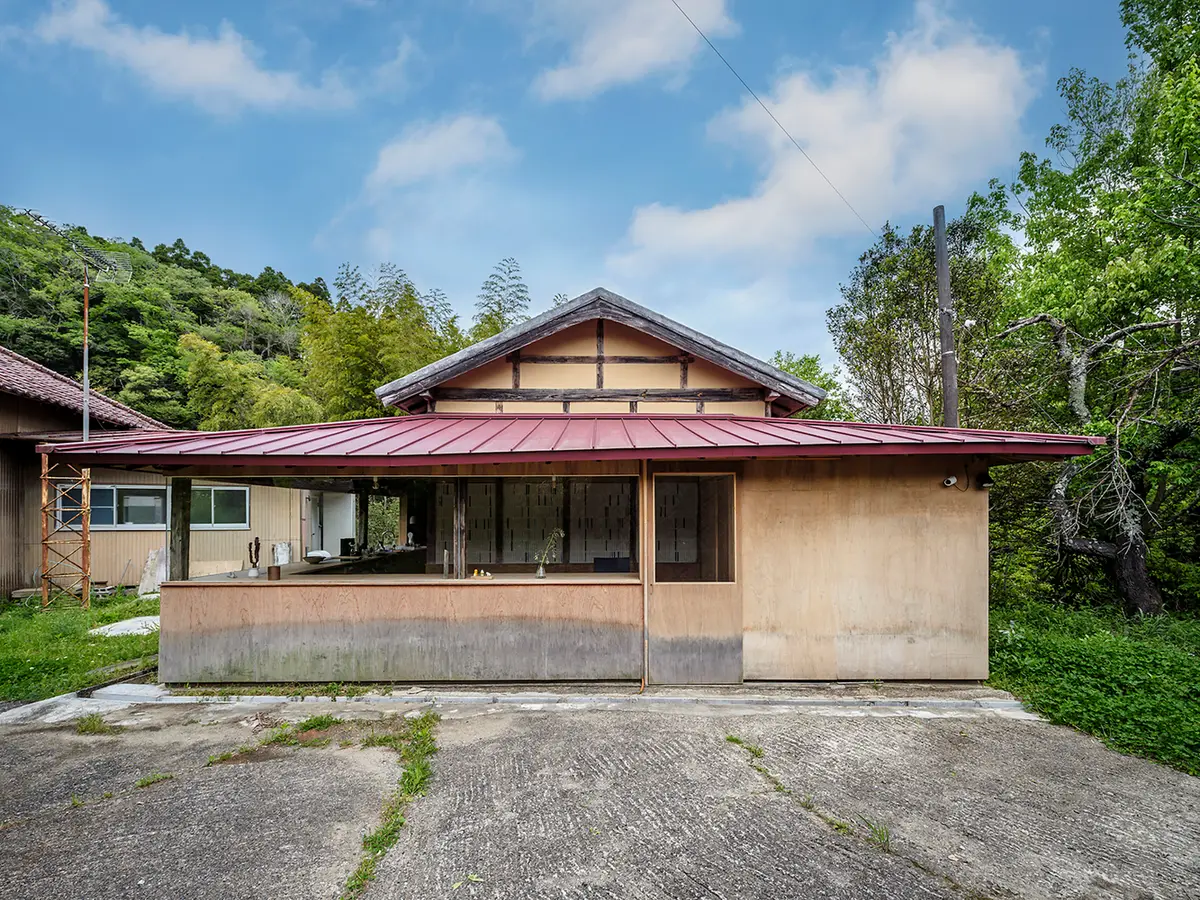
Arai Mise Studio by Kurosawa Kawara-ten: Transforming an Abandoned Farmhouse into a Creative Hub
Arai Mise Studio transforms an abandoned farmhouse into a creative studio, blending adaptive reuse, sustainable architecture, and modern rural revitalization.


Revitalizing Rural Spaces Through Adaptive Reuse
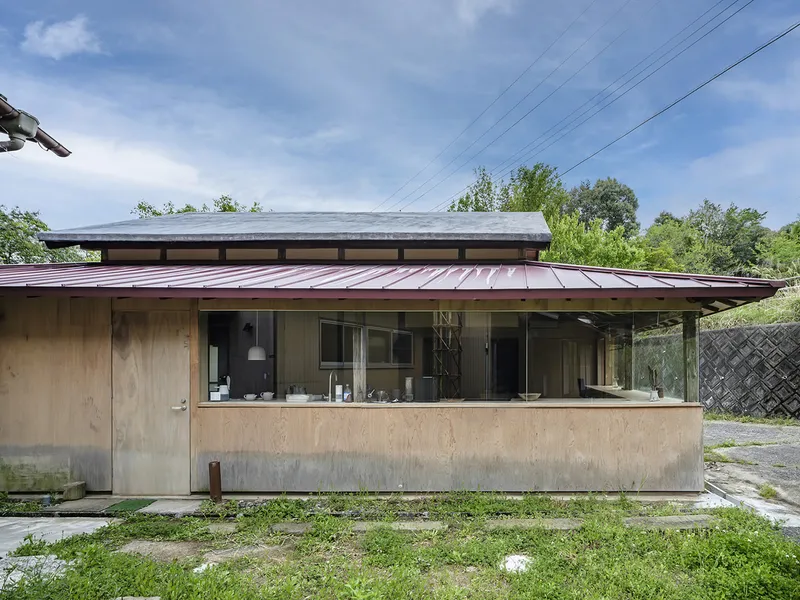
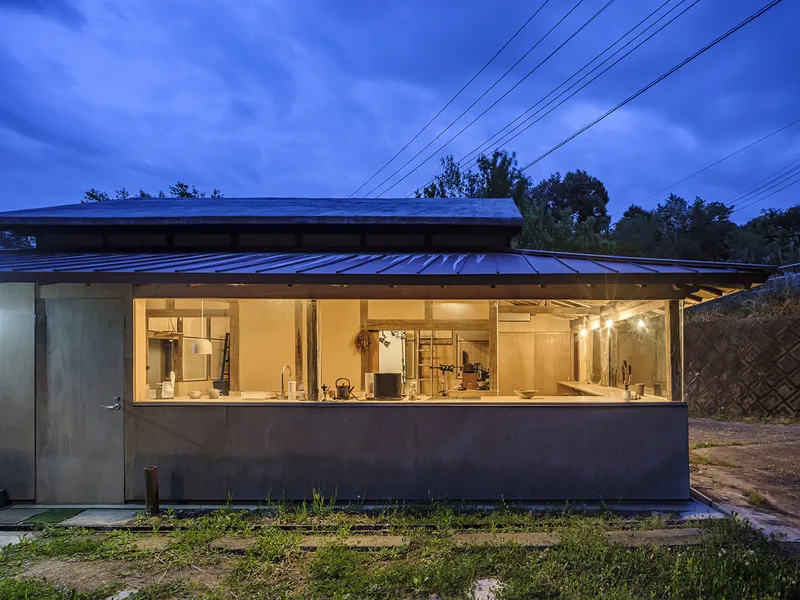
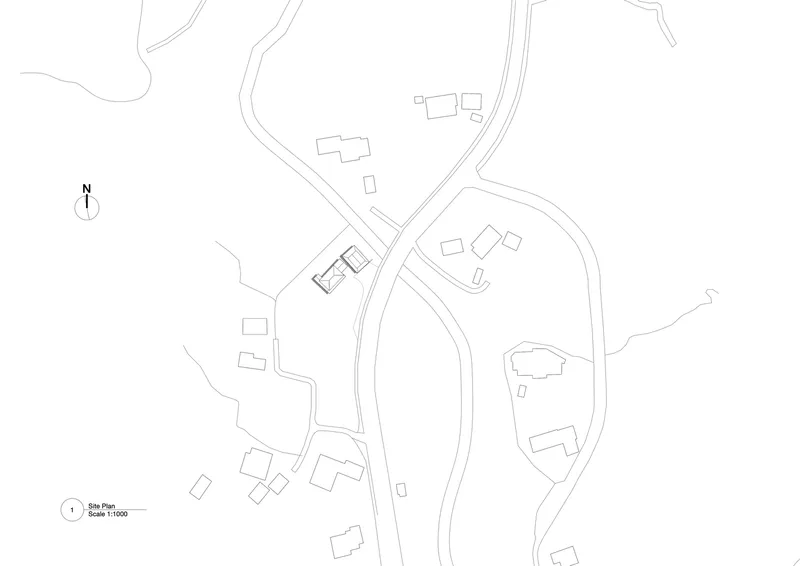
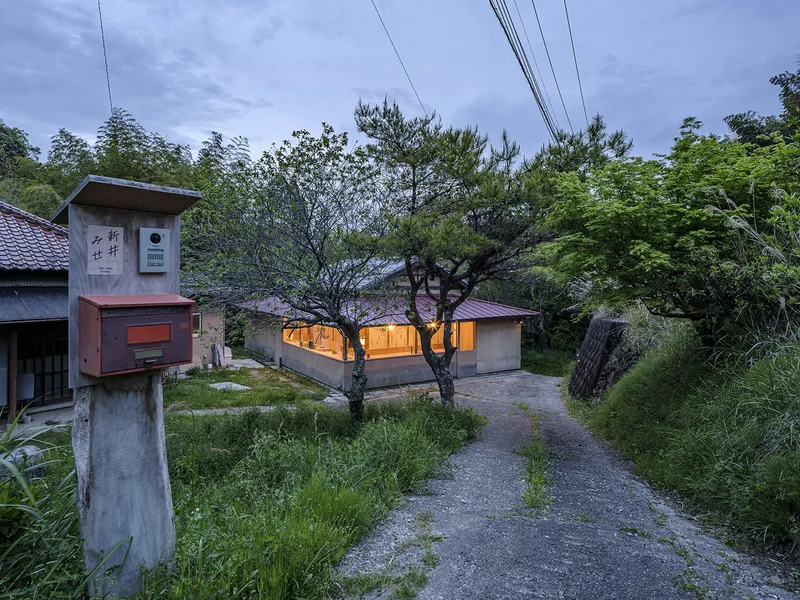
Located at the entrance of a farming village in Ichihara, Chiba Prefecture, an abandoned farmhouse has been thoughtfully transformed into a creative studio by Kurosawa Kawara-ten. This project exemplifies the power of adaptive reuse in architecture, repurposing a once-neglected space into a dynamic environment for a music and video creator.
As rural Japan faces population decline and abandoned properties, professionals from creative industries are reclaiming these spaces. However, traditional agricultural layouts are often inefficient for modern needs. This project sought to bridge the gap between the past and present, ensuring a harmonious integration of contemporary functions within a historically agricultural setting.
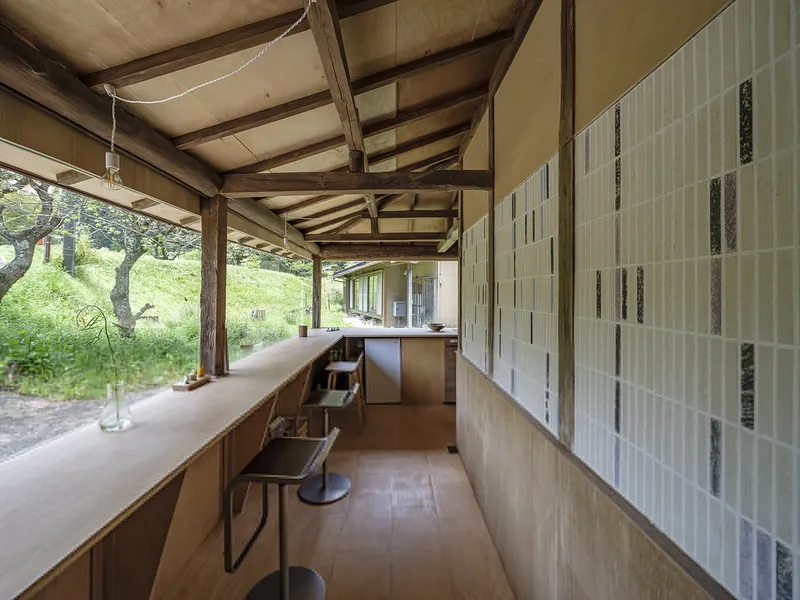
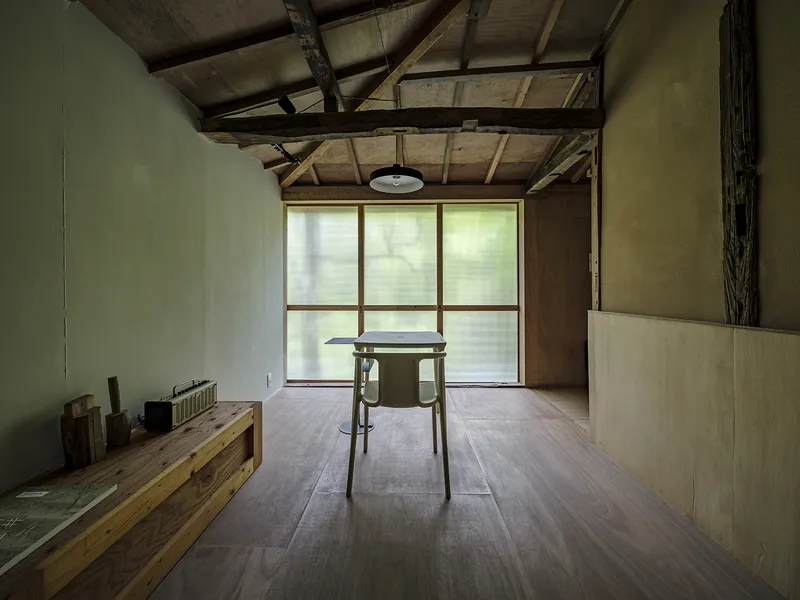
Design Evolution: From Guesthouse to Studio
Originally planned as a multi-purpose space—accommodating overnight stays and showcasing Japanese ceramics—the project faced unforeseen challenges, including the 2019 Chiba typhoon and the COVID-19 pandemic. These disruptions led to a shift in purpose, with the design evolving into a private studio for creative work, prioritizing functionality over commercial use.
Architectural Approach: Agile Design & Self-Building
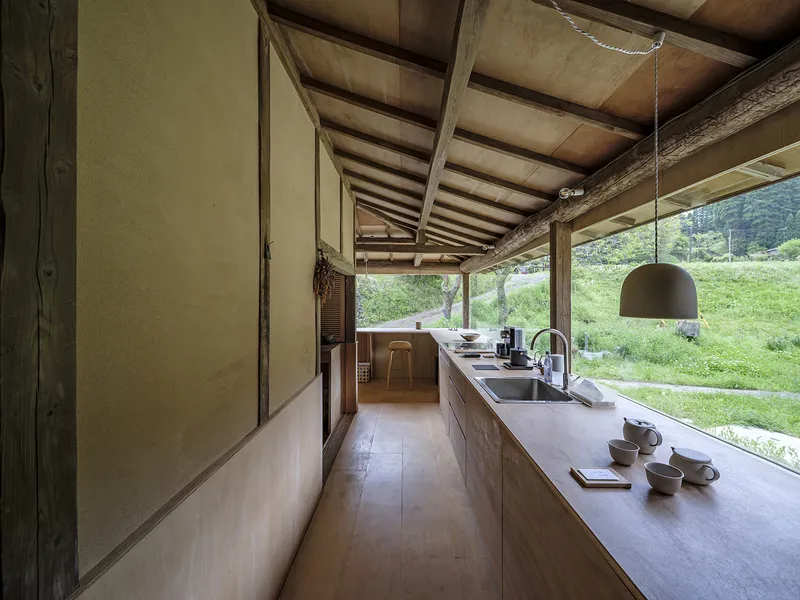
Given the project's budget constraints, the renovation embraced a low-cost, hands-on approach, with the architect transitioning from a supervisory role to an active collaborator. Instead of following a rigid construction plan, an agile design process was adopted, allowing continuous adjustments based on real-time feedback.
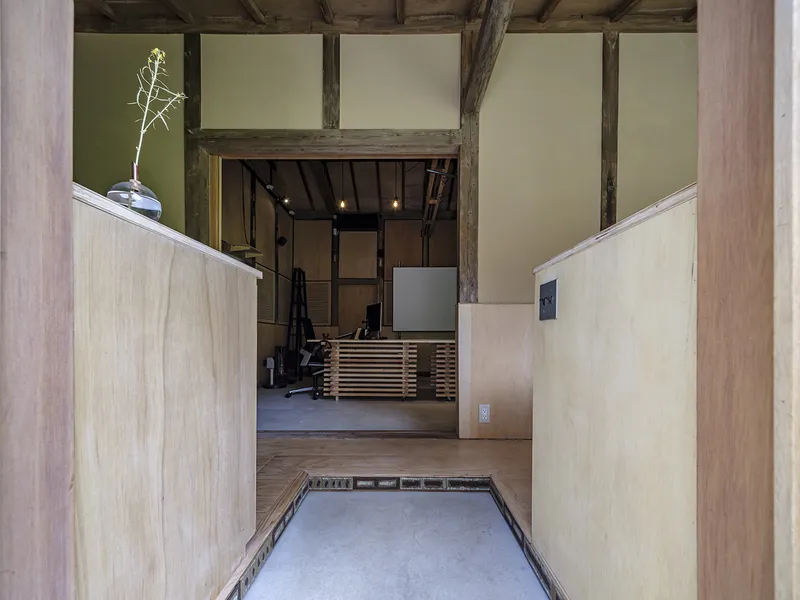
Key renovation highlights include:
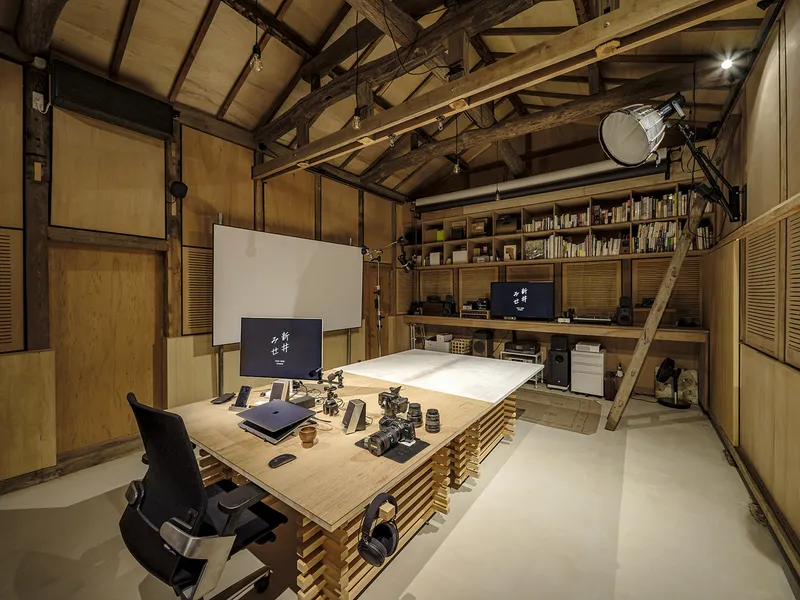
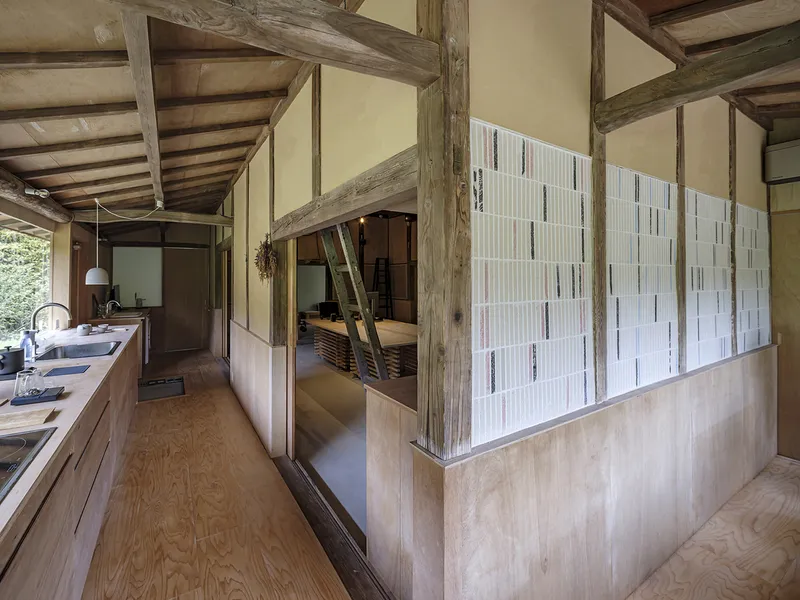
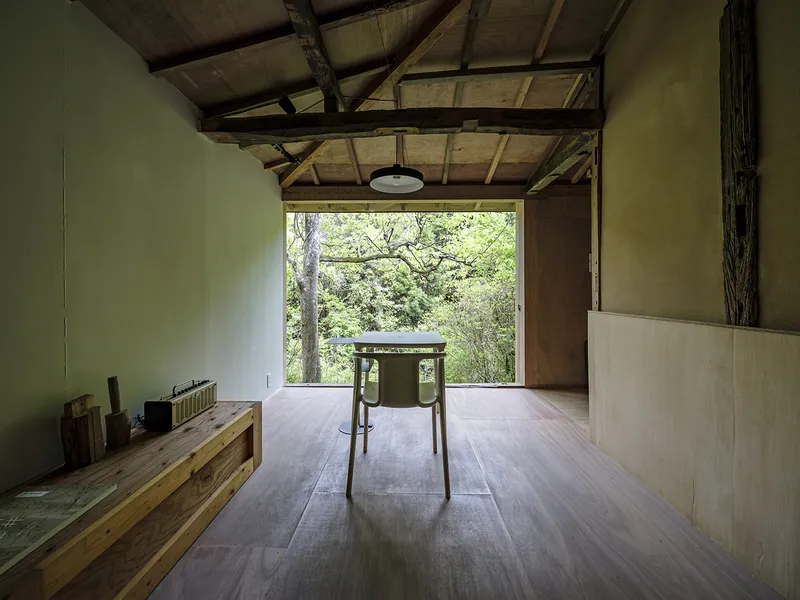
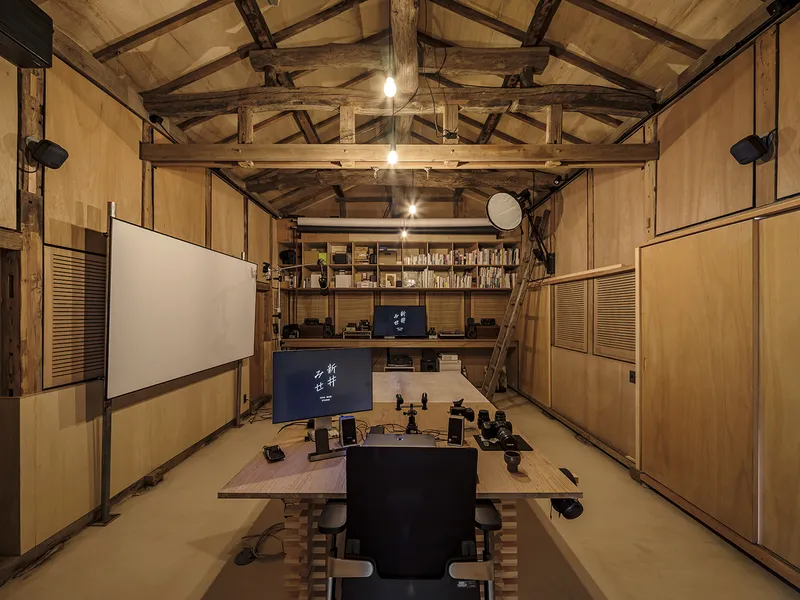
Open-plan layout: The former storehouse, originally divided into two rooms, was merged into a spacious high-ceilinged studio.
Acoustic optimization: Existing earthen walls provided natural sound insulation, further enhanced with sound-absorbing materials and improved roof insulation.
Functional upgrades: A concrete floor, new entrance points, and strategic storage solutions were introduced to maximize usability.
Collaboration & Material Innovation
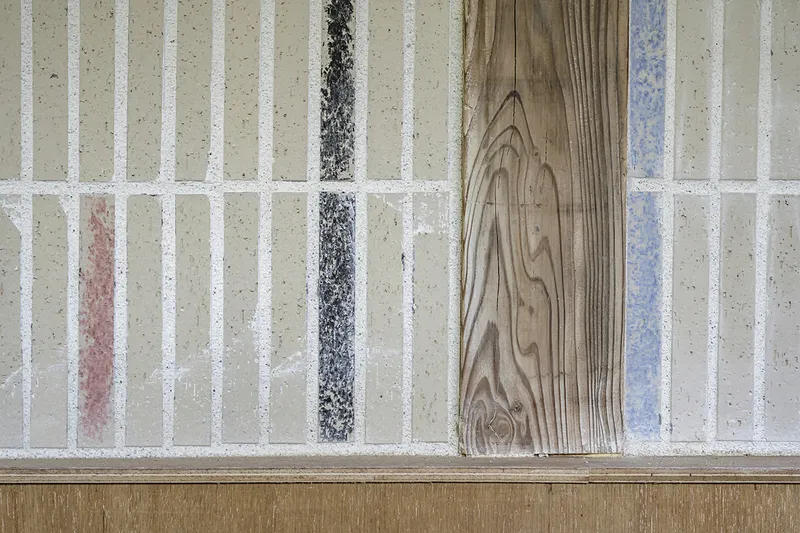
The project fostered community engagement, involving local artisans, university students, and renowned manufacturers such as Mizuno Pottery, Nippon Mosaic, and Suzumoku. Elements like a custom kitchen counter by Woodwork Tokyo and handcrafted tiles from traditional potteries added a layer of cultural authenticity.
This initiative not only redefined the role of architects in Japan’s rural landscape but also highlighted the potential of sustainable architecture, self-building, and heritage conservation.
A New Architectural Paradigm
By transforming an abandoned farmhouse into a creative retreat, Arai Mise Studio challenges conventional architectural practices, demonstrating how adaptive reuse, minimal intervention, and collaborative construction can revitalize rural spaces. This project stands as a blueprint for future sustainable renovations, proving that architecture is not just about buildings—it’s about the people, stories, and cultural evolution they represent.
All Photographs are works of Kenichi Kurosawa


Popular Articles
Popular articles from the community


Hill & Cross Opera: Sculptural Opera House Architecture Shaped by Tallinn’s Landscape and Identity
Hill & Cross Opera reimagines opera house architecture in Tallinn through its sculptural hill, civic plaza, glass wave and a luminous cross.

ALGAL REALM: A Bio-Integrated Lunar Habitat Design for Life Beyond Earth
ALGAL REALM reimagines lunar habitat design with algae-powered life support, 3D-printed regolith, and vertical living for a lunar future.

Co-life: Sustainable Architecture for Age-Friendly Community Living
Co-life reimagines sustainable architecture for seniors through courtyards, rammed earth, shared gardens, and spaces designed for belonging.

The Ocean Hive: Sustainable Architecture for a Self-Sufficient Civilization at Sea
The Ocean Hive imagines sustainable architecture at sea, where modular habitats, algae, wave power and ocean waste sustain a growing colony.

Similar Reads
You might also enjoy these articles


Hodi-Mandai Geram
Project Function: Preservation and revitalization of the Intangible heritage and socio-spatial identity of the Hodi by Housing, Cultural Memory Center, Sacred Grove, landscape, local tourism economy


Olio Towers: A Mid-Rise for Performers That Fuses Housing, Rehearsal, and Stage
Located blocks from Houston's Theater District, this modular tower stacks living units around a central performance atrium.

Oasis: Modular Green Housing Carved into Dhaka's Urban Fabric
A shortlisted Plugin Housing entry reclaims unauthorized settlements in Dhaka with stepped concrete volumes, green roofs, and ventilation-driven design.

Black Hole: A Floating Megastructure for the Post-Physical Era
Emiliano Mazzarotto envisions a spherical, self-scaling arena where e-sports, digital hotels, and holographic stadiums replace traditional public space.

Explore Architecture Competitions
Discover active competitions in this discipline

Challenge to reimagine the Iron Throne

Photograph architecture without architects

Illustrate the lost glory of Angkor Wat - Render Challenge

Design challenge to reuse E-waste
Comments (0)
Please login or sign up to add comments
No comments yet. Be the first to comment!