
Archaeological Site Visitor Centers: The Çatalhöyük Example by TEGET
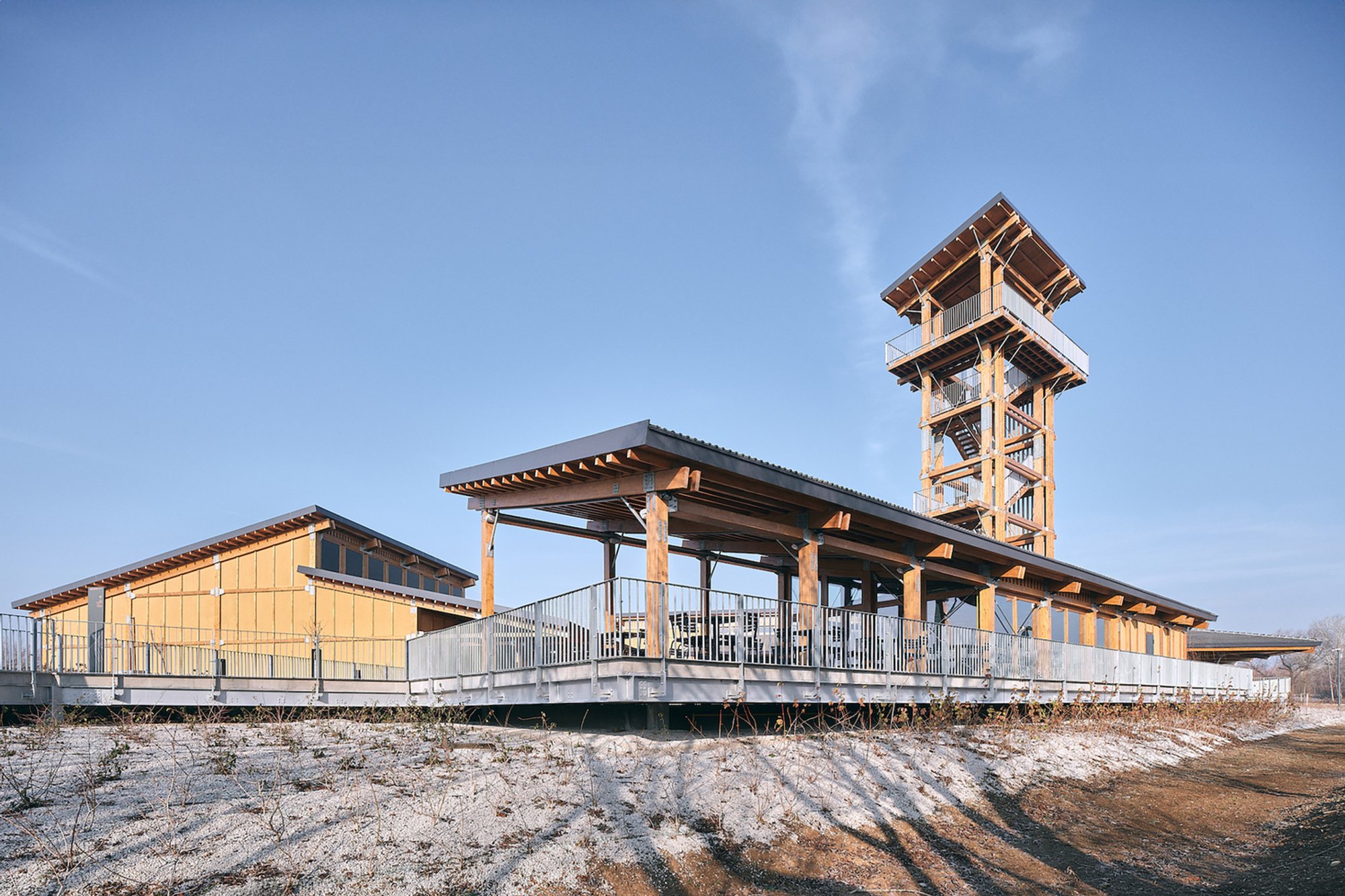
Exploring the Çatalhöyük Visitor Center by TEGET, a benchmark in archaeological site visitor centers, blending modern design with historical preservation.

The design and construction of archaeological site visitor centers require a delicate balance between accessibility, education, and preservation. The Çatalhöyük Visitor Center, designed by the architectural firm TEGET, sets a precedent in integrating these elements seamlessly.
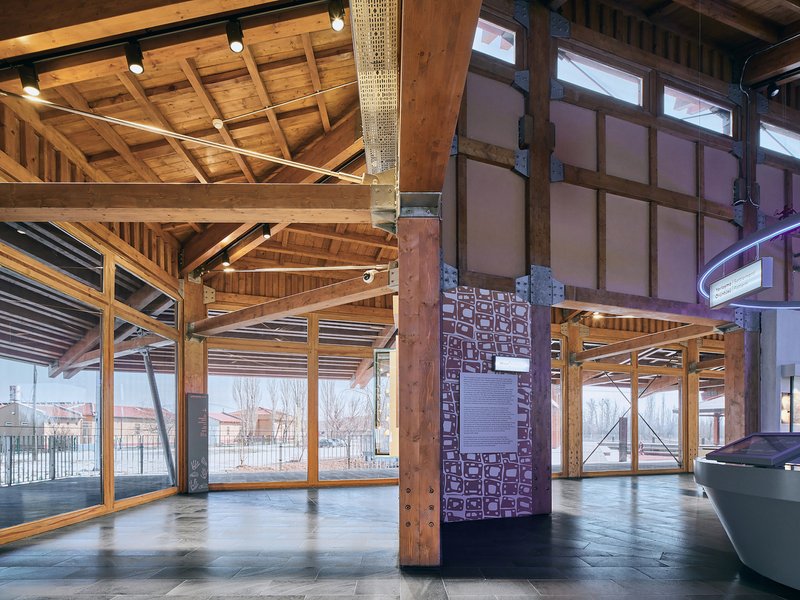
The Concept Behind the Çatalhöyük Visitor Center
Situated in the heart of Turkey, the Çatalhöyük Visitor Center is a modern gateway to one of humanity's earliest urban settlements. This center embodies the principles of archaeological site visitor centers by offering a comprehensive narrative that respects and enhances the site's historical significance.
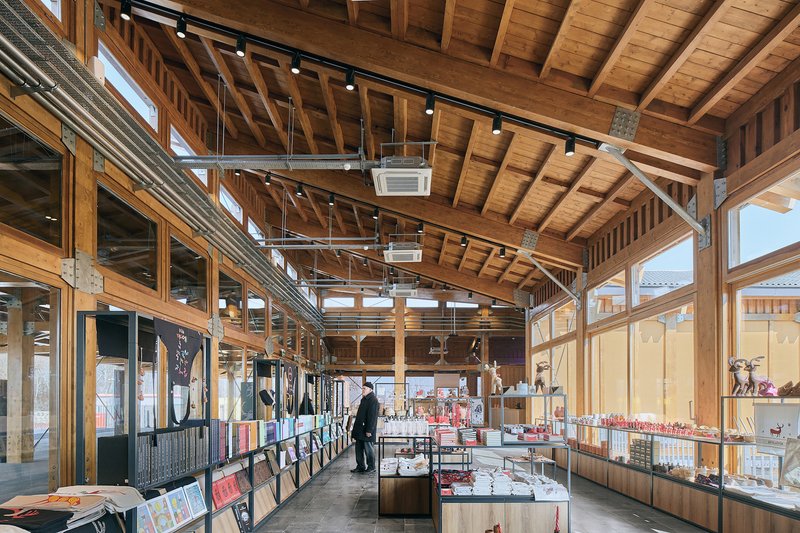
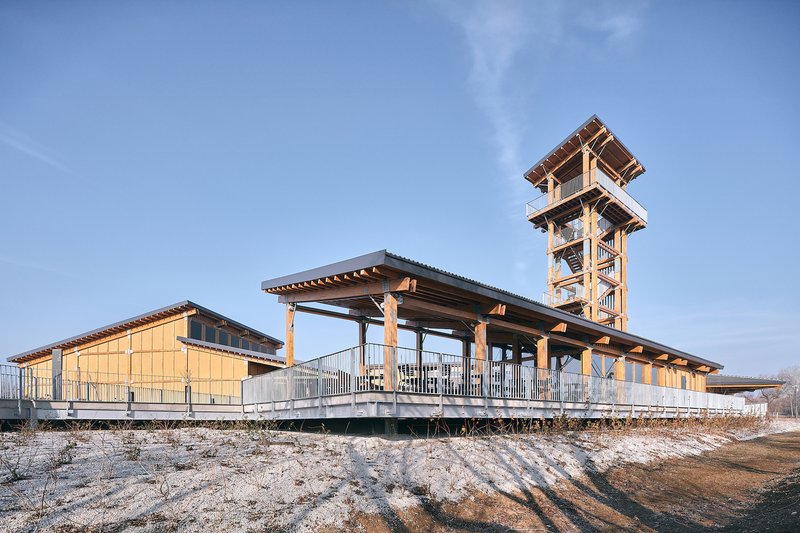
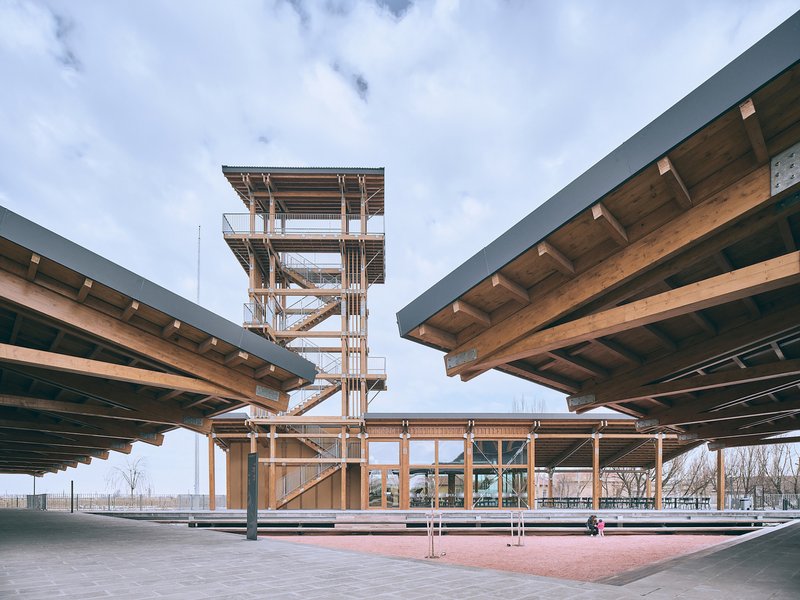
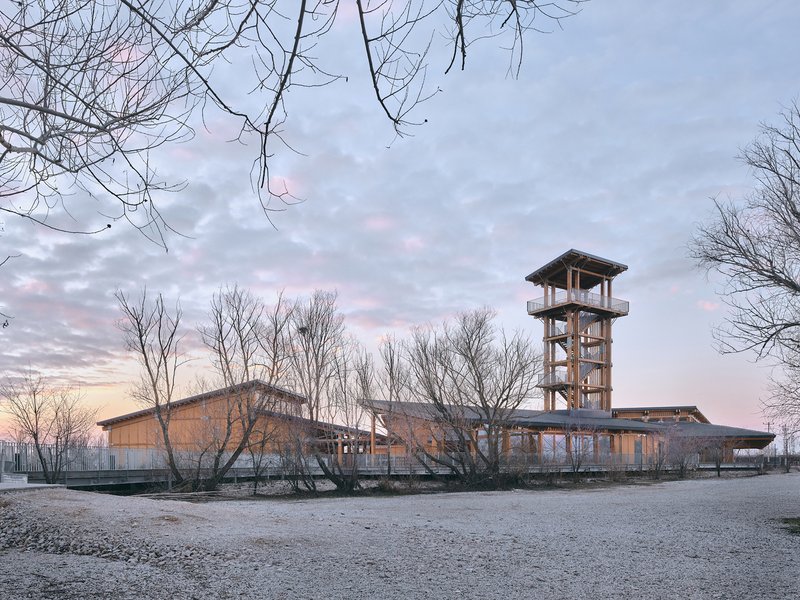
Design and Layout
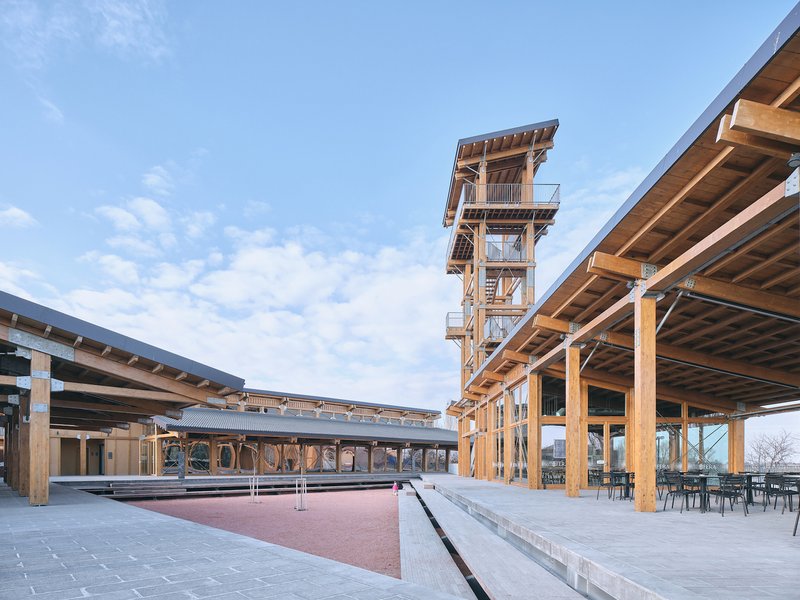
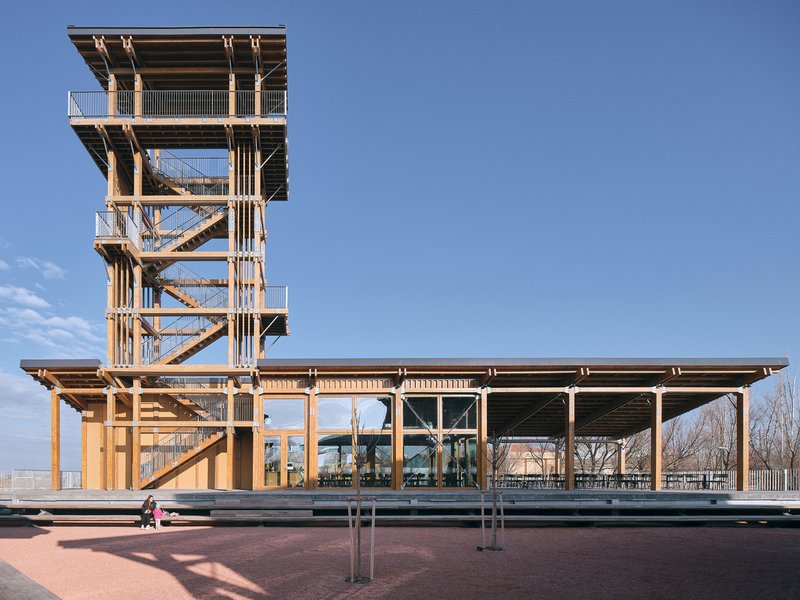
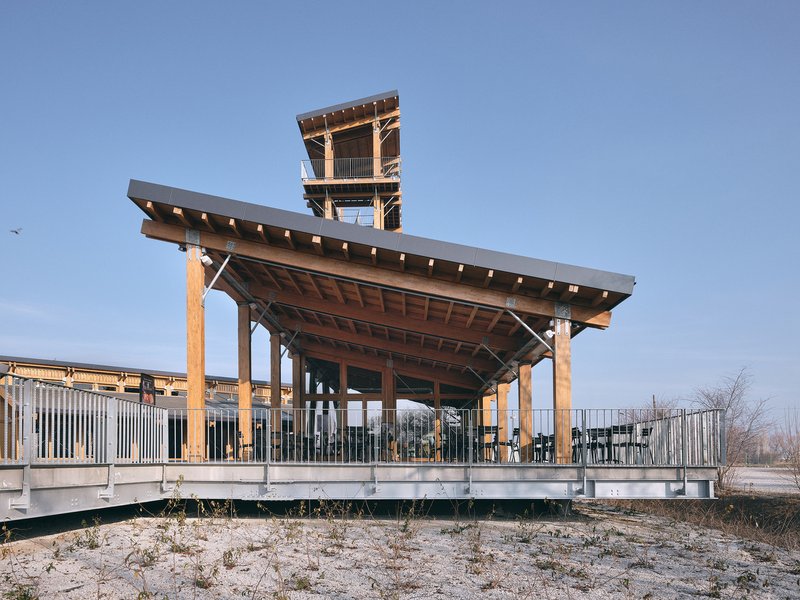
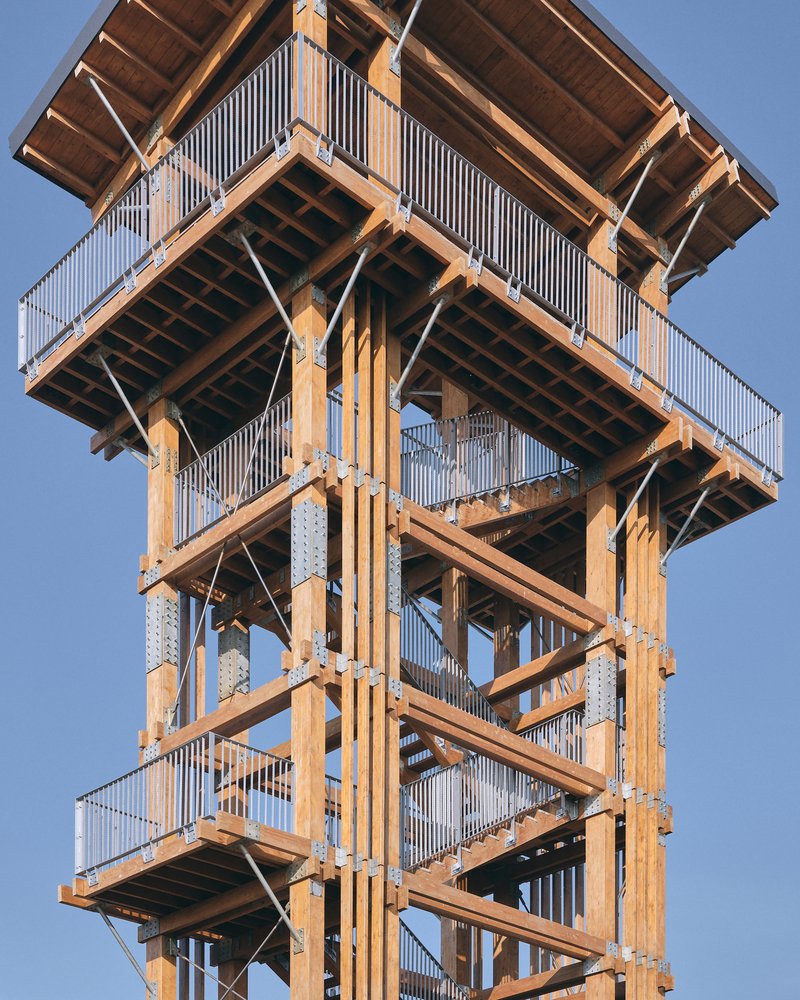
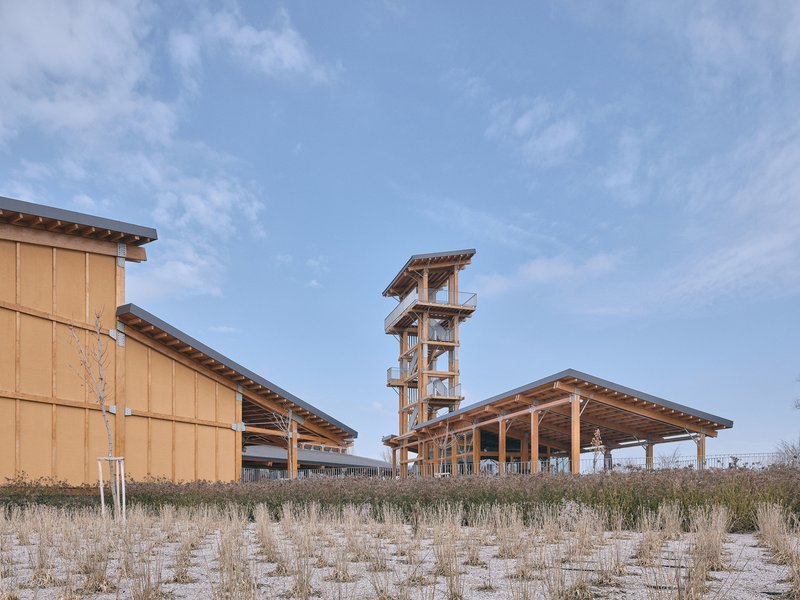
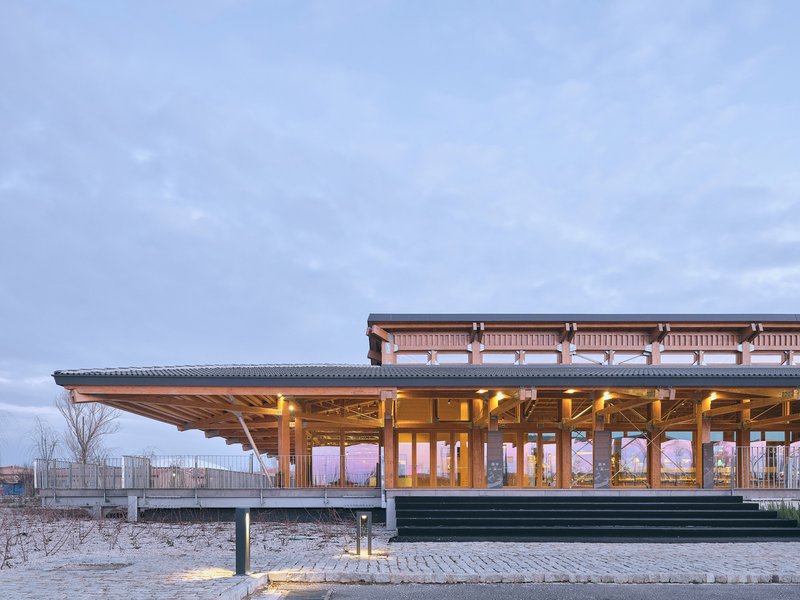
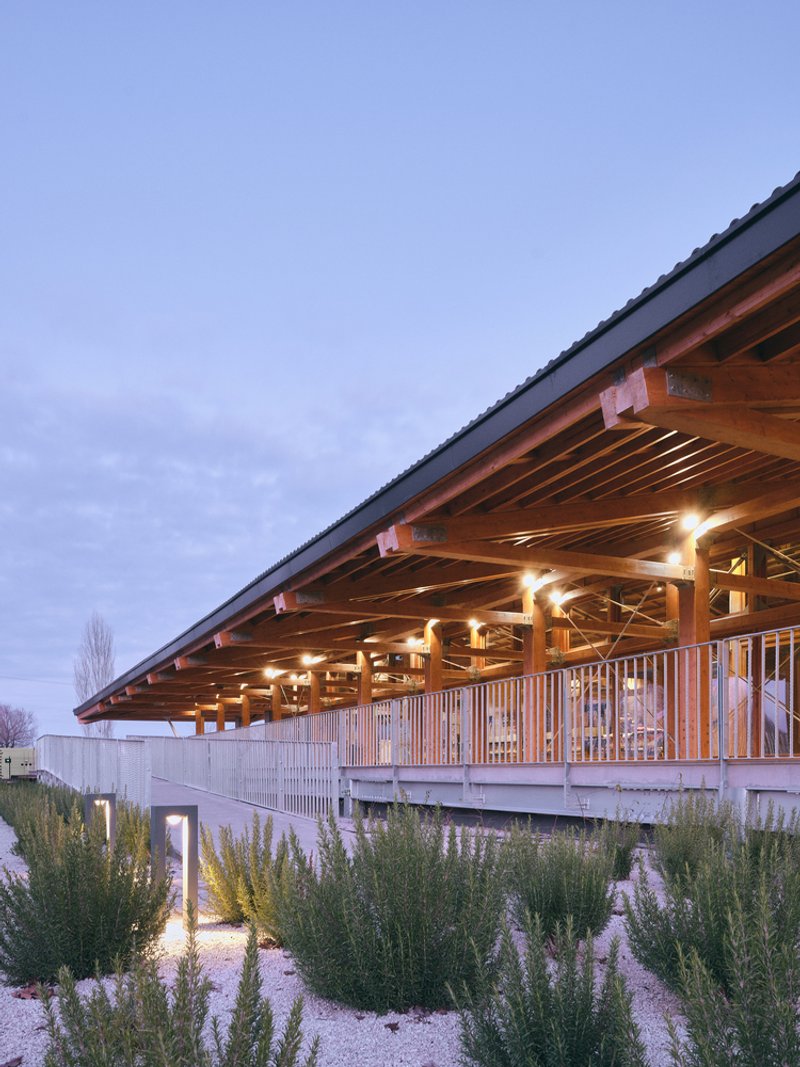
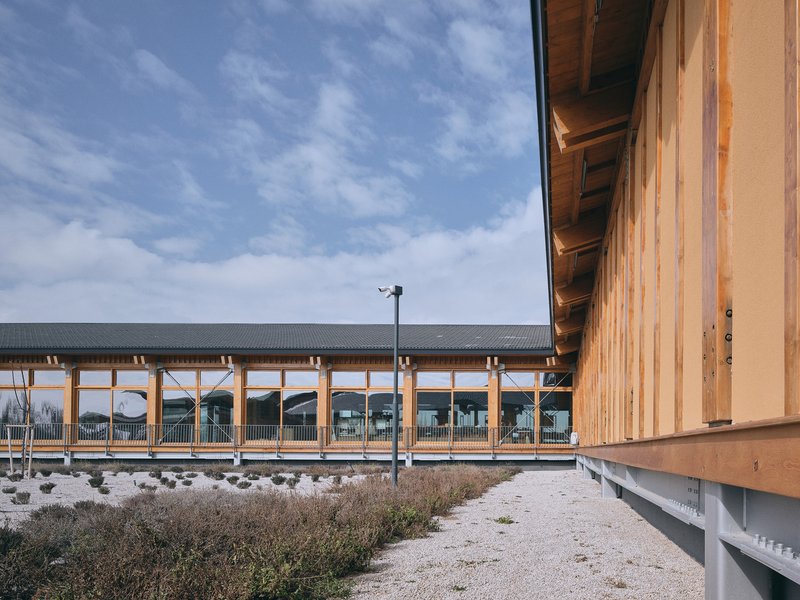
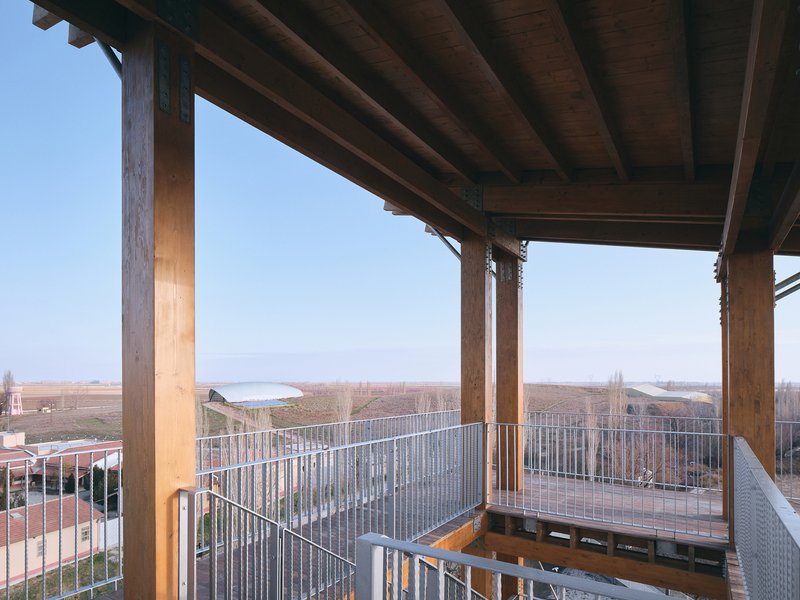
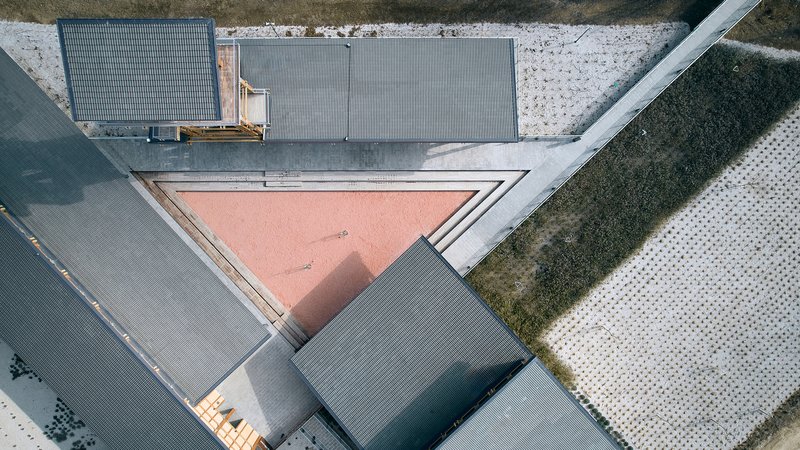
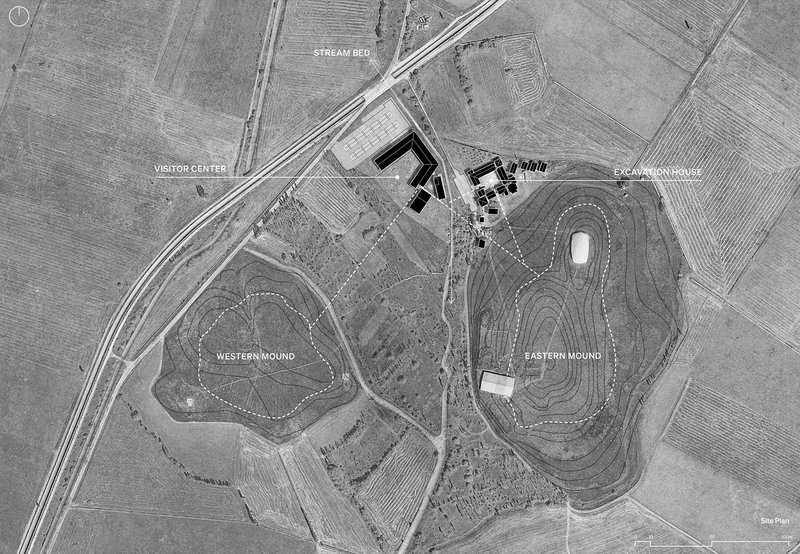
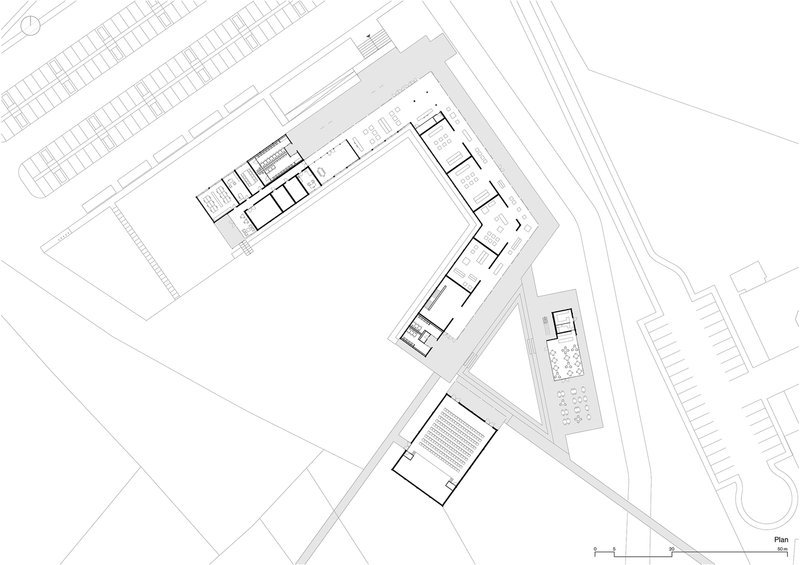
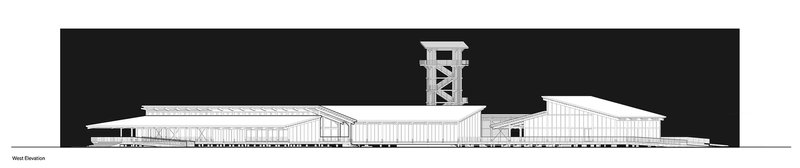
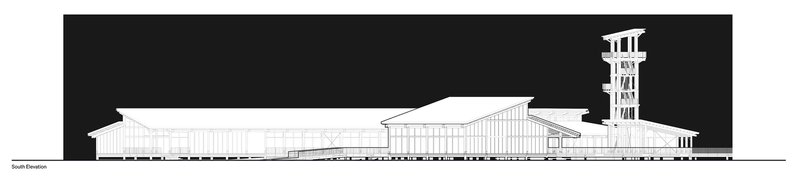
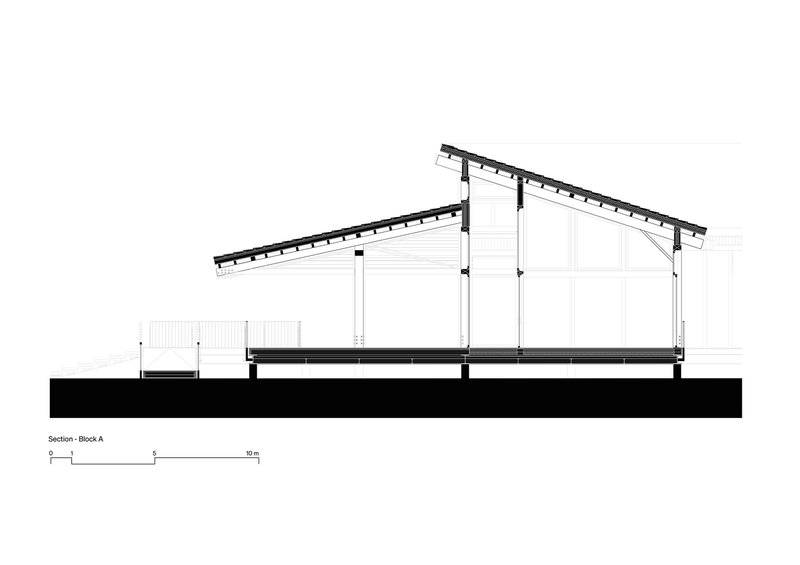
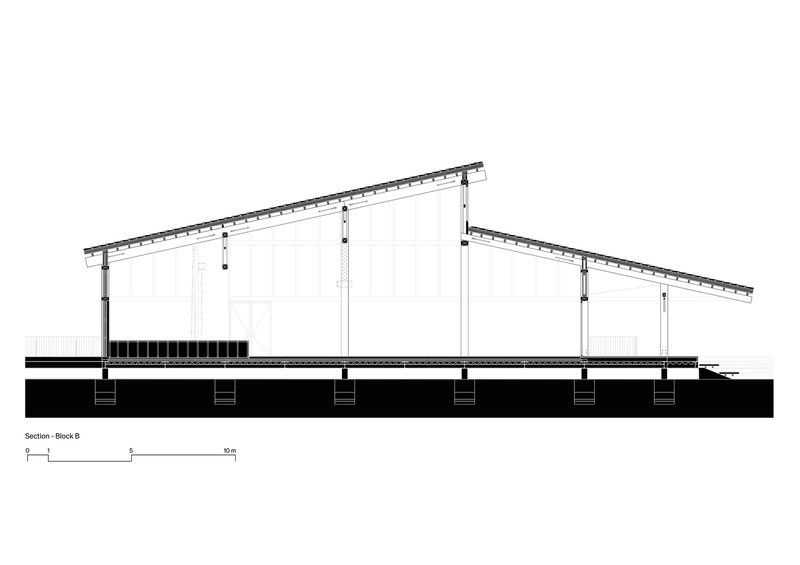
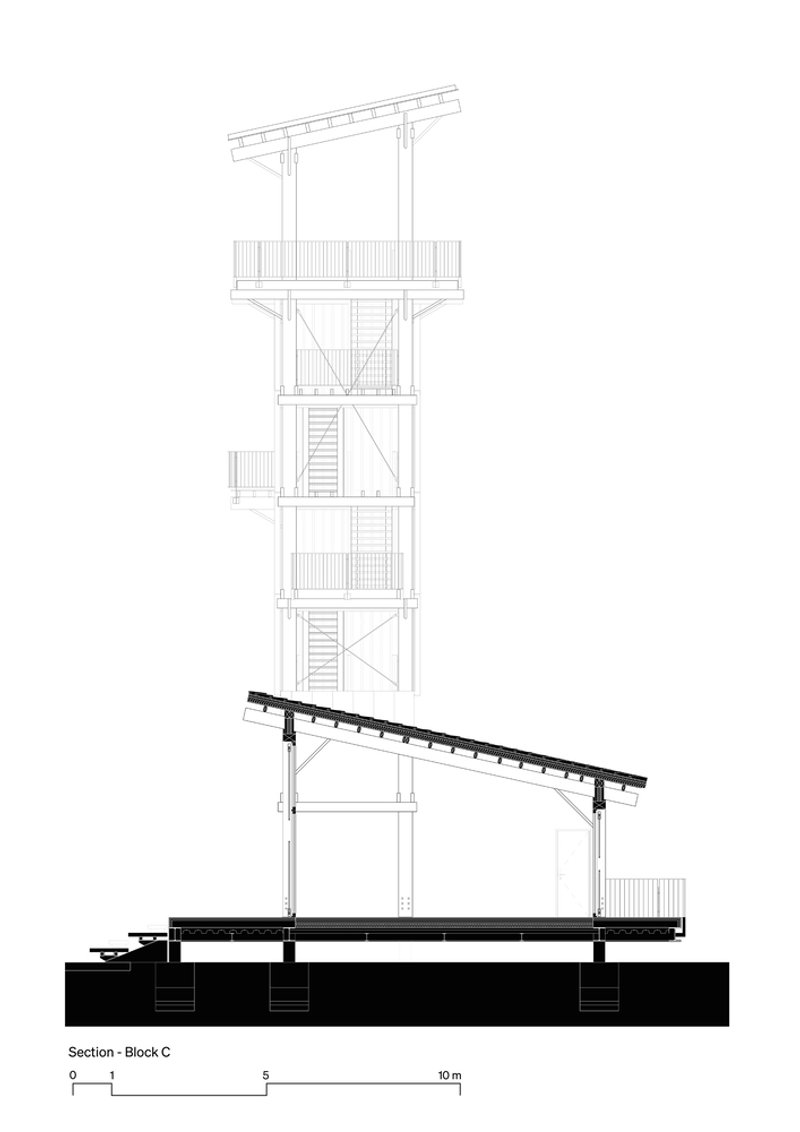
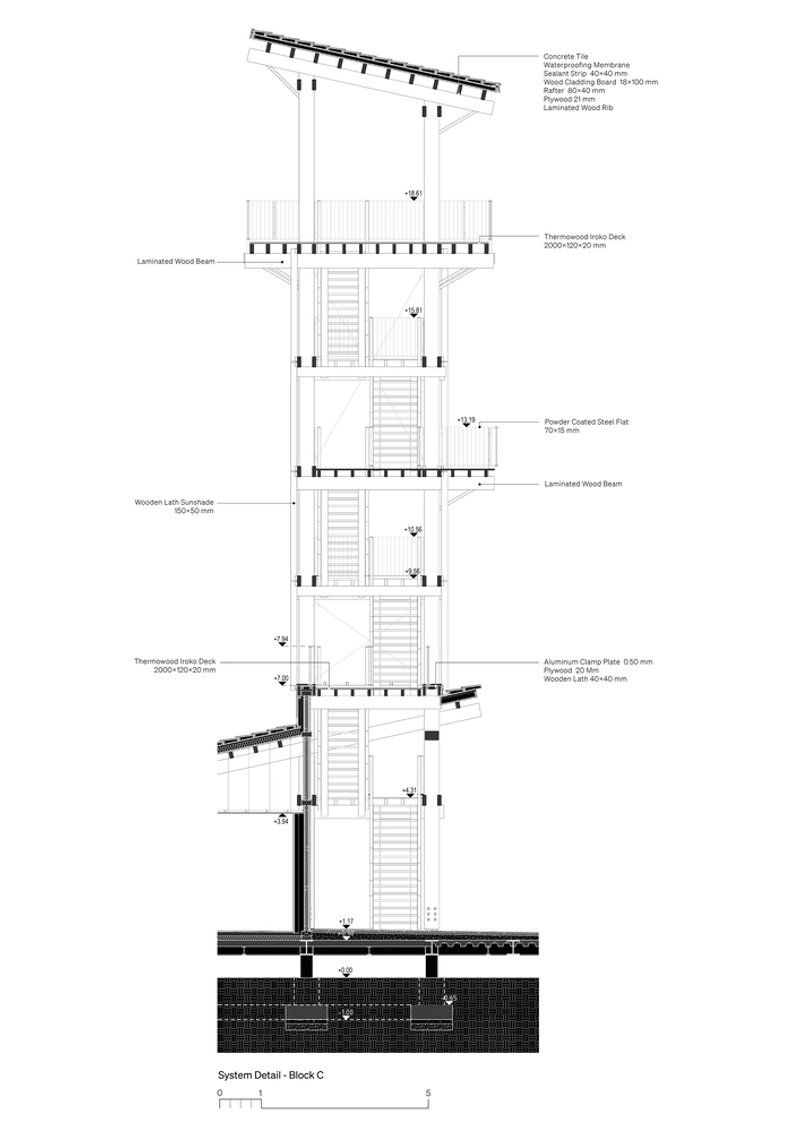
The visitor center's design navigates the challenge of complementing a landscape as storied as Çatalhöyük. With its modular wooden structure, the center minimizes ground contact, preserving the integrity of the archaeological findings beneath.
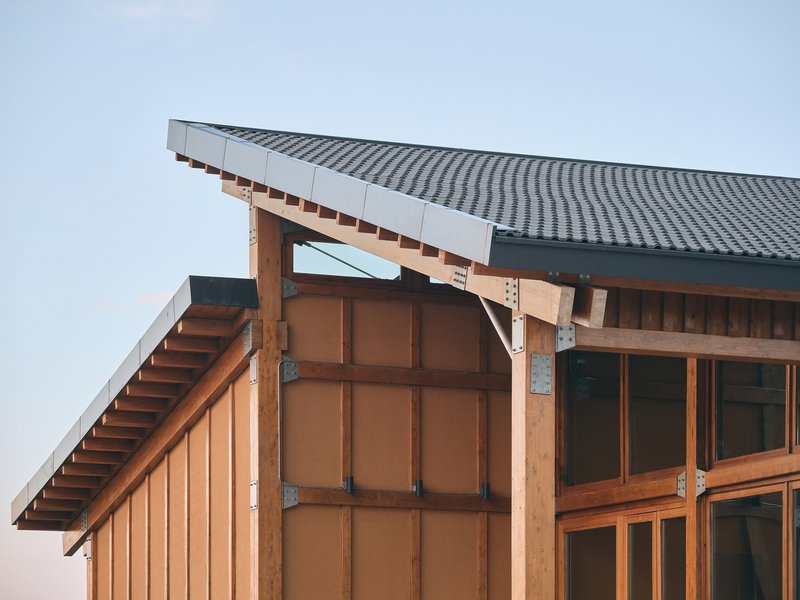
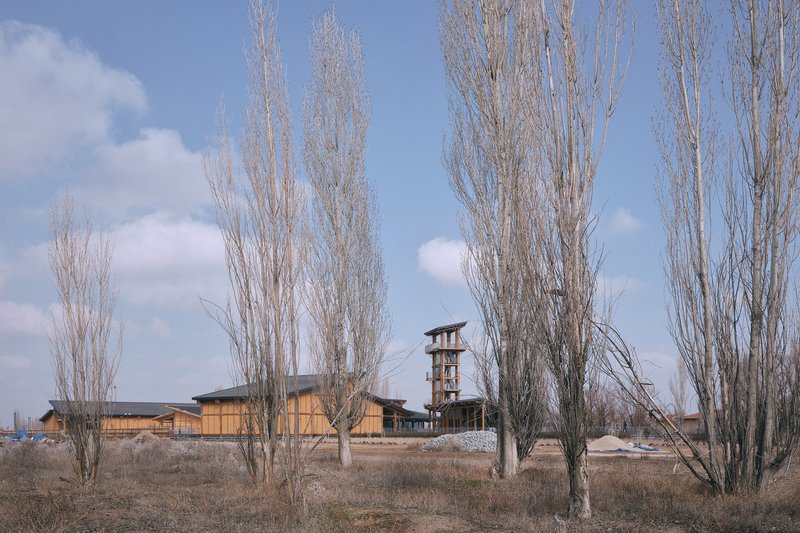
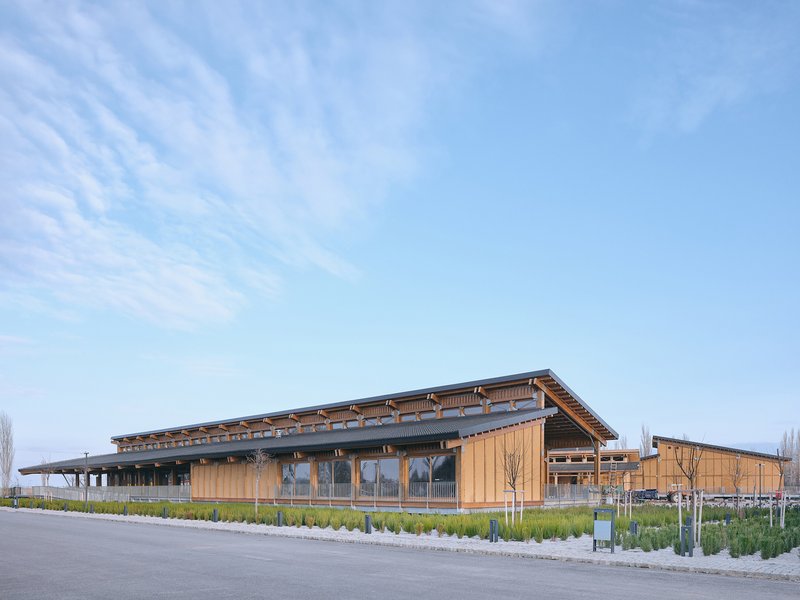
Integration with the Landscape
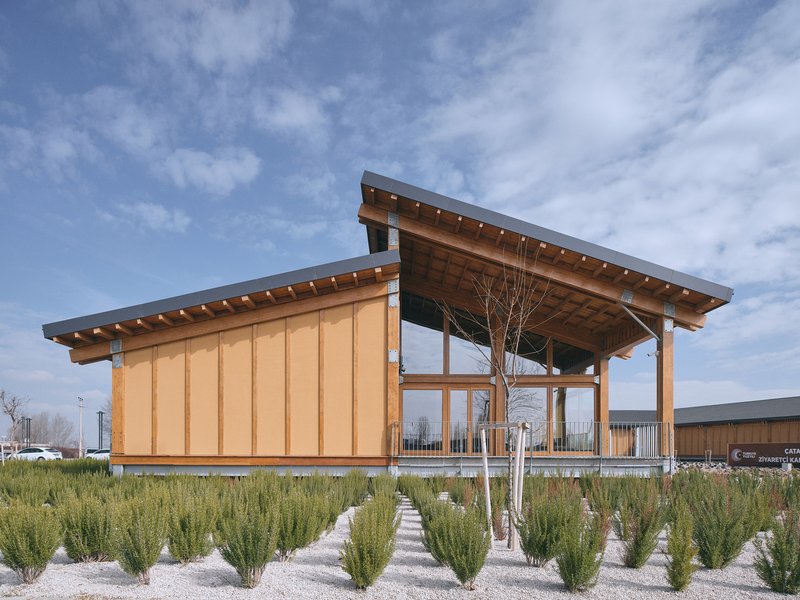
True to the spirit of archaeological site visitor centers, the Çatalhöyük layout is harmoniously integrated with the surrounding landscape. The design respects the site's historical layers while offering visitors modern amenities and interpretative spaces.
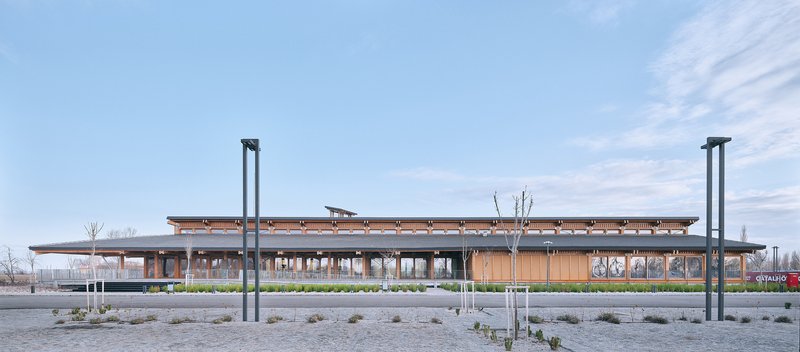
Key Features of the Çatalhöyük Visitor Center
Sustainability and Material Use
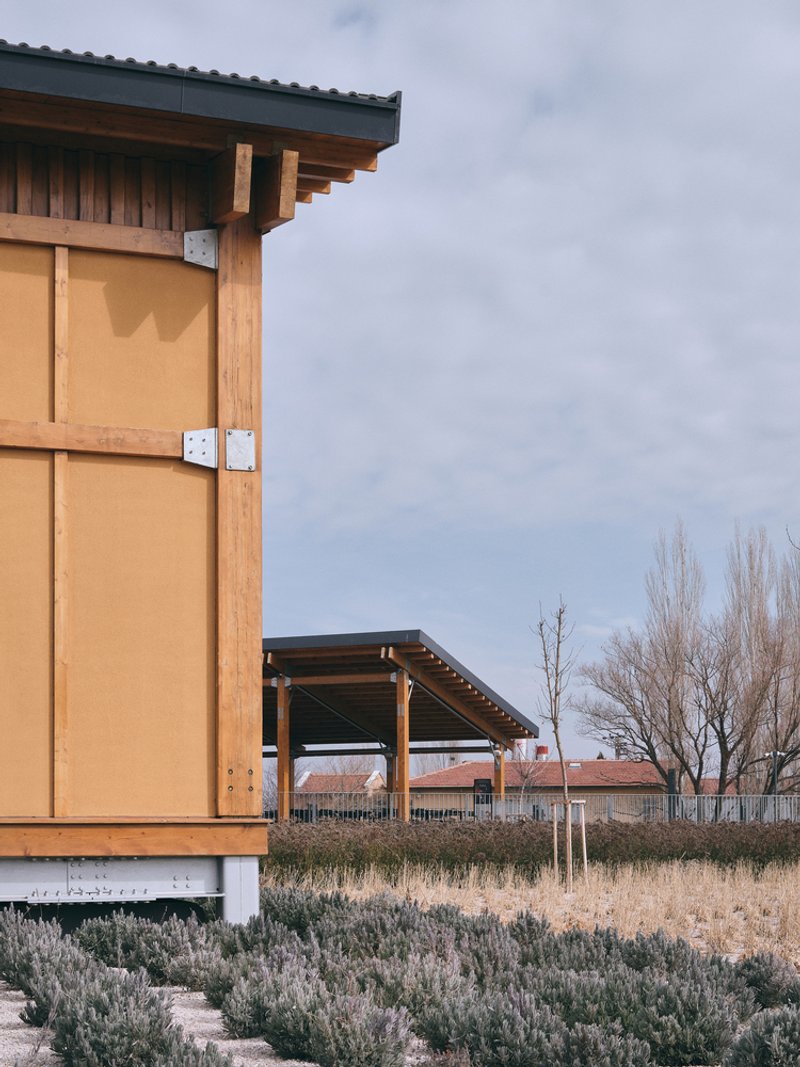
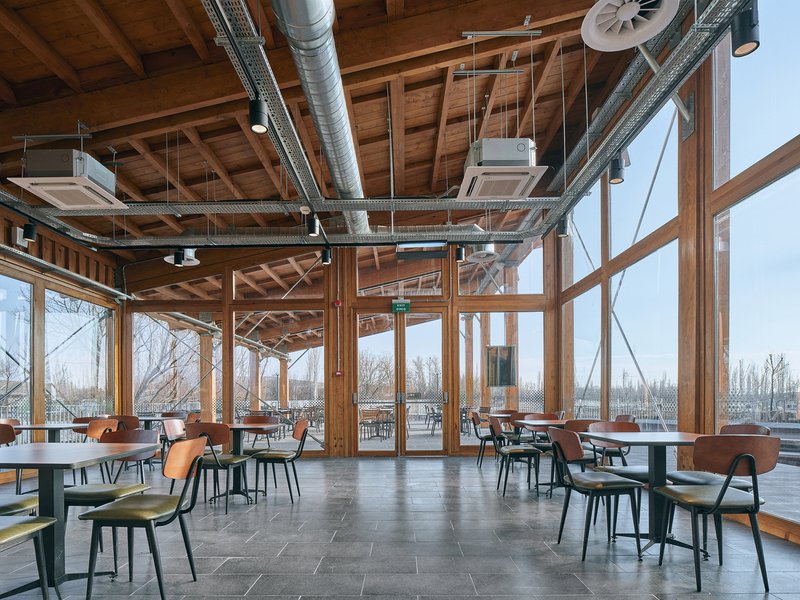
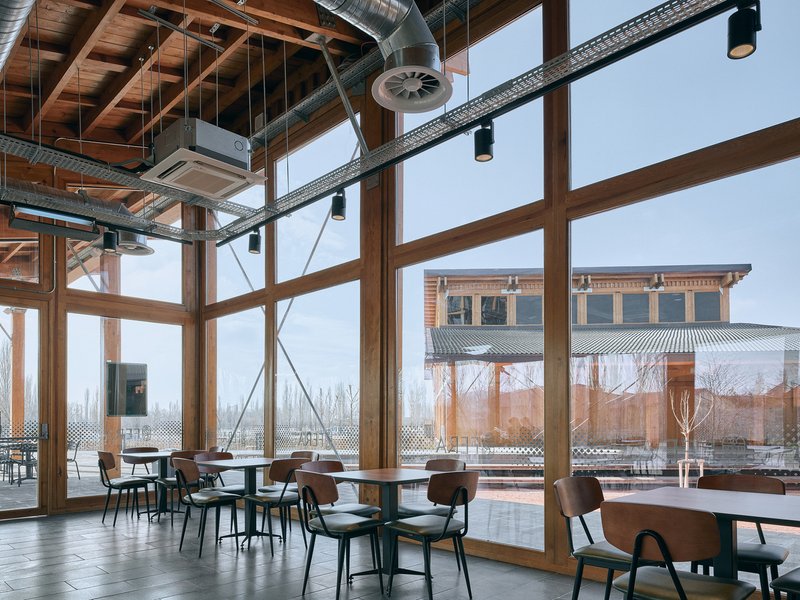
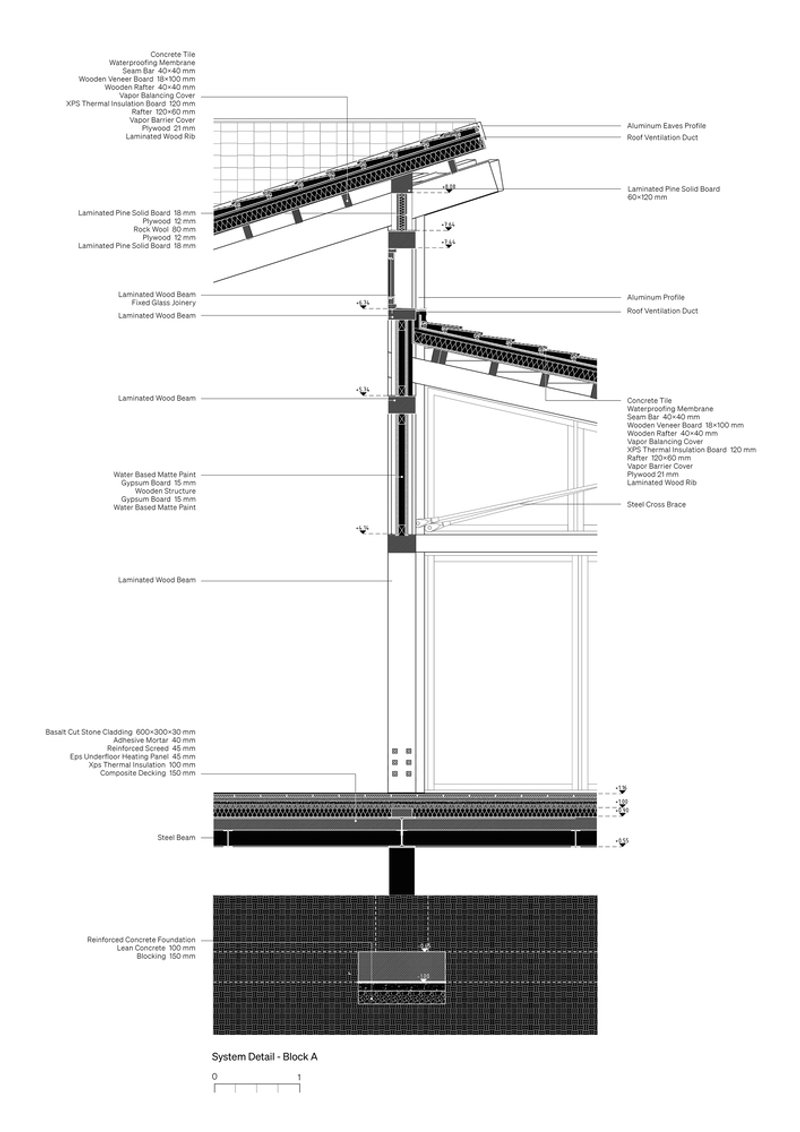
Reflecting on the trends in archaeological site visitor centers, the Çatalhöyük project employs sustainable materials and construction methods. The wooden structure and minimalistic approach contrast yet complement the ancient adobe constructions of the site.
Educational and Interactive Spaces
The center features a range of spaces designed to educate and engage visitors, from exhibition halls to multipurpose rooms. This educational focus is pivotal to the mission of archaeological site visitor centers, bridging past and present.
Future Directions for Archaeological Site Visitor Centers
The Çatalhöyük Visitor Center by TEGET provides valuable insights into the future of archaeological site visitor centers. By marrying historical respect with modern design, it offers a template for future projects worldwide, fostering a deeper public connection to our collective past.
All photographs are work of Egemen Karakaya



Popular Articles
Popular articles from the community

Inside a Timeless Mumbai Residence by Aether Studio
Aether Studio's 2,250 sq ft apartment in Malad, Mumbai uses marble, brass, boucle, and disciplined restraint to build a quiet retreat from the city.
Kerry Kounnapis Packs 800 Daily Coffees into a 43-Square-Metre Melbourne Laneway Bar
Palace Coffee channels Pellegrini's and European standing bars through oxide-red steel and spotted gum timber in a Ridgway Place sliver.
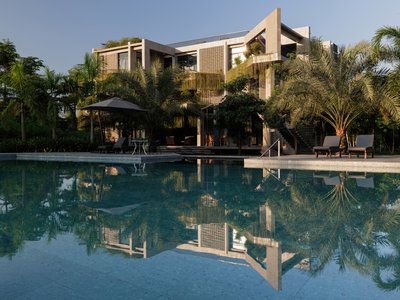
Reincarnation Weaves a Three-Story Retreat into the Green Landscape of Rural Bangladesh
Ara Manor in Narsingdi dissolves the line between domestic architecture and its lush surroundings through screens, courtyards, and planted rooftops.
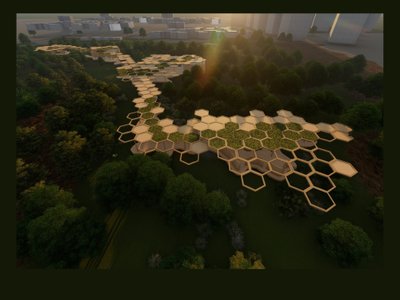
Eco Chapel: A Green Architecture Pavilion Designed in Symbiosis with the Forest
Eco Chapel uses green architecture to weave prayer, learning and reuse into a forest pavilion shaped by modular hexagonal canopies for life.


Similar Reads
You might also enjoy these articles

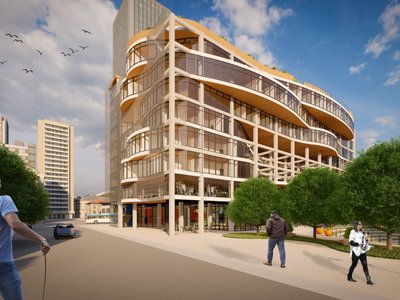
Olio Towers: A Mid-Rise for Performers That Fuses Housing, Rehearsal, and Stage
Located blocks from Houston's Theater District, this modular tower stacks living units around a central performance atrium.
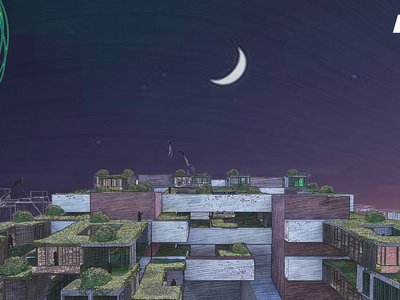
Oasis: Modular Green Housing Carved into Dhaka's Urban Fabric
A shortlisted Plugin Housing entry reclaims unauthorized settlements in Dhaka with stepped concrete volumes, green roofs, and ventilation-driven design.

Black Hole: A Floating Megastructure for the Post-Physical Era
Emiliano Mazzarotto envisions a spherical, self-scaling arena where e-sports, digital hotels, and holographic stadiums replace traditional public space.
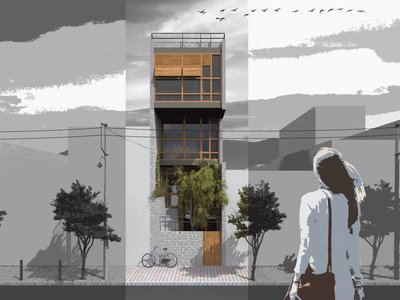
Compact & Sustainable Living in Piraeus: A Four-Level Family Home Built Around Light and Air
A narrow townhouse in one of Greece's densest port cities uses a central atrium and passive strategies to house three generations under one roof.


Explore Architecture Competitions
Discover active competitions in this discipline




The International Standard for Design Portfolios


The Global Benchmark for Architecture Dissertation Awards


The Global Benchmark for Graduation Excellence


Challenge to reimagine the Iron Throne
Comments (0)
Please login or sign up to add comments
No comments yet. Be the first to comment!