

Architects Unite for Building Resilient Communities: Highlights from the UIA World Congress 2023
Can Architecture Shape a More Resilient Future? Exploring the Discussions at the UIA World Congress of Architects 2023


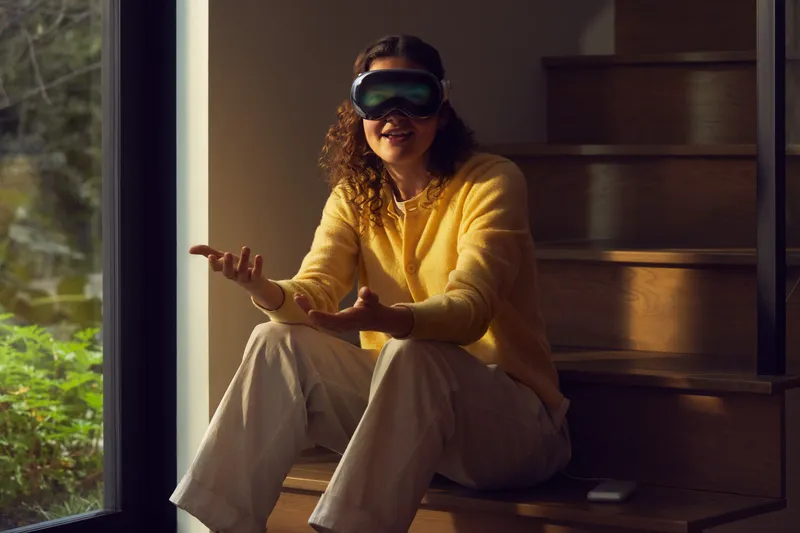
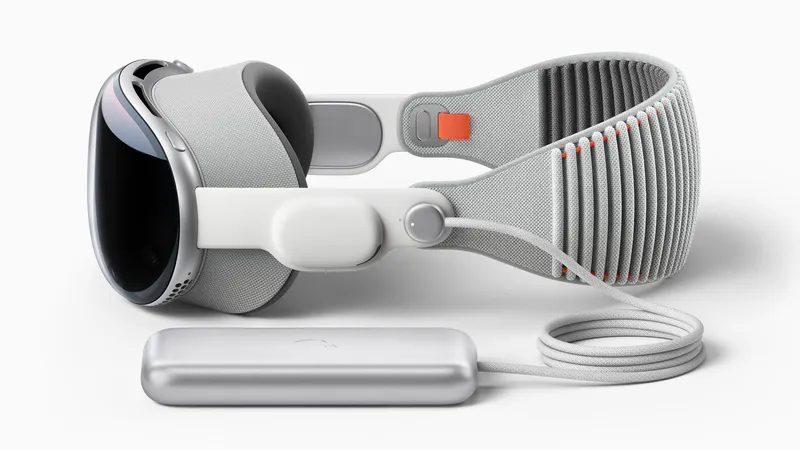
Apple recently unveiled its latest innovation, the Apple Vision Pro, a groundbreaking spatial computer that utilizes augmented reality goggles to bridge the gap between the digital and physical realms. With promises of an expansive canvas for applications and a heightened sense of immersion, this device has the potential to revolutionize the way we experience three-dimensional spaces and integrate architecture with digital environments.
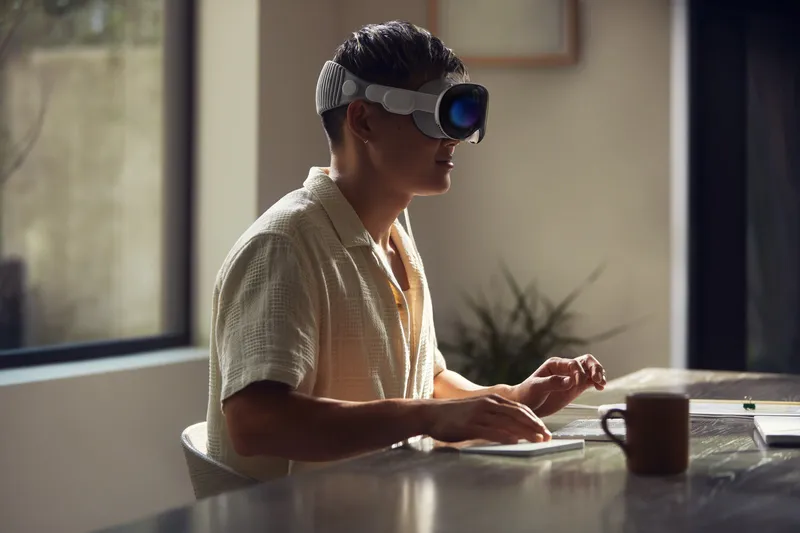
At the heart of Vision Pro lies visionOS, the world's first spatial operating system, which enables users to interact with digital content seamlessly in their surroundings. Through eye and hand gestures, along with voice control, users can engage with applications that appear to float in their physical space. Furthermore, the device allows users to replace their visible environment with captivating background images, which subtly dissolve when another person enters the space, ensuring a continuous connection to the real world.
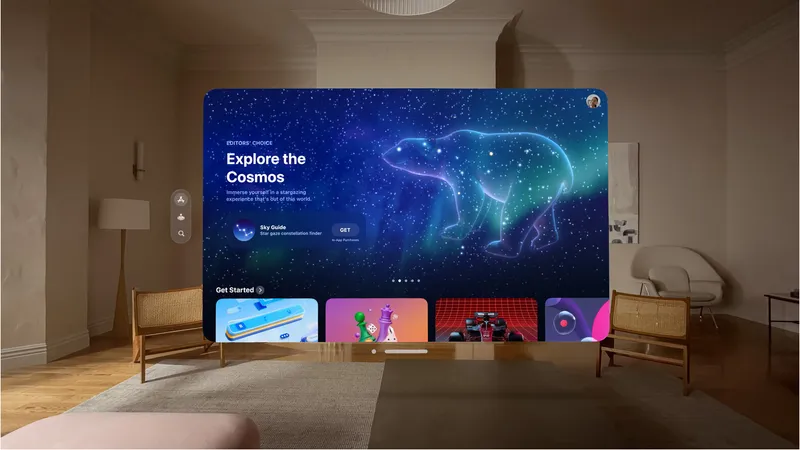
While Apple has announced plans to introduce immersive games and 3D videos, the current presentation suggests that fully immersive 3D environments may not be included. Instead, Vision Pro liberates two-dimensional applications from traditional screens, allowing them to occupy physical space and expand in size and impact while retaining their two-dimensional nature.
The implications of this new technology for the architectural field are vast, even if it may be too early to gauge its full potential. The desire to break free from the confines of traditional screens and embrace immersive environments without sacrificing digital accessibility resonates strongly with architects. Augmented reality has already proven invaluable, empowering architects to enhance craftsmanship, streamline on-site construction processes, gamify urban spaces, and even experiment with complex designs that would otherwise be impractical in the physical realm.
As the technological landscape evolves rapidly, with Artificial Intelligence systems ushering in a digital renaissance, architects have been quick to embrace the possibilities. They are leveraging tools like ChatGPT for idea generation, utilizing generative tools such as Midjourney and Dall-E to transform the text into images, and exploring the realm of the Metaverse. With previous successes in CAD and BIM computing techniques, architects understand the transformative potential of technological advancements, not only in shaping their workflows but also in expanding the horizons of design possibilities.
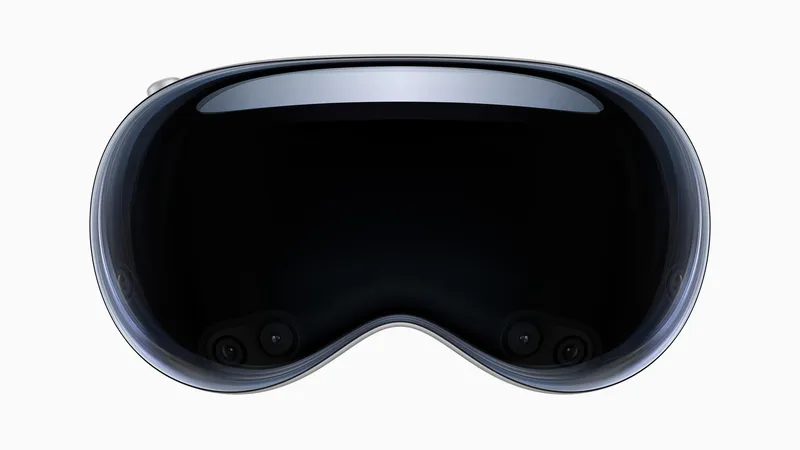
Apple's Vision Pro marks a significant leap forward in spatial computing, offering a glimpse into the future of architectural integration with digital environments. While the true impact of this innovation remains to be seen, it is clear that architects are primed to embrace the opportunities it presents. The merging of physical and digital realms holds immense promise, and Vision Pro could be the catalyst that propels architecture into new dimensions of creativity and exploration.


Popular Articles
Popular articles from the community


Faces of the Soviet Avant-Garde: Turning Moscow's Street Names into an Open-Air Museum
A network of sculptural installations across a Moscow residential district transforms forgotten architect names into spatial encounters with cultural memor

Cloaked Colonization: A Mobile Underwater Habitat That Moves Like a Fish
Micah Abaya's shortlisted EHC Pacific entry reimagines ocean settlement as a dispersed network of self-sustaining architectural organisms.

The Amber Palace Opera: A Geological Fiction Surfaces on Tallinn's Baltic Waterfront
Pierre Brillard reimagines a Baltic legend as a public landscape, opera house, and waterfront promenade rooted in Tallinn's coastal identity.

Temporary Home for Dogs: A Reversed Zoo Rethinks Animal Shelter Architecture
In Bucharest, a sinuous corridor and freed landscape flip the logic of containment, designing a shelter that works to make itself unnecessary.

Similar Reads
You might also enjoy these articles
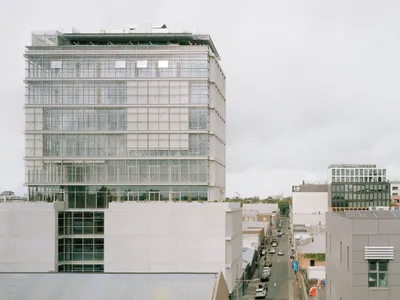
116 Rokeby Building, Collingwood
Sustainable Collingwood office building featuring double-skin façade, natural ventilation, rooftop amenities, and carbon-neutral design focused on wellbeing and longevity.
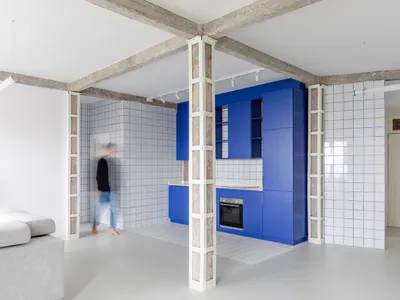
Contemporary Apartment Renovation in Spain: RV House by BIAN Opens Up to the Sea
A minimalist 1930s apartment in Santander is transformed into a flexible, sea-facing home through contemporary Spanish renovation.
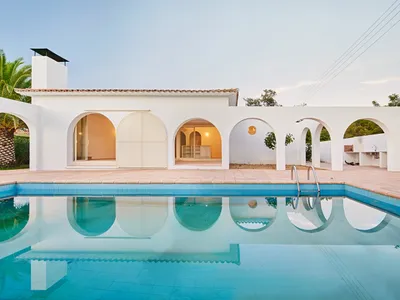
3 Marías House: A Contemporary Mediterranean Courtyard Retreat by Bajet Giramé + Burckhardt
Mediterranean courtyard home blending traditional architecture with modern design, terracotta flooring, flexible interiors, sustainable climate strategies, and garden integration.
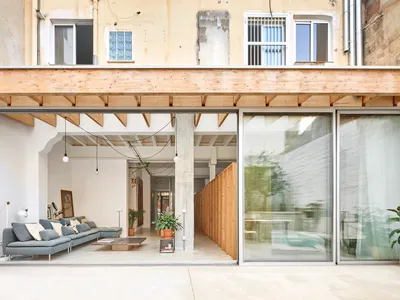
NZ10 Apartment by auba studio: Adaptive Reuse in Palma de Mallorca
Adaptive reuse apartment transforms bakery into light-filled home with patios, privacy layers, and wood interiors enhancing urban living experience.

Explore Visionary Architecture Competitions
Discover active competitions in this discipline

Challenge to reimagine the Iron Throne

Photograph architecture without architects

Illustrate the lost glory of Angkor Wat - Render Challenge

Design challenge to reuse E-waste
Comments (0)
Please login or sign up to add comments
No comments yet. Be the first to comment!