
Architects Unite for Building Resilient Communities: Highlights from the UIA World Congress 2023
Can Architecture Shape a More Resilient Future? Exploring the Discussions at the UIA World Congress of Architects 2023

Copenhagen, Denmark - The upcoming UIA World Congress of Architects 2023 is set to become a global platform for architects to delve into the intricate relationship between architecture and the 17 UN Sustainable Development Goals (SDGs). The Congress, scheduled to take place from July 2 to 6 in Copenhagen, will witness architects from around the world convene to exchange ideas and insights on how architecture can influence and contribute to the attainment of these vital goals.
Over the past two years, the Science Track and its international Scientific Committee have meticulously studied the various ways in which architecture can respond to the SDGs. This extensive research has led to the formulation of six science panels, each addressing a specific theme: a design for Climate Adaptation, design for Rethinking Resources, a design for Resilient Communities, a design for Health, a design for Inclusivity, and a design for Partnerships for Change.
In a bid to foster comprehensive discussions, Congress issued an international call for papers in 2022. The response was overwhelming, with over 750 submissions from 77 countries. Out of these, 296 papers have been selected for presentation at the UIA World Congress of Architects 2023, adding a diverse range of perspectives to the discourse.
In a recent interview, Anna Rubbo, Senior Researcher at the Center for Sustainable Urban Development (CSUD), The Climate School, Columbia University, and Juan Du, Professor and Dean of the John H. Daniels Faculty of Architecture, Landscape and Design, University of Toronto, shared their insights as co-chairs of the Design for Resilient Communities panel.

Reflecting on the concept of resiliency, Rubbo and Du expressed concerns about the term becoming overused and diluted in meaning. They emphasized the importance of establishing a practical and relevant definition that centres around the interaction between people, architecture, and the built and natural environments. Recognizing the impact of climate change, the ongoing COVID-19 pandemic, and social inequalities, they underscored the significance of addressing these challenges by empowering communities rather than imposing top-down approaches.
Rubbo highlighted the potential benefits of engaging with the SDGs in architectural education, research, and practice. She viewed the SDGs as a comprehensive roadmap toward a more sustainable future and stressed the need for deeper interdisciplinary approaches to design, transcending conventional sustainability certifications. Rubbo emphasized that architects must go beyond achieving sustainability scores and embrace the common language offered by the SDGs to confront global challenges and drive sustainable transformation across geographies.
Du discussed the transformative power of architecture, emphasizing its ability to shape our living environments and contribute to global sustainability efforts. While acknowledging the usefulness of the UN SDGs as a framework, Du urged architects to consider them as starting points rather than goals, adapting their application to specific local contexts, economies, and cultures.
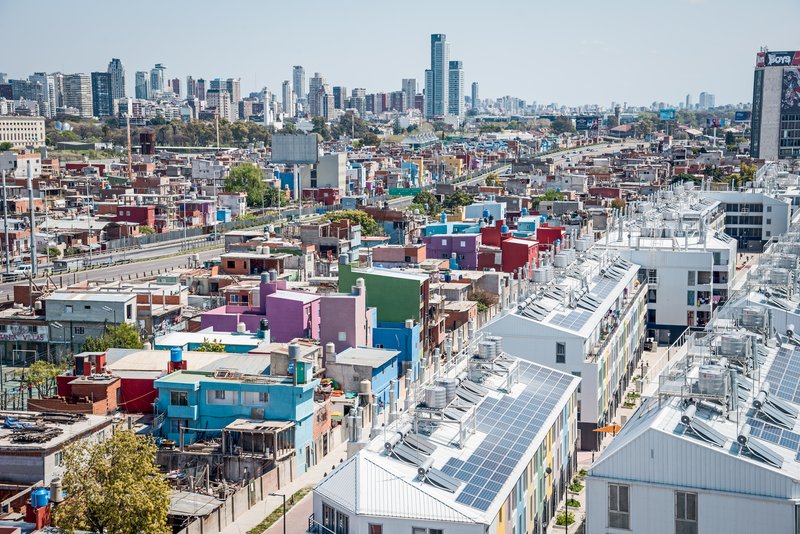
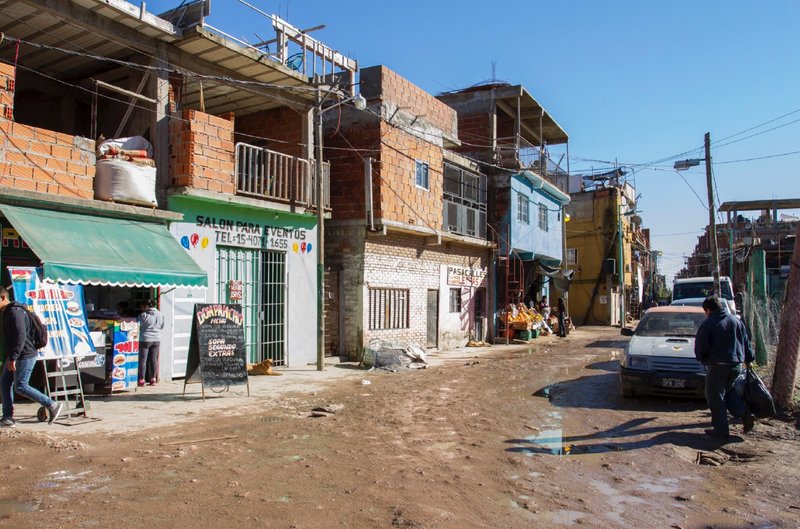
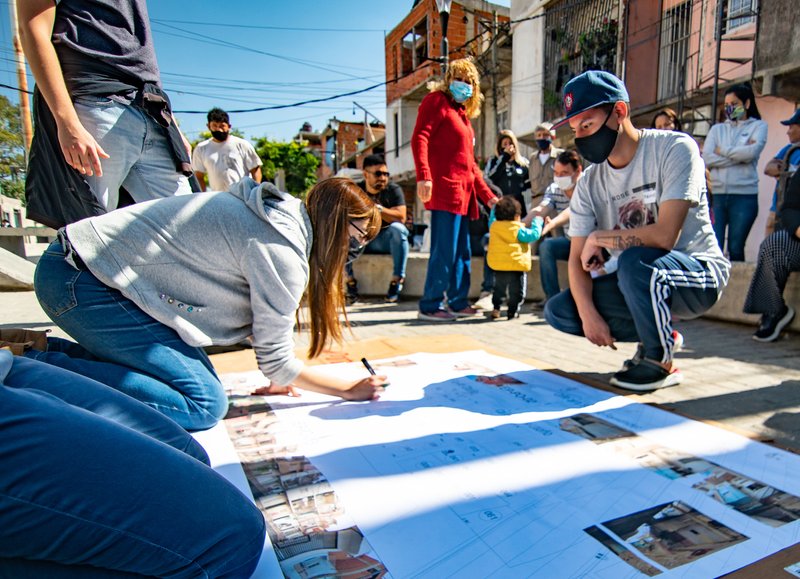
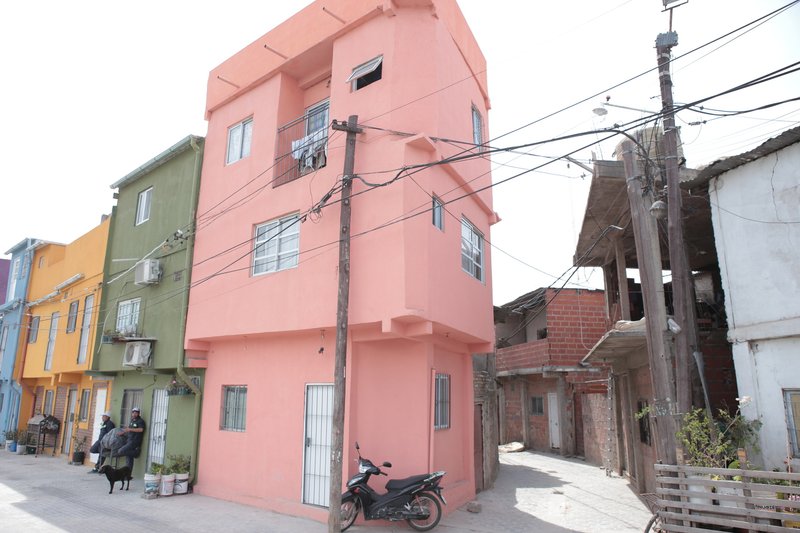
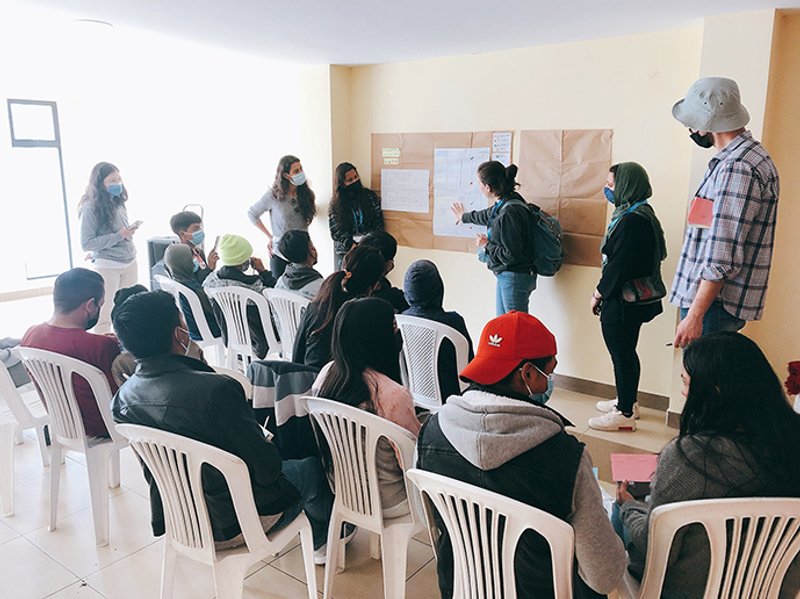
The Design for Resilient Communities panel received an impressive array of submissions, with housing and the right to the city emerging as a central focus. Papers exploring the themes of the SDGs in everyday life, people as partners, the global crisis and designing resilience, and design education and resilient communities will be presented during the Congress. The collection of papers challenges conventional notions of sustainable architecture and community design, emphasizing the agency of architecture and its potential to address social, urban, regional, and geopolitical practices and policies.
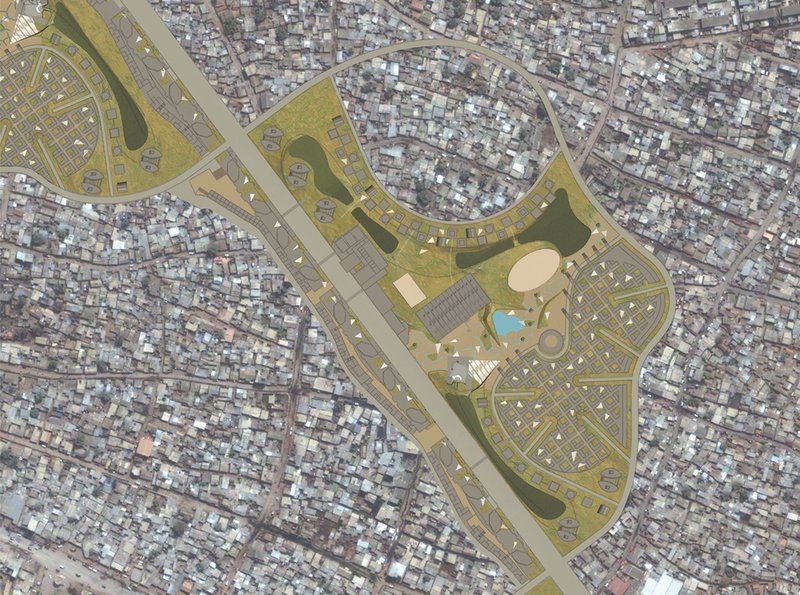
As the Congress approaches, the overarching question looms: will the delegates translate their newfound knowledge and insights into tangible action within their own communities? The co-chairs expressed their hopes for the Congress to serve as a catalyst for change, inspiring architects to apply the SDGs in their respective practices, schools, and communities.



Popular Articles
Popular articles from the community

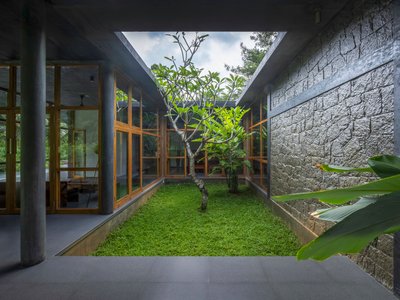
3dor Concepts Wraps a Kerala Home in Mirrored Concrete Arcs Around a Courtyard Tree
In the Western Ghats foothills of Thamarassery, a 270 m² single-story house uses two curved volumes to frame nature as its center.
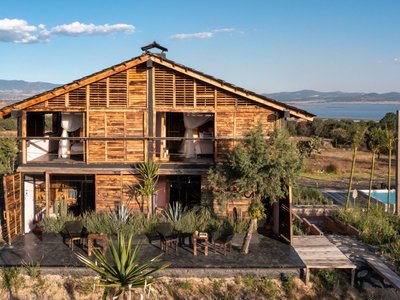
Fausto Terán and Toro Fuse Japanese Craft with Mexican Tradition in a Lakeside Retreat
Nakamura House pairs Shou-Sugi-Ban charred pine with handmade clay tile at the foot of Atlangatepec Lagoon in Mexico.
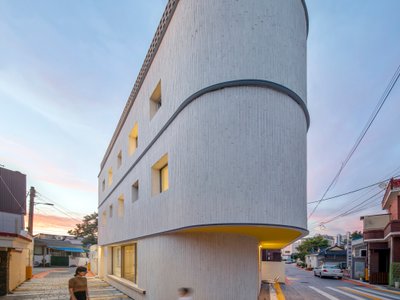
YOAP Architects Round a Corner in Yeongcheon with a Cylindrical Community Hub
A 197-square-meter brick and ribbed-clad tower turns a forgotten alley corner in South Korea into a public garden with a low threshold.

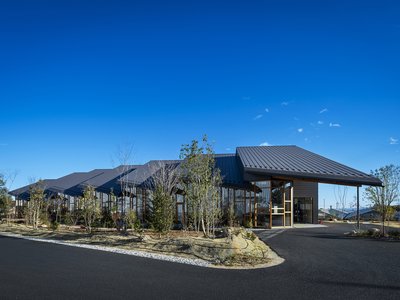
20 Most Popular Office Building Projects of 2025
From biophilic workspaces in India to net-positive energy offices in New Delhi, 20 office building projects that defined architecture in 2025.

Similar Reads
You might also enjoy these articles

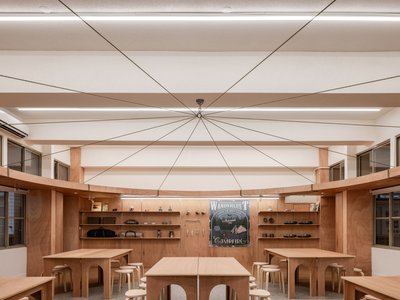
317studio Turns an 87 m² Classroom into a Forest Clearing for Scouts in New Taipei City
A rope canopy, student-made specimens, and campfire geometry replace rows of desks in this Scouting classroom in Xizhi District.
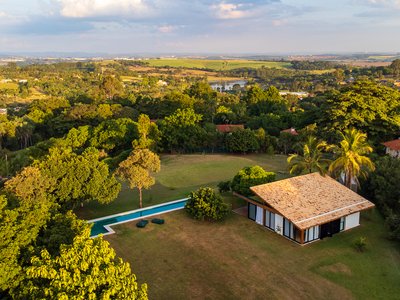
24 7 Arquitetura Builds a Timber Pavilion as a Family's First Act on a 5,000 m² Brazilian Plot
In Jaguariúna, a prefabricated glulam house nestles among mature trees as the opening move of a larger residential masterplan.
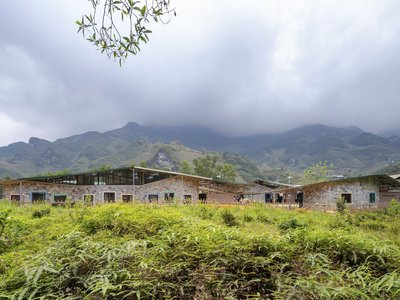
1+1>2 Architects Build a School from 900 Blocks of Hmong Stone on Vietnam's Rocky Plateau
On a barren valley in Ha Giang province, a community quarried its own stone to raise a kindergarten and primary school rooted in Hmong identity.
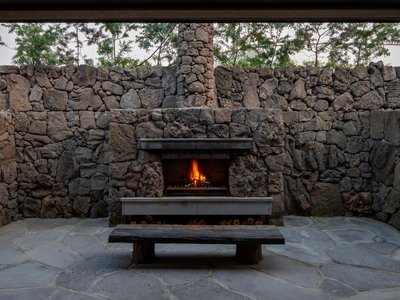
100A Associates Builds a Volcanic Stone Retreat on Jeju Island Rooted in Ritual and Restraint
Watarstay [Wa:Tar] in Bongseong-ri channels Jeju's basalt, reed, and hemp into a 150 m² hospitality space shaped by contemplation.


Explore Architecture Competitions
Discover active competitions in this discipline




The International Standard for Design Portfolios


The Global Benchmark for Architecture Dissertation Awards


The Global Benchmark for Graduation Excellence


Challenge to reimagine the Iron Throne
Comments (0)
Please login or sign up to add comments
No comments yet. Be the first to comment!